Stuck in the middle: Afghanistan between the superpowers
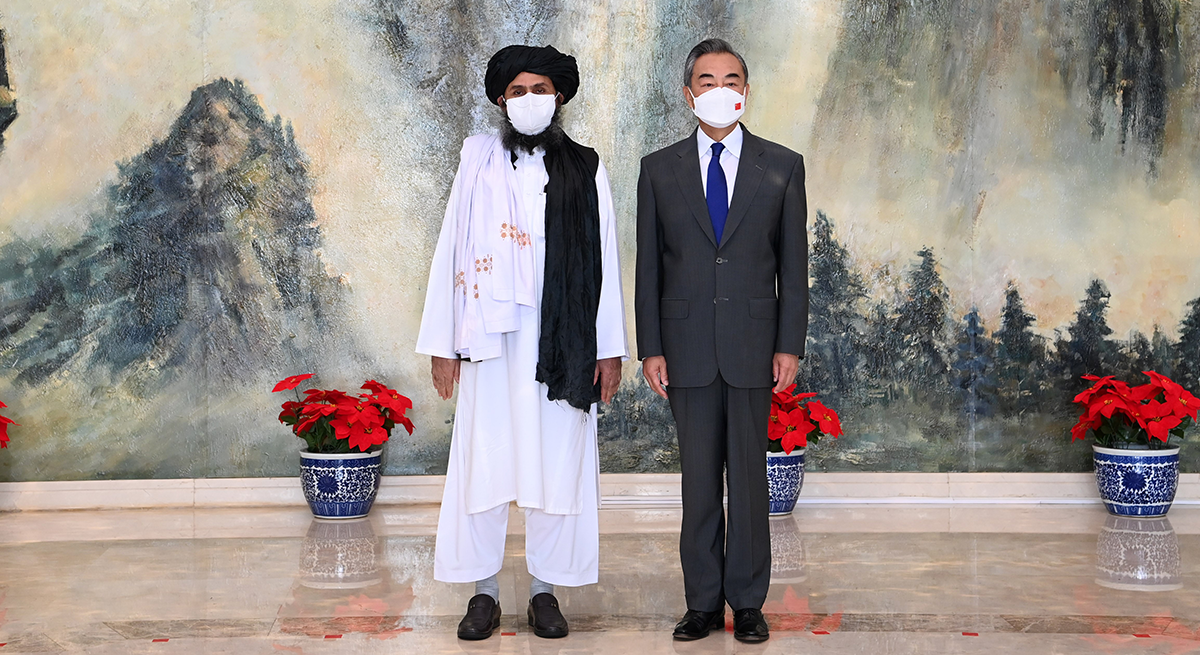
After 20 years of extensive involvement in Afghanistan by the U.S. and other NATO allies, now is the time to ask what China sees in the country and how it plans to approach relations with its new rulers, the Taliban.
Balancing ties, Russia expands Afghanistan cooperation with both India and Pakistan
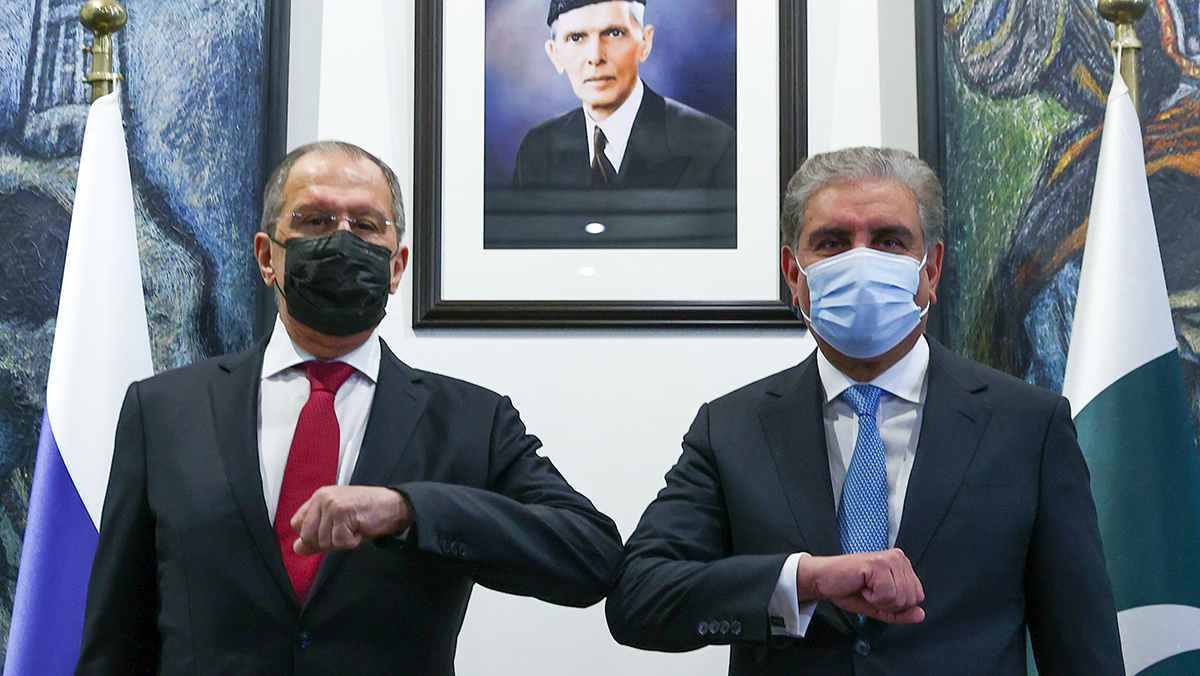
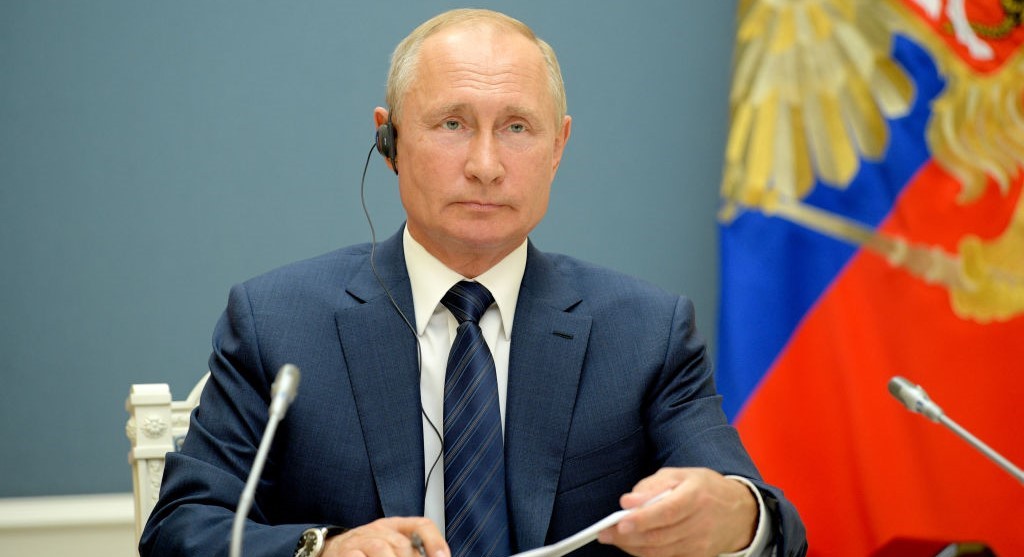
Since the Taliban seized control of Kabul on Aug. 15, Russia has expanded its engagement with India and Pakistan on Afghanistan. Russian President Vladimir Putin held talks with Indian Prime Minister Narendra Modi on Aug. 24, which resulted in the creation of a permanent bilateral channel for consultations on Afghanistan. On Sept. 8, Modi’s national security advisor, Ajit Doval, met with his Russian counterpart, Nikolay Patrushev, and agreed to expand Russia-India cooperation against terrorism and drug trafficking. On Aug. 25, Putin spoke with Pakistani Prime Minister Imran Khan about the situation in Afghanistan, which resulted in Khan inviting Putin to visit Pakistan. Russia’s simultaneous engagement with India and Pakistan on Afghanistan is the latest iteration of its balancing strategy toward the two South Asian rivals.
Ross Harrison, Paul Salem, and Randa Slim join host Alistair Taylor to reflect on 9/11’s impact on US policy in the Middle East over the past 20 years and how its legacy has been viewed by the region.
Russia and the digital Middle East: An old game made new?
For over a decade, Russia’s immediate neighborhood has been subject to the vagaries of the Kremlin’s cyber operations. Russia has effectively used cyberspace to advance its adversarial goals, be it through combining cyberattacks with military action during its war with Georgia, or targeting essential power grids in Ukraine. Advancing its cyber capabilities has enabled Russia to reassert its status as a superpower and hit targets anywhere in the world. In recent years, as the use of social media grew, the information war in cyberspace became the Kremlin’s primary tool for discrediting its perceived archenemy: “The West.” The Middle East, with its increasing dependence on social media for news, has also fallen prey to Moscow’s disinformation campaigns. Russia’s main disinformation narratives in the region stem from its Soviet-inherited superpower complex and its broader strategic imperatives on the international stage.
After Afghanistan: What’s next for Pakistan and the US?
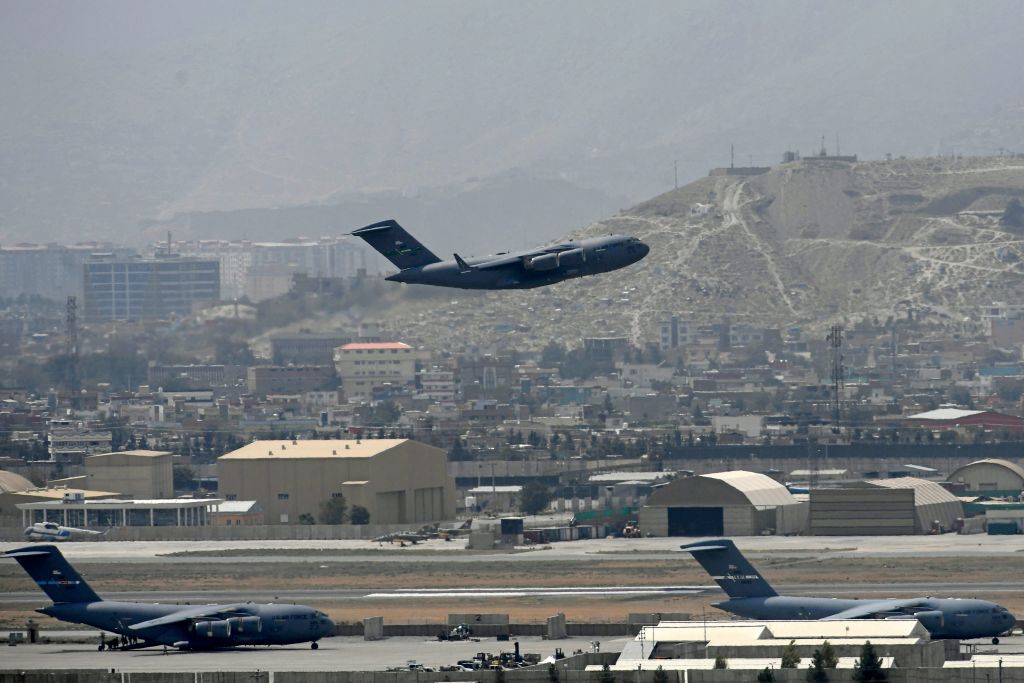
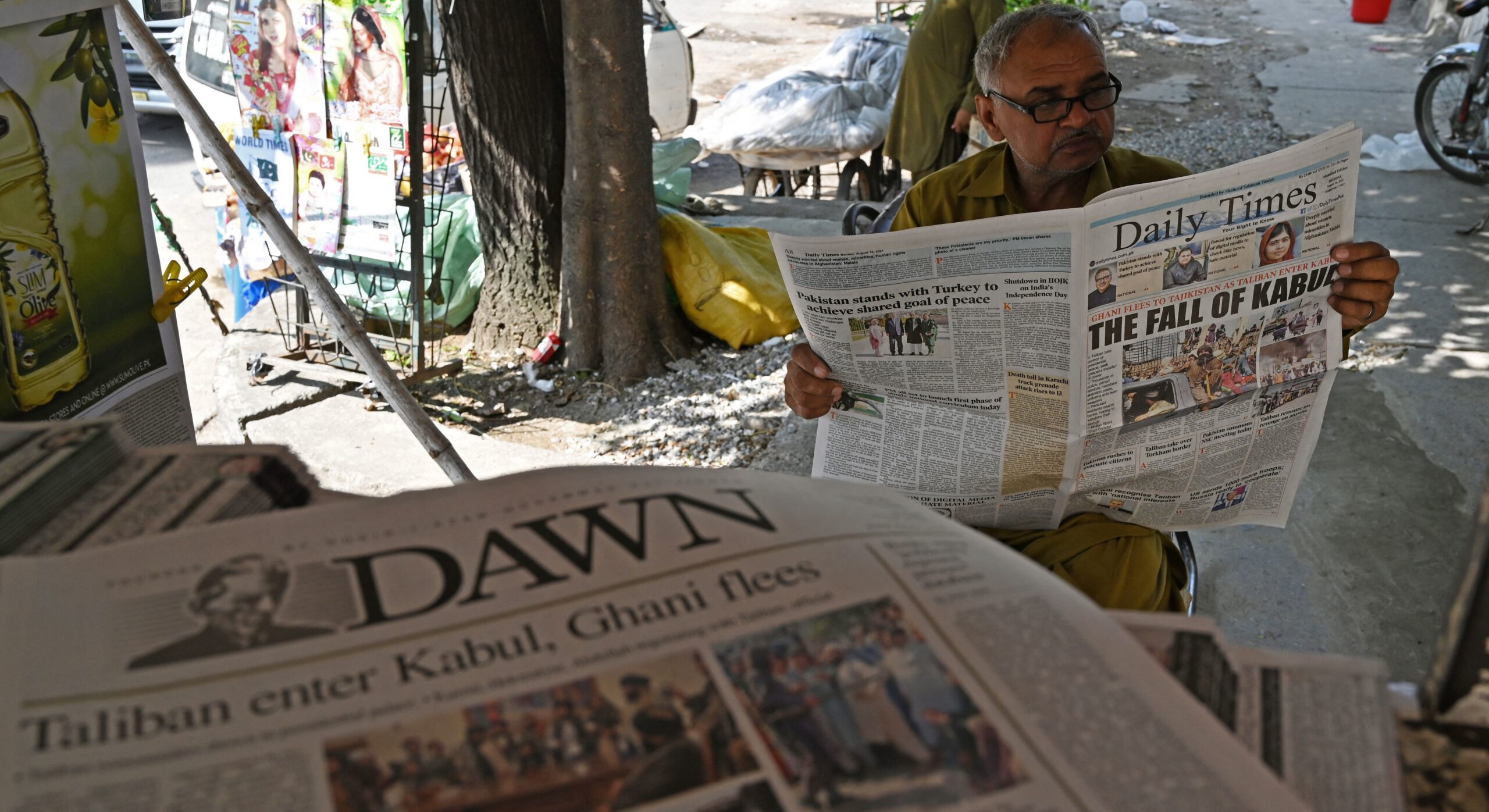
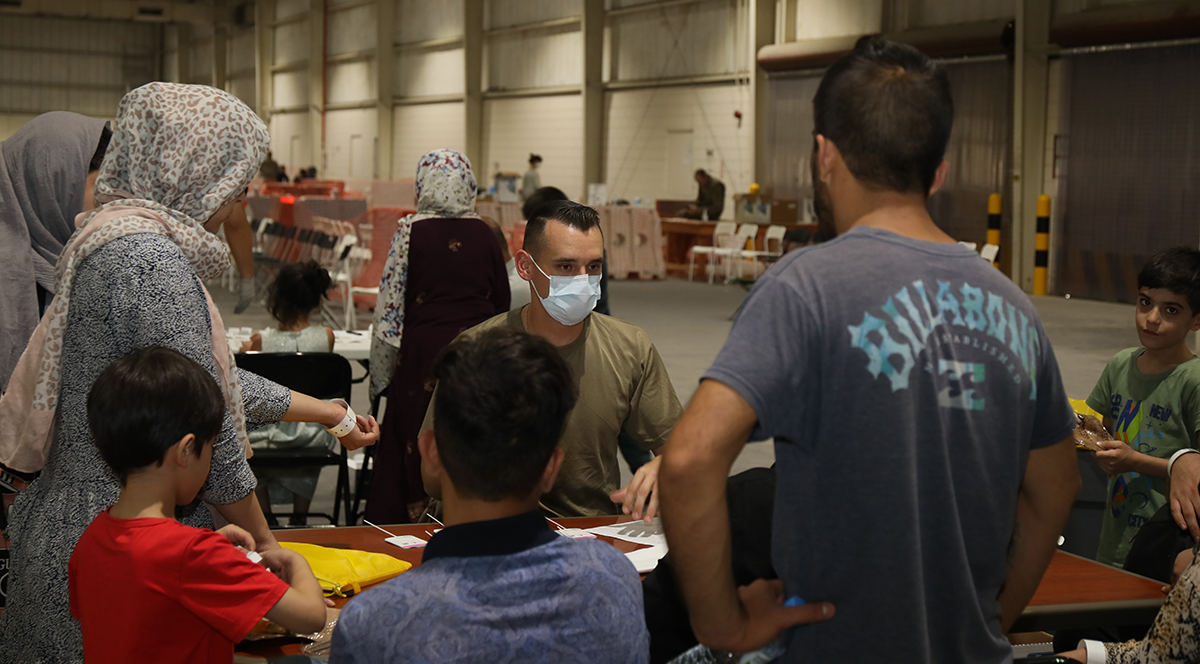
The evacuation crisis precipitated by the Taliban’s swift takeover of Afghanistan following the rapid withdrawal of American troops may further widen the divide between Pakistan and the United States. The Aug. 26 terror attack at Kabul airport claimed by Islamic State-Khorasan Province (ISKP), ISIS’s local affiliate, is a clear manifestation of Washington’s epic defeat in the two-decade-long “war on terror” and a sign that President Joe Biden is losing his grip on the Afghan narrative.
We rarely miss an opportunity to criticize our Gulf Arab partners — sometimes rightly so — for not doing enough to safeguard collective interests. But one must acknowledge that on Afghanistan, and especially our just-completed exit from the country, most of our Gulf Arab partners absolutely shined. They deserve a ton of credit for the role they played in our large, challenging, and deadly evacuation — a role which was nothing short of indispensable.
Mick Mulroy and Ken Tovo join host Alistair Taylor to discuss their recent paper on how US intelligence and military operatives effectively collaborated with local Kurdish partners in Northern Iraq in the early 2000s, why it was a successful partnership, and what lessons it may provide for future operations. The paper, “Irregular Warfare: A Case Study in CIA and US Army Special Forces Operations in Northern Iraq, 2002-03,” is available now on MEI’s website.
The CIA Is Better Than the U.S. Military at Creating Foreign Armies
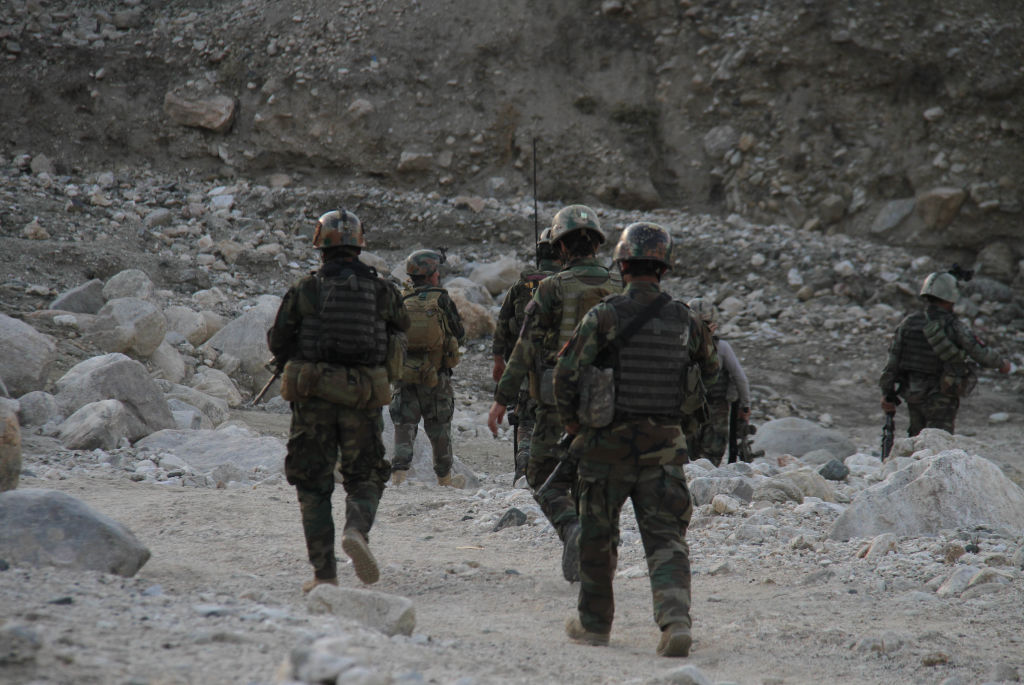
The failure of the Afghan army is a reminder that Pentagon-led security cooperation programs are more expensive and less effective than those led by spies.
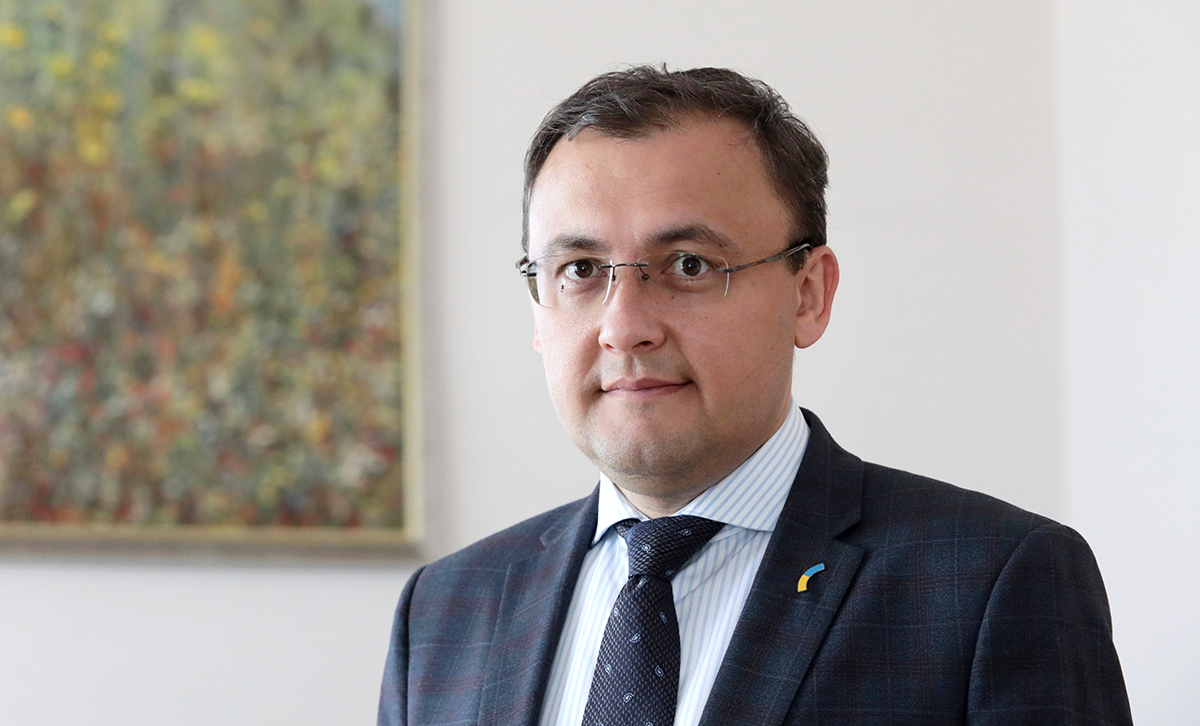
“Our greatest value is our experience”: An interview with Ukrainian Deputy Foreign Minister Vasyl Bodnar
According to Deputy Foreign Minister Vasyl Bodnar, Ukraine has completed the necessary reforms for NATO membership and does not rule out integration without the territories illegally annexed by the Russian Federation. Bodnar also explains why Ukraine’s Euro-Atlantic integration process is so difficult in comparison to that of the Baltic countries, which have had accelerated Western integration. This interview has been edited for length and clarity.
Southern inclusivity is key to Yemen’s chances for lasting peace
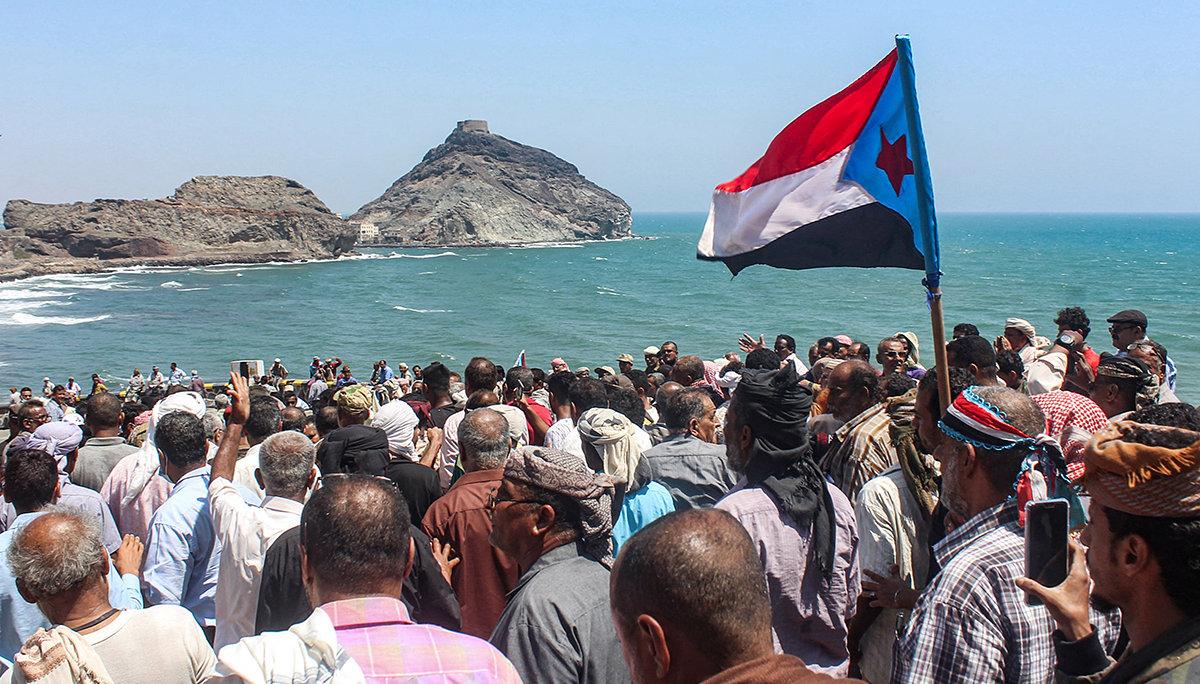
A reinvigorated international approach to Yemen is possible. The current architecture for advancing a negotiated peace is being challenged by both international and local developments. The protracted nature of the conflict, the risk that it could worsen, and local political developments over the past two years necessitate a recalibration of the peace process, informed by realities on the ground, the urgent needs of the population, and the demand for security. Evolving coalition priorities, renewed U.S. engagement, and the appointment of a new U.N. special envoy may be an opportunity to advance conflict resolution. Achieving greater unity among southern actors will be key to the success of national-level talks and is urgently needed to prevent a further descent into violence, extremism, and humanitarian catastrophe.
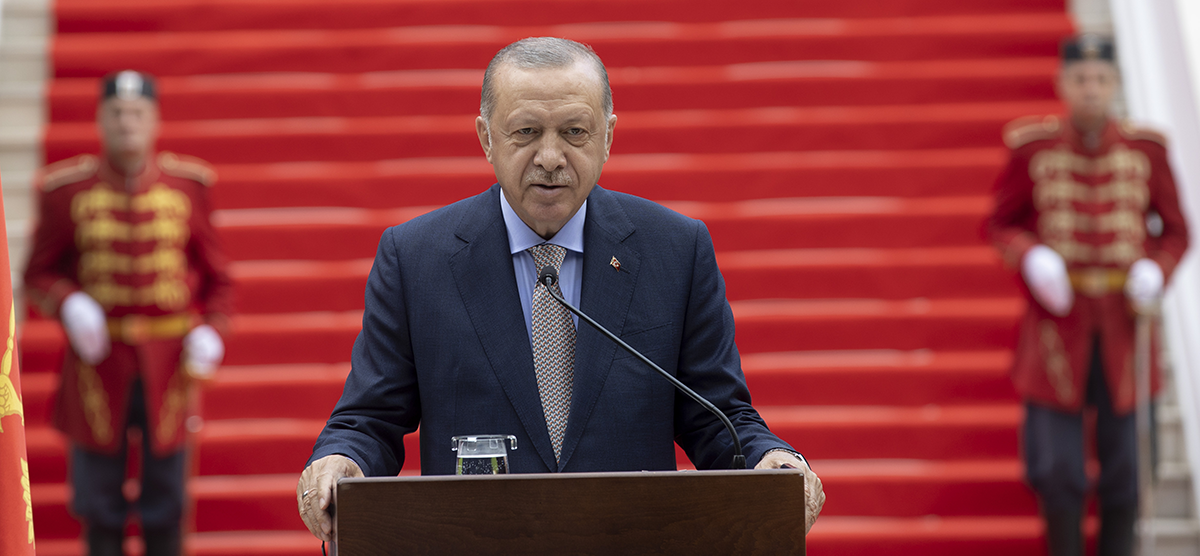
Just before visiting Turkish-occupied Northern Cyprus in late July, Turkish President Recep Tayyip Erdoğan gave Serbia an unpleasant surprise. He announced that Turkey would lobby to increase the number of countries that recognized independent Kosovo. Erdoğan stated on July 19, “Now 114 countries recognize Kosovo, and we want that number to increase. We hope that this year at the United Nations General Assembly, at the meeting I will have with [U.S. President Joe] Biden, we will discuss this topic again, that we will work together on the recognition of Kosovo.”
Building a Closer Black Sea: Promoting Trade and Economic Interdependence
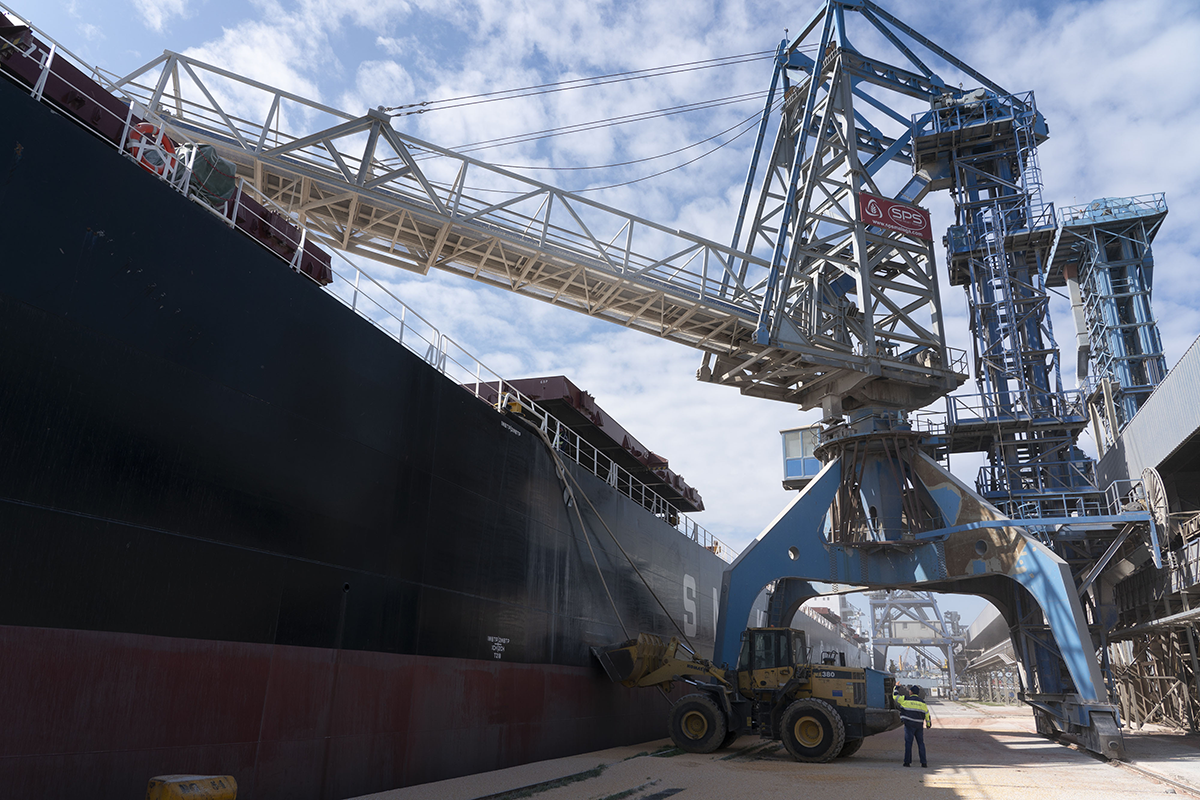
While the Black Sea has historically been an area of significant geostrategic importance, this has not made it a vibrant zone of commerce, transport, energy, tourism, or cultural exchange. Rather, it has become a theater of struggle for dominance and competing geopolitical and geo-economic interests. This situation has been exacerbated by conflict between Russia and countries in the region, like Ukraine and Georgia, that have sought closer ties with the West and aspire to NATO membership and EU integration. These developments have dire consequences for regional security and stability, disrupting political and economic ties in the area and beyond. A long-term solution to the region’s security issues could be based on intensifying trade relations and increasing economic interdependence between the states. This paper identifies major barriers to closer regional trade and economic cooperation and outlines ways to overcome them.
Afghanistan: The US decides, but will Europe pay the bill?
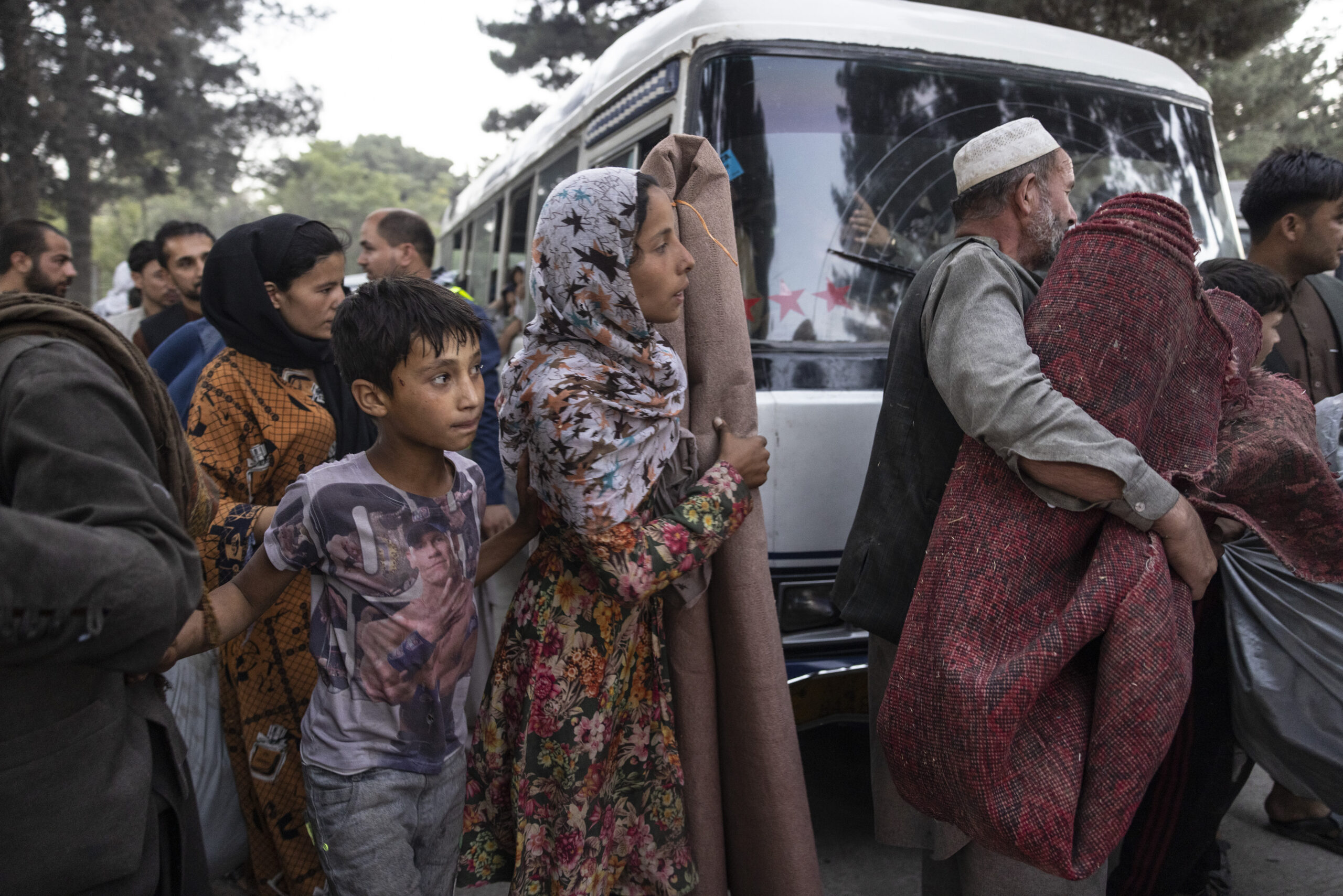
That the Taliban ended up taking over Afghanistan was not surprising, given the details of the agreement between the U.S. administration and the group’s leadership that have been known for many months. What was surprising for the international community, however, was the speed and manner of their takeover. The Taliban offensive and its consequences came as a particular shock to the institutions of the European Union (EU) and the member states that took part in the International Security Assistance Force (ISAF) mission and various aid programs in the country. When it comes to assessing the consequences of the Taliban’s takeover, there is no doubt that, first and foremost, it is the Afghan people that are most badly affected. Among the members of the international community, it is the Americans that have suffered the greatest reputational and financial losses so far, but from here on out the EU may well be the party that will face the greatest consequences.