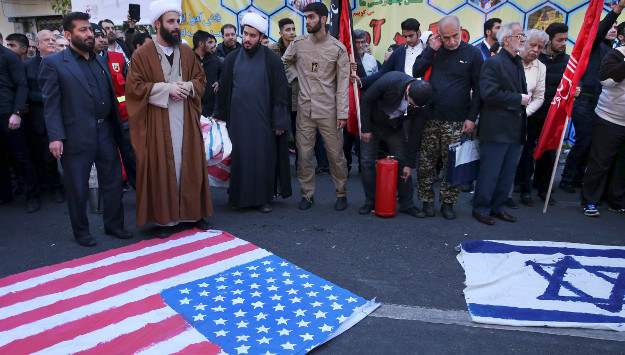
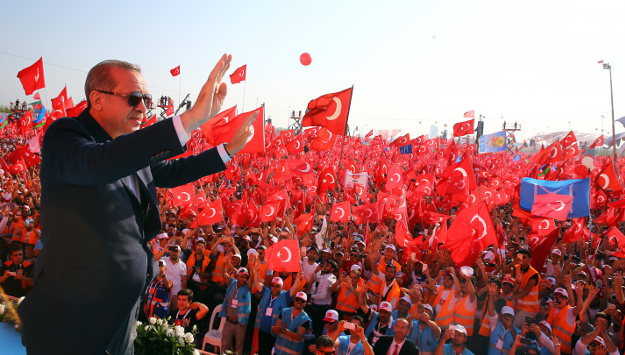
Iran Marks Embassy Seizure Anniversary with "Death to America" Slogan
Tens of thousands of Iranians marched across Iran to mark the anniversary of the seizure of the US Embassy in Tehran following the Islamic Revolution in the country in 1979.
To be a cinephile in Tunis is a patriotic act. Tunisians came out in droves to last year’s Carthage Film Festival, which occurred a day after a terror attack targeting security forces.
“Everyone came out in defiance of the situation, to show their solidarity and love of cinema,” Tunisian journalist and festival staffer Yosr Hazgui said.
Iran Hails Aoun’s Election as Victory for Resistance
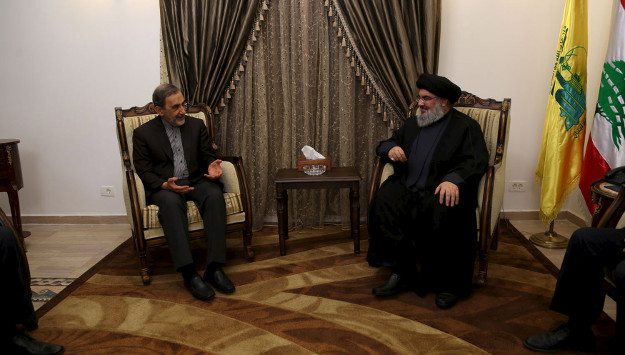
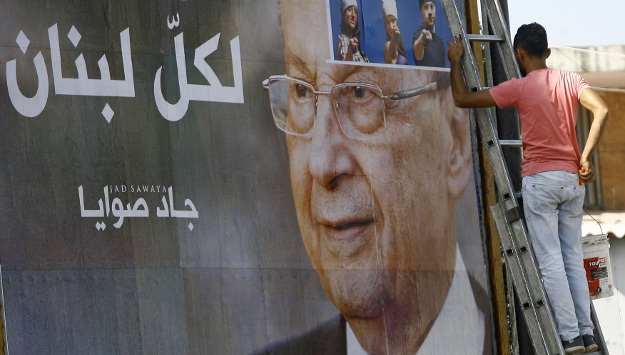
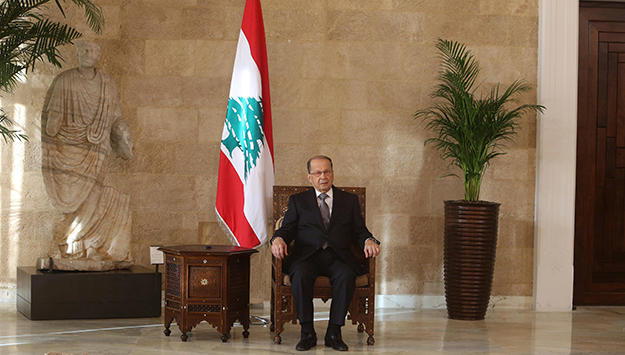
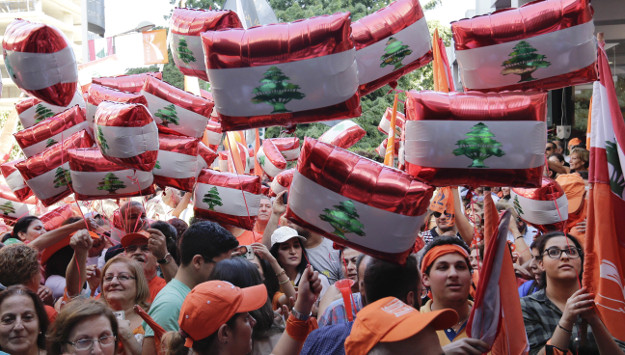
On Monday, Lebanon’s lawmakers ended more than two years of political gridlock and elected Michel Aoun as the country’s president. The news was greeted with elation in Tehran as Aoun, a former general from Lebanon’s Christian community, is a close ally of Iran-backed militia and political party Hezbollah.
When Osama bin Laden carefully recruited a number of Saudis to carry out the 9/11 attacks, his intention was to drive a wedge between his two enemies, the United States and the Saudi government. Fifteen years after the attacks, the JASTA legislation appears to be doing just that.
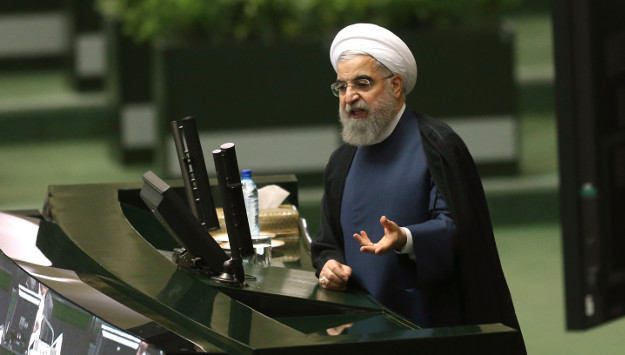
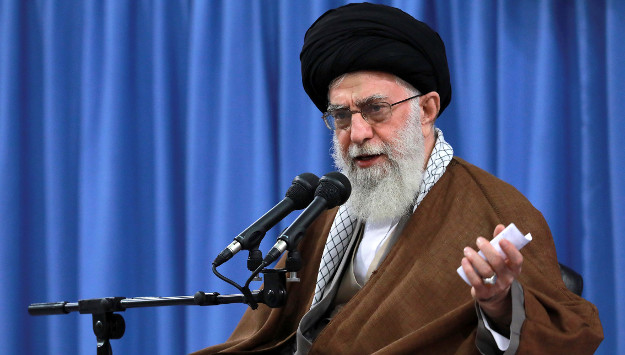
On November 2, Iran’s Supreme Leader Ali Khamenei warned that compromise with the United States would only aggravate the country’s problems. He accused Washington of continuing hostile policies against Tehran and not abiding by the terms of the 2015 nuclear agreement.
“Kullun haramiyyeh” — “they’re all thieves” — is the most common sentiment about Lebanon’s politics on the streets of Beirut. You’ll hear it from street vendors, waiters, students, teachers, architects, taxi drivers, doctors, Muslims, and Christians. It’s a view, in short, that unites this perpetually fragmented country.
After a hiatus of two and a half years, Lebanon has a new president. The Lebanese parliament has elected Michel Aoun, a former army chief, as the country’s 17th president. Michel Aoun owes the presidency to three men: Samir Geagea, the leader of the Christian Lebanese forces, Saad Hariri, the former Sunni prime minister, and Hassan Nasrallah, the leader of the Shiite Hezbollah.
Monday Briefing: Shiite Militias to Join Mosul Battle
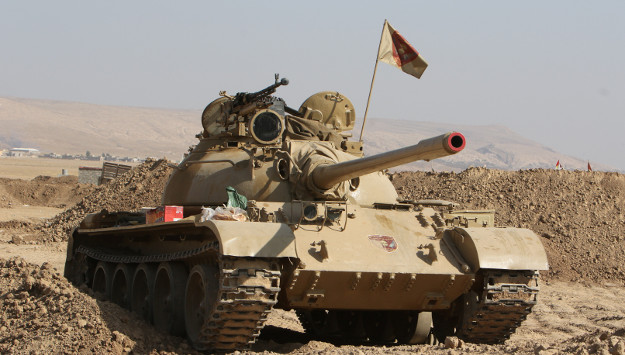
In this week’s Monday Briefing, MEI experts Randa Slim, Robert S. Ford, and David Mack provide analysis on recent and upcoming events including updates on the battles for Mosul and Aleppo, and the potential meeting of Libyan factions currently locked in a stalemate.
Note: This article was published by Foreign Affairs on October 29; On Monday, October 31, Michel Aoun was elected president. Read the full article on here.
October 28, 2016 – Vice President for Policy and Research Paul Salem discusses key points from his policy essay, “Navigating a Turbulent Middle East: Priorities for the Next President,” which was just published in the Fall 2016 issue of The Middle East Journal.
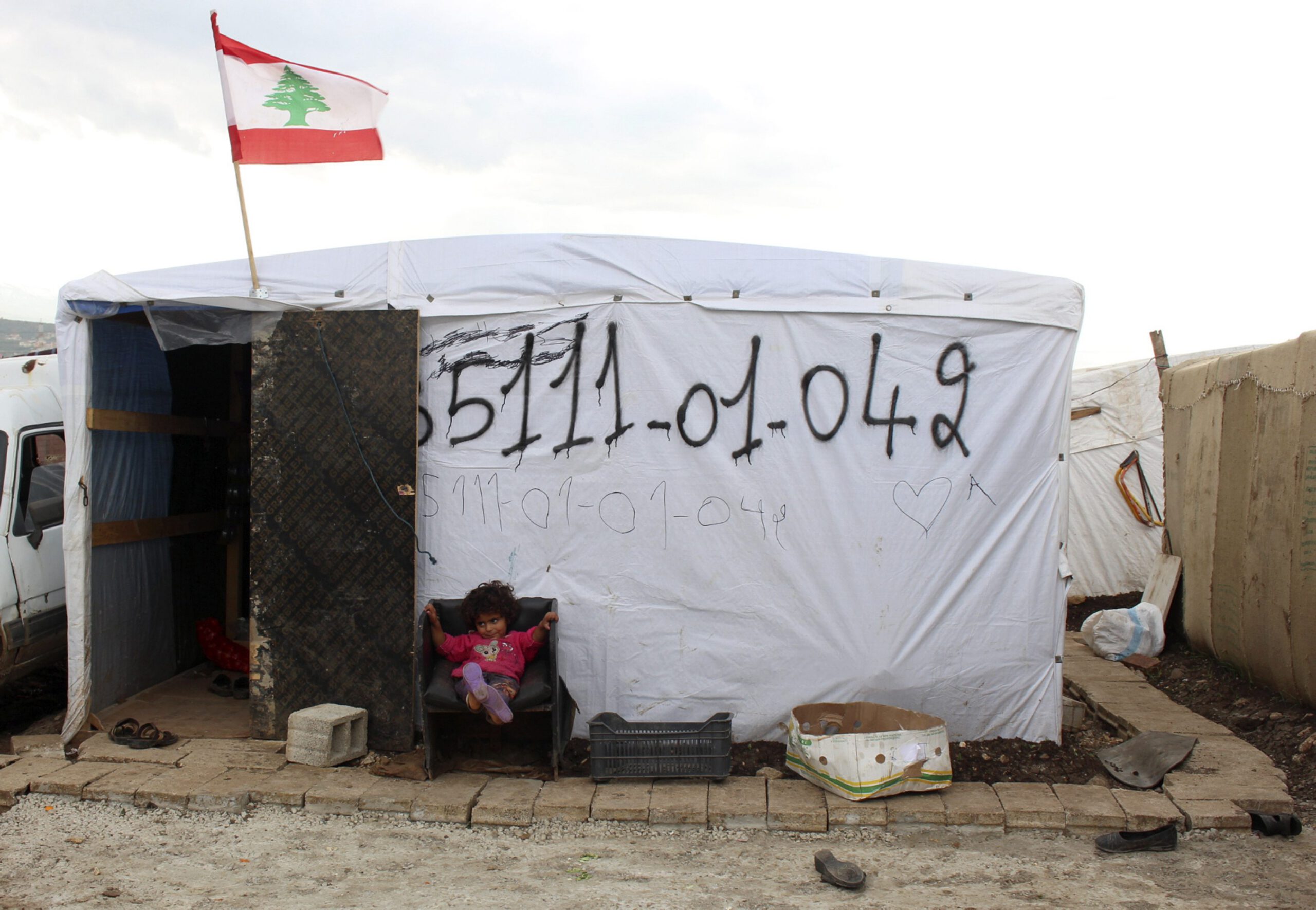
Against Ontologies of Hospitality: About Syrian Refugeehood in Northern Lebanon
This essay explores the relationship between Syrian refugees and local Lebanese. In particular, it discusses the dominance of the discourse of ‘hospitality’ in the international media depiction of this relationship and in the humanitarian response informed by it. As this essay will show, these tendencies have resulted in the ‘hospitality’ discourse informing and reinforcing the international response to the Syrian refugee influx into and presence in Lebanon.