Debunking the role of cloud seeding in the April Arabian Gulf floods
Intense flooding across the Arabian Peninsula caused by a storm in mid-April sparked speculation about the role cloud seeding might have played in the precipitation event, giving rise to conspiracy theories on social media and warnings trumpeting the hazards of human intervention into natural processes. Cloud seeding is not the only climate change-adaptive strategy to have been targeted in this way, and the effort being expended to combat such disinformation (though nascent) is growing.
Expert Views: How should we navigate the new rules of the game in the Israel-Iran conflict?
The month of April saw a series of unprecedented escalations in the long-simmering Iranian-Israeli conflict, with both countries launching missile and drone attacks against the other’s territory for the first time in history.
In the wake of these strikes, what will be the impact on the regional security and political environment going forward, what is needed to stabilize the new rules of the game, and how can US diplomacy help to facilitate that process? MEI has asked its experts to weigh in.
The Hadramawt National Council: A strategic move or a tactical reaction?
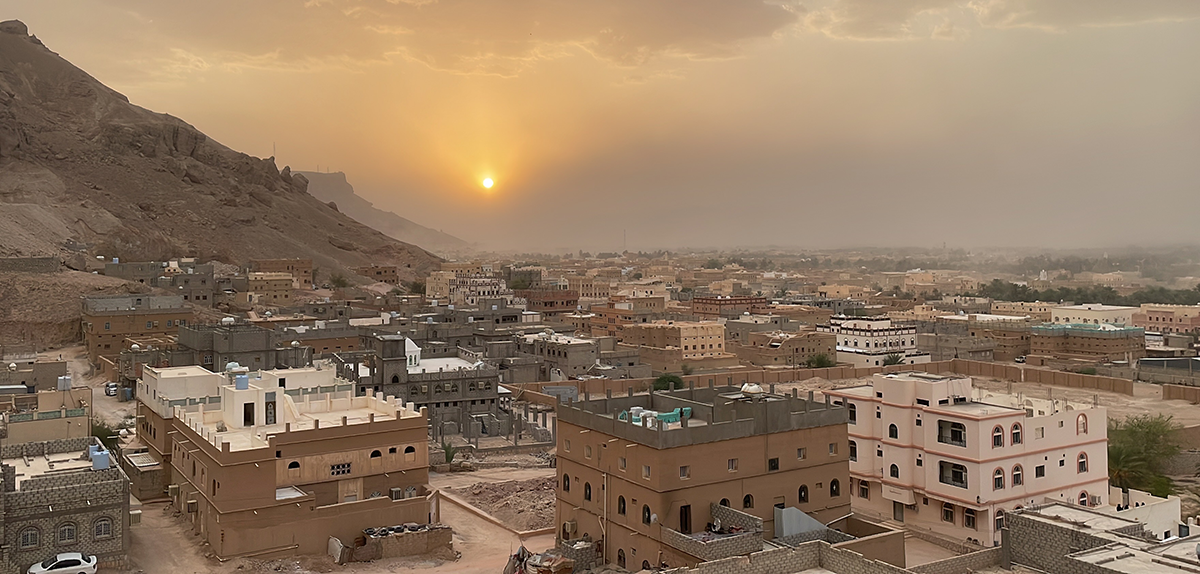
Yemen’s eastern governorate of Hadramawt has long had a distinct regional identity and recent steps, including the signing of a Hadrami Honor Charter and the formation of the Hadramawt National Council (HNC), have underscored Hadramis’ aspirations for greater empowerment and autonomy at a time of growing competition and contestation, both locally and regionally.
Saudi-Houthi Agreement: Four Scenarios and Their Potential Impact
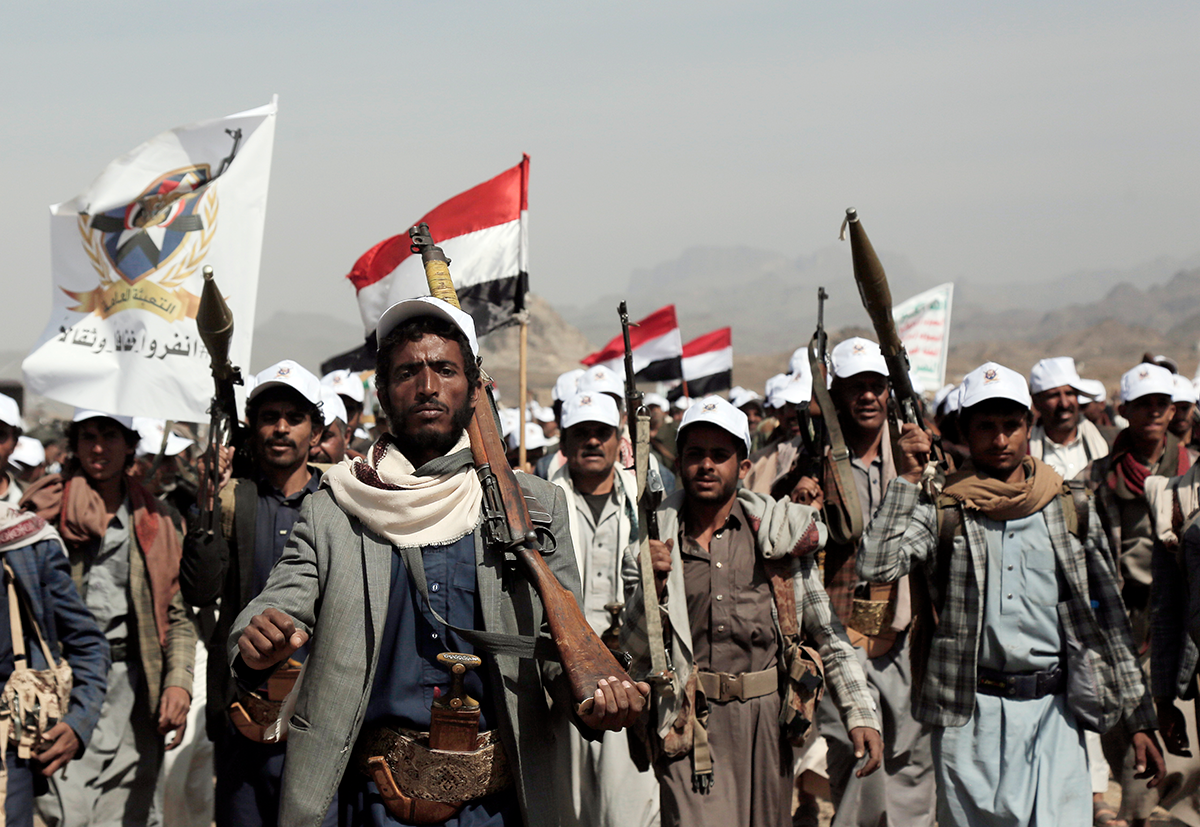
Less than 10 years after seizing power in Yemen, the Iran-backed Houthi militia continues to evolve — and so do the threats emanating from it. After several years of negotiations, it now seems likely that the Houthis and Saudis will reach a peace agreement, and it is worth considering how such a deal could change the group’s trajectory. This report examines a number of possible futures that could develop in Yemen over the next 1-2 years based on shifting capabilities, interests, and alliances.
As Western options narrow, Yemen's anti-Houthi forces vie for US military support
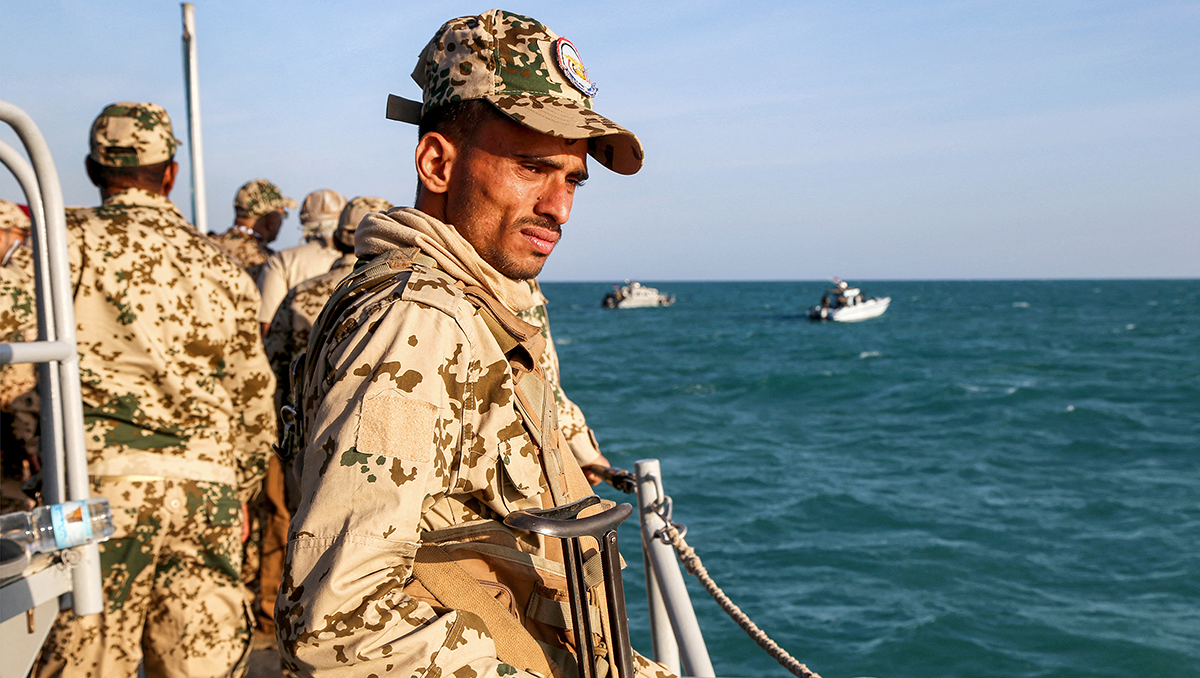
In recent weeks, Yemen’s main anti-Houthi leaders have increasingly been sending the same message to the US, urging it to provide support in the fight against the Houthis on the ground. The provision of military assistance is still hypothetical but seems more and more plausible given developments in Yemen, triggered by the Houthis’ continuing attacks on maritime shipping in the Red Sea.
Home to around 1,000 forts, castles, and watchtowers, Oman has long used its historical structures to showcase the country’s rich history. Now, as part of an effort to promote cultural tourism, the sultanate is looking to develop more of them with a focus on the arts and cultural activities, giving its centuries-old heritage sites a new lease on life.
From Yemen to Palestine: The strategic depth of the Houthi-Iranian alliance
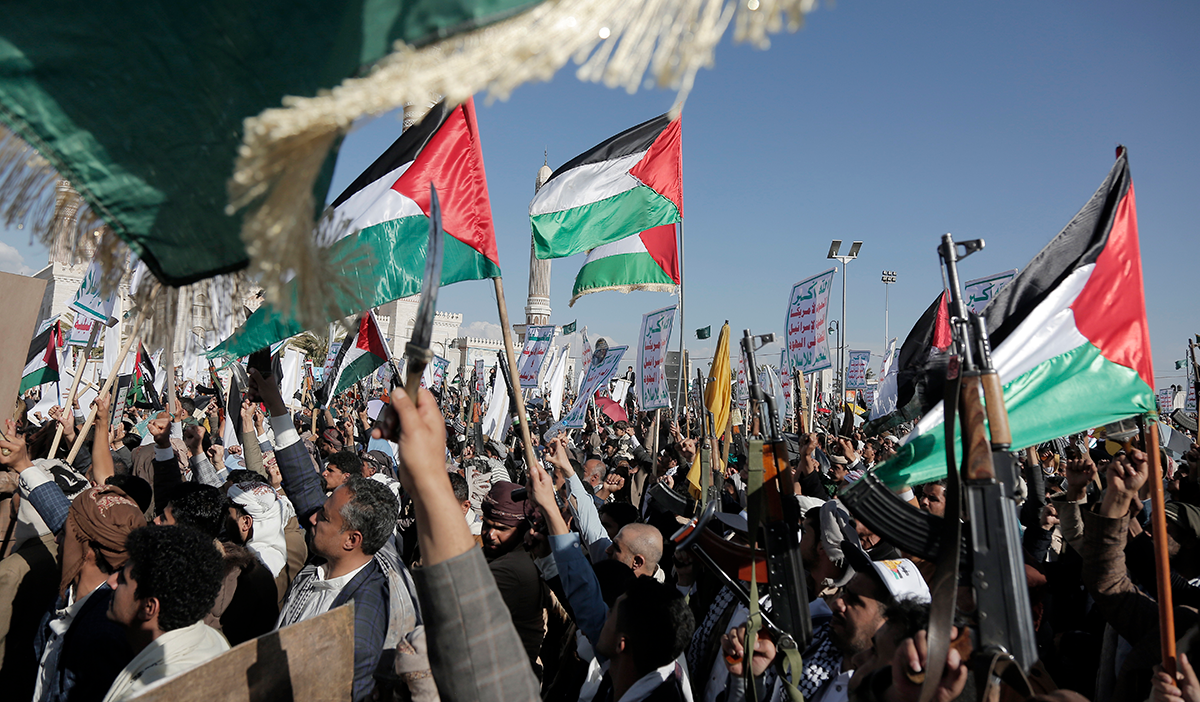
Houthi rhetoric focusing on Palestine underscores the militia’s strategic alliance with Tehran as part of the “Axis of Resistance.” This relationship, central to understanding the Houthi movement’s actions and narratives, frames its position within the larger geopolitical contest in the Middle East.
The implications of Red Sea instability on the global LNG market
Well over 30 attacks against commercial shipping in the Red Sea have been reported since mid-November 2023, although none have targeted crude oil or liquefied natural gas (LNG) carriers to date. But that is not to say that global energy flows through this critical maritime chokepoint are invulnerable; any harm that came to hydrocarbon carriers traveling into or out of the Red Sea via the Bab el-Mandeb would have far-reaching consequences for international markets.
The ideological underpinnings of the Houthis’ Red Sea attacks
The Houthis’ attacks in the Red Sea are a manifestation of their ideology, rooted in Islamic fundamentalism. Today, aligned with Iran’s “Axis of Resistance,” this ideology aims to expel the US from the Middle East, destroy Israel, and institute a worldwide Islamic Caliphate with Jerusalem at its core. The following analysis delves into the ideological framework that propels the Houthis’ actions in the Red Sea and its broader implications.
Last Thursday, military forces from the United States and the United Kingdom struck nearly thirty different locations across Western Yemen to degrade Houthi military capabilities and dissuade the rebel group from further attacks on commercial shipping in the Red Sea. It will take a bit more time to assess the actual damage caused to Houthi radars, missiles, drone launch bases, and command and control facilities and even longer to determine a change in behavior by the Houthis.
Dutch support for allied anti-Houthi airstrikes: Shared objectives with a pinch of opportunism
When the United States and the United Kingdom decided to strike Houthi targets inside Yemen to stop the group from launching attacks on commercial shipping in the Red Sea, most European allies did not want to get involved in the operation. The sole exception was the Netherlands, which grabbed the opportunity to step forward and show its willingness to provide not only political but also military support, albeit largely symbolic.