The implications of Red Sea instability on the global LNG market
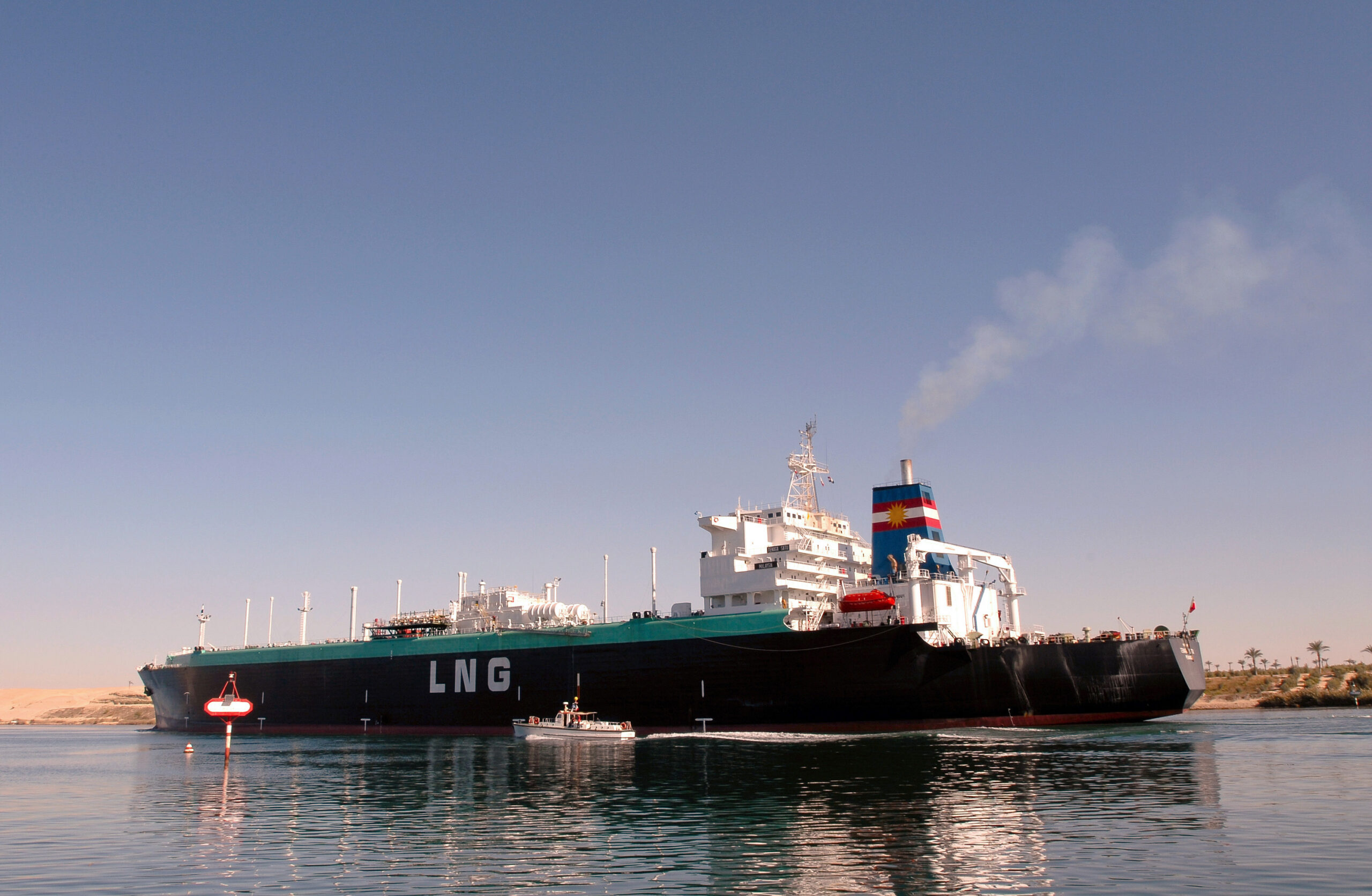
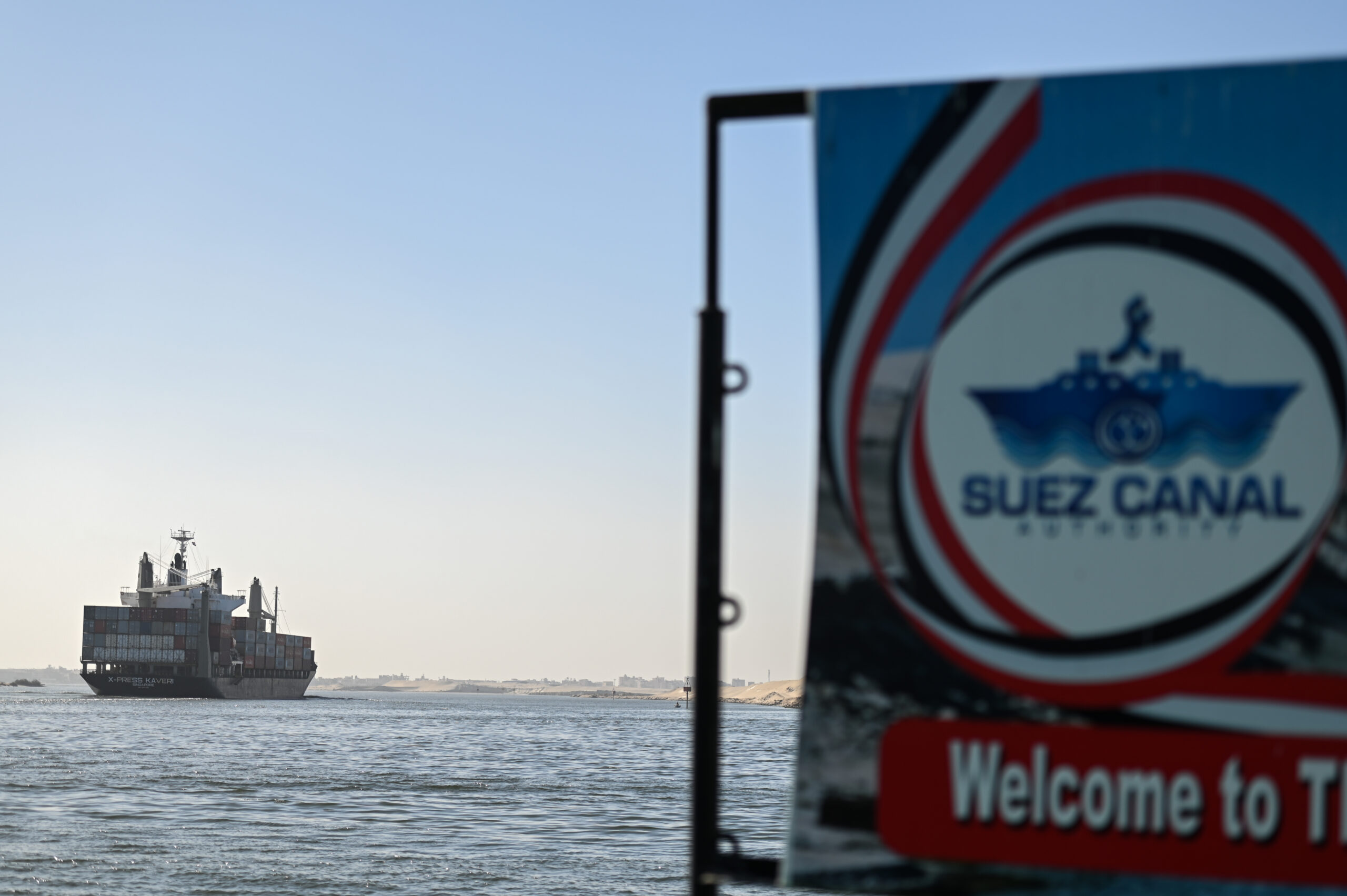
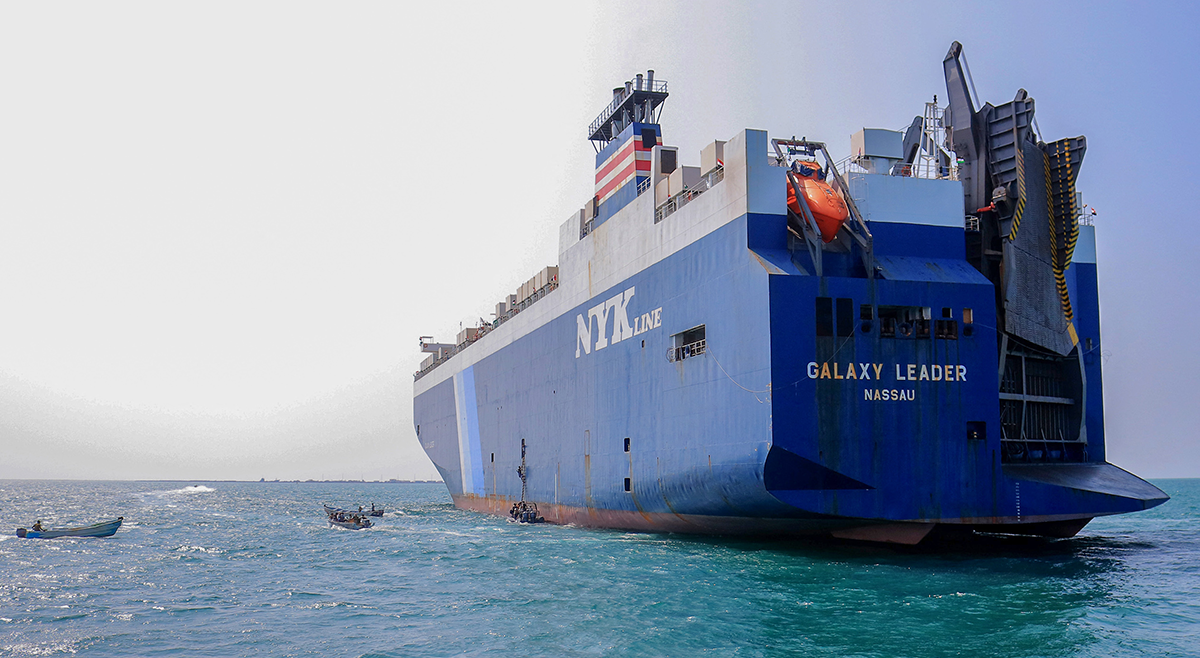
Well over 30 attacks against commercial shipping in the Red Sea have been reported since mid-November 2023, although none have targeted crude oil or liquefied natural gas (LNG) carriers to date. But that is not to say that global energy flows through this critical maritime chokepoint are invulnerable; any harm that came to hydrocarbon carriers traveling into or out of the Red Sea via the Bab el-Mandeb would have far-reaching consequences for international markets.
The ideological underpinnings of the Houthis’ Red Sea attacks
The Houthis’ attacks in the Red Sea are a manifestation of their ideology, rooted in Islamic fundamentalism. Today, aligned with Iran’s “Axis of Resistance,” this ideology aims to expel the US from the Middle East, destroy Israel, and institute a worldwide Islamic Caliphate with Jerusalem at its core. The following analysis delves into the ideological framework that propels the Houthis’ actions in the Red Sea and its broader implications.
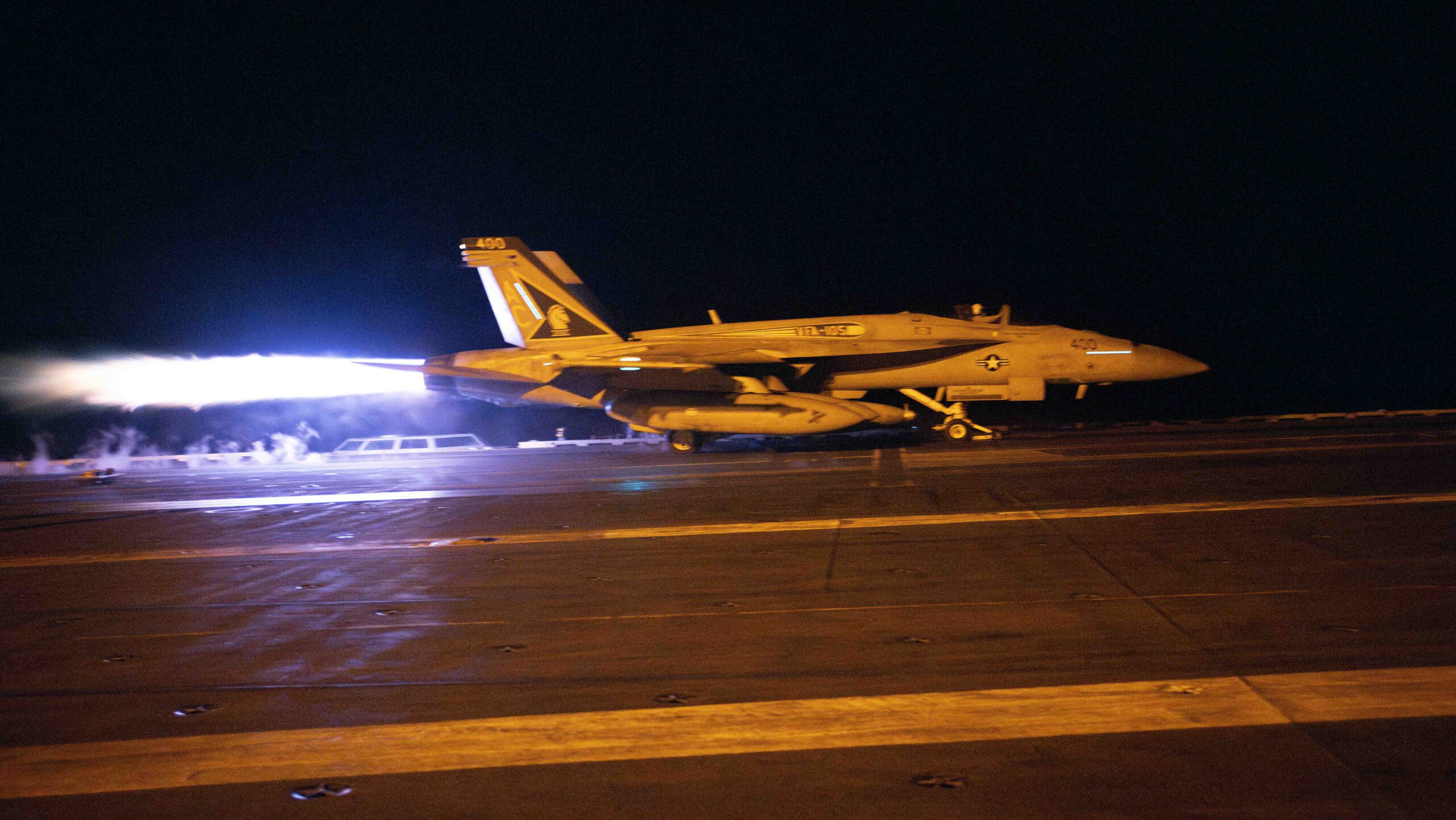
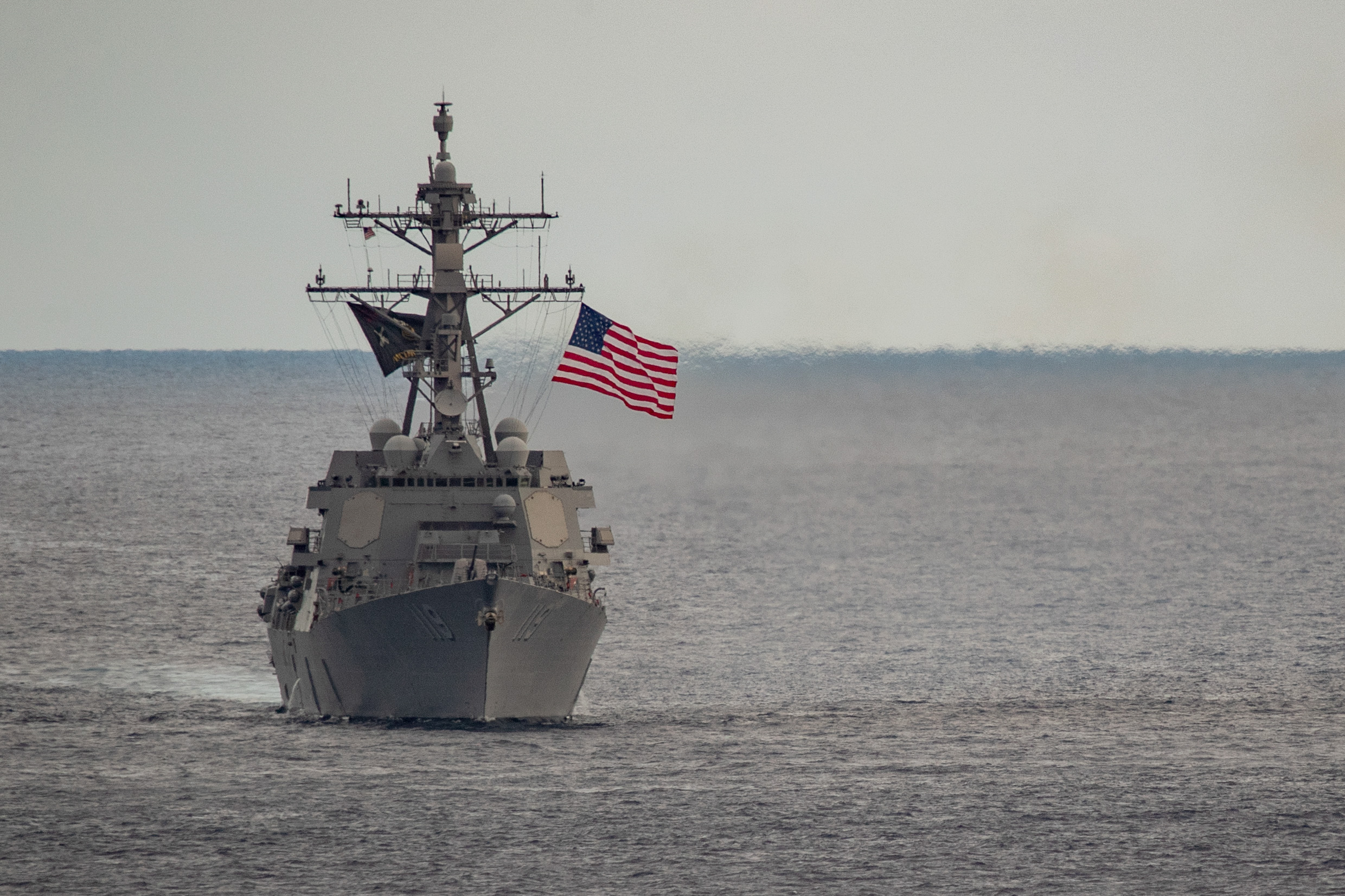
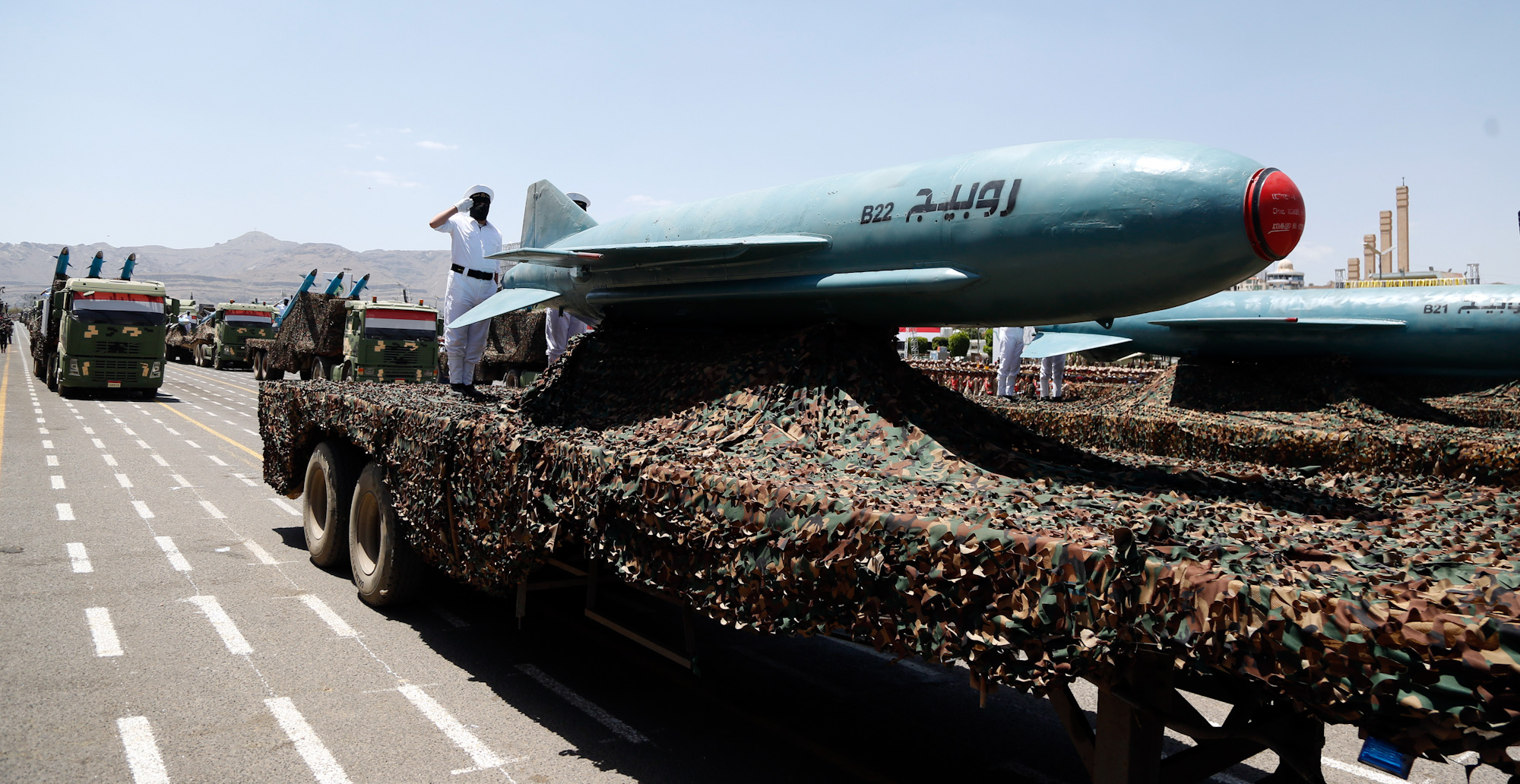
Last Thursday, military forces from the United States and the United Kingdom struck nearly thirty different locations across Western Yemen to degrade Houthi military capabilities and dissuade the rebel group from further attacks on commercial shipping in the Red Sea. It will take a bit more time to assess the actual damage caused to Houthi radars, missiles, drone launch bases, and command and control facilities and even longer to determine a change in behavior by the Houthis.
Dutch support for allied anti-Houthi airstrikes: Shared objectives with a pinch of opportunism
When the United States and the United Kingdom decided to strike Houthi targets inside Yemen to stop the group from launching attacks on commercial shipping in the Red Sea, most European allies did not want to get involved in the operation. The sole exception was the Netherlands, which grabbed the opportunity to step forward and show its willingness to provide not only political but also military support, albeit largely symbolic.
US options to counter Houthi threat to global shipping
Overnight US and UK strikes on Thursday delivered a strong message to the Houthis: their attacks on global shipping in the Red Sea will not go unpunished.
Ansar Allah, the Yemen-based militant group commonly referred to as the Houthis, is arguably the latest and largest addition to the Iran-led Axis of Resistance. Present tensions in the Red Sea illustrate both the utility of the Houthis for Tehran’s anti-American and anti-Israel regional agenda as well as the challenges their actions can create for the Iranians.
Houthis see domestic and regional benefit to continued Red Sea attacks
Since the outbreak of the Israel-Hamas conflict in October, Yemen’s Houthi rebels have sought means to capitalize on the war in Gaza to raise their profile, enhance their pan-Arab legitimacy, and burnish their credentials both domestically and in the region. In their effort to insert themselves into the Gaza conflict, the Houthis believe their actions will strengthen their support base at home while also cementing their movement more firmly into the Iranian “Axis of Resistance.”
Gaza war hasn’t halted de-escalation efforts in Yemen
Over the past two months, the Houthi rebels in Yemen have launched missiles and drones into Israel, attacked several commercial ships in the Red Sea, and threatened to block all ships sailing to Israel, regardless of nationality, until Gaza receives humanitarian aid. In the Gulf, there is a growing fear that the situation could constrain ongoing de-escalation talks between Riyadh, the Republic of Yemen Government, and the Houthis, or even take them back to square one were conflict dynamics to escalate.
Despite the Houthis’ geographical distance from Israel and perceived limited capabilities, the threat they represent is all too real and if underestimated, they have the potential to derail diplomatic efforts and destabilize the region, with potentially catastrophic consequences.
In mid-October 2023, Yemen’s foreign minister traveled to Kenya to attend the Munich Leaders Meeting in Nairobi and met with Kenyan officials on the sidelines. Although bilateral ties between the two countries date back centuries, Yemeni-Kenyan relations have yet to reach their full potential. The conclusion of a political consultation agreement would pave the way for the resumption of ministerial-level bilateral committees between the two governments.
The Houthis’ Red Sea missile and drone attack: Drivers and implications
On Oct. 19, the Pentagon press secretary confirmed that the Iran-backed Houthi militia targeted the USS Carney, an Arleigh Burke-class guided-missile destroyer, in the Red Sea. The USS Carney reportedly intercepted three cruise missiles and several drones without sustaining any damage or casualties. Although the Houthis have yet to claim responsibility for the attack, the drones and missiles were likely fired from north-western, Houthi-held positions in Hodeida and Hajjah governorates on Yemen’s Red Sea coast and were headed “north,” most likely toward Israel.