Rethinking Democracy Ep. 5: Impact of Donald Trump’s Election on American Democracy and the World with Ruth Ben-Ghiat and Larry Diamond
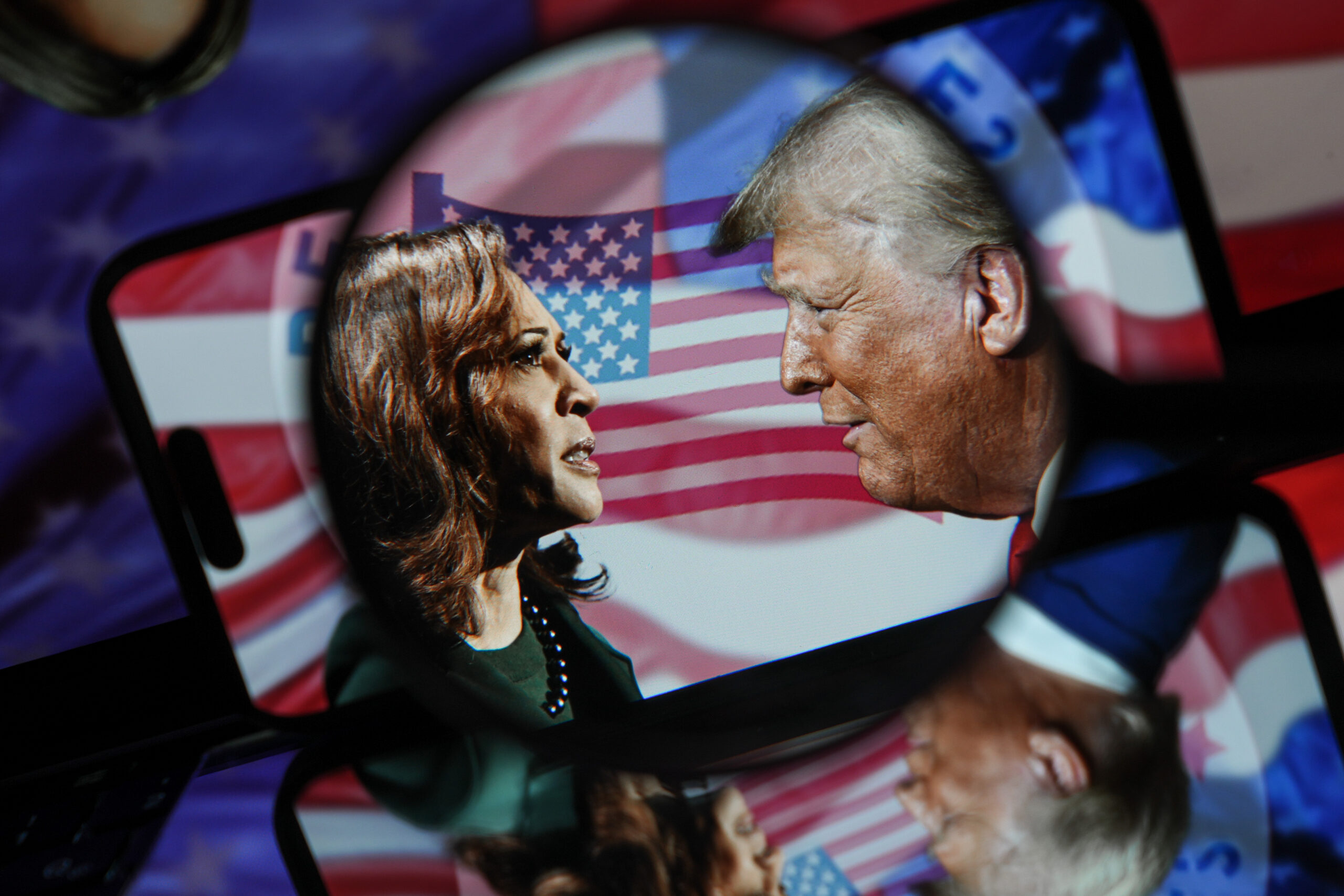
Last month, the US electorate voted President-Elect Donald Trump back into the White House. His victory was seen by some experts as part of a global trend and a move towards anti-incumbency attitudes and populism. How will Trump’s rhetoric impact the United States domestically and internationally? Will he govern as a strongman during his second term? What can we expect to be different from his first term?
Ukraine’s role in the Black Sea: Navigating a geopolitical crossroads
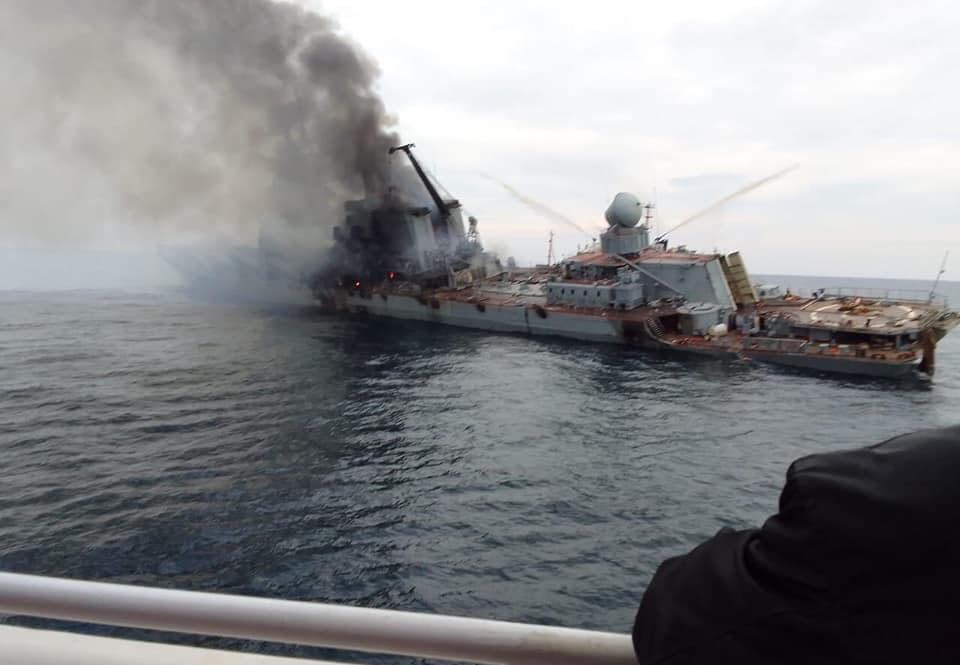
The Black Sea has recently become one of the world’s most important dynamically shifting geostrategic maritime areas, with Ukraine playing a crucial role in upending the naval balance of power there. Ukraine’s efforts to push back against Russia, bolstered by Western military aid, have challenged the status quo and reshaped the region’s security landscape.
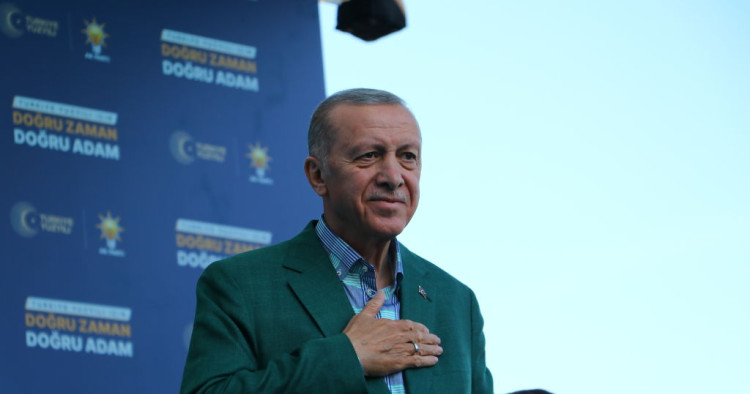
Erdoğan has big plans, but the Kurdish problem keeps getting in the way
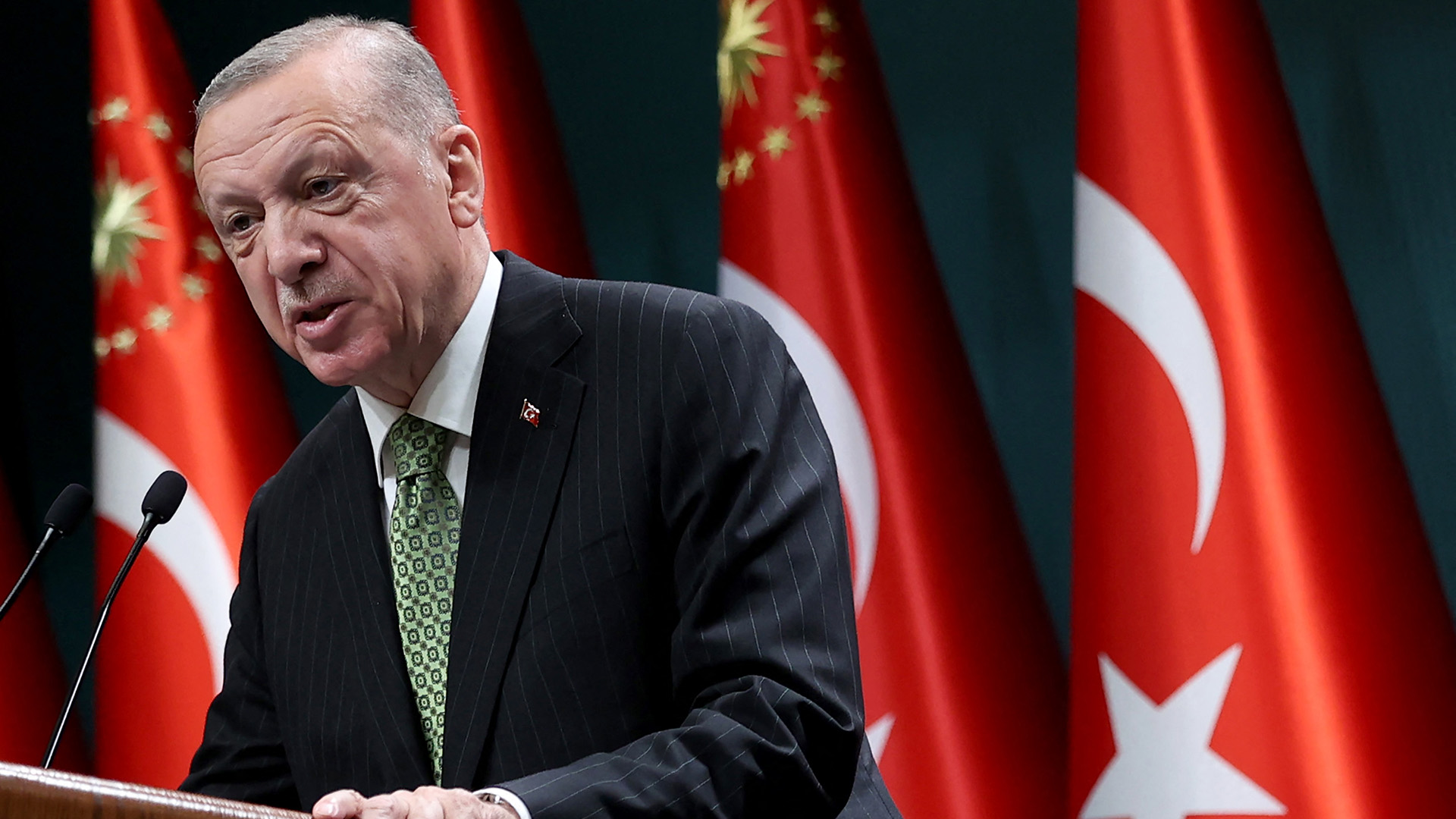
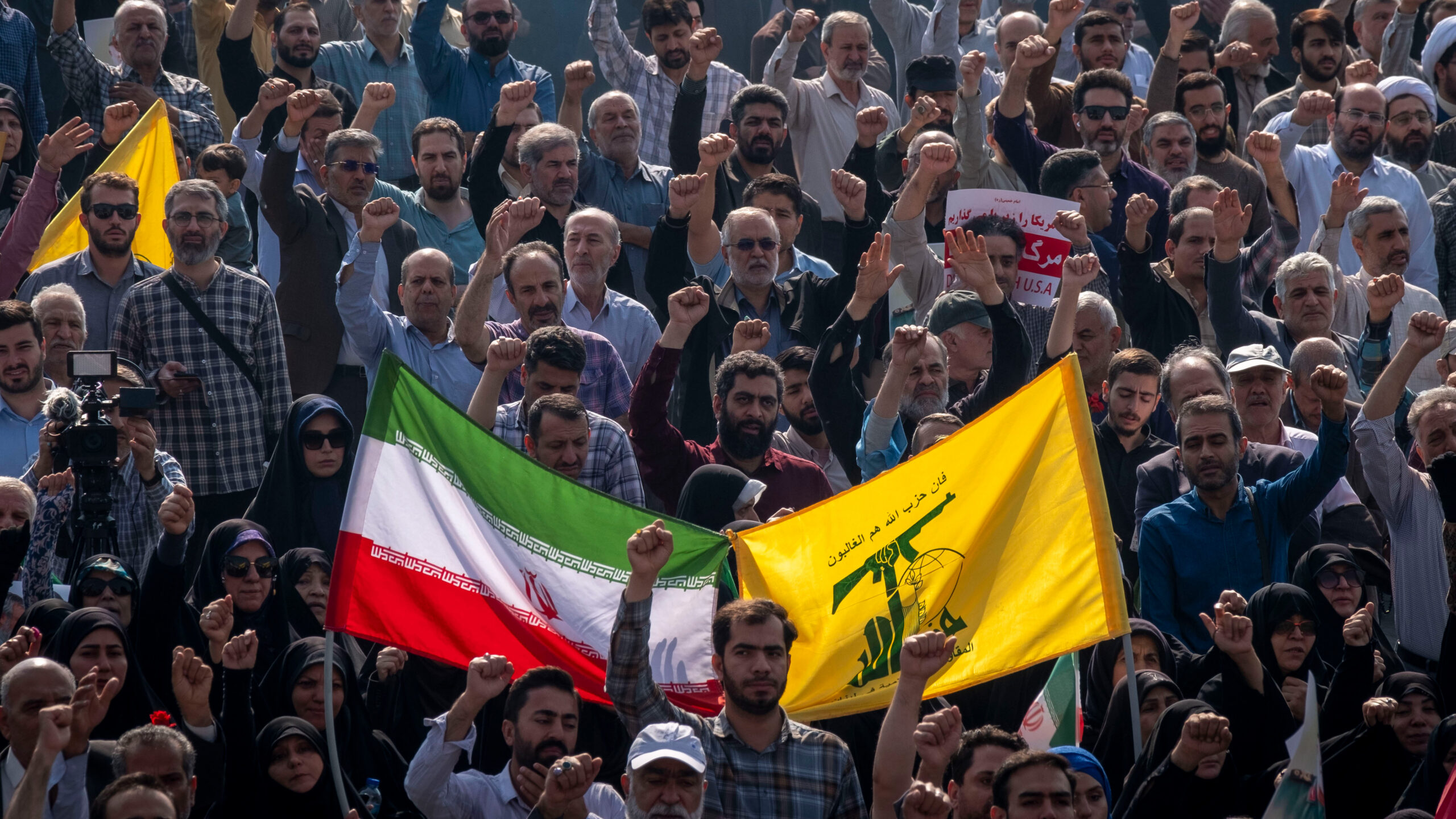
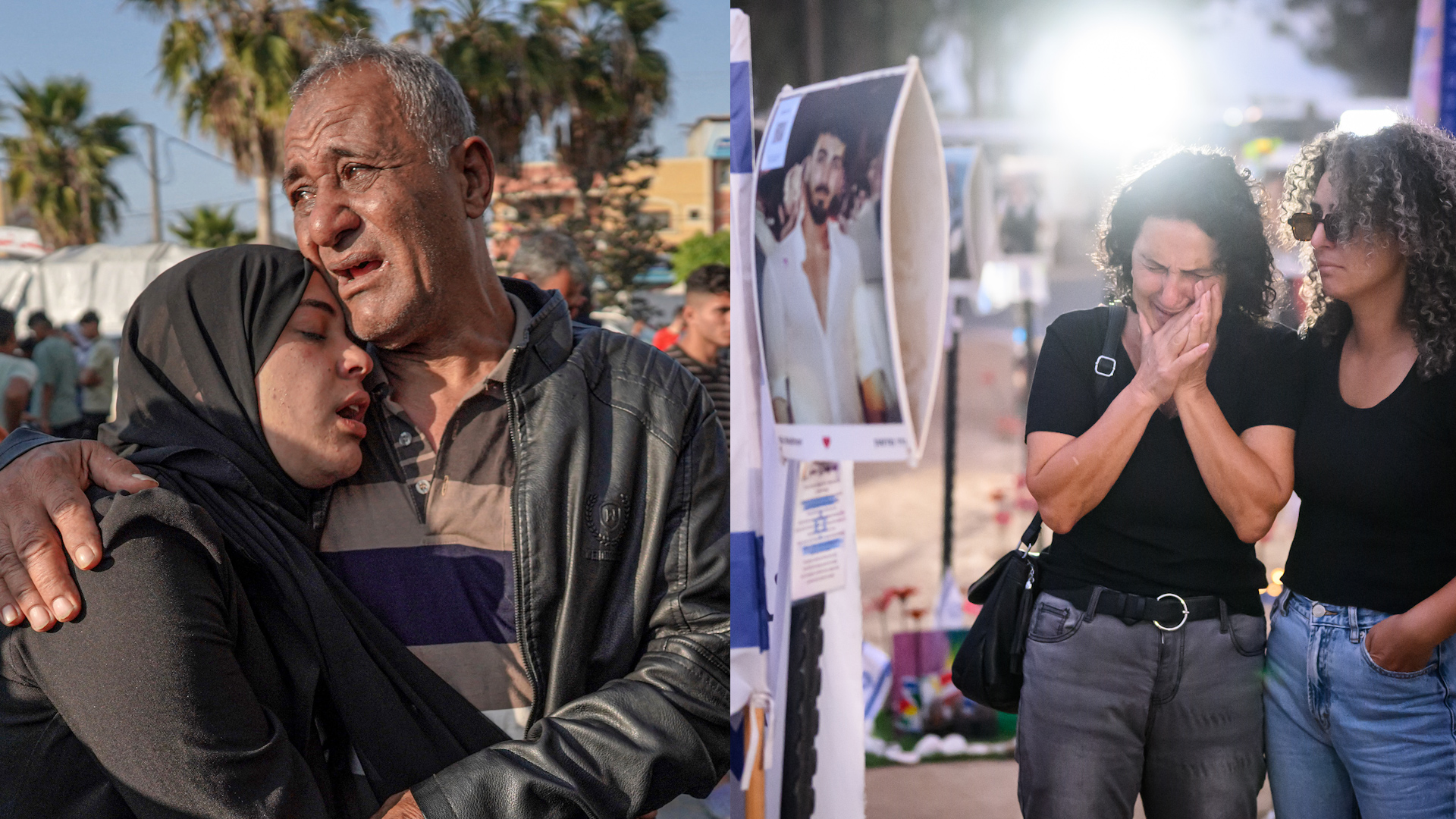
Gunmen armed with explosives and assault rifles assailed the headquarters of Turkey’s state-run aerospace company near Ankara on October 23, in a terrorist attack claimed by the outlawed Kurdistan Workers’ party (PKK). The incident complicates President Recep Tayyip Erdoğan’s efforts to exploit the regional chaos that followed Hamas’s attack on Israel a year ago to advance his domestic and regional goals.
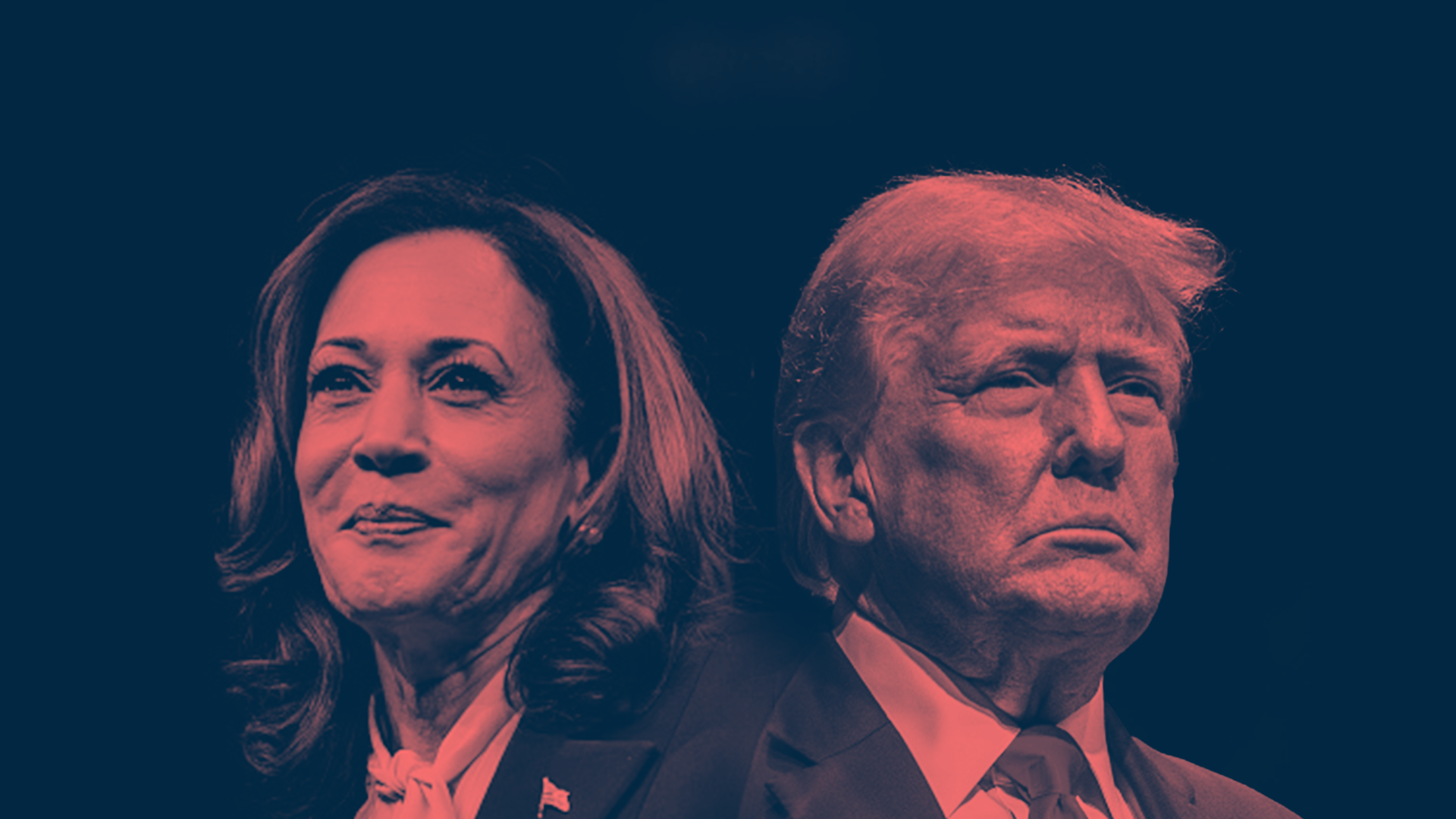
The two leading presidential candidates in America’s 2024 election have made statements and established track records on the Middle East based on their time in office. This document aims to highlight the most important and reliable positions staked out by former President Donald Trump and current Vice President Kamala Harris.
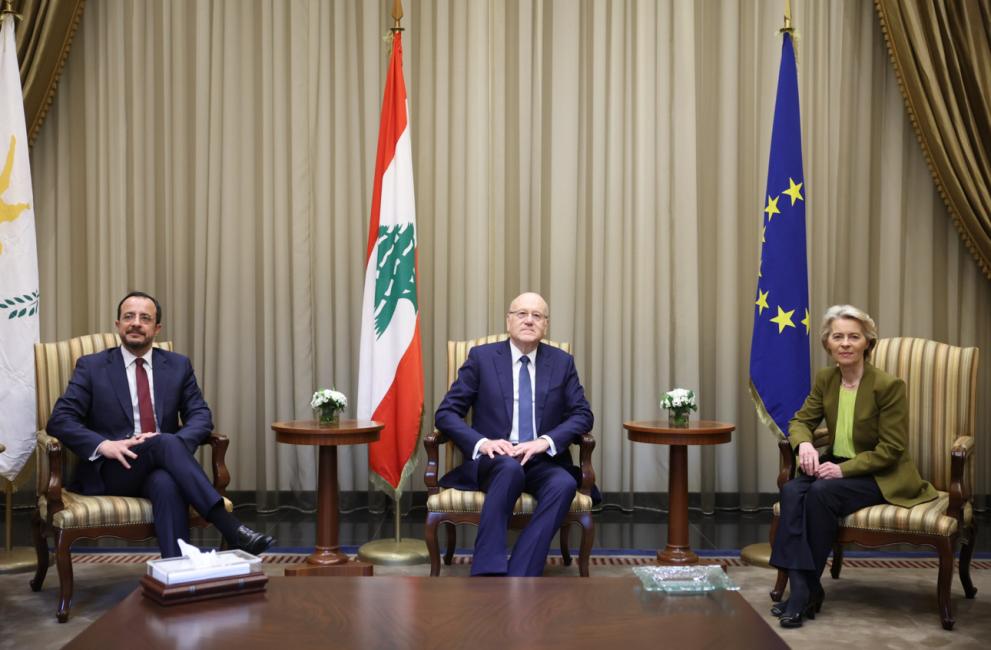
Change and continuity in EU’s foreign policy in the MENA region: What to expect from the new political cycle in Brussels
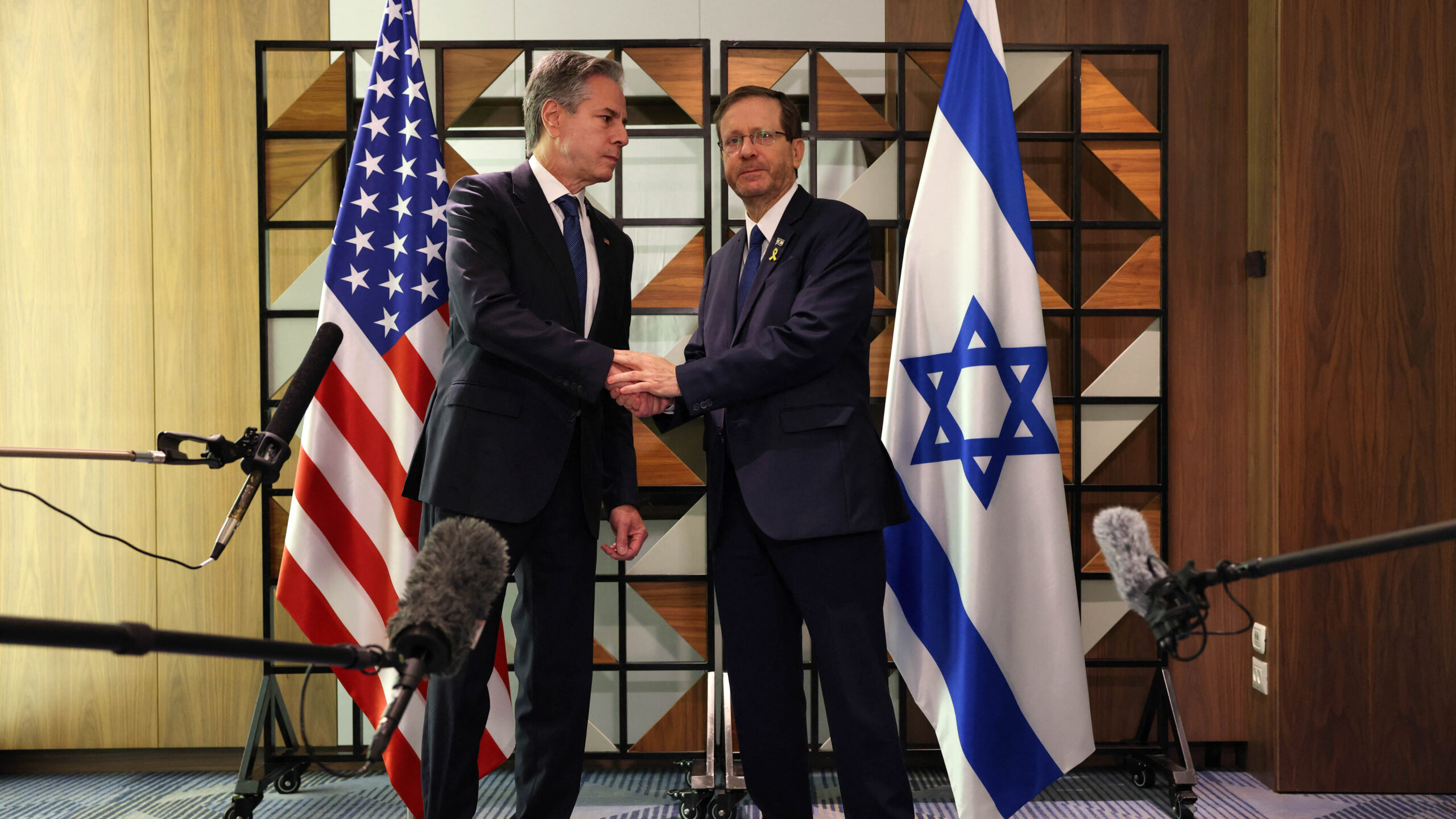
In the corridors of power in Brussels, it is common to hear that the position of the EU High Representative for Foreign Affairs and Security Policy is an impossible job. It may actually become even more difficult for the outgoing Estonian Prime Minister Kaja Kallas, who is set to succeed the Spanish Josep Borrell as the European Union’s foreign policy chief in the coming weeks.
Nato must wake up to Russia’s nuclear power deal with Turkey
Ask Nato’s secretary-general to name the decision of Turkish President Recep Tayyip Erdoğan that irks him the most and he’d probably say purchasing Russia’s S-400 missile defence system. But Nato has an even bigger problem when it comes to Turkey-Russia ties: the Akkuyu nuclear power plant.
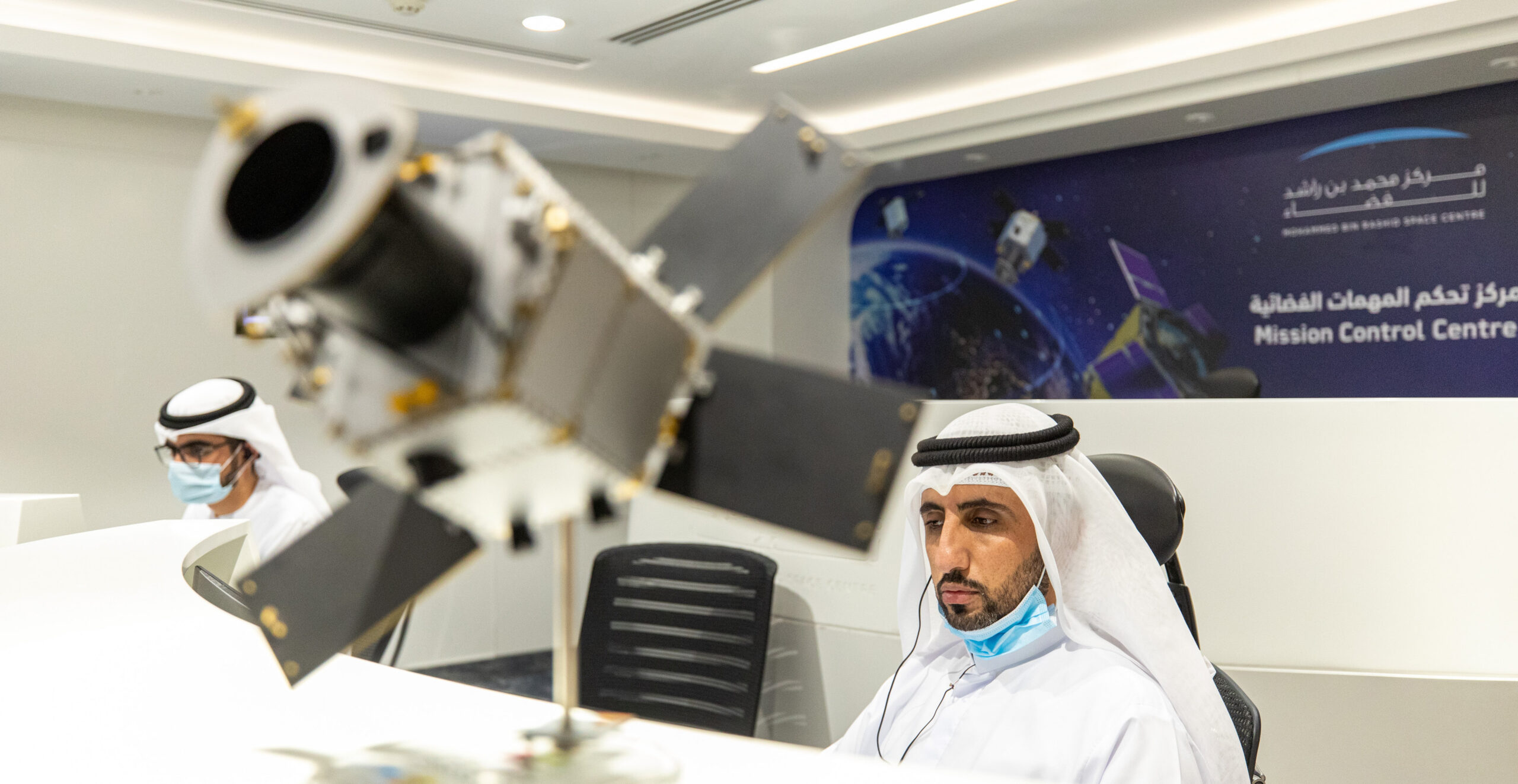
As the Middle East becomes more autonomous and empowered domestically, the leaders in the region might consider more synergetic relations with each other and prepare national long-term plans that provide a balanced and integrated approach to social, technological, environmental, economic, and political development and progress.
Djibouti dodges scrutiny despite China, Iran, Houthi ties and links to illicit activities
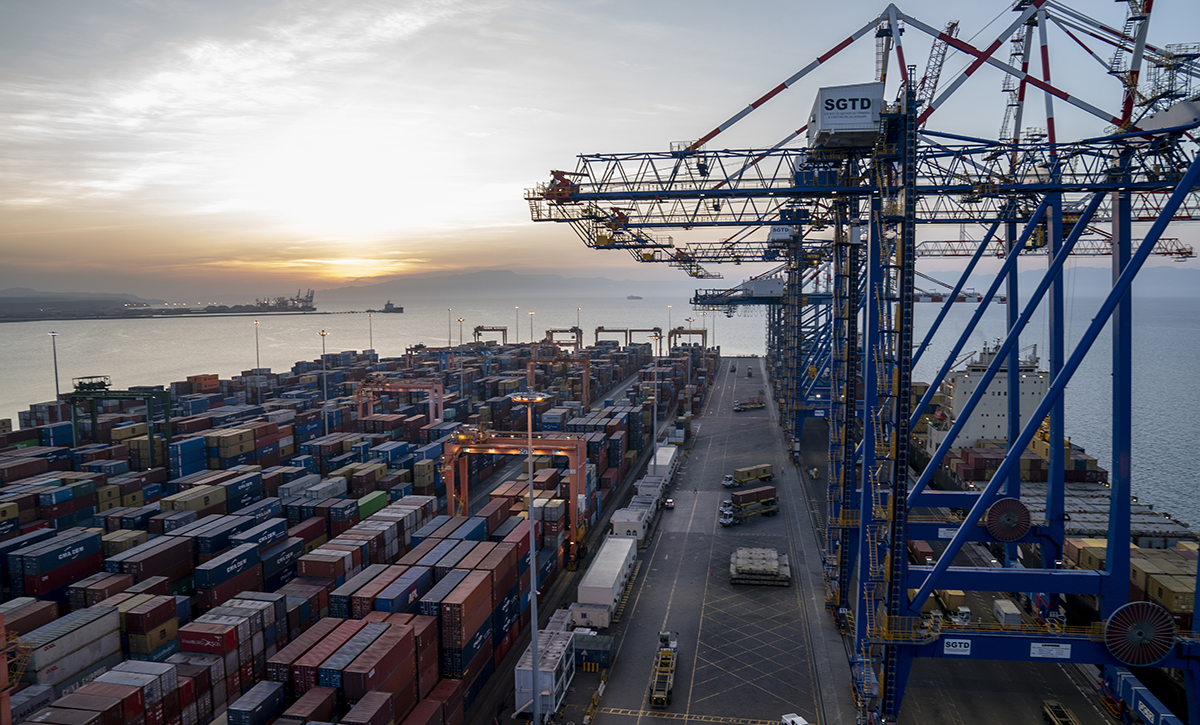
The Bab el-Mandeb Strait, which connects the Indian Ocean and the Red Sea through the Gulf of Aden, is a crucial chokepoint for global maritime commerce. Despite the strait’s importance, the waters around it have long been plied by smugglers of weapons and other illicit goods. Djibouti today is an important player in trade in the Horn of Africa region, but it also serves as a conduit for Chinese influence, has been linked to malign actors like Iran and the Houthis, and has faced allegations of involvement in various grey and black market activities, including money laundering, illicit finance, oil smuggling, and weapons trafficking.