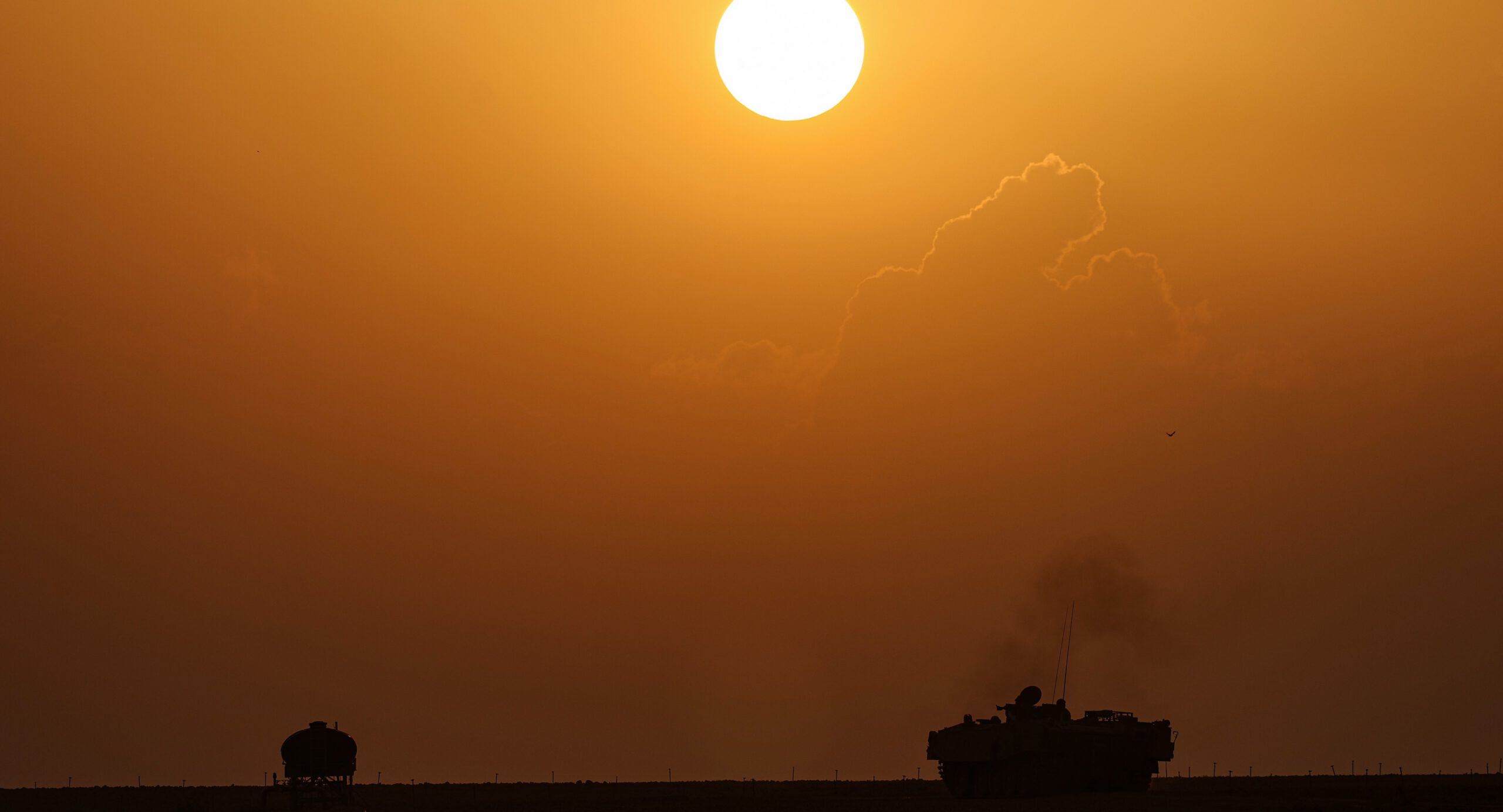
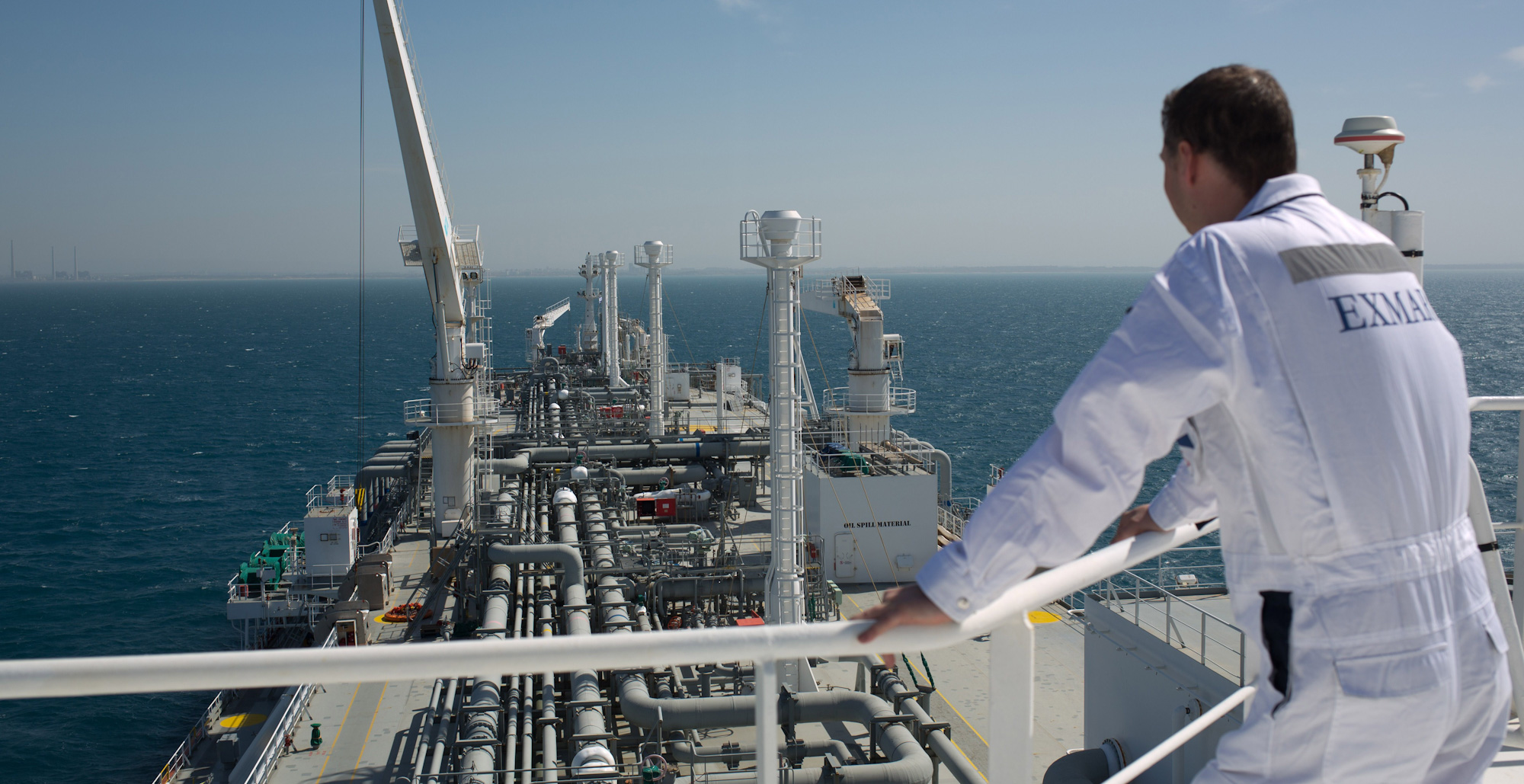
How has the Gaza war impacted the East Med gas sector?
Outside of the security risks brought about by war, the Israel-Hamas conflict has yet to result in major changes in the regional natural gas market.
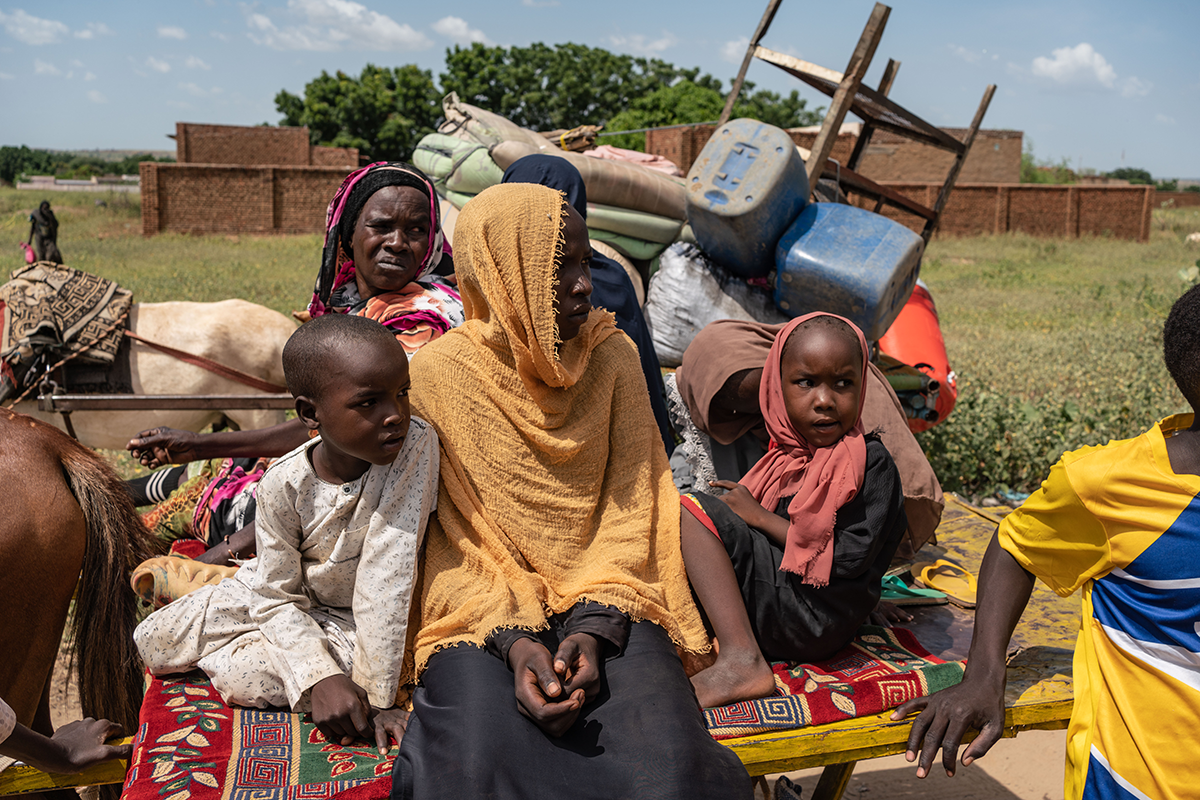
Sudan: Baby steps amid ongoing violence
It isn’t a surprise that Sudan’s two warring sides — the Sudanese Armed Forces and its sprawling paramilitary Rapid Support Forces — did not agree to a ceasefire. When they resumed talks in Jeddah, mediated by the U.S. and Saudi Arabia in late October, the RSF was busy launching a major offensive on the vast western region of Darfur.
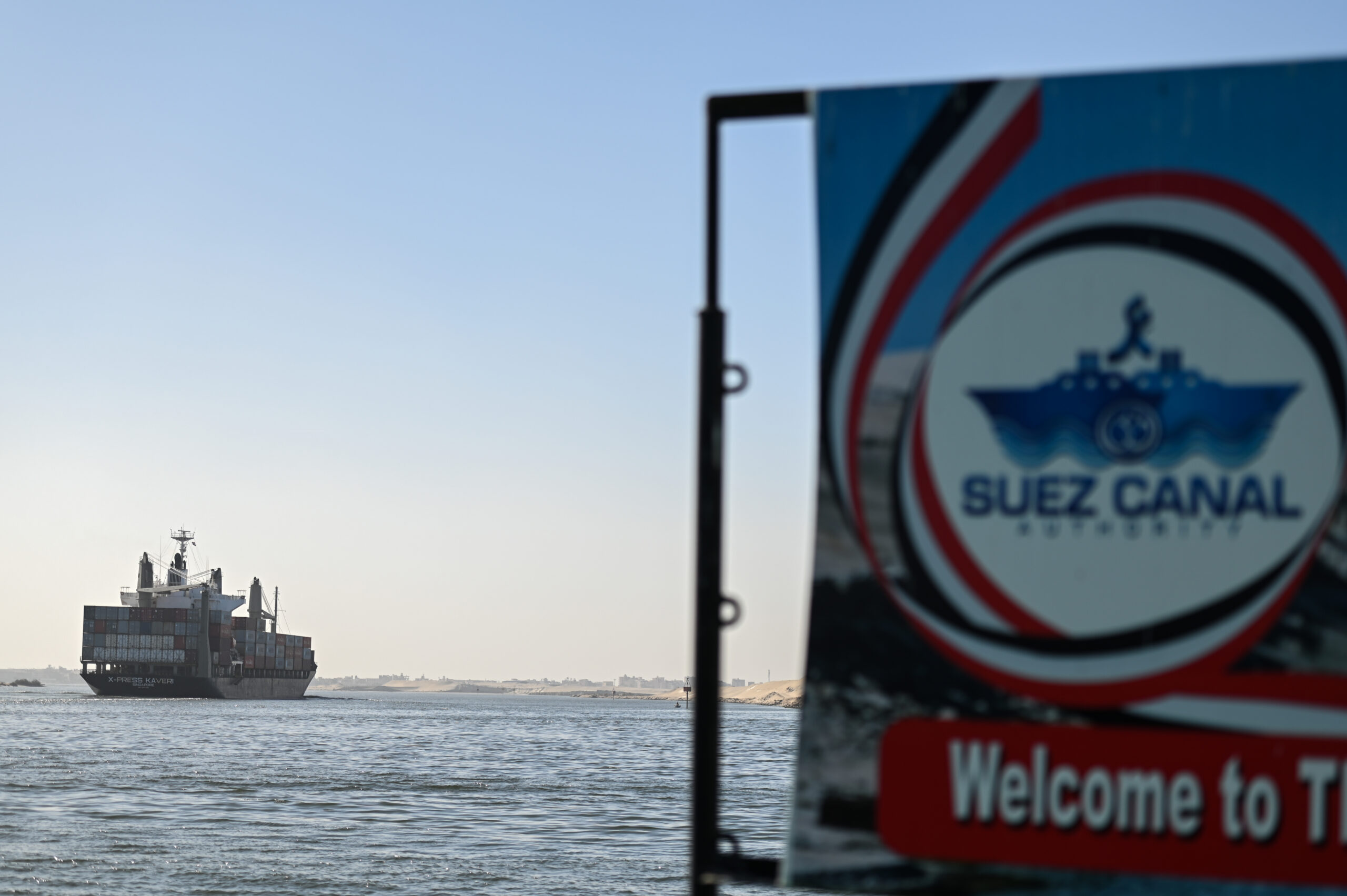
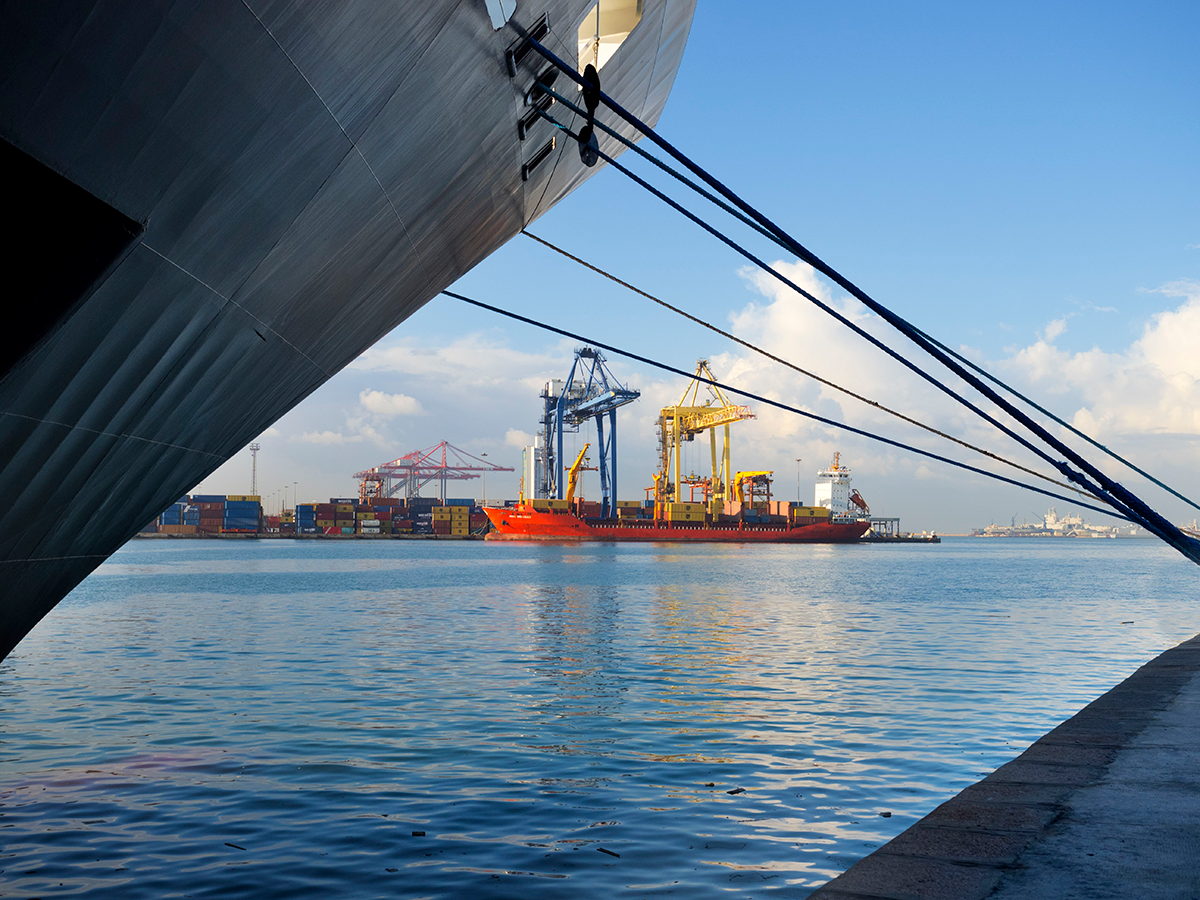
China’s growing maritime presence in Egypt's ports and the Suez Canal
In recent years, China’s presence in Egypt’s strategic ports has grown noticeably, including the involvement of both private and state-owned Chinese companies. While this reflects Beijing’s growing ambitions in the region, the opacity of the Sino-Egyptian agreements and the blurry lines between China’s commercial ports and its military aspirations raise questions about the potential implications.
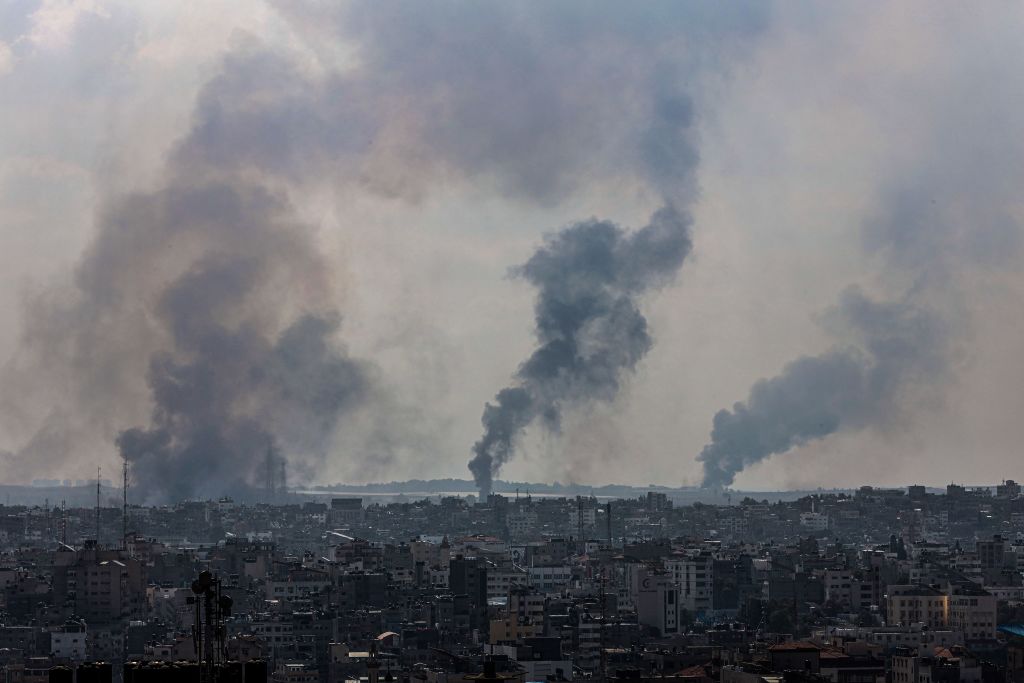
Special Briefing: A new Israel-Gaza war and regional reverberations
Expert regional analysis by MEI scholars and contributors.
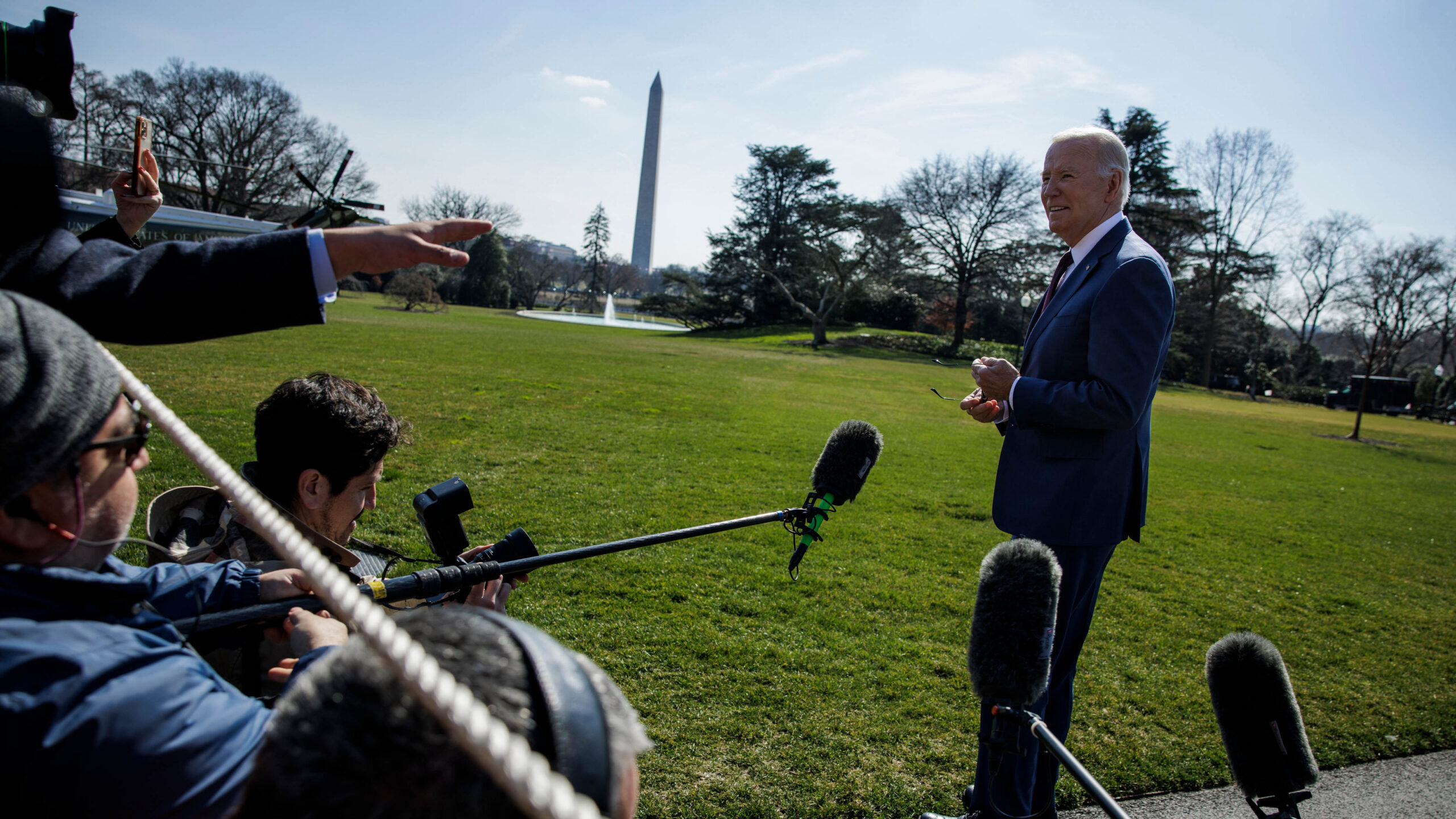
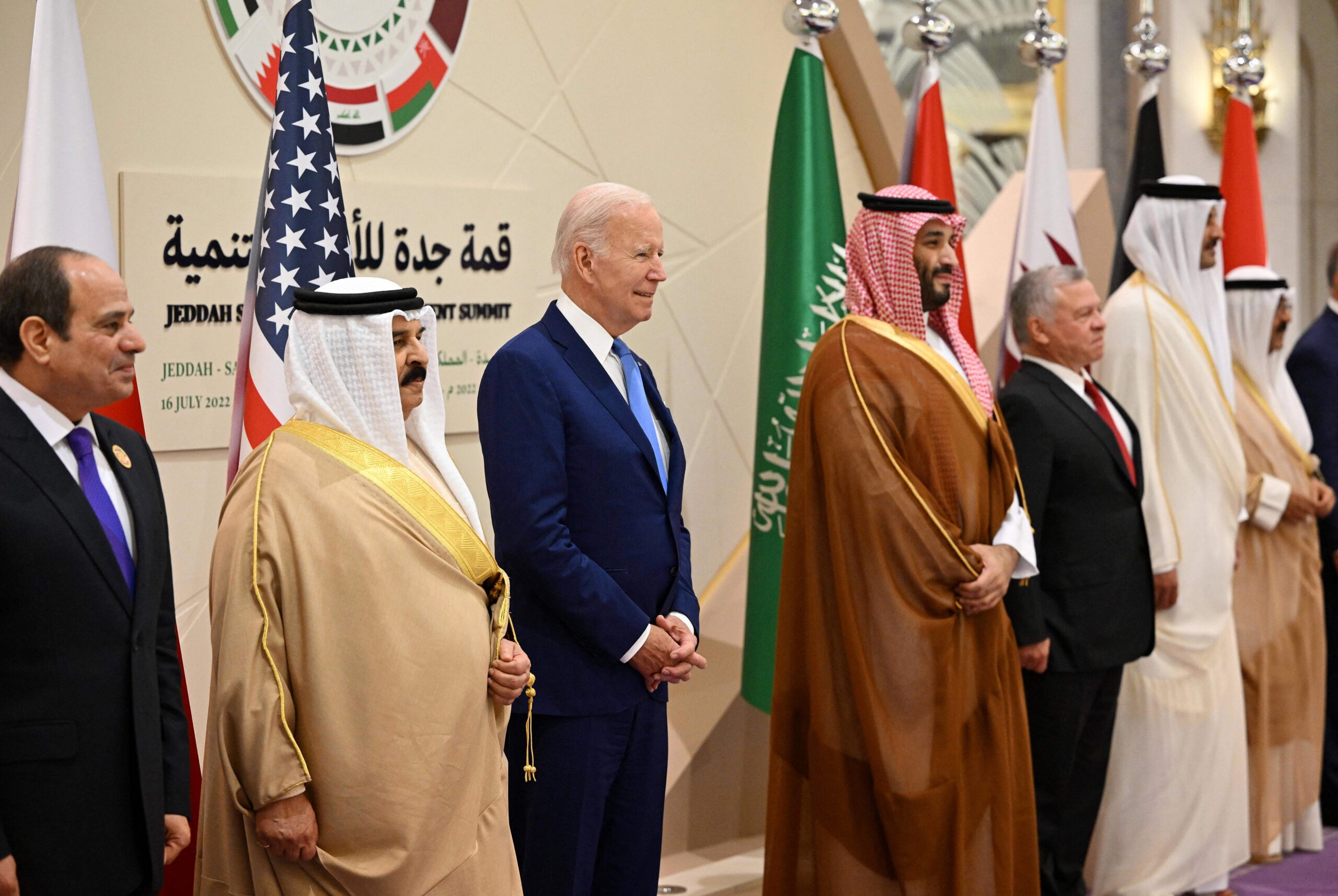
Treading Cautiously on Shifting Sands: An Assessment of Biden’s Middle East Policy Approach, 2021-2023
This report provides an interim assessment of the Biden administration’s overall Middle East strategy and examines the strategic opportunities and risks for U.S. policy in the broader region.
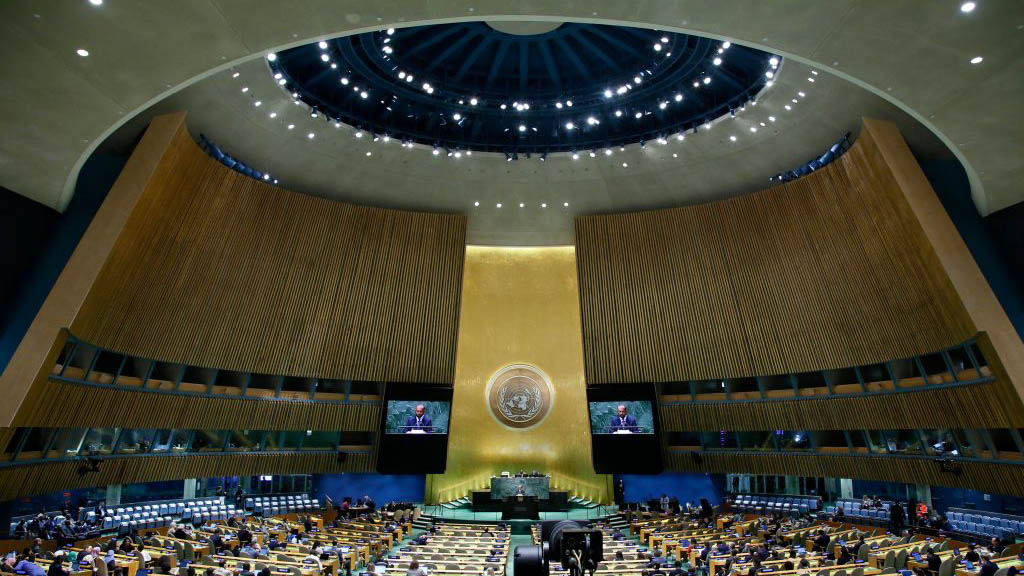
Special Briefing: Key Middle East takeaways from UNGA 2023
Read MEI’s weekly briefing featuring expert analysis of key regional developments for the week ahead.
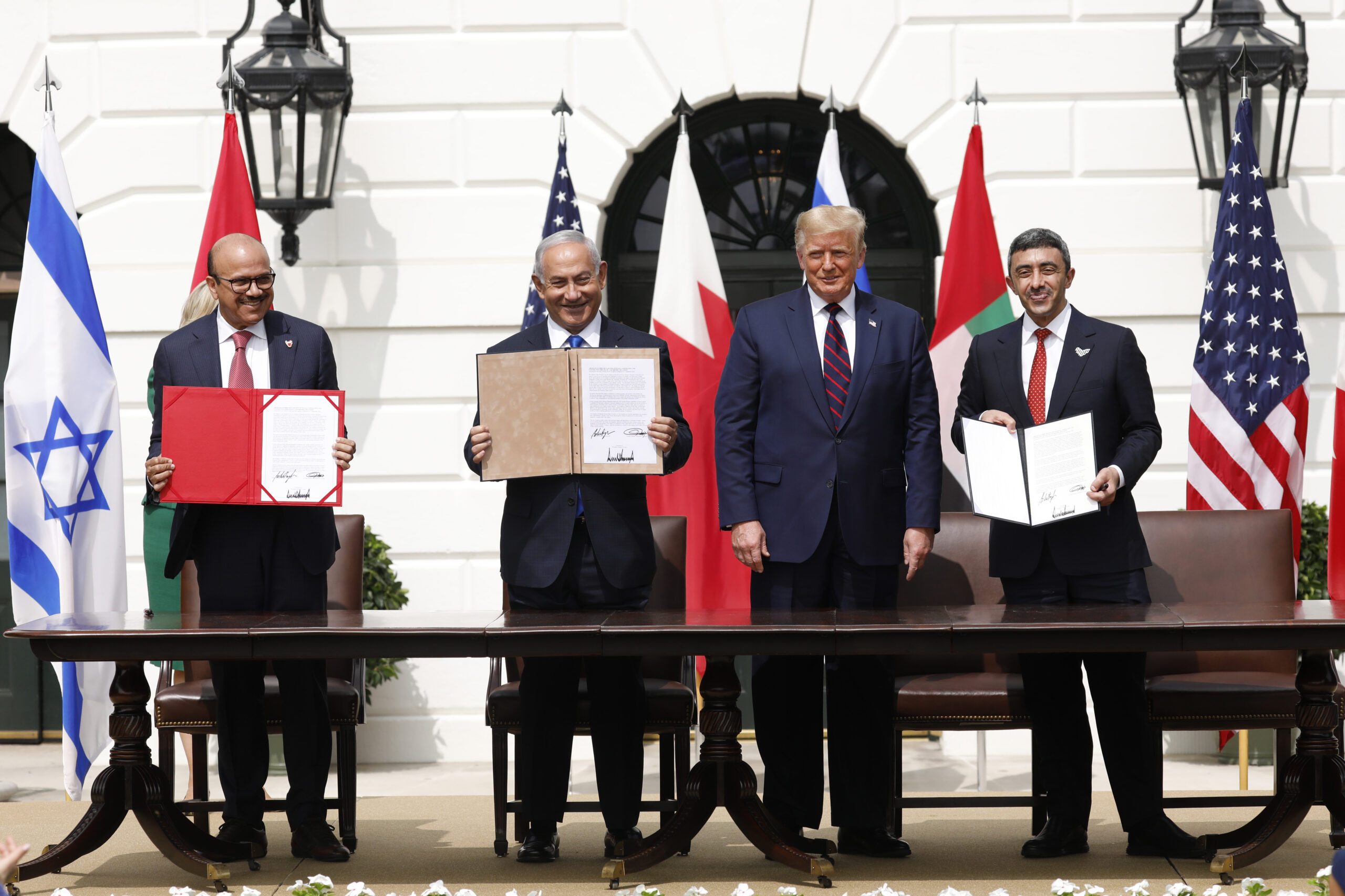
A mixed report card: The Abraham Accords at three
As the original Abraham Accords signatories — Israel, the United Arab Emirates, and Bahrain — observe the third anniversary of their September 2020 agreement, there is a sufficient basis to evaluate whether the Abraham Accords are real, hype, or something in-between. Much like the case a year ago, the results so far remain mixed.
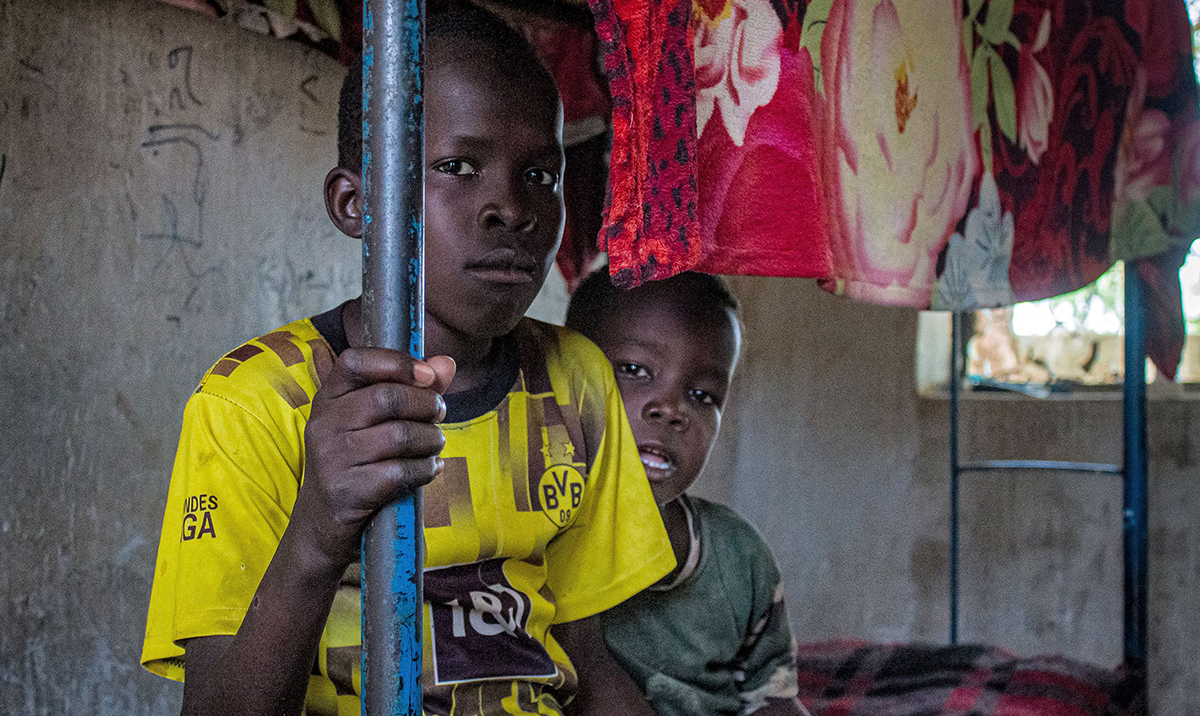
The UN must step up on Sudan
Nearly five months on, Sudan’s war between its army and largest paramilitary force has destroyed much of Khartoum, the adjacent cities of Bahri and Omdurman, as well as key towns in Darfur. The warring forces have killed thousands of civilians, destroyed critical infrastructure, and forced a staggering 4.9 million people to flee their homes. The U.N. is providing important humanitarian assistance, but it should be doing far more, especially to advance accountability and improve coordination in the messy diplomatic arena. Both the high-level week in New York and the Human Rights Council session in Geneva present opportunities that it should not squander.
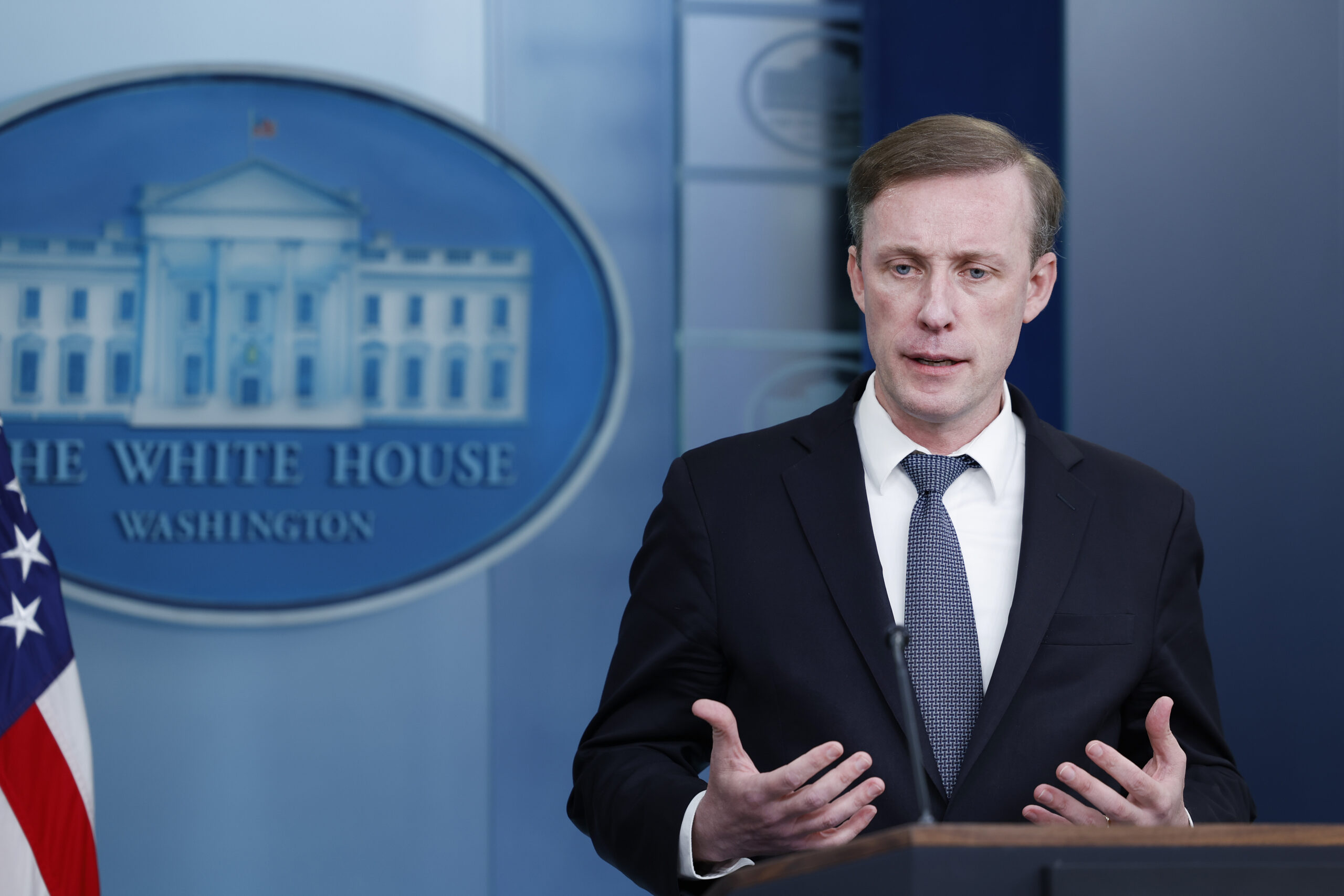
Weekly Briefing: Key side meetings involving MENA leaders expected at upcoming G20
Expert regional analysis by MEI scholars and contributors.
After Prigozhin: The future of Wagner and Russian gray zone activities in MENA
As the Wagner Group has an entrenched military presence in Syria, Libya, and Sudan, the evisceration of its senior leadership will have serious repercussions for Russia’s influence in the MENA region. Wagner’s military contractors are unlikely to depart, since they guard strategically valuable oil and mining facilities; but they are likely to now be swiftly integrated into the regular Russian Armed Forces.
Putting Egypt-Turkey relations on a sustainable footing
Turkey and Egypt, two influential regional players with a complex history of cooperation and conflict, are now working on mending their ruptured ties. As officials navigate this process, it is essential to identify practical steps to capitalize on the diplomatic breakthrough. Sustainable peace can only be ensured by shifting the focus from political ideology to shared interests. One way to do that is by creating an inclusive, multi-track process that involves state institutions, businesses, NGOs, academics, and the grassroots.
Power cuts in Egypt: A political liability for Sisi ahead of the upcoming elections
A brutal heat wave tormenting Egypt since mid-July, resulting in lengthy and repeated power cuts, has turned into a political liability for President Abdel-Fattah el-Sisi ahead of his expected campaign to run for a third, six-year term early next year.
The Russia-Ukraine war forces Egypt to face the need to feed itself: Infrastructure, international partnerships, and agritech can provide the solutions
After 500 days of coping with the debilitating impact of Russia’s invasion of Ukraine, Egypt’s economy is faltering. At the core of the crisis is its fragile food security. Now, the Egyptian economy is fast approaching a tipping point and Cairo has no alternative but to boost its domestic agrifood production. In addition to building out its infrastructure, Egypt must also adopt cutting-edge agritech solutions to improve the water-use efficiency of the crops themselves.
Realigning priorities: Egypt's strategic shift toward Qatar, Turkey, and Iran
While some analysts attribute Egypt’s realignment toward Turkey, Qatar, and Iran to a change in the foreign policies of its influential allies, the UAE and Saudi Arabia, it can be argued that Egypt’s shift is primarily motivated by its domestic dynamics and its unfulfilled foreign policy objectives between 2014 and 2018. Egypt’s realignment, in that sense, seeks to achieve multiple unmet domestic and regional aims.