US disengagement and new regional security dynamics in Afghanistan’s neighborhood
Afghanistan’s neighborhood is in the midst of a consequential restructuring of its security architecture. Key regional actors Pakistan, Afghanistan, Iran, and China have been continuing to adjust their defense plans and security partnerships to meet the growing threats posed by domestic and cross-border terrorism. At the same time, these four countries have also been looking for new ways to fill the vacuum in southern Asia left by the United States military’s departure from Afghanistan.
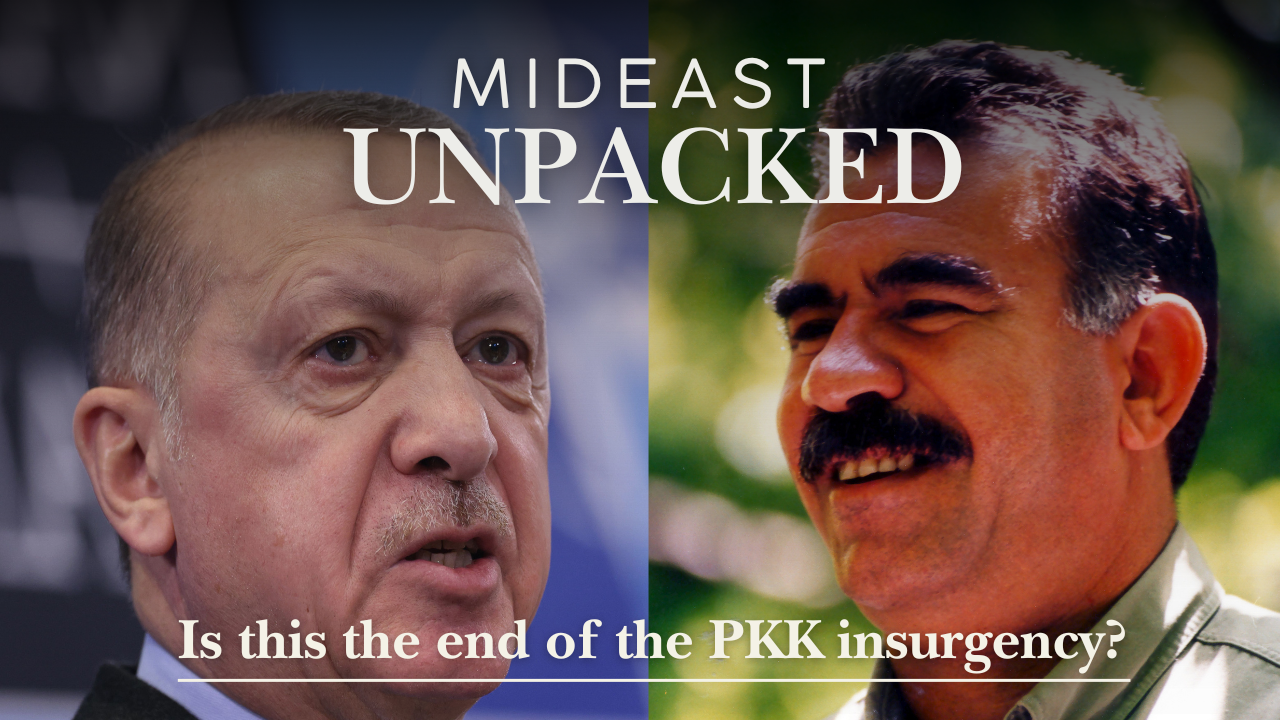
A historic shift may be on the horizon, as Turkey and Kurdish militant leader Abdullah Ocalan engage in unexpected peace talks. After 40 years of insurgency and 40,000 lives lost, Ocalan is expected to call for PKK fighters to lay down their arms. However, with President Erdogan’s democratic backsliding and continued crackdown on Kurdish political rights, questions remain about whether lasting peace is possible. MEI’s Gönül Tol explains.
Normalizing regular contacts and building relationships with the Taliban leadership can offer a more effective way to hold the Islamic Emirate to account for its actions. It also gives greater promise of realizing American hopes for an Afghanistan inhospitable to global terrorists and more respectful of the human rights of its citizens.
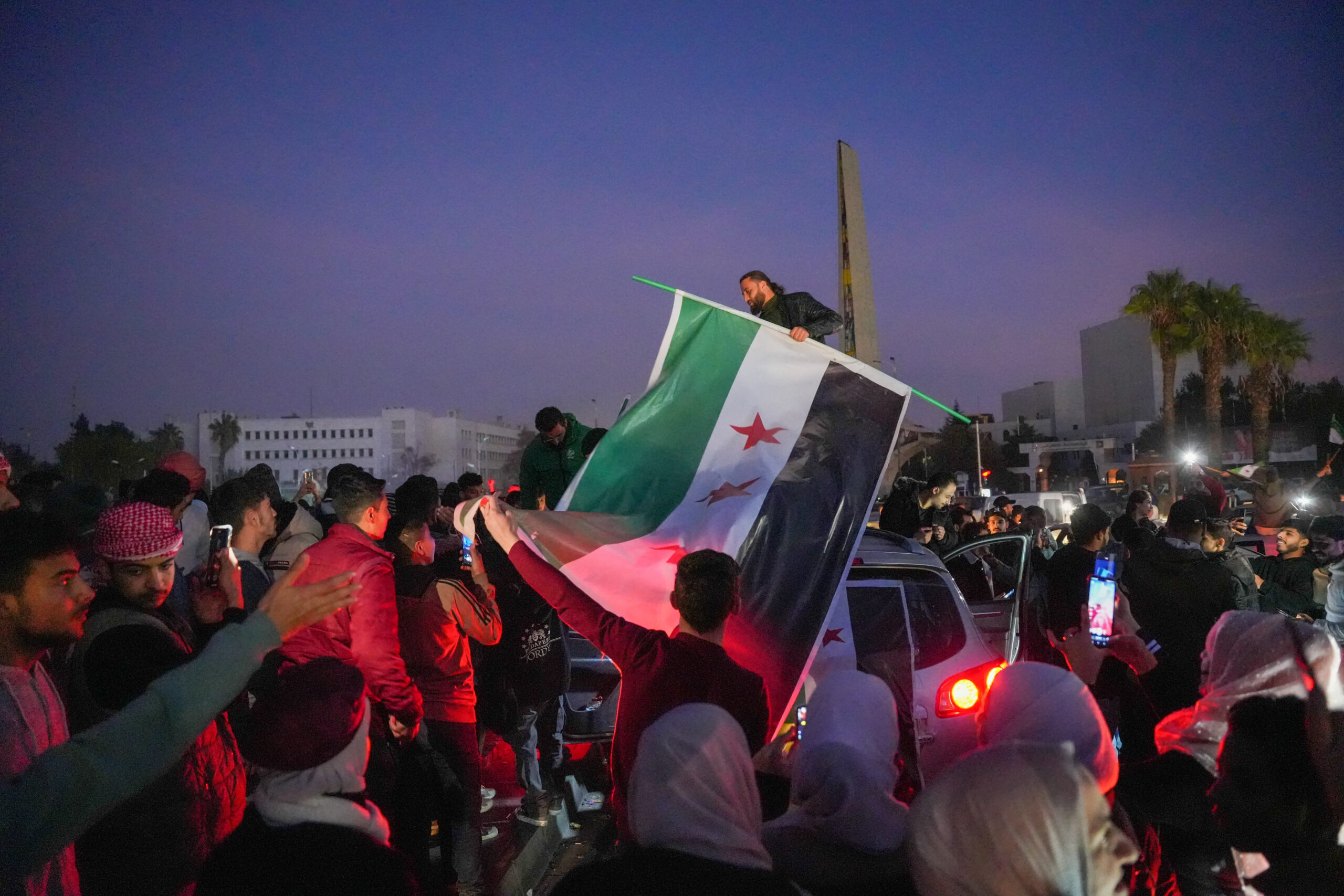
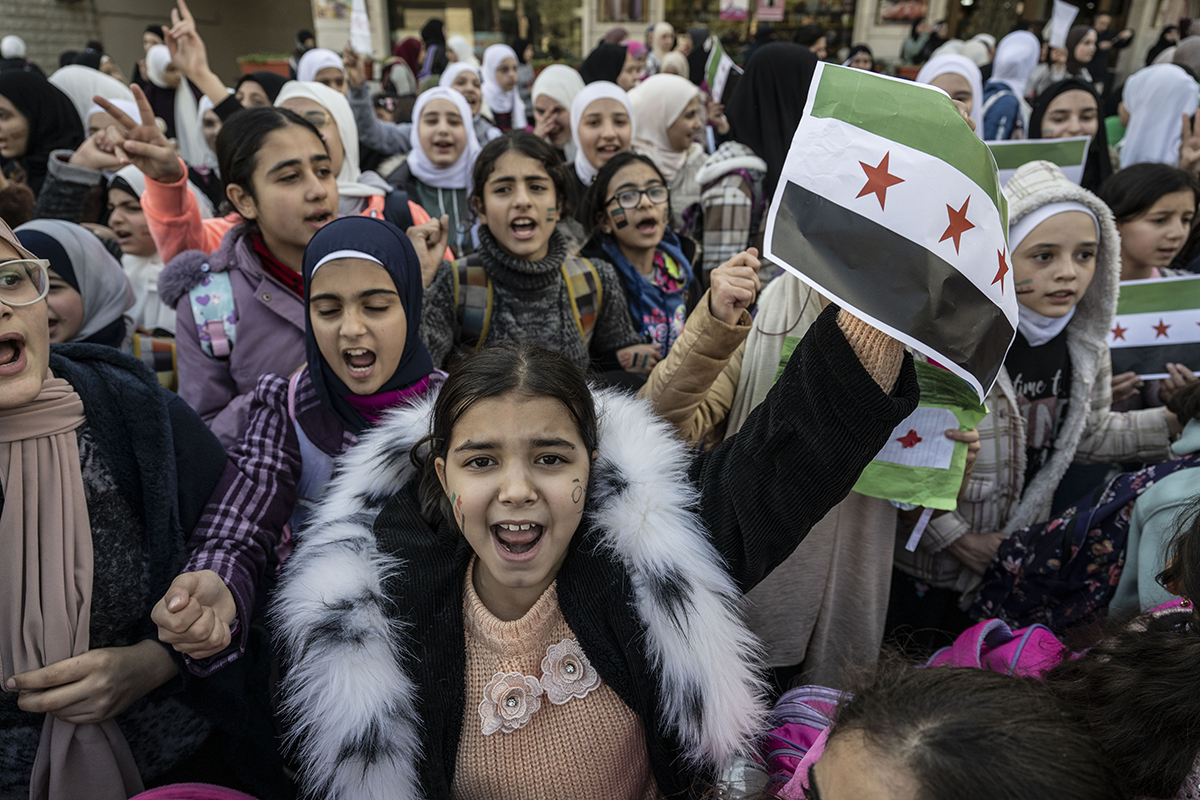
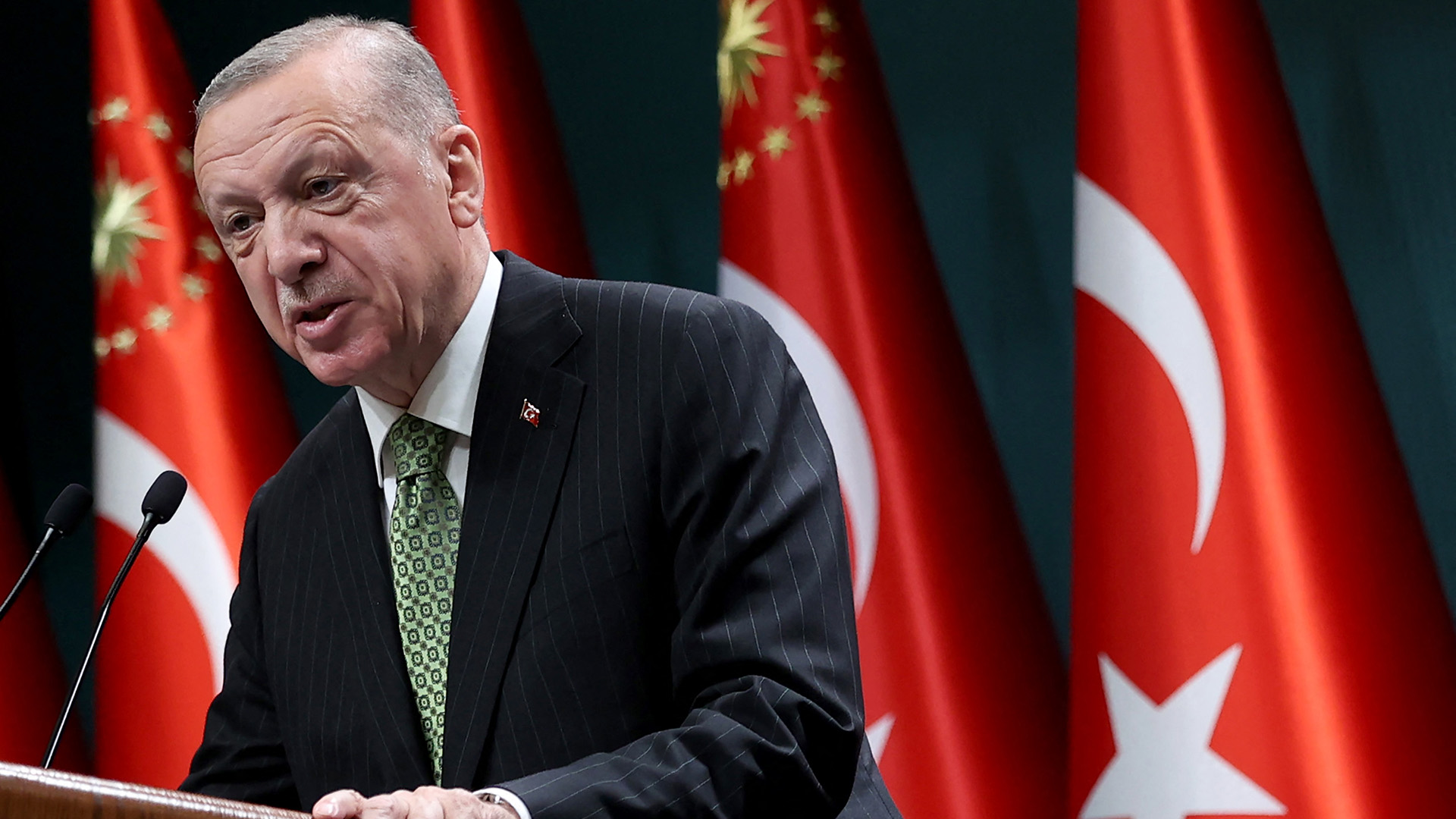
Half a century of rule by the Assad family in Syria collapsed astonishingly quickly after insurgents burst out of a rebel-held enclave and took Damascus in a matter of days. For Turkish president Recep Tayyip Erdoğan, however, it was not fast enough. He has been waiting for this moment since the Syrian uprising in 2011 and is determined to reap the benefits of Bashar al-Assad’s ousting ahead of Turkey’s 2028 elections.
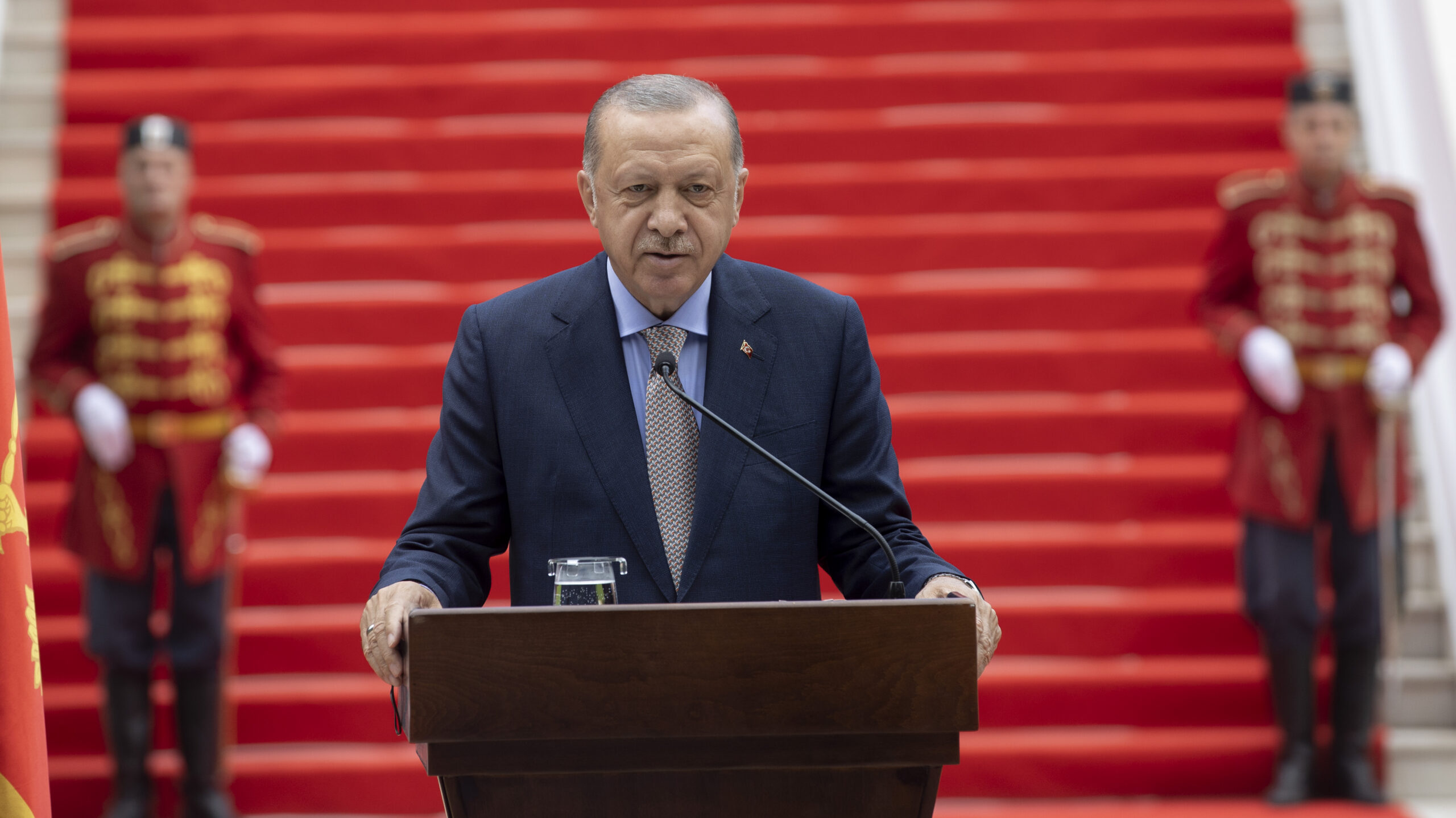
In most capitals across the Middle East, the news of Syrian President Bashar al-Assad’s fall sparked immense anxiety. Ankara is not one of them. Rather than worrying about Syria’s prospects after more than a decade of conflict, Turkish President Recep Tayyip Erdogan sees opportunity in a post-Assad future. His optimism is well founded: out of all the region’s major players, Ankara has the strongest channels of communication and history of working with the Islamist group now in charge in Damascus, positioning it to reap the benefits of the Assad regime’s demise.
Rethinking Democracy Ep. 5: Impact of Donald Trump’s Election on American Democracy and the World with Ruth Ben-Ghiat and Larry Diamond
Last month, the US electorate voted President-Elect Donald Trump back into the White House. His victory was seen by some experts as part of a global trend and a move towards anti-incumbency attitudes and populism. How will Trump’s rhetoric impact the United States domestically and internationally? Will he govern as a strongman during his second term? What can we expect to be different from his first term?
In only six days, a broad coalition of advancing opposition forces coordinated by Hayat Tahrir al-Sham has captured all of Idlib province, almost all of Aleppo province, and a sizeable stretch of northern Hama — a humiliating defeat for Bashar al-Assad and illustrative of the fragility of regime rule in Syria.
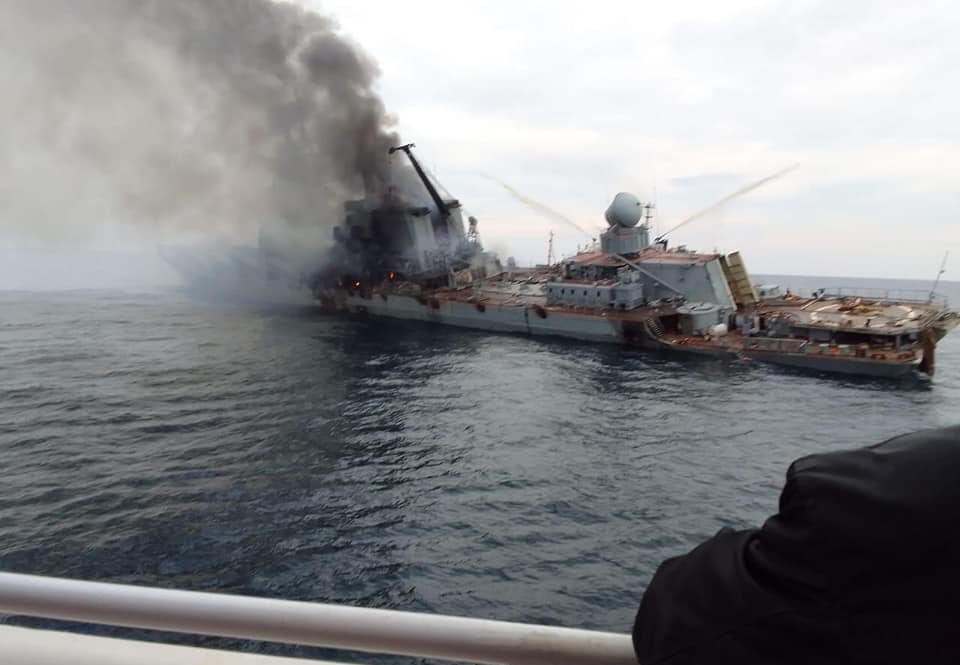
Ukraine’s role in the Black Sea: Navigating a geopolitical crossroads
The Black Sea has recently become one of the world’s most important dynamically shifting geostrategic maritime areas, with Ukraine playing a crucial role in upending the naval balance of power there. Ukraine’s efforts to push back against Russia, bolstered by Western military aid, have challenged the status quo and reshaped the region’s security landscape.
Erdoğan has big plans, but the Kurdish problem keeps getting in the way
Gunmen armed with explosives and assault rifles assailed the headquarters of Turkey’s state-run aerospace company near Ankara on October 23, in a terrorist attack claimed by the outlawed Kurdistan Workers’ party (PKK). The incident complicates President Recep Tayyip Erdoğan’s efforts to exploit the regional chaos that followed Hamas’s attack on Israel a year ago to advance his domestic and regional goals.
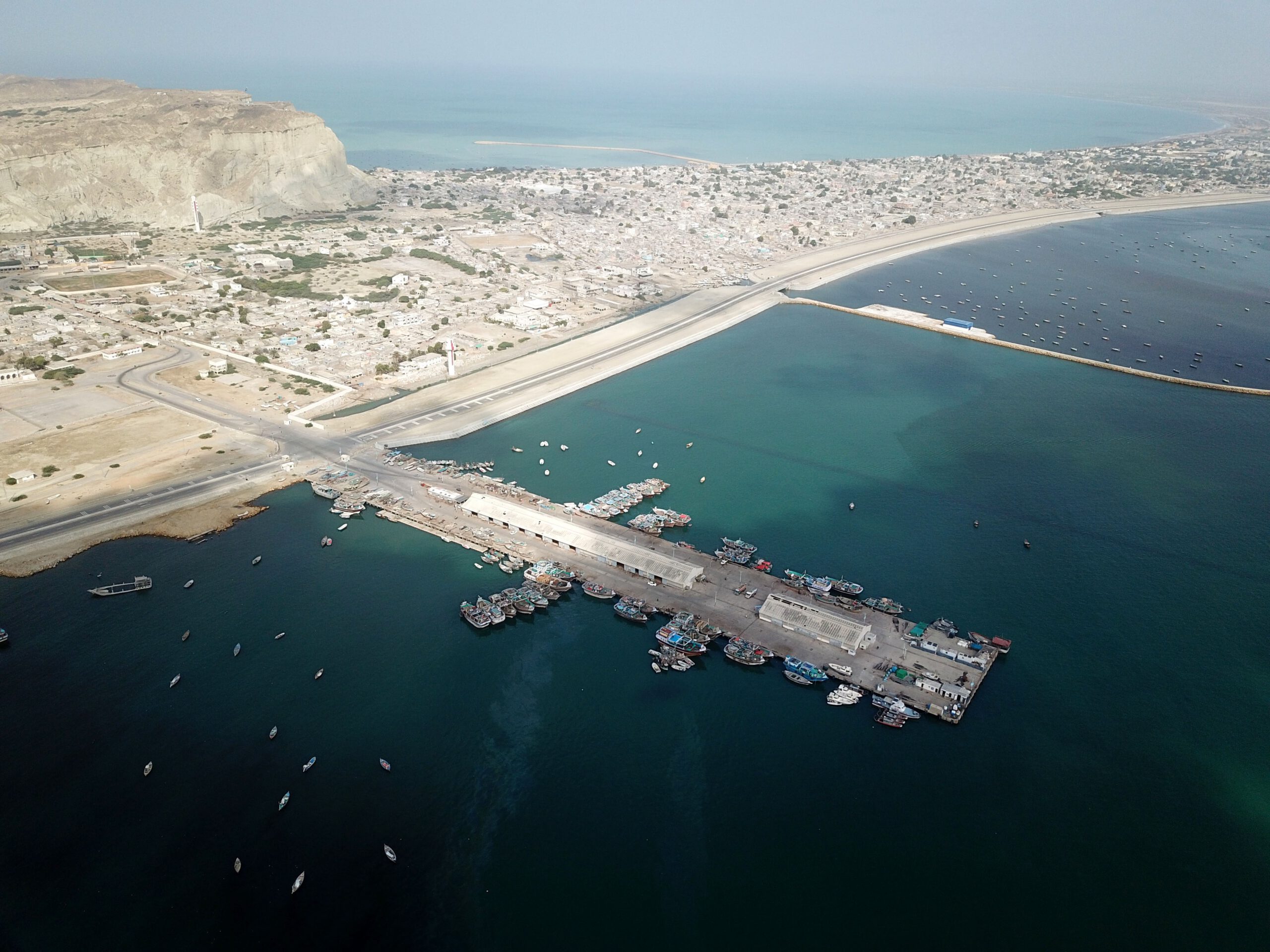
The strategic alliance between Pakistan and China, driven largely by opportunism and geostrategic interests, seems unshakable. However, the extent of its mutual benefit remains under scrutiny, especially for Islamabad, whose reliance on Beijing continues to deepen. Although China claims to base its foreign policy interactions on five key principles — respect for sovereignty, non-aggression, non-interference, equality and mutual benefit, and peaceful coexistence — its dealings with Pakistan indicate an unequal power dynamic that primarily serves its own interests. This imbalance in the Pakistan-China strategic alliance has led to a situation in which Islamabad’s autonomy is increasingly curtailed, and its vulnerability to Beijing’s influence is becoming more apparent.