After the 12-Day War: Iran, Israel, and the Future Regional Order
The dust has barely settled following the dramatic 12-day war between Israel and Iran, but its political and strategic reverberations are already shaping the future of the Middle East. In this episode of Middle East Focus, Ross Harrison, senior fellow and book series editor at the Middle East Institute, joins hosts Alistair Taylor and Matthew Czekaj to assess what comes next — from Tehran’s internal power recalibrations to the future of Iran’s forward defense strategy, and shifting regional alliances.
US has an opening to force concessions from Iran in a potential deal
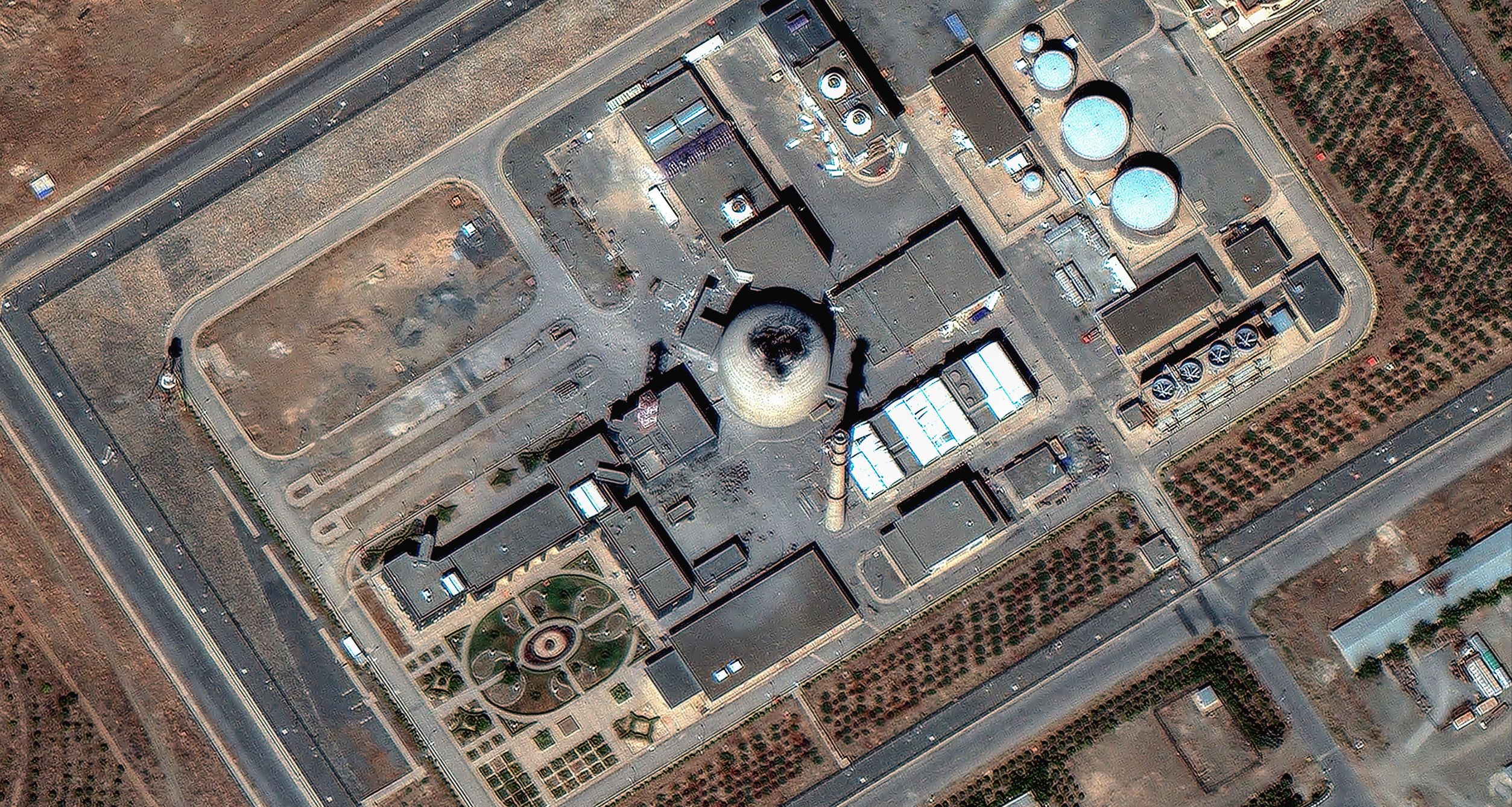
As the Israel-Iran conflict intensifies, warnings are growing louder that the war could result in hazardous and destructive radiological spillover to much of the region. But the posturing of various key actors in the Gulf and beyond has opened the door to a broader political settlement between the United States and Iran that could end the hostilities before such a dangerous scenario comes to pass.
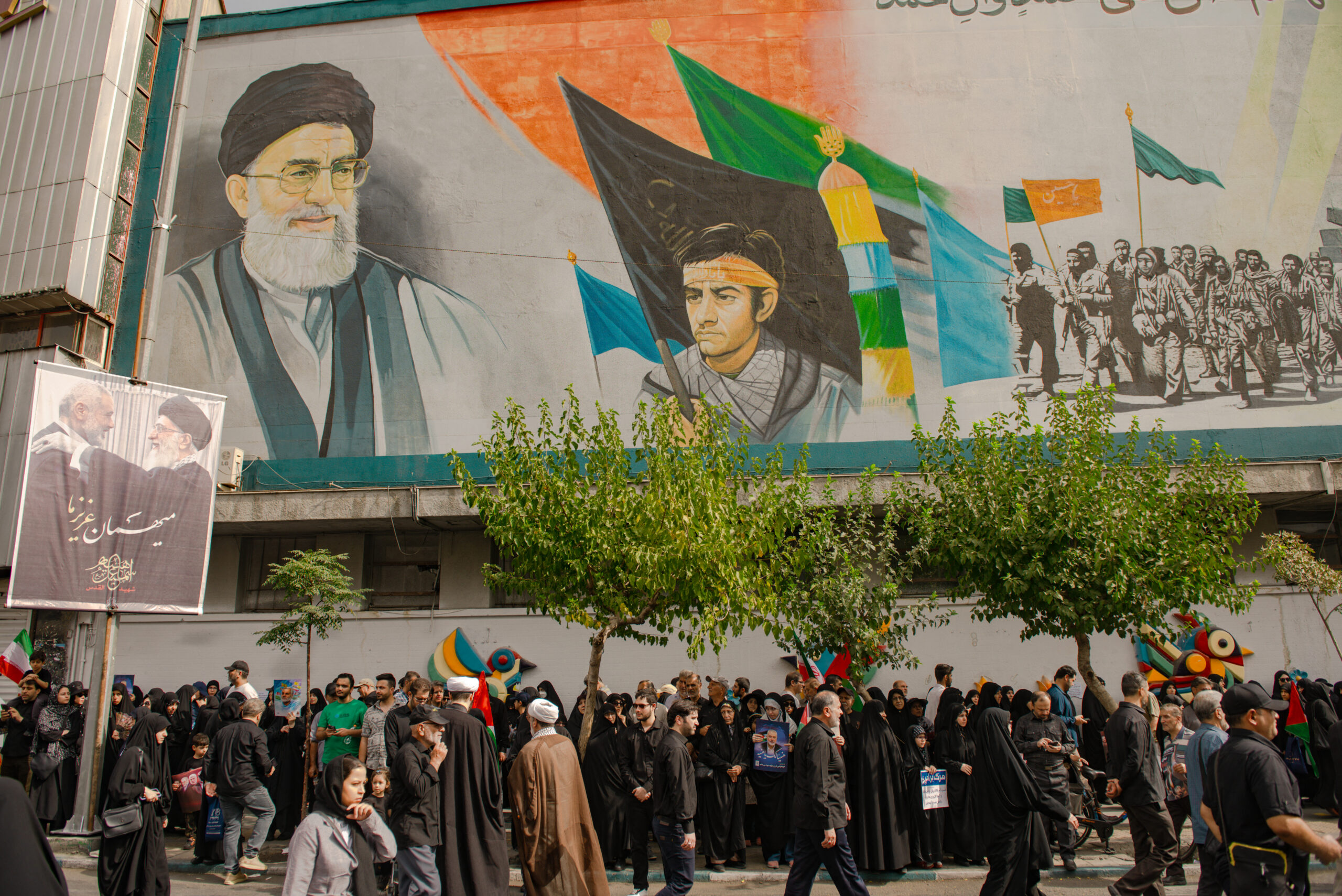
The Iran-Israel Conflict and the Future of the Iranian Regime
Senior Fellow Alex Vatanka joins hosts Alistair Taylor and Matthew Czekaj to examine the dramatic escalation between Israel and Iran following Israel’s targeted strikes on Iranian nuclear sites, infrastructure, and senior IRGC officials. Vatanka discusses how the Iranian regime is responding, the risk of wider regional conflict, and whether the current campaign could mark the beginning of the end for the Islamic Republic.
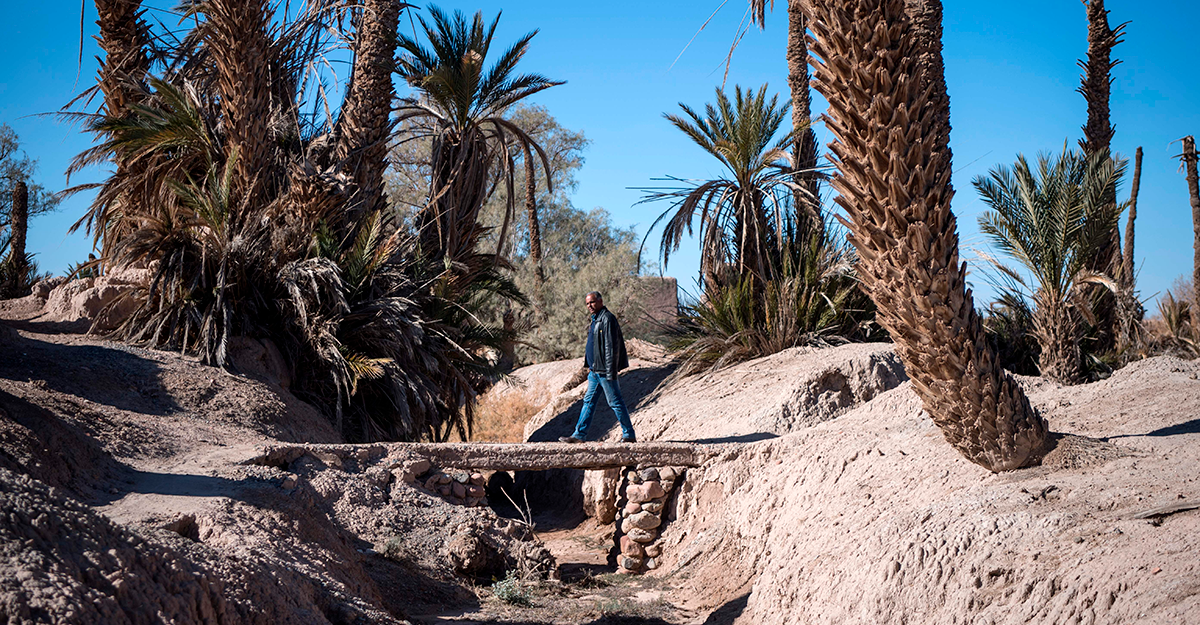
Managing Threats to Food Security: Water and Agricultural Resilience in North Africa
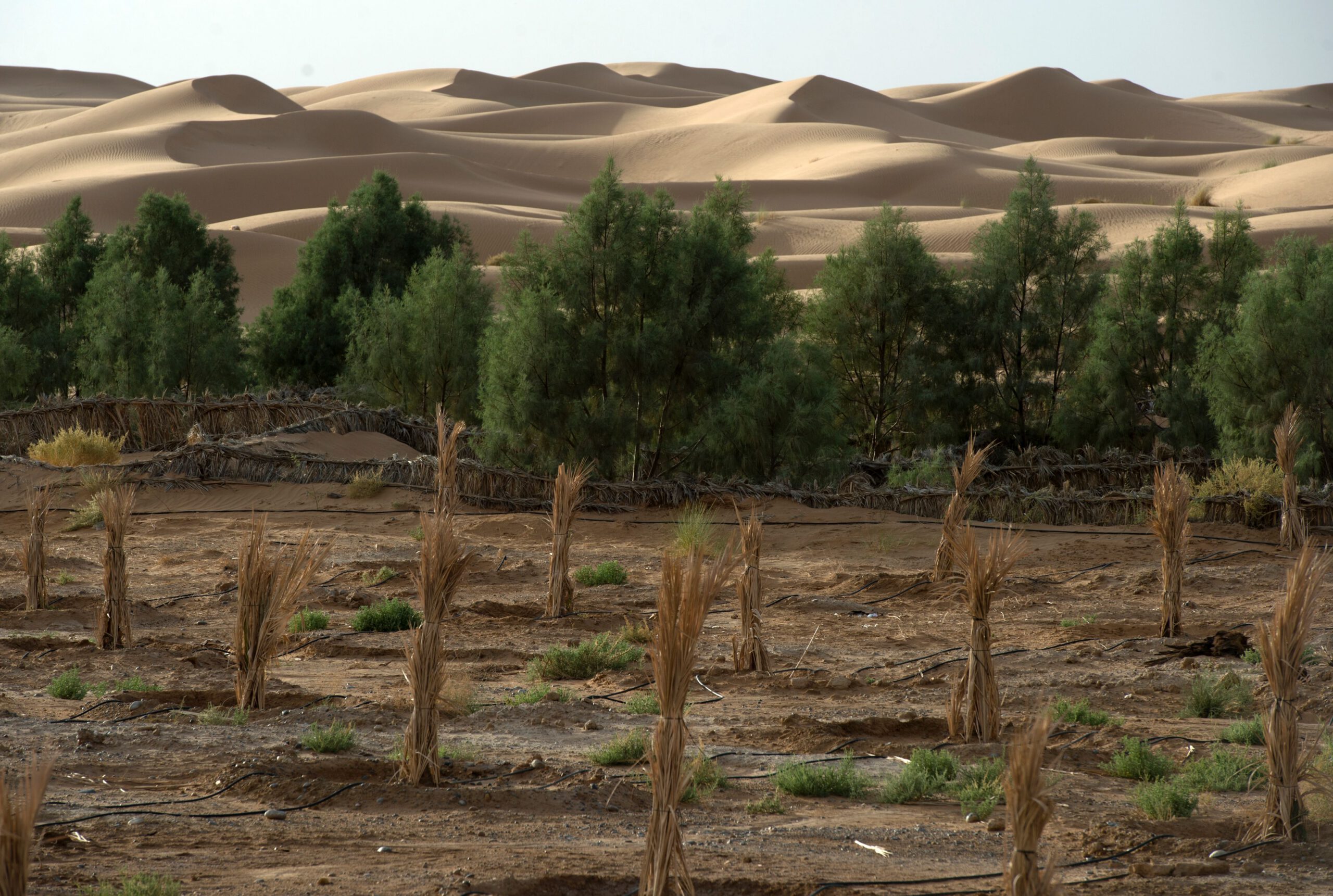
Sustaining food security in North Africa is a complex and evolving challenge, influenced by the region’s arid climate, limited water resources, and sparse arable land. In response, efforts to enhance food security by governments, farmers, and non-governmental organizations have been centered on adopting climate-resilient agricultural practices, efficient irrigation techniques, and sustainable land-management strategies. Despite these efforts, food security in North Africa remains fragile due to systemic pressures on agricultural systems from climate change, water scarcity, and increasing market demands.
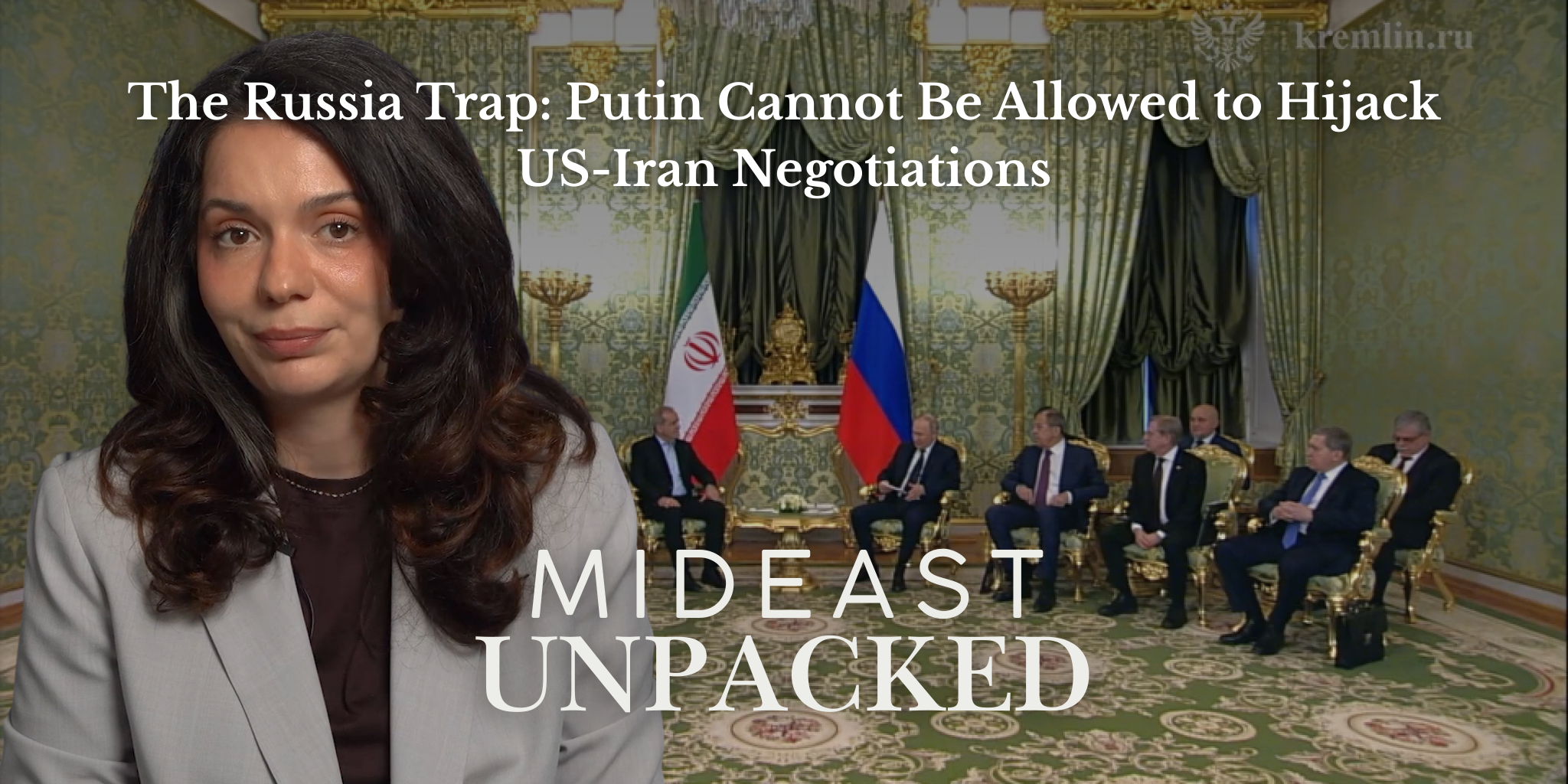
The Russia Trap: Putin Cannot Be Allowed to Hijack US-Iran Negotiations
MEI Senior Fellow Iulia Joja delivers a sharp and timely warning against Russia being offered a direct role in US-Iran negotiations. Far from acting as a neutral broker, Moscow wants to leverage this moment to reshape the balance of power in the Middle East. From meetings in Muscat to tightening alliances with Tehran and Beijing, Joja unpacks how Putin’s diplomacy is less about peace — and more about building up Russian influence against the US. Washington should be paying close attention.
Iran appears to be reorienting its approach to diplomatic engagement with its neighbors and the West by prioritizing the economic benefits of cooperation. A possible withdrawal of support for the Houthis is the latest significant potential outcome of Iran’s shifting stance. The following are five factors to watch for as a Tehran under duress reformulates its policies.
Can Ukraine’s fight for democracy survive without US support?
Ukraine faces a pivotal year in its fight against Russian aggression — and for its democratic future. With fears mounting that President Trump could abandon peace talks with Kyiv and Moscow, the risk grows that US disengagement could tip the balance toward Russia and fracture the global democratic order.
US-Iran Nuclear Talks: A Fragile Opening for Diplomacy
Following seven years of diplomatic deadlock, Washington and Tehran have resumed nuclear negotiations — and for the first time in years, there are signs of real momentum.
Alex Vatanka, MEI Senior Fellow and author of The Battle of the Ayatollahs in Iran, joins hosts Alistair Taylor and Matthew Czekaj to analyze the current round of talks, the technical issues under discussion, and the political stakes on both sides. He explores Iran’s economic and domestic pressures, US red lines, and the role of key players like Israel, China, and Oman in shaping the negotiations.
Could Russia support US-Iran negotiations? The risks outweigh the benefits.
President Donald Trump wants a deal with Iran. Russia has offered to mediate. But an agreement negotiated by Moscow would turn the Middle East upside down as well as negate years of Western efforts to impede and deter further aggression by the Kremlin.
Could Russia support US-Iran negotiations? An indirect opportunity worth exploring.
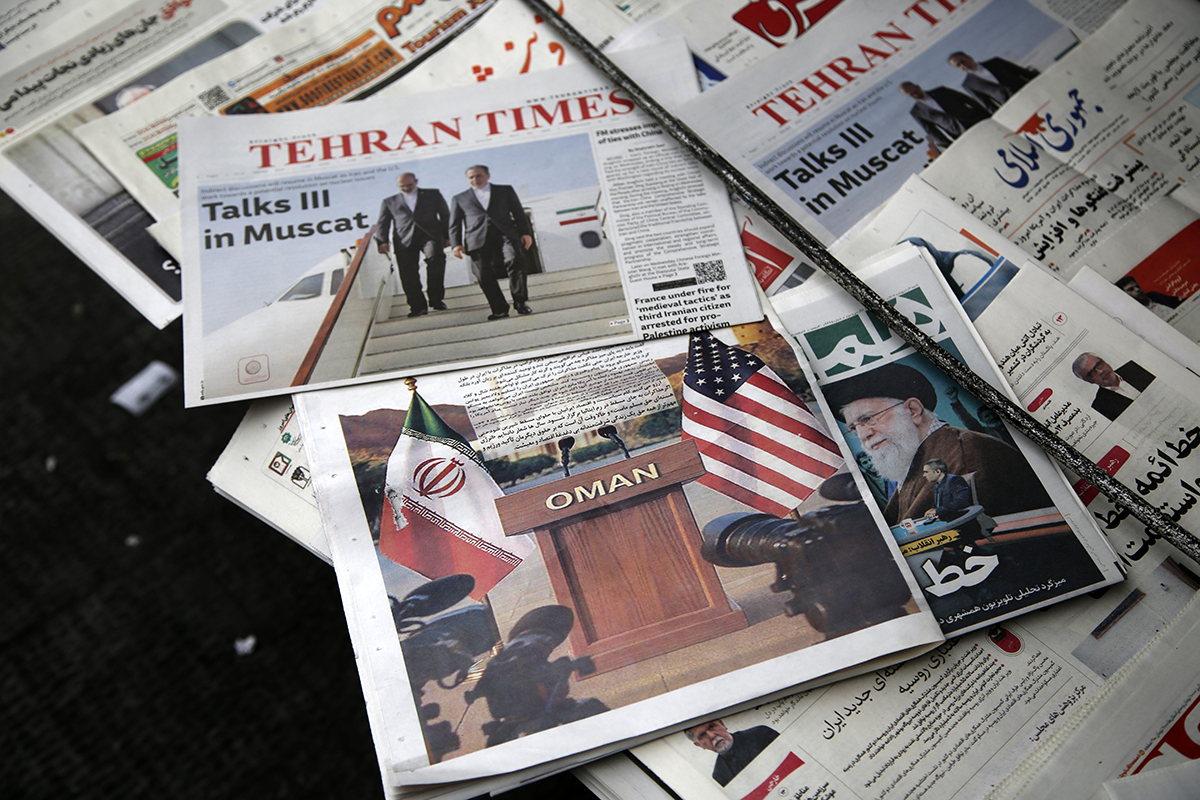
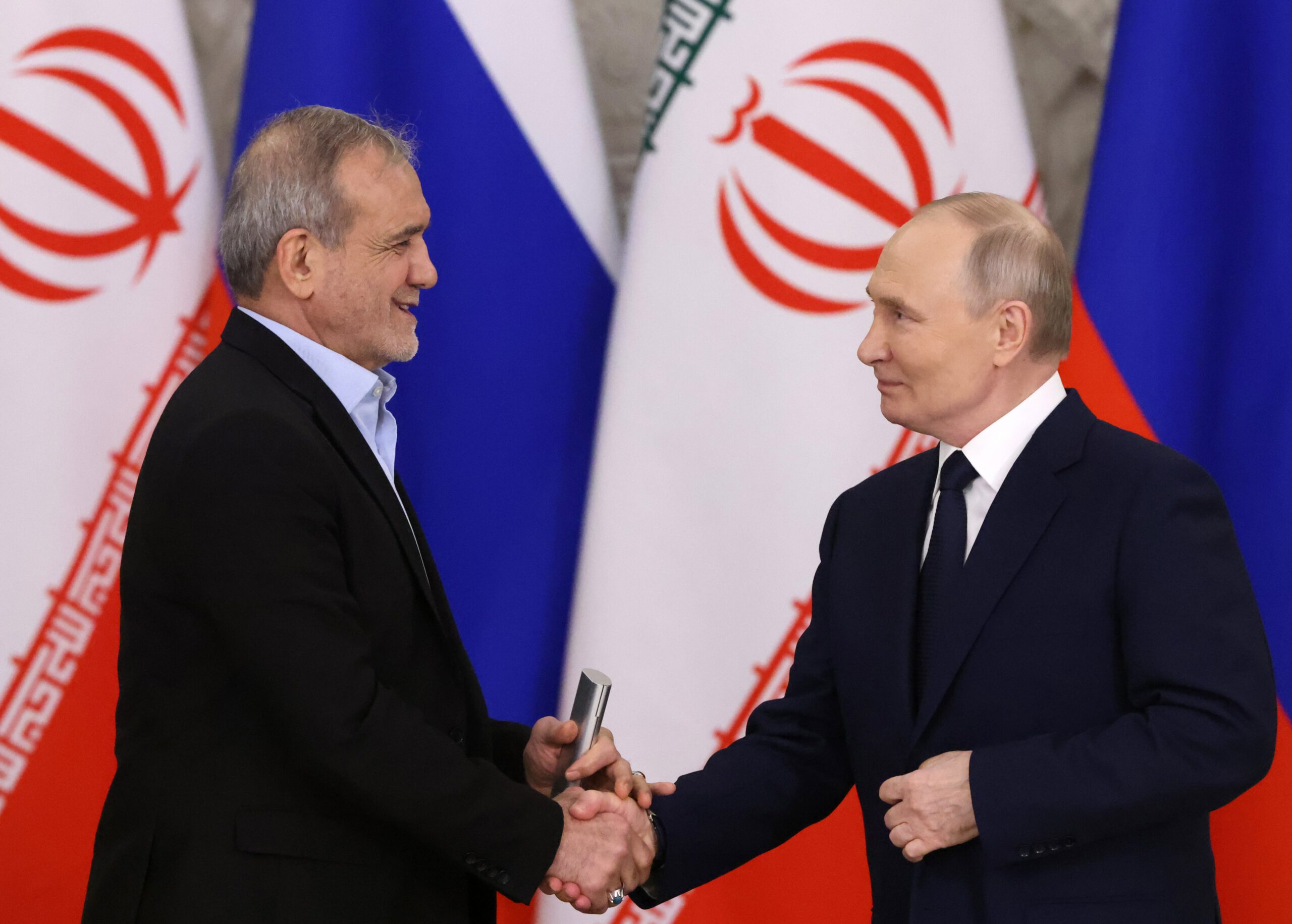
On April 12, the United States and Iran wrapped up their first round of renewed diplomatic talks in Muscat, with round two set for April 19, in Rome. In the interim, Iranian Foreign Minister Abbas Araghchi is in Moscow to coordinate with the Russians. But the real breakthrough will not come from nuclear talks alone — it will require confronting the region’s most explosive fault line: the Iranian-Israeli standoff. Russia claims it can help.
The impact of climate variability on Morocco’s agriculture
Climate variability is becoming a key factor in shaping economic stability, agricultural productivity, and water security worldwide. Periods of prolonged drought and sudden shifts in precipitation can have far-reaching consequences, particularly for countries that rely heavily on natural water sources for farming and economic growth. As weather patterns become increasingly unpredictable, there is a need to navigate both the immediate impacts of climate change and the long-term strategies needed for climate resilience. Finding the right balance between short-term relief and sustainable adaptation is a fundamental challenge for economies dependent on agriculture and water availability. Nowhere is this more evident than in Morocco.
US disengagement and new regional security dynamics in Afghanistan’s neighborhood
Afghanistan’s neighborhood is in the midst of a consequential restructuring of its security architecture. Key regional actors Pakistan, Afghanistan, Iran, and China have been continuing to adjust their defense plans and security partnerships to meet the growing threats posed by domestic and cross-border terrorism. At the same time, these four countries have also been looking for new ways to fill the vacuum in southern Asia left by the United States military’s departure from Afghanistan.
Iran’s growing influence in the Black Sea region: Consequences and Western responses
Russia’s full-scale war against Ukraine has provided several strategic opportunities for Iran to increase its foothold in the Greater Black Sea Region. A closer analysis of Iran’s deepening footprint there is necessary to inform how the next administration in Washington and the new European Commission can strengthen and better coordinate their policy responses.
Rethinking Democracy Ep. 5: Impact of Donald Trump’s Election on American Democracy and the World with Ruth Ben-Ghiat and Larry Diamond
Last month, the US electorate voted President-Elect Donald Trump back into the White House. His victory was seen by some experts as part of a global trend and a move towards anti-incumbency attitudes and populism. How will Trump’s rhetoric impact the United States domestically and internationally? Will he govern as a strongman during his second term? What can we expect to be different from his first term?