Facing COVID-19 in Morocco: Satisfaction with the economy does not preclude the need for more jobs and anti-corruption efforts
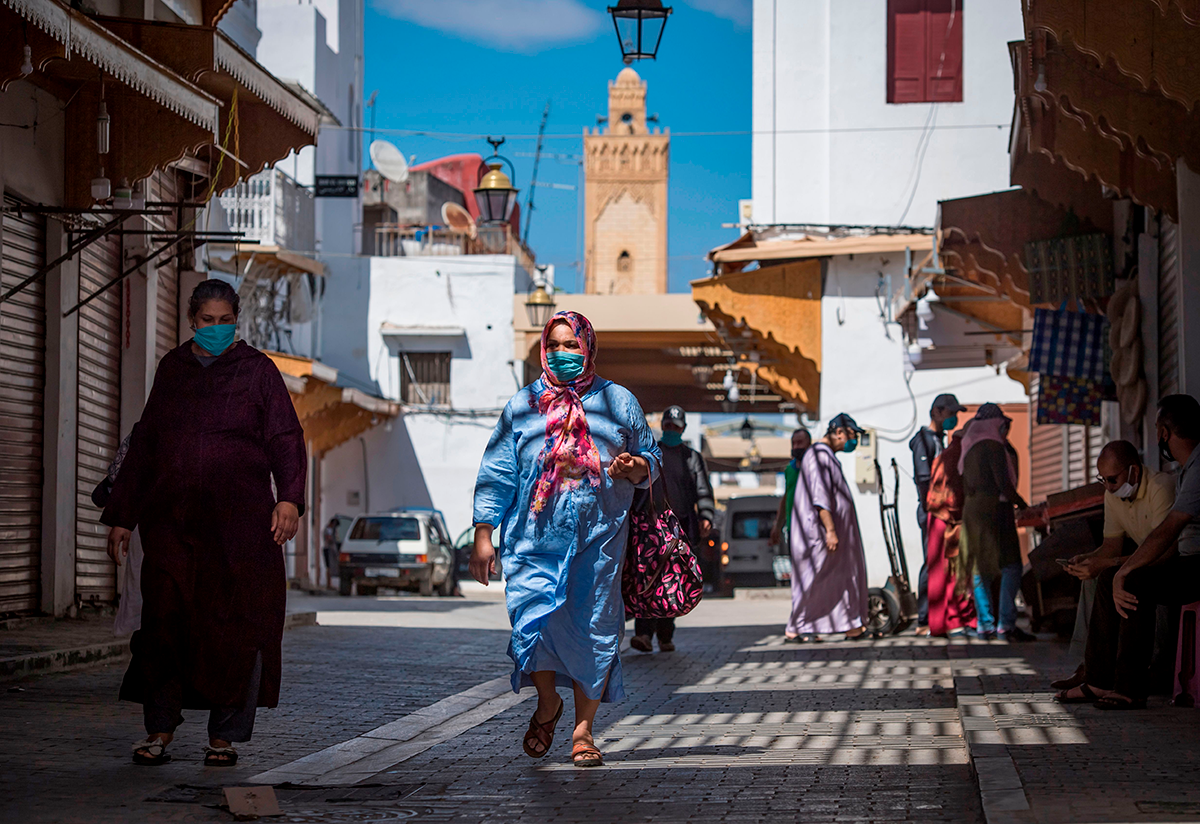
As soon as the first signs of the health crisis caused by COVID-19 appeared in North Africa, Morocco took swift and decisive action, implementing health, economic, security, and social measures at the end of February 2020. These actions explain the largely positive perception among Moroccans of the state’s handling of this difficult situation, a challenge unlike any since the Arab Spring in 2011.
The findings of the fourth part of the Arab Barometer survey’s sixth wave, carried out in May 2021, confirm that the spread of COVID-19 (43% of respondents) and the economic situation (33%) are still the main challenges for Moroccans.
Iulia Sabina-Joja and Alex Vatanka join the program to discuss Iranian foreign policy and the Shanghai Cooperation Organization. Amid growing concerns about the regional repercussions of the Taliban takeover of Afghanistan, the SCO met for its 20th anniversary summit in Dushanbe, Tajikistan on September 16th and 17th. Regional security cooperation and Iranian accession were at the top of the agenda, with Iran formally joining the organization as a full member on September 17th.
Iran and the Taliban after the US fiasco in Afghanistan
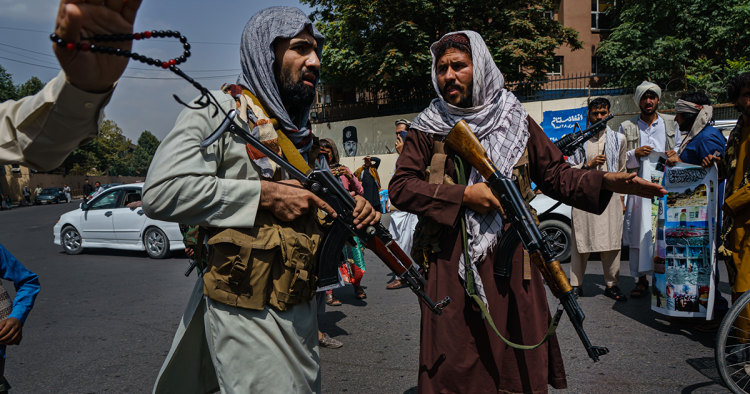
For Iran, Washington’s Afghanistan fiasco has been touted as confirmation that U.S. policy in the Islamic world is doomed to fail. The immediate geopolitical and ideological gains, however, could be overshadowed by the potential challenges that a Taliban-ruled Afghanistan may pose for Iran’s security and regional interests in the long run.
The Afghan refugee crisis: What does it mean for Iran?
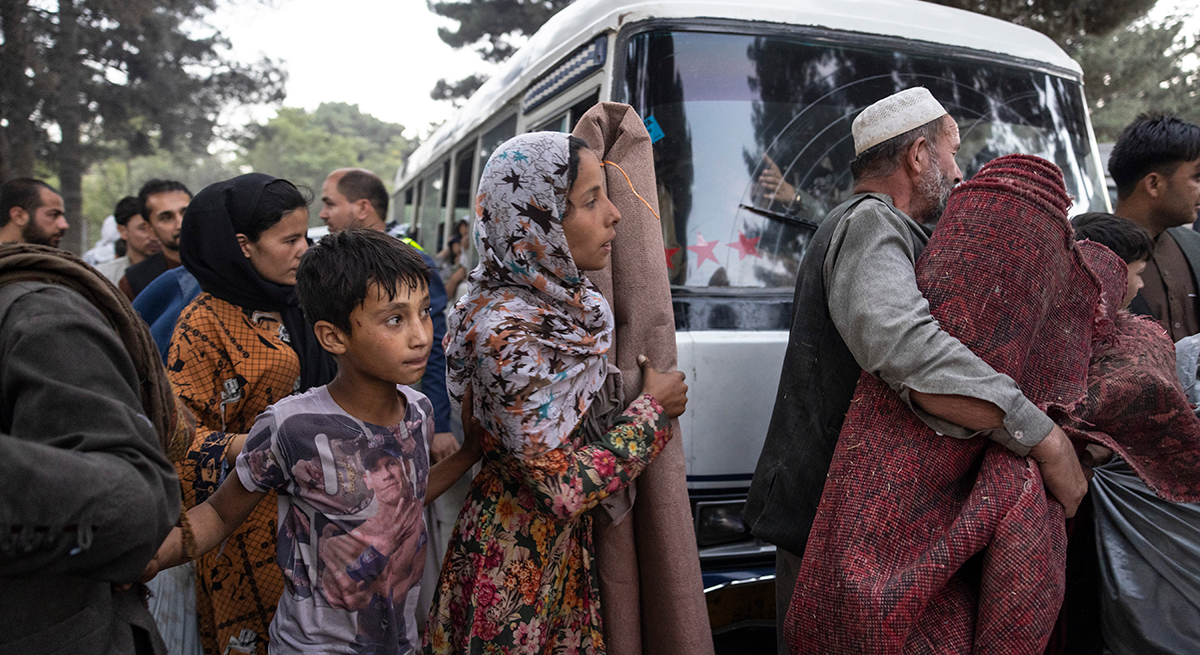
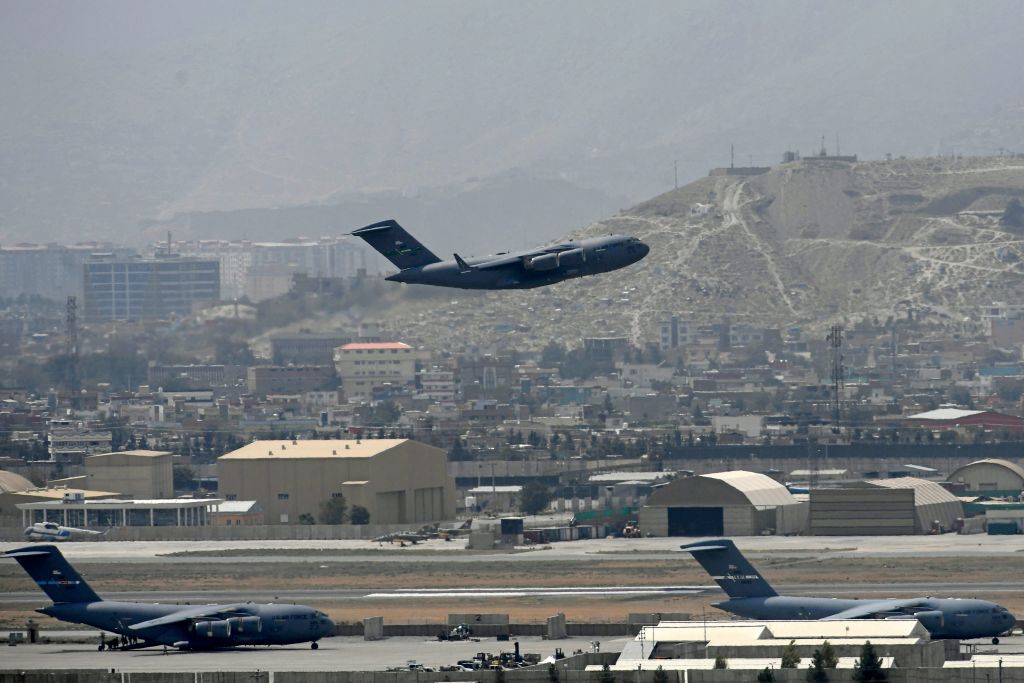
The images of desperate Afghan citizens trying to leave their country, beyond highlighting a massive human tragedy, may become a symbol of the so-called war on terror. Many of those Afghans already understand the feeling of abandoning their homes, because their families experienced it. They know what happens when foreign armies withdraw from their country and the tragedies that can ensue. The difference this time, however, was the deadline — only a few weeks.
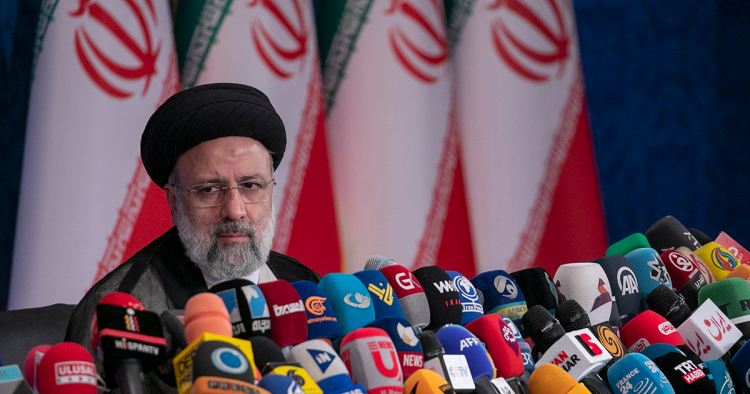
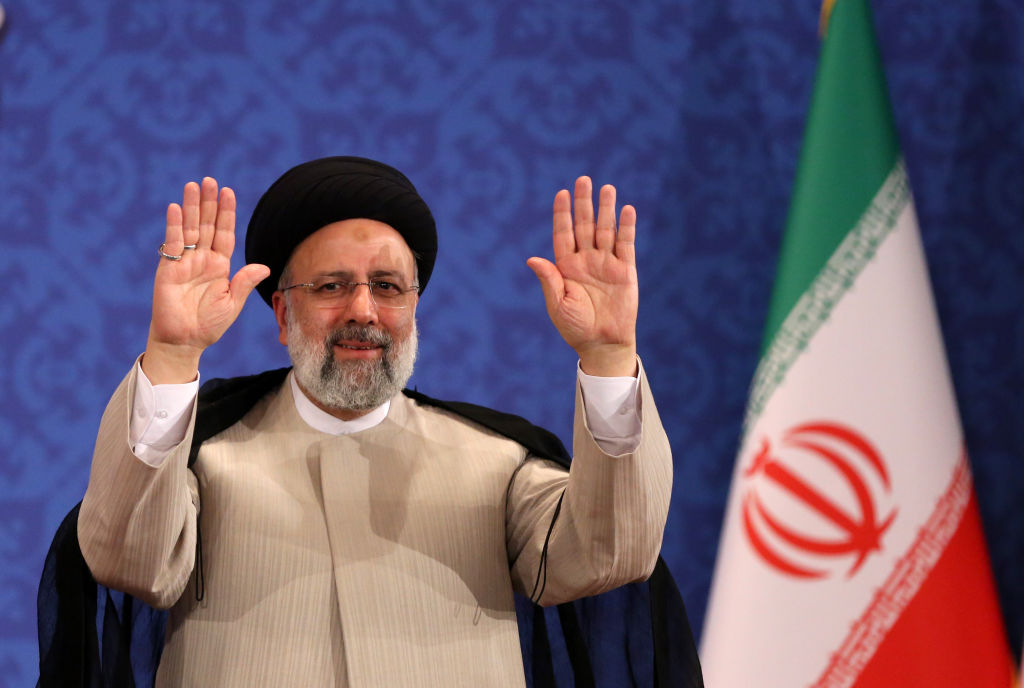
Ebrahim Raisi, the eighth president of Iran, has taken over at a time when the Islamic Republic is facing a series of major potential crises. Over the next several decades, these crises could have consequences that will not only affect Iran itself, but may reverberate across the region as well. This article will address the 13 crises facing Raisi’s government and Iranian society more broadly.
Beholden to Khamenei and the IRGC, Raisi will stick to the hardline script
In the June 2021 elections, the Iranian presidency was handed to Ebrahim Raisi on a silver platter. Supreme Leader Ayatollah Ali Khamenei made sure the election process was engineered, down to the smallest detail, for a shoo-in Raisi victory. For Raisi, this is something of a double-edged sword. At a minimum, it means policy continuity in Tehran, including in the realm of hybrid military-economic affairs. The Islamic Revolutionary Guards Corps (IRGC) will not only continue to have a free hand to shape Iran’s military and regional agenda, but it will also return to center-stage as far as economic planning is concerned. The same thing happened during the government of Mahmoud Ahmadinejad; he too gave the IRGC an free hand — a decision that he later came to regret. Raisi has no choice though. His political fortunes rest on continued support from Khamenei and the IRGC. Don’t expect him to unveil any trailblazing policies anytime soon.
Maati Monjib and Rachid Aourraz join guest host Intissar Fakir to discuss the results of Morocco’s Sept. 8 general elections, their context and why they are important, and what they signal about political trends in the country moving forward.
With Iran, American policymakers have often chased phantoms in search of solutions to problems they did not understand. This futile shadow-chase continues when “experts” argue that the U.S. should somehow encourage the break-up of Iran on ethnic or linguistic lines. This idea is simply wrong.
Iran’s President Raisi takes over a ruined country
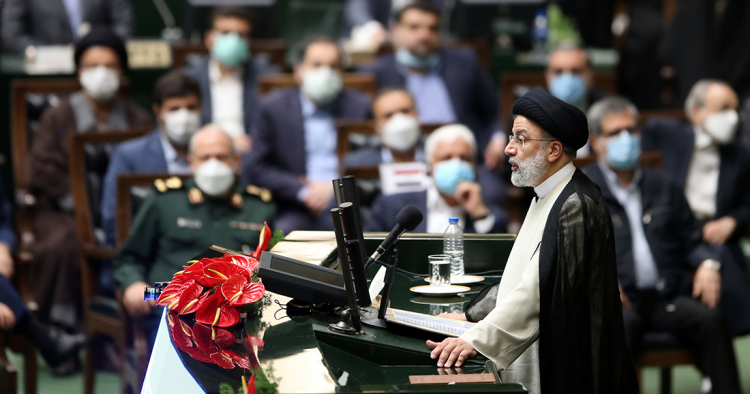
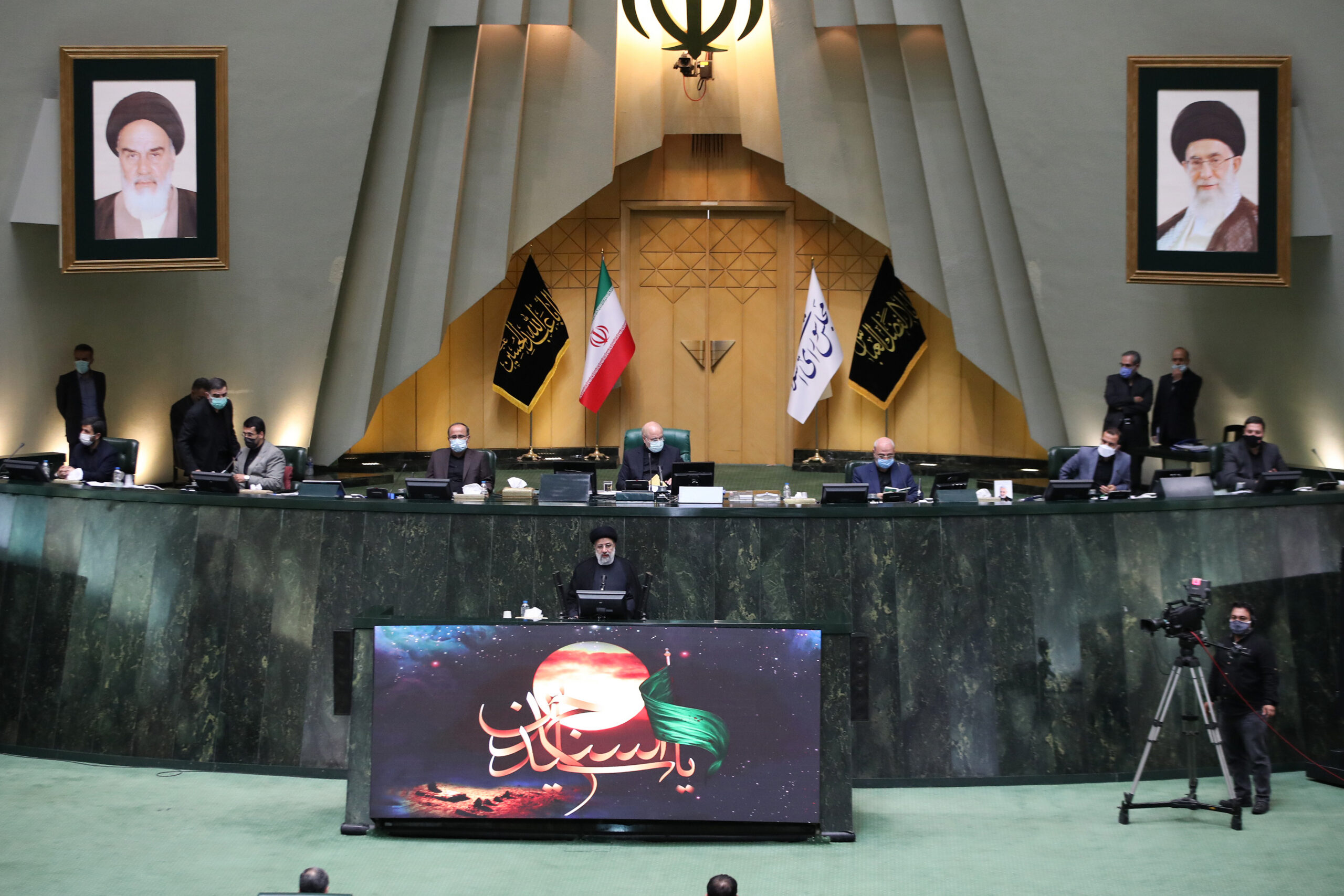
On Aug. 25, Iran’s parliament voted on the cabinet of its new president, Ebrahim Raisi, approving 18 out of the 19 ministers put forward. Raisi’s government is full of revolutionaries likely to adopt a hardline approach to domestic and international affairs, leading to heightened geopolitical risk and potentially prolonging the country’s economic crisis.
Morocco's “first in North Africa” electric car production is a European manufacturing gain over China
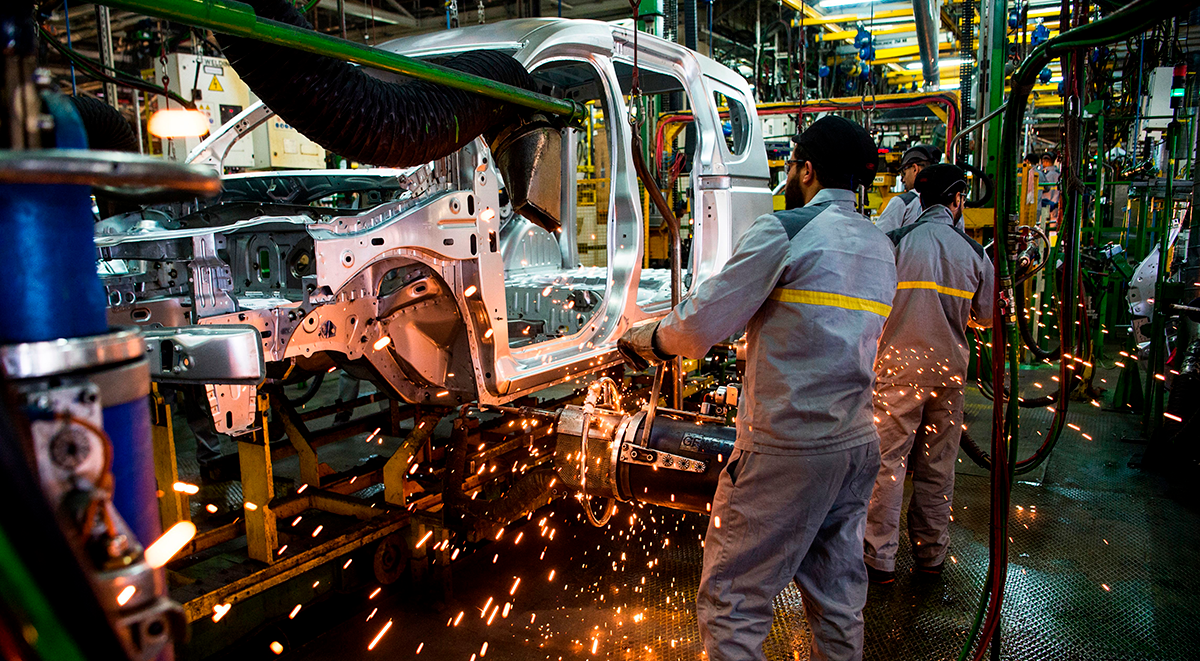
In an automotive first for North Africa, German automaker Opel will soon begin producing electric cars in Morocco. Opel’s electric car manufacturing in Kénitra leapfrogs China’s plan to build electric cars in Egypt, giving Morocco’s automotive industry an important first-mover advantage. The move also represents a strategic gain for European automotive manufacturing over China. As a gateway to West Africa, Morocco provides Opel and its parent company Stellantis a nearby production base for the eventual cost-effective export of electric vehicles to rapidly expanding markets in Sub-Saharan Africa.
Under President Ebrahim Raisi, the Islamic Revolutionary Guard Corps (IRGC) is poised to exert greater control over Iran’s national security agenda and economy. Several of his ministers and advisors were members of the IRGC or have connections to it.
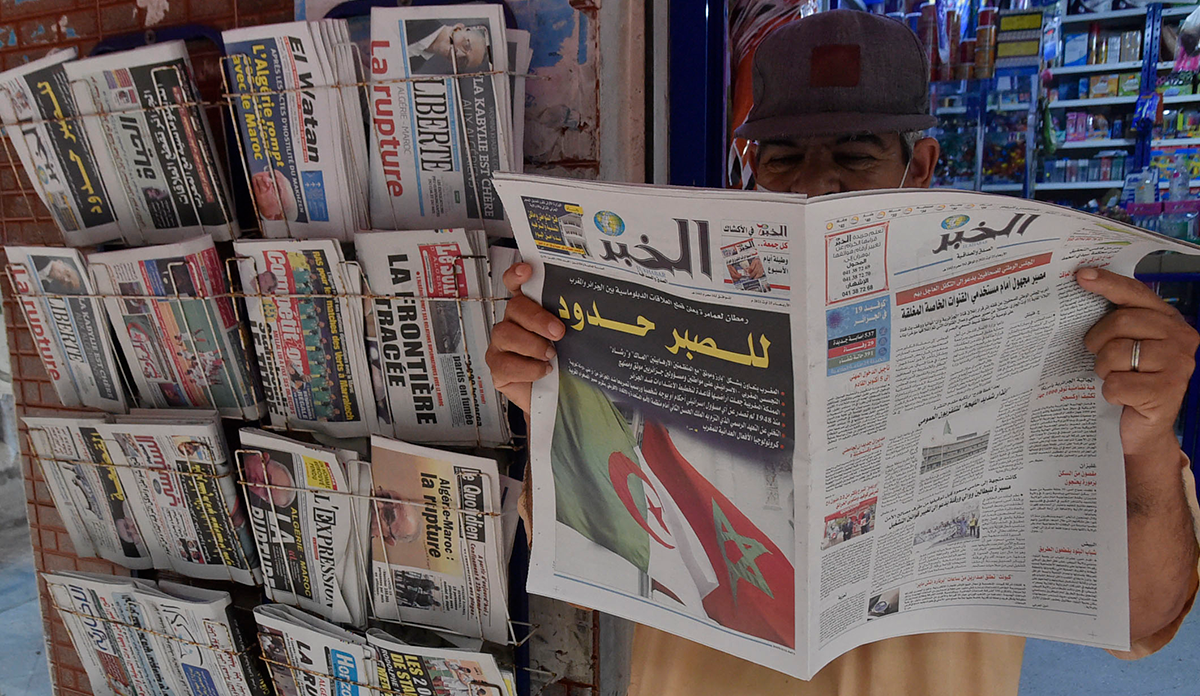
What’s driving the escalating tensions between Algeria and Morocco?
On Aug. 24 Algeria broke off its already minimal bilateral relations with Morocco, declaring this was due to the kingdom’s “hostile actions” and accusing it of involvement in the wildfires that struck the Kabylia region earlier that month. The heightened tension between the two countries brings into focus regional uncertainty and may spell the end of their limited collaboration in the energy sector.