This Opinion was first published in The National Interest on July 12, 2012
After an eighteen-month free fall, there is tangible improvement in the tumultuous U.S.-Pakistan relationship and an opportunity to leverage these gains for a durable peace in Afghanistan. Backtracking from a messy divorce, both Washington and Islamabad have forsaken their previous approaches of unrelenting maximalism, each making necessary compromises to make the partnership work.
Pakistan's Military Holds the Keys to a Thaw with the U.S.
This Opinion first appeared in the the National on June 15, 2012
Just when U.S.-Pakistan relations appear to have reached a new low, yet another event drives them lower still, further complicating chances of stabilising bilateral ties.
Over the last 18 months, the deterioration of relations has been punctuated by a series of incidents, most dramatically the May 2011 raid that killed Osama bin Laden and the U.S. air strike last November at Salala, in which 24 Pakistani solders died.
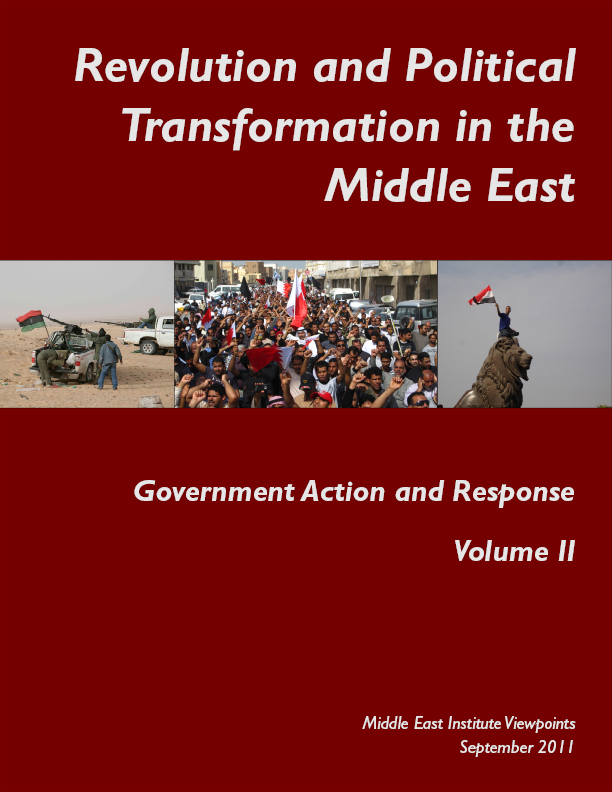
Introduction to Revolution and Political Transformation in the Middle East: Government Action and Response
Originally posted September 2011
On August 21, 2011, rebel forces in Libya rolled into the capital Tripoli, seemingly finishing off months of armed combat and foreign intervention and bringing down yet another Arab head of state. At the same time, sporadic but violent repression of protests in Syria continues, while other states remain calm or have seen their protest movements fizzle. We open this second volume of our series, Revolution and Political Transformation¸ at a time of uncertainty and transition for the region.
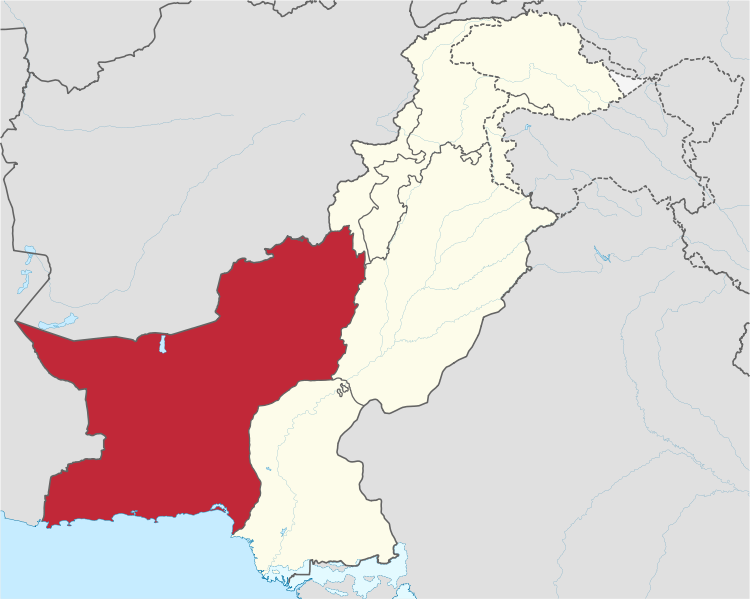
The state of Pakistan seems incapable of learning from its experiences in former East Pakistan (now Bangladesh), and seems therefore doomed to repeat history when it comes to addressing the grievances of Balochistan. Home to nearly ten million of the 180 million-strong population of the country (an estimate at best, since the last census was in 1998), the province has the smallest population in the country but the largest land area.