Saudi Arabia: The New Dynamics
Audio recording from Saudi Arabia: The New Dynamics
Photography Through the Eyes of Saudi Arabian Women
Audio recording from Photography Through the Eyes of Saudi Arabian Women
Saudi Arabia’s Religious Counter-Terrorist Discourse
Originally posted: October 2009
The Arab Spring: Implications for US Policy and Interests
Saudi Arabia on the Edge: The Uncertain Future of an American Ally
The Middle East Institute is proud to host MEI scholar Thomas W. Lippman for a discussion of his new book, Saudi Arabia on the Edge: The Uncertain Future of an American Ally. Of all the countries that are vital to the strategic and economic interests of the United States, Saudi Arabia is the least understood by the American people.
Cyberactivism and the Arab Revolt: Battles Waged Online and Lessons Learned
The Middle East Institute is proud to host digital media experts Adel Iskandar and Courtney Radsch for a discussion on the nature of the cyberactivism that is fueling the uprisings spreading throughout the Middle East. Iskandar will examine the battle in Egypt between the government and the protesters to control online discourse, analyzing the obstacles and the successes.
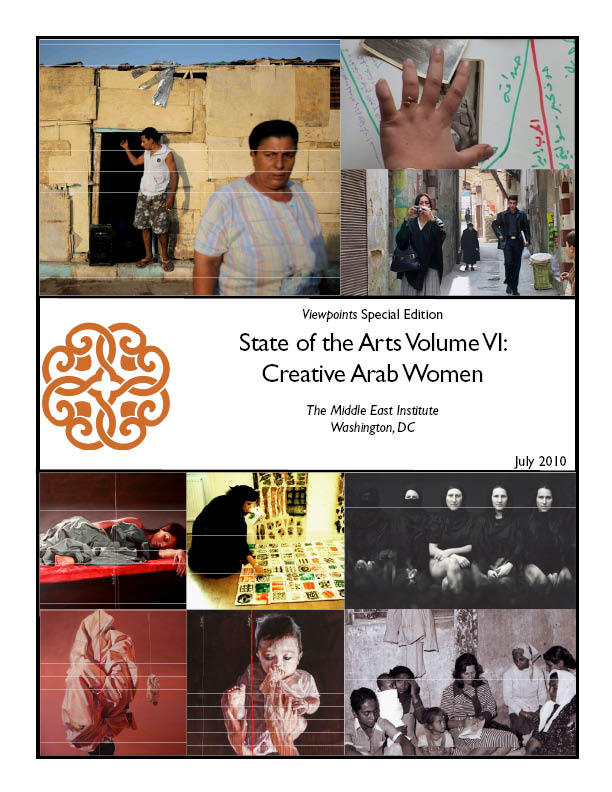
Introduction to The State of the Arts in the Middle East: Volume VI: Creative Arab Women
Creative Arab Women is the sixth edition of the MEI Viewpoints series on the State of the Arts in the Middle East. The 14 essays in this collection offer a glimpse into the rich and varied cultural output of Arab women in the region and the diaspora. Partly reminiscences and partly calls to action, they are essays of survival and empowerment that add a deeply personal dimension to the subject of the role of Arab women as cultural producers. MEI is grateful to Dr.
Labor Migration to the GCC States: Patterns, Scale, and Policies
“In some areas of the Gulf, you can’t tell whether you are in an Arab Muslim country or in an Asian district.”
— Majeed al-Alawi, Bahrain Minister of Labor (October 2007)
Liberal Enclaves: A Royal Attempt to Bypass Clerical Power
Within the first months of ‘Abdullah’s term as King, the Saudi government pursued a number of policies to improve the Kingdom’s economic profile. Saudi Arabia became a member of the World Trade Organization (WTO) and the limits were raised on foreign stakes in sectors such as banking, telecommunications services, wholesale, retail, and franchising. These reforms were intended to answer the economic priorities of diversifying from dependence on oil revenues, finding jobs for young Saudis, and opening up foreign investment.
The Rise of a Media Kingdom
Even Saudi film production has revived recently, following the move of Saudi Television empires such as Rotana and ART to cinematic production. This comes after more than two decades of suppression by conservative Islamist groups who prohibited film screenings to Saudi citizens. In 2005, the Kingdom saw the opening of the first movie theatre in Riyadh, followed by the release of a couple of Saudi films with Saudi actors. The first Saudi production was Zelal Assamt (2006), followed by the film Keif al Hal.
Tawhid or Jihad: What Wahhabism Is and Is Not
Originally posted: October 2009
Diwaniyyas, Intellectual Salons, and the Limits of Civil Society
Originally posted October 2009
The Freedoms Saudi Women Really Want
Originally posted October 2009
Obstacles to Equality for Saudi Women
It was in the summer of 1979 that Islam in Saudi Arabia became all about women. At the urging of ‘Abd al-‘Aziz bin Baz, then chair of the Department of Religious Guidance, Legal Rulings, and Propagation of the Faith, Interior Minister Prince Nayf sent a letter to government offices asking for cooperation in curbing practices offensive to Islamic principles. At the top of the list of condemnable behaviors were unsuitably dressed foreign women shopping or eating out in public.