Reevaluating U.S. security assistance to the Middle East
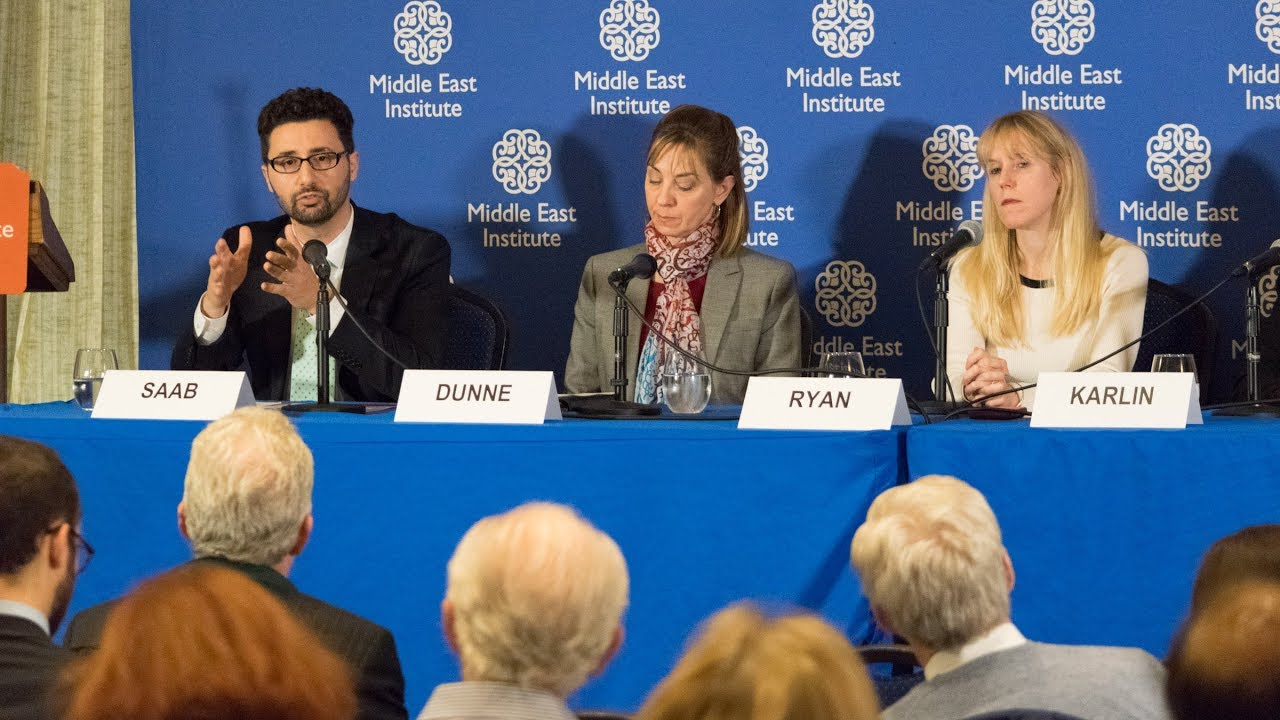
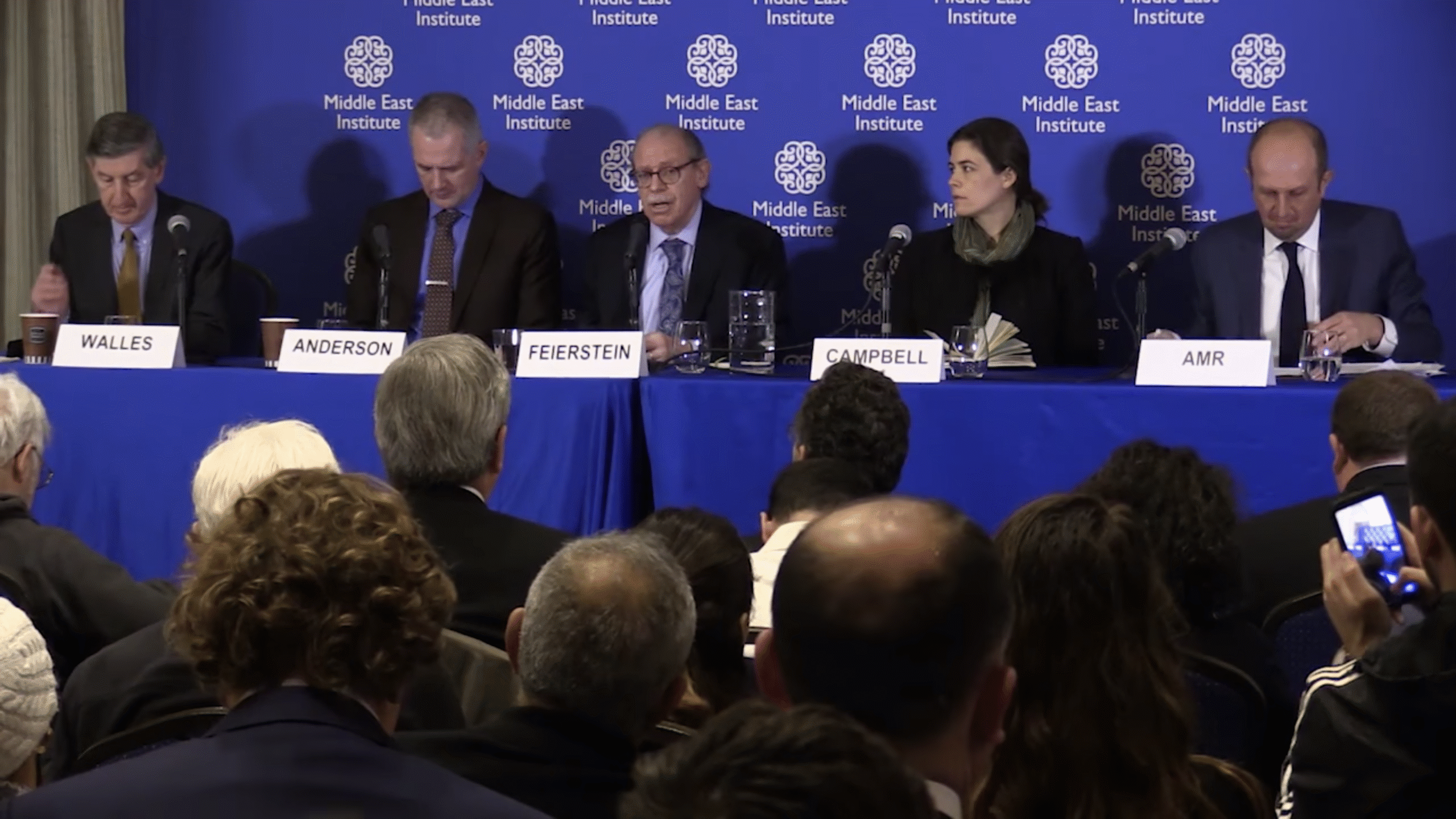
Since 9/11, American security strategy has focused on building the military capabilities of global allies in order to advance shared goals and address joint threats. In the Middle East, the results of this approach have been mixed at best. Frustration over U.S. security assistance to the region has grown in Washington, as funding and arms transfers to various state and non-state partners have led to unintended consequences, prompting the Trump administration to reevaluate U.S. aid to Egypt, Pakistan, and the Palestinians.
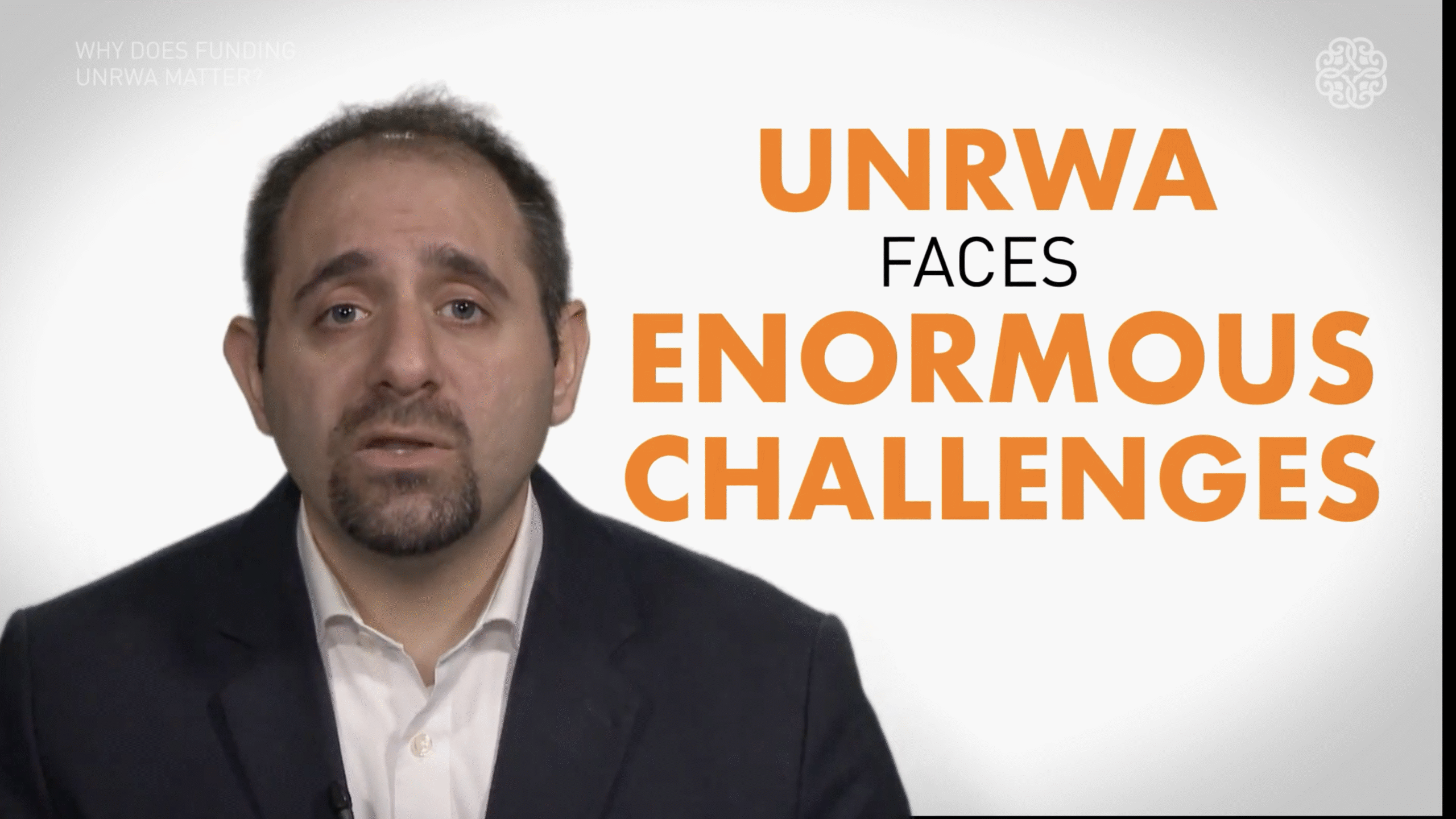
In January, President Donald Trump announced a major cut–$300 million–to the United Nations Relief and Works Agency (UNRWA). Since 1949, UNRWA has provided a critical lifeline to Palestinians displaced by war. Today, UNRWA supports 5 million Palestinian refugees.
Turkey is one month into its military offensive against U.S.-backed Syrian Kurdish forces in the area of Afrin in northern Syria. How is the operation going, and how has the strained U.S.-Turkish relationship been affected? Gonul Tol, director of Turkish studies at MEI, and Amberin Zaman, a journalist and columnist for Al-Monitor, join host Paul Salem to discuss.
Envisioning Palestine: strategies for Palestinian self-determination
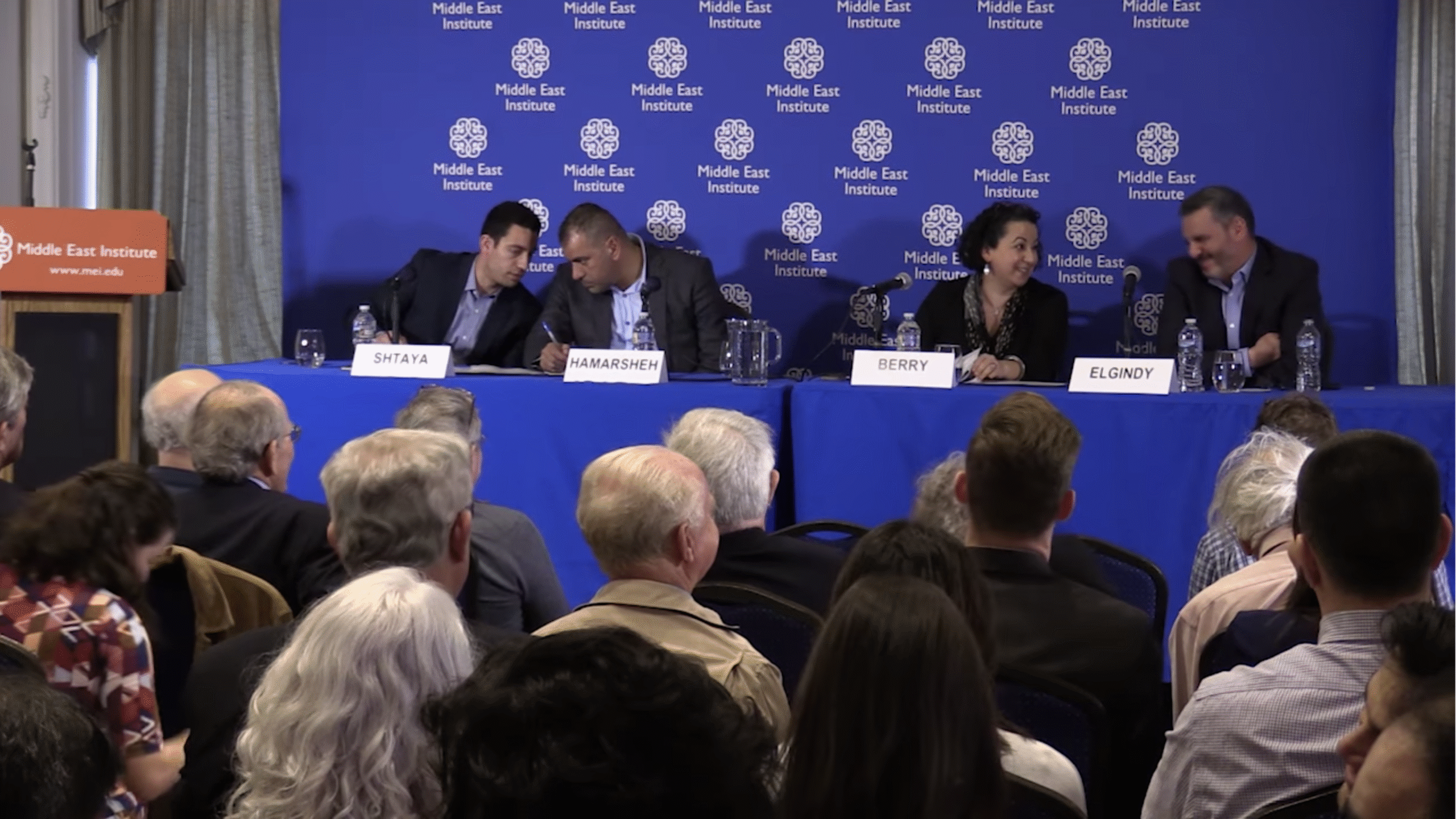
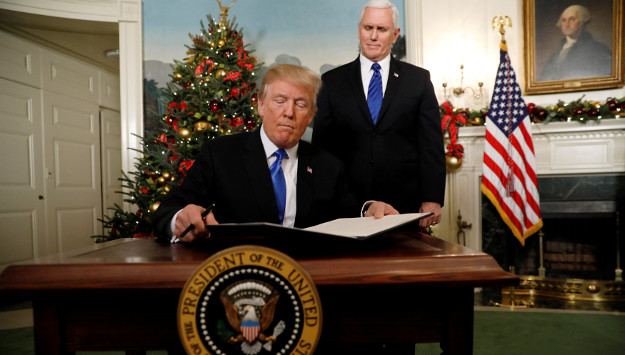
Relations between the U.S. and the Palestinians are in free-fall. The Trump administration’s decisions to recognize Jerusalem as Israel’s capital and then cut funding to UNRWA to force the Palestinians back to the negotiating table have been met with mass protests and official recriminations. Meanwhile, peace has never seemed more distant, with a recent poll showing support for a two-state solution at a historic low among both Israelis and Palestinians.
China, Jerusalem and the Israeli-Palestinian Conflict
On the surface, the Chinese reaction to the US decision to effectively recognize Jerusalem as the capital of Israel was clear. Following President Trump’s announcement to transfer the US embassy to the Holy City on December 6, 2017. Several days later, China voted with every other member on the UN Security Council (UNSC) to uphold the international consensus and previous UN decisions on Jerusalem. By going against world opinion, the US arguably looked out of step in relation to the conflict. By contrast, China’s alignment with international public opinion gave it the aura of a potential mediator. This essay considers whether Beijing has the political will and capacity to make a significant positive impact on the Israeli-Palestinian conflict.
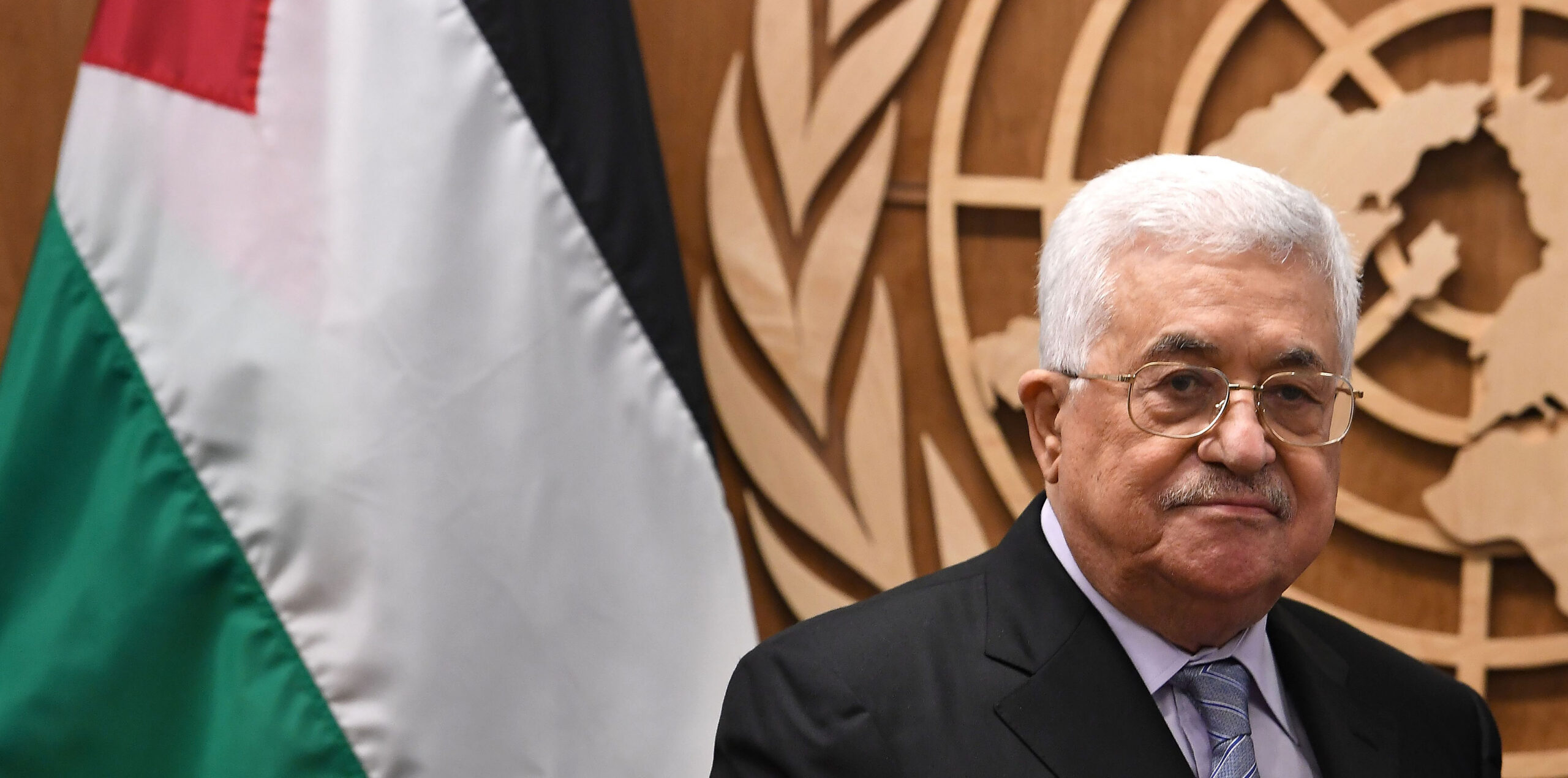
“Abbas needs a crisis,” a veteran Palestinian analyst told me, circa 2012. Sitting in his East Jerusalem office, surrounded by photos chronicling Palestinian history in sepia, the respected academic was commenting on the inertia that has long characterized the policy decisions of Palestinian President Mahmoud Abbas.
With the absence of multilateral diplomatic forums in the Middle East and the Trump administration scaling back on U.S. diplomatic outreach, the role of backdoor diplomatic channels, known as “Track II” dialogues, has seldom been more important. Randa Slim, director of MEI’s program on conflict management and Track II dialogues, and Robert Ford, former US ambassador to Syria, join Paul Salem to discuss the role of these dialogues in addressing issues ranging from the Syrian civil war to the conflict in Yemen and regional tensions between Iran and Saudi Arabia.
In the wake of his announcement to relocate the U.S. embassy in Israel to Jerusalem, President Trump has also vowed to cut funding to the United Nations Relief and Works Agency for Palestine Refugees (UNRWA) by 83 percent, in a stated effort to bring the Palestinian Authority to the negotiating table. International governments and NGOs swiftly condemned these funding cuts by the United States, citing the critical role UNRWA plays in promoting security and stability in the region through health, education, and assistance programs for Palestinian refugees.
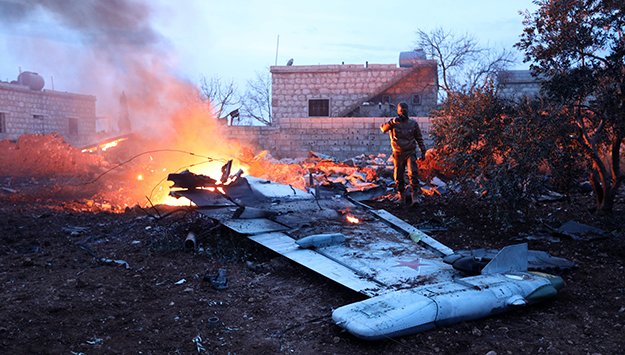
In this week’s Monday Briefing, MEI experts Charles Lister, Bilal Y. Saab, Marvin G. Weinbaum, and Gonul Tol provide analysis on recent and upcoming events including the unrelenting violence in Syria, President Trump’s “Buy American” plan, the Taliban’s anti-U.S. propaganda, and Erdogan’s meeting with the Vatican.
Donald Trump’s promise of “a deal of the century” to end the conflict between Israel and the Arabs is getting legs. After a year of discussions led by Trump’s son-in-law Jared Kushner, the main elements of the president’s design are coming into view. But it’s not exactly what the Palestinians want to see.
President Trump’s decision to recognize Jerusalem as Israel’s capital and to relocate the U.S. embassy there was met with Arab and international censure. The United Nations General Assembly voted 128 to 9, with 35 abstentions, for a resolution demanding that the United States rescind this declaration. Human rights groups decry the decision as a death knell for the two-state solution.
Hamas leader vows new intifada against Israel in letter to Iran's Khamenei
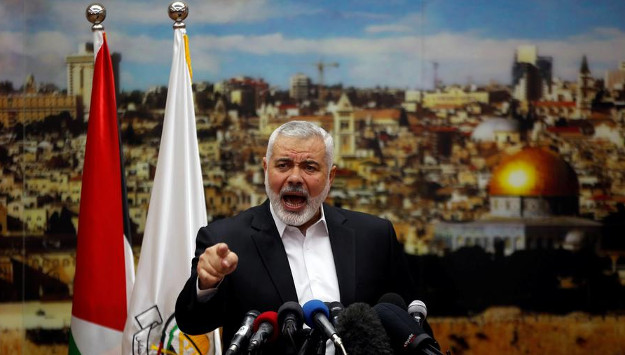
In a letter to Iran’s Supreme Leader Ali Khamenei, Ismail Haniyeh, the leader of Palestinian Hamas, has praised Iranian support for the militant group, and particularly Tehran’s “unwavering and valuable” stance on the issue of Jerusalem. According to the Iranian media, Haniyeh denounced President Donald Trump’s decision to recognize Jerusalem as Israel’s capital and emphasized in the letter that launching another intifada against Israel would be the best course of action at present.
The Multiple Sorrows of Trump’s Jerusalem Announcement | Monday Briefing
In this week’s Monday Briefing, MEI experts Paul Salem, Charles Lister, and Gonul Tol provide analysis on the international fallout from President Trump’s Jerusalem announcement and Russian President Vladimir Putin’s visit to Syria and then to Turkey to discuss Syria, Jerusalem, and energy matters.