Sustainable development: An unavoidable path for Egypt’s future
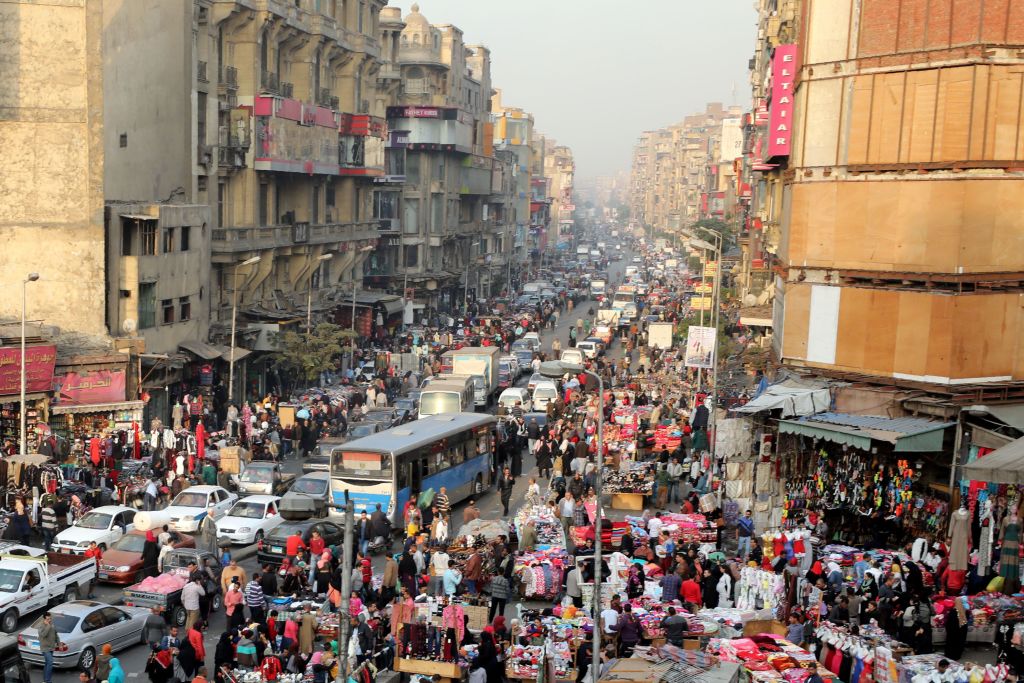
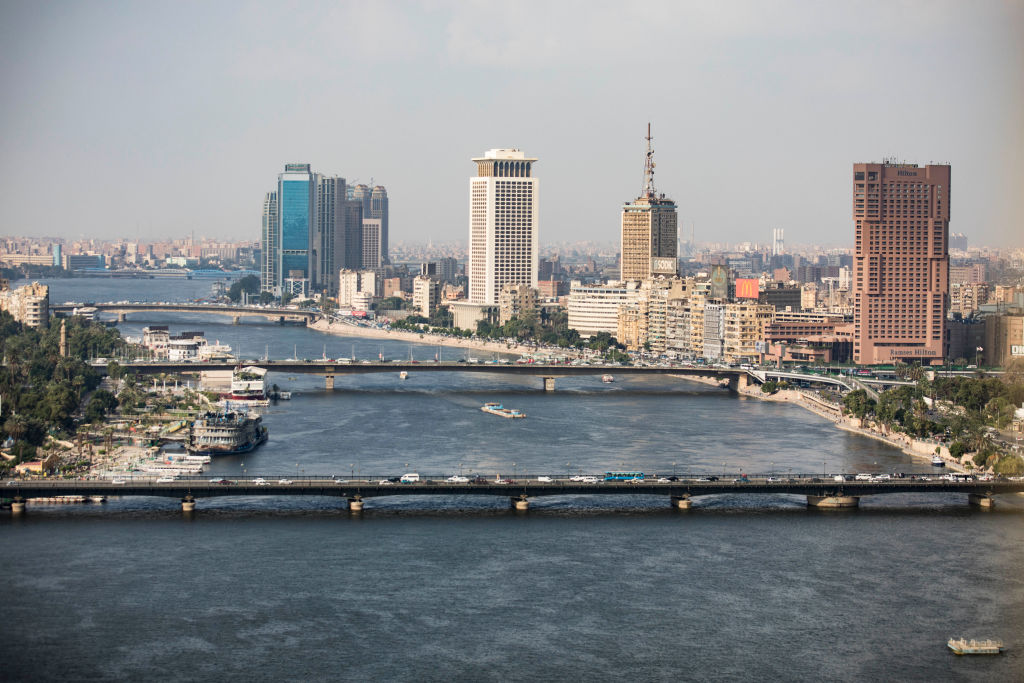
Egypt has realized a significant number of changes in healthcare, education, and economic reform policy over the past decade. It is also increasingly looking toward policy for development that emphasizes cohesive problem solving, in line with its Vision 2030 strategy, which highlights the need for positive knock-on effects from investments in human development
Qassem Soleimani’s reign may be over, but his legacy in Syria will endure
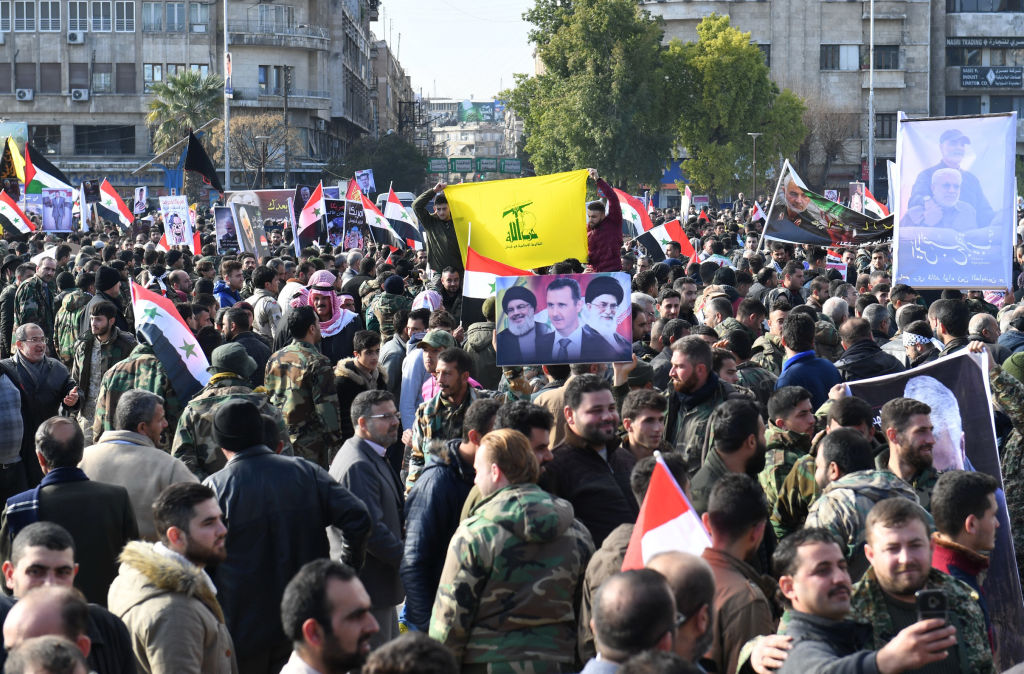
The U.S. assassination of Iranian Gen. Qassem Soleimani came as a seismic shock to the Middle East, not least to the embattled political system in Damascus that has reaped the benefits of Iran’s military involvement across the region. While his death will be a severe blow, it will not necessarily translate into a decline in Iran’s influence or military presence in Syria. Soleimani’s army of militias and supporters will outlast him, possibly by decades.
For Russia, Libya and Idlib are now part of the same gamble
Although Moscow continues to reap the benefits of its Syrian campaign, it is increasingly faced with diminishing returns. Despite its greater geopolitical involvement in the country, the Kremlin has so far failed to extract major economic dividends and may soon face increased competition from Tehran. With Syria’s future clouded in uncertainty and the unresolved issue of the Idlib region hanging like the sword of Damocles over any potential political settlement, Russia is now trying to bring the Libyan conflict into the equation as well.
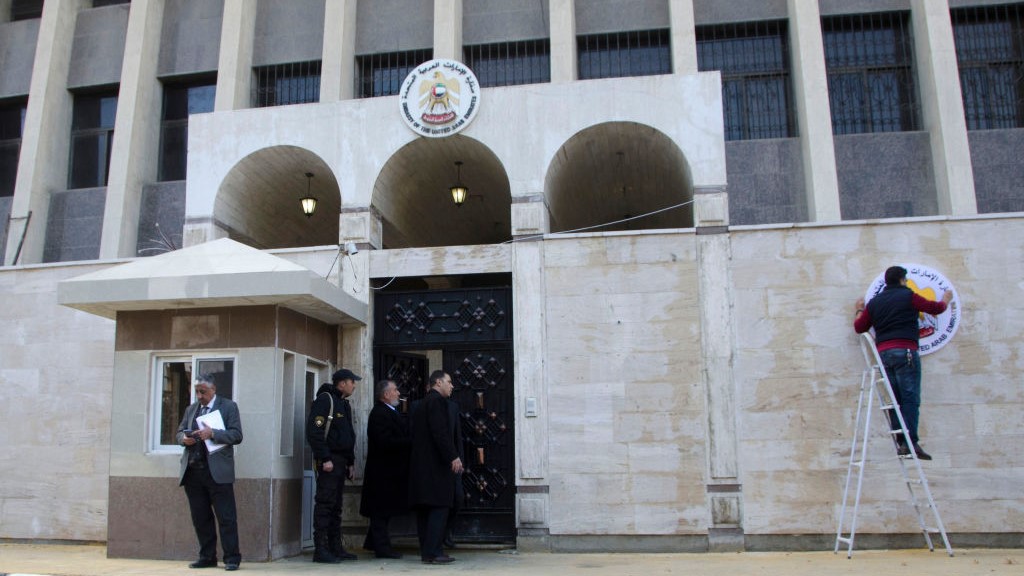
Foreign policy and commercial interests drive closer UAE-Syria ties
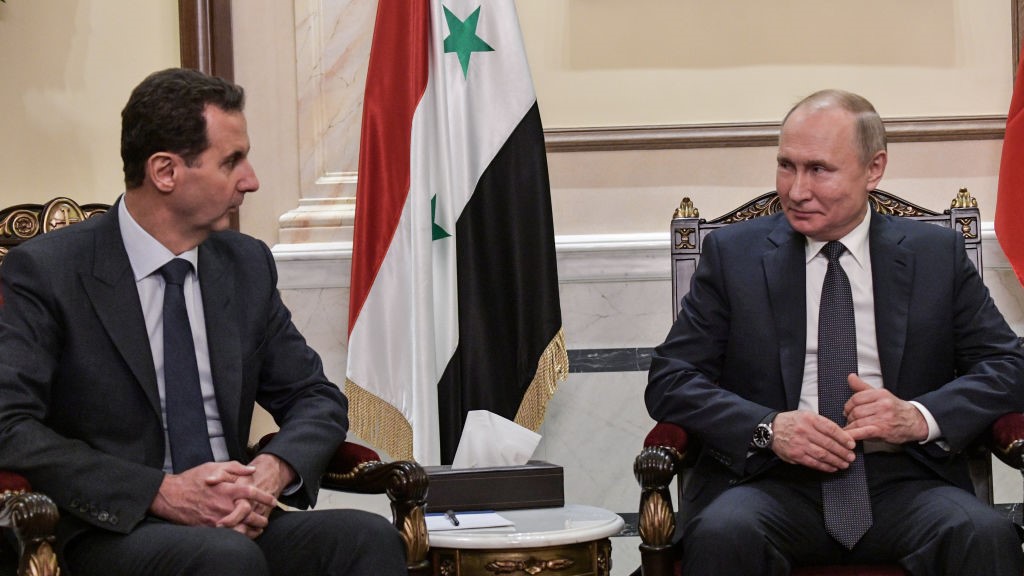
On Dec. 2, a series of public statements from Emirati and Syrian officials brought widespread attention to the UAE’s rapprochement with Syria. In a video circulated by Russian state media outlet RT, the UAE’s charge d’affaires in Syria, Abdul-Hakim Naimi, praised the “wise leadership” of Syrian President Bashar al-Assad and hailed the Syria-UAE relationship as “solid, distinct, and strong.” Syrian Deputy Foreign Minister Faisal Mekdad responded enthusiastically to Naimi’s comments by praising the UAE for standing by the Syrian government in its war against terrorism.
MEI experts Robert S. Ford, Fatima Abo Alasrar, and Emad Badi join host Alistair Taylor to survey what lies ahead for the Middle East in 2020, with particular attention to Iran, Syria, Yemen, Libya, Iraq and Algeria.
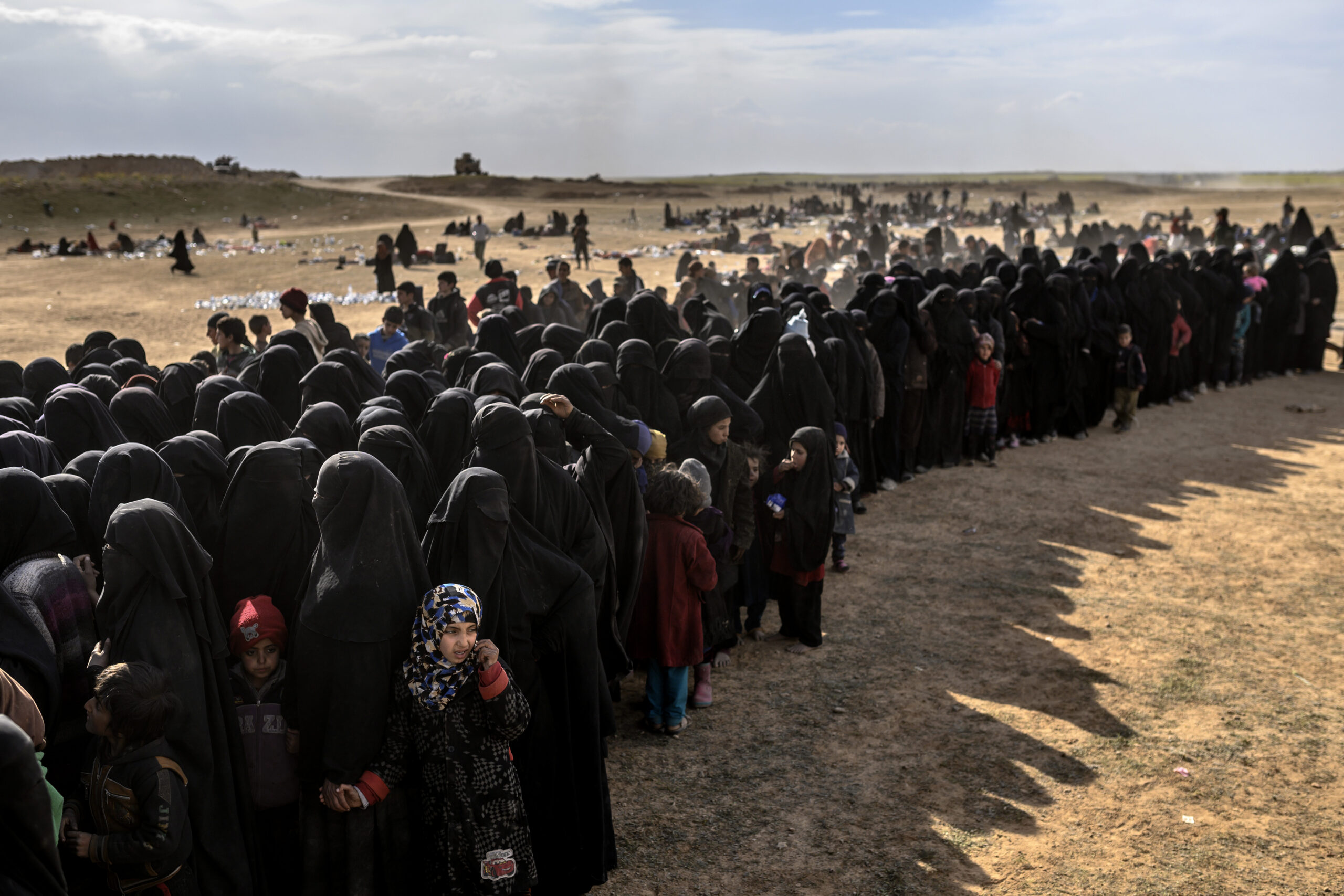
The Humanitarian Disaster During the Battle for Baghouz
It is unclear how many civilians were killed in February and March 2019, when the U.S.-led coalition and the Syrian Democratic Forces (SDF) pounded ISIS’s last enclave around the town of Baghouz. Presumably, the numbers reached into the thousands. Those who escaped found themselves in the desert, hundreds of kilometers away from lifesaving aid. The reasons for the failure of the humanitarian response were mainly political.
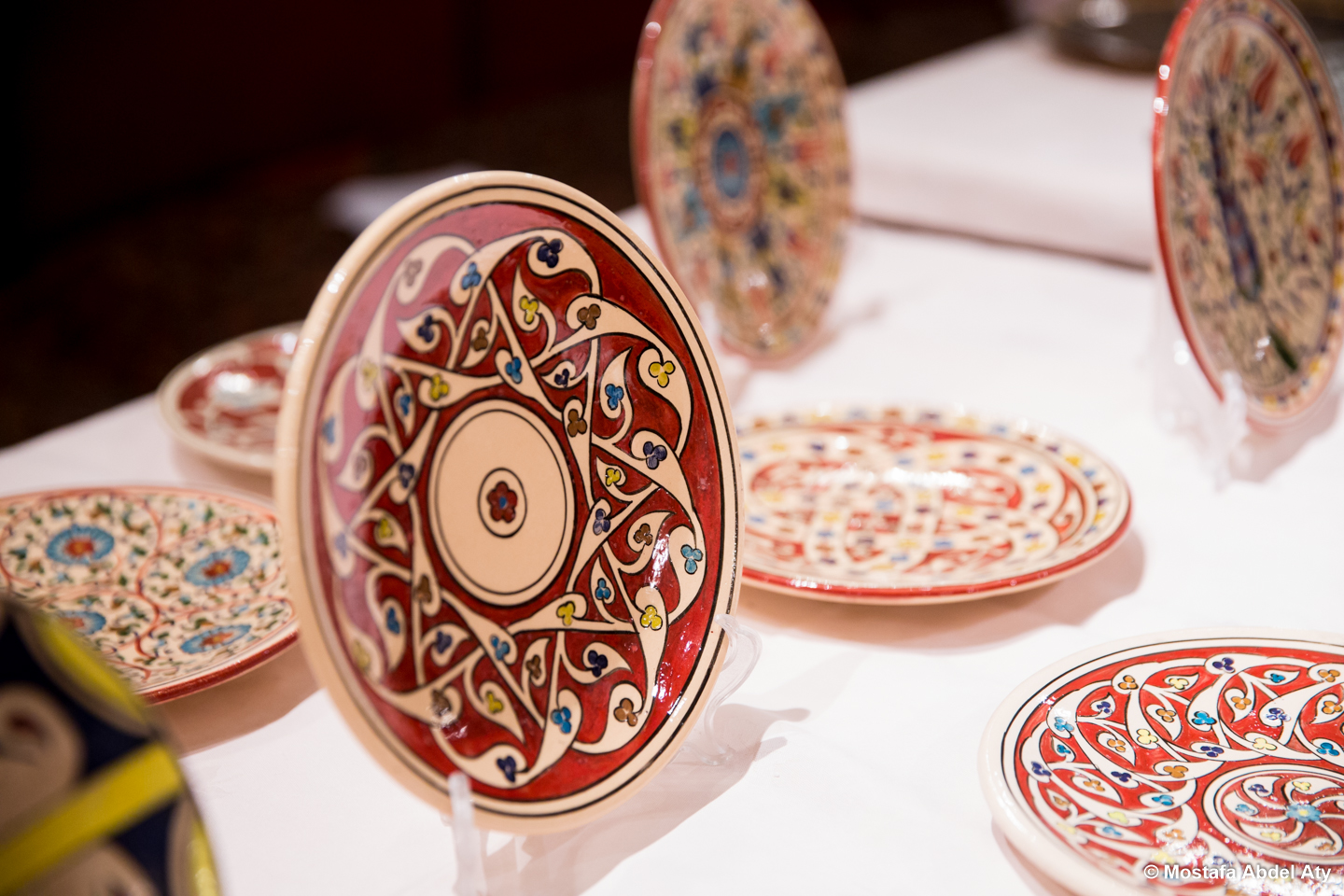
Safeguarding and celebrating Egypt’s traditional crafts
Accomplished craftspeople are a dying breed in Cairo, but Jameel House of Traditional Arts and Atelier Cairo are working to change that by training a new generation of artisans in traditional media like ceramics, wood, brass, glass, and gypsum work (stucco), helping to replenish the stock of skilled Egyptian craftspeople and keeping rare and beautiful art forms alive.
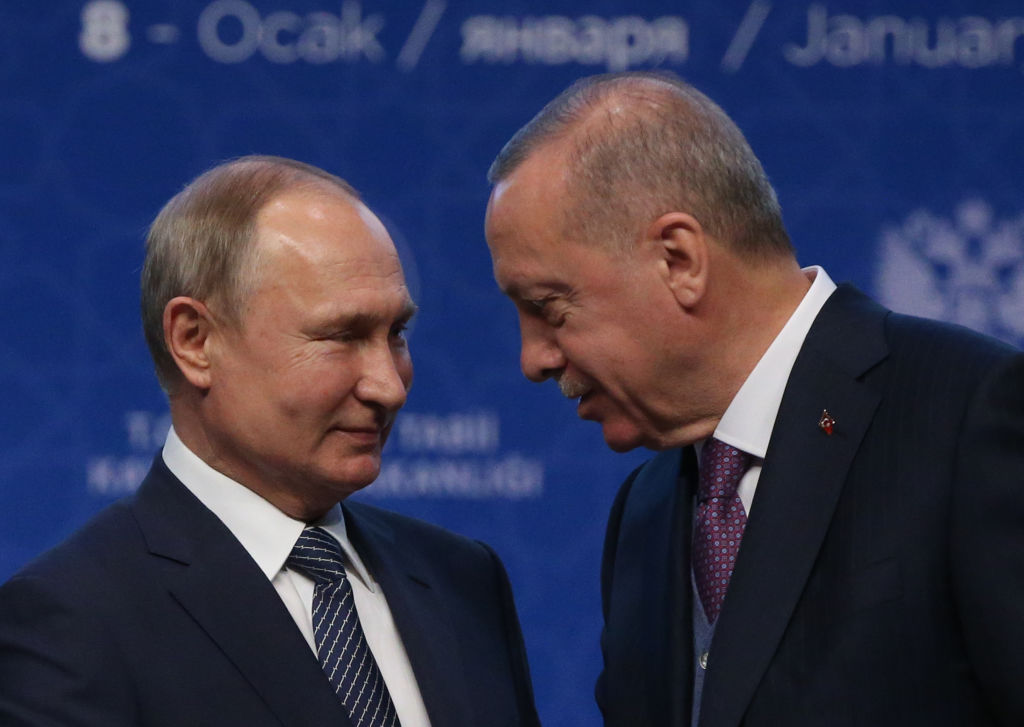
Cease-fires in Idlib and Libya as Turkey looks to buy time
It is increasingly the case that the Russian-Turkish decisions on Idlib or Syria need to be understood as part of a broader Russian-Turkish partnership.
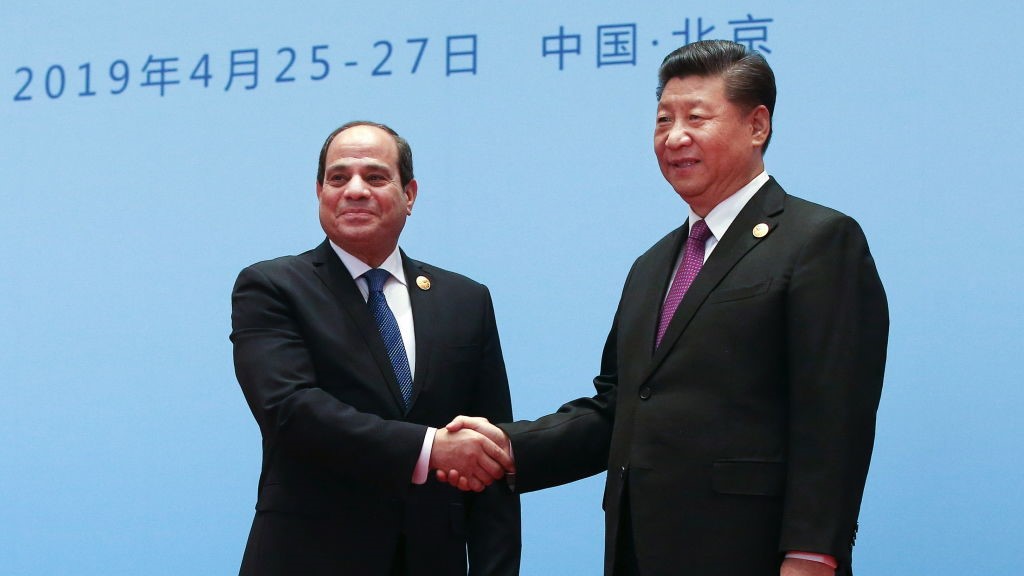
While the world is engaged in an ongoing discussion about the ramifications of the trade war between Washington, DC and Beijing, the economies of the Middle East are shifting away from their longstanding ties with the U.S. toward economically powerful China. This may have long-term implications for economic and political dynamics in the region.
The future of the UK’s relationship with the Maghreb
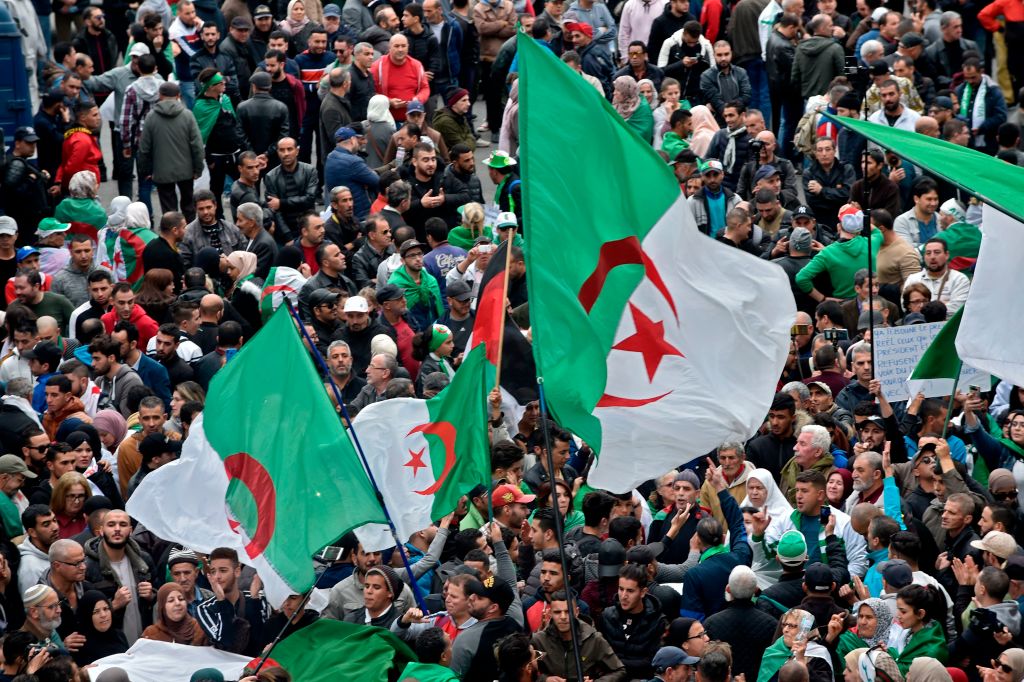
The UK’s impending exit from the EU will present a new chapter for British interests in and posture toward the region. If the UK is to find a trade-off for loss of diplomatic and economic heft, it will need to re-prioritize its engagement efforts. Policy continuity toward Morocco and Tunisia appears inevitable; Algeria, in contrast, promises great opportunity for an evolving relationship.
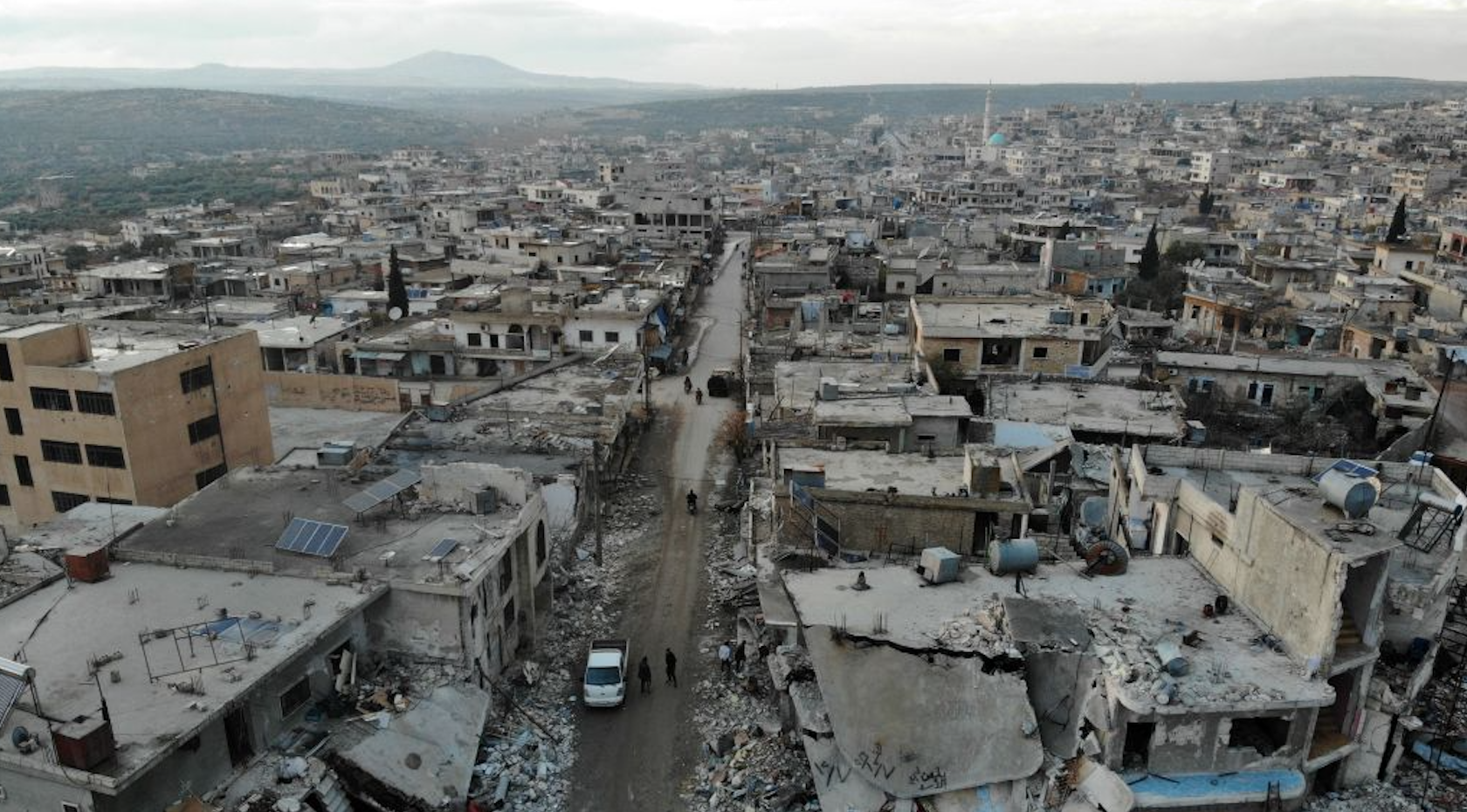
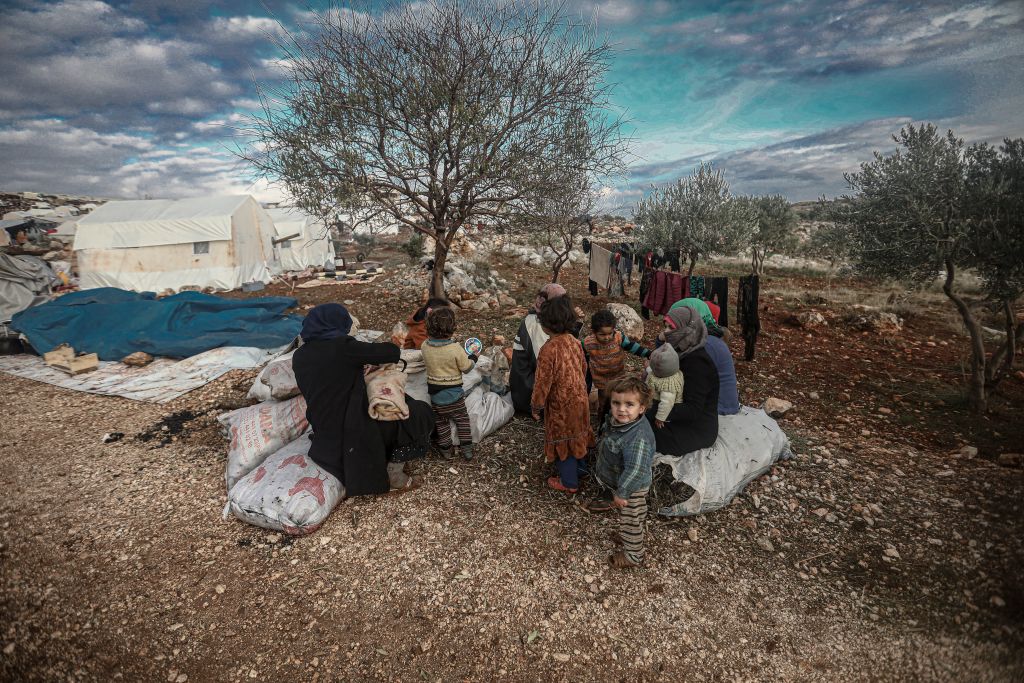
Militarily, the most concerning issue remains the fate of Idlib, where at least three million people remain crammed in a killing-zone that encompasses just 3.5 percent of Syria’s territory
The consequences of what happens in Idlib could come to define the future of Syria — a country already destined for many more years of instability and suffering.