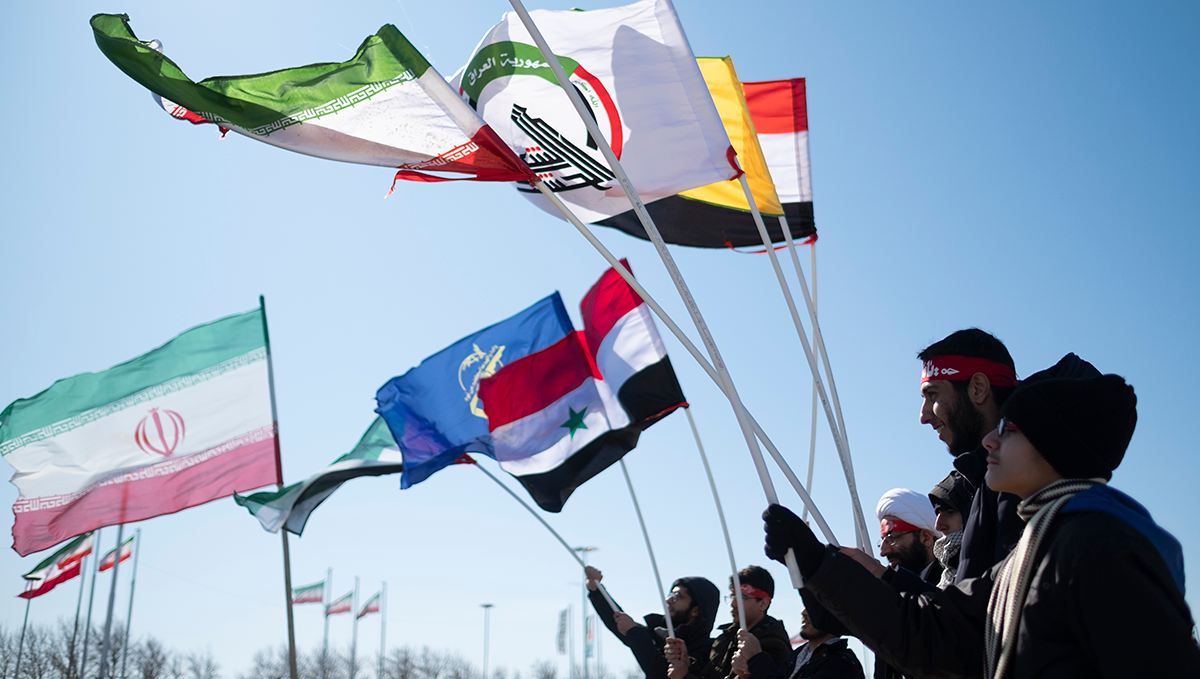
Iran’s playbook in the Arab world: Ideology or domestic politics?
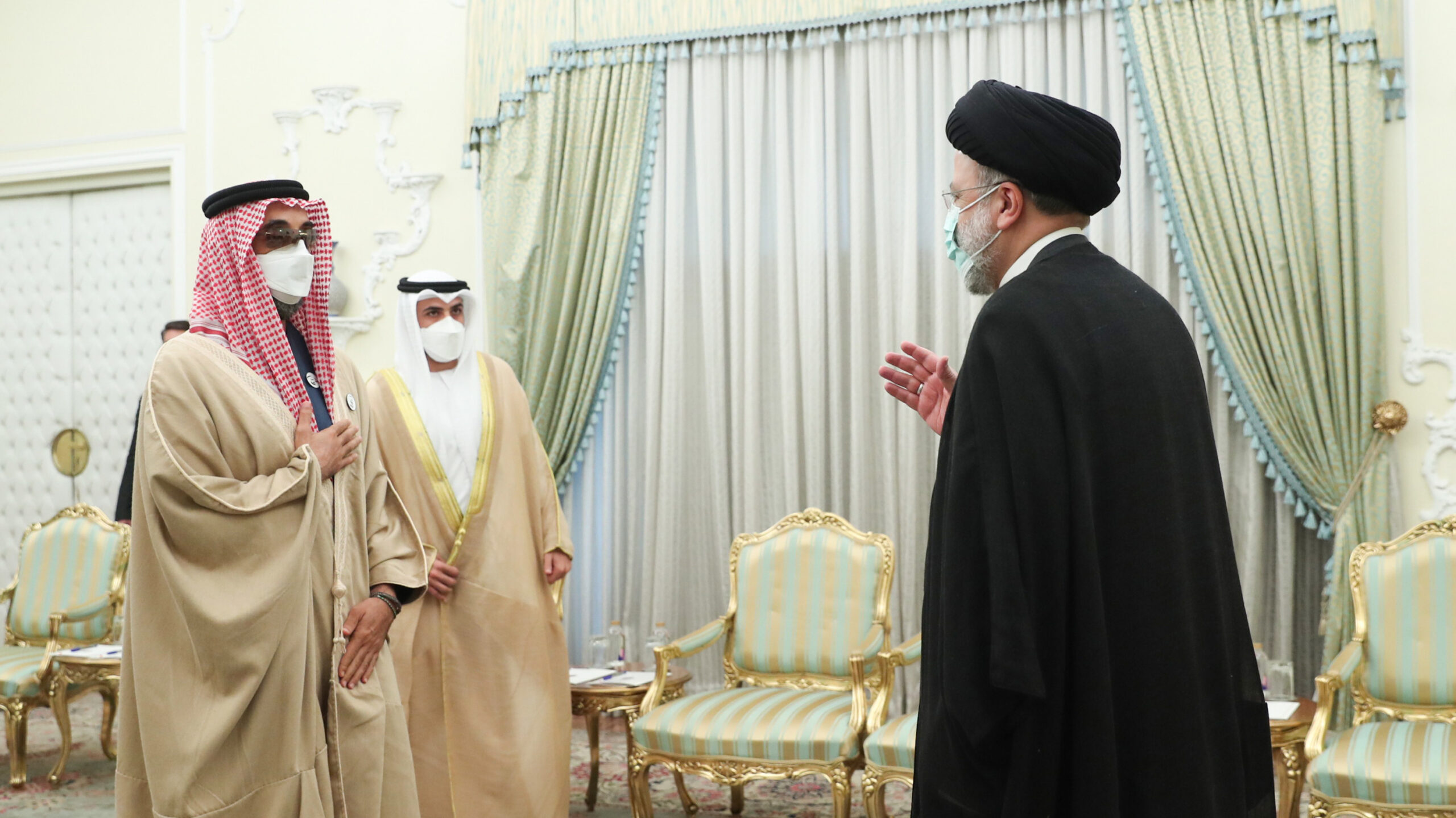
Over a span of more than four decades, Iran’s foreign policy toward the United States, Israel, and the Arab world has demonstrated remarkable continuity. The ideological underpinnings of the first decade were substituted with regime security and national security exigencies in the later decades.
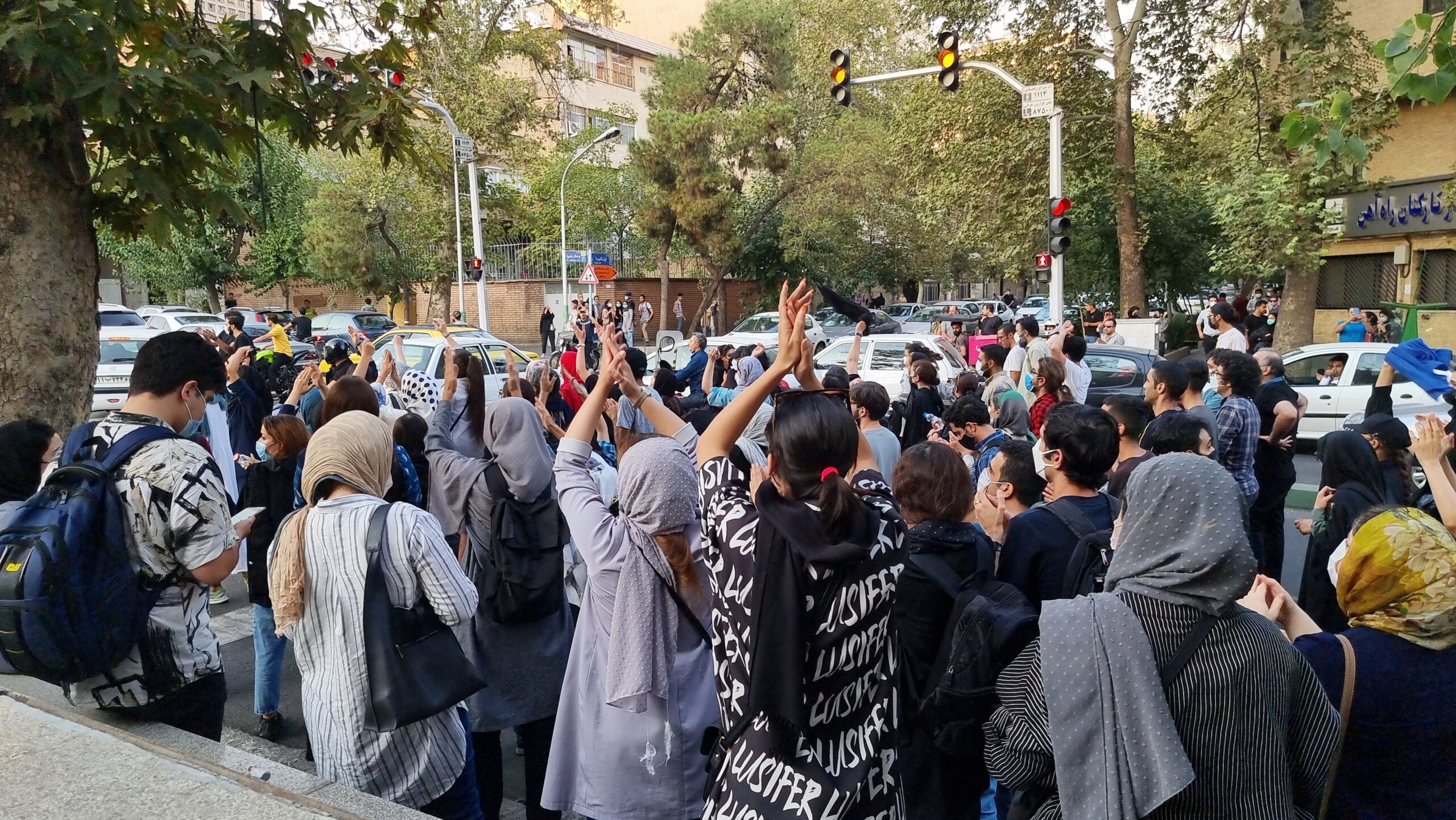
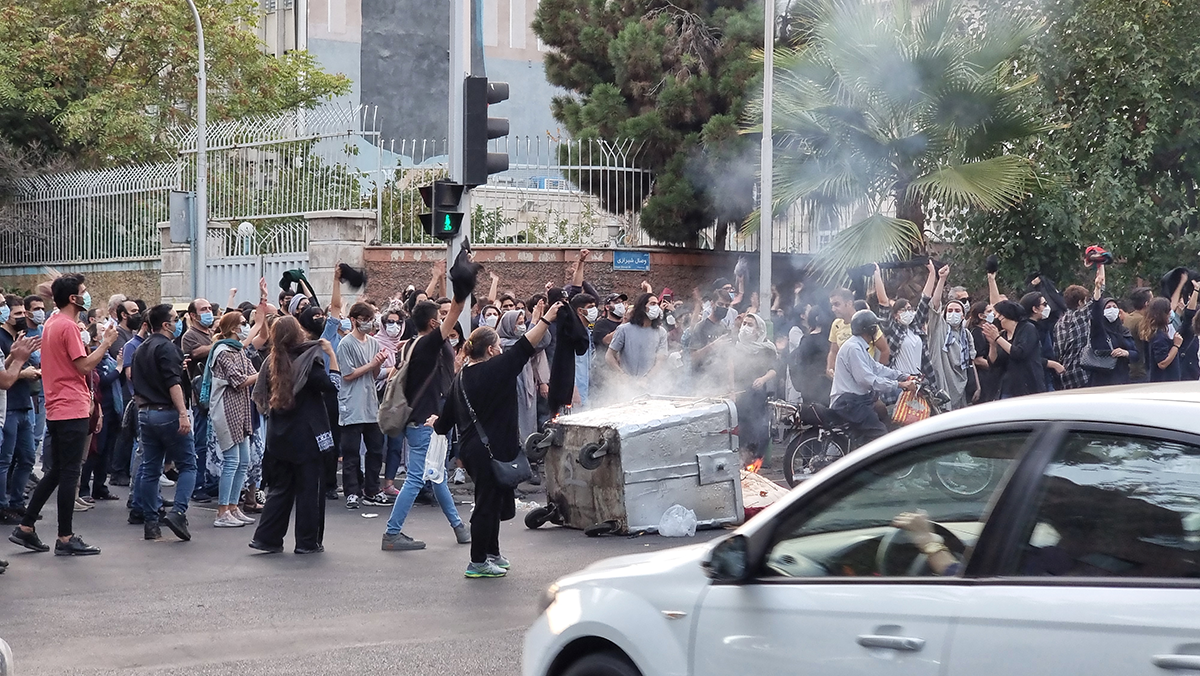
As protesters’ slogans and chants have made clear, the current protests are definitely not about the economy, but about opposition to the regime more broadly and its political and social oppression. Yet Iran’s economic problems have created an atmosphere that encouraged and fueled protesters’ anger and have done nothing to help the regime.
Pakistan's Climate, Economic, and Political Crises
Relentless floods in Pakistan have resulted in thousands of deaths, widespread displacement, and economic devastation. Today, we discuss these impacts as well as Pakistan’s broader economic and climate change challenges, the ongoing political crisis, and developments on the foreign policy front.
Iran’s rising Generation Z at the forefront of protests
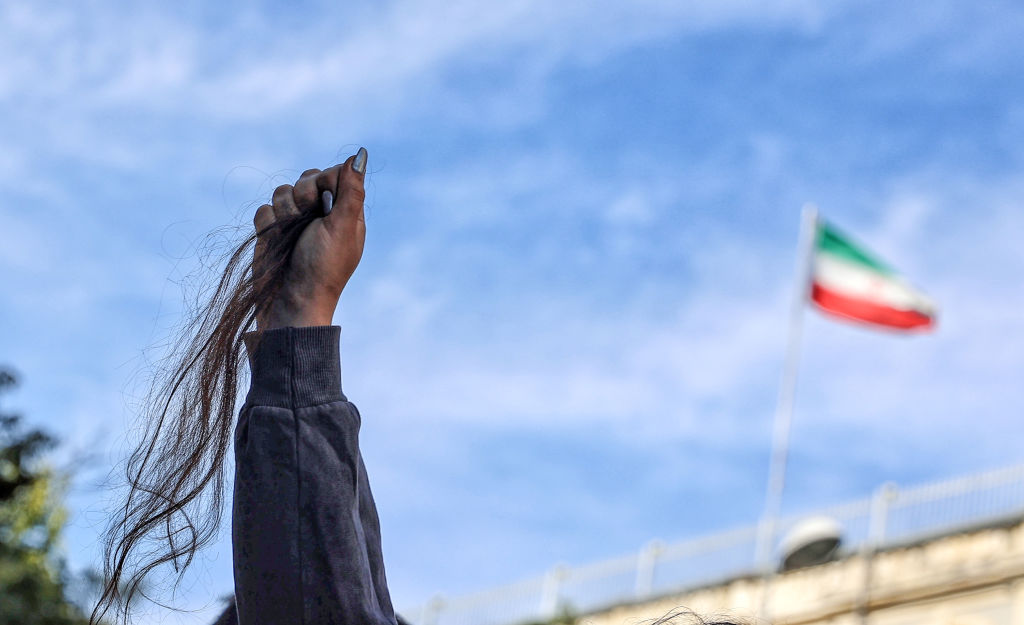
Although anti-regime protests aren’t unheard of in the Islamic Republic, a key difference between the current and previous waves of demonstrations has been the prominent role played by the country’s Generation Z, which is better informed, more plugged in, and more skeptical of authority than previous generations.
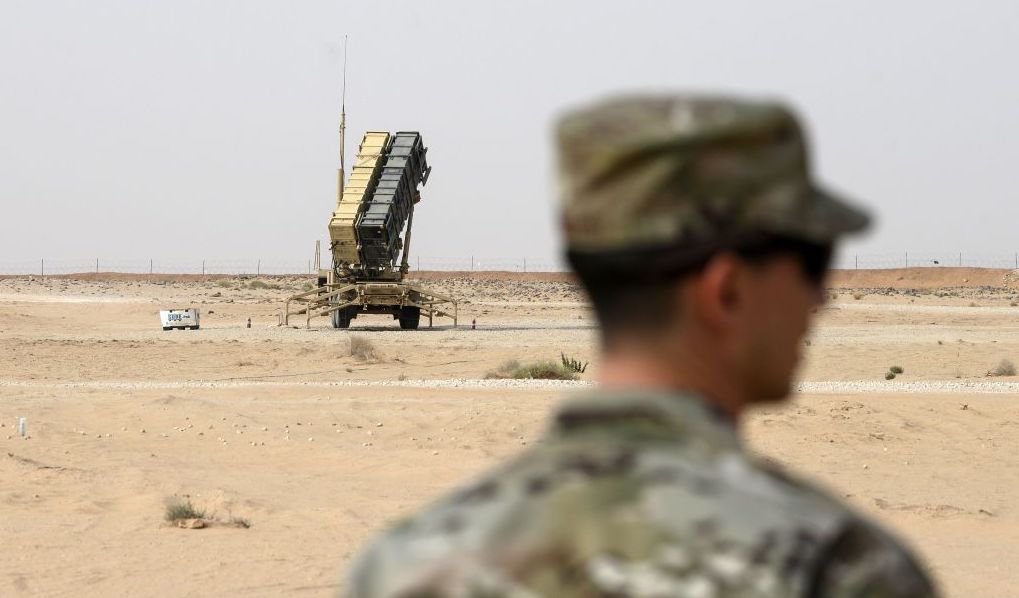
Is Red Sands the future of Middle East defense cooperation?
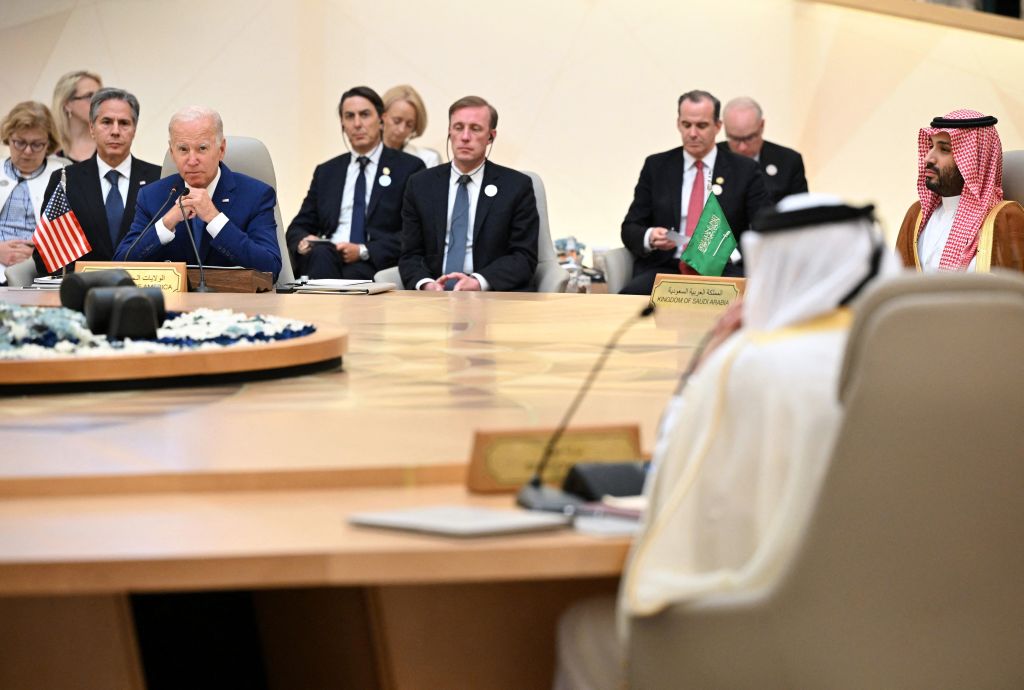
Drawing comparisons to the U.S. Army’s White Sands Missile Range in New Mexico, the Red Sands Integrated Experimentation Center will increase US-Saudi cooperation to counter two of the greatest threats emanating from Iran and its proxies — drone and missile attacks.
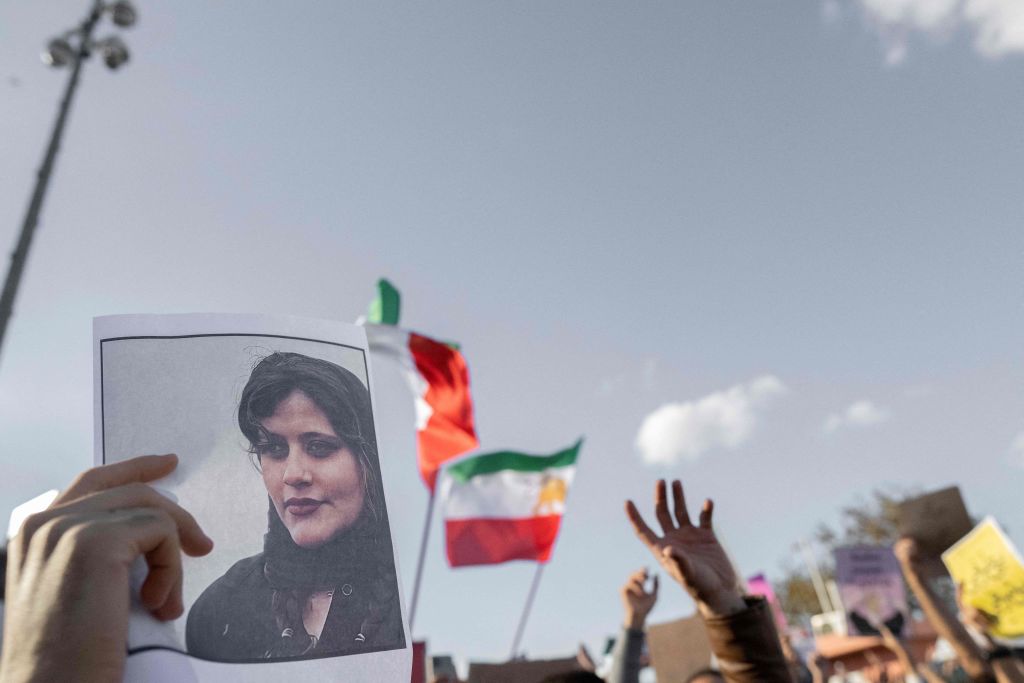
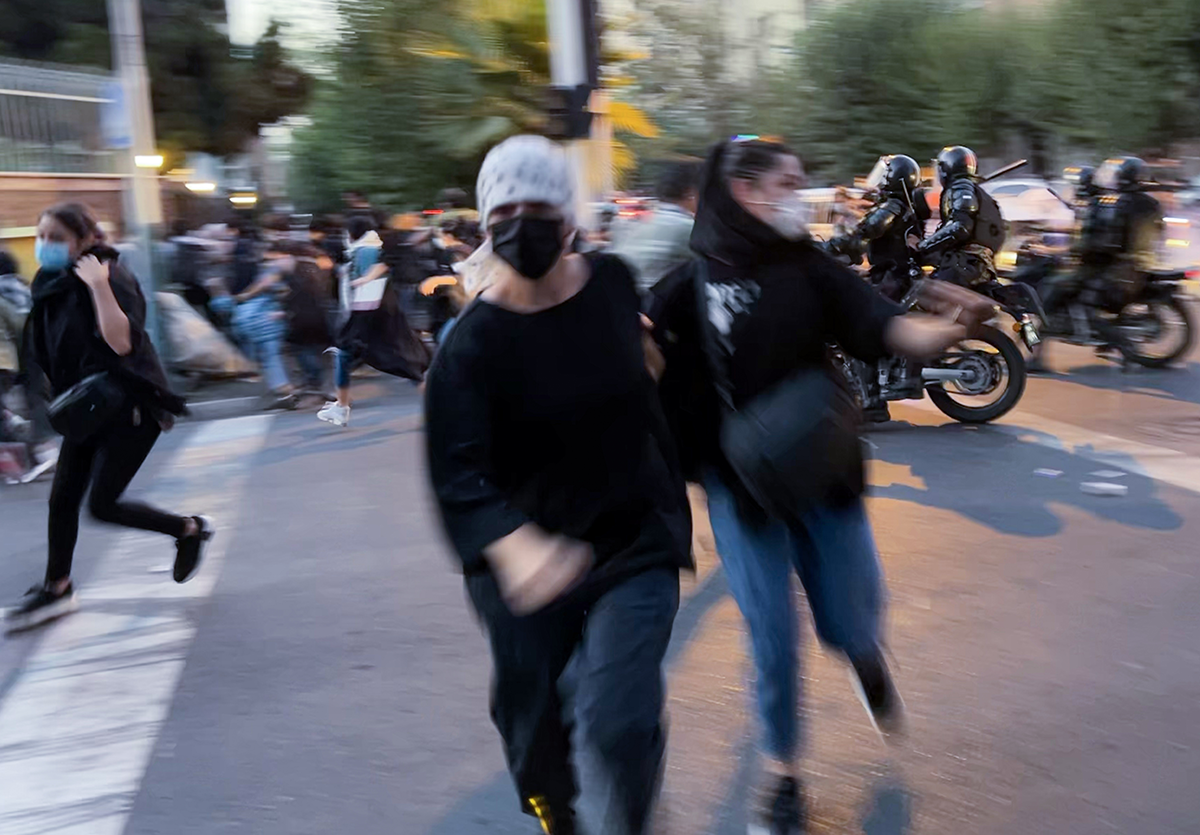
Opinion: How the Biden administration can respond effectively to Iran’s crackdown on protests
The last few weeks in Iran arguably have been as tumultuous as the final days before the fall of the Shah. And they could be just as consequential — if the West and regional powers respond appropriately. While Iran is undeniably at the center of this escalating conflict, what external actors do matters.
Structural impediments to Iranian-Gulf Arab reconciliation
As welcome as recent moves toward Iranian-Gulf détente have been, extensive obstacles continue to stand in the way of a real and sustained relaxation of tensions, cause by what international relations scholars call the “security dilemma.”
How to Overcome the Pitfalls of the Saudi-Iran Dialogue
The Saudi-Iran dialogue continues, but has produced little progress. As James Jeffrey of the Wilson Center and Bilal Saab of the Middle East Institute argue, part of the reason is that the two powers have fundamentally different objectives for the negotiations and that the power imbalance in Iran’s favor is profound. They suggest ways that Saudi Arabia might improve its bargaining power and argue that the United States can help strengthen Riyadh’s position.
Since seizing the capital of Sana’a in September 2014, the Houthis have been transforming the portions of Yemen under their control in line with a radical political and religious ideology. The Houthis’ war is complicated and may not be resolved quickly. But for now, the main obstacles to peace are ones that only Yemenis can resolve, which are rooted in rival concerns over the distribution of political power and equitable delivery of public services.