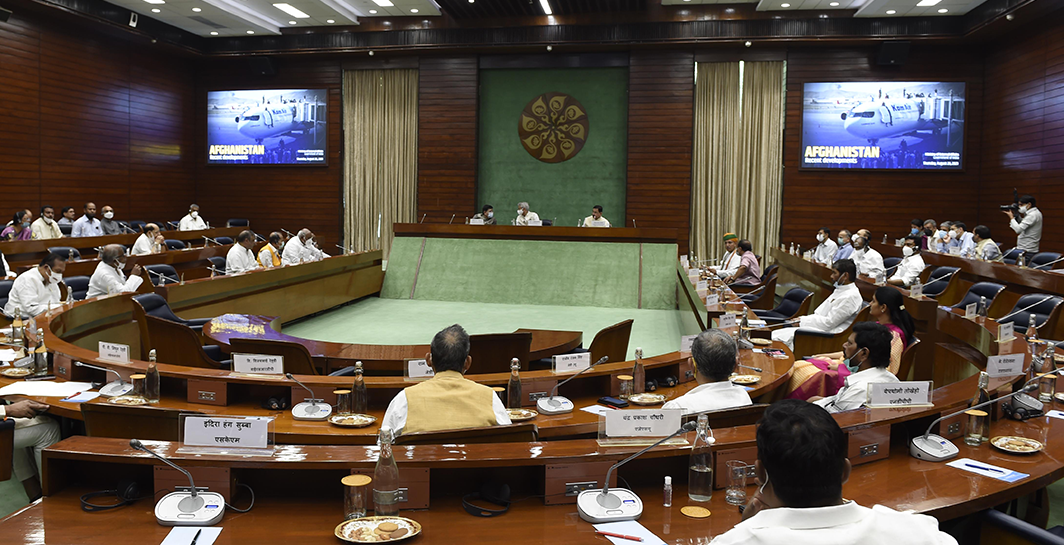
As the humanitarian situation in Afghanistan grows increasingly dire, Pakistan has informed India that it will allow the transportation of wheat and life-saving medicines from India to Afghanistan through its territory, on the condition that only Afghan trucks are used to carry it. The Taliban regime has praised Pakistan for the move, but will it arrest the decline in India’s fortunes in Afghanistan?
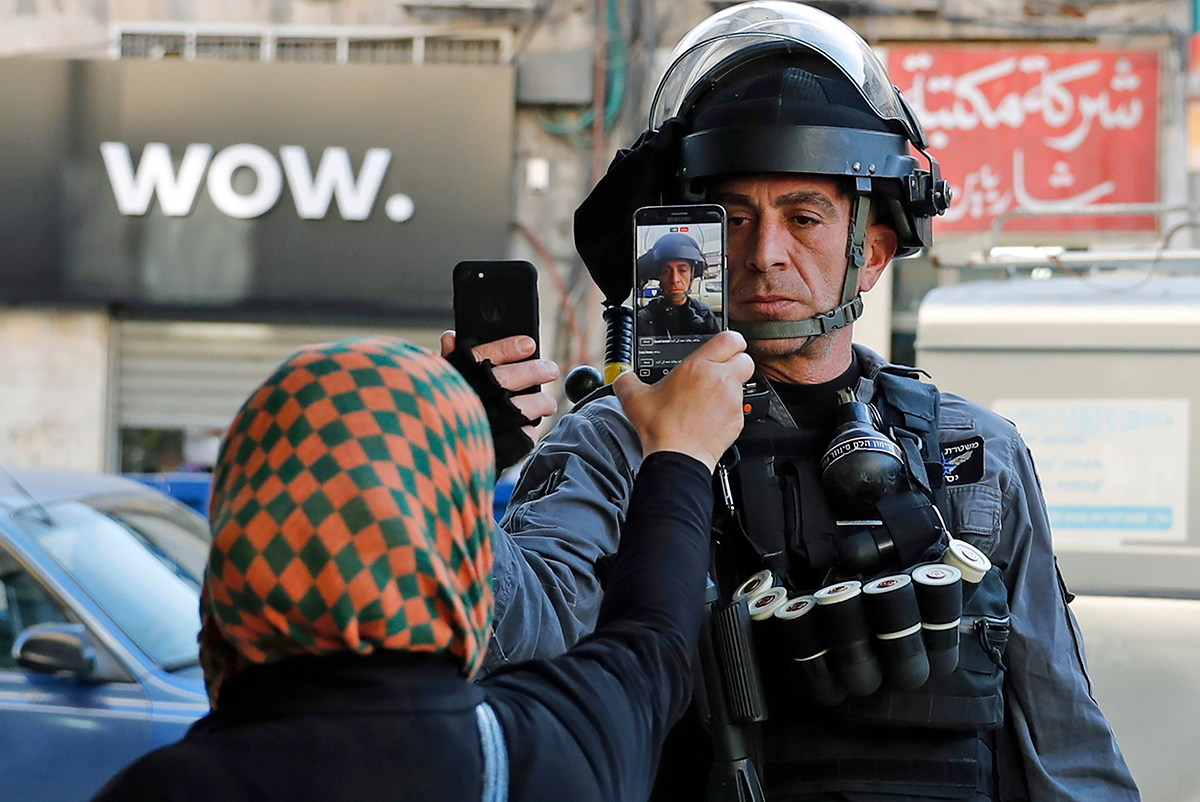
The 4.8 million residents of the occupied Palestinian territories live in two simultaneous and vastly different realities. In the physical world, Palestinians are captives, crammed into Gaza or West Bank enclaves and blockaded by Israeli military checkpoints. But on the internet, the checkpoints disappear.
Tajikistan’s evolving relations with the Taliban 2.0
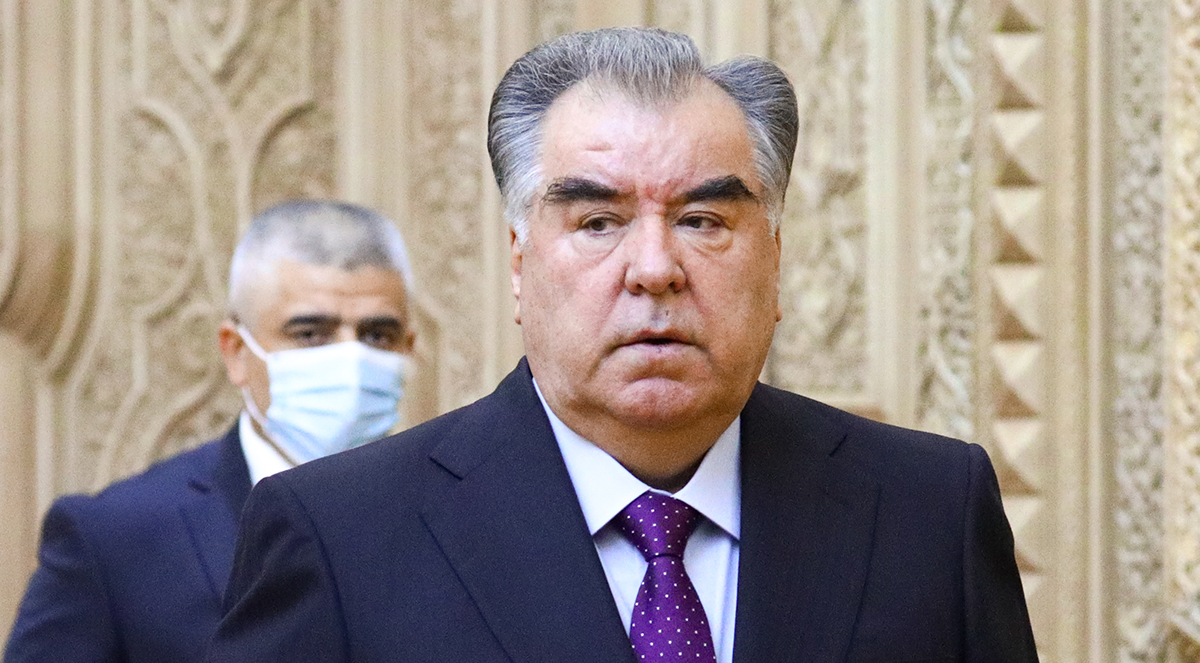
While the international community has adopted a “wait-and-see” attitude toward the Afghan Taliban, Tajikistan has taken a sharply critical view. Rhetoric between Tajikistan and the Taliban is increasingly bitter, a symptom of a broader problem in their bilateral ties. Tajikistan’s President Emomali Rahmon has condemned the Taliban regime in Kabul for failing to form an inclusive government and for violating human rights in the Panjshir Valley. The Taliban have responded by warning Tajikistan not to interfere in Afghanistan’s internal affairs.
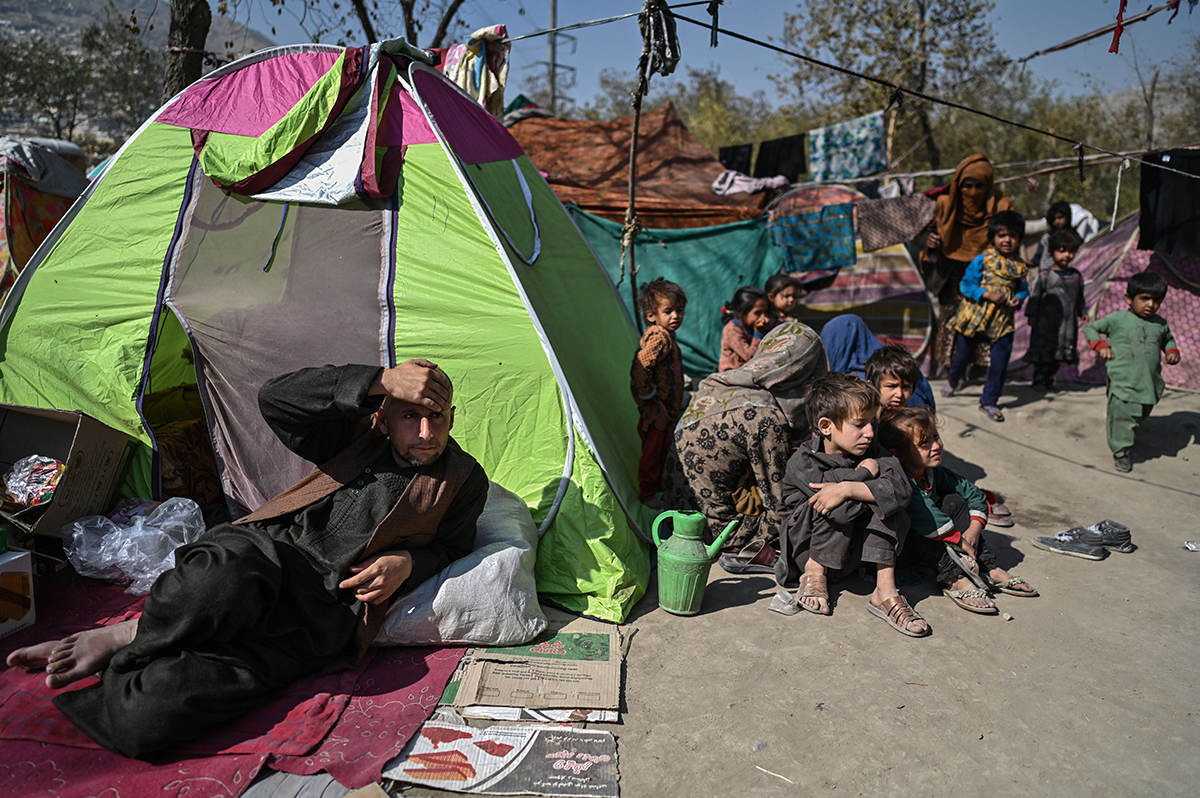
Since the hasty American withdrawal from Afghanistan in August, refugees have flowed out of the country and its domestic problems have grown increasingly dire due to the lack of effective governance and much-needed funding. Neighboring countries Iran, Pakistan, and China, along with other regional states and the U.S., now all face a dilemma as to how to stabilize the rapidly deteriorating internal situation. Further efforts must be made to address the growing economic and humanitarian crisis, especially before the onset of winter, although the nature and scope of these efforts are likely to be shaped by the broader competition between Washington and Beijing.
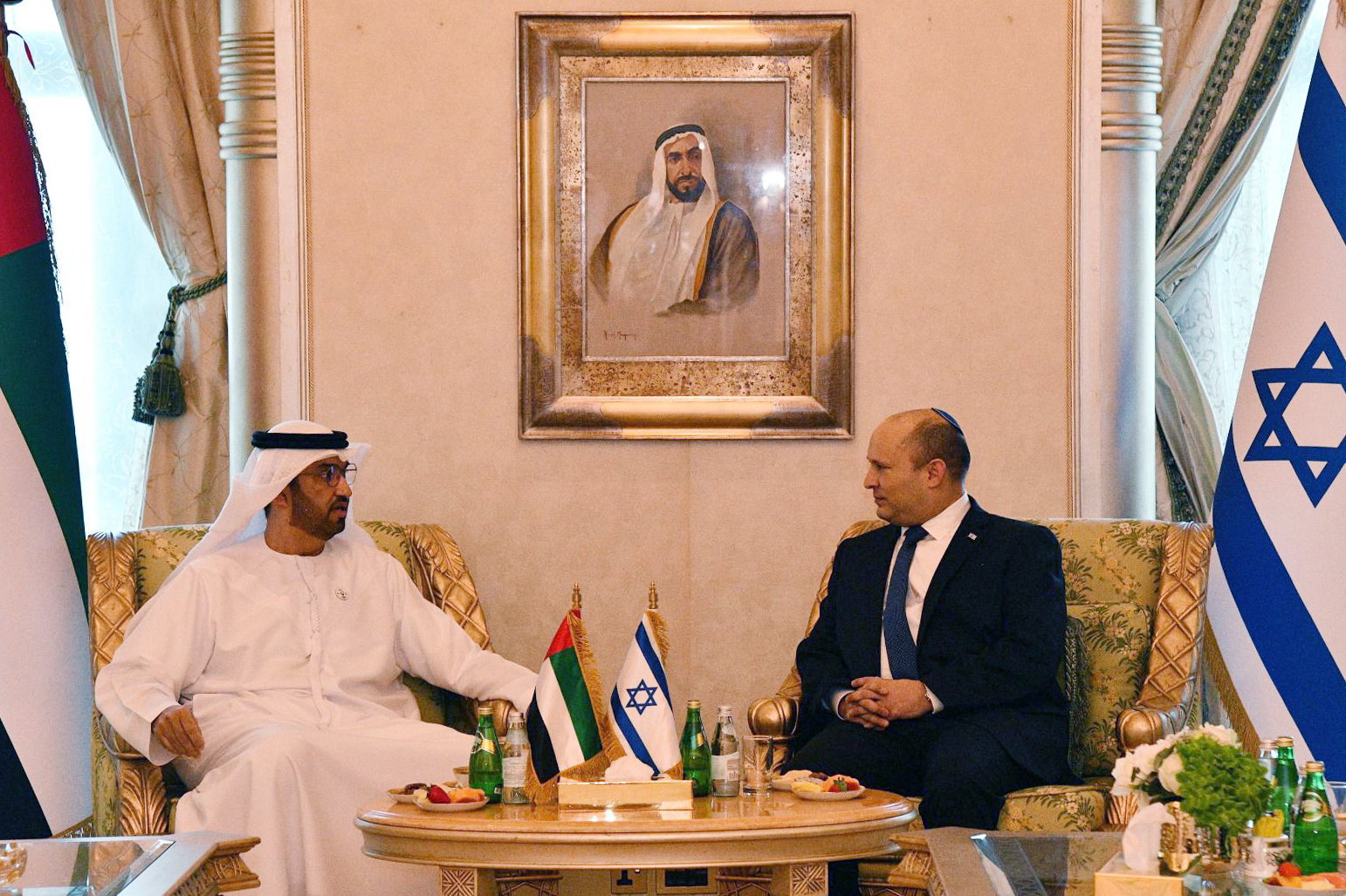
A personal vantage point on the gamble of the Abraham Accords: Dubai’s first international backgammon championship
Jason Pack on the 2021 Oasis Backgammon Championship, the first major international backgammon tournament to be hosted in the Arab World in recent memory, and how it reflects broader changes in the Middle East.
Marvin Weinbaum and Javid Ahmad discuss conditions in Afghanistan since falling back under Taliban rule, including worsening economic and humanitarian crises, the security situation, the role of international and regional actors, and where things might be headed moving forward.
The China-Pakistan Economic Corridor: Slower may be better
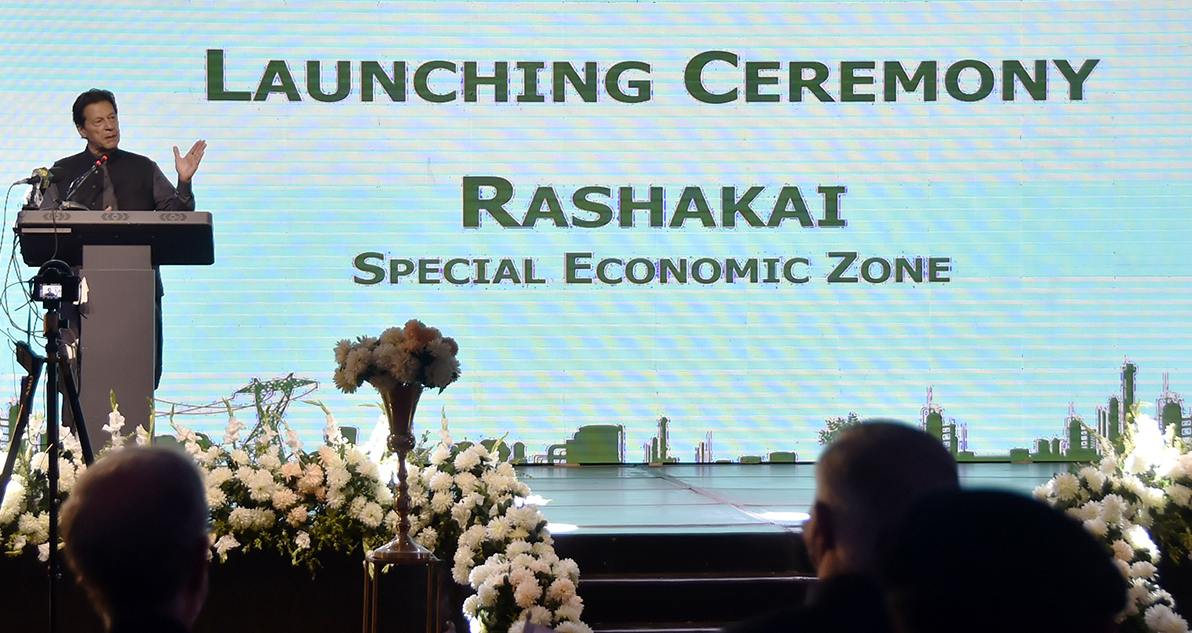
In September, China and Pakistan convened the tenth session of their joint coordination committee that oversees the CPEC — the largest of the BRI corridors. The long-anticipated meeting ultimately yielded no major breakthroughs. The momentum of CPEC appears to be losing steam once again, but for Pakistan, slower may actually be better.
Has Israel’s campaign between the wars reached an impasse?
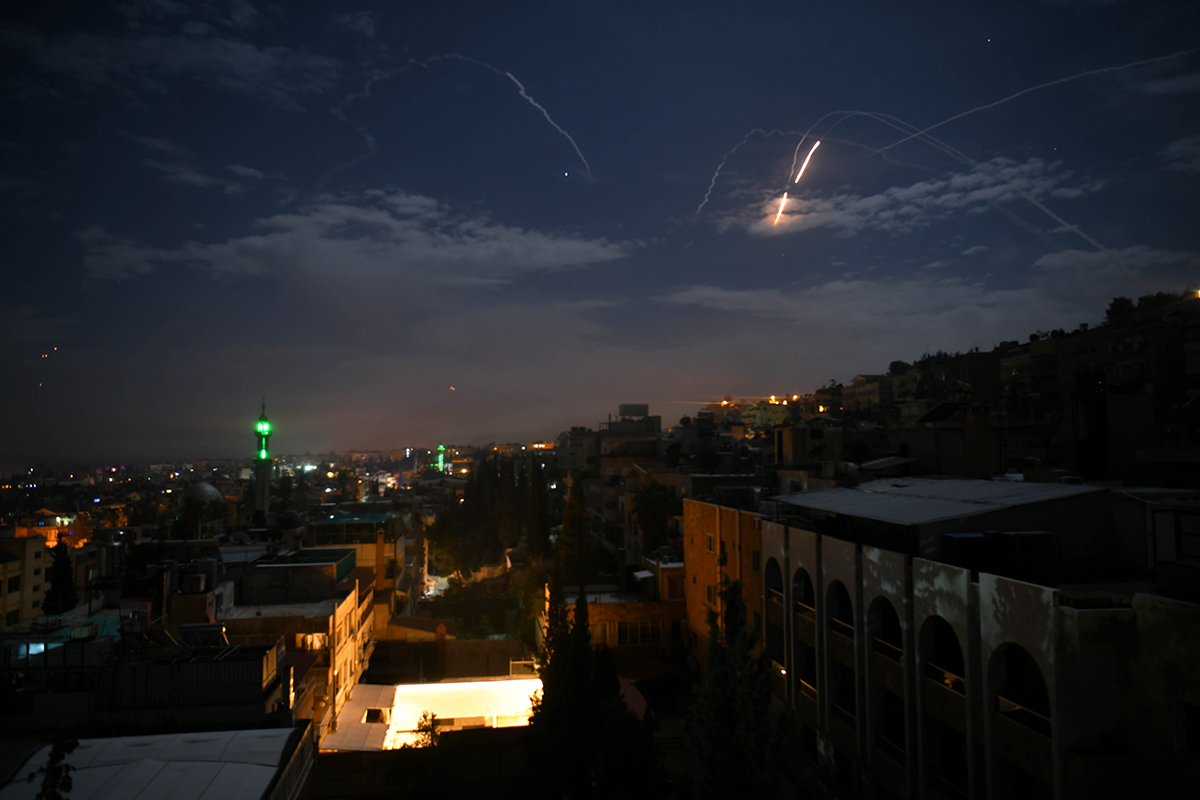
In recent years, Israel has waged a campaign against the military buildup of its enemies, mainly Iran, Syria, and Hezbollah. This ongoing effort is called “the campaign between the wars,” or the Mabam Campaign. Several events in recent weeks have given rise to questions about the effectiveness of this campaign, however, and have underscored the need to rethink its future.
The US competes to be the “partner of choice” in the Gulf
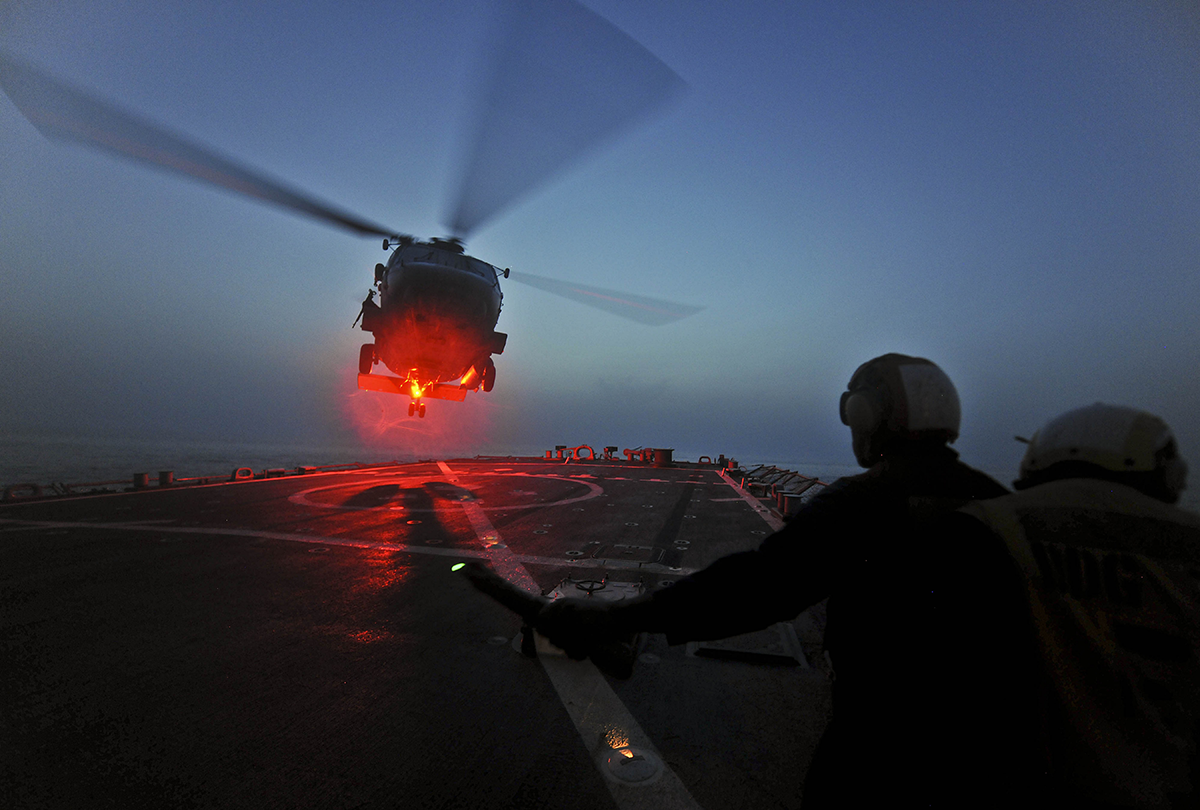
Even as the United States continues the strategic pivot to the Pacific inaugurated by the Obama administration, the competition for security and control of maritime space in the Red Sea and eastern Mediterranean is intensifying.