Will Iran’s heavy-handed approach to deterring Israel backfire?
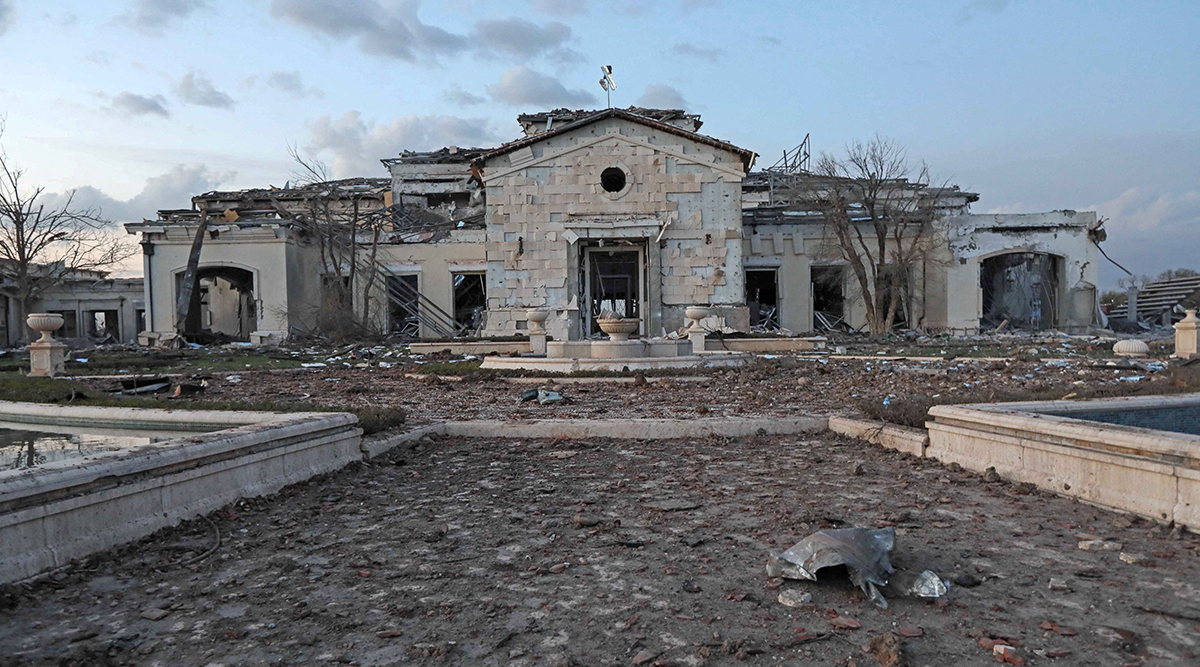
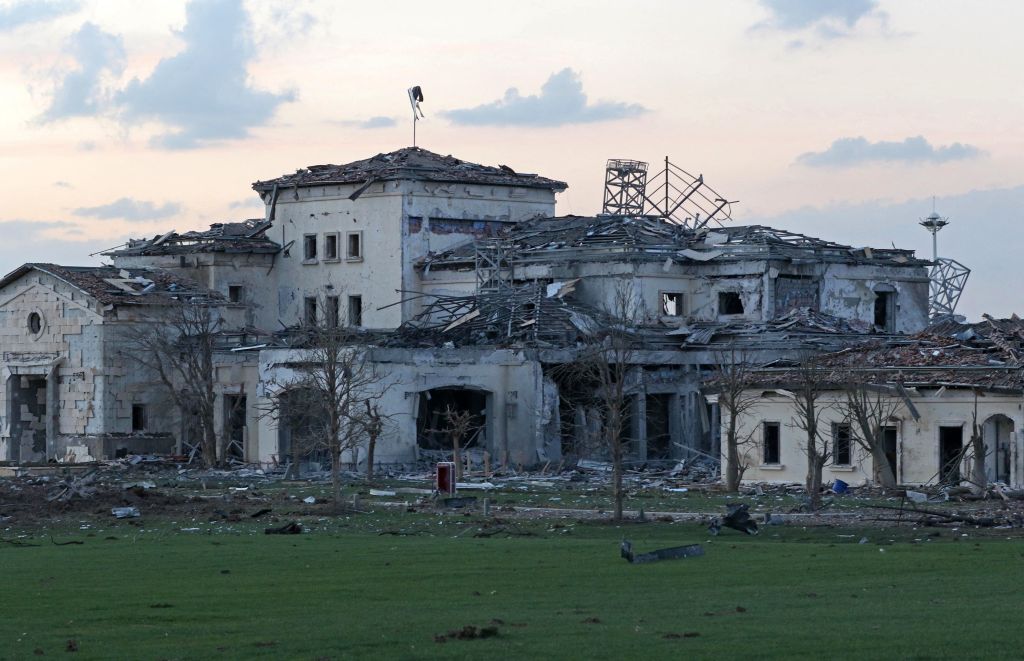
On March 13, Iran’s IRGC fired missiles at targets in the Iraqi Kurdish city of Erbil. While Tehran’s threat of force might shape the calculations of regional states that are weighing the pros and cons of establishing closer ties with Israel, the Iranians will inevitably have to reckon with the possibility that this heavy-handed approach may backfire.
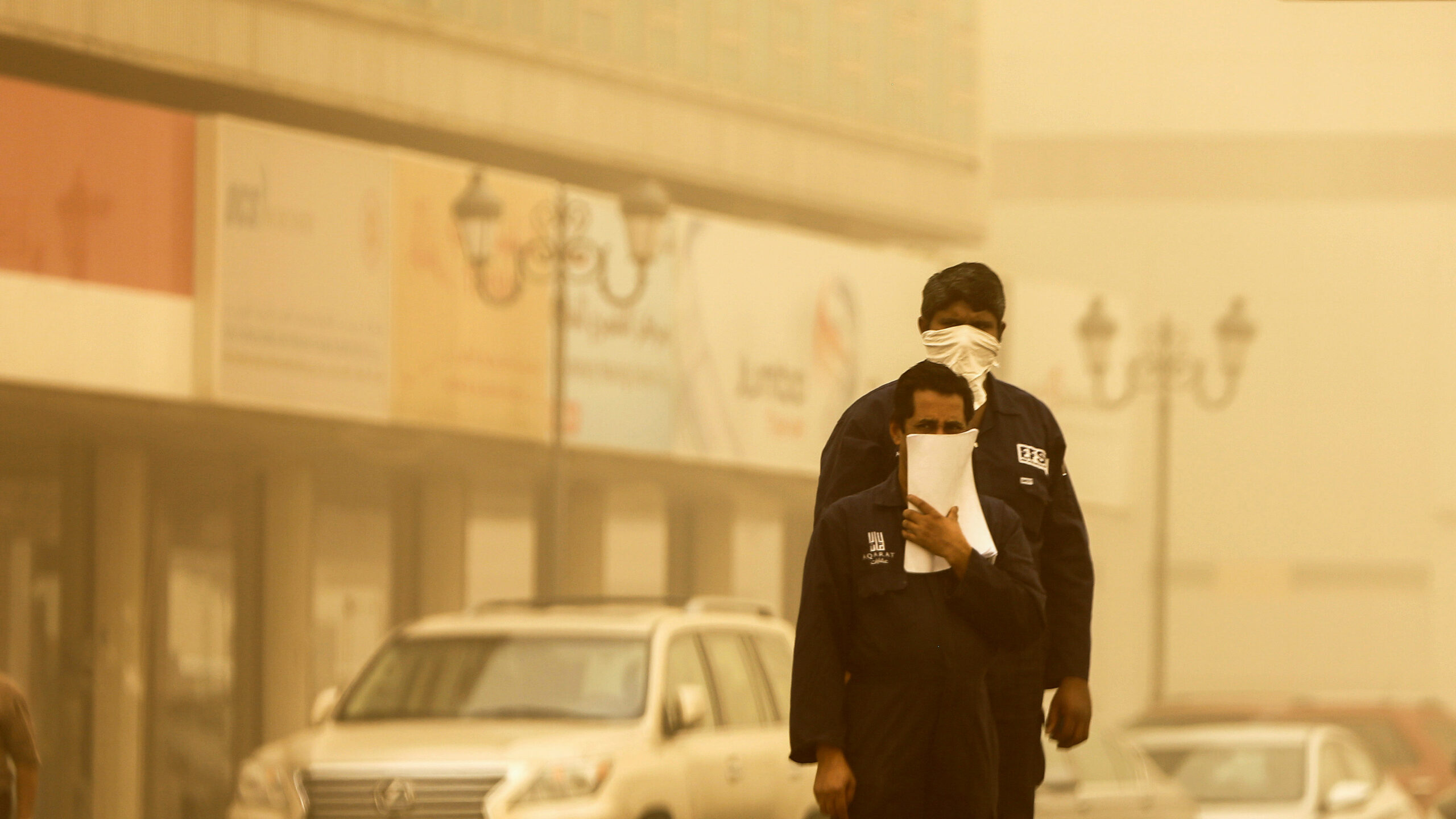
Severe sand and dust storms are an underrated risk in the Gulf region, despite mitigation measures
The precise causes of sand and dust storms (SDSs) are not fully known, but they are becoming better understood. Armed with this knowledge, regional actors are beginning to respond in the face of intensifying SDSs.
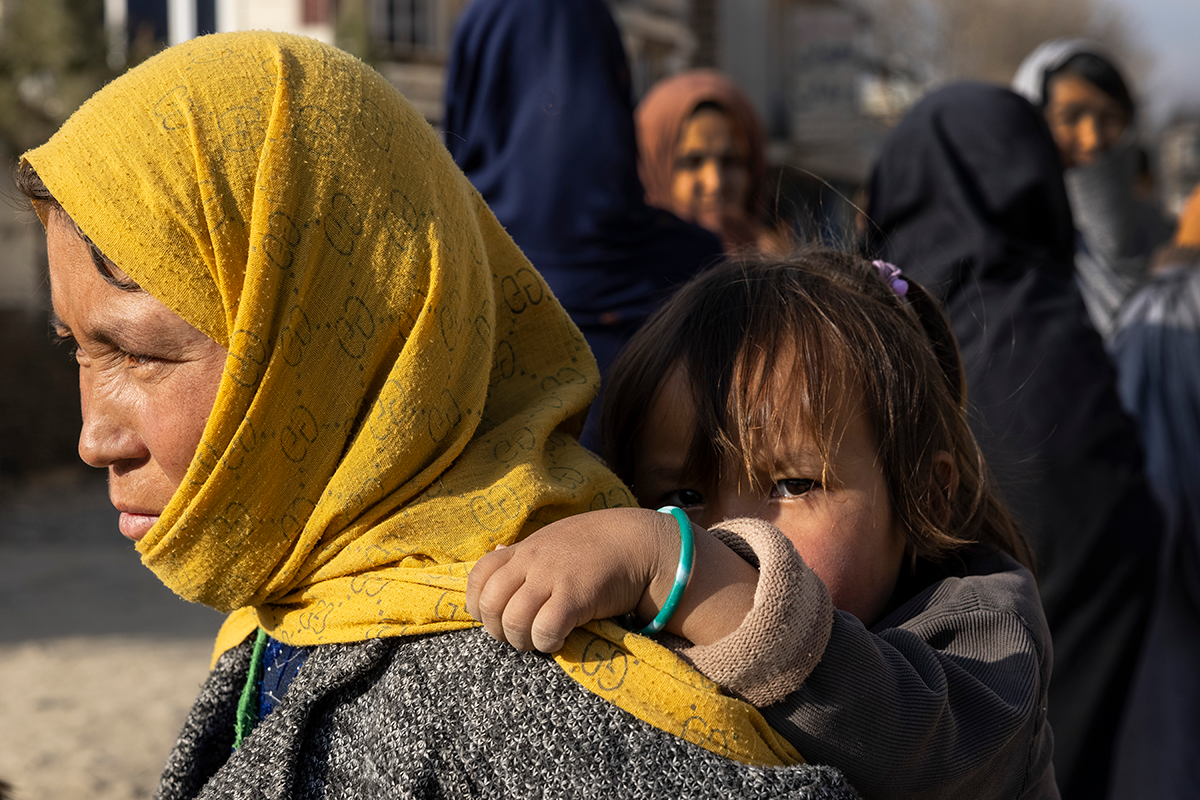
As global attention shifts further away from Afghanistan to Ukraine and elsewhere, time is running out to change course before the country’s freefall under the Taliban becomes irreversible. The international community needs a two-pronged, interlinked approach to normalize the economy and stabilize the political scene.
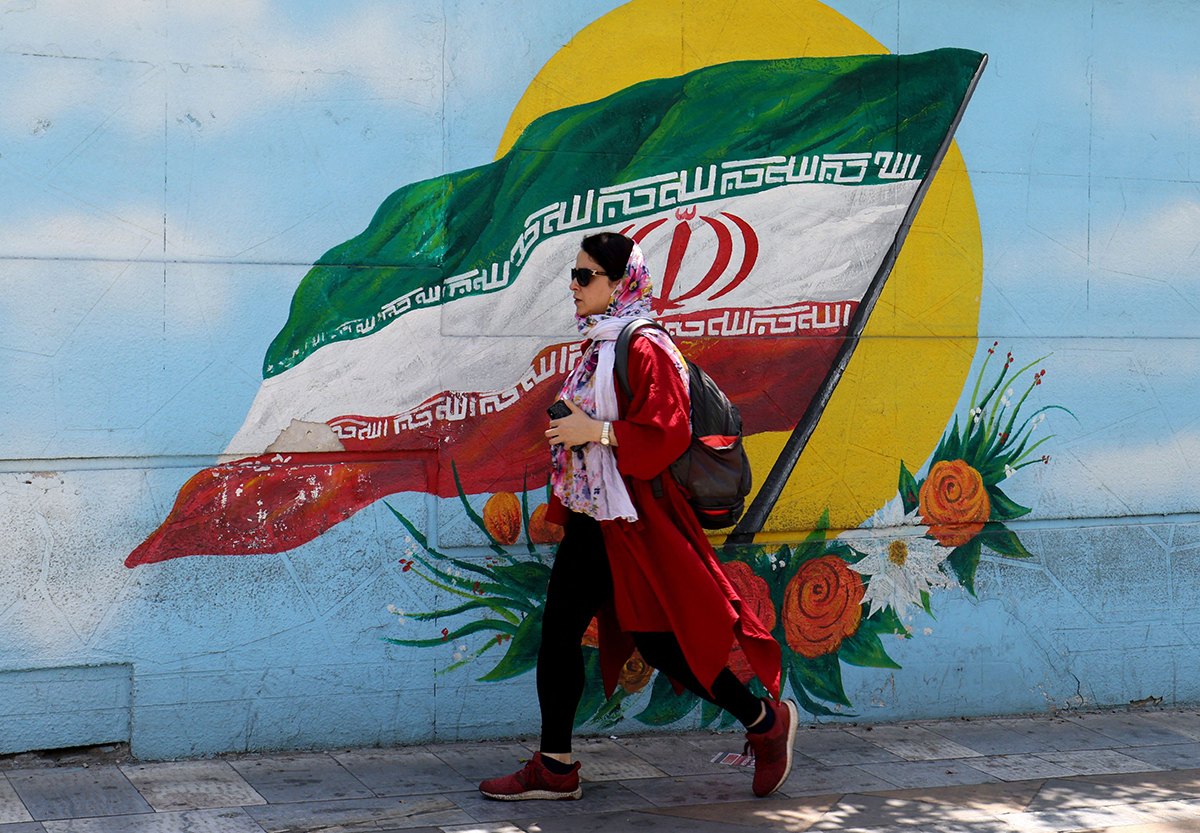
Iranian women both within the country and in the diaspora are working together to usher in real social and political change in Iran. Women-led grassroots organizations are leading an effort to promote democracy and human rights through a collaborative, non-ideological approach.
Drones are re-engineering the geopolitics of the Middle East
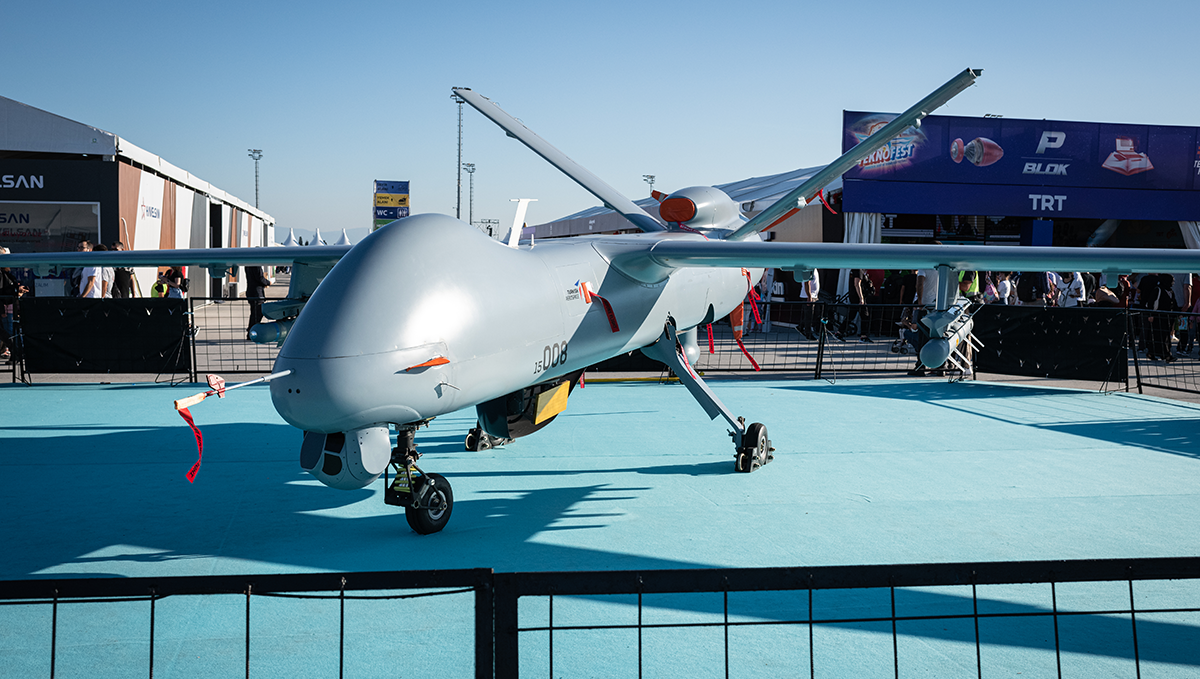
The Middle East is experiencing a seismic shift in its geopolitics: the dawn of the era of drones. From Syria to Libya and from Yemen to Iraq, UAVs have altered the dynamics on the battlefield. Agile and affordable, drones aren’t just a menace to remote conflict zones, but also to states far removed from theaters of war.
Russia doesn't see Israel as a preferred strategic partner over Iran
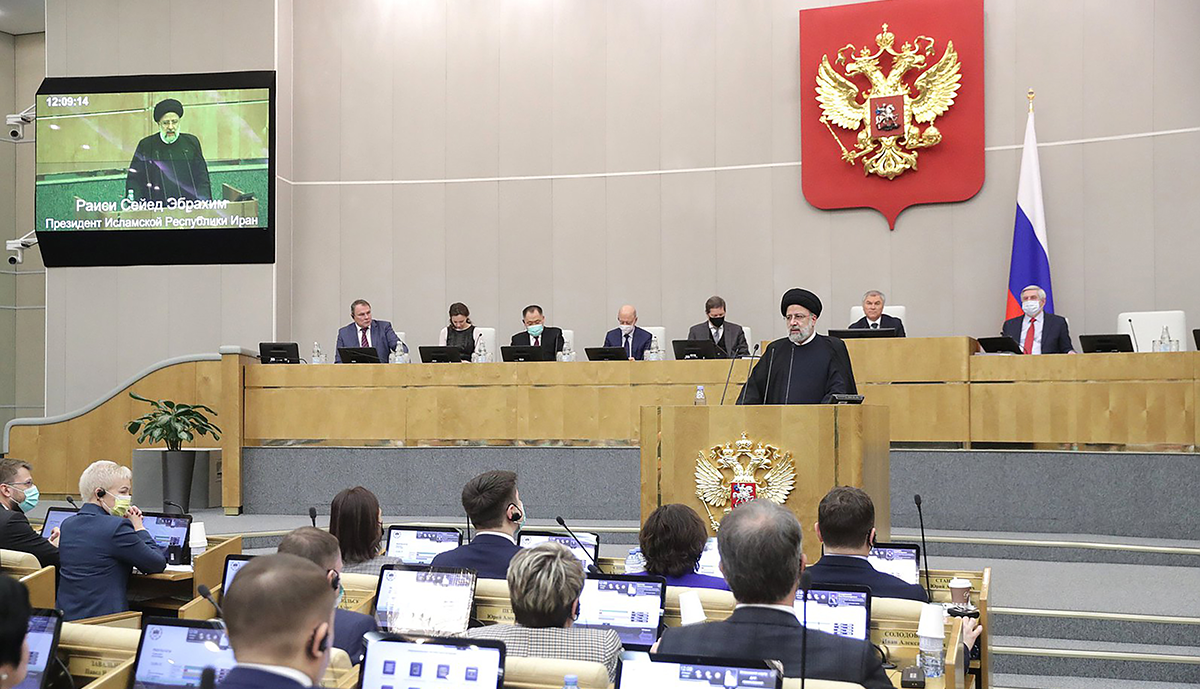
Iranian observers argue that Russia is willing to sacrifice Iranian interests when expedient, and some might even think that Russia is pivoting toward Israel in its Middle East policy. Nonetheless, the big picture of Russo-Iranian relations over the last decade reveals security cooperation between Tehran and Moscow that stands on a strong and reliable foundation, with both countries benefitting.
The 25-year Iran-China agreement, endangering 2,500 years of heritage
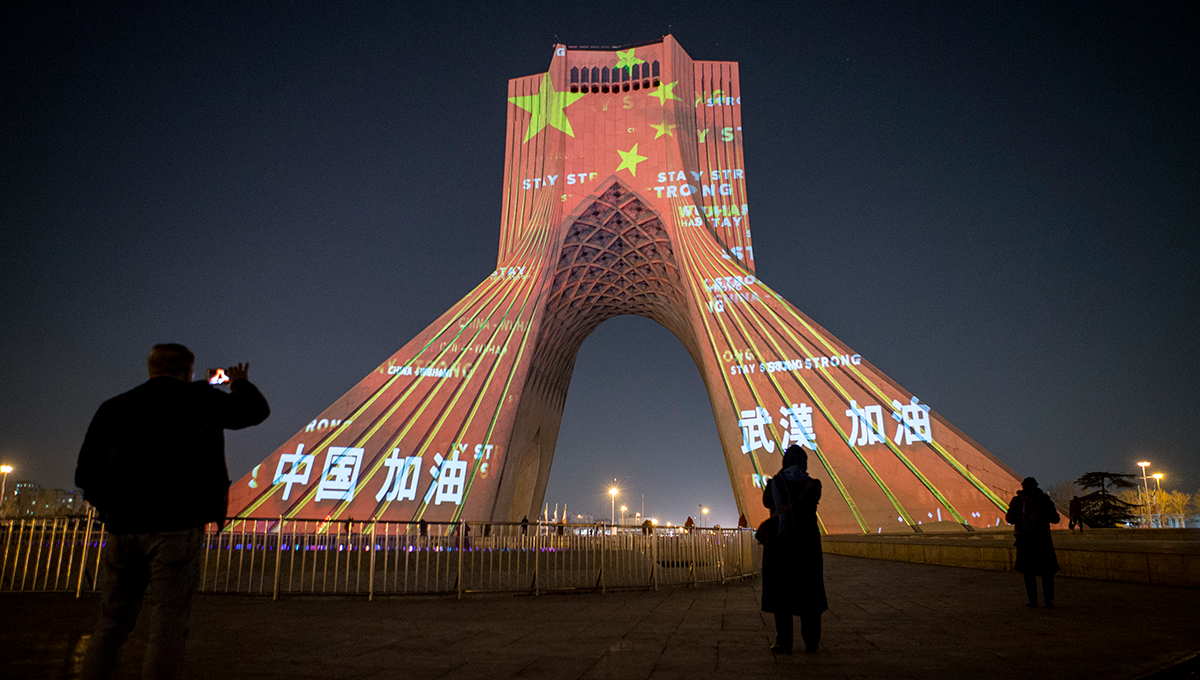
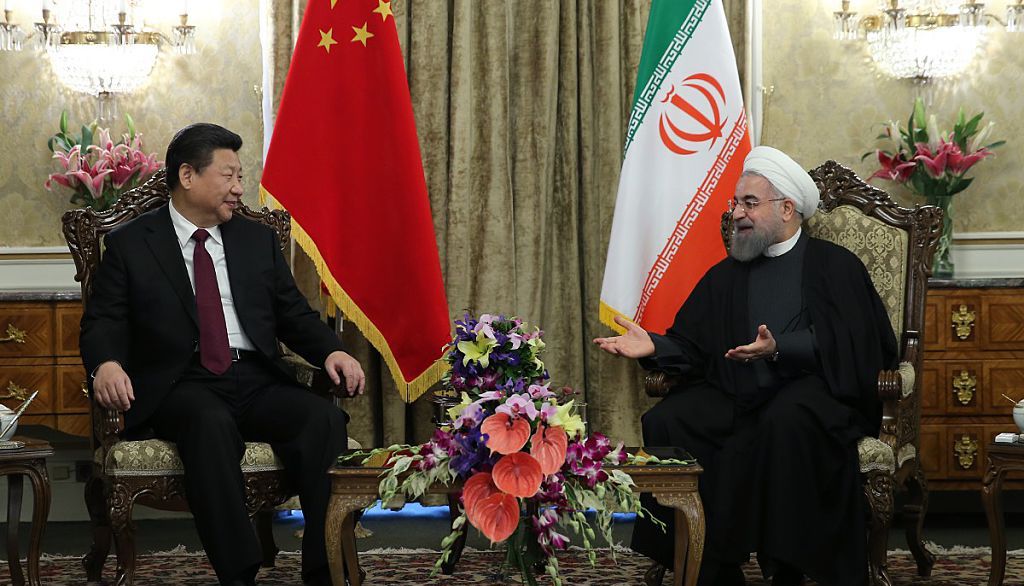
The 25-year strategic cooperation agreement between Iran and China, signed in March 2021, is coming to fruition, sparking debate among Iranians about the potential effects of deepening ties with Beijing.
Marvin Weinbaum and Sayed Madadi discuss Afghanistan’s worsening economic and humanitarian crises six months after the Taliban reclaimed control of the country.
The Pakistani Taliban’s radical rebranding: Is there more than meets the eye?
In a statement released on Feb. 12, the Tehreek-e Taliban Pakistan (TTP) distanced itself from international terrorism, declaring that its violence was singularly focused on Pakistan. While the TTP’s recent comments on America are unprecedented, they do fit into its broader rebranding effort under the leadership of Noor Wali Mehsud, who took over the group in 2018.
Revolutionary narratives: The Islamic Republic’s greatest strength
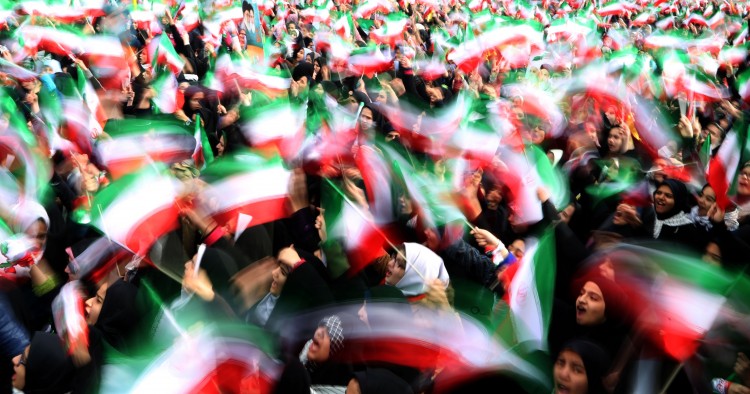
On Feb. 11, Iran celebrated the 43rd anniversary of its 1979 revolution. The current government in Tehran takes good care to refer to this as the “Islamic Revolution,” implying that what happened then was an organized and intentional effort, on the part of the entire country, to pivot toward an Islamic society. But any student of modern Iranian history will tell you that this is a vast oversimplification that puts the cart before the horse.
مخاوف طهران المتزايدة بشأن الاعتماد المفرط على بكين
مع استمرار المحادثات النووية في فيينا، ثمة حقيقة واحدة لا يمكن إنكارها وهي أن قدرة إيران الاقتصادية على تحمل العقوبات الأمريكية حتى الآن ترجع في الغالب إلى الصين. ففي نهاية الأمر، حصلت شركات صينية كافية على مباركة السلطات في بكين لمواصلة استيراد النفط الإيراني وتجاهل المطالب الأمريكية منذ أن أعاد دونالد ترامب فرض العقوبات على إيران في عام 2018. البيانات التجارية غامضة، ولكن كميات الخام الإيرانية المصدرة إلى الصين، يقال أنها لم تقل سوى قليلًا عما كانت عليه في سنوات ما قبل العقوبات.