The Consequences of Inaction: US and NATO Syria Policy
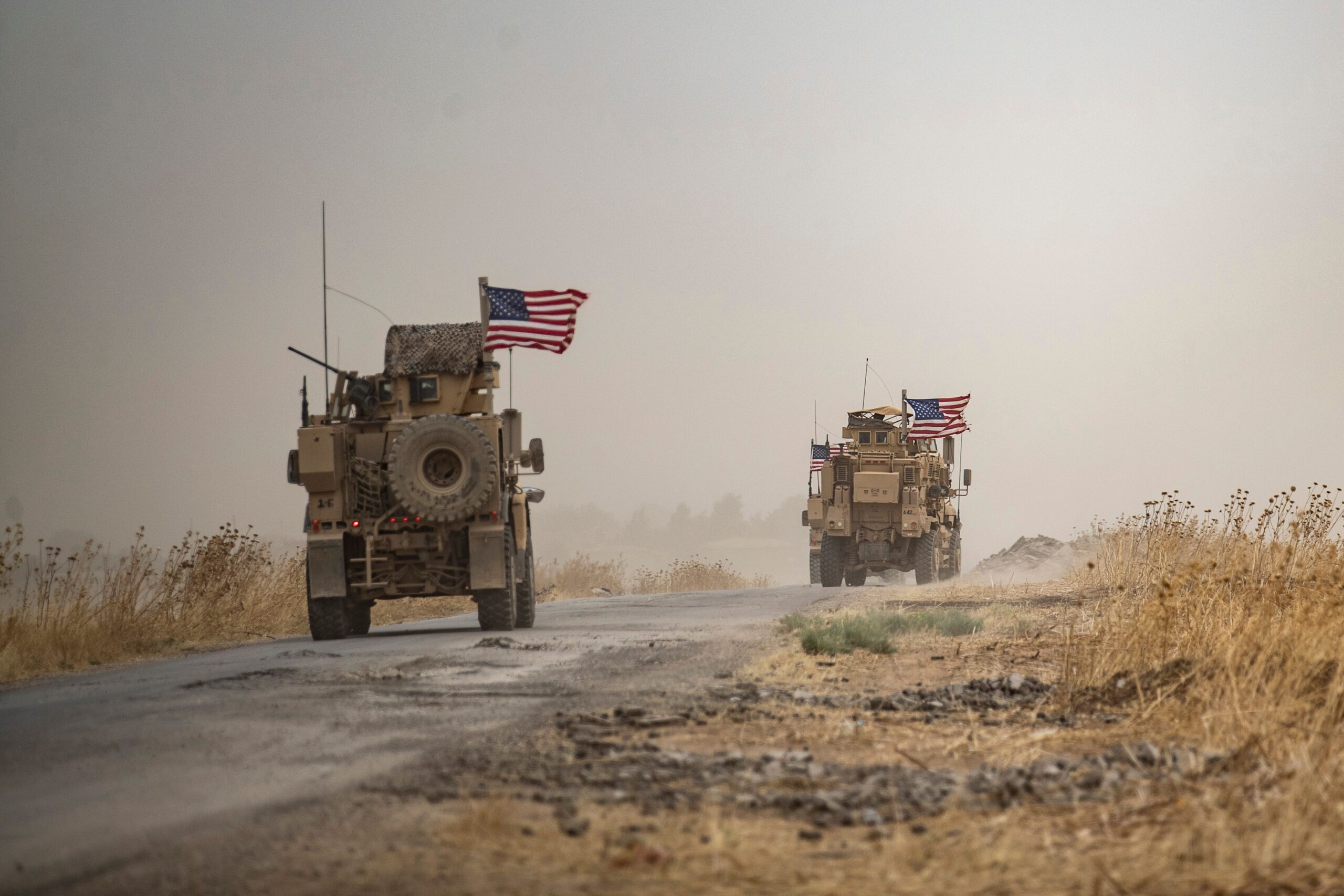
In recent years of the Syrian crisis, the reluctance of NATO states to take decisive action to secure their interests and protect Syrian lives has had drastic repercussions in both Syria and the wider region. Where NATO members have shown indecisiveness and a refusal to engage, their geopolitical rivals, Iran and Russia, have seized the moment and cemented their influence. However, as the regime is challenged by a crippling economic crisis, a new U.S. administration may offer an opening for the U.S. and its NATO allies to develop a collective approach in Syria that will secure their interests and bolster regional security.
Iran’s strong hand in the Arab world is missing in the Caucasus
Iranian military advisers and pro-Iran foreign proxy groups are present from Yemen and Iraq to Syria and Lebanon. Tens of thousands of armed men operating across the Middle East look to Tehran for guidance and patronage. This sort of sway has made Iran into a regional power broker — at least in the Arab world. But Tehran’s deep ideological and financial investments in Arab states have come at the expense of neglecting Iranian interests closer to home.
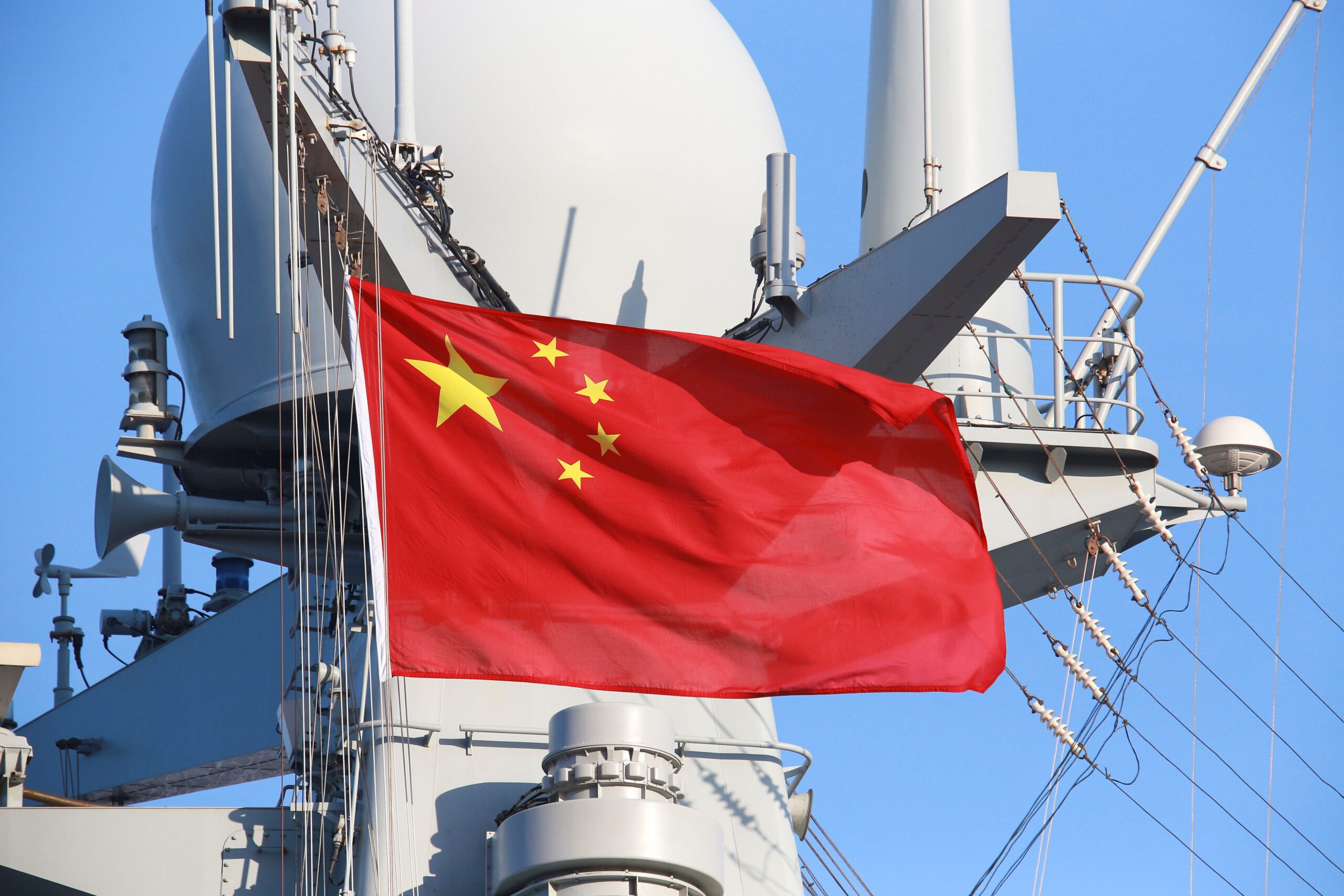
Through its Belt and Road Initiative, China seeks to play a larger role in the Black Sea region. China has been wooing littoral states in hopes of securing new markets for its goods and investing in infrastructure projects. But some worry that there is more to Chinese actions in the region than meets the eye. The worry is that China will increase its political and diplomatic clout in a region that is considered vital for Russian interests and create tension between Moscow and Washington. Despite the uneasiness in the West about China’s increasing presence in the Black Sea, there is not enough focus on the issue in the scholarly debates in Western capitals. The MEI’s Frontier Europe Initiative aims to contribute to the debate on the role of China in the Black Sea. We hope the articles in this report will help to address several important unaddressed questions.
Trusted networks: How the Assad regime subverts clan ties in Daraa
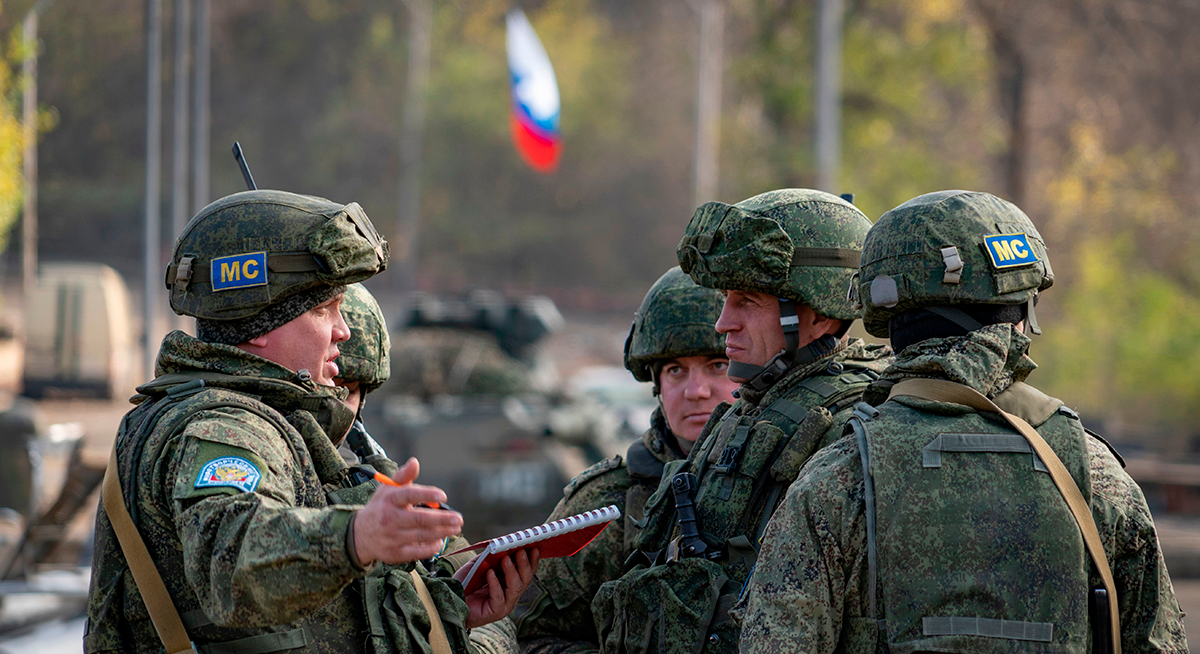
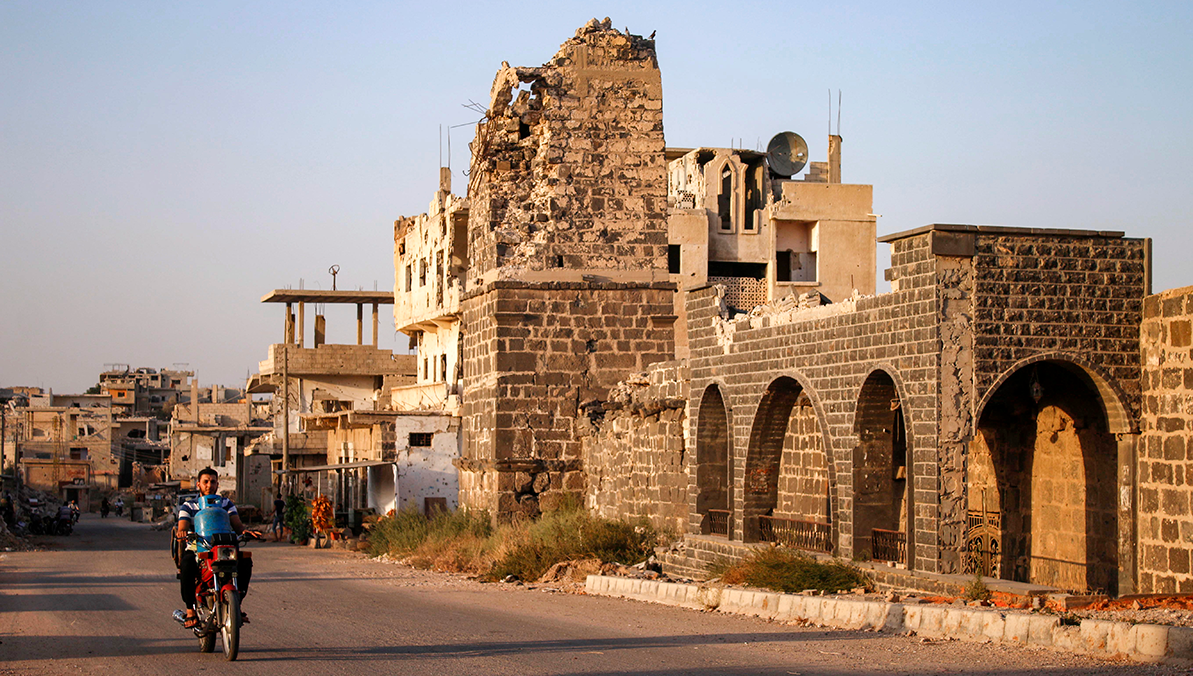
In 2018, Assad’s Syrian government forces, with Russian support, managed to regain control of opposition-held areas in Daraa. Russia has emerged as the primary power broker by arranging agreements between the rebels and the regime, which, in turn, has allowed the rebels to keep some of their arms under the banner of the Russian-formed Eighth Brigade. Nevertheless, since 2018, the tight-knit tribal networks in Daraa have functioned as a nucleus for the continuation of the uprising against the Assad regime. The same tribal attributes that create interconnectedness among the people of Daraa, however, also render them susceptible to the regime’s strategy of pitting clans against each other and leveraging the resulting strife to justify the use of force with the goal of asserting full control.
Lebanese maritime security: Navigating rough seas with good policy
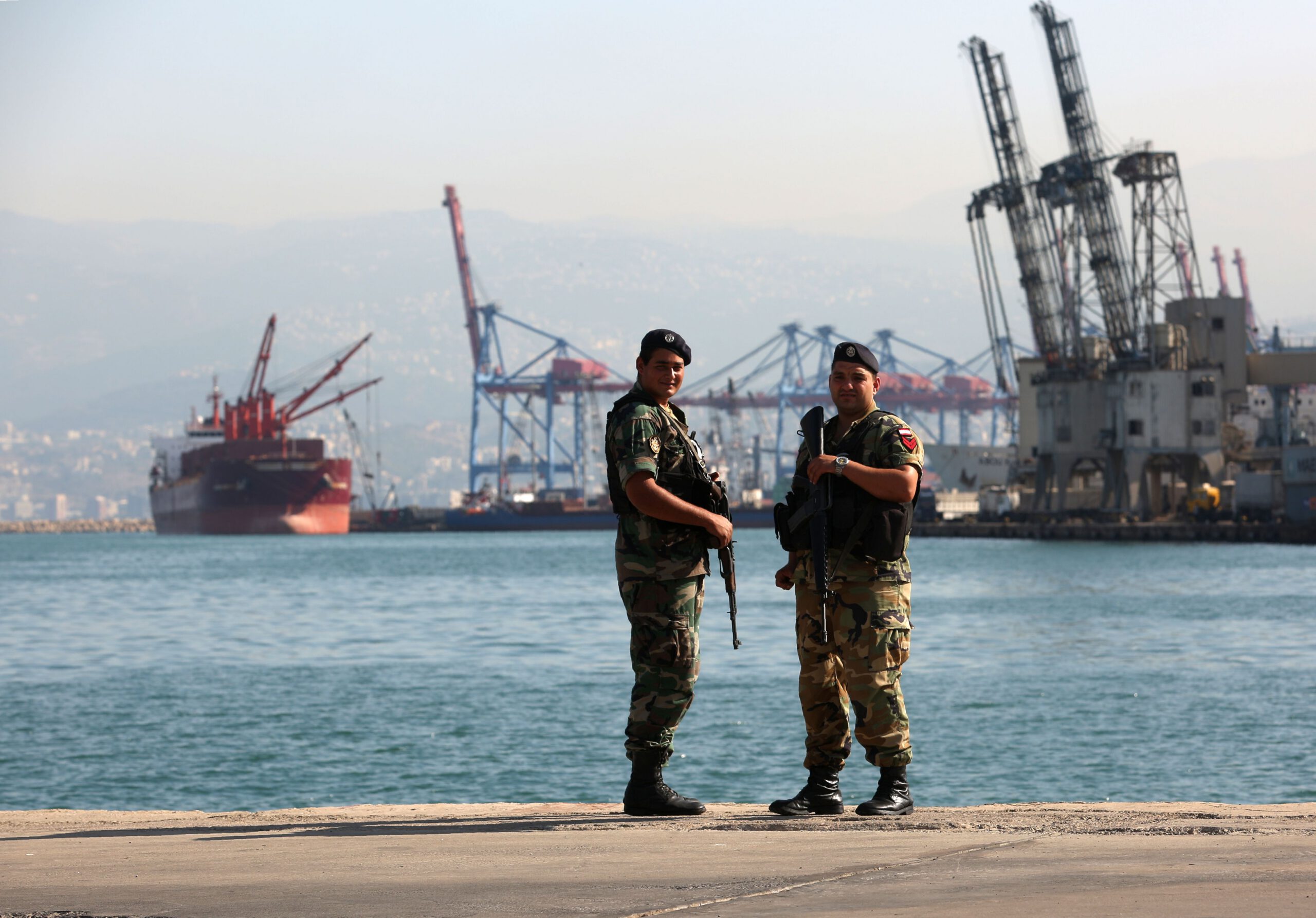
Lebanon has a coastline of 120 nautical miles (NM) along the eastern Mediterranean and an exclusive economic zone (EEZ) that encompasses an area of 5000 square nautical miles (SNM). While this wide expanse presents many opportunities, it also represents a pressing security challenge for the Lebanese Navy and the region in general.
Turning the Tide: How Turkey Won the War for Tripoli
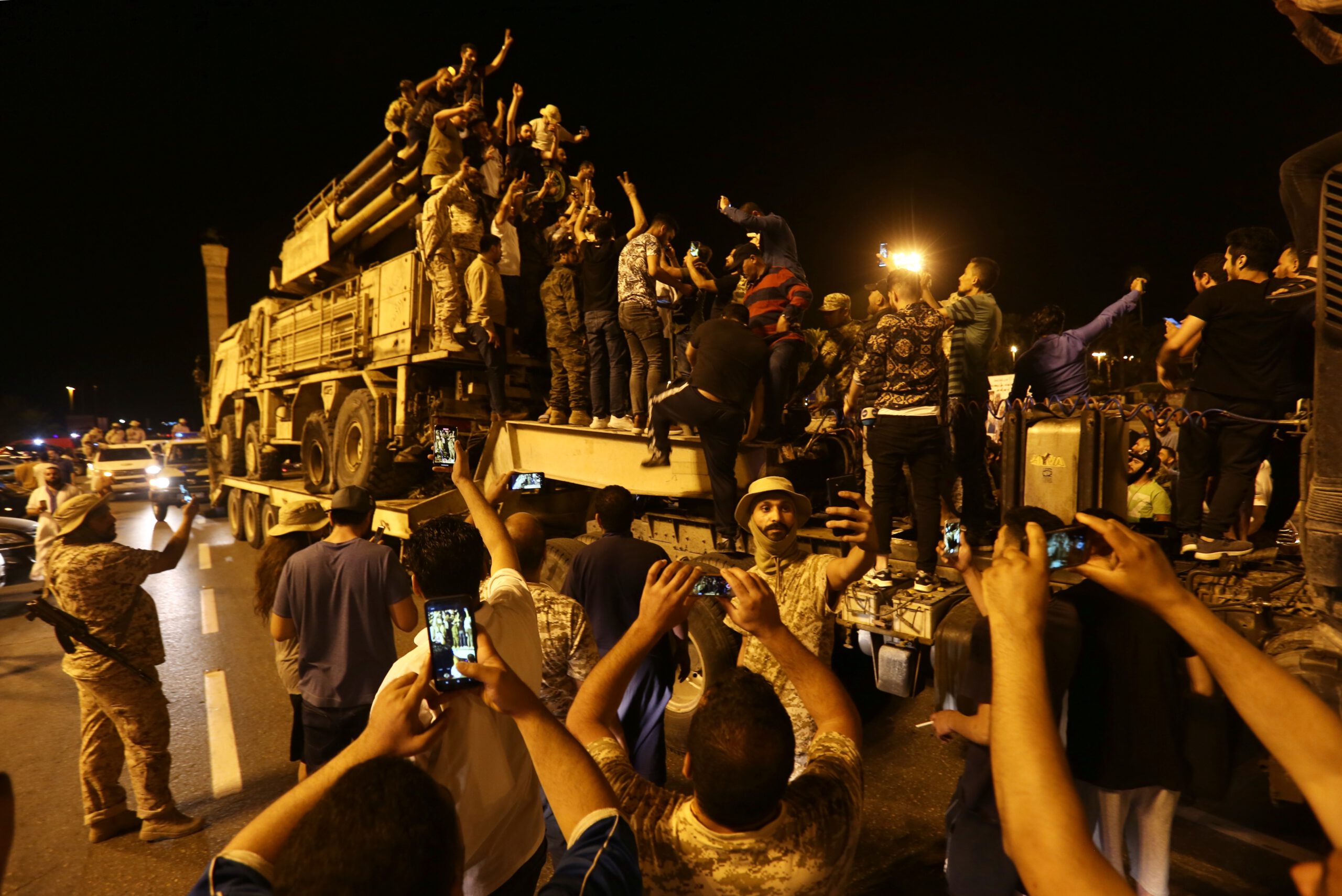
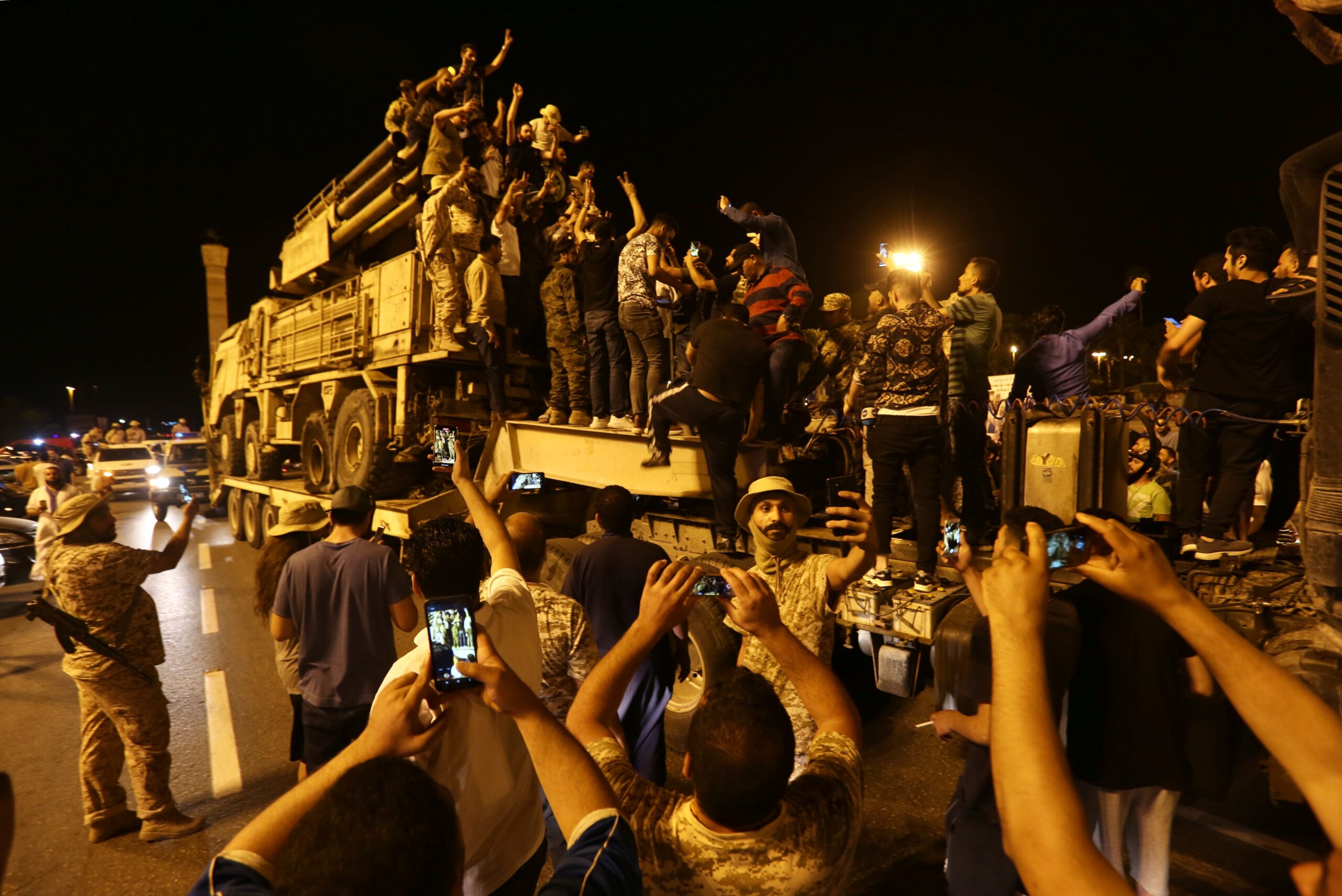
The War for Tripoli, launched by Gen. Khalifa Hifter in April 2019, came to an abrupt end in June 2020 after extensive Turkish military capabilities were introduced to the theater at the beginning of the year. This research paper seeks to drill down into the military, logistical, and technological aspects of the war, highlighting the unique role of drones, soft-kill and hard-kill air defense technologies, private military contractors, and extraterritorial military professionals in determining its final outcome.
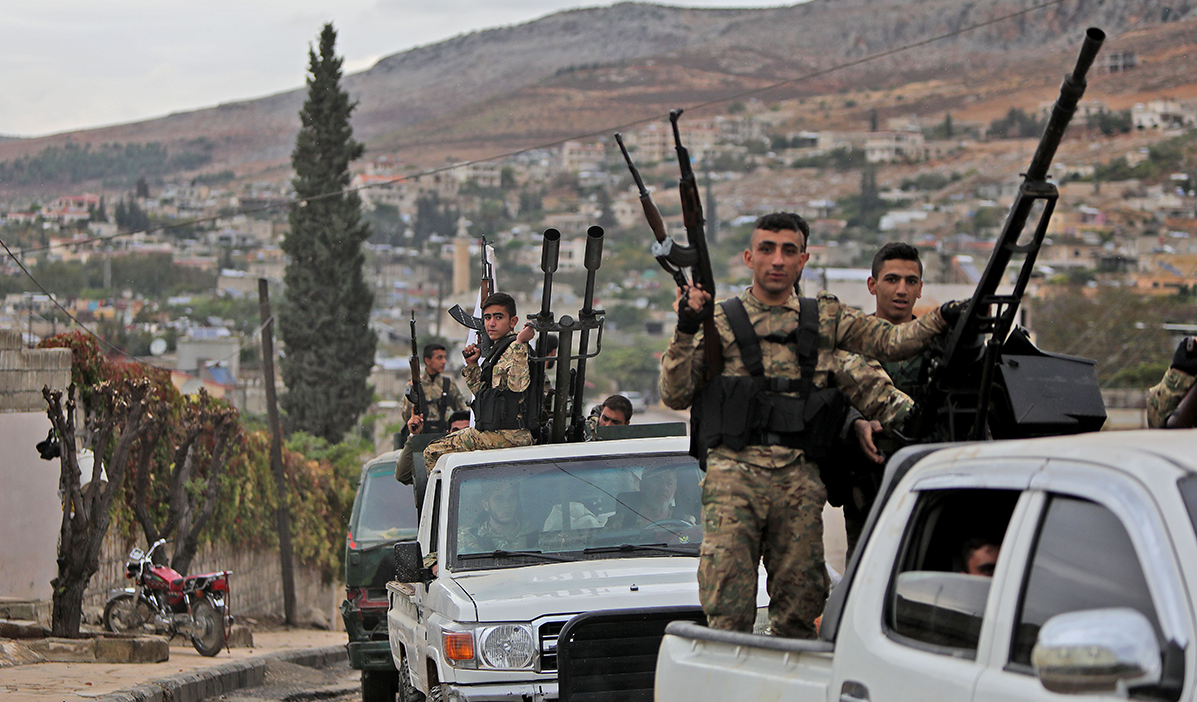
As the conflict in Nagorno-Karabakh rages between Armenia and Azerbaijan, Russia and Turkey once again find themselves on opposite sides in a regional geopolitical war. With the reverberations from the fighting now spreading across the region, the fate of Idlib could be tied to battles elsewhere as Moscow potentially seeks to open up another front against Ankara.
Between the Coalition, ISIS, and Assad: Courting the Tribes of Deir ez-Zor
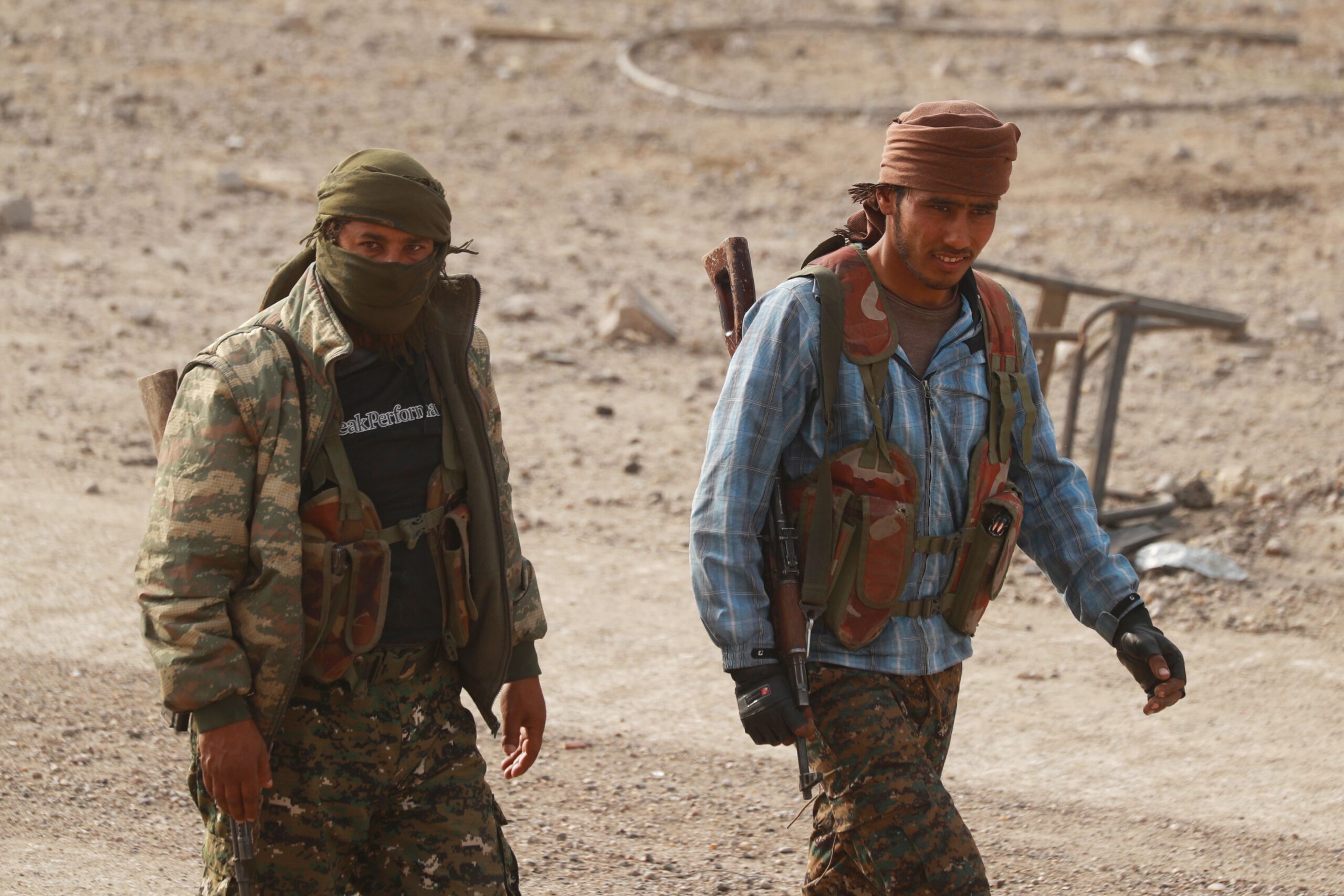
In areas under the control of both the Syrian regime and Autonomous Administration in North and East Syria (AANES) in Deir ez-Zor Province, the governing bodies are failing to secure the loyalty and support of locals. The security structures built by the regime and the AANES have coopted and incorporated local tribes to a significant extent, but a lack of support from the central governing bodies amid increasing ISIS attacks threatens long-term stability in the province. These two regional dynamics are outlined and compared in this paper to illustrate the dual challenges both governance bodies face in appealing to locals and thwarting the resurgence of ISIS in the area.
Pakistani politics at a crossroads: The new opposition to Imran Khan and to the military establishment
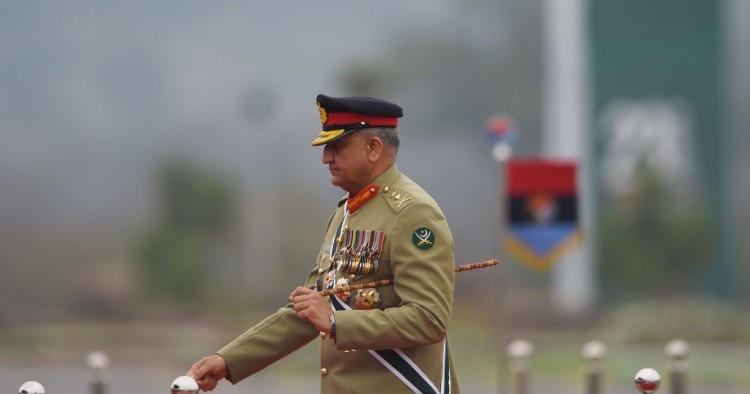
On October, 16, Pakistan’s former Prime Minister Nawaz Sharif set his country’s politics ablaze by offering a withering critique of the military establishment. Calling in from London via video conference, Sharif addressed a crowd of over 20,000 protestors at a rally in the Punjabi city of Gujranwalla organized by the Pakistan Democratic Movement (PMD), a recently formed coalition that brings together all major opposition parties. Under the PMD’s banner, erstwhile rivals like the Pakistan Muslim League-Nawaz (PML-N), the Pakistan People’s Party (PPP), and the Jamiat Ulema-e-Islam–Fazlur (JUI-F) have joined forces to achieve two goals that they see as intertwined: unseating Prime Minister Imran Khan and regaining power from the military.
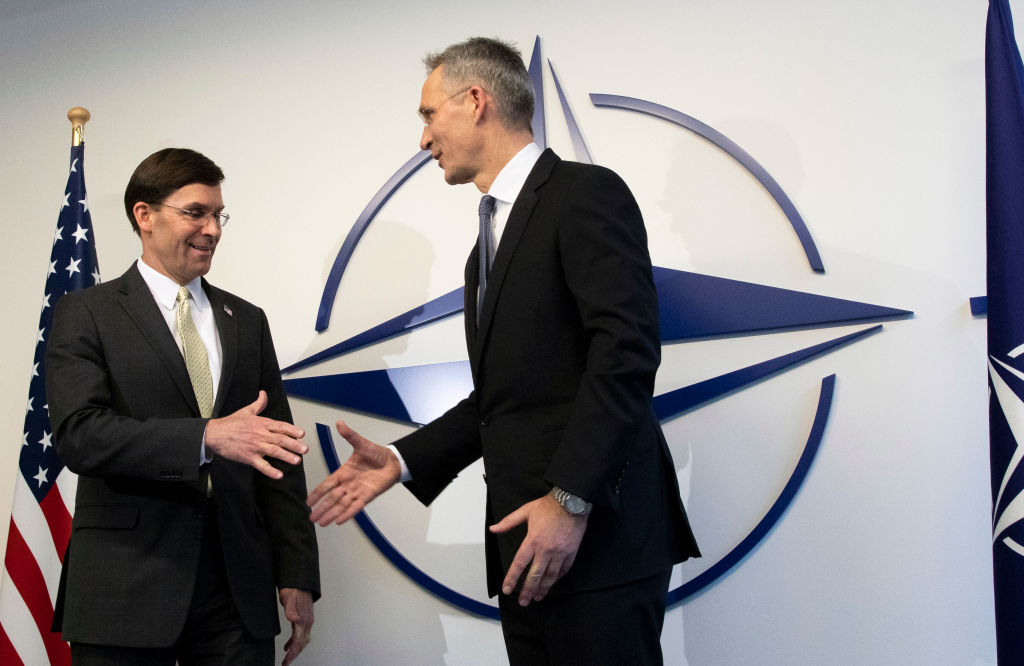
There are several curious aspects to the Pentagon’s new Guidance for Development of Alliances and Partnerships, or GDAP, which was publicly unveiled by U.S. Secretary of Defense Mark Esper on Oct. 20.
Let’s start with the context. Both as a candidate and later as president, Donald Trump has taken a transactional view of U.S. alliances and partnerships, alienating France, Germany, and other NATO allies in the process. Whether GDAP is an attempt to make amends remains to be seen.
Shifting Gears: HTS’s Evolving Use of SVBIEDs During the Idlib Offensive of 2019-20
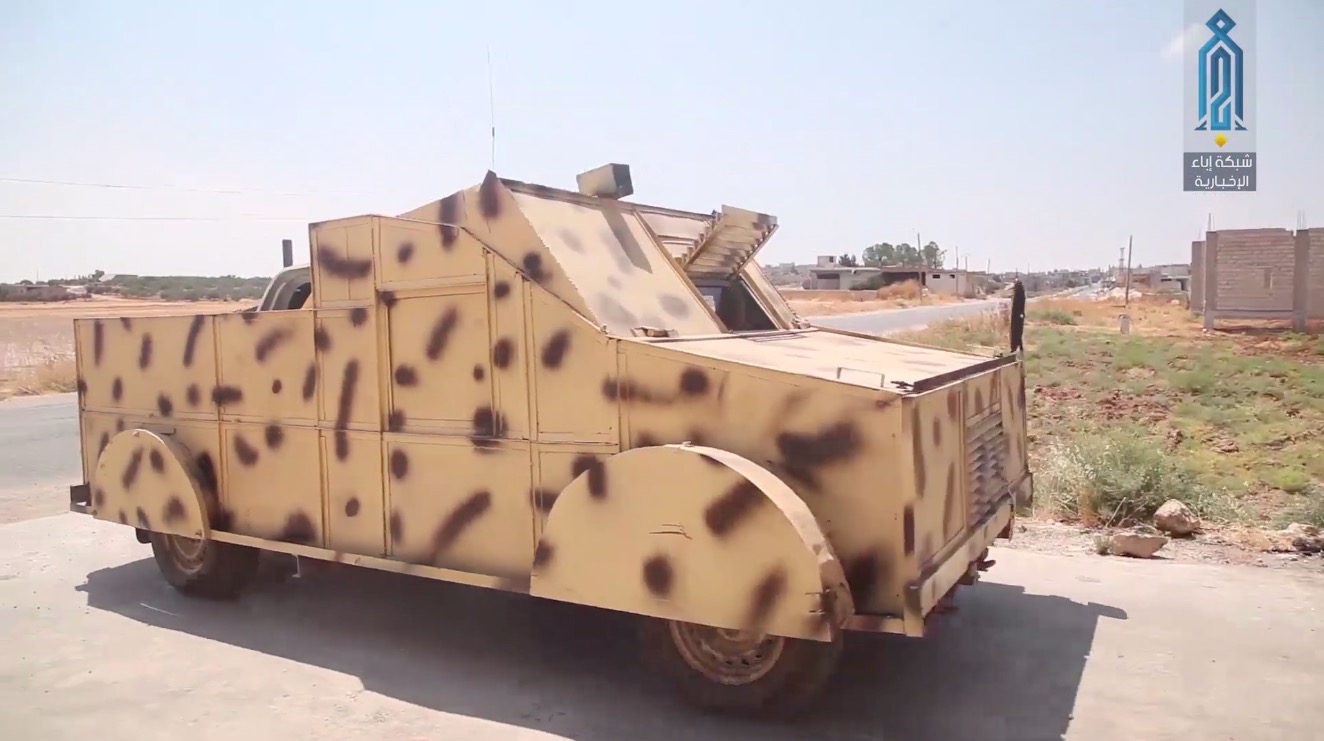
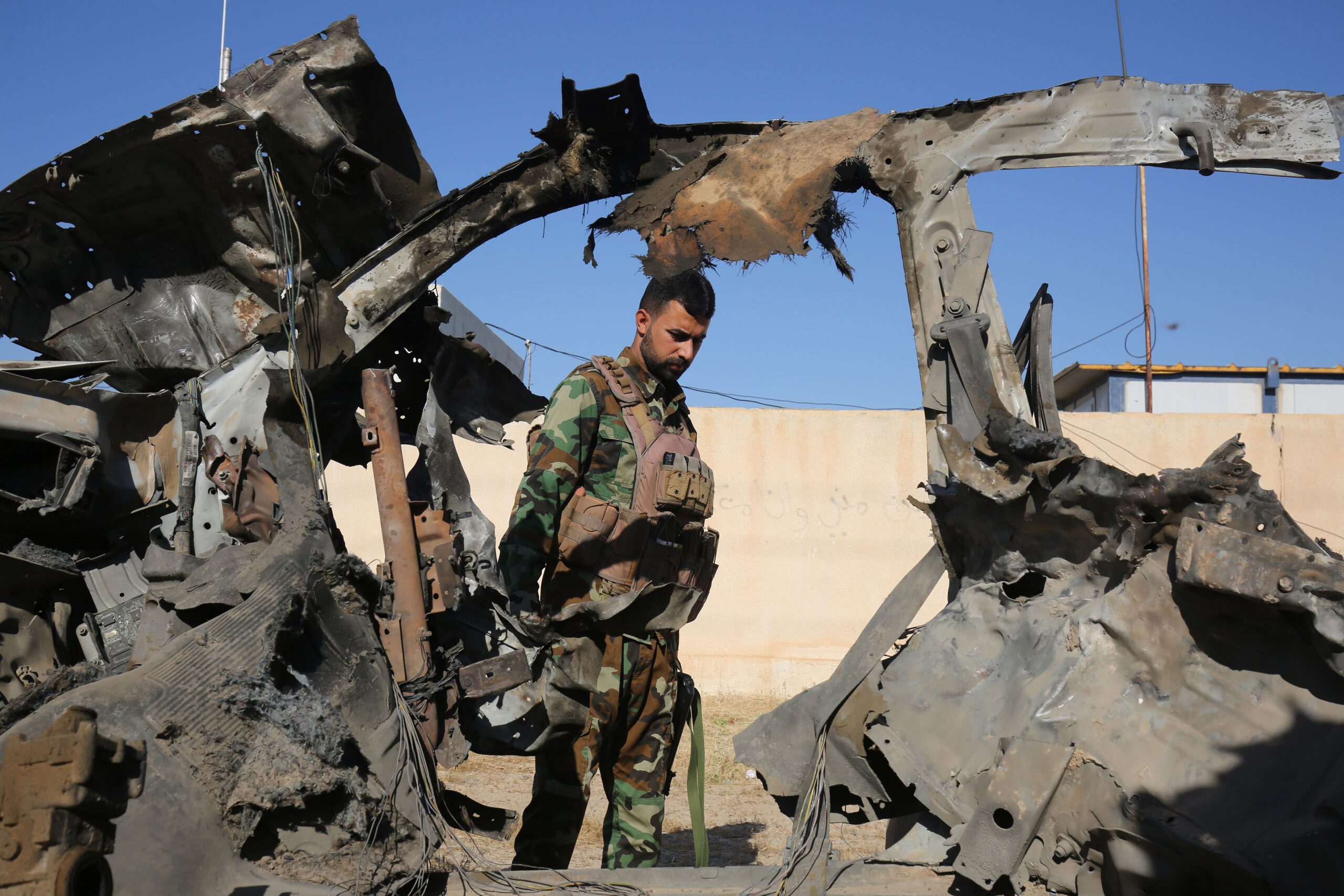
Since May 2019, a series of Syrian loyalist offensives backed by the Russian air force has gradually encroached upon the country’s northwestern Idlib Province, home to the last major pocket of opposition-held territory. As the chief rebel group in control of Idlib, Hayat Tahrir al-Sham (HTS) has employed dozens of suicide car bombs as part of its continued defense of the area. Formally known as suicide vehicle-born improvised explosive devices (SVBIEDs), these weapons have been a cornerstone of the group’s — and by extension, the entire opposition’s — military strategy since early stages of the war, when rebel forces began capturing and holding territory. In an attempt to further understand this strategy and how it has evolved over time, this case study seeks to compare and contrast HTS’s past and current use of SVBIEDs, with a heavy focus on the latter. It will also examine HTS’s evolving SVBIED design, paying particular attention to technical innovations such as environment-specific paint schemes, drone support teams, tablets with target coordinates, and live camera feeds, as well as upgraded main charges.
US Policy and the Resurgence of ISIS in Iraq and Syria
As attacks by ISIS increase in both Iraq and Syria, the upcoming U.S. presidential election offers a turning point for how U.S. foreign policy will seek to address a potential ISIS resurgence. This paper lays out this growing problem and recommends policy, which will be constrained by the outcome of the November election.
Afghanistan’s Terrorism Challenge: The Political Trajectories of al-Qaeda, the Afghan Taliban, and the Islamic State
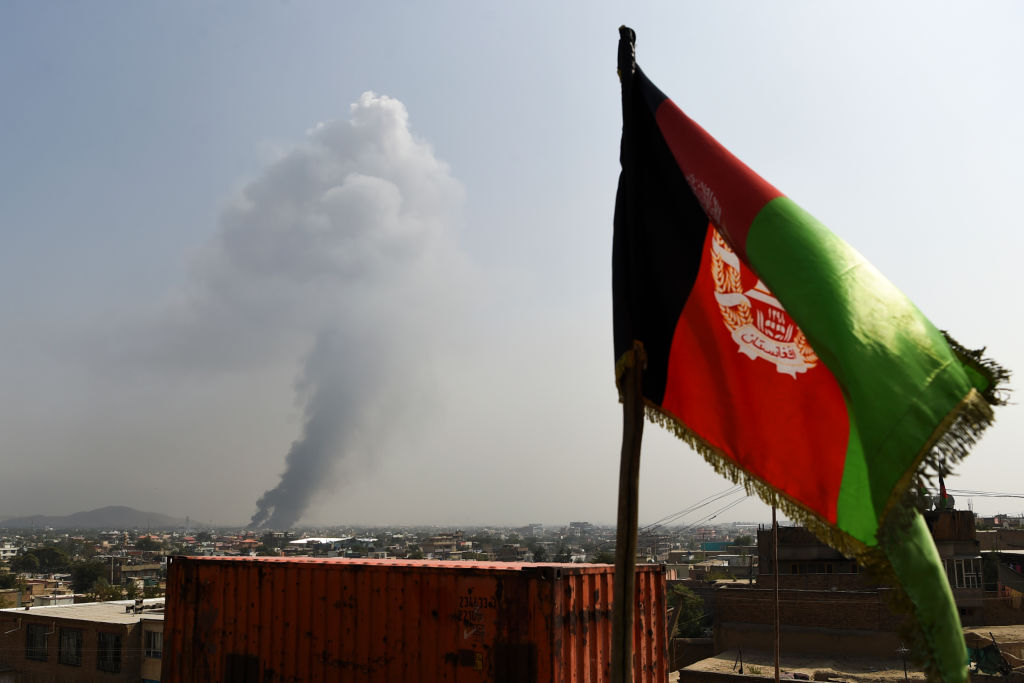
Afghanistan remains at the center of U.S. and international counterterrorism concerns. As America prepares to pull out its military forces from the country, policymakers remain divided on how terrorist groups in Afghanistan might challenge the security of the U.S. and the threat they pose to allies and regional countries. Advocates of withdrawal argue that the terrorism threat from Afghanistan is overstated, while opponents say that it remains significant and is likely to grow after the drawdown of U.S. forces. This report evaluates the terrorism challenge in Afghanistan by focusing on the political trajectories of three key armed actors in the Afghan context: al-Qaeda, the Afghan Taliban, and the Islamic State.