Egypt’s Judiciary: Obstructing or Assisting Reform?
Introduction
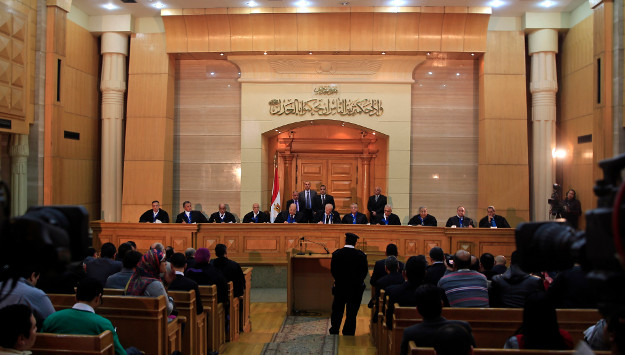
Prior to the 2011 revolution, Egypt’s surprisingly independent and assertive judiciary had gained recognition among scholars, political opposition figures, and many in the NGO community for strength and activism in defense of democratic values and political rights.[1] As Nathan Brown wrote in 2008:
Has Jordan Acquiesced to Assad Regime Offensive in Southern Syria?
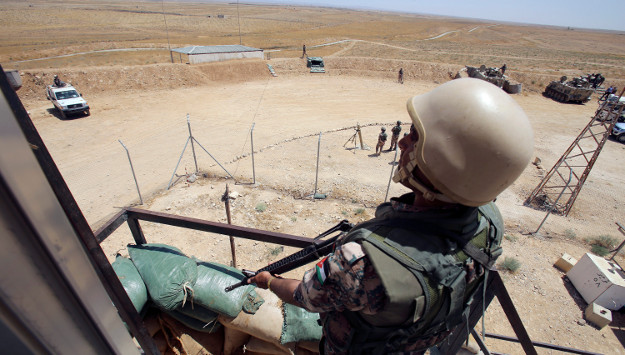
Jordan is yet to react publicly to a fresh land assault by Syrian regime forces, backed by Hezbollah and Iran’s Islamic Revolutionary Guard Corps fighters, against rebel-held towns in southern Syria.
Turkey Should Avoid Getting Involved in the Saudi-Iran Row
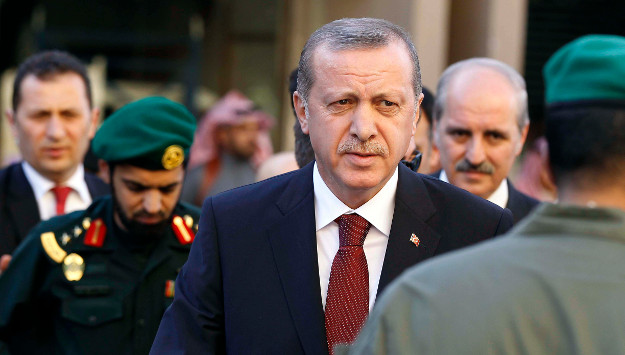
Turkey’s reaction to the latest spat between Saudi Arabia and Iran spells more trouble for Ankara at a time when it is already at loggerheads with many of its neighbors. Initial remarks by Deputy Prime Minister Numan Kurtulmus criticizing both sides were an attempt to keep Turkey out of the rift. He was upstaged, however, by Turkey’s foreign ministry, which followed up with a statement singling out Iran for condemnation.
Sold Overnight: Istanbul’s Gecekondu Housing and the Challenge of Ownership
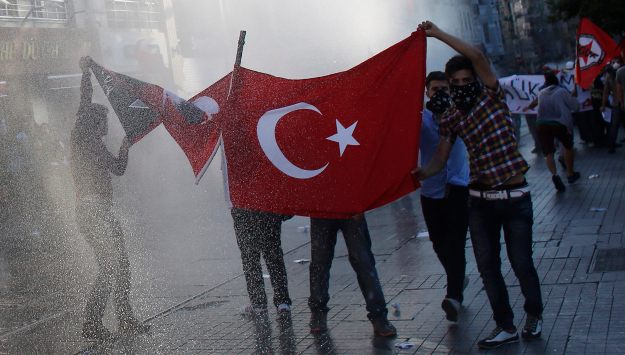
Contrary to neoliberalist conceptualizations of the role of the state (or its absence) in urban development, in the case of Istanbul, the state’s absence, or at the very least its silent laissez-faire attitude, actually produced an opening for poor, rural migrants to create their own (informal) housing in and around the city. With the increasing desirability of urban land to domestic and international developers, however, it was precisely the advent of state regulation that led to the increasing displacement of Istanbul’s gecekondu residents.
Middle Eastern Cinema in the Spotlight at Palm Springs
Palm Springs is not a place normally associated with cutting edge Middle Eastern cinema.
In fact, the obvious connections to the region are more about geography and agriculture—desert scenes reminiscent of Palestine or Iraq, date palms from North Africa—than film.
Saudi-Iran Tensions Place Pressure on Smaller GCC States
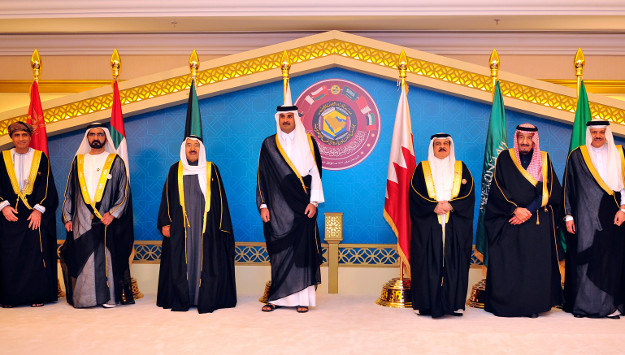
The recent escalation in tension between Saudi Arabia and Iran is throwing the GCC into a crisis of unity. Riyadh’s actions in particular are built on the frustration of the Yemen war and the perception of Iranian encroachment in Arab lands that the Saudi kingdom believes is its domain. King Salman and his son, Deputy Crown Prince Mohammad bin Salman, feel the kingdom is being ignored by the international community in other hot zones, namely Syria, where the outcome of the war is being determined by Washington and Moscow.
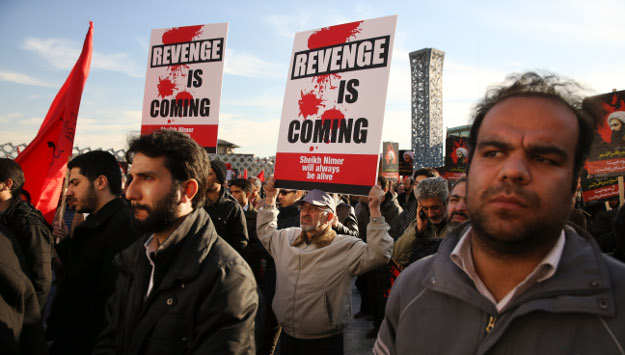
The New Year has seen relations in the region spiral out of control with Saudi Arabia cutting off diplomatic ties with the Islamic Republic of Iran. Sectarian tensions mounted following the execution of prominent Saudi Shi’a cleric Nimr al-Nimr and the subsequent attack on the Saudi embassy in Tehran. The immediate impacts of this escalation will likely be felt in Yemen, with the latest ceasefire collapsing over the New Year, and in Syria where U.N.-sponsored peace talks are set to begin later this month.
Flood Governance in Jakarta: The Role of CBOs in Mitigating Annual Floods
An effective flood mitigation and management in Indonesia particularly in megacities such as Jakarta requires a strong community participation particularly from the riverbank residents. The residents of slums and squatter settlements in riverbanks are the players of the informal sector who play an important role in the process of urban transformation in Indonesian cities including Jakarta.
Washington and Ankara are in yet another difficult phase in a relationship cycle that runs from very good to very bad. American public opinion about another country forms slowly, but persists through time once set. As Turkey changes, we keep trying to fit new evidence into the old paradigm. At some point, the contradictions are too obvious to explain away, and the new narrative emerges. Right now, Americans are caught in that dilemma regarding Turkey. Unless we have a better idea of which Turkey we are dealing with, we are certain to make bad choices.
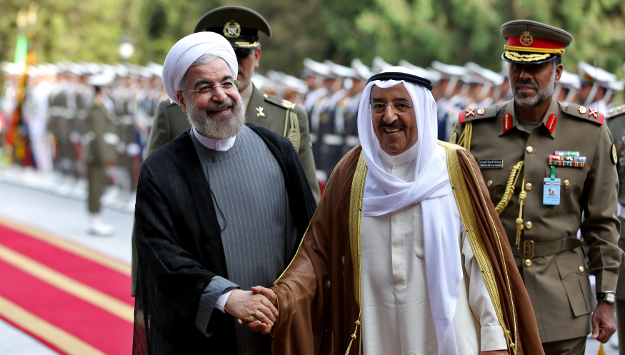
Paul Salem, Vice President for Policy and Research at MEI, explains the drivers behind the recent flare-up of the Iran-Saudi feud, how it will impact regional issues including Syria, Yemen, and the fight against ISIS, and what the United States can do to help get diplomacy back on track.
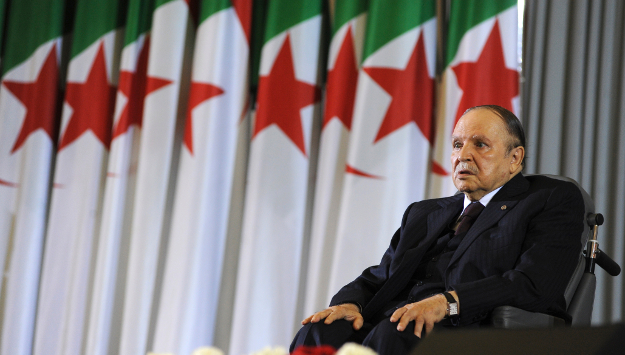
Many used to say that unlike other countries that have an army, Algeria is an army that has a country. As 2016 begins, President Abdelaziz Bouteflika—no mere client of the army—has consolidated his authority and empowered his allies in Africa’s largest nation. However, questions about Algeria’s political and economic stability loom large in the new year.
Egyptian Civil Society in Transition—Reflections on Cairo’s Governance
This essay discusses the various barriers that inhibit local communities in densely populated, poor quarters in Cairo from taking action in order to improve the provision of basic services and the overall conditions in these neighborhoods.
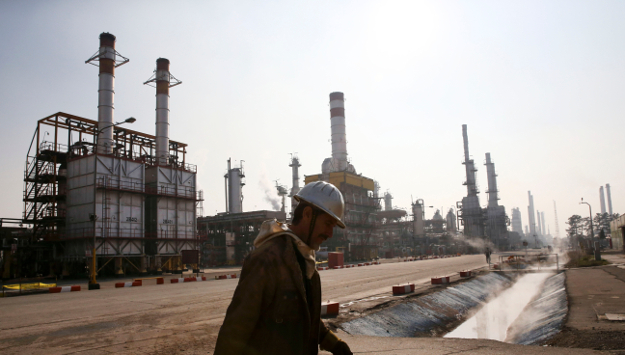
In a Middle East already aflame, a fresh feud between Saudi Arabia and Iran threatens to complicate most every major issue from the Iranian nuclear deal to the Syrian civil war to global oil markets.