5G adoption and its implications in the Gulf states
As many of the Gulf states pivot away from oil and gas, they have turned to digital development as a way to attract foreign investment and spur domestic growth. A critical part of these digital transformations is the widespread adoption of 5th generation mobile communication networks (5G). Large-scale investment in 5G rollouts in Saudi Arabia, Qatar, the United Arab Emirates (UAE), and Bahrain reflect this reality.
The EU steps up its engagement in Yemen, but is it enough?
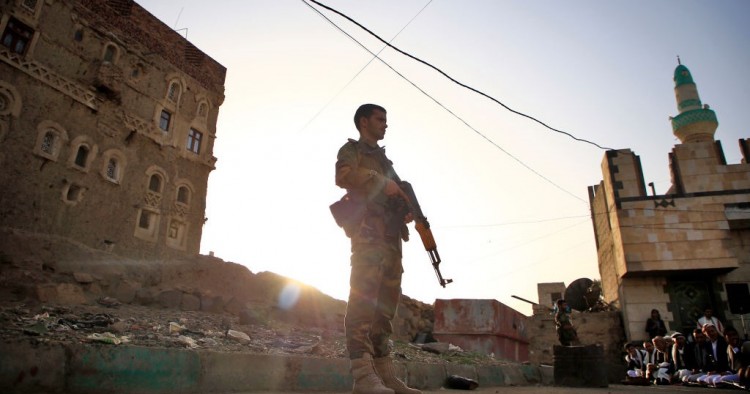
The conflict in Yemen poses a real threat not only to its immediate neighborhood, but also to global players such as the European Union. Although the country is located relatively far away from the EU’s external borders, instability on the Arabian Peninsula could seriously affect European interests and security.
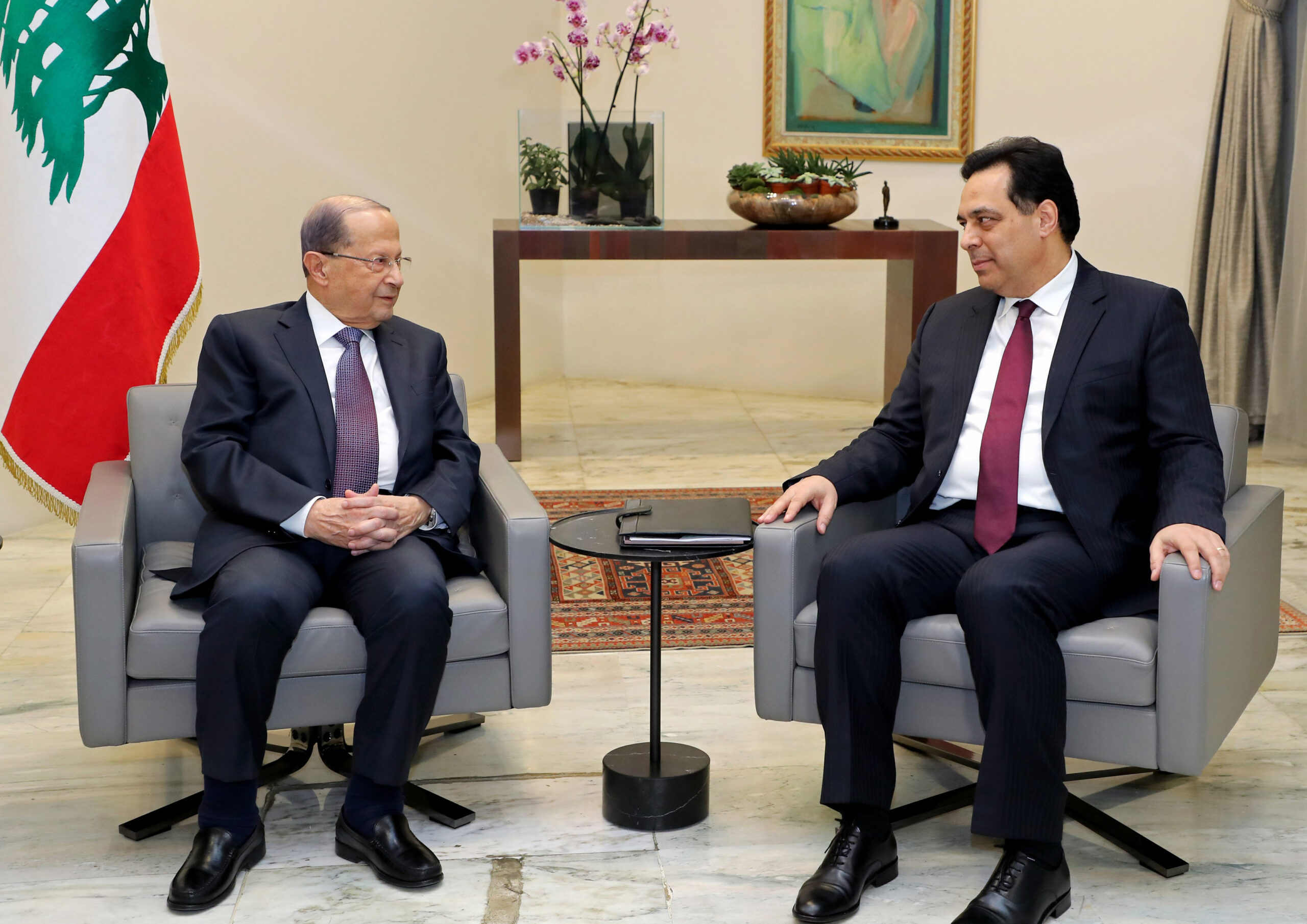
Monday Briefing | Lebanon: The twilight of an impotent government
This week’s briefing on recent news and upcoming events in the region featuring Paul Salem, Hafsa Halawa, Marvin G. Weinbaum, Anne-Linda Amira Augustin, and Gerald Feierstein.
I don’t understand why Iran’s Revolutionary Guards insist on conducting military exercises in the Gulf waters that are as devoid of credibility as they are comical. Because if the goal of these drills is to intimidate or change the calculations of the U.S. Navy, nobody is flinching or losing any sleep in the Bahrain-headquartered U.S. Naval Forces Central Command, or NAVCENT.
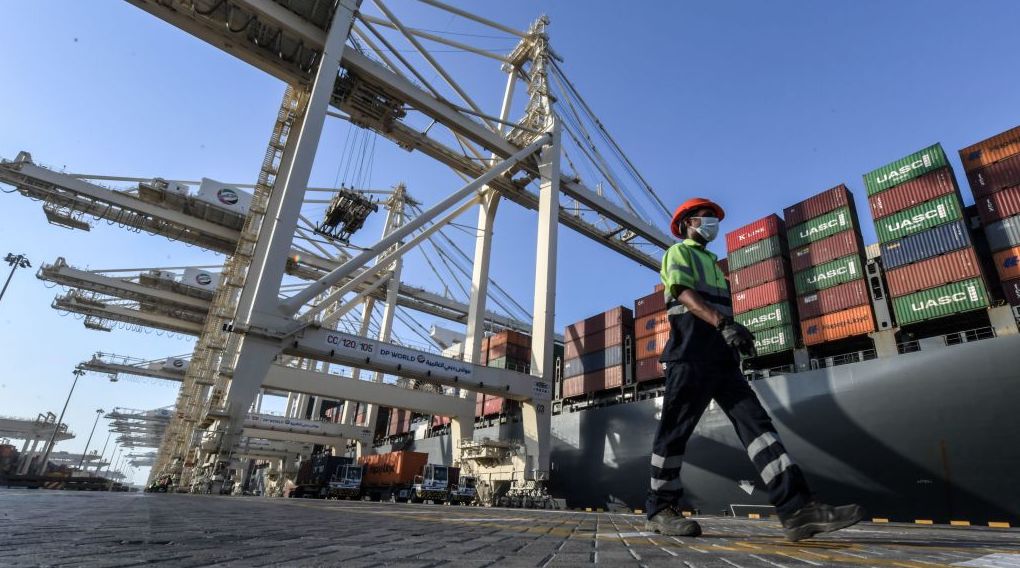
The coronavirus pandemic that originated in China could not have come at a worse moment for the UAE. Indeed, before its outbreak, relations between the UAE and China were in an excellent place. Underpinned by growing economic exchange, the bilateral partnership holds the promise of turning into a geo-economic and geopolitical one. For Beijing, the UAE is first and foremost a critical hub for re-export to the wider region and ultimately, it is in the domain of maritime trade and around China’s BRI that the partnership has its greatest potential.
Medical tourism is an important form of cooperation in the health sector between the Gulf Cooperation Council (GCC) countries and Asia. The increasing flow of patients from the Gulf to Asian for medical treatment in recent years has been underpinned by a feature of GCC countries’ healthcare systems that is unique, namely government sponsorship of overseas medical treatment. This article discusses the immediate impact and possible implications of the Coronavirus pandemic for GCC-Asia health cooperation.
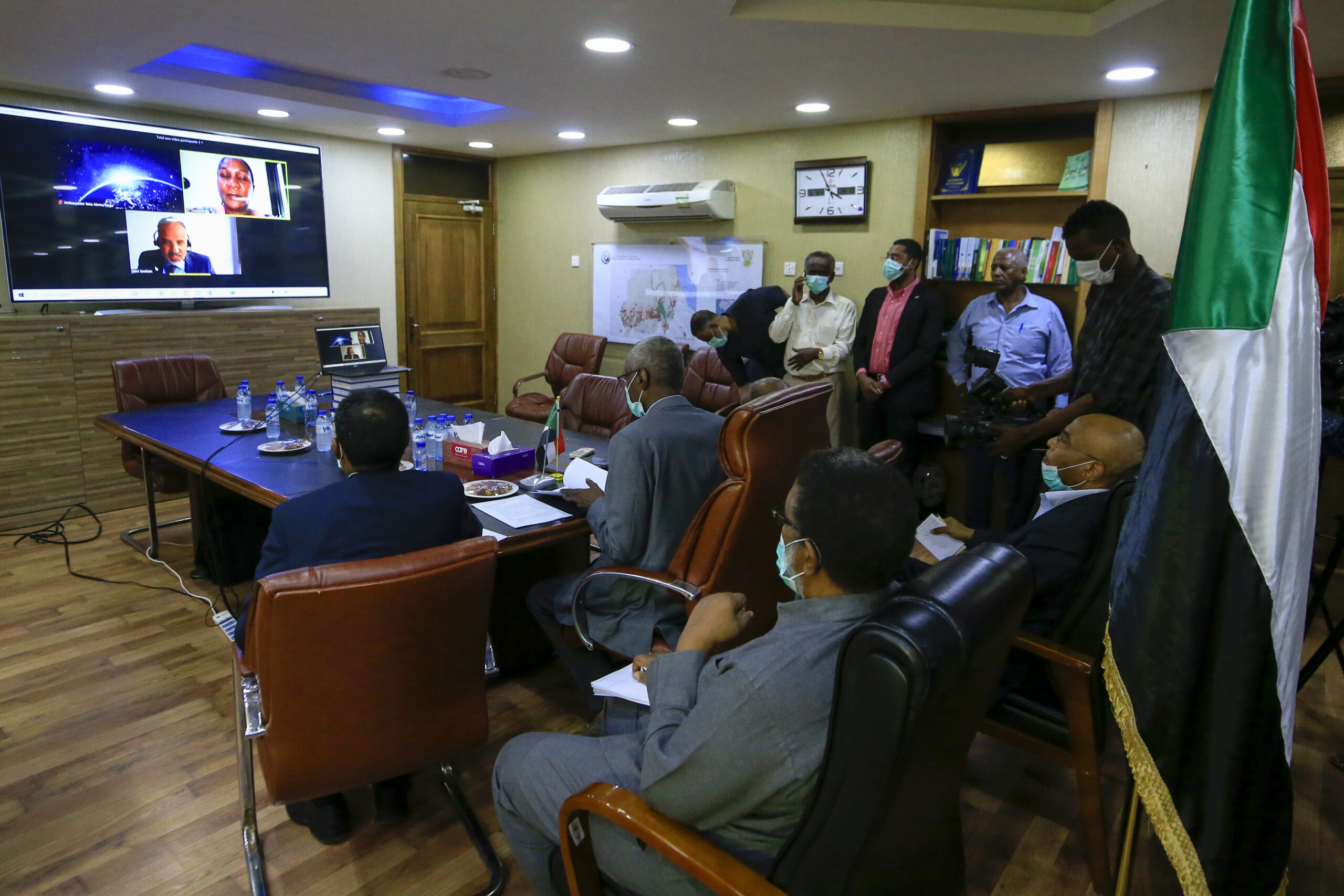
Monday Briefing: GERD talks continue, but political will is still lacking
This week’s briefing on recent news and upcoming events in the region featuring Mirette F. Mabrouk, Marvin G. Weinbaum, Gonul Tol, Alex Vatanka, and Gerald Feierstein.
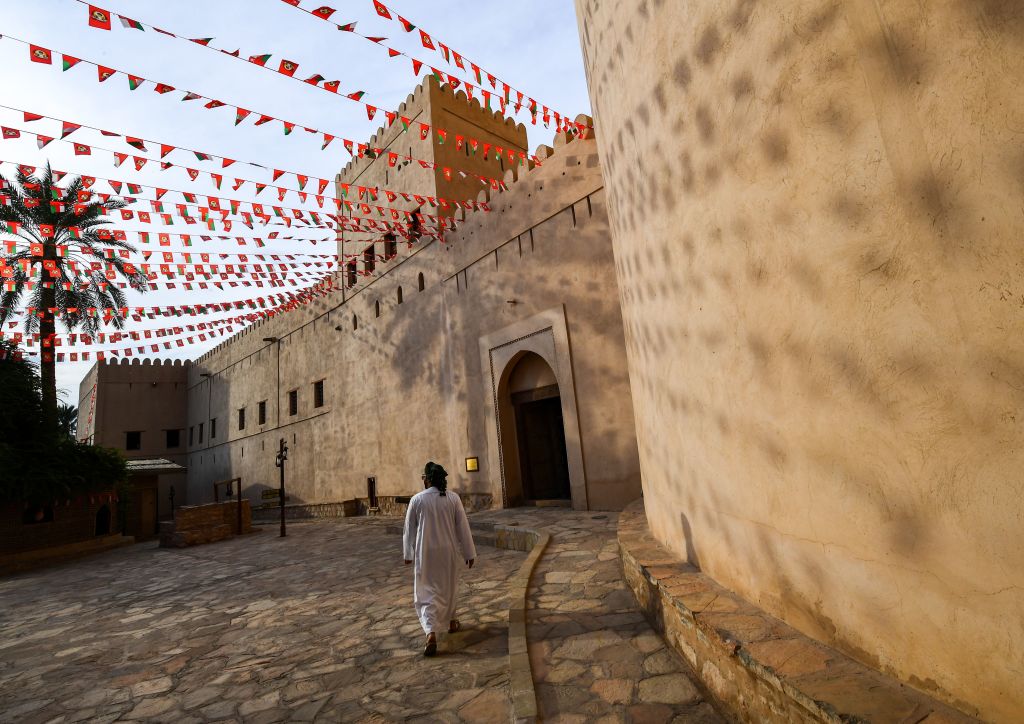
Linking the past to the future: Economic diversification and tourism in Oman
Oman’s new ruler, Sultan Haitham, only has a short timeframe in which to aggressively diversify the country’s economy and reduce its dependency on hydrocarbon exports. This already difficult task is further complicated by the twin challenges of the global coronavirus pandemic and low oil prices, both of which limit the government’s fiscal room for maneuver. One obvious sector that Oman should consider expanding rapidly is its tourism industry.
Jerry Feierstein, Karen Young, and Dania Thafer join host Alistair Taylor to discuss the political, economic, and foreign policy challenges facing the sultanate and its new ruler, Sultan Haitham bin Tariq, who ascended to the throne following the death of Sultan Qaboos, Oman’s long-time ruler, in early January.
Positioning the Provinces Along China’s Maritime Silk Road
China’s Belt and Road Initiative (BRI) is a central policy framework with decentralized initiatives. Under the BRI’s Silk Road Economic Belt (SREB) and the Maritime Silk Road (MSR), China’s inland provinces and coastal peers have been obliged to implement the top-down national strategy while at the same time having been granted the latitude to interpret the strategy to suit their commercial interests. This article looks at how Fujian and Jiangsu provinces have sought to position themselves along the Maritime Silk Road with respect to their relations with Middle Eastern partners.
So far, Saudi Arabia’s push for OPEC+ restraint appears to be working. If projections of a gradual demand recovery in 2020 are accurate, the Saudis should be able to reaffirm their centrality as market stabilizers.
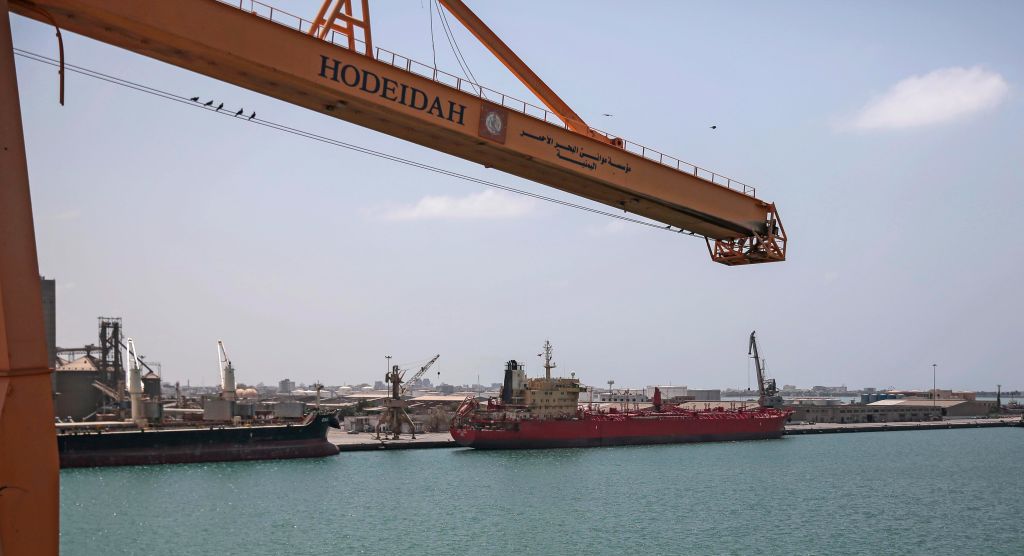
Defusing a “floating bomb”: Yemen’s impending Safer disaster
Having given Yemen’s Houthi rebels control over the ports of Hodeida governorate on humanitarian grounds as part of the December 2018 Stockholm Agreement, the international community has failed to address the looming environmental, economic, and political threats presented by the decaying Safer oil tanker sitting offshore — a “floating bomb” waiting to explode.
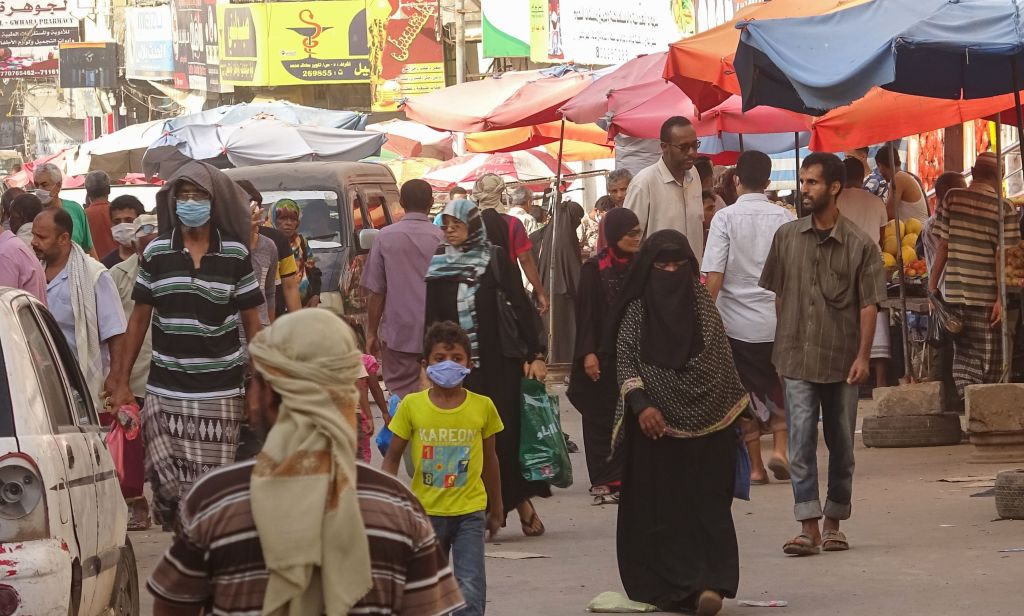
Since Yemen was first hit by the coronavirus in April, the southern port city of Aden has gone on to become the epicenter of COVID-19 in the country. While the number of cases and deaths remains low, the situation on the ground in Yemen is far more complex than the official numbers suggest.
When OPEC+ ministers hold their next monthly meetings on July 14-15, the Saudis are likely to be a strong voice pushing for the continuation of production limits, for both economic and political reasons.
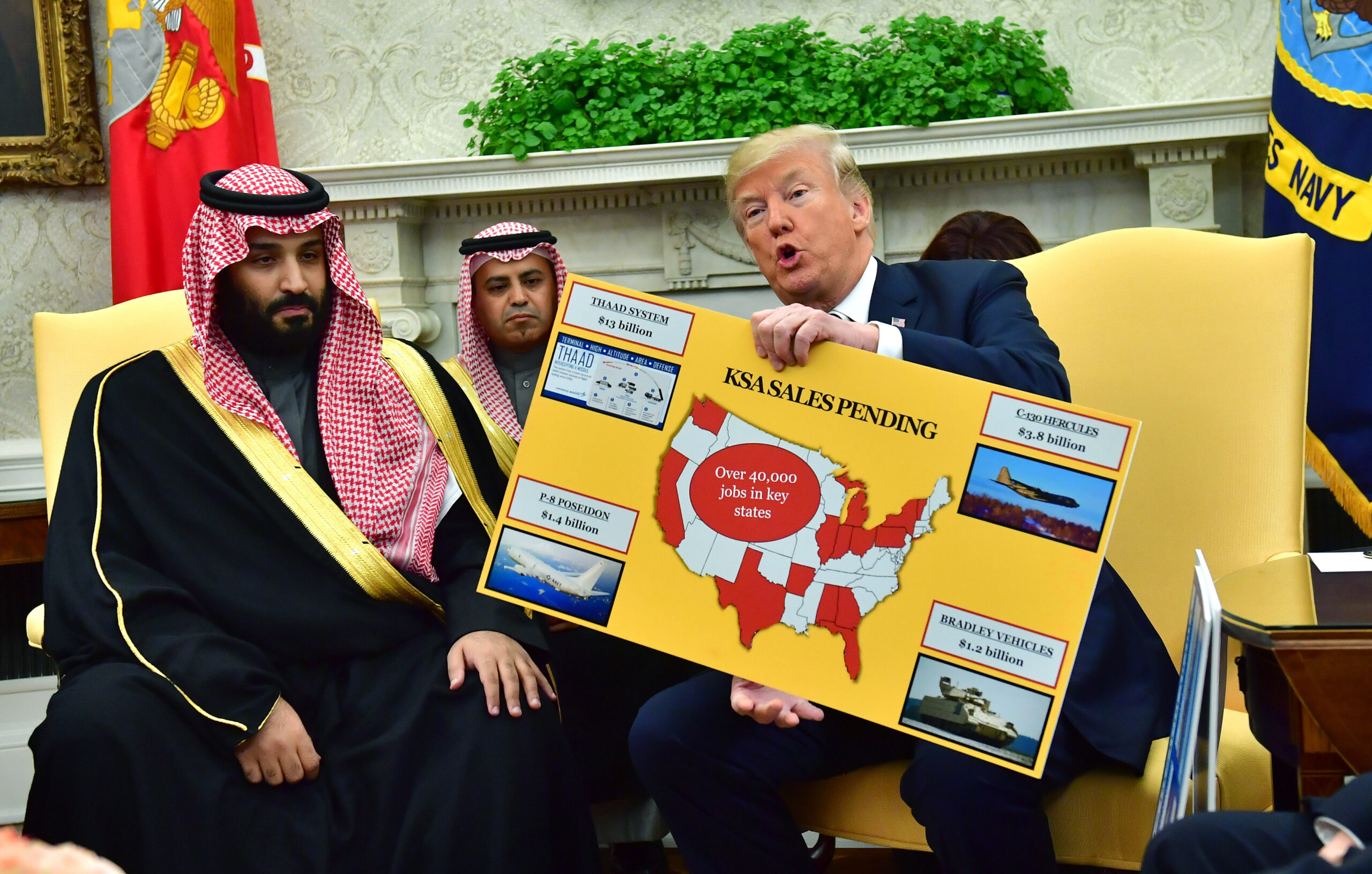
From Dependents To Allies: America's Gulf Relations Need Reform
During three major crises, each happening under a different administration, the U.S.-Gulf partnership failed to effectively address the security concerns of the Gulf states. While no partnership is perfect, such major and persistent breakdowns in coordination among longstanding security partners are uncommon, and can be deadly if left unresolved.