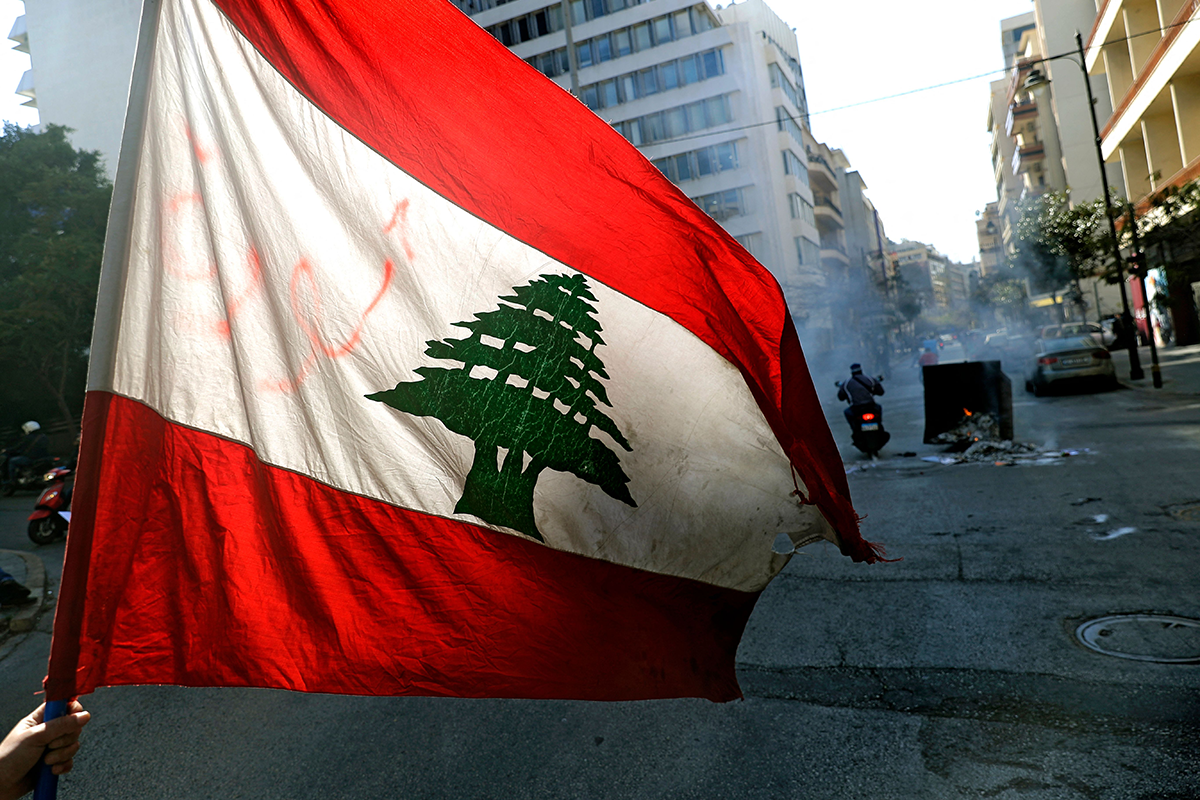
Lebanon’s economic crisis: A tragedy in the making
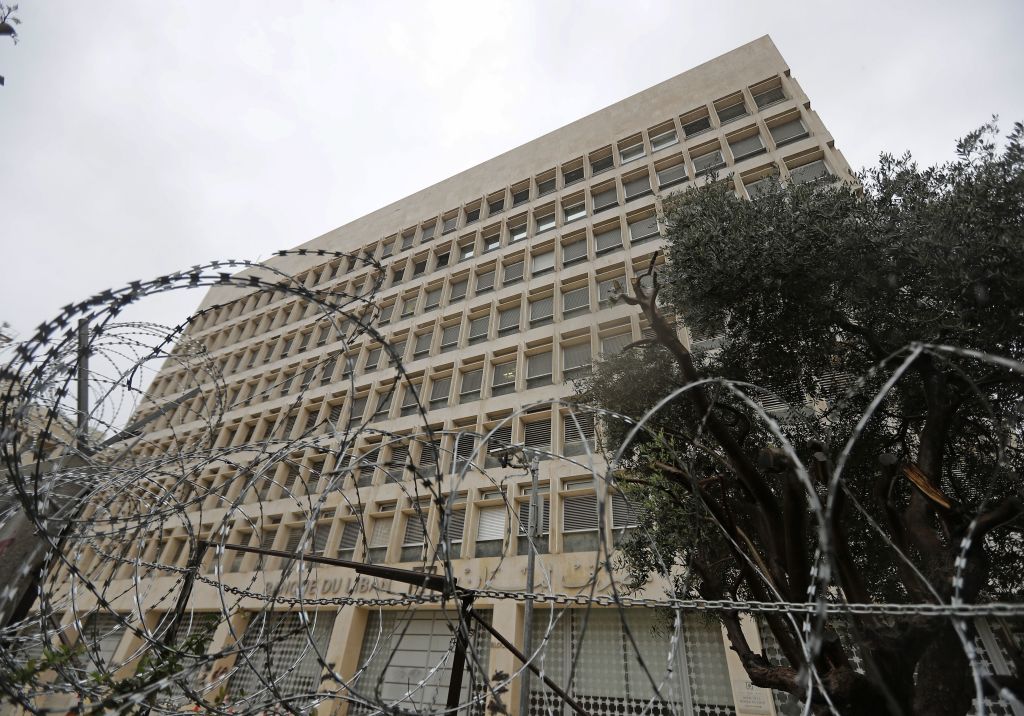
For the past 18 months, Lebanon has been reeling from a wrenching economic crisis. This essay deciphers the crisis’s origin, describes the current juncture, and reflects on the likely outcomes in the proximate future.
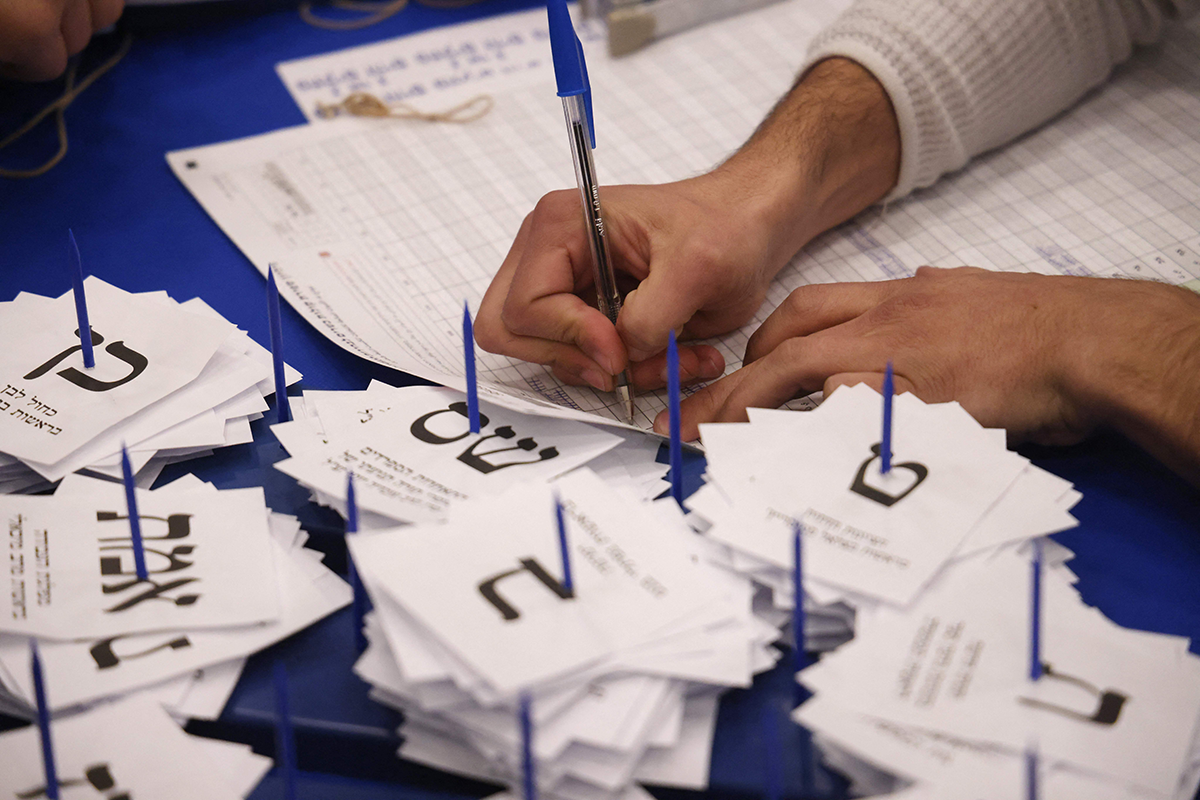
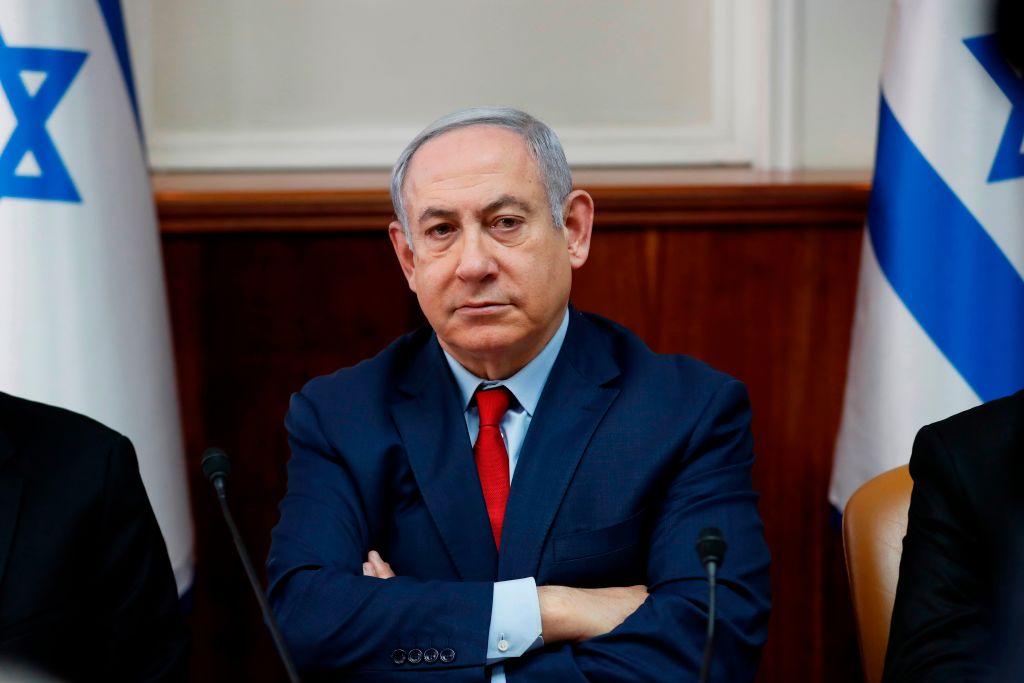
No kingmaker – and no king following Israel’s latest election
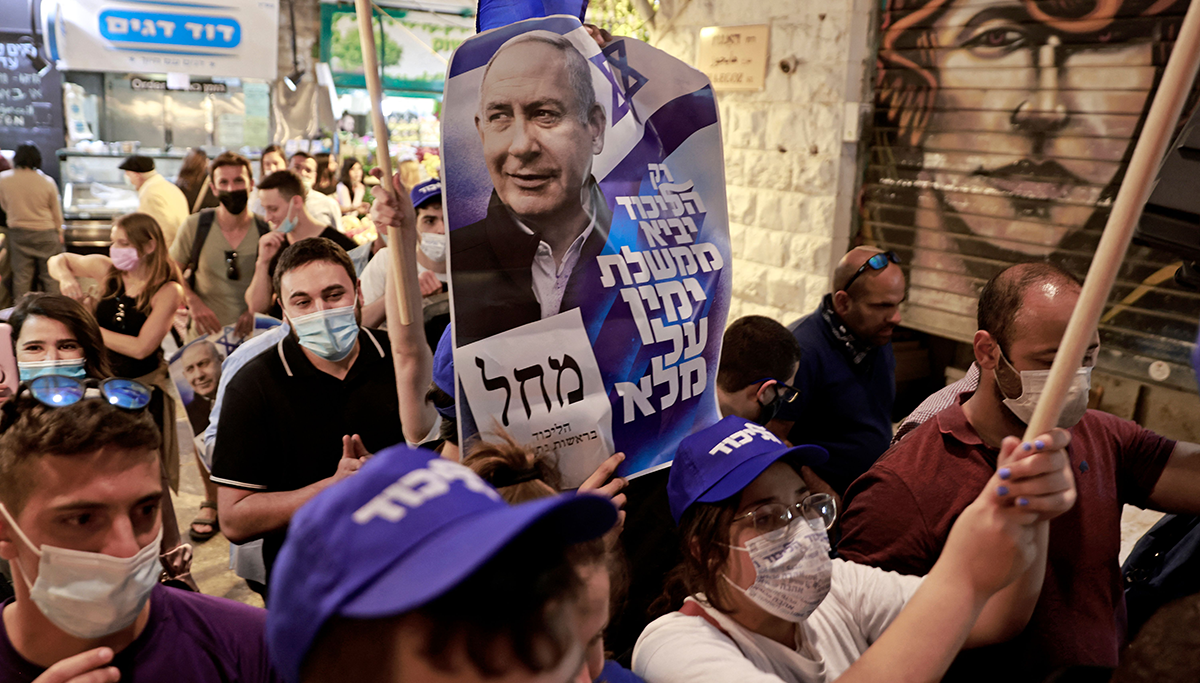
With virtually all of the vote in and results unlikely to change, it is clear: Not only will there be no kingmaker in Israel’s latest election, there will probably be no king.
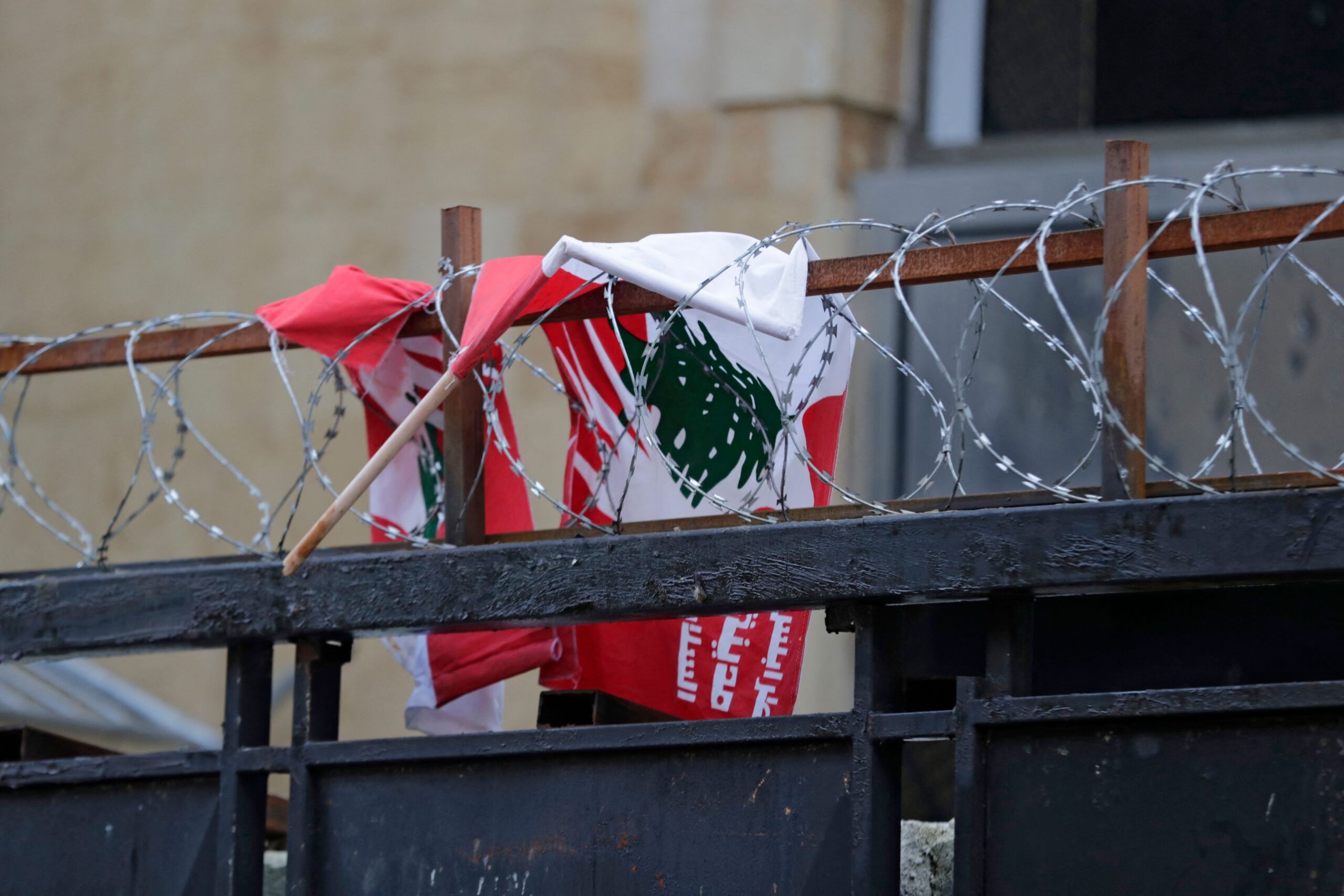
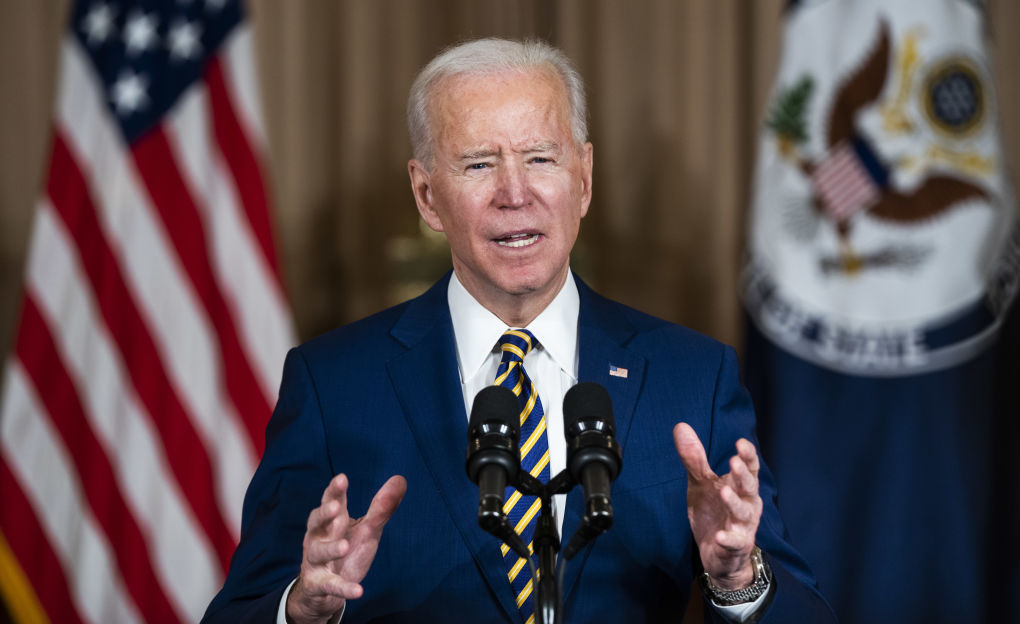
6 Key Steps for Targeted US Diplomacy to Stabilize Lebanon and Advance US Foreign Policy
The Middle East Institute and the American Task Force on Lebanon (ATFL) have collaborated with the Lebanese International Finance Executives (LIFE) to produce an urgent Lebanon-focused policy brief. The brief outlines recommendations to the Biden Administration for empowering an international coalition to support the Lebanese people and strengthen their capability to promote real change.
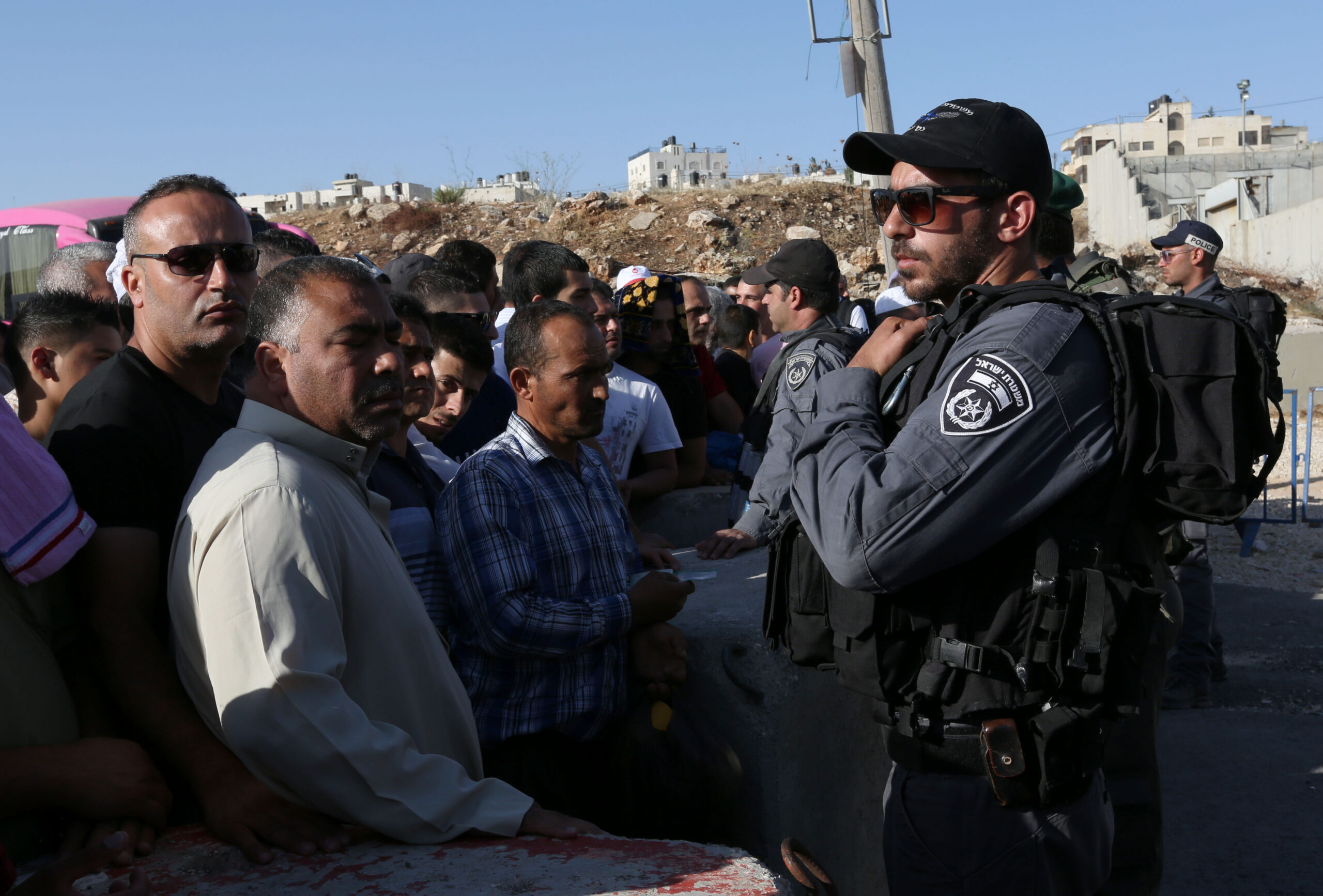
Challenging Israel’s exceptionalism in American politics
While support for Israel across the political spectrum remains strong in Washington, the traditional bipartisan consensus in favor of unconditional support for Israel has begun to fray in recent years.
As Israelis head to the polls once again, is the fourth time the charm?
Israelis are going to the polls on Tuesday for the fourth time in two years. But while the main issue in each of these elections has been to decide the fate of a single man, Prime Minister Benjamin Netanyahu, the political landscape has meanwhile been shifting significantly, primarily toward the right.
Out of ill-will and incompetence, Lebanese decision-makers continue to violate macroeconomics’ most fundamental principles in their handling of Lebanon’s financial meltdown. Erroneous — or worse still, inexistent — fiscal and monetary policy choices are amplifying by the day the devastating socioeconomic repercussions that the country will face for years, if not decades, to come.
Definitional doom: How Iran and Israel derail legal application in cyberspace
Despite the importance of cyberattacks, little has been written about the relationship between these attacks and the applicable law. States are still struggling with controversies involving definitions, even though there is wide applicability of both laws and norms in this context. As a result, cyberspace remains relatively anarchic and the continued controversies have impeded further progress. Although the global discussion has only just begun, it is clear that the rising prevalence of state-led cyber operations warrants a thoughtful, innovative, and immediate regulatory response. Pressure has been building on the governments of the Middle East to join the conversation as their relevance and power in the cyber domain grows.
“الحرب الخفية بين إيران وإسرائيل تدور رحاها الآن في الميادين الثلاثة: الجوي والبري والبحري. لكن نتيجتها ستُحسم في نهاية المطاف في ميدان الدبلوماسية والسياسة، وبشكل أساسي من خلال خيارات السياسة الأمريكية”.
The Biden Administration and the Middle East: Policy Recommendations for a Sustainable Way Forward
In a new policy briefing book, entitled The Biden Administration and the Middle East: Policy Recommendations for a Sustainable Way Forward, MEI scholars tackle a large number of country-specific and region-wide issue areas, laying out both the abiding U.S. interests and specific recommendations for Biden administration policies that can further U.S. interests amid a region in turmoil.
يستضيف إبراهيم الأصيل في هذه الحلقة مدير برنامج في معهد الشرق الأوسط كريس أبي نصايف للحديث عن إطلاق برنامج لبنان ومناقشة آخر التطورات في لبنان والدور الدولي المحتمل. — Ibrahim Al-Assil Chris Abi Nassif
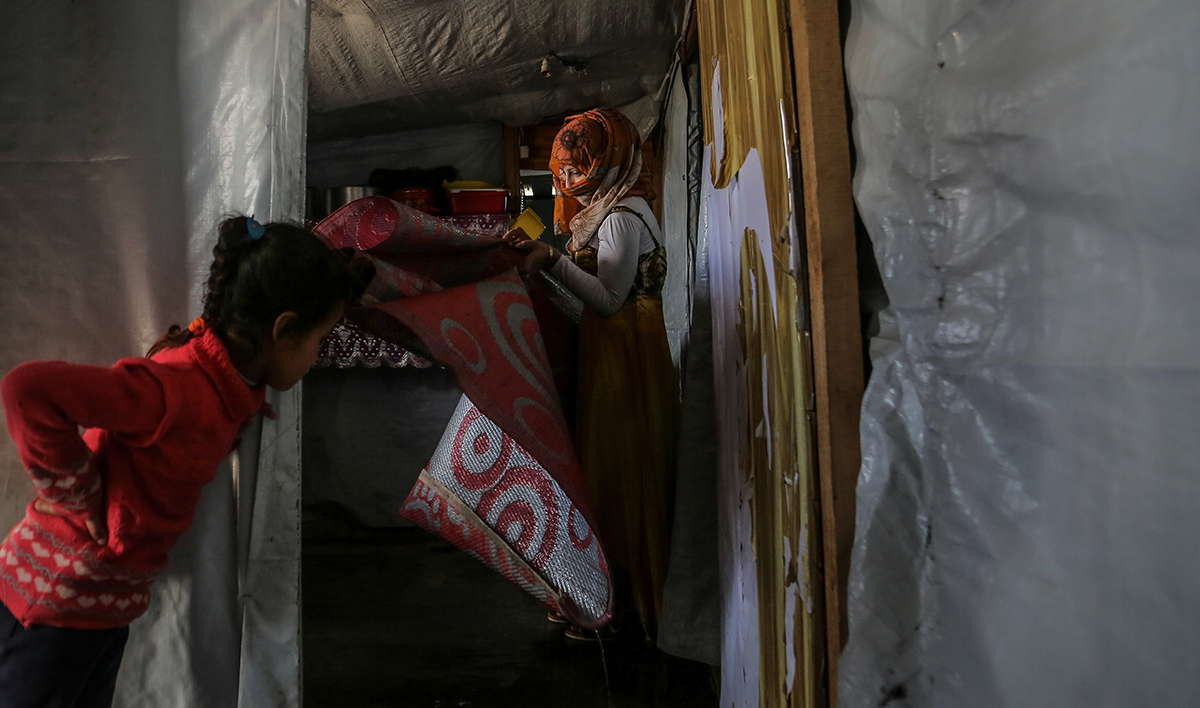
An unequal present and future in a COVID-19 world: The pandemic’s impact on refugee women in Lebanon
March 8 marks International Women’s Day and this year’s theme is “Women in Leadership: Achieving an Equal Future in a COVID-19 World.” However, refugee women and girls in Lebanon remain far behind the aspirations of the U.N.’s theme. This difficult situation is unlikely to change unless Lebanon ends its discriminatory policies toward refugees.