Skip to Content

Research & Commentary Results

Filter by
1466 Results
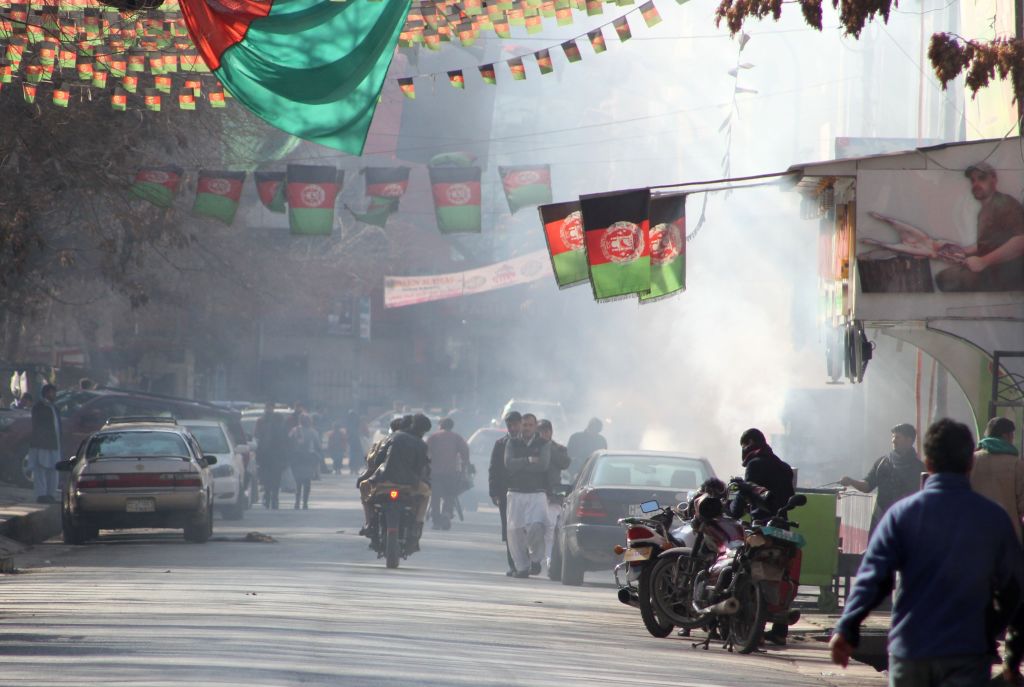
US policy in Afghanistan: Smoke and mirrors, but not yet hopeless
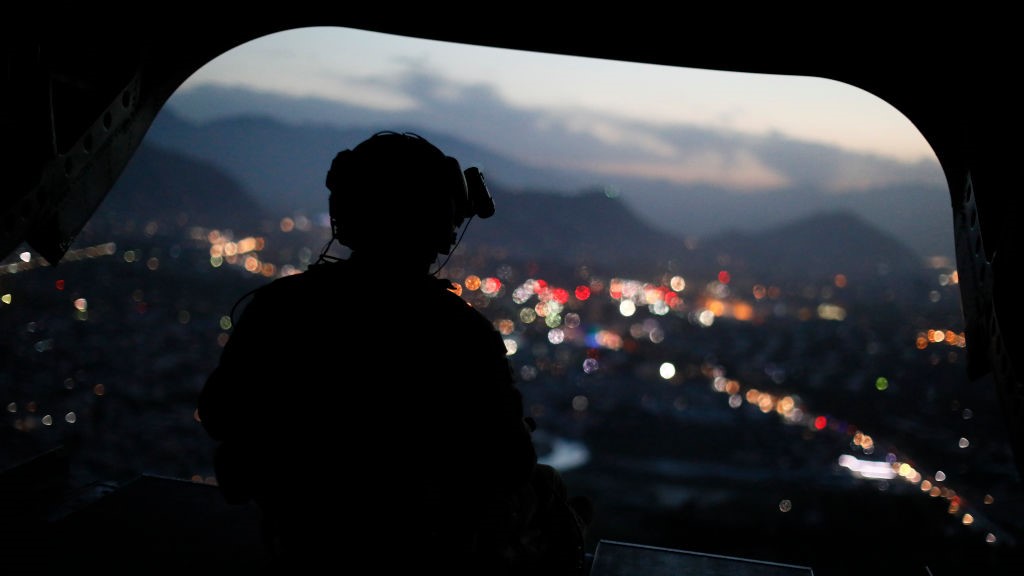
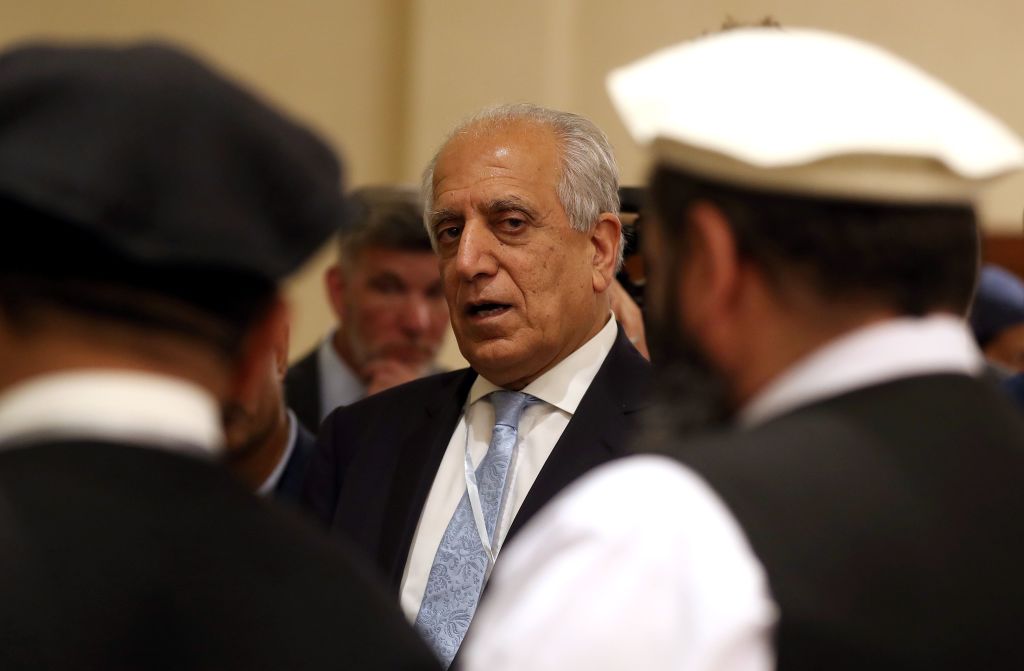
A US Army serviceman sits at the tailgate of an helicopter carrying US Defence Secretary, after leaving the Resolute Support headquarters, in the Afghan capital Kabul on April 24, 2017.
  • Analysis
  • US policy in Afghanistan: Smoke and mirrors, but not yet hopeless

    18 years after CIA and U.S. special operations elements touched down in Afghanistan to pursue al-Qaeda and topple the Taliban, ongoing, incremental troop reductions reveal the smoke and mirrors manner in which the U.S. is withdrawing from the conflict in lieu of a negotiated settlement.

    January 16, 2020

    Turkey’s westward energy shift
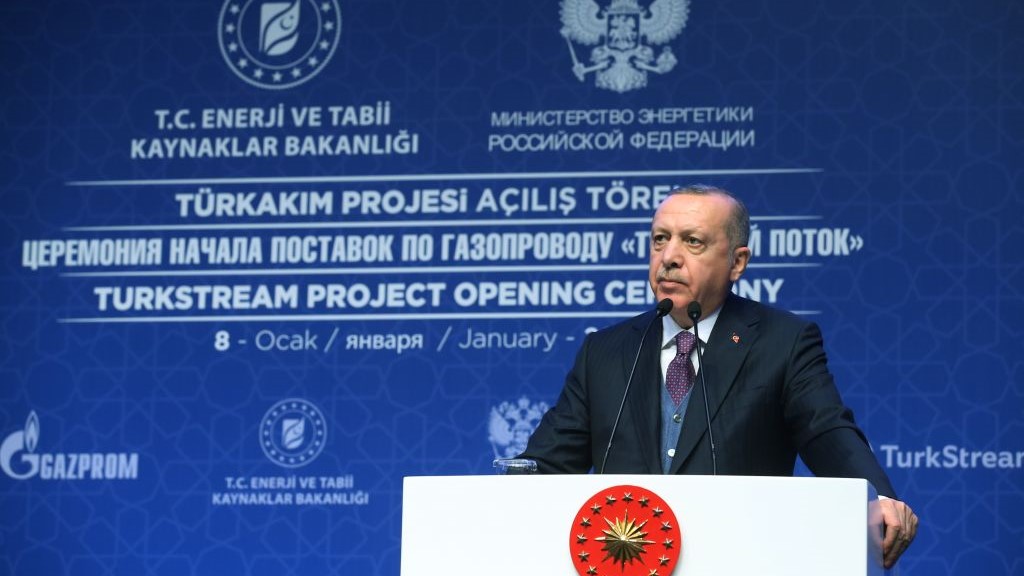
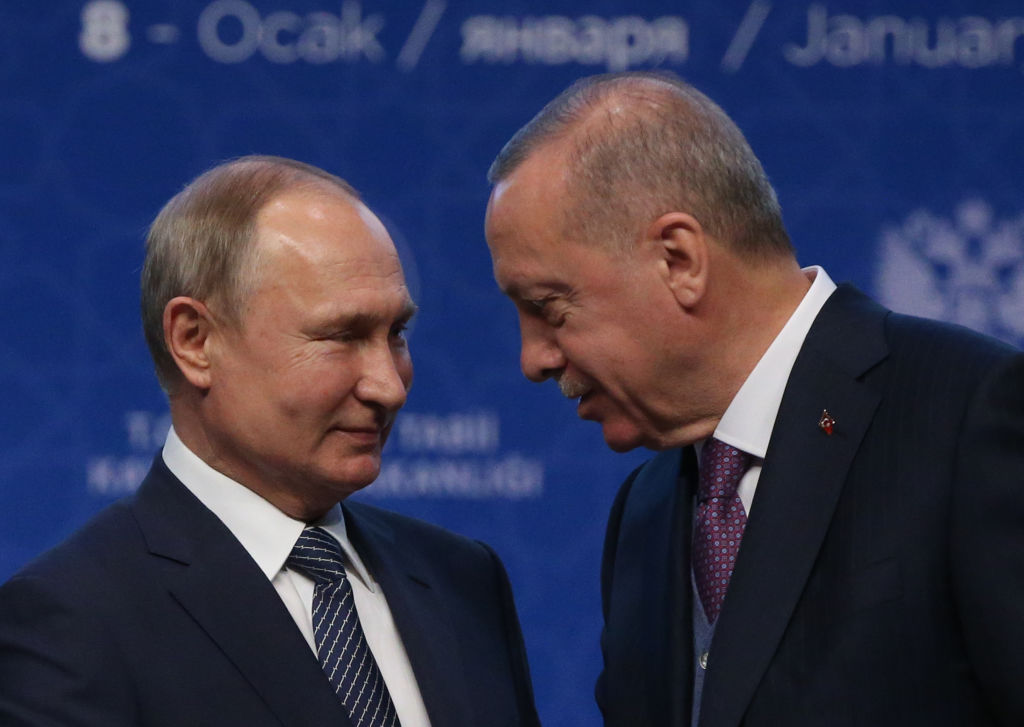
    President of Turkey Recep Tayyip Erdogan and his Russian counterpart Vladimir Putin (not seen) attend the opening ceremony of TurkStream natural gas pipeline project, at Halic Congress Center in Istanbul, Turkey on January 08, 2020.
  • Analysis
  • Turkey’s westward energy shift

    On Jan. 8, Turkey inaugurated the TurkStream natural gas pipeline from Russia, seemingly deepening Ankara’s ties with Moscow. However, a fuller analysis of Turkey’s current energy policies and consumption trends indicate a dramatic shift westward, away from Russia and Iran.

    January 15, 2020

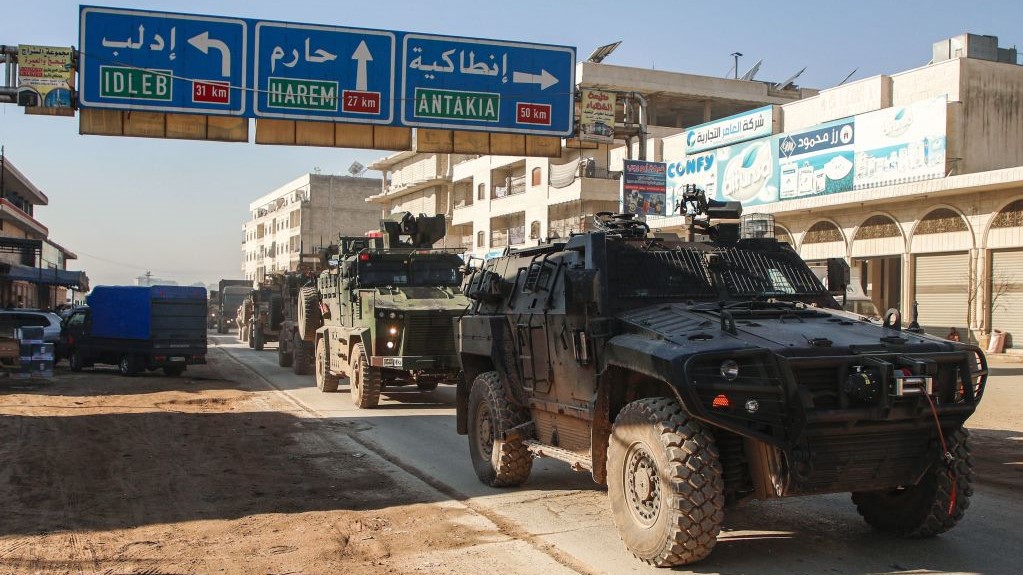
    Cease-fires in Idlib and Libya as Turkey looks to buy time
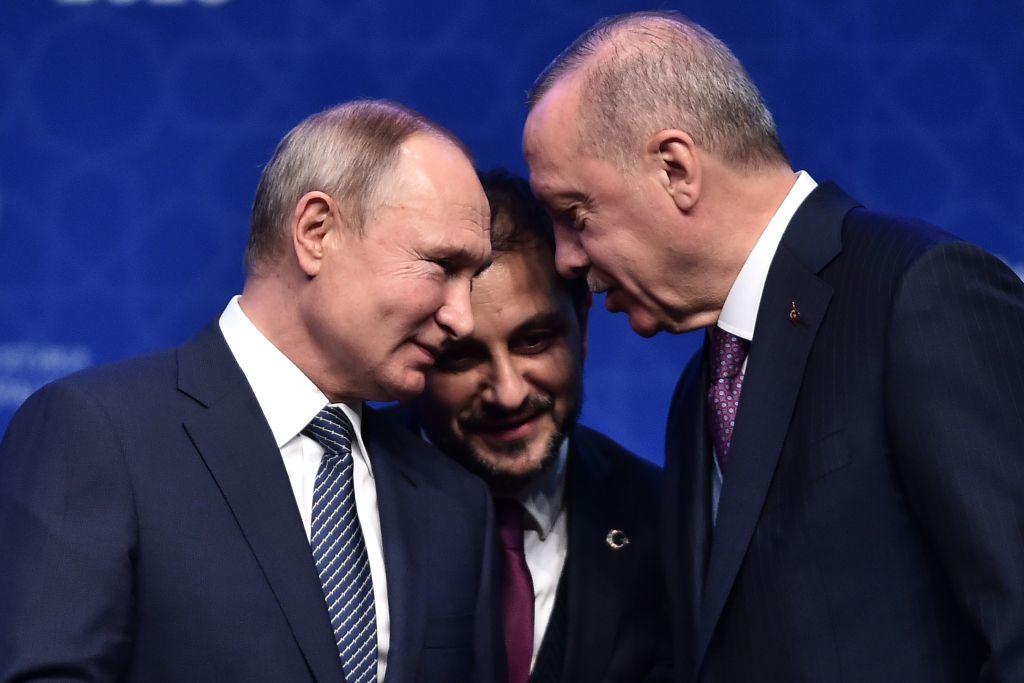
    Russian President Vladimir Putin (L) and Turkish President Recep Tayyip Erdogan (R) attend the opening ceremony of the TurkStream on January 08, 2020 in Istanbul, Turkey.
  • Commentary
  • Cease-fires in Idlib and Libya as Turkey looks to buy time

    It is increasingly the case that the Russian-Turkish decisions on Idlib or Syria need to be understood as part of a broader Russian-Turkish partnership.

    January 13, 2020

    Jihadism in South Asia: A militant landscape in flux
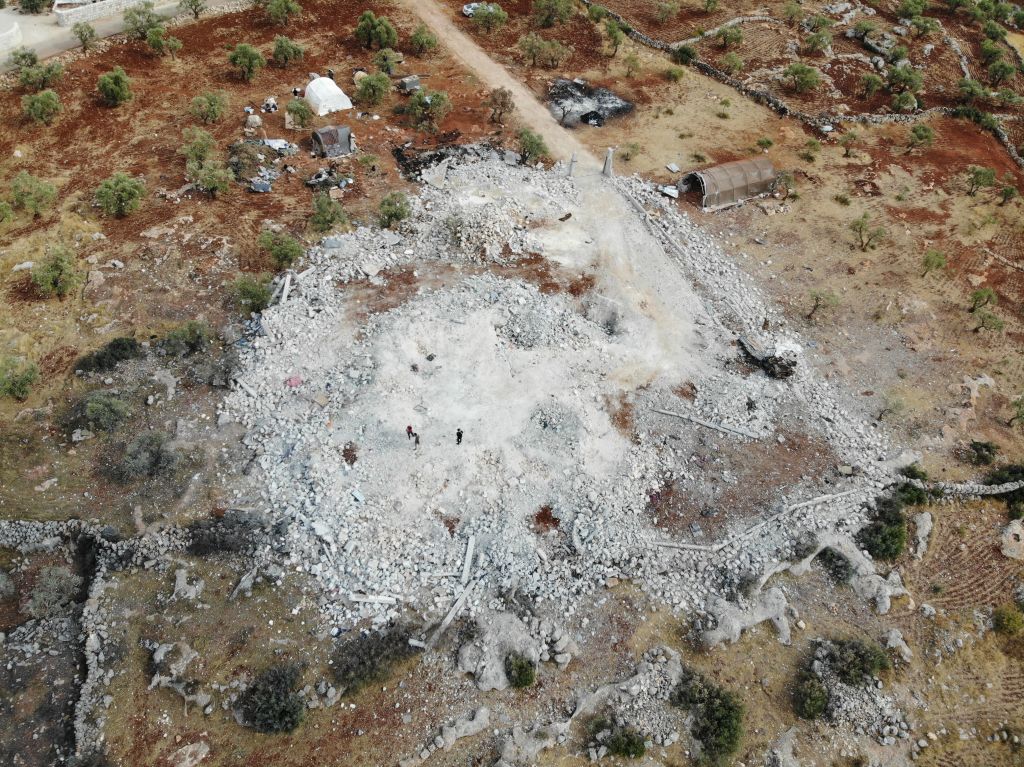
    An aerial view taken on November 1, 2019, shows the site where the Islamic State group leader Abu Bakr al-Baghdadi was reportedly killed according to US president Donald Trump, in a daring nighttime raid by US special forces near the small village of Barisha in northwestern Syria.
  • Analysis
  • Jihadism in South Asia: A militant landscape in flux

    Over the past five years, the focus of U.S. counterterrorism strategists has remained on the Middle East, especially after the emergence of ISIS in 2014, while Islamist terrorist organizations operating in South Asia have been considered a secondary threat. However, the fact remains that South Asia is home to more Islamist terrorist organizations than any other region of the world. Al-Qaeda was born there, in Afghanistan, and ISIS has roots in the region. But at the turn of the decade both global jihadist groups are now facing major challenges and the critical question is whether they will manage to survive this period of crisis amid a severe leadership vacuum following the death of ISIS’s supreme leader and caliph, Abu Bakr al-Baghdadi, and the killing of al-Qaeda heir apparent Hamza bin Laden. 
    January 8, 2020

    Storms on the horizon for Turkey in 2020
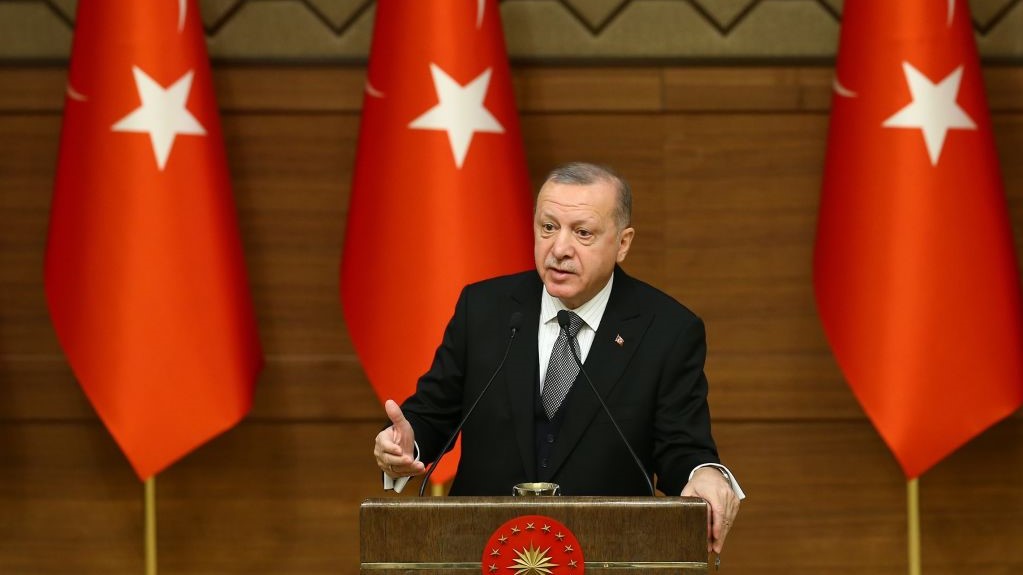
     Turkish President Recep Tayyip Erdogan makes a speech as he attends the Symposium on Urban Security at the Presidential Complex in Ankara, Turkey on January 02, 2020.
  • Commentary
  • Storms on the horizon for Turkey in 2020

    Erdogan may want to hold early elections in 2020 to mitigate the fallout of a worsening economy and deny the new parties enough time to organize.

    What do recent successes against ISIS mean for a US withdrawal from Afghanistan?
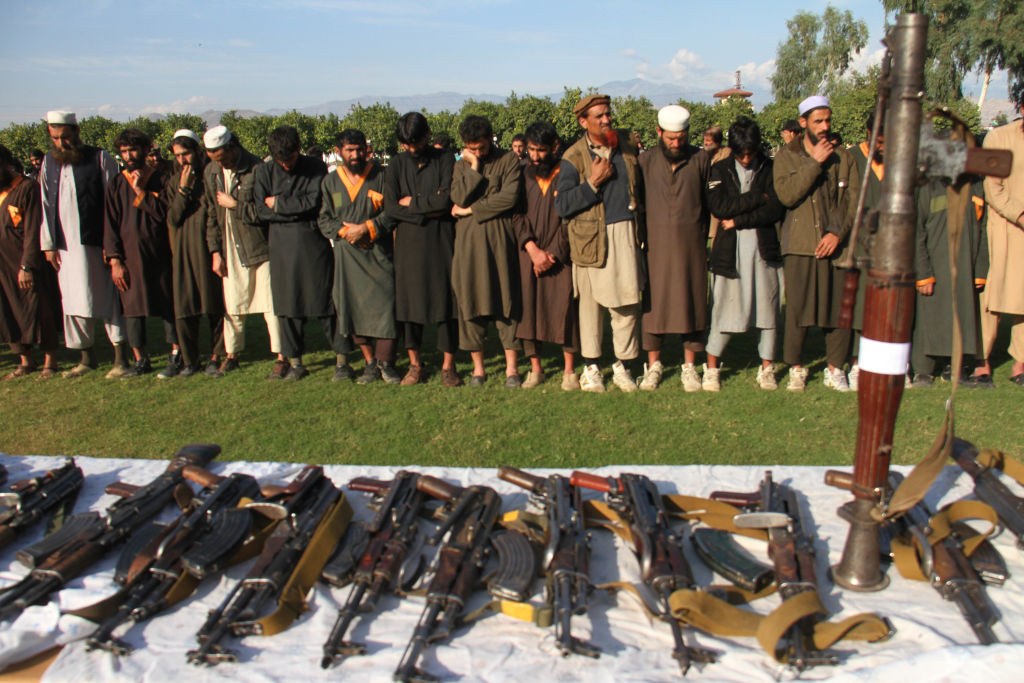
    Member of the Islamic state ISIS militants stand alongside their weapons, as they surrendered to government in Jalalabad, Nangarhar, Afghanistan on November 17, 2019.
  • Analysis
  • What do recent successes against ISIS mean for a US withdrawal from Afghanistan?

    Afghan security forces, working in concert with U.S. airpower, have launched a series of successful attacks in eastern Afghanistan on ISIS forces, which operate locally under the banner of ISKP. Simultaneously, the Taliban has conducted its own military campaign against ISKP in the same region. These campaigns have significantly degraded ISKP’s position in eastern Afghanistan, a development that may well increase the likelihood of an eventual U.S.-Taliban peace deal.

    December 23, 2019

    The Syrian refugee crisis brings Turkey and Hungary closer together
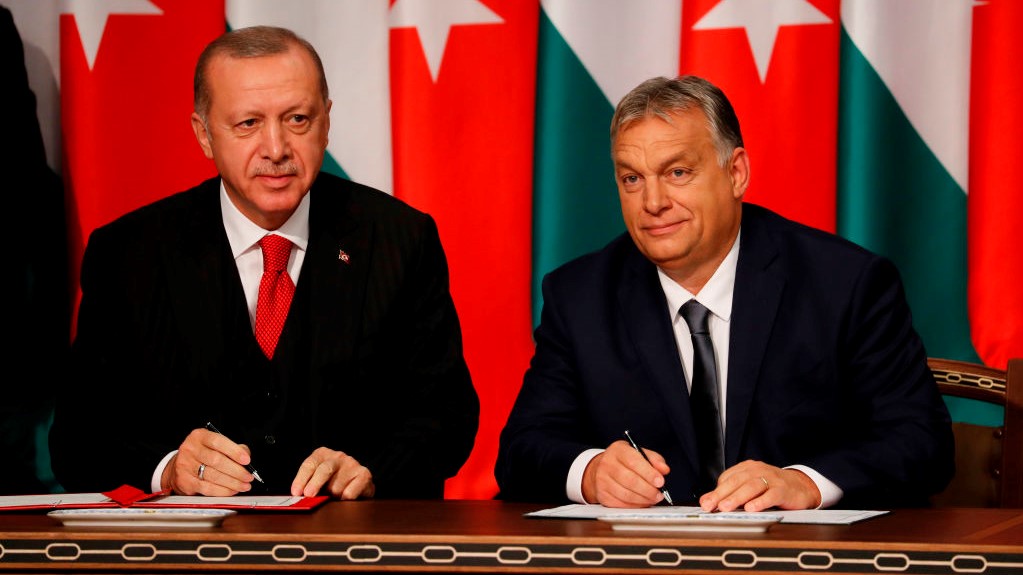
    Turkish President Recep Tayyip Erdogan (L) poses with Hungarian Prime minister Viktor Orbán after they met for discussions on Syria and migration on November 7, 2019 in Budapest, Hungary.
  • Analysis
  • The Syrian refugee crisis brings Turkey and Hungary closer together

    Having raised eyebrows among many European officials with rhetoric targeting Syrian and other Middle Eastern/North African refugees in Hungary, Hungarian Prime Minister Viktor Orbán sees the return of Syrian refugees to their home country as serving vital Hungarian and European interests. As Hungary continues to align closely with Russia while deepening its ties with Turkey and other non-Western governments, Budapest’s foreign policy is eroding an EU consensus.

    December 23, 2019

    Reviewing the Middle East in 2019
    Middle East Institute
  • Podcast
  • Reviewing the Middle East in 2019

    In our annual year in review episode, MEI experts Paul Salem, Gonul Tol, Charles Lister, Alex Vatanka, Marvin Weinbaum, and Mirette Mabrouk sit with host Alistair Taylor to discuss the key events across the region in 2019, what surprised them, and where things stand as we head into 2020.

    December 19, 2019

    Femicide in Turkey: What’s lacking is political will
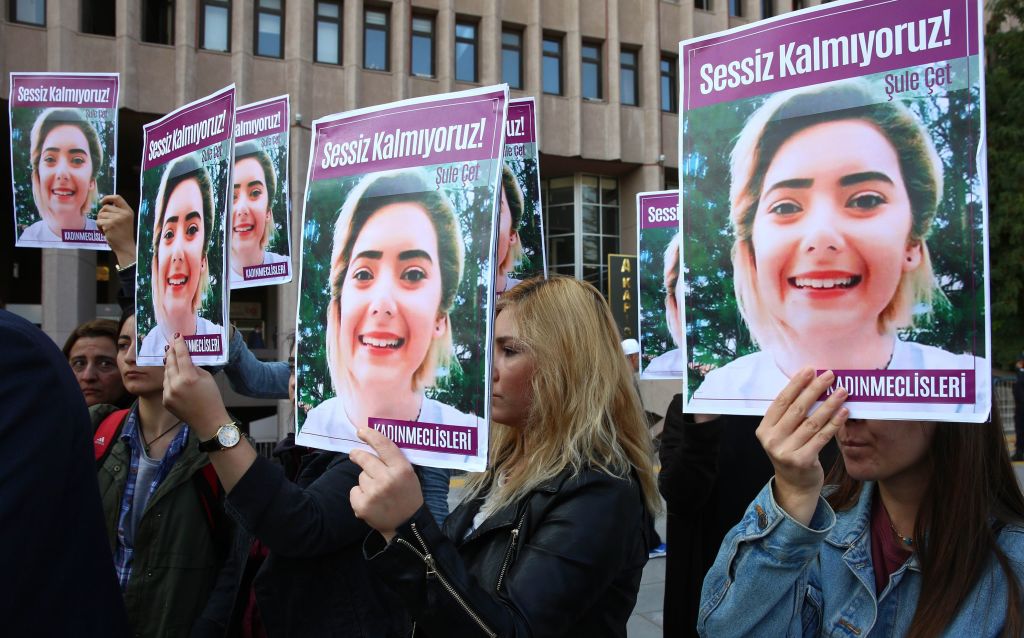
    Women protest femicide before the trial regarding the death of Sule Cet, who was allegedly killed by being thrown off the 20th floor of a luxury building in Ankara, on November 8, 2018.
  • Analysis
  • Femicide in Turkey: What’s lacking is political will

    Women in Turkey are subjected to violence regardless of socio-economic status. Unlike many countries around the world, laws are in place to prevent and combat violence against women. But sadly, when it comes to implementing these laws, failures leave women unprotected against male violence. The government’s patriarchal approach is one of the main barriers to the implementation of legislation already on the books.

    December 18, 2019

    Georgia through a Middle East lens
    This aerial photograph taken on September 22, 2018, shows The River Kura (Mtkvari) in the Georgian capital Tbilisi.
  • Analysis
  • Georgia through a Middle East lens

    Given their territorial proximity, the regional actors of the Middle East have always had an interest in Georgia and the South Caucasus as a window to Europe. The collapse of the Soviet Union brought an end to Georgia’s isolation, and in the years since the country has gradually started reclaiming its historical role as a cultural and economic crossroads between Asia, the Middle East, and Europe.

    December 16, 2019