Defense Rapid Reaction: The threat of armed drones
As unmanned aerial vehicle (UAV) technology becomes ever cheaper and more accessible, the threat of armed and GPS-guided drones is becoming a serious problem for U.S. forces in theater. In the past few months, Iranian-backed Iraqi militias have used small drones armed with explosives to attack Iraqi military bases housing U.S. forces several times, and the threat posed by such UAVs is only likely to grow in the months and years to come. Experts from MEI’s Defense & Security Program weigh in with their thoughts on how the U.S. should respond to this emerging threat, as part of the new Defense Rapid Reaction series.
The EU in the Black Sea is absent, but highly desired
The Memorandum of Understanding signed recently by Georgia, Moldova, and Ukraine on enhanced cooperation toward European Union (EU) membership highlights both progress and overall shortcomings of the EU’s Eastern policy. Despite the Union enlarging to the East in 2004 and 2007 – and the fact that Russian aggression has long been felt on EU territory – the bloc’s Eastern policy still does not reflect realities on the ground. However, the recent buildup of Russian military in Ukraine, as well as the deployment of Russian ‘peacekeepers’ in Nagorno-Karabakh, has created momentum for an urgently needed rethink of the Union’s Eastern neighborhood policy.
Black Sea security: Is COVID-19 a window of opportunity for Ukraine?
The Black Sea region is currently managing military pressure from Russia, the economic influence of China, and soft power efforts of the West, making it a stage for power competition. With COVID-19 exacerbating Ukraine’s political weaknesses and economic vulnerabilities, Russia and China are increasingly adopting a united front in the Black Sea. Such geopolitical changes in power distribution require more active presence and involvement of the U.S. in the Black Sea.
Tehran and Moscow: Alignment and Divergence in the Caspian
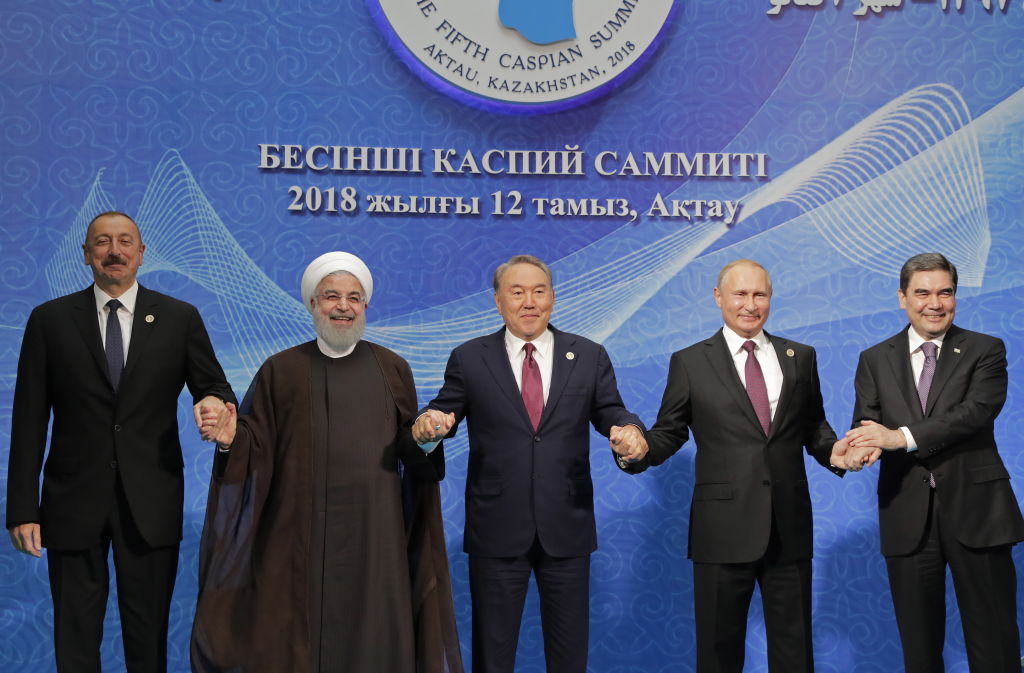
The complexities, converging interests, and persistent tensions marking Iranian-Russian relationships are evident in their policies toward the Caspian Sea region. Iran and Russia are the two largest countries that border the sea, the world’s largest inland body of water. The Caspian region therefore provides many opportunities for diplomatic, economic, and military engagement between Iran and Russia. Some issues of mutual importance relating to the Caspian include the Nagorno-Karabakh War, the Afghanistan and Iraq conflicts, NATO partnerships in the Caucasus region, and the construction of trans-Caspian pipelines.
The U.S. must ensure NATO’s door remains open to Georgia and Ukraine
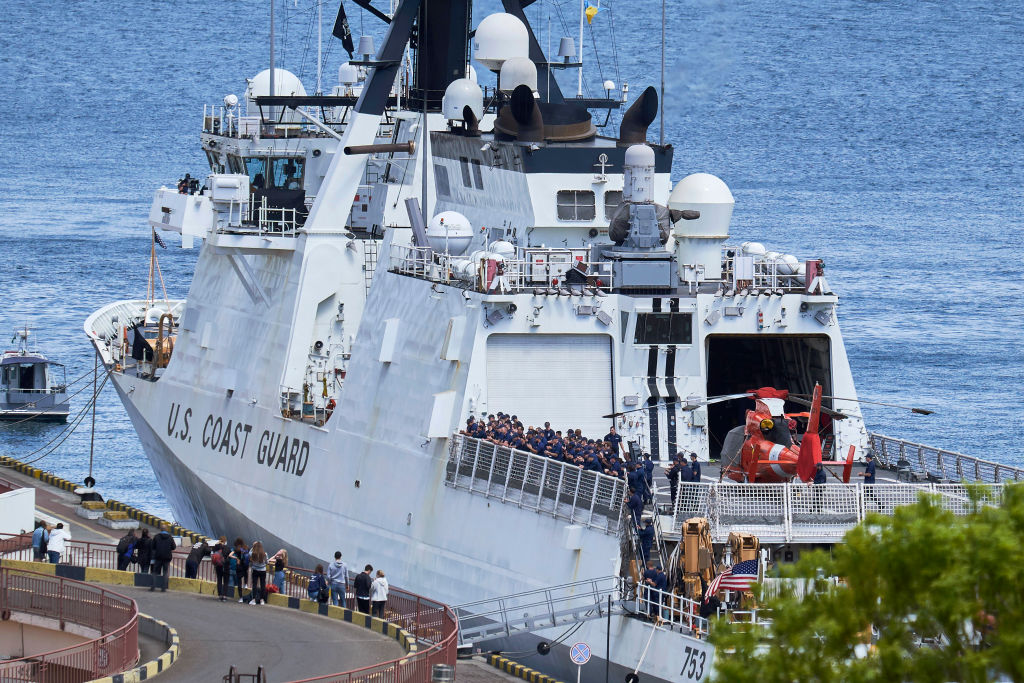
The USCGC Hamilton recently completed a visit around the Black Sea. This visit was notable for a couple of reasons. First, this was the first time the United States Coast Guard has operated in the Black Sea since 2008 when Russia invaded Georgia. Second, this U.S. deployment to the Black Sea came on the heels of a sizable Russian military buildup in the region.
Blinken’s visit to Kiev showed solidarity, but a strategic approach is still desperately needed
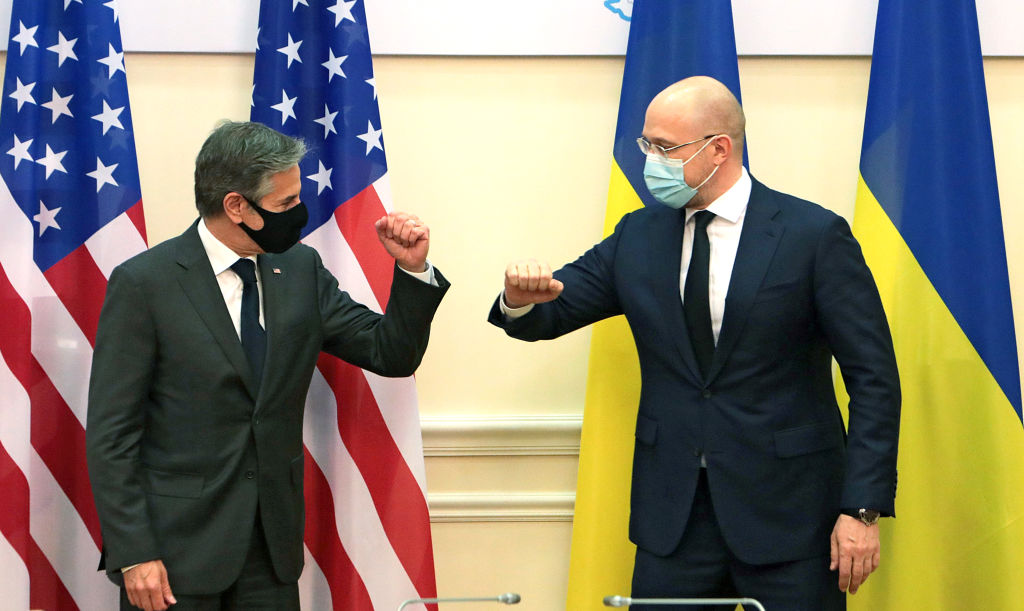
The recent visit of Secretary Anthony Blinken and Under Secretary Victoria Nuland to Kiev demonstrated the urgency of Ukrainian security and Russian aggression. The visit, however, occurred on shaky grounds, with three main obstacles preventing Ukraine from making significant progress in its partnership with the U.S. First, Ukrainian President Volodymyr Zelensky’s limited progress on democratic reforms. Second, Western Europe’s lukewarm support for Ukraine and against Russian aggression. And third, Russia’s diversionary policy.
Is Russia prepared for an open-ended conflict in Syria?
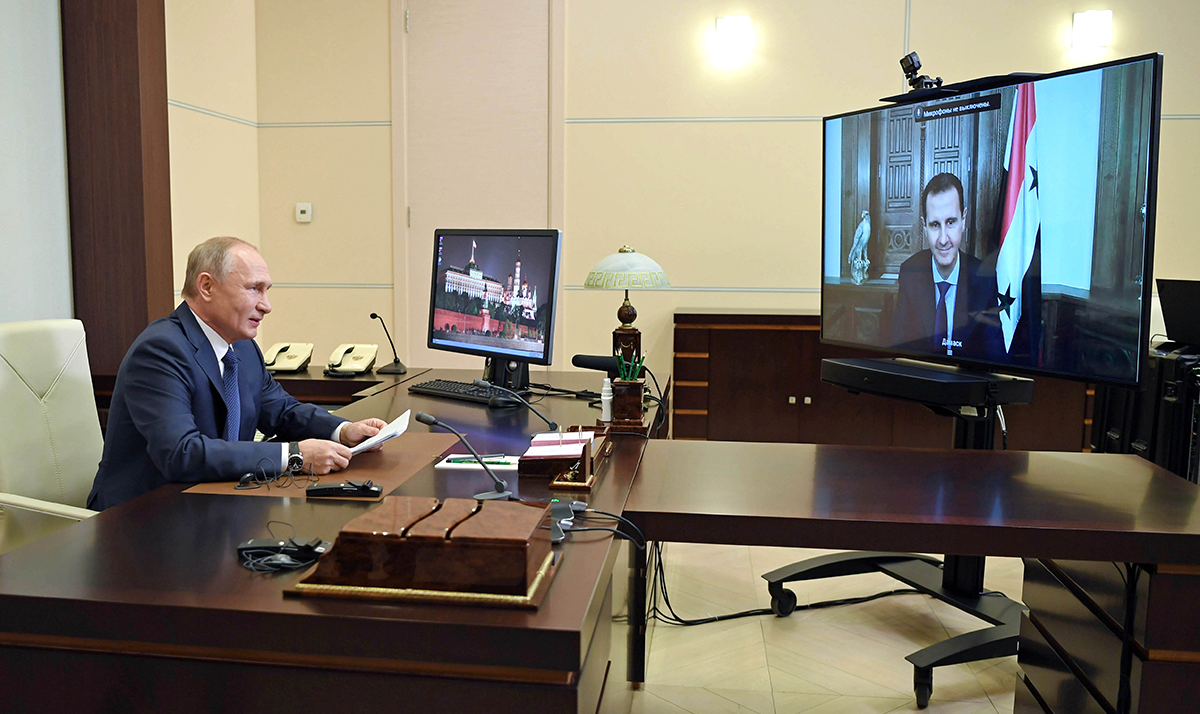
Russia’s key foreign policy dilemma is the tension between its aspirations of retaining its Soviet-era geopolitical clout and its lack of ideological and economic tools to achieve that goal. From a strategic standpoint, Russia’s campaign in Syria seems like an open-ended story that bears some resemblance to the situation in Ukraine. These similarities in Russia’s methods are not accidental. The Kremlin lacks the ability to impose its foreign policy blueprint on the West and can only leverage its power to stir up trouble in unstable regions.
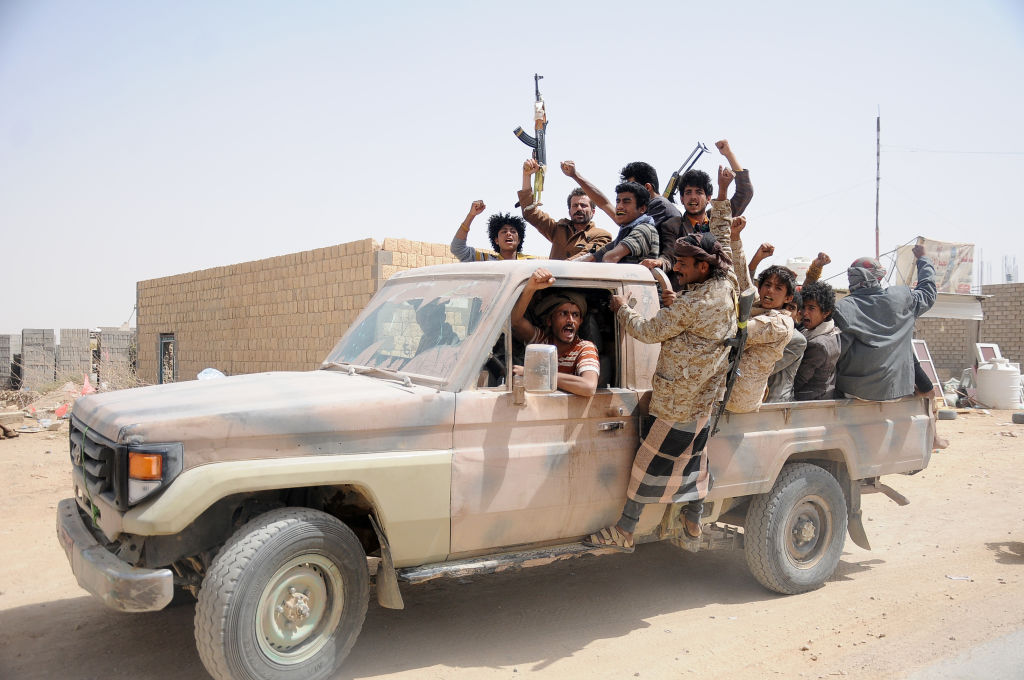
President Joe Biden’s commitment to “stepping up” diplomacy to end the war in Yemen generated hope among peace practitioners and policy shapers. In February, the president appointed Tim Lenderking, a seasoned diplomat with solid experience in the region, as the U.S. special envoy to Yemen.
CAATSA sanctions are hurting Turkey’s military readiness at a time when NATO can’t afford it
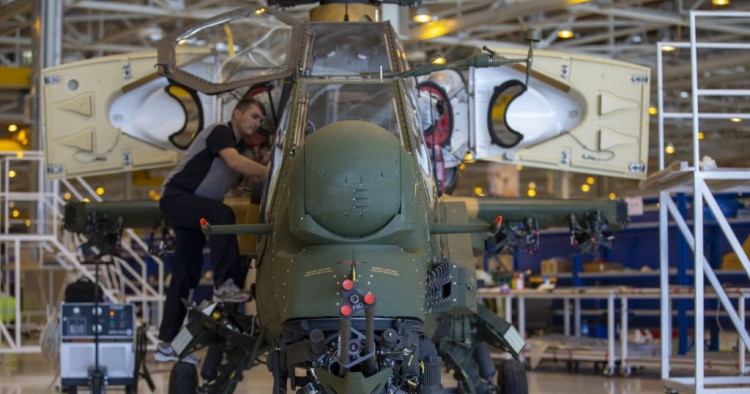
On Dec. 14, 2020, the Trump administration sanctioned Turkey’s Presidency of Defense Industries (SSB), along with key individuals involved in the purchase of the Russian–made S-400 surface-to-air missile system. The sanctions were issued under the 2017 Countering America’s Adversaries Through Sanctions Act (CAATSA), a law intended to punish Russia for a wide range of malign activities.
كيف ساهمت سياسات الإدارة الذاتية في عودة نشاط "داعش"؟
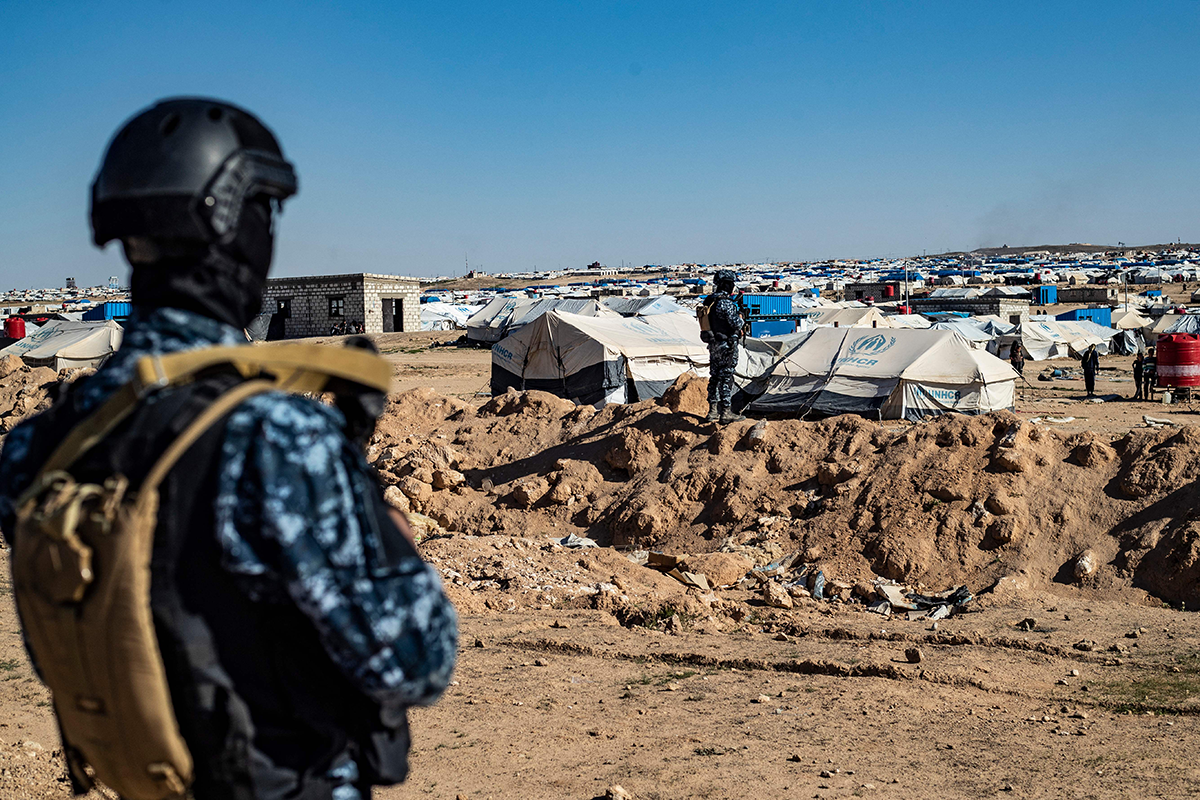
الرغم من مرور أكثر من عامين على تحرير مخيم الباغوز في محافظة ديرالزور، والذي كان آخر معاقل تنظيم “داعش” في سورية، ومحاولات التحالف الدولي وحليفته الإدارة الذاتية ارساء الاستقرار في مناطق شرق الفرات ومنع عودة التنظيم إلى واجهة الأحداث، إلا أن التنظيم لازال يمارس نشاطه وعملياته الأمنية في المنطقة، والتي تشهد تزايداً ملحوظاً مع مرور الزمن خاصة في العامين الأخيرين.
The Autonomous Territorial Unit of Gagauzia: A new focal point for Russo-Turkish competition?
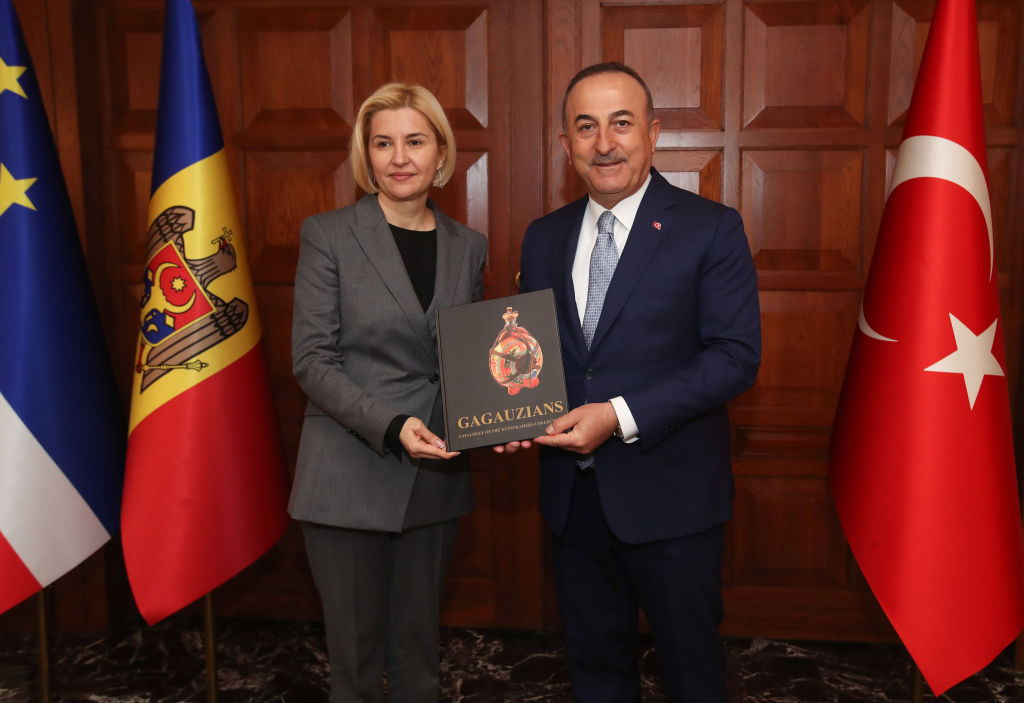
Although many policymakers and commentators in the West tend to see Turkish President Recep Tayyip Erdoğan and Russian President Vladimir Putin as often working together, history shows us that the natural state of affairs between Russia and Turkey is one of competition, confrontation, and even conflict.
Recent geopolitical events remind us of this. However, there is another area to keep an eye on that serves as a historical and cultural fault line of Turkish and Russian geopolitical rivalry: the Autonomous Territorial Unit of Gagauzia located in southern Moldova.
Expert Views: The Biden administration and the Middle East: Reflecting on the first 100 days
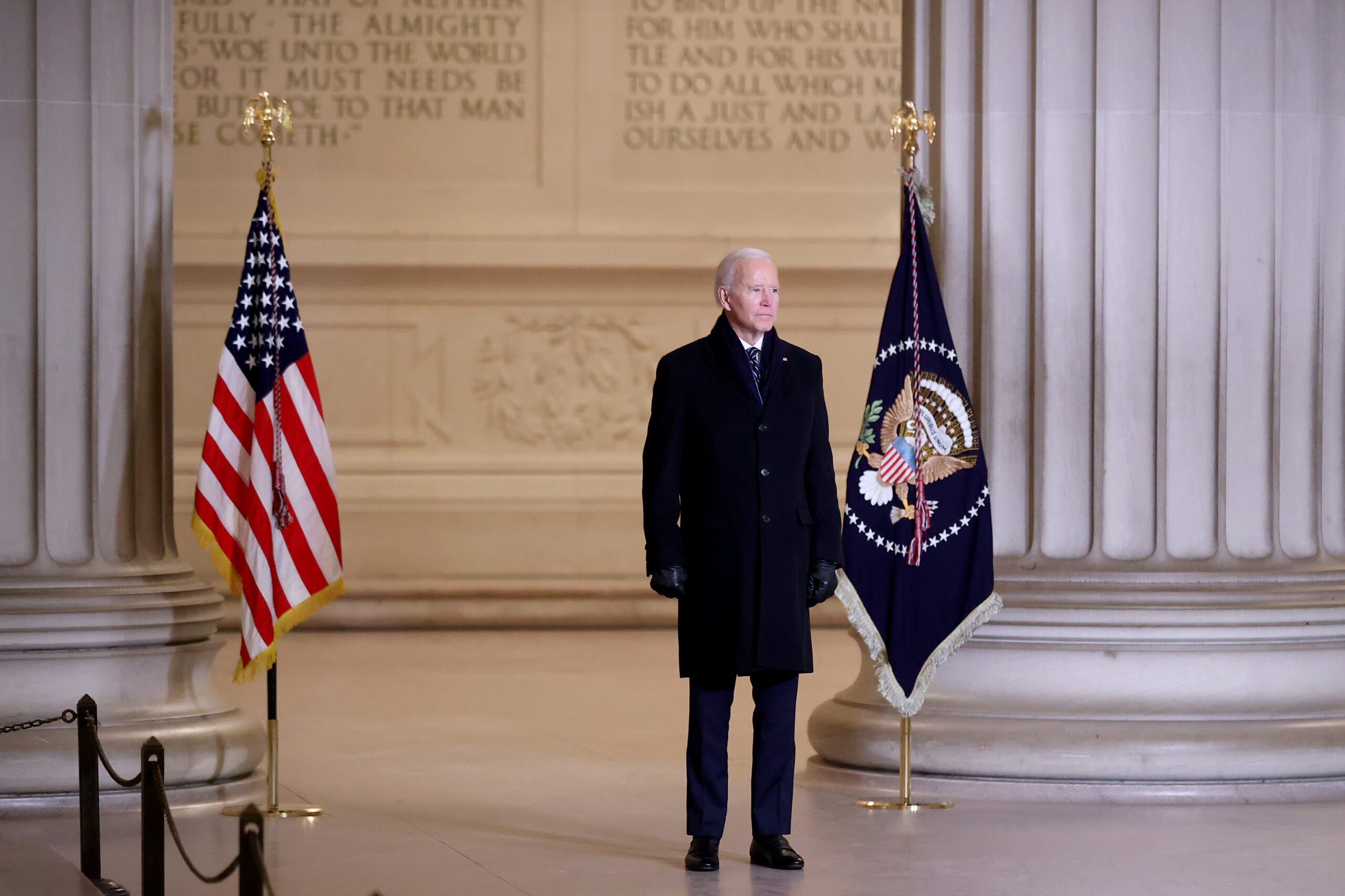
At the end of Joe Biden’s first 100 days as president of the United States, where do things stand when it comes to U.S. policy toward the Middle East and North Africa? We asked experts and scholars from across MEI to weigh in with their thoughts on the changes we’ve seen so far, the new challenges that have emerged, and what we know about the administration’s key priorities for the region.
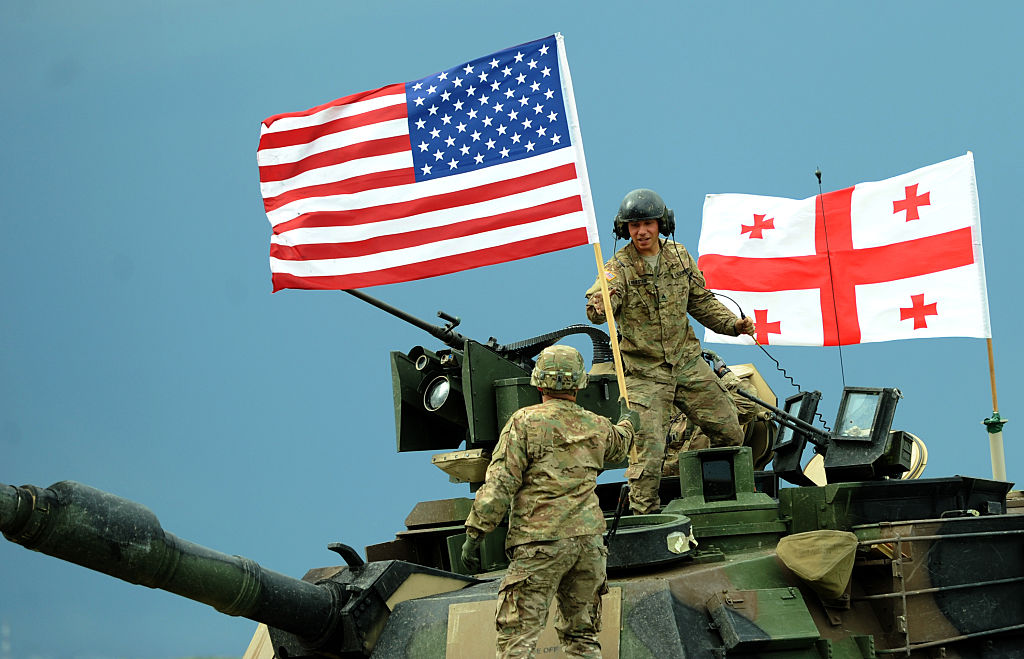
United States partnerships with Georgia and Ukraine: Prospects for advancing military cooperation
A spotlight has been cast over the Black Sea region for the past two decades. Located at the geopolitical junction of Western Europe, Russia, and the Middle East, the Black Sea littoral states have partnered with Western powers on global counterinsurgency and anti-terrorism efforts. Simultaneously, the Black Sea region continues to face insecurities triggered by enduring great power competition. The importance of stability in the Black Sea region has long been recognized by the West.
Ukraine is an intractable problem, made worse by a lack of strategy
There are three clear steps the Biden administration must take if it hopes to de-escalate the crisis with Russia in Eastern Europe without being drawn into conflict. First, recognize that the Normandy Format has failed. Second, take the lead on peace negotiations with Russia. And third, shape a strategy for the Black Sea region.
The Roadblocks to a Regional Security Dialogue in the Middle East
It’s easy to see why there’s an enduring attraction for a regional security dialogue in the Middle East. Countries in the region face shared and borderless challenges — including terrorism, insurgency, environmental safety, arms races, cybersecurity, maritime piracy, and the proliferation of weapons of mass destruction — that can be dealt with more effectively through multilateral measures.