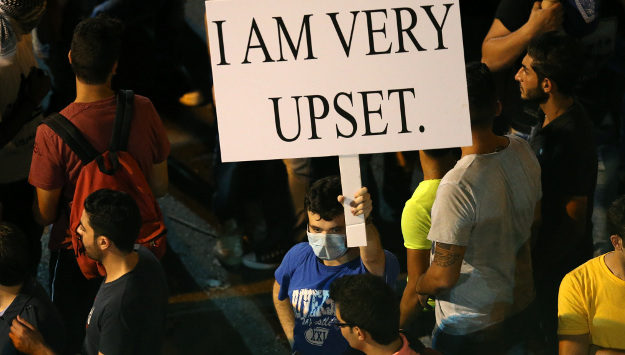
Lebanese have long suffered through water shortages, regular electricity blackouts, a leaking sewage system and poor health and education services. But as trash has piled up on the streets in recent weeks, it looks like the people of Lebanon have had enough.
“You Stink” is the message they are sending. And the campaign might just succeed where others have failed.
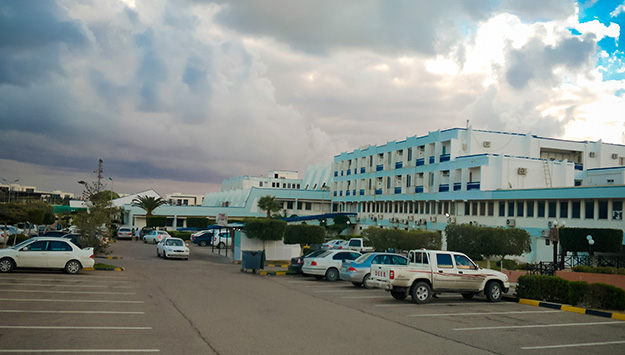
MEI spoke with Reida El Oakley, Libya’s minister of health, about the state of health care in the country and how Libya could receive the funding it desperately needs.
This article was originally published by the Foundation for Middle East Peace.
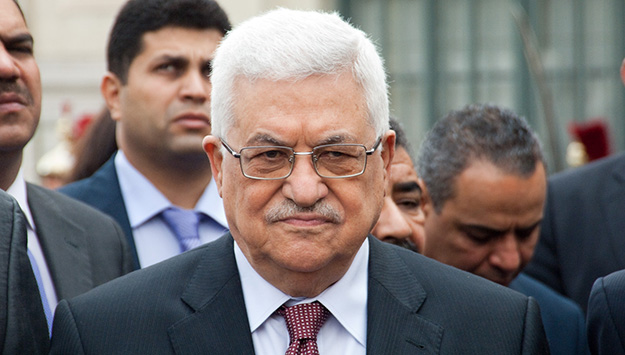
On Saturday, local and international media outlets reported that Palestinian President Mahmoud Abbas had formally announced his resignation from another organization he heads: the Palestine Liberation Organization (PLO). Specifically the reports said Abbas had quit his role as chairman of the Executive Committee, the highest decision-making body in the PLO.
The Multinational Force of Observers and the Sinai Storm
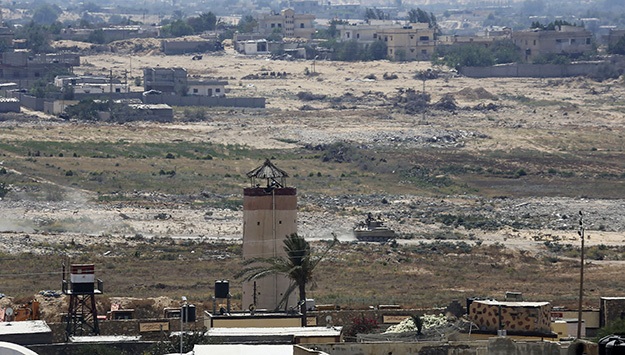
The 1,667-strong contingent of U.S. and international forces that make up the Multinational Force of Observers (MFO) in Egypt’s Sinai Peninsula is in a tough spot. The ongoing failure of the Egyptian government’s war against the ISIS-led rebellion there has shredded the MFO’s mandate to monitor Egyptian and Israeli adherence to their peace treaty. Sinai’s descent into anarchy also puts outnumbered and outgunned U.S. troops in the only location other than Iraq that confronts ISIS in an active theater of war.
The ironies of modern Turkey’s history seem to be emerging in sharper relief. On Sunday, August 30, Turkey will celebrate its signal victory of 1922, which capped the struggle of Kemal Ataturk, Turkey’s founding father, to secure the country’s freedom. From the beginning of that war of liberation until final victory, Ataturk worked tirelessly to gain the support of all Turks for the fight for independence. That victory of 1922 was a military triumph, but it also reflected the power of a united people to bring a dream to reality.
The Kurdish PYD & the Challenge of Rebuilding a Syrian State
The United States’ unprecedented close air combat support to the PYD, a Syrian Kurdish political party and its associated militia, has helped the PYD drive back the Islamic State’s forces from a long strip along the Turkish border, handing ISIS its greatest defeat in Syria to date. The airstrikes have also enabled the PYD to consolidate its hold on Syrian Kurdish territories, and it has launched an ambitious autonomous governance project creating new administrations to manage local affairs.
Donor Challenges and Opportunities for Meeting the Health Needs of Conflict-Affected Communities
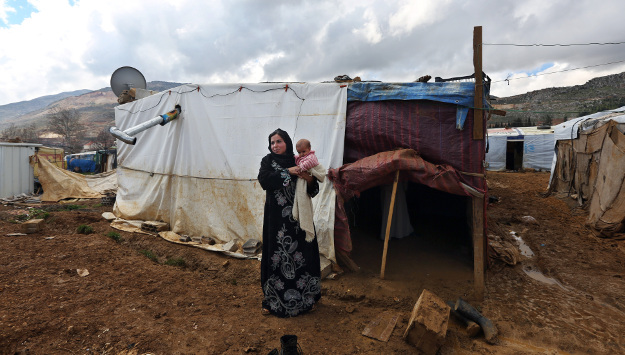
Conflicts in the Middle East, especially the Syrian conflict, are stretching the humanitarian community more than ever before. There are almost 60 million displaced people around the world, the largest exodus in recorded history; nearly a quarter of whom are from the Middle East, with 20% from the Syrian conflict alone. As the region generating the most displacement and the host to the largest number of displaced persons, the Middle East presents unique challenges for the international community, including donors like us at USAID.
Jordan’s future energy landscape is slowly taking form. Despite a population of less than seven million and almost no conventional hydrocarbon resources, Jordan has emerged as a relatively stable market for energy investment as the small nation attempts to diversify its energy mix, increase energy independence, and meet growing demand. Investment in Jordan’s energy sector, in contrast to energy sector growth in Egypt, Israel, and other regional powers, is largely fueled by the country’s lack of conventional energy sources.
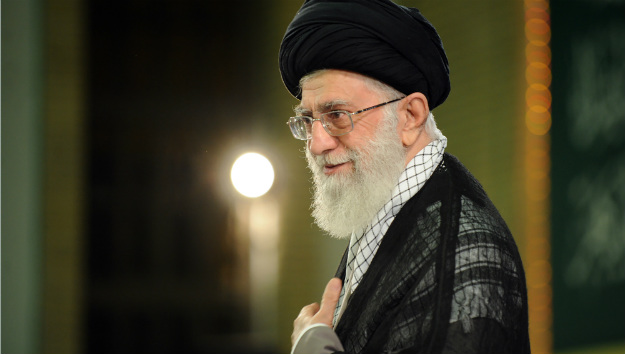
In the United States the nuclear deal with Iran has become a political football of historic proportions, but that hasn’t been the case in Iran. Why not? Most likely it is because for Iran’s Supreme Leader, Ayatollah Ali Khamenei, there is no viable alternative to the Joint Comprehensive Plan of Action (JCPOA). It’s a choice between a deal with the world community or more isolation and economic pain, as well as the social-political uncertainty at home that could come with it.
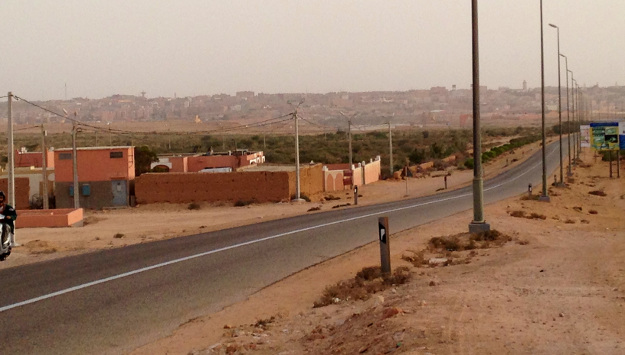
Morocco’s Counterterrorism Strategy: Implications for Western Sahara
In October 2014 the Moroccan Ministry of the Interior launched an enhanced effort to combat threats of terrorism through a strategy called Operation Hadar.
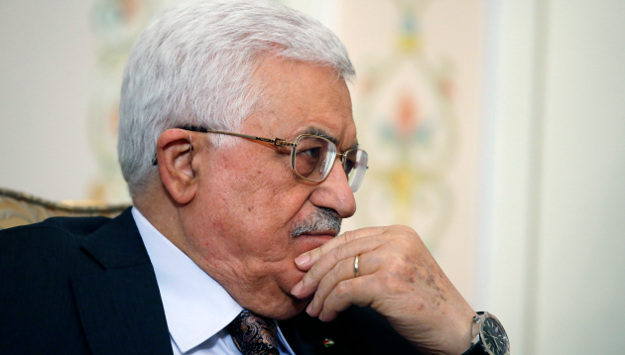
In the coming months, we can expect that Palestinian President Mahmoud Abbas will no longer occupy the executive leadership position in the muqata, the interim Palestinian government headquarters in Ramallah. His age and his repeated insistence that he does not plan to run in new elections, as well as his most recent comments about his willingness to resign, point to this fact.
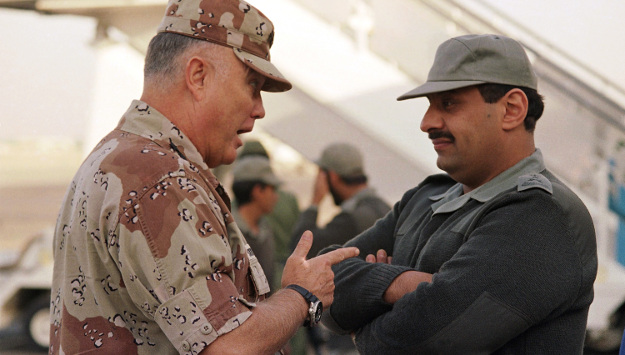
Twenty-five years ago, on August 7th 1990, an American interagency team walked into an urgent meeting with King Fahd of Saudi Arabia, not knowing what would happen. A week earlier Iraq had seized Kuwait. The Americans feared that the Iraqi Army might keep going, seizing the Saudi oil fields. As a result of decisions made at that August 7th meeting, Iraq and terrorism have dominated American foreign policy for three decades and continue to do so.
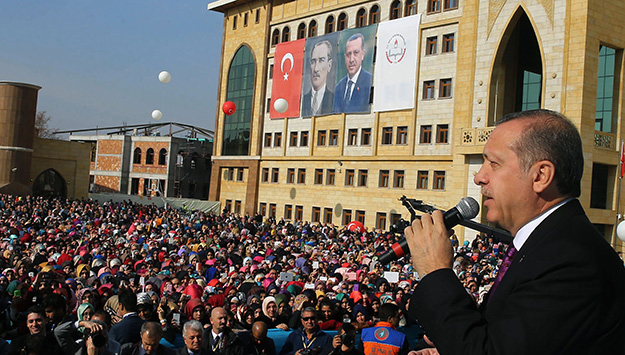
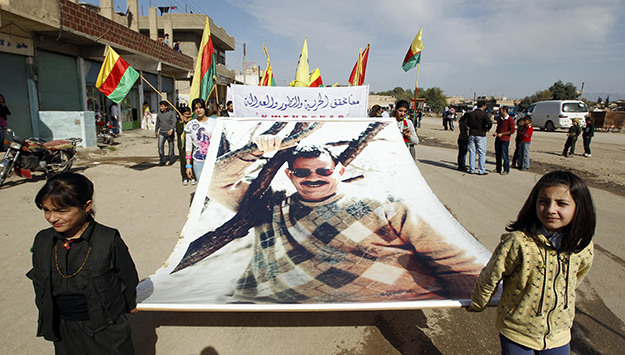
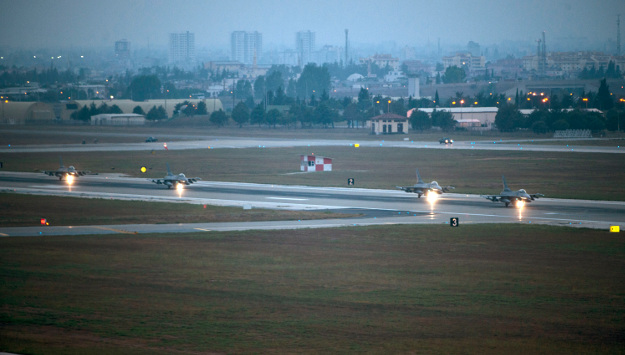
After months of hesitation to take action against the Islamic State (ISIS) and almost two years of quiet since a 2013 truce with the Kurdistan Workers’ Party (PKK), Turkey decided to pick a fight with both. It has been pounding Islamic State targets in Syria and PKK positions in northern Iraq.
If the hallmark of al-Qa‘ida was to execute simultaneous spectacular attacks to advance its strategic momentum, the month of Ramadan in June and July showed that the Islamic State (ISIS) is taking this tactic to a new level. Yet the extreme amounts of blood shed during the holy month will likely ultimately weaken ISIS, as tribes and other groups in Syria and Iraq, even more appalled by the organization’s barbarism, unite against it.