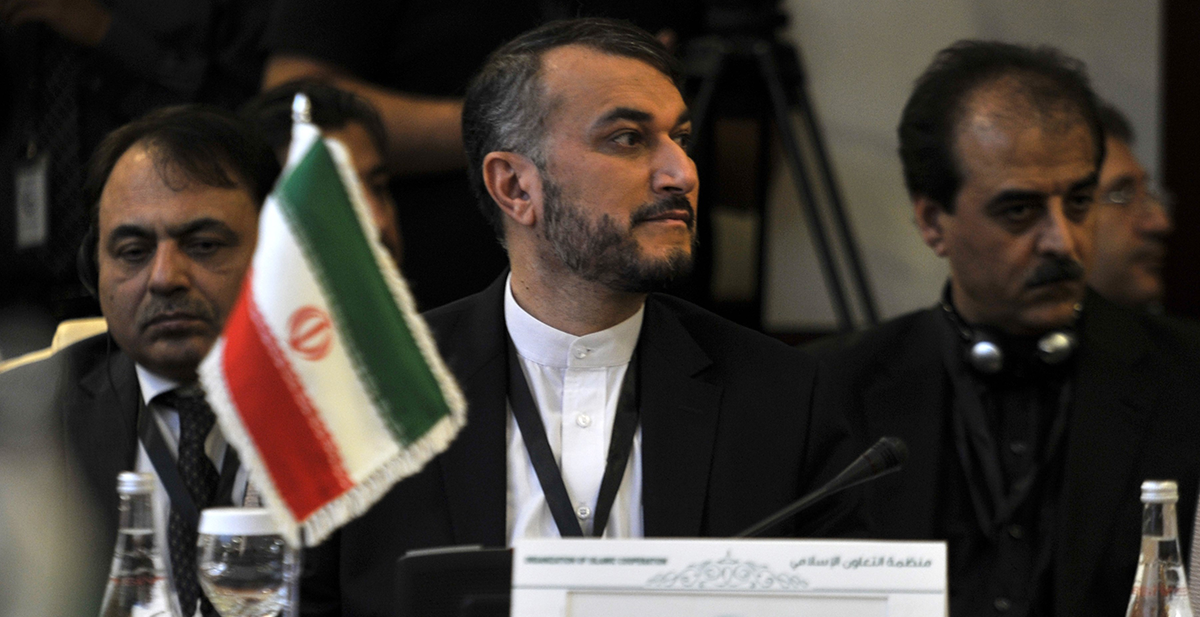
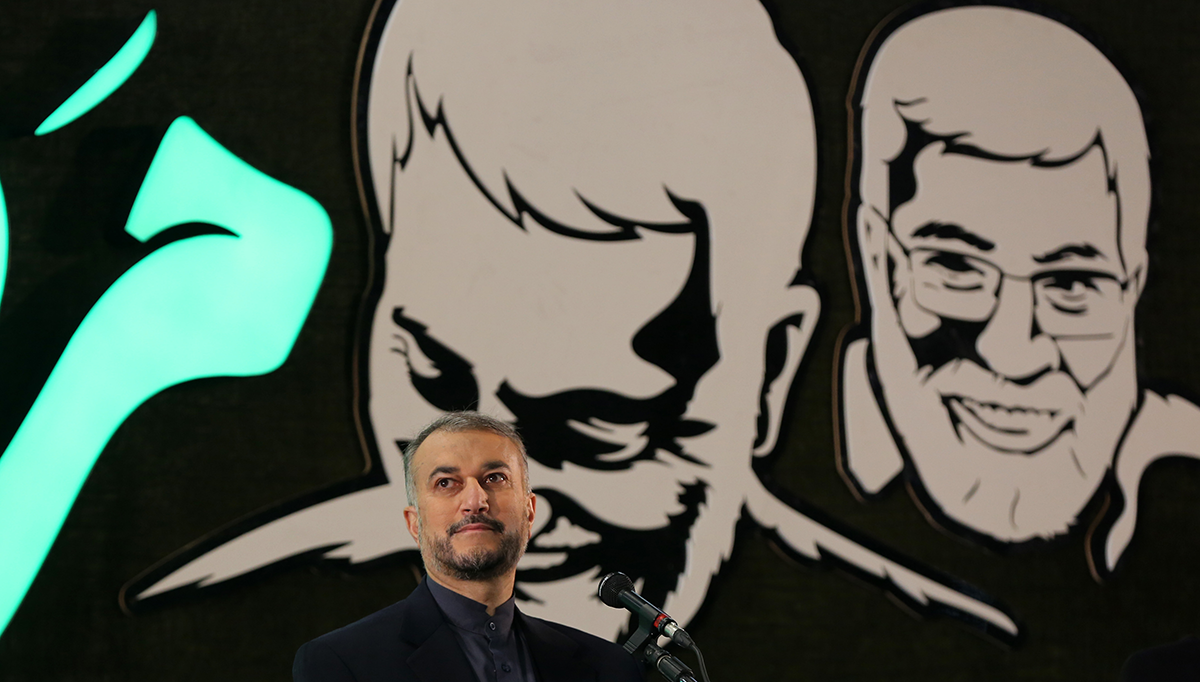
Hossein Amirabdollahian: A Quds Force favorite becomes Iran’s new foreign minister (Part 2)
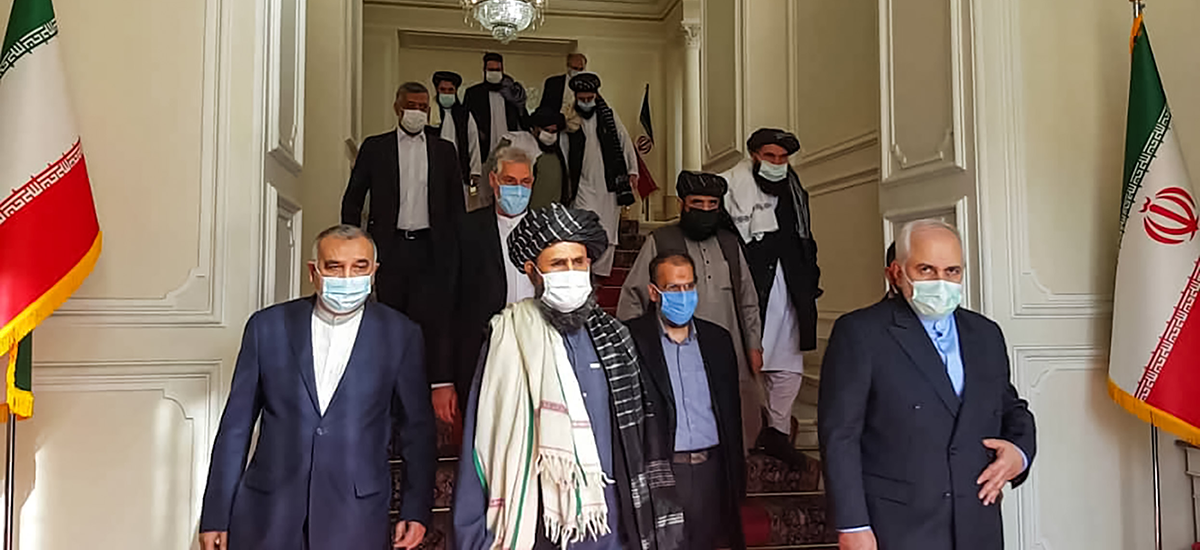
Due to his divergent views on Iran’s international and regional policies, Hossein Amirabdollahian had various disagreements with then-Foreign Minister Mohammad Javad Zarif while serving as deputy foreign minister beginning in 2011, and these ultimately led to his removal from the post in June 2016. The official reason announced for the change was Amirabdollahian’s appointment as Iran’s new ambassador to Oman, although he refused to accept the position.
Hossein Amirabdollahian: A Quds Force favorite becomes Iran’s new foreign minister (Part 1)
Hossein Amirabdollahian, Iran’s new foreign minister, is famous for his exceptionally close relationship with the Quds Force, the foreign operations branch of the Islamic Revolutionary Guard Corps (IRGC), as well as its regional allies.
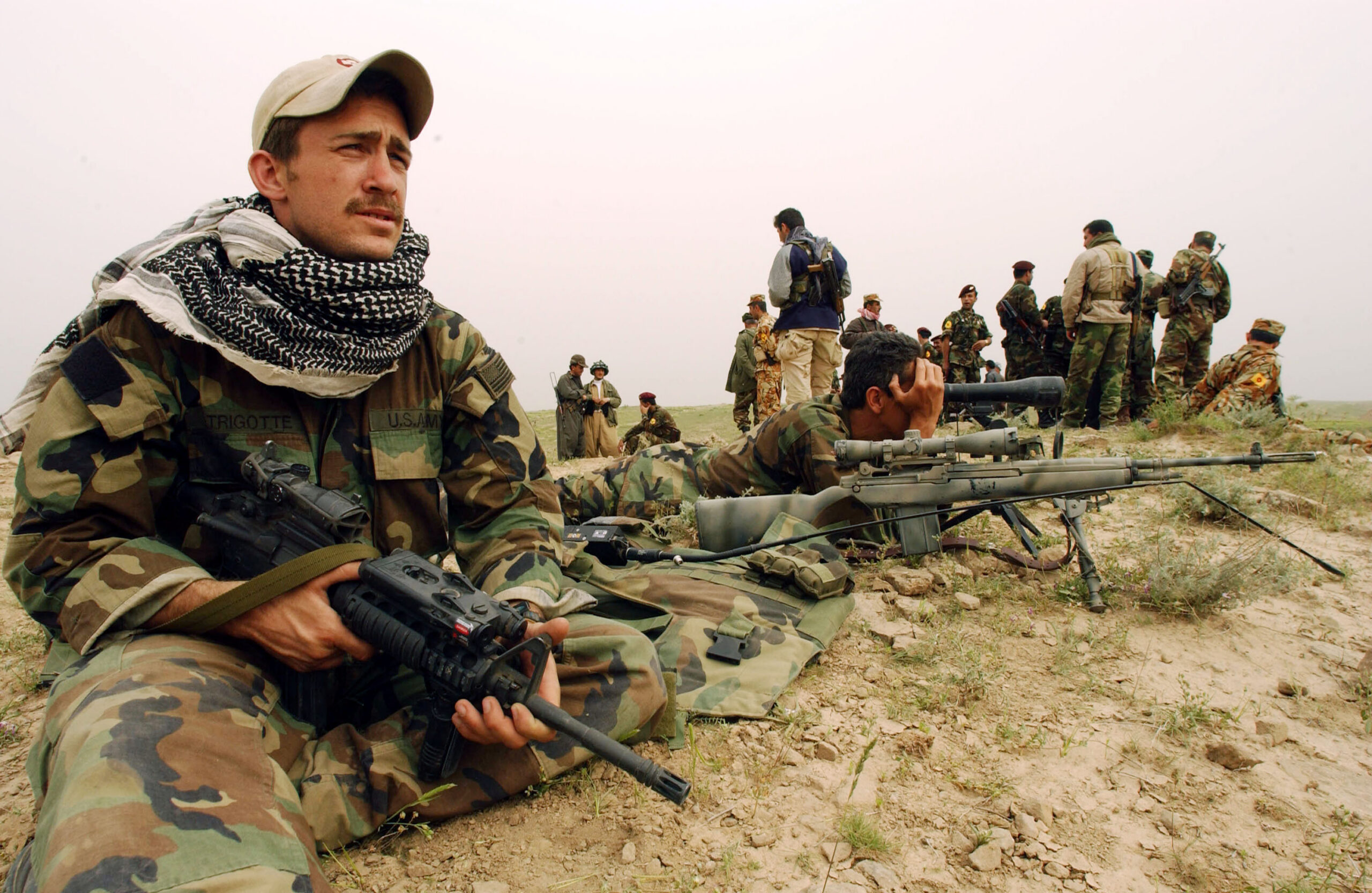
Irregular Warfare: A Case Study in CIA and US Army Special Forces Operations in Northern Iraq, 2002-03
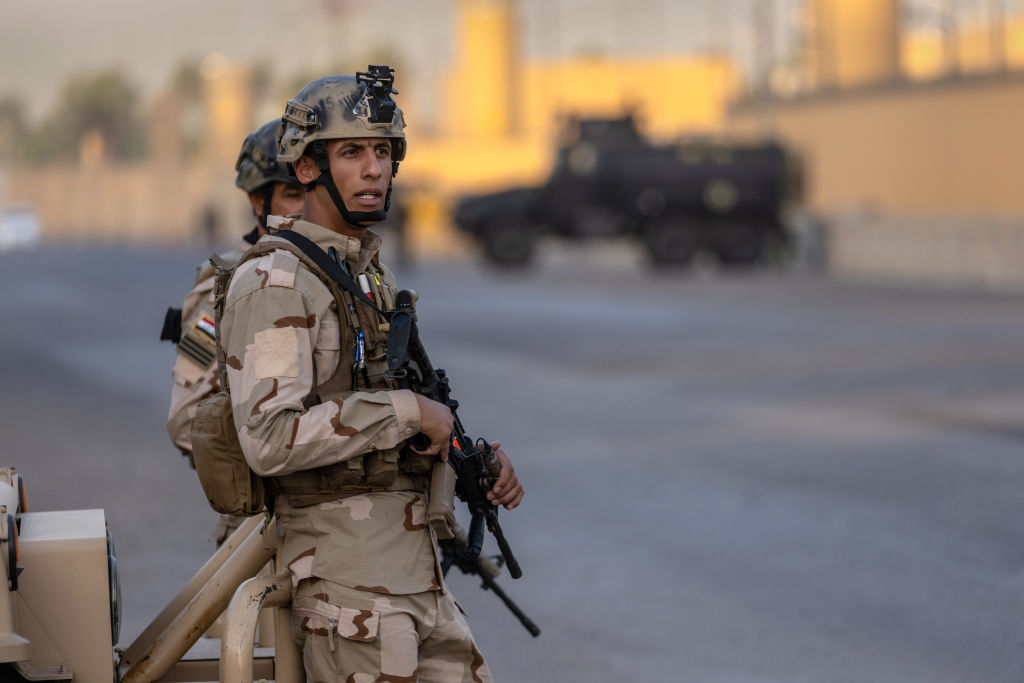
Irregular warfare (IW) is increasingly common in the 21st century and the U.S. must learn from its successful experiences with it and apply those lessons to great power competition. For the past two decades the CIA and Army Special Forces have demonstrated how to leverage interagency relationships and apply complementary capabilities to achieve successful IW outcomes. The CIA/Army Special Forces partnership in Northern Iraq during the invasion of Iraq demonstrates the value of this interagency team and provides lessons and a model for the conduct of IW in the future.
Iran and Africa: Why Tehran will boost its ties with the continent under the Raisi administration
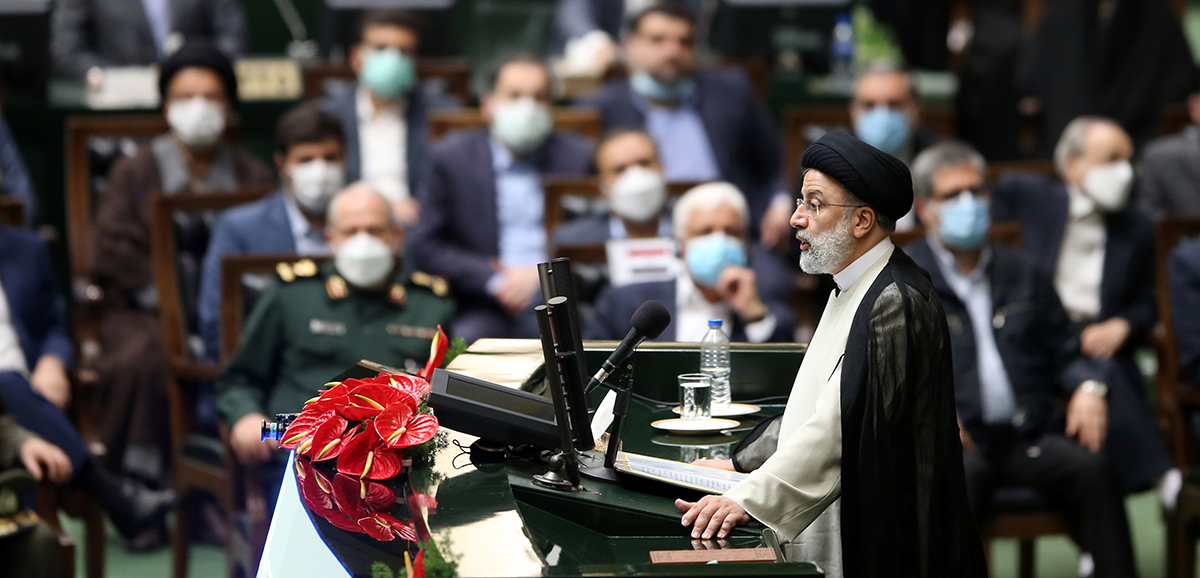
The inauguration of President Ebrahim Raisi has been heralded as the advent of a “New Iran” by the ultra-conservative camp. Although the Iranian authorities are still interested in the revival of the JCPOA, Raisi represents a resistance discourse that believes Iran has to focus on thwarting the sanctions instead of trying to lift them by means of political negotiations. The focal point of this worldview is the expansion of relations with non-Western countries, and Africa plays a central role in this effort.
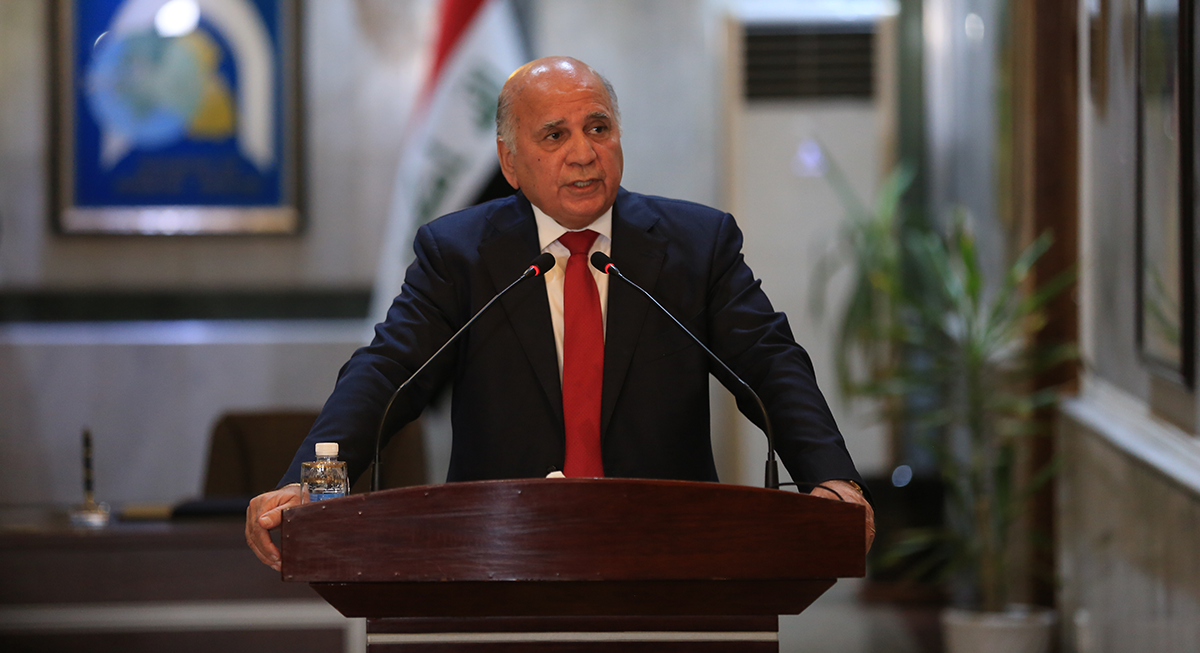
في 8 أغسطس/آب، سلَّم وزير الخارجية العراقي فؤاد حسين، عبر نظيره السعودي، دعوة من رئيس الوزراء مصطفى الكاظمي إلى العاهل السعودي الملك سلمان بن عبد العزيز آل سعود لحضور “قمة” لدول جوار العراق على مستوى القادة، والتي ستُعقد في نهاية هذا الشهر. في اليوم نفسه، وجَّه دعوة أخرى إلى الرئيس التركي رجب طيب أردوغان. لا شك أن الفكرة طموحة والصورة الأولى التي تتبادر إلى الذهن هي الاحتمال غير المرجح أن يجلس الملك سلمان والرئيس الإيراني الجديد المتشدد إبراهيم رئيسي، على جانبي الطاولة نفسها في بغداد.
Incoming Iranian President Ebrahim Raisi may break the mold of his predecessor by exceeding expectations in his first 100 days, but make no mistake—less horrific is still horrific; no one should be fooled.
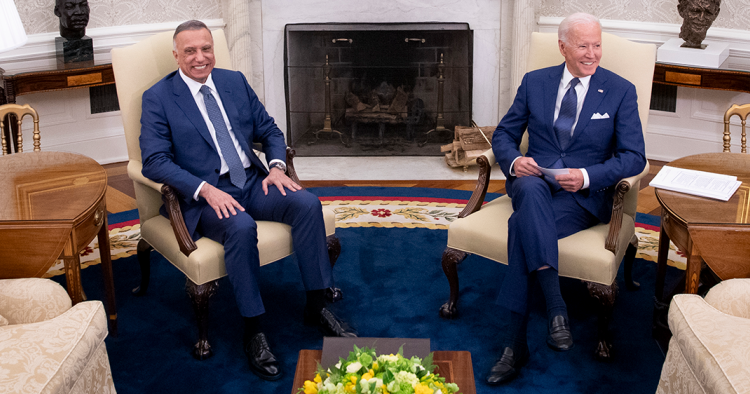
There were two parts to the Iraqi prime minister’s request to President Biden on July 26 in their meeting at the White House: end Washington’s combat mission in Iraq but maintain U.S. military assistance there. The first part was aimed mostly at Mustafa al-Kadhimi’s domestic audience; the roughly 2,500 U.S. troops in Iraq are there primarily to advise and assist the Iraqi army. But the second part deserves a bit of thought.
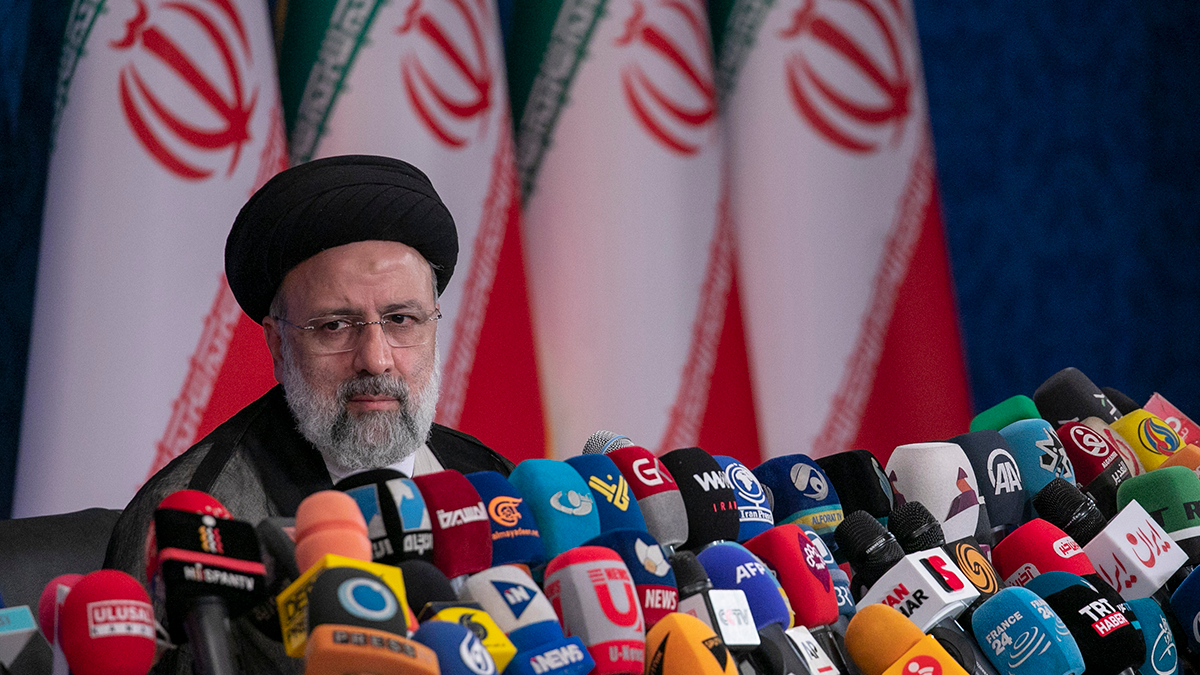
Ebrahim Raisi was sworn in as Iran’s new president on August 5. Ali Alfoneh and Henry Rome join guest host Alex Vatanka, director of MEI’s Iran Program, to discuss the political and economic challenges the new president will contend with, his relationship to Ayatollah Khamenei, and the future of Iran and the country’s leadership.
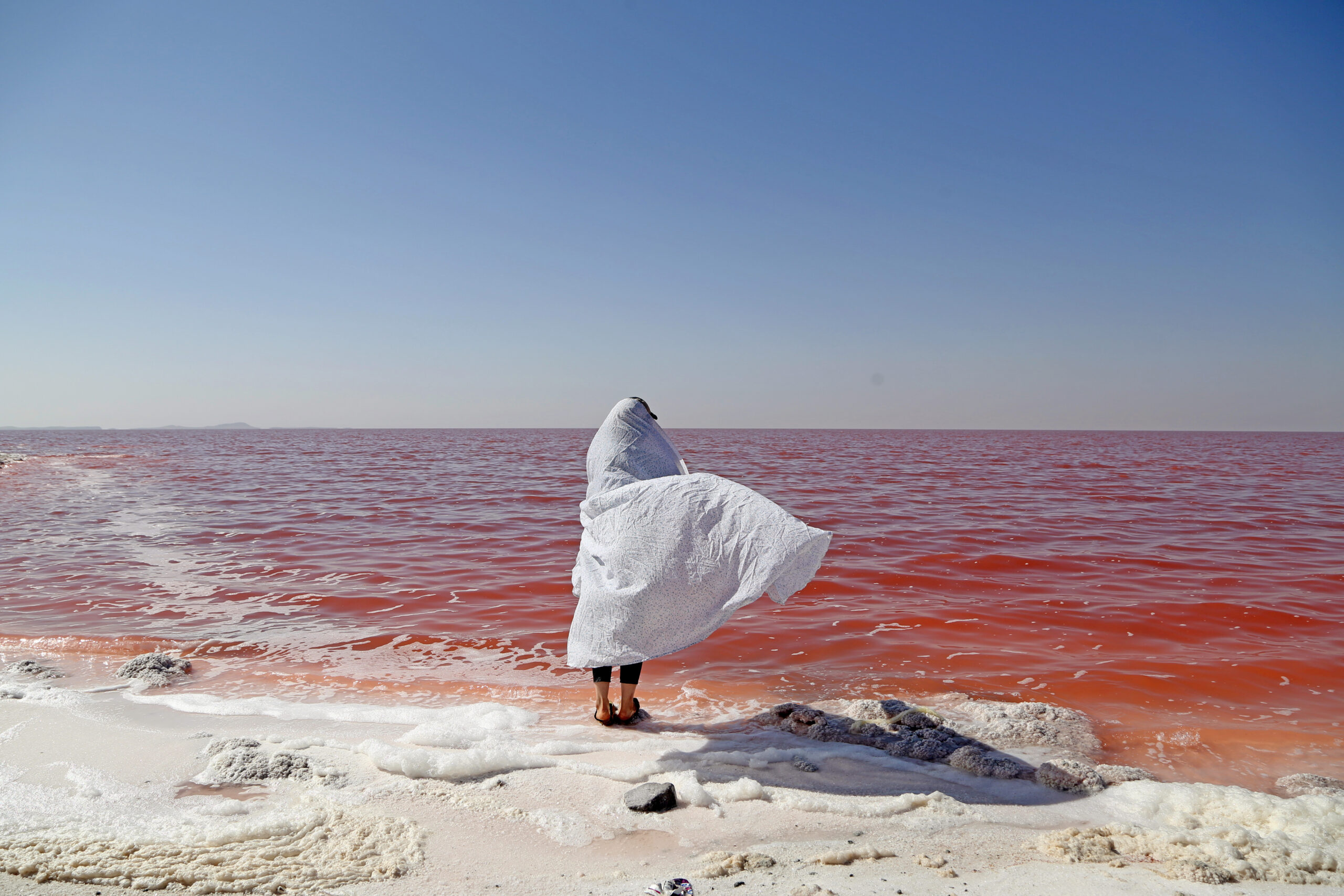
Iran’s decision-makers must shoulder the blame for its water crisis
Iran’s water bankruptcy has been in the news lately, prompting deadly protests in Khuzestan province that also garnered the attention of global media. But this kind of problem is neither new or unique in the country. Drying rivers, vanishing lakes, shrinking wetlands, declining groundwater levels, land subsidence, sinkholes, desertification, soil erosion, dust storms, air, water and waste pollution, biodiversity loss, deforestation and wildfires are among the other familiar signs of Iran’s environmental devastation.
the years leading up to the U.S. invasion of Afghanistan, the Taliban had strained relations with Iran. Tensions between the two sides escalated to the point that the Iranian government and the Quds Force actually assisted American forces during the 2001 U.S.-led invasion.
Tehran’s policy toward the Afghan Taliban has created new clashes within Iranian government circles. These clashes recently escalated as influential hard-line media and associates of the Islamic Revolutionary Guard Corps (IRGC) made public efforts to portray the Taliban in a positive light.
لقاء الرئيس جو بايدن مع رئيس الوزراء العراقي مصطفى الكاظمي يوم الاثنين 26 يوليو/تموز لن يفتح آفاقًا جديدة، لكن الأمريكيين بدلًا من ذلك يحاولون إبراز الجوانب غير العسكرية للعلاقة الثنائية. ففي وزارة الخارجية الأمريكية في نهاية الأسبوع الماضي، قاد وزير الخارجية أنتوني بلينكن ووزير الخارجية العراقي فؤاد حسين فرقًا ناقشت التعاون المستمر في مجالات مثل الصحة العامة، حيث يدعم الأمريكيون جهود بغداد للتعامل مع تفشي فيروس كورونا. كما أعلن بلينكن يوم الجمعة الماضي عن مساعدات إنسانية أخرى بقيمة 155 مليون دولار للعراقيين النازحين داخليًا وكذلك لتجمعات اللاجئين العراقيين في الدول المجاورة.
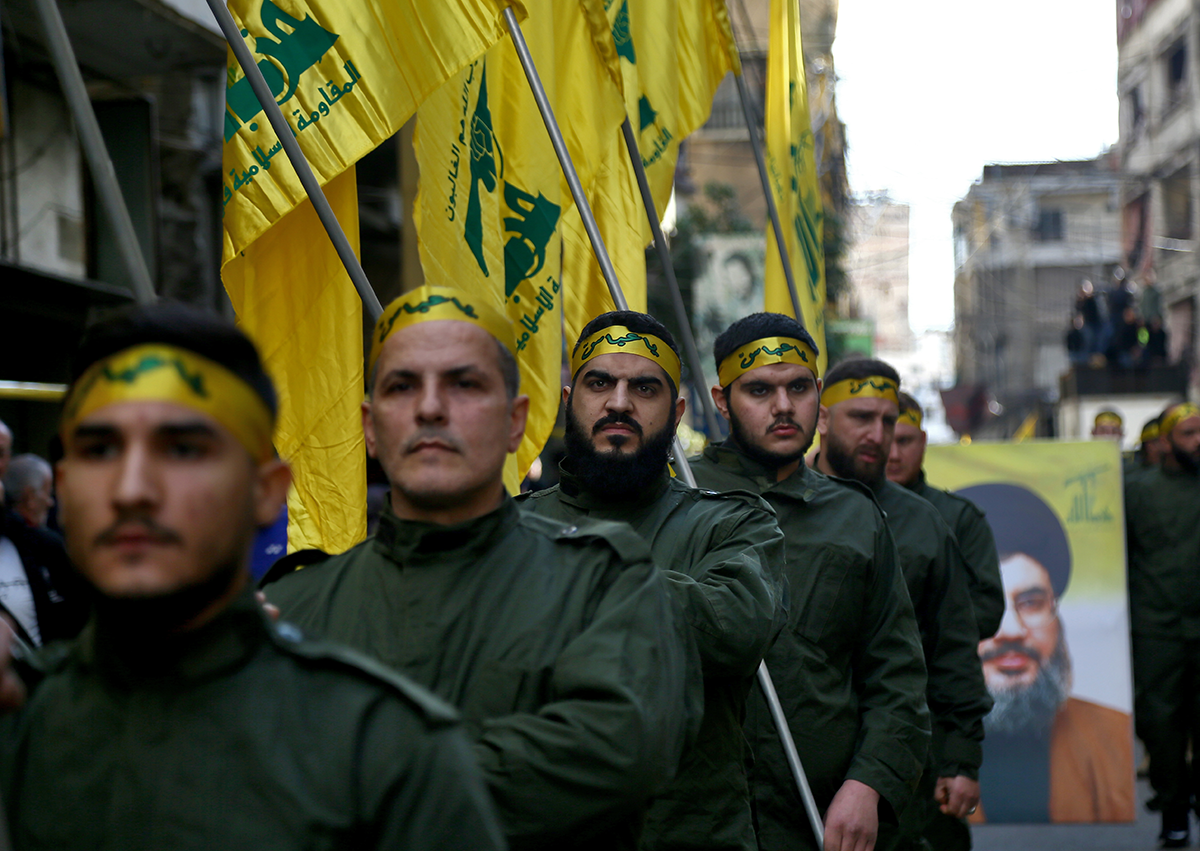
Hezbollah’s Regional Activities in Support of Iran’s Proxy Networks
As a Lebanese actor ideologically tied to Iran, Hezbollah has multiple allegiances and objectives that do not always align symmetrically. Hezbollah’s regional activities are a reflection of the group’s increasingly close alignment with Iran, rather than the interests of the Lebanese state or citizenry. Today, Hezbollah’s regional adventurism is most pronounced in its expeditionary forces deployed in Syria and elsewhere in the region, but no less important are the group’s advanced training regimen for other Shi’a militias aligned with Iran, its expansive illicit financing activities across the region, and its procurement, intelligence, cyber, and disinformation activities. Together, these underscore the scale and scope of the group’s all-in approach to transforming from one of several Lebanese militias into a regional player acting at Iran’s behest.