Iraq: Key signs of progress amid ongoing challenges
MEI senior fellows Randa Slim and Robert Ford join host Alistair Taylor to discuss observations from their recent trip to Baghdad and Erbil, where they met with senior Iraqi government officials and policy experts and witnessed numerous positive developments as the country emerges from a long-standing climate of violent conflict.
Iraq’s current public service regime is struggling to deliver on desperately needed services in part due to the issue of establishing a functioning federal state system across the country. Far more attention needs to be devoted to institutions and how those operating within them can deliver those services. One way to do this is to decentralize service provision to the governorates not incorporated into a region. However, this process has been hampered by administration, fiscal, and political issues. Identifying these and seeking solutions to resolve them will be key. This paper addresses the decentralization process, specifically focusing on the issues surrounding the governorates not incorporated into a region, as per Law 21.
Iraq’s ancient city of Babylon gets long-overdue international recognition
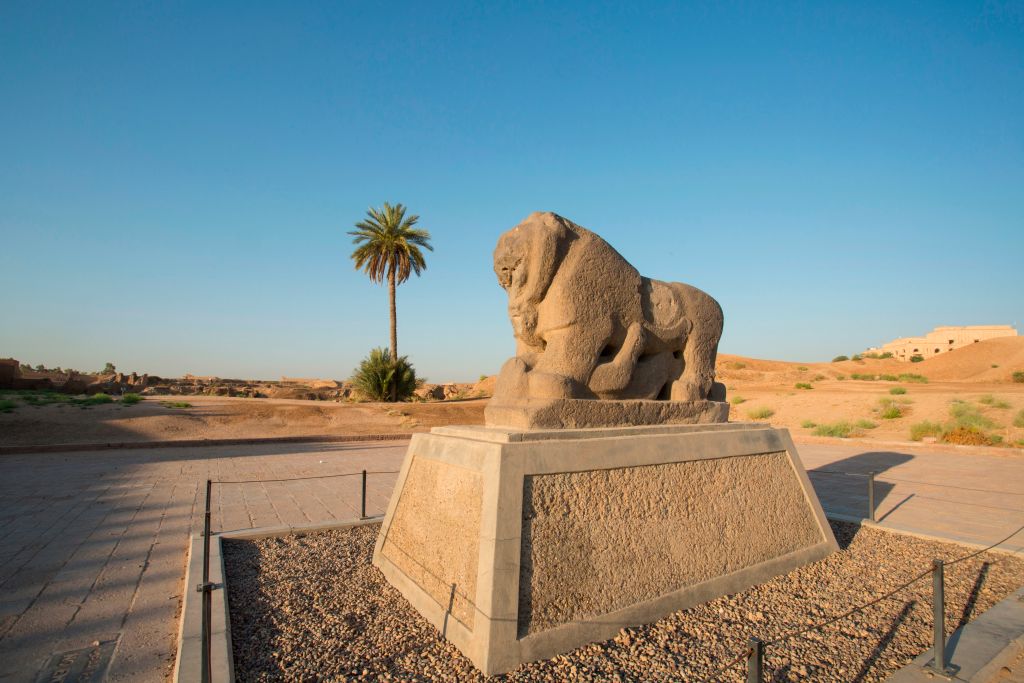
Babylon has seen it all. From its peak as the Neo-Babylonian capital under King Nebuchadnezzar through its heavy-handed 1987 reconstruction by Saddam Hussein to its post-invasion demise when American and Polish troops ran roughshod over its ruins and ISIS threatened its very existence, the ancient city has witnessed empires come and go.
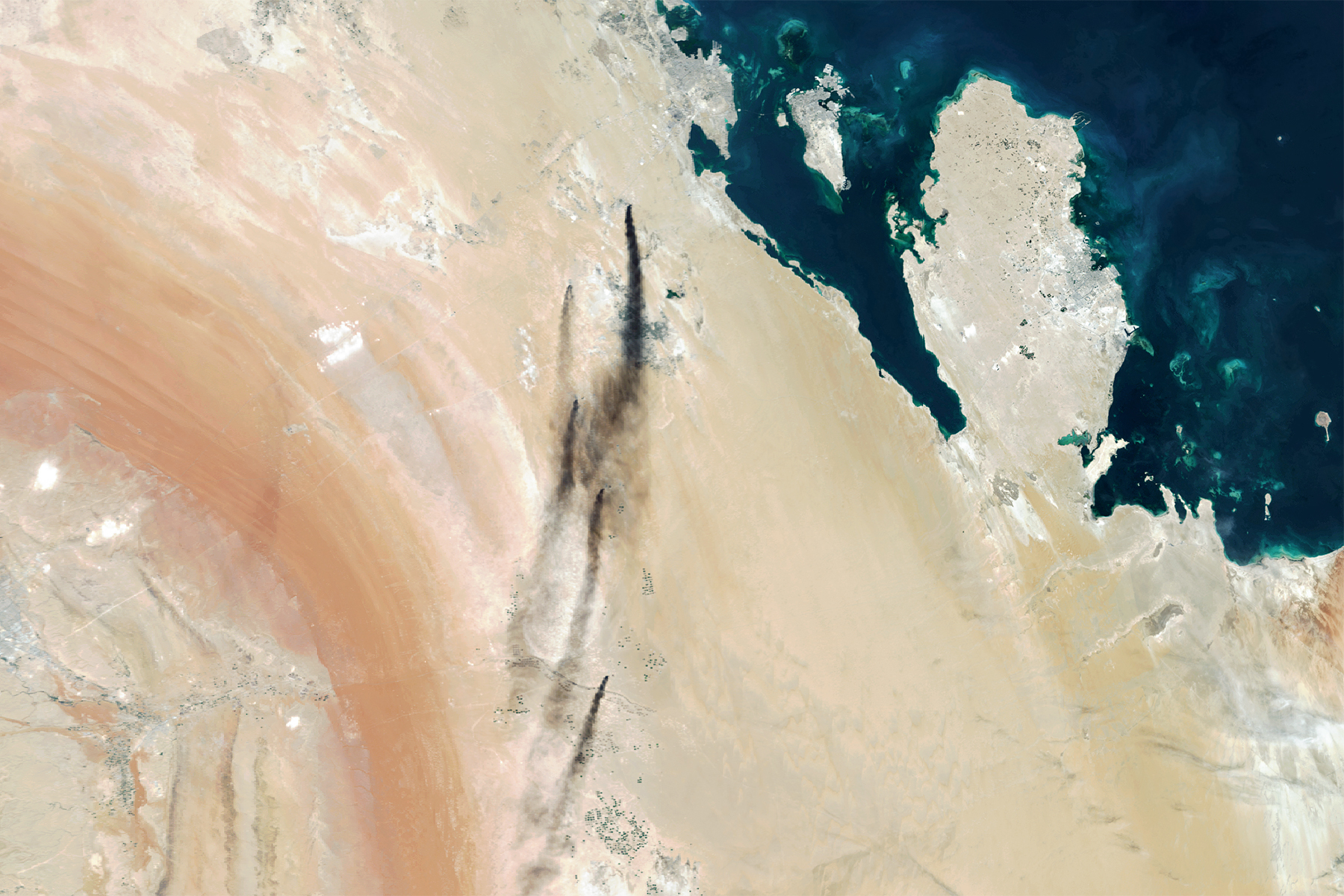
Monday Briefing: Attack on Saudi oil facilities has an impact far beyond the kingdom
This week’s briefing on recent news and upcoming events in the region featuring Ruba Husari, Paul Salem, Gerald Feierstein, Amal Kandeel, Grace Wermenbol, Robert S. Ford, Charles Lister, and Gonul Tol.
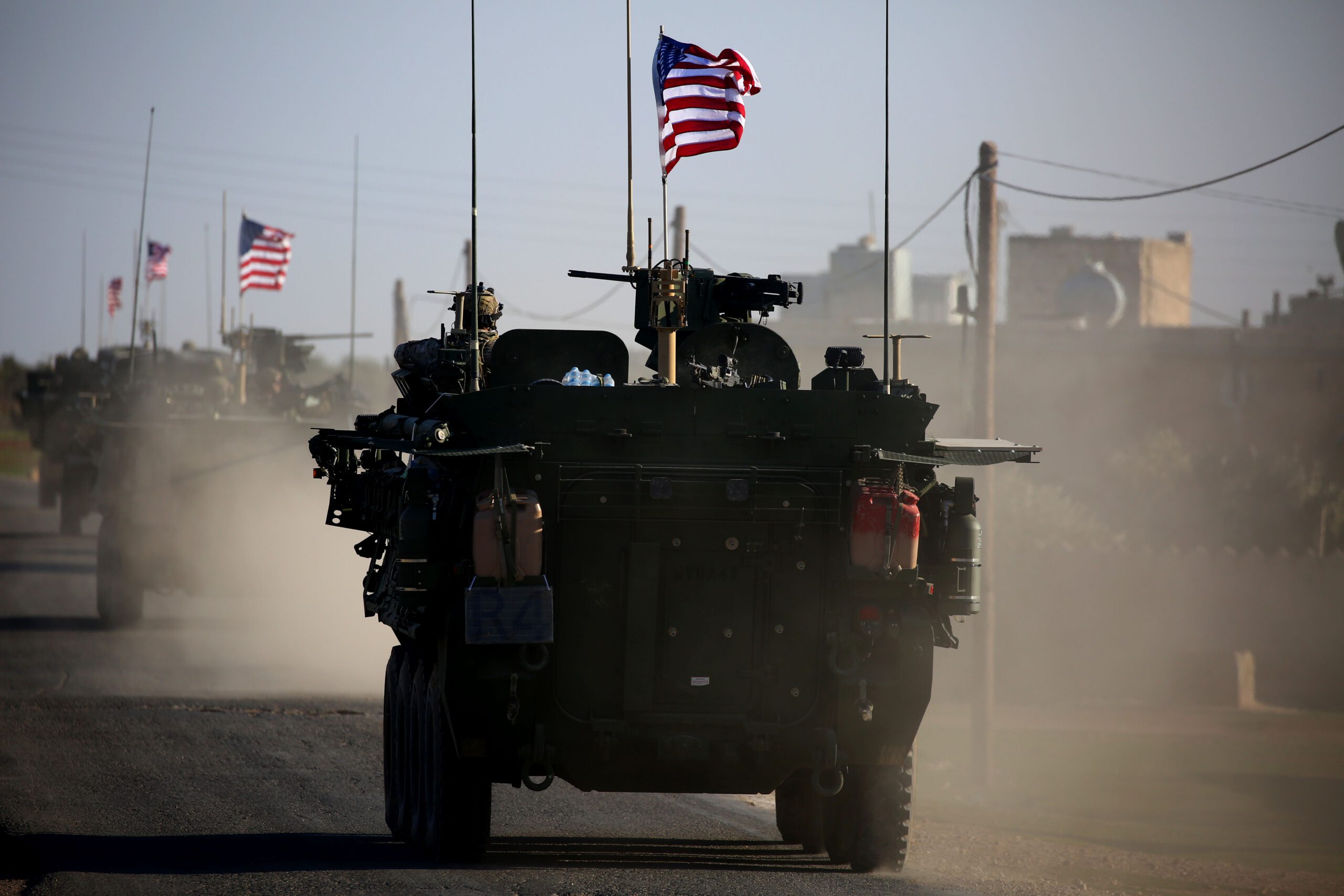
Over the past few weeks, my colleagues at MEI have debated whether the U.S. should stay in Syria or leave. Here I’d make a different argument: that it doesn’t really matter. The president has already made the decision to leave, and while his aides may have been able to slow roll the troop drawdown, the reality is that Donald Trump has made it clear the U.S. will not disburse any additional resources. Even within the 2020 Democratic field, not a single candidate has advocated increasing resources.
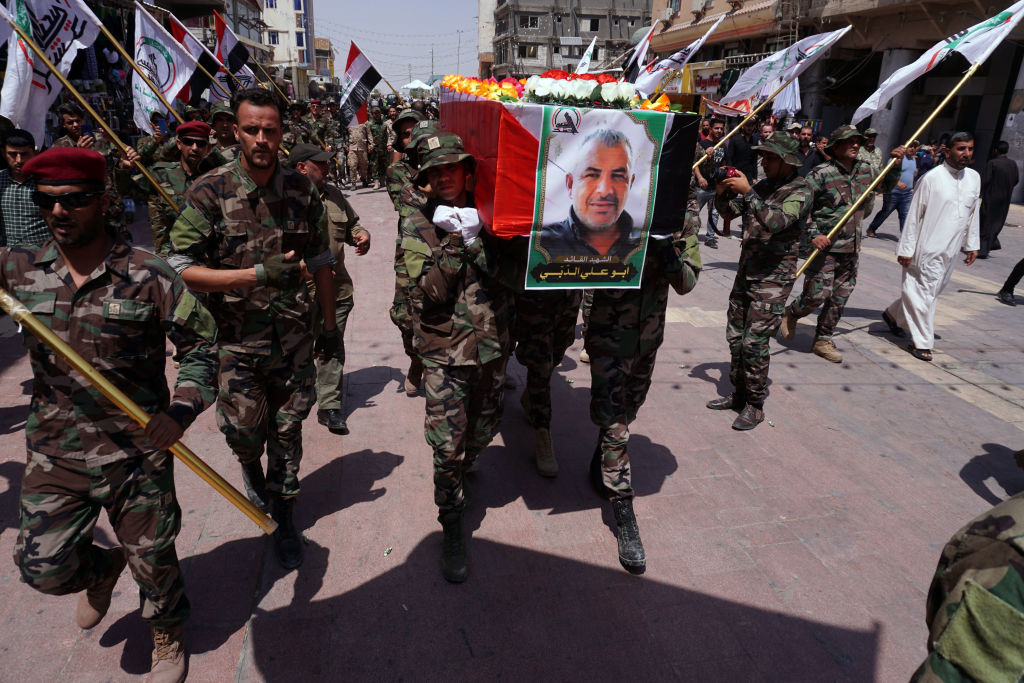
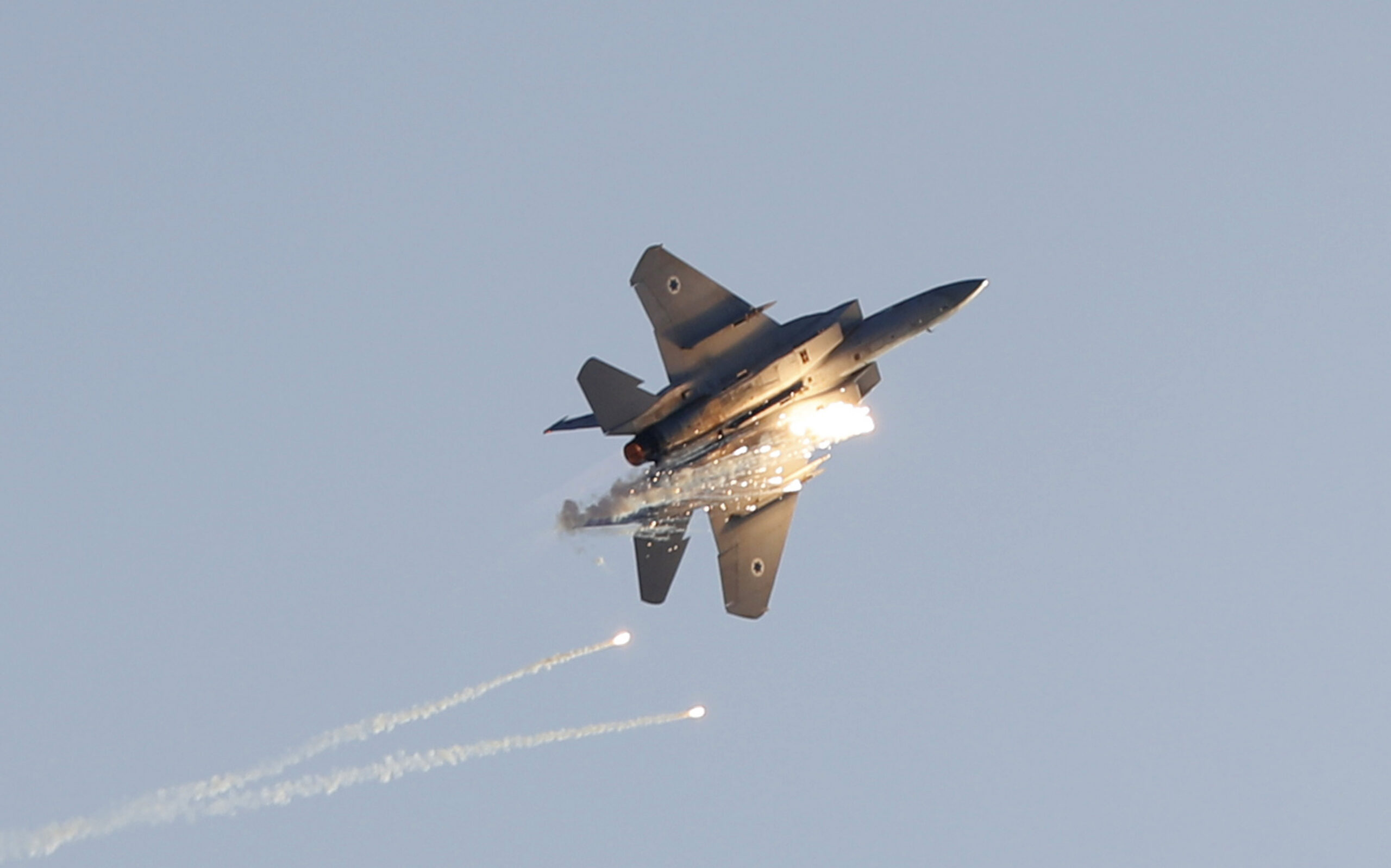
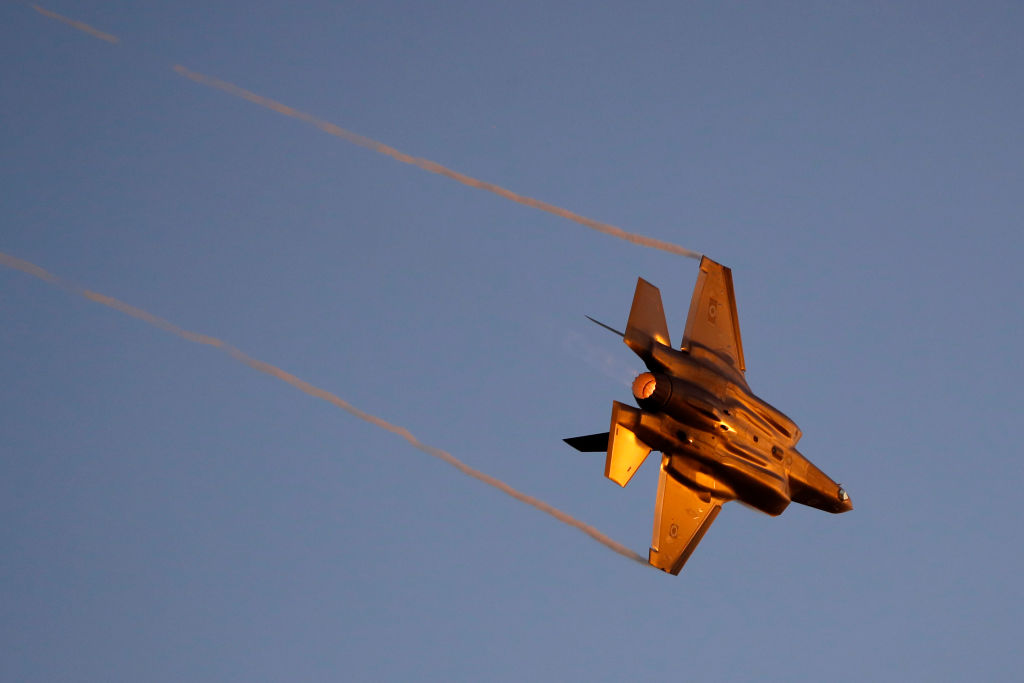
Monday Briefing: Drone strike thrusts Iraq into Iranian-Israeli military confrontation
This week’s briefing on recent news and upcoming events in the region featuring Randa Slim, Gerald Feierstein, Alex Vatanka, Robert S. Ford, and Michael Sexton.
Countering and courting Iran: Israeli-Palestinian objectives in Iraq
Israel has reportedly expanded its operations against Iran in the Middle East. In July, Israeli and foreign media attributed airstrikes on Iranian targets near Baghdad to Israel. Last week, U.S. officials confirmed that Israel was responsible for the attacks, which mark the first such air raids on Iraq since 1981, when Tel Aviv destroyed Saddam Hussein’s Osirak nuclear reactor.
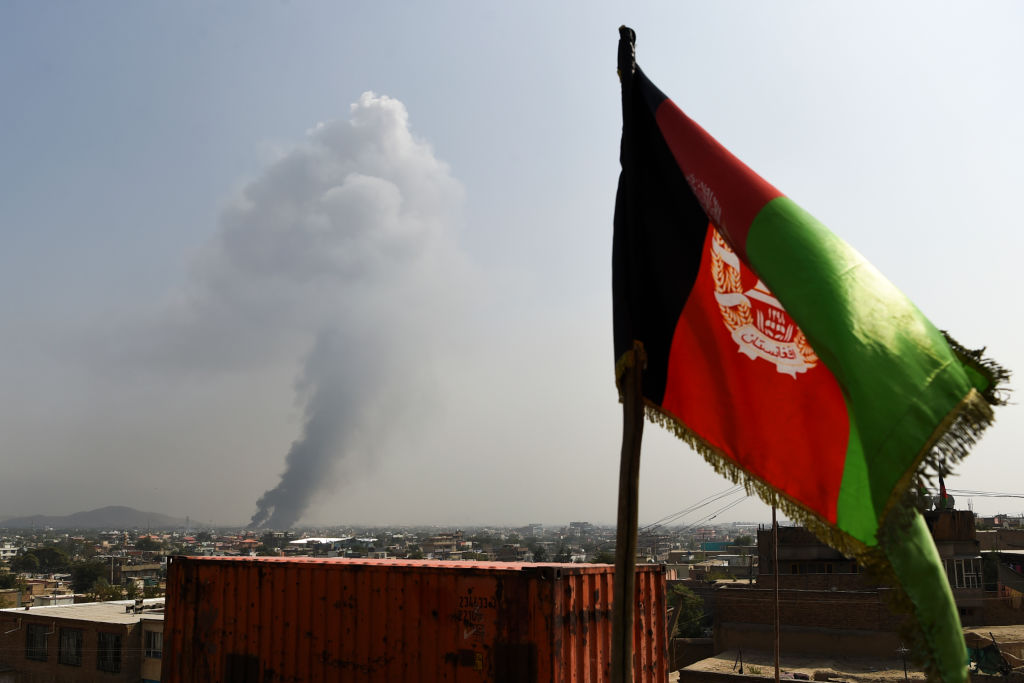
On Aug. 12, an explosion took place inside an ammunition warehouse in the al-Saqr military base in southern Baghdad, triggering hundreds of mortars and rockets to fire off in all directions throughout urban, populated areas. One person was killed and 29 wounded, as munitions and debris scattered as far as 5 kilometers away.
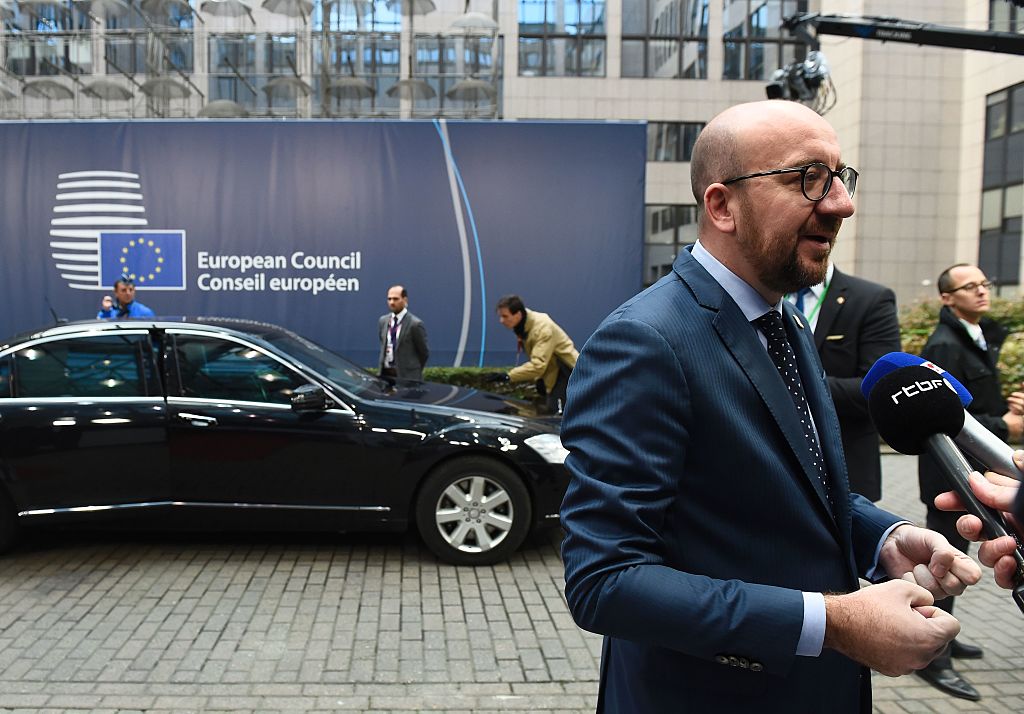
What will the European Council's new president mean for EU-MENA relations?
While some changes may be in the offing, for now most signs suggest that regional leaders should expect neither new opportunities, nor new challenges, but more likely a broad continuity of existing EU policy toward the region.
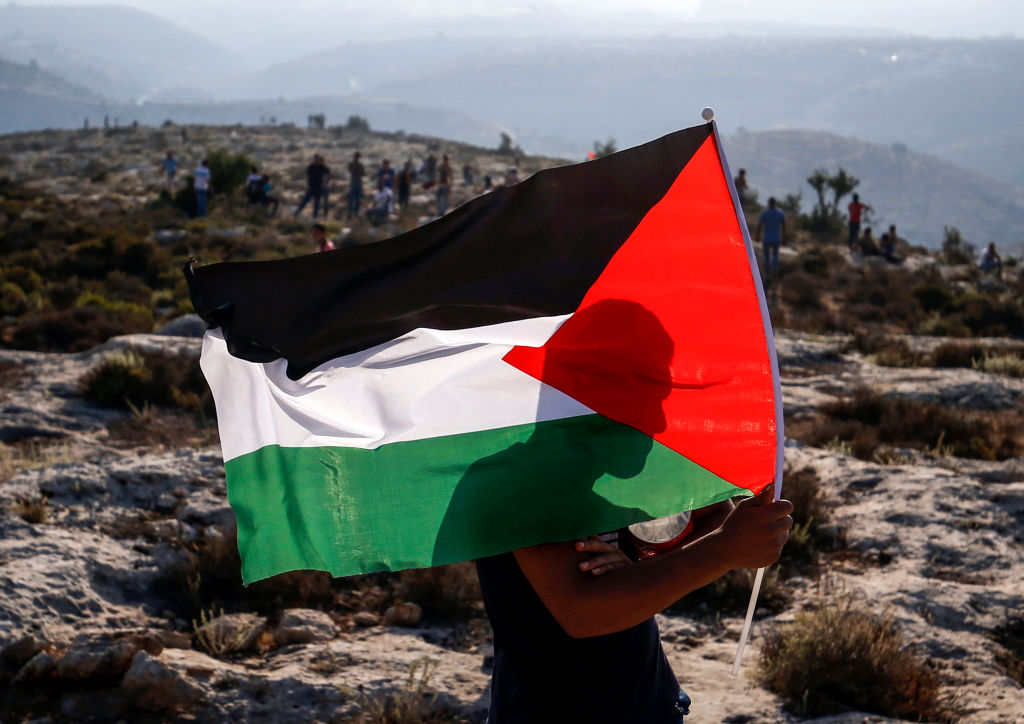
There Is No "Status Quo": Drivers of Violence in the Israeli-Palestinian Conflict
The Israeli-Palestinian conflict remains a destabilizing element in an already volatile Middle East. The Palestinians are too weak to wrest their independence from Israel. But as long as their right to self-determination is denied, they are likely to engage in regular violence targeting Israel. Absent outside intervention, Israel is powerful enough that it can suppress Palestinian demands for freedom — but it is not able to completely pacify the Palestinians. Thus, the conflict continues, punctuated every few years by rounds of more significant violence.
Ambassador Friedman: Palestinians already have autonomy
Autonomy is normally given to a specific cultural or national group as part of a political agreement. For Palestinians, the idea that autonomy is the goal of talks is unhelpful because they already have autonomy.
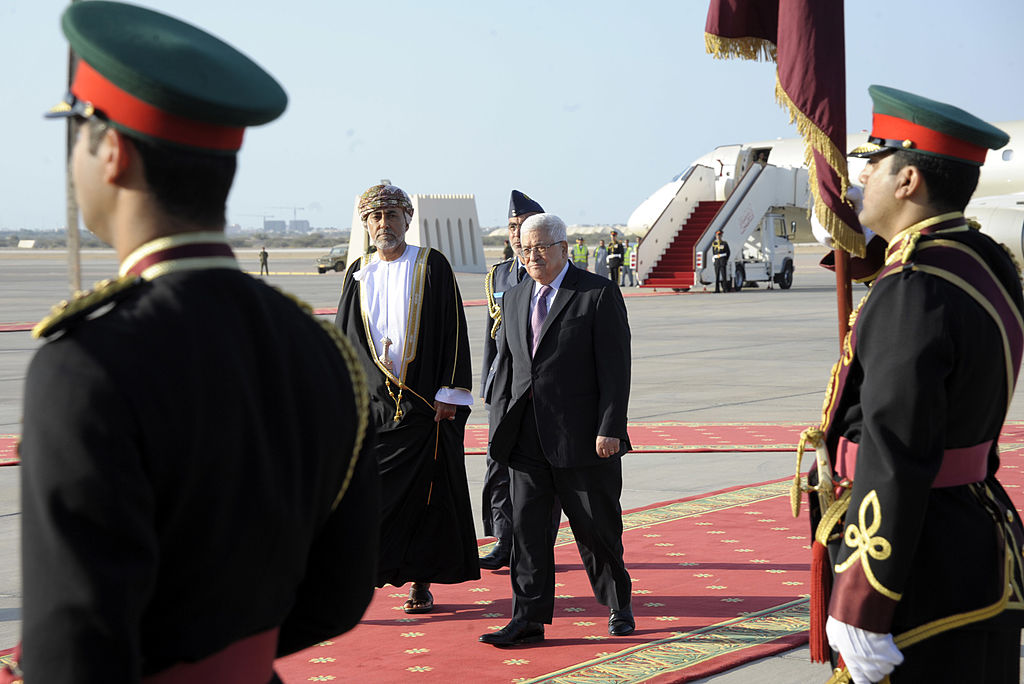
The news came eight months after Israeli Prime Minister Benjamin Netanyahu paid a visit to the Omani capital for surprise talks with Sultan Qaboos in October 2018, and four months after Minister Responsible for Foreign Affairs Yusuf bin Alawi bin Abdullah met with Netanyahu in Poland during the Trump administration’s “Peace and Security in the Middle East” summit.