Power sector reforms are new Lebanese governments’ ultimate test
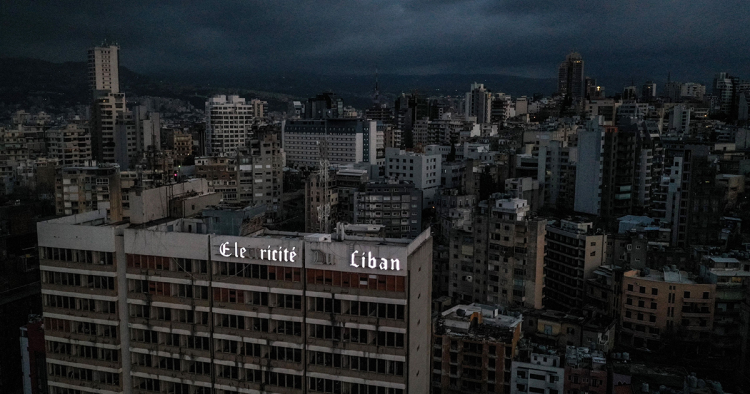
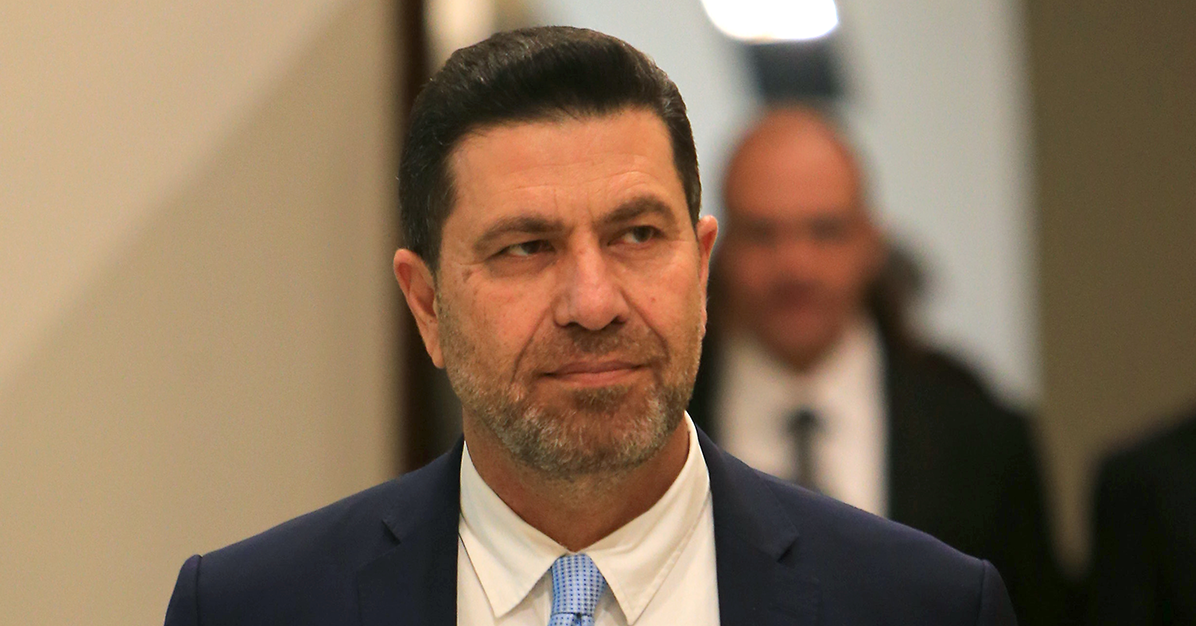
The formation of a new government in Lebanon — after more than a year of political deadlock and amid an economic crisis of dizzying severity — is a positive development. The scale of Lebanon’s economic challenges, however, requires a new government capable of breaking with its predecessors’ deliberate inaction. It necessitates strong and genuine political leadership, will, and action to tackle the country’s many pressing challenges, especially in its dysfunctional energy sector.
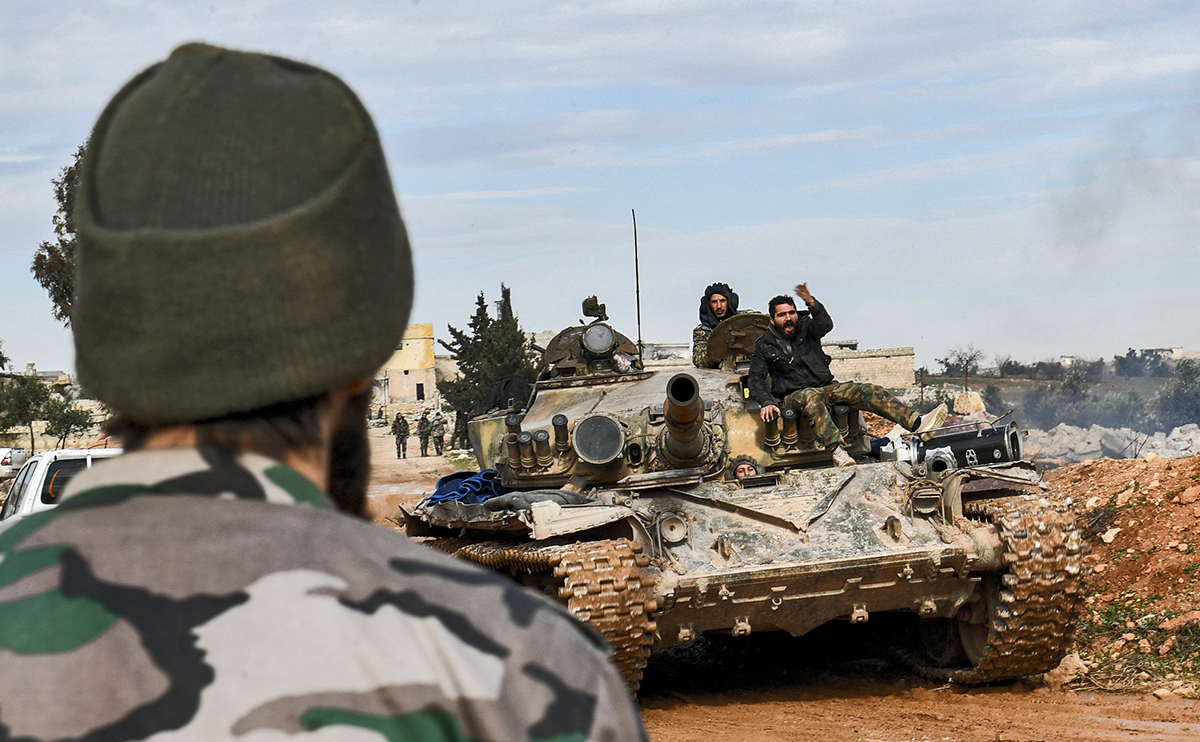
After 40 years, Syria once again has dual military rule, where the president and his brother are the highest authorities. In the early 1980s, Rifaat al-Assad, the brother of Hafez al-Assad, was the commander of the Defense Companies and the strong man in Syria in the military, security, and even civilian spheres, while Hafez was in a coma. Today, we see this scenario echoed with the control of Maher al-Assad, Bashar al-Assad’s brother, over the Fourth Division, which has become an elite military unit due to strong Iranian support and its control over various territories of the country.
بعد أربعين عاما، تتجدد ثناية الحكم العسكري في سوريا بين الرئيس وشقيقه، ففي مطلع الثمانينات كان رفعت الأسد (شقيق حافظ الأسد)، قائد سرايا الدفاع الرجل القوي في سوريا على المستوى العسكري والأمني بل حتى على المستوى المدني، بينما كان حافظ الأسد يشكو من الغيبوبة – آنذاك-.
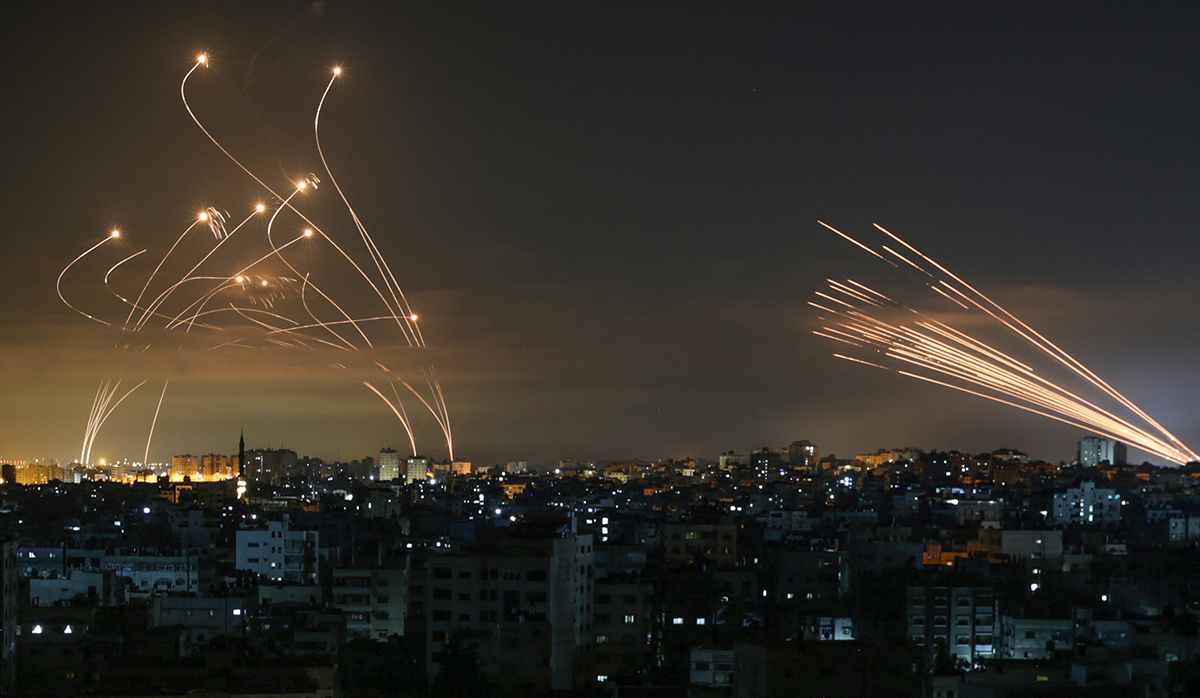
While much of the discourse surrounding the Iron Dome controversy is mired in hysterics and hyperbole, some have put forward a more rational case for providing additional funding for it. One of the standard arguments advanced in recent days is that Iron Dome is crucial not only for saving Israeli lives but is equally important (perhaps even more so) for saving Palestinian lives. This claim has been echoed by numerous American and Israeli analysts and even Members of Congress, and seems to have been accepted by a number of journalists as well. But is it actually true?
Iran and the Taliban after the US fiasco in Afghanistan
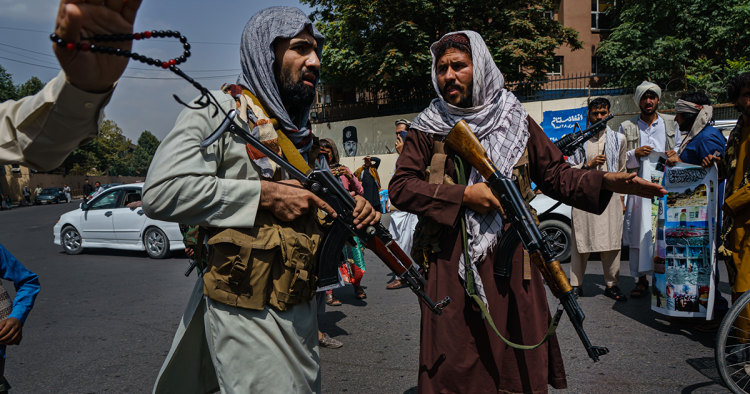
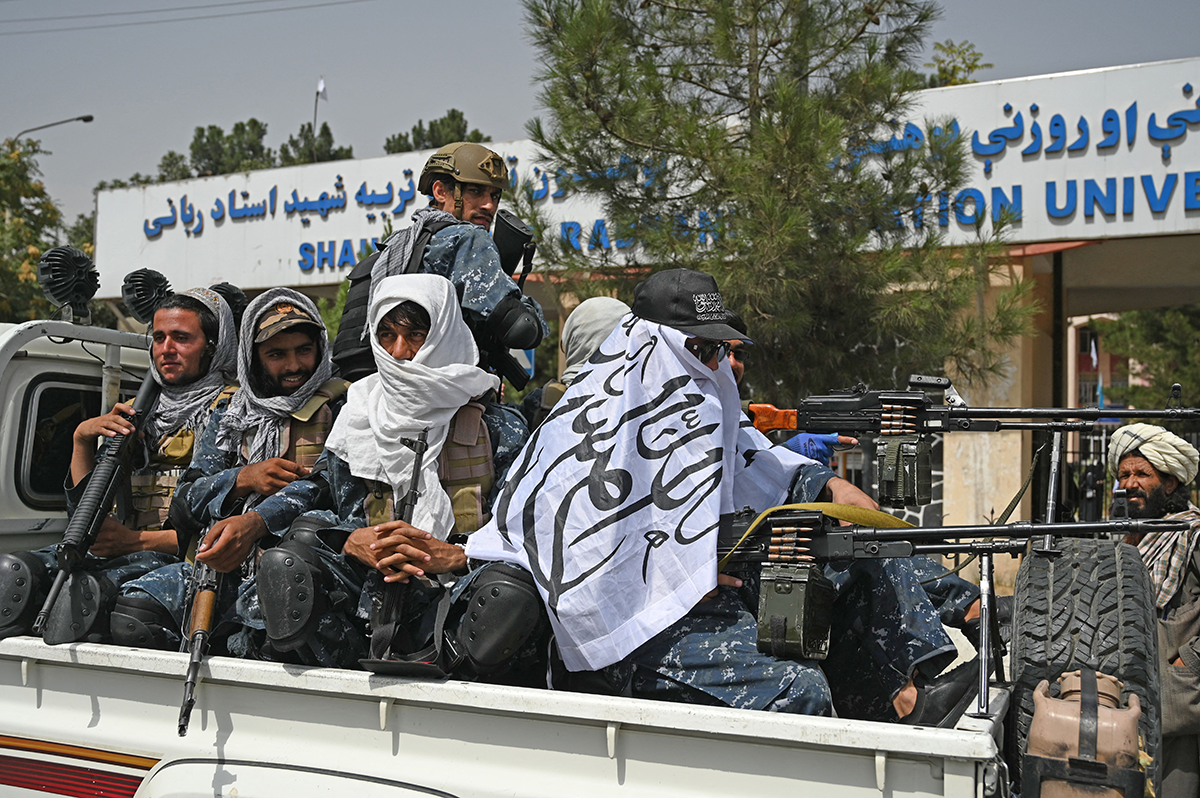
For Iran, Washington’s Afghanistan fiasco has been touted as confirmation that U.S. policy in the Islamic world is doomed to fail. The immediate geopolitical and ideological gains, however, could be overshadowed by the potential challenges that a Taliban-ruled Afghanistan may pose for Iran’s security and regional interests in the long run.
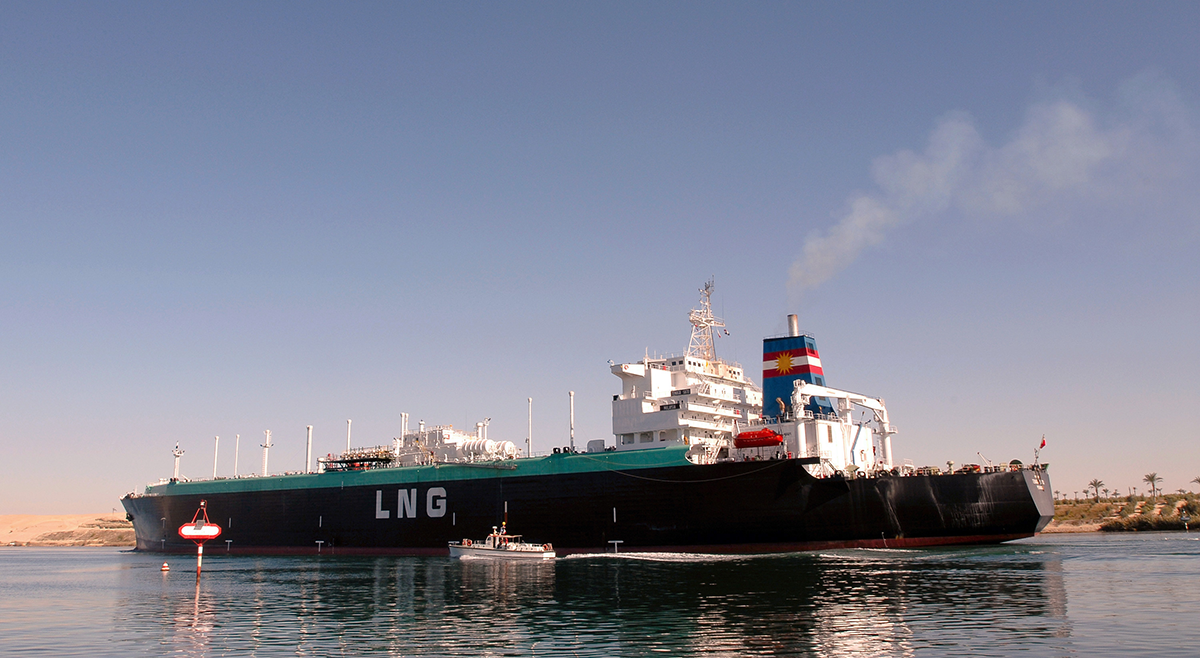
Egypt is currently the fastest-growing Arab exporter of liquefied natural gas (LNG), according to a report released by the Organization of Arab Petroleum Exporting Countries on Aug. 16. The report showed that Egypt exported around 1.4 million tons of LNG in the second quarter of 2021, having not exported any LNG during the same period in 2020.
Courting danger, Erdoğan ramps up reliance on China
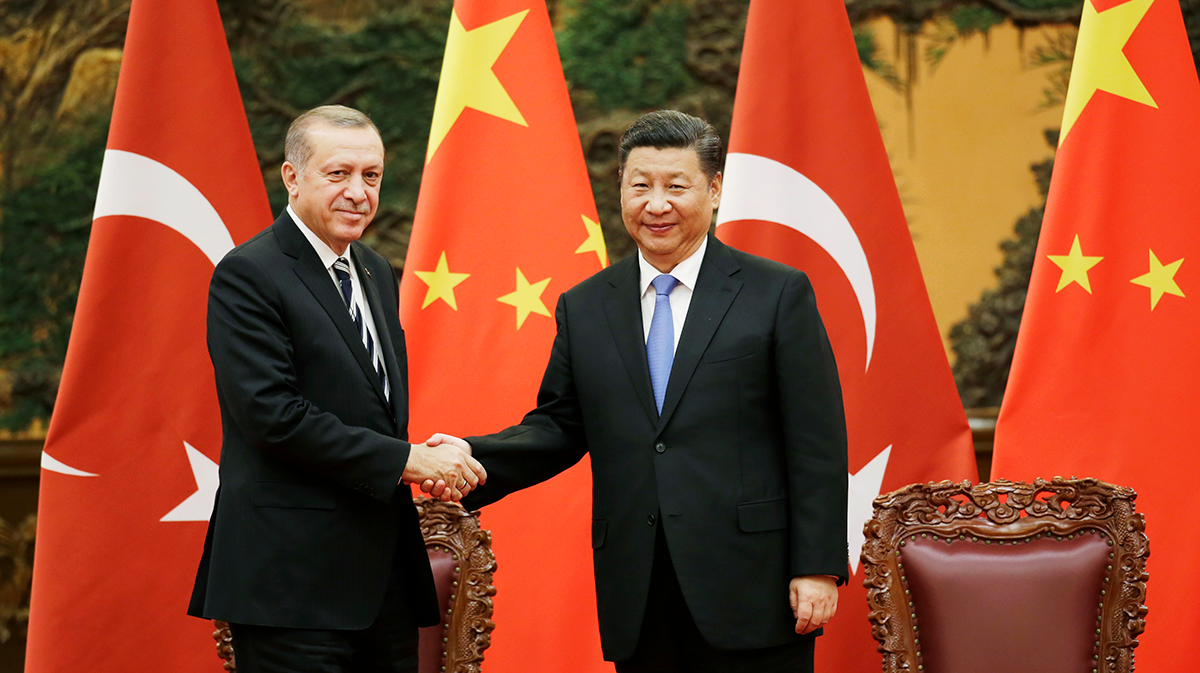
China’s recent multi-sectoral engagements in Turkey suggest that the Black Sea region’s significance is on the rise in Beijing, and under President Erdoğan, Turkey has consistently sought its favor and investment.
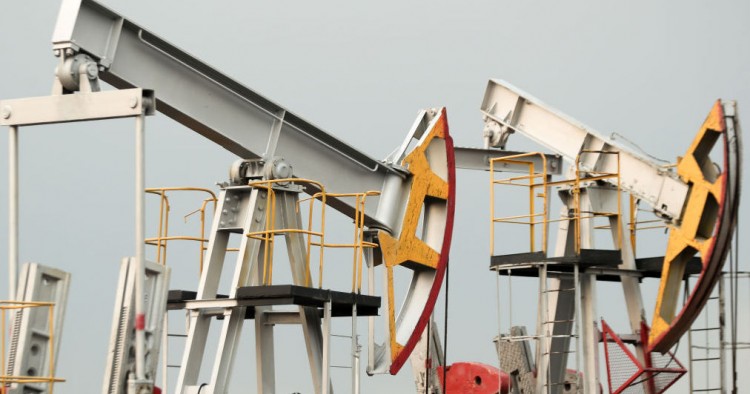
OPEC+ oil producers are unlikely to step back from their plans to increase production, as both the short-term market forecasts and long-term expectations of structural changes in the global oil market are forcing producers to focus more on market share expansion.
Though aware of the weaknesses of the former Afghan government, none of the Central Asian governments seemed prepared for the rapidity and decisiveness of the Taliban victory. Not unreasonably, Central Asians fear that it will spur the growth of regional terrorism and extremism, either through direct Taliban sponsorship or inspiration. The five Central Asian states backed the anti-Taliban opposition in the 1990s and then the U.S.-led NATO military campaign in Afghanistan after 2001. Presently, the Central Asian governments are eschewing policies that could antagonize the new regime while looking for indications whether the Taliban have genuinely turned over a new leaf and renounced international terrorism. If they have, then some Central Asian countries seem open to economic and perhaps other cooperation. If not, Central Asians will likely rely on Russia for enhanced security support.
East Med gas needs clean tech and regional integration to support investment case
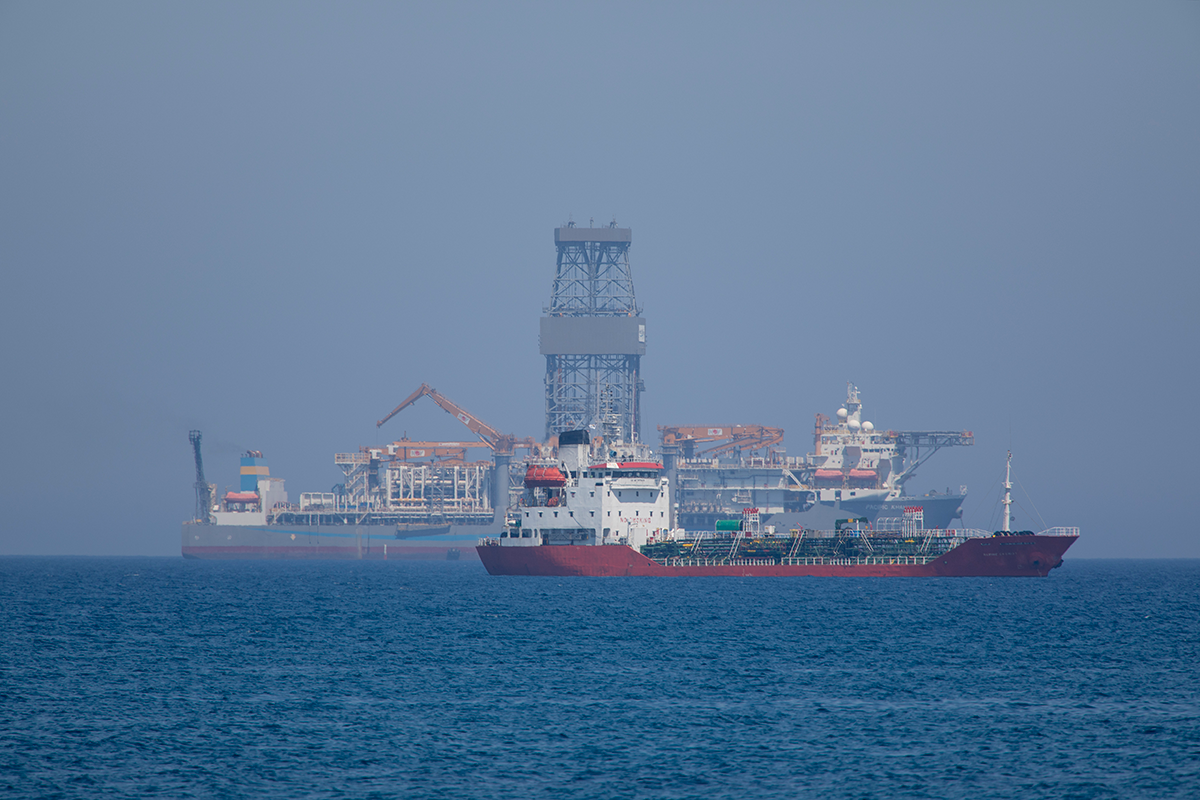
The viability of Eastern Mediterranean natural gas resources has long been a source of debate for reasons including cost considerations, market demand, and regional geopolitical tensions. The past couple of years have further complicated the debate, introducing new questions about the role of these resources in supporting post-pandemic economic recovery or helping more advanced markets achieve net-zero policies by replacing coal and other fuel sources (a particularly relevant topic of debate given Europe and Asia are key export targets for East Med gas).
Budget dust: Better approaches for security and sustainability — lessons learned from Iraq and Afghanistan
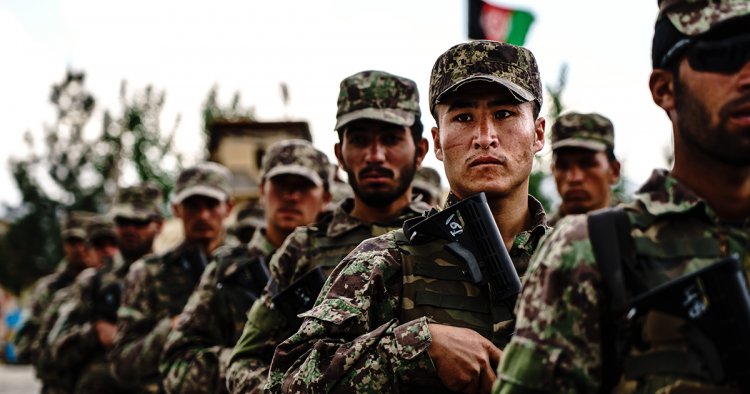
It took the Taliban just three and a half months to undermine a 20-year international effort to build a competent Afghan military. The Afghanistan National Army (ANA) collapsed once it was clear the U.S. was pulling out ground troops and ceasing air support operations after two decades of training and sustainment that cost the American taxpayer approximately $83 billion. When required to stand alone, against a Taliban force, the ANA failed unequivocally. Building the ANA as a mirror image of the U.S. military was strategically and operationally flawed. If they are designed to fight like the U.S. but cannot fight in the absence of U.S. forces, they are ineffective. What lessons should we learn from this and how could our approach be different in the future?
Mega-projects and Small Enterprises: Understanding Saudi Arabian Banks’ Role in Economic Development
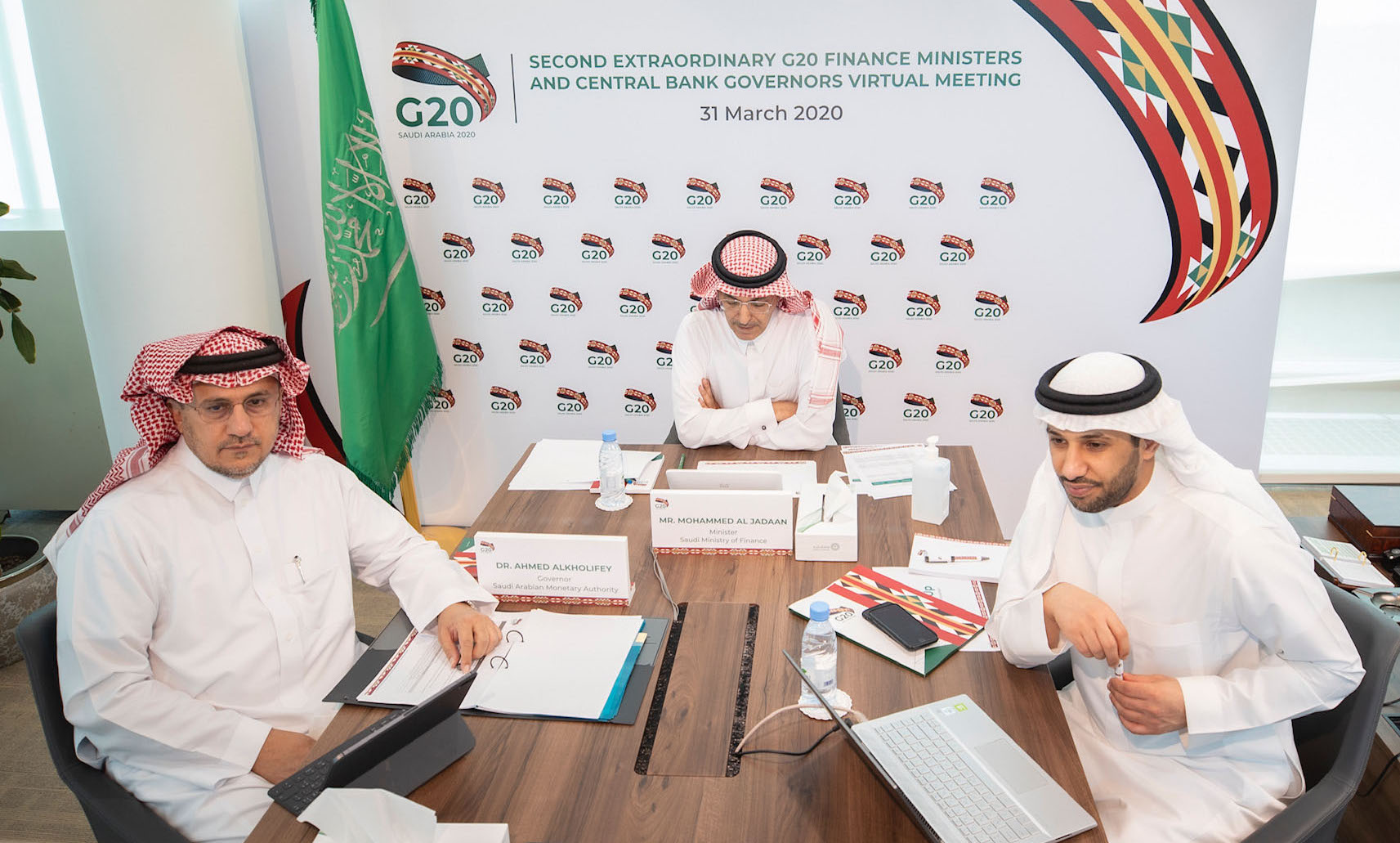
Vision 2030 promises a transformation of Saudi Arabia’s economy, and the financial sector will be crucial to achieving this. The sector will facilitate private investment focusing on small and medium-sized enterprise (SME) financing, fund mega-projects, and be a driver for diversifying away from oil. As a result, banks’ role must go from being distributive and largely passive to developmental and active. This article will highlight how the role of the Saudi banking sector has been transformed in the last five years and how its composition is changing to cope.
Baghdad, Beirut, and the politics of Lebanon’s power crisis
On July 24, Beirut and Baghdad signed a governmental framework agreement under which Iraq pledged 1 million tons of heavy fuel oil to Lebanon over a full year.
Lebanon’s power crisis is on the agenda, as Arab Gas Pipeline quartet prepares to meet in Amman
These developments come against the backdrop of multiple U.S. hints that Washington is potentially willing to circumvent sanctioning the participating parties under the Caesar Act.
Morocco's “first in North Africa” electric car production is a European manufacturing gain over China
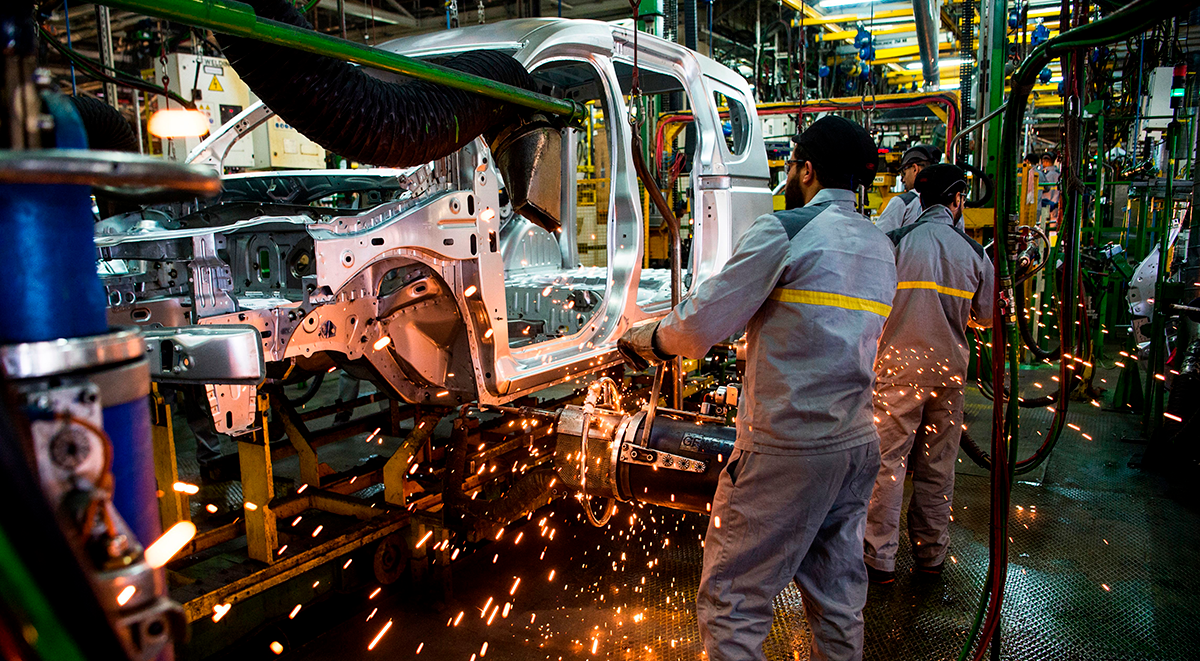
In an automotive first for North Africa, German automaker Opel will soon begin producing electric cars in Morocco. Opel’s electric car manufacturing in Kénitra leapfrogs China’s plan to build electric cars in Egypt, giving Morocco’s automotive industry an important first-mover advantage. The move also represents a strategic gain for European automotive manufacturing over China. As a gateway to West Africa, Morocco provides Opel and its parent company Stellantis a nearby production base for the eventual cost-effective export of electric vehicles to rapidly expanding markets in Sub-Saharan Africa.