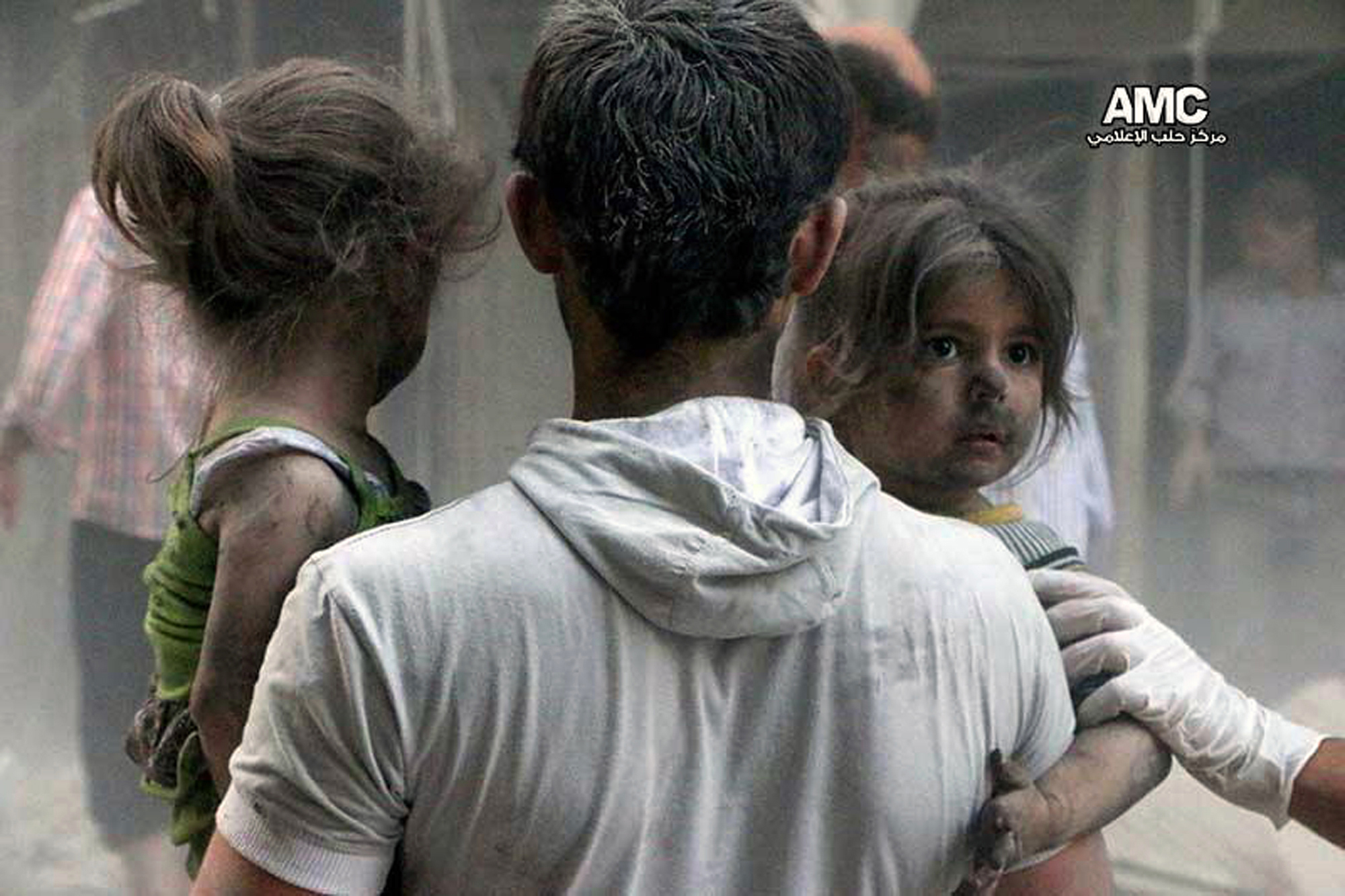
As the Obama administration searches for a Syria policy, some officials have become intrigued by an old idea that the United Nations now hopes could help tens of thousands of civilians and perhaps even break Syria’s political logjam.
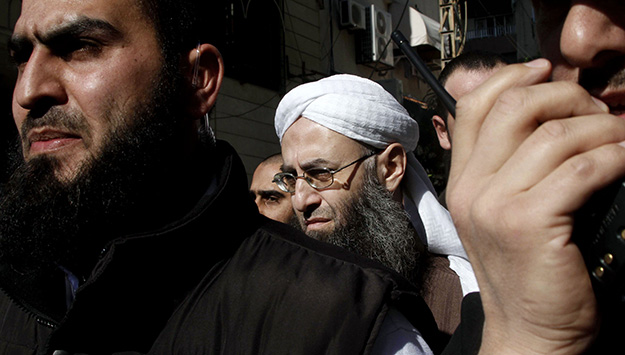
As fears of an ISIS surge in northern Lebanon continue to rise, it is important to have a balanced perspective on the makeup of current Lebanese Sunni Islamist groups. I recently spent three months conducting fieldwork in Lebanon, interviewing representatives from a wide variety of Islamist groups. I present my findings below.
Don’t be Fooled by Appearances, Liberal Values are Spreading in the Arab World
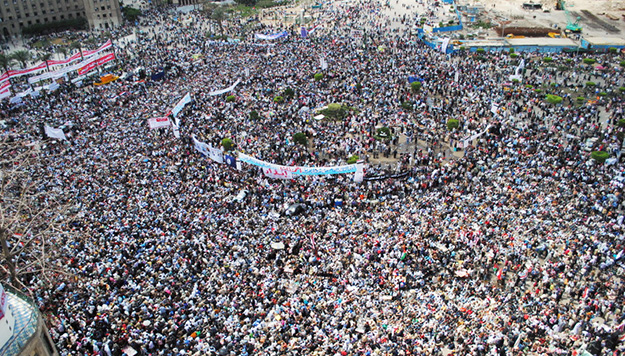
Is there such a thing as Arab liberalism? Judging by U.S. mainstream media coverage, the answer is no. Out of ten stories on the Middle East and North Africa (MENA), chances are that nine cover terrorism and sectarian violence—and the tenth, government abuse. What is true for media is even truer for other circles of knowledge production.
Taiwan’s Relations with Saudi Arabia: An Interview with Ibrahim Chao
Over the past half century, Saudi Arabia has been the most important country for Taiwan’s Middle East diplomacy. The following interview with HE Dr. Ibrahim Chao (Hsi-lin Chao), Taiwan’s representative to the Kingdom from 2009 to 2012, sheds light on the contours of and recent developments in the bilateral relationship. Prior to joining the Ministry of Foreign Affairs of the Republic of China, or Taiwan, Ibrahim Chao earned an M.A. and a Ph.D. in Shariah (Islamic Law) from the Umm al-Qura University in Mecca, Saudi Arabia. Since retiring from the diplomatic service, he has served as an advisor to the Chinese Muslim Association in Taipei.
This paper is part of an MEI scholar series, titled “Obama’s Legacy in the Middle East: Passing the Baton in 2017.” Click here to view the full project, or navigate using the table of contents to the right.
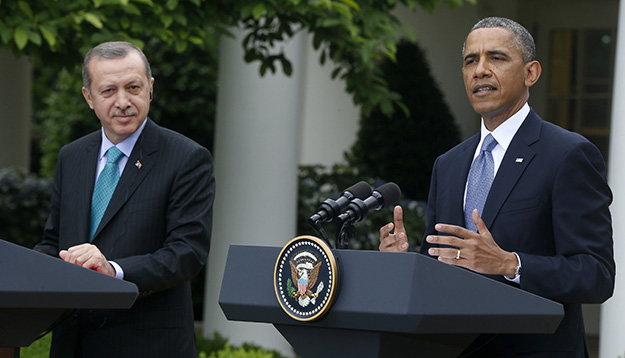
Washington-Ankara Tensions Will Shape Obama’s Legacy in Turkey
This paper is part of an MEI scholar series, titled “Obama’s Legacy in the Middle East: Passing the Baton in 2017.” Click here to view the full project, or navigate using the table of contents to the right.
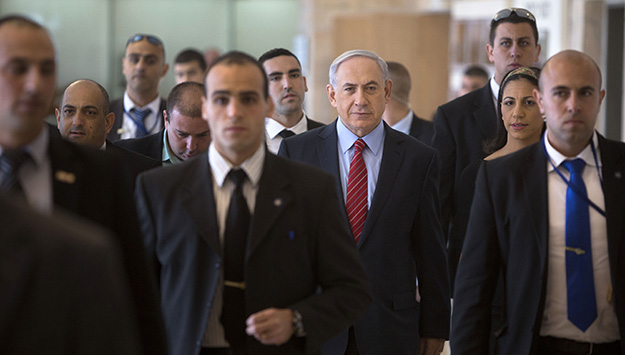
There’s an expression in Israel along the lines of “people are scrupulously honest with pollsters, then they get into the voting booth and lie like hell.” It is important to bear this chestnut in mind as one scans survey returns regarding prospects for the major parties in the upcoming elections.
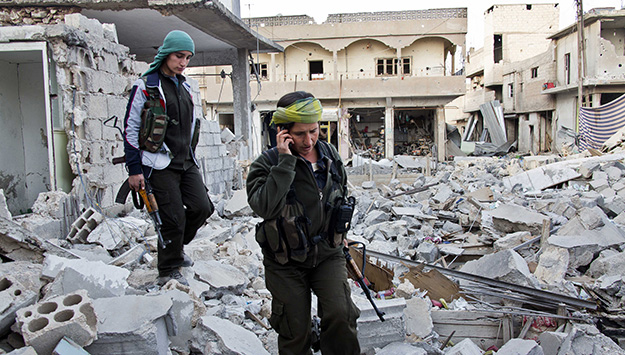
In the ongoing fighting in and around Kobani in northern Syria, it appears likely that the defending Kurdish forces will ultimately prevail and be able to expel the Islamic State (ISIS). However, in order to enable refugees to return, substantial aid and reconstruction efforts will be needed, and more benign Turkish border policies are essential in the meantime.
Religious interaction between the Arabian Peninsula and Indonesia has a long history. Traders and missionaries from the Peninsula were the primary sources of Islam to the archipelago. Saudi Arabia’s Islamic credentials in Indonesia have been strengthened by the fact that Mecca and Medina are part of the Kingdom.
This paper is part of an MEI scholar series, titled “Obama’s Legacy in the Middle East: Passing the Baton in 2017.” Click here to view the full project, or navigate using the table of contents to the right.
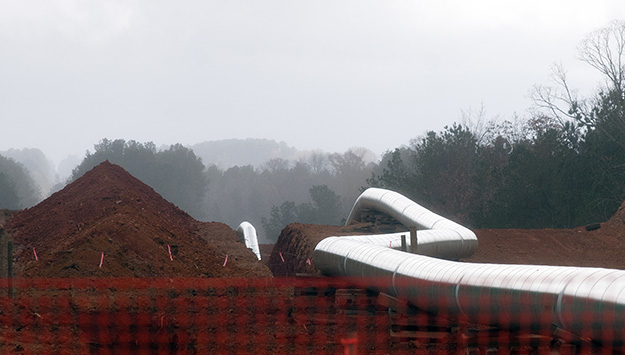
Obama and Declining U.S. Dependence on Imported Oil and Gas
This paper is part of an MEI scholar series, titled “Obama’s Legacy in the Middle East: Passing the Baton in 2017.” Click here to view the full project, or navigate using the table of contents to the right.