In this week’s Monday Briefing, MEI experts Alex Vatanka, Gonul Tol, Gerald Feierstein, Marvin G. Weinbaum, Rauf Mammadov, and Robert S. Ford provide analysis on recent and upcoming events including Iran’s announcement that it has exceeded its enriched uranium limit, Turkey’s purchase of Russia’s S-400s missile defense system over American objections, an Emirati announcement that it will downsize military involvement in Yemen, the resumption of intra-Afghan peace talks, Russia’s continuing embrace of OPEC+ oil production cuts, and the emergence of potential threats to Tunisia’s democracy.
Monday Briefing: Bahrain workshop is little more than a kabuki show
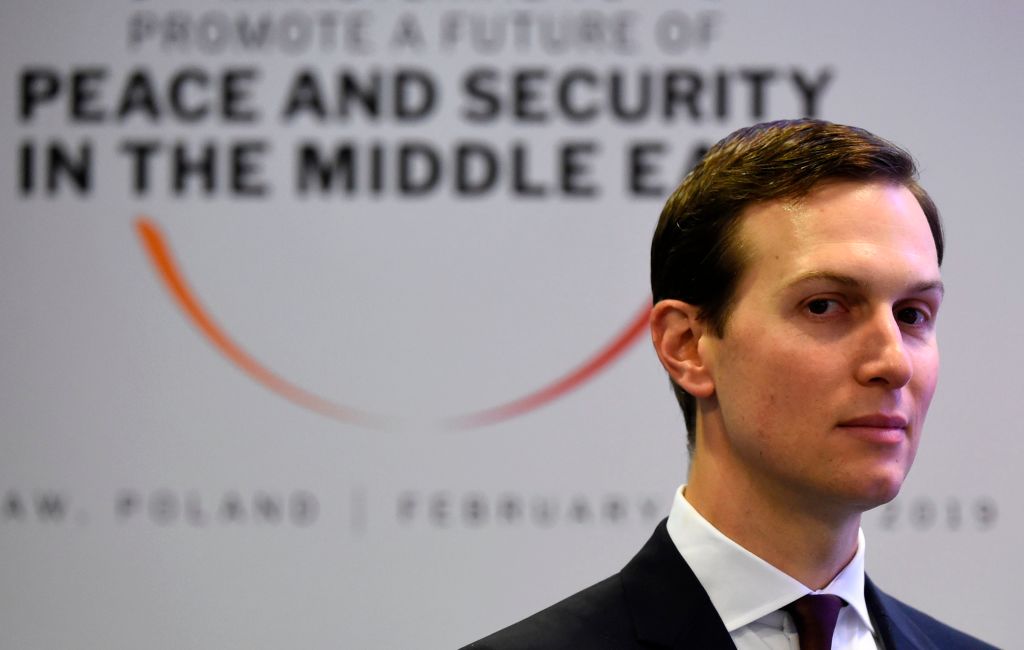
In this week’s Monday Briefing, MEI experts Gerald Feierstein, Guney Yildiz, Nathan Stock, Elizabeth Dent, and Eran Etzion provide analysis on recent and upcoming events including this week’s Bahrain “workshop” on Palestine’s economic development, an opposition victory in Istanbul’s rerun election, the release of a portion of the Trump administration’s Israel-Palestine peace plan, the fracturing of the Global Coalition to Defeat ISIS, and Tuesday’s trilateral meeting between the U.S., Israel, and Russia.
Energy and Geopolitics in the Eastern Mediterranean
MEI scholars Mirette Mabrouk and Rauf Mammadov join host Alistair Taylor to discuss the region’s energy boom, how significant recent finds are to the global market, and the challenges facing regional energy cooperation.
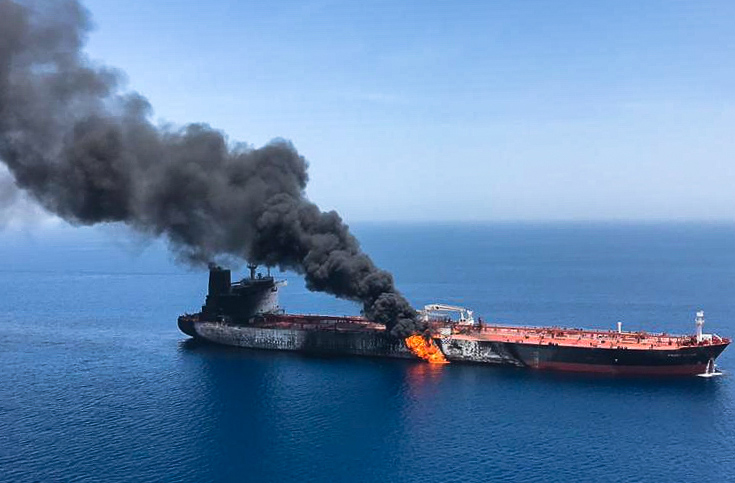
The U.S. and Iran are locked in conflict. Regardless of the details or culpability regarding the latest attack on two tankers in the Gulf, the conflict is centered on Washington’s “maximum pressure” campaign and Tehran’s response that it will not sit idly by while its economy is brought to its knees. Paul Salem sketches out five possibilities for where things might be headed.
Saudi Arabia looks abroad to LNG and petrochemicals to hedge its bets
In late May, Saudi Aramco signed an agreement to buy 5 million tons per annum of liquefied natural gas (LNG) from San Diego-based Sempra Energy’s planned LNG terminal in Port Arthur, Texas. The deal exemplifies Saudi Aramco’s determination to boost the share of LNG and petrochemicals in its portfolio before its long-awaited public offering in 2021.
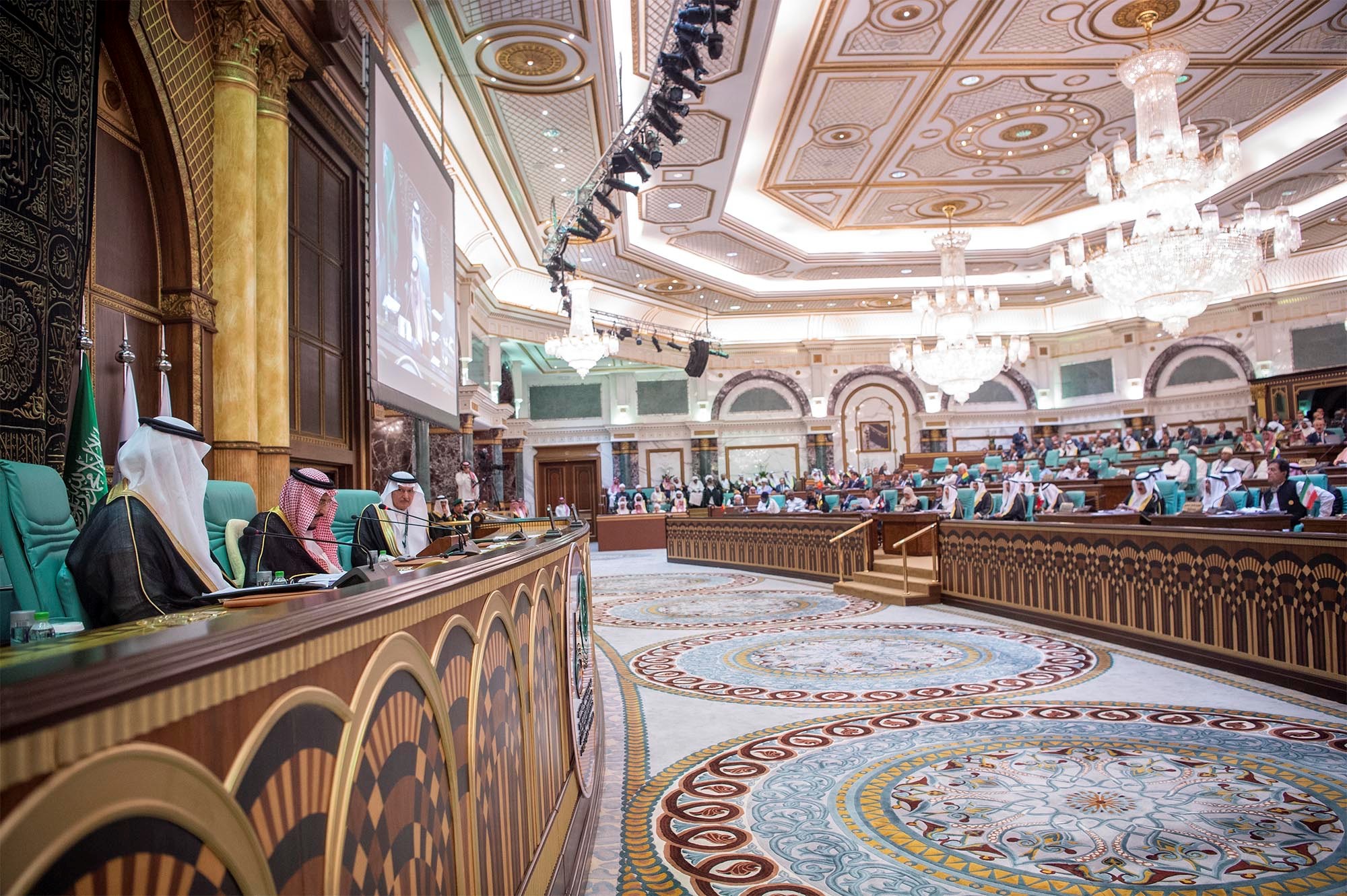
In this week’s Monday Briefing, MEI experts Birol Baskan, Eran Etzion, Alex Vatanka, and Marvin G. Weinbaum provide analysis on recent and upcoming events including recent regional summits in Mecca to discuss Iran and the Qatar crisis, Benjamin Netanyahu’s gambit to retain power in Israel, and escalating hostilities between the Pakistani military and the Pashtun Tahaffuz Movement.
Over the past few months, an awkward courtship has been going on between Iraq and its two most polarizing neighbors, as Tehran and Riyadh attempt to convince Baghdad of the merits of their respective orbits. While both sides make compelling points, the fact is that Iraq is exceedingly happy to occupy the middle ground, geopolitically and economically, between the two regional powers.
Monday Briefing: Iraq back in the eye of the storm
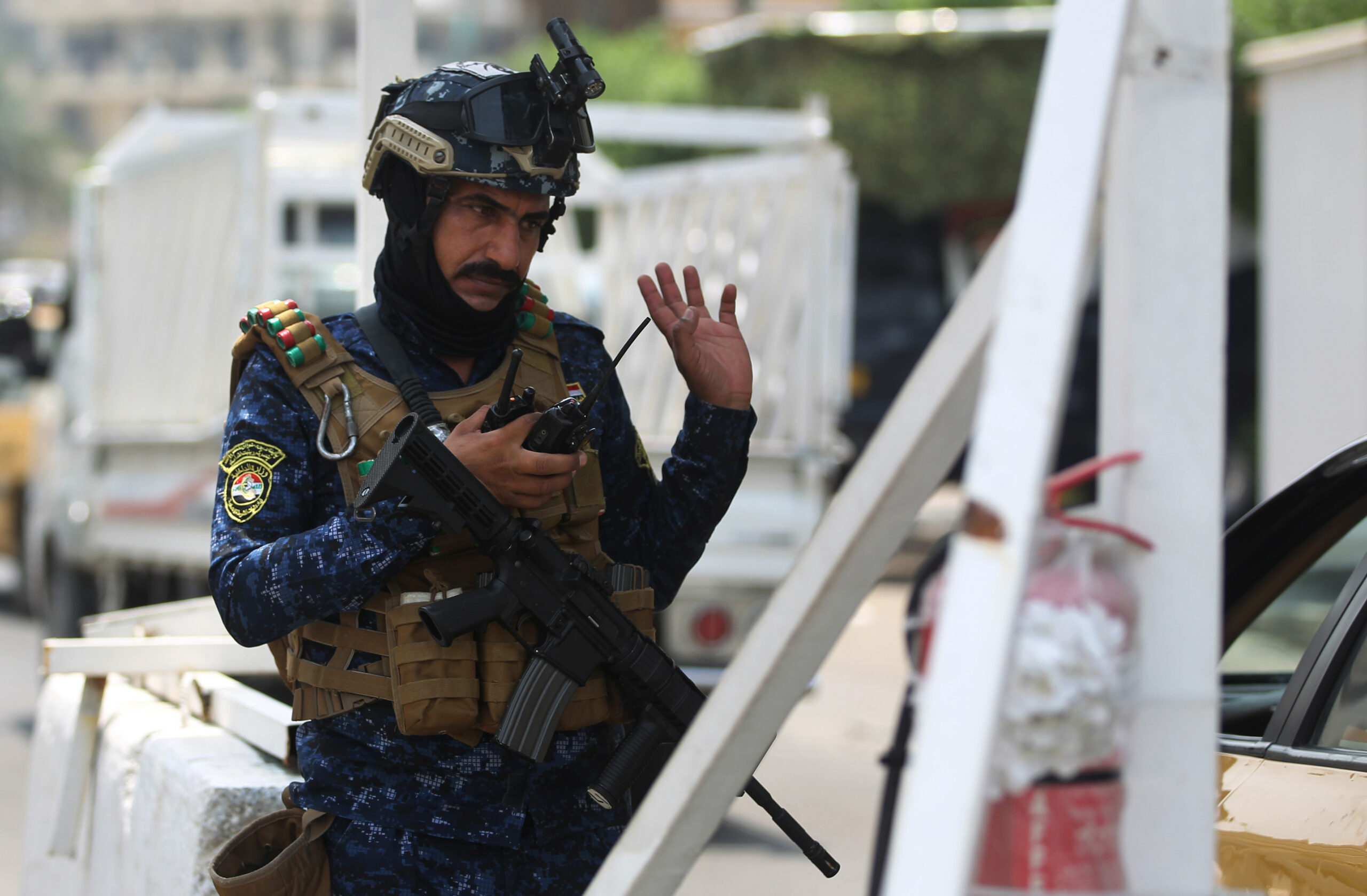
In this week’s Monday Briefing, MEI experts Randa Slim, Gerald Feierstein, Zubair Iqbal, Marvin G. Weinbaum, Mirette F. Mabrouk, Robert S. Ford, and Rauf Mammadov provide analysis on recent and upcoming events including the escalating tensions between the United States and Iran with Iraq caught in between, Jared Kushner’s economic development plan for Palestinians, the IMF’s bailout deal with Pakistan, political turmoil ahead of the Afghan presidential election, developments in the Egyptian media landscape following recent constitutional amendments, debate over how to approach elections in Algeria, and the impact of US-Iran tensions on the oil market.
With tensions rising, are we heading toward conflict in the Gulf?
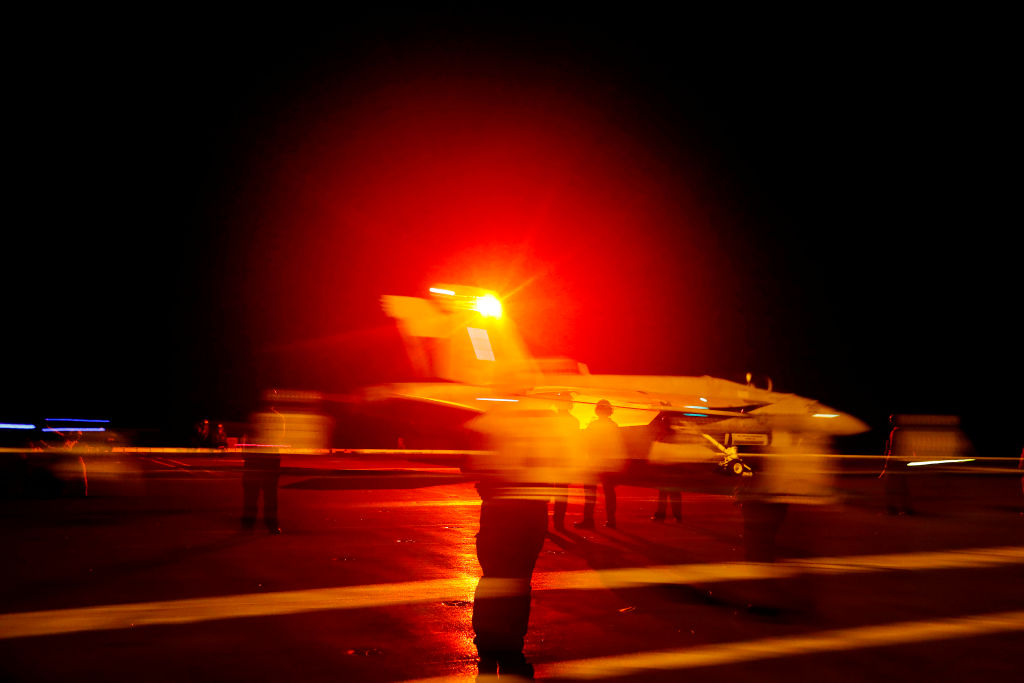
Since the Trump administration refused to extend waivers for Iranian oil exports expiring on May 2nd, the U.S. and Iran have engaged in a cycle of escalating threats and actions. The U.S. has further ratcheted up its “maximum pressure” campaign by adding new sanctions, and in the last few days, the turmoil has deepened as the region absorbed reports of mysterious sabotage against tankers in Emirati ports, apparent Houthi drone attacks on Saudi oil facilities, and news that the Trump administration is contemplating substantial deployments of U.S. military personnel to the region.
Monday Briefing: Ships sabotaged in the Gulf amid rising tensions with Iran
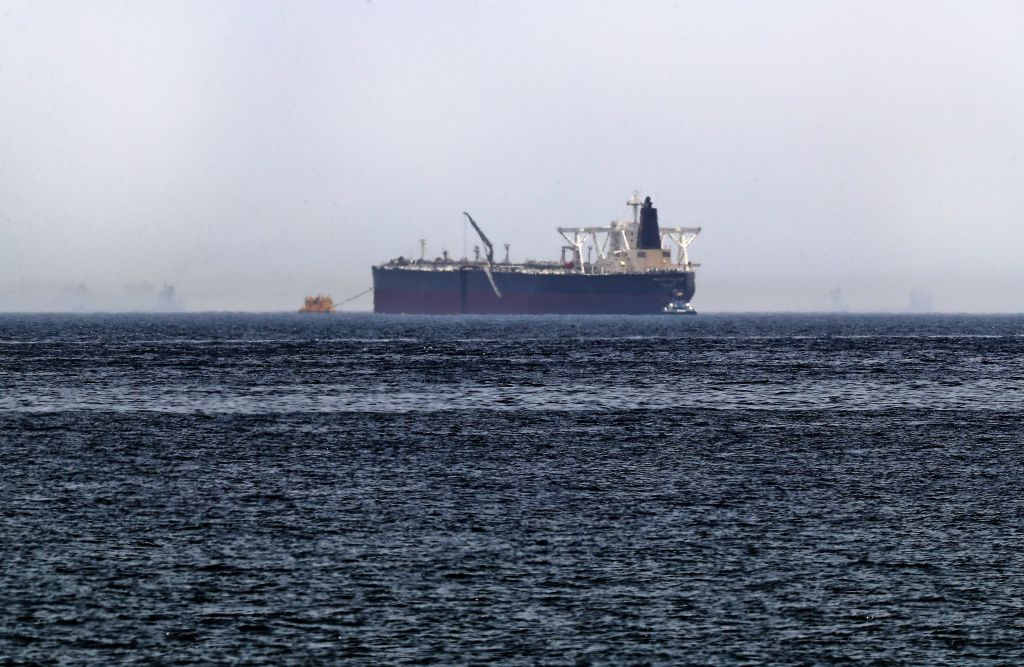
In this week’s Monday Briefing, MEI experts Alex Vatanka, Robert S. Ford, Jonathan M. Winer, and Gonul Tol provide analysis on recent and upcoming events including the sabotage this weekend of four ships off the coast of the UAE, the recent escalation of fighting in northwestern Syria, efforts to negotiate a ceasefire in Libya, and mounting concerns about Turkey’s economic health.
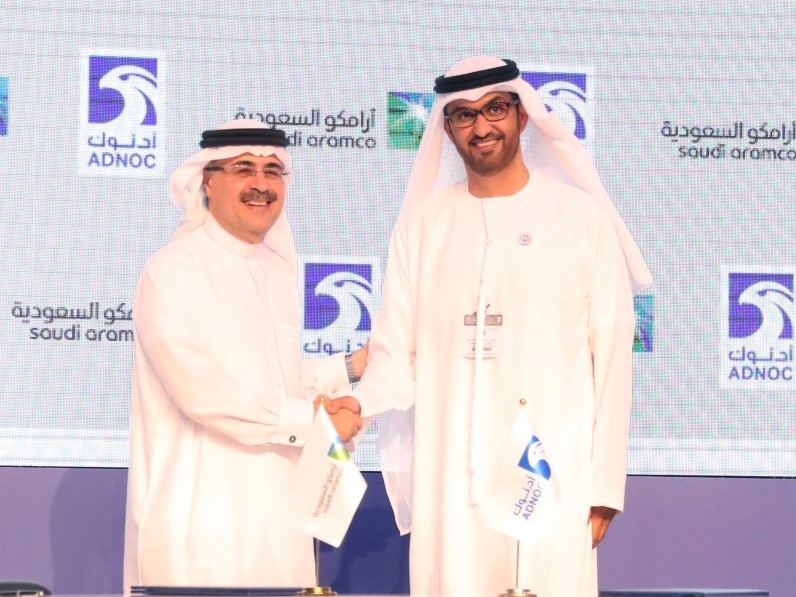
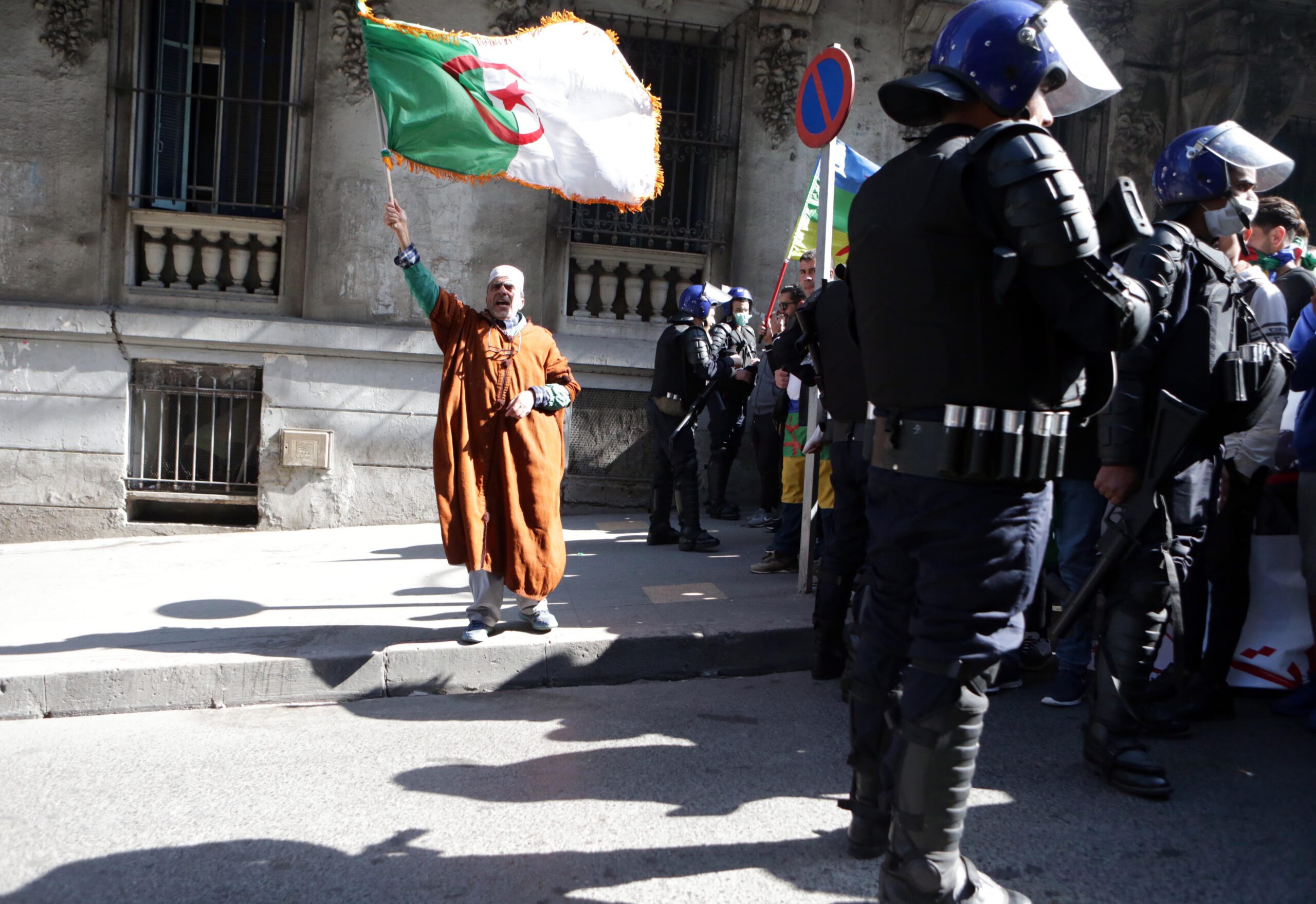
In this week’s Monday Briefing, MEI experts Robert S. Ford, Mirette F. Mabrouk, Nathan Stock, Marvin G. Weinbaum, and Jean-François Seznec provide analysis on recent and upcoming events including the government shakeup in Algeria, Egyptian President el-Sissi’s visit to Washington, rocket attacks from Gaza, Imran Khan’s war against poverty, and a $69 billion merger between Saudi Arabia’s oil and chemical giants.
Lavrov’s Gulf trip highlights Russia’s growing regional role
Russian Foreign Minister Sergei Lavrov made a four-day trip to the Gulf in early March, stopping in Qatar, Saudi Arabia, Kuwait, and the UAE as part of a broader effort to boost Moscow’s ties with the region. Although the Gulf monarchies are traditionally considered of some of the U.S’s closest allies, relations between Russia and the Gulf have improved in recent years and there is potential for further cooperation going forward.
Saudi Arabia’s financial markets and economic development
Jean-François Seznec and Samer Mosis, authors of “The Financial Markets of the Arab Gulf: Power, Politics and Money,” join host Alistair Taylor for a deep dive on Saudi Arabia’s financial markets and the challenges facing its economic development.