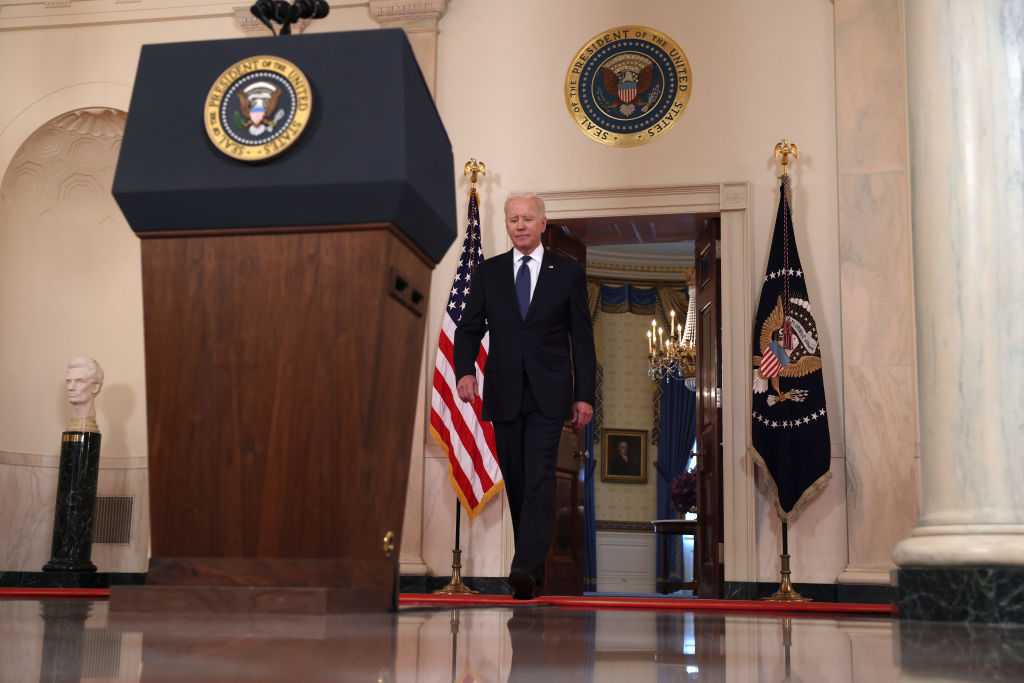
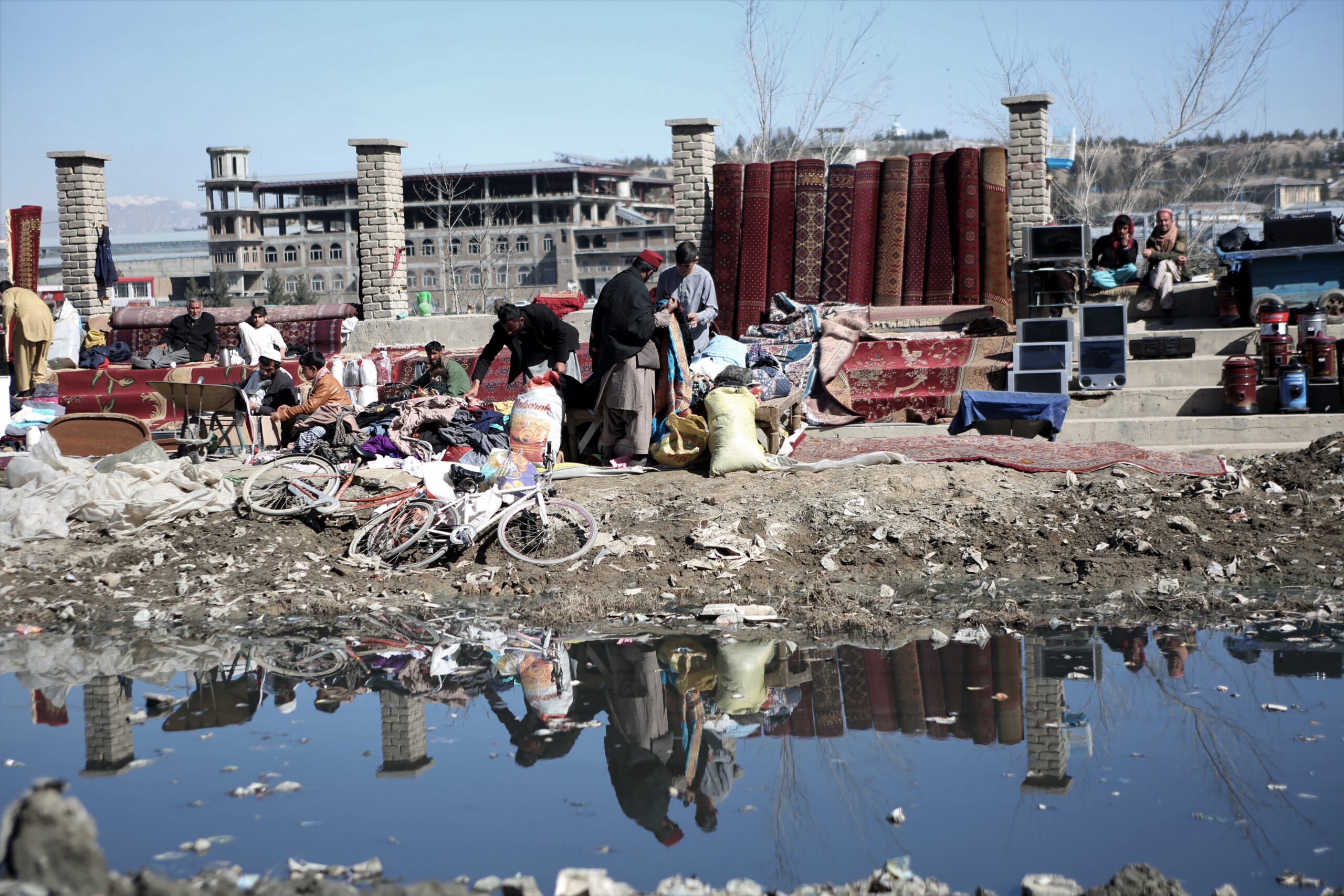
Monday Briefing: President Biden’s decision shortchanges the Afghan people
Read MEI’s weekly briefing featuring expert analysis of key regional developments for the week ahead.
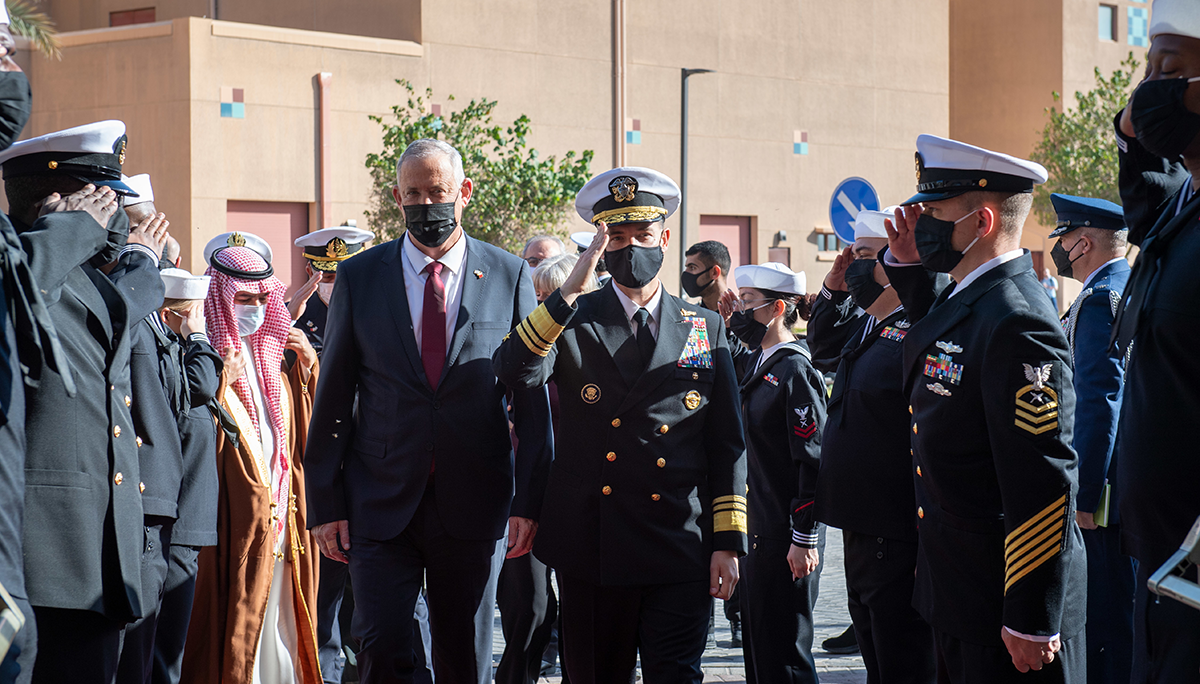
The U.S. is disengaging from the Middle East as it shifts its focus elsewhere, a move widely perceived within the region as a sign of a coming American departure. Many in Israel were concerned that this would strengthen Iran and its influence in the region. Instead, it is Israel that has emerged stronger.
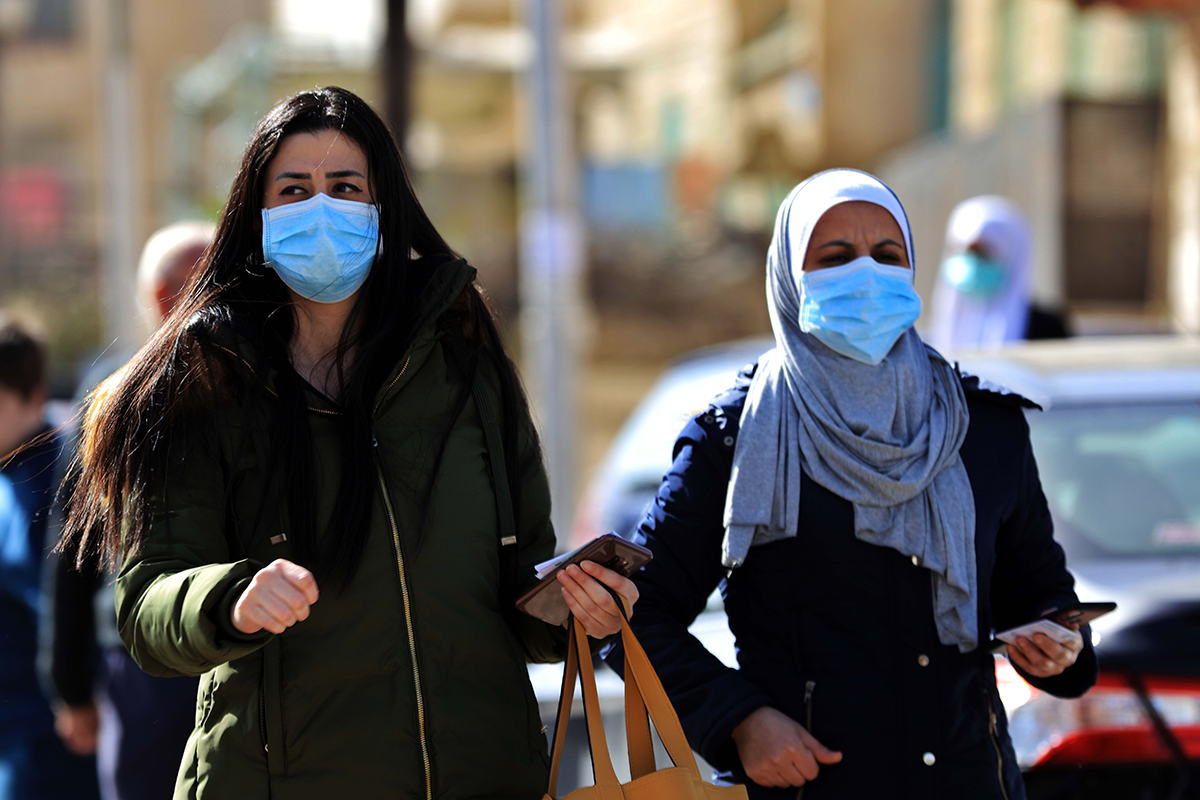
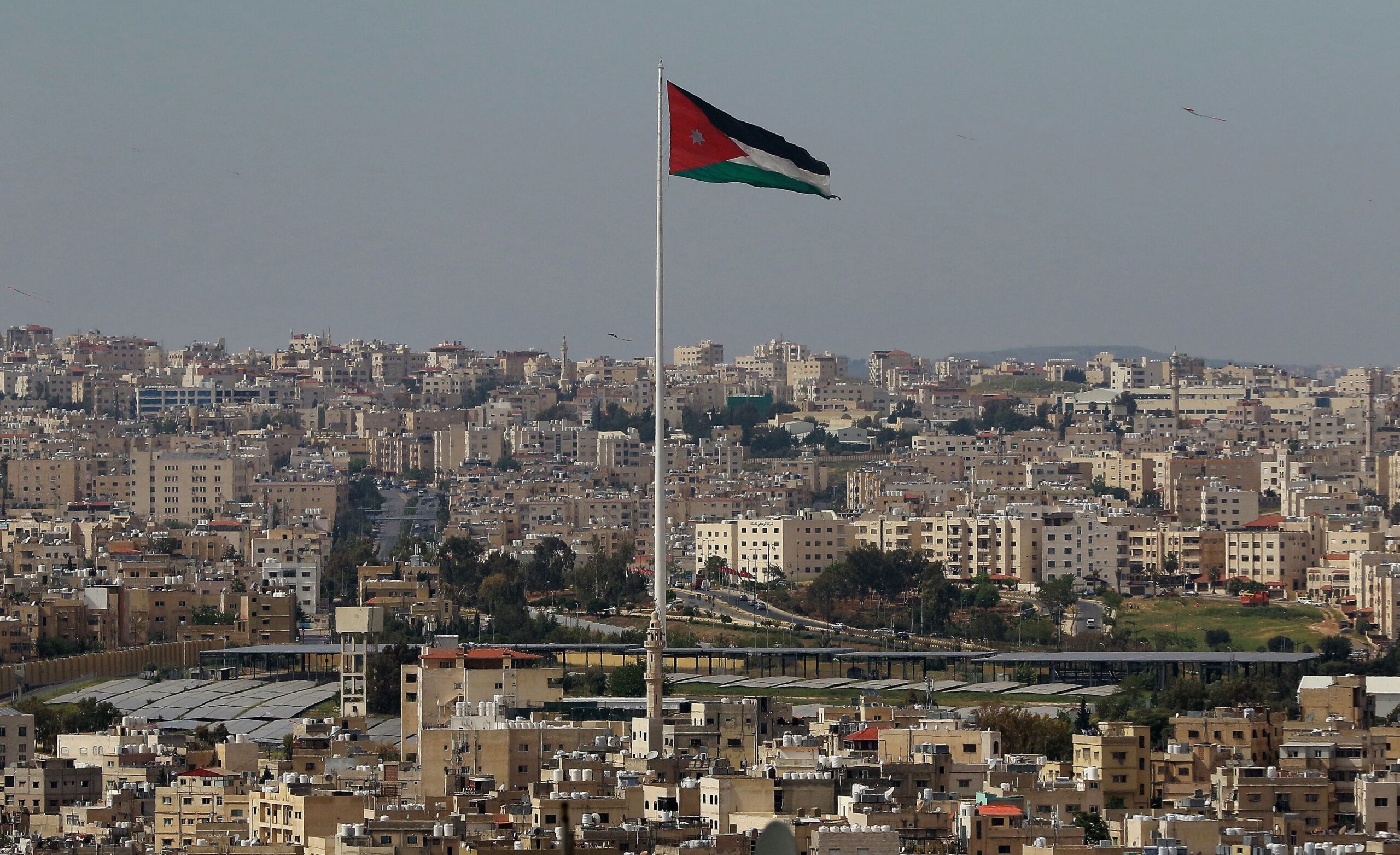
Jordan has the lowest rate of women’s economic participation of any country not at war. According to the ILO, the kingdom’s female labor force participation rate is below 15%, while that of men is about 60%. This is lower than rates of female labor force participation in neighboring Lebanon (23%), Saudi Arabia (22%), and the West Bank and Gaza (18%). As the COVID-19 pandemic stretches on, the government of Jordan should take the opportunity to expand the accessibility of remote work and corresponding opportunities for Jordanian women who aim to play a role in their nation’s economy.
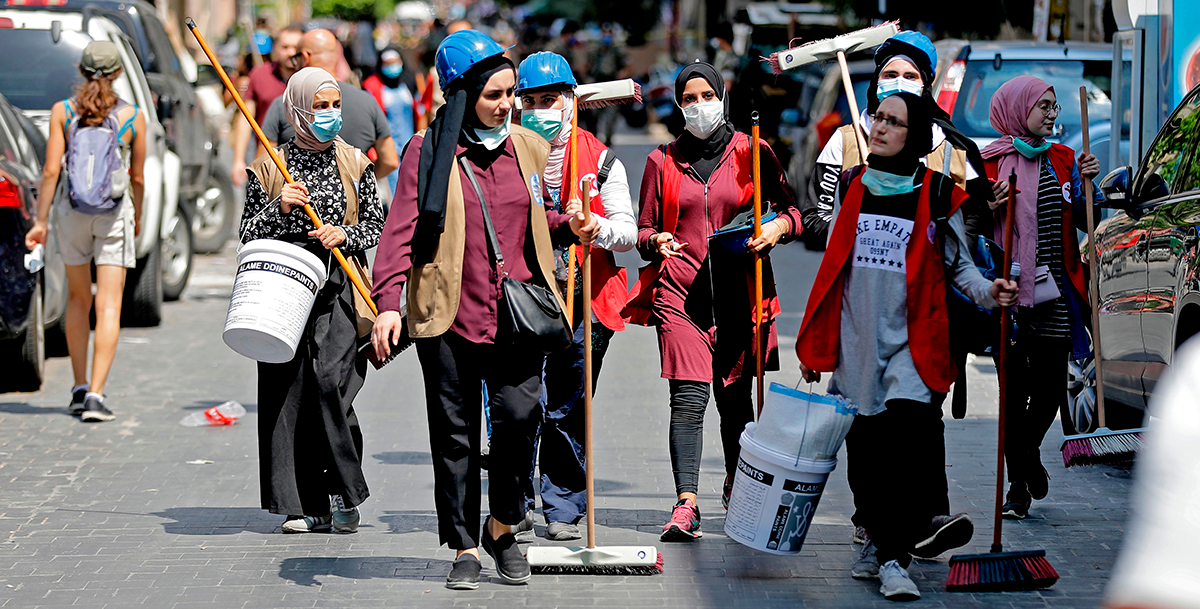
Lebanon is currently at a crossroads as the government faces the daunting tasks of rebuilding the economy, restoring public trust, and clearing the way for free and fair parliamentary elections in May of 2022. The country finds itself spiraling downward — an agreement with the IMF is yet to be realized, poverty and emigration are increasing, and there are growing threats to stability due to a failing economy and widespread corruption. Given this critical situation, it is worthwhile to review U.S. interests in Lebanon’s survival and consider key recommendations for U.S. policy to help Lebanon avoid complete collapse and help the Lebanese people move toward economic recovery, political legitimacy, and a more capable, transparent, and sovereign state.
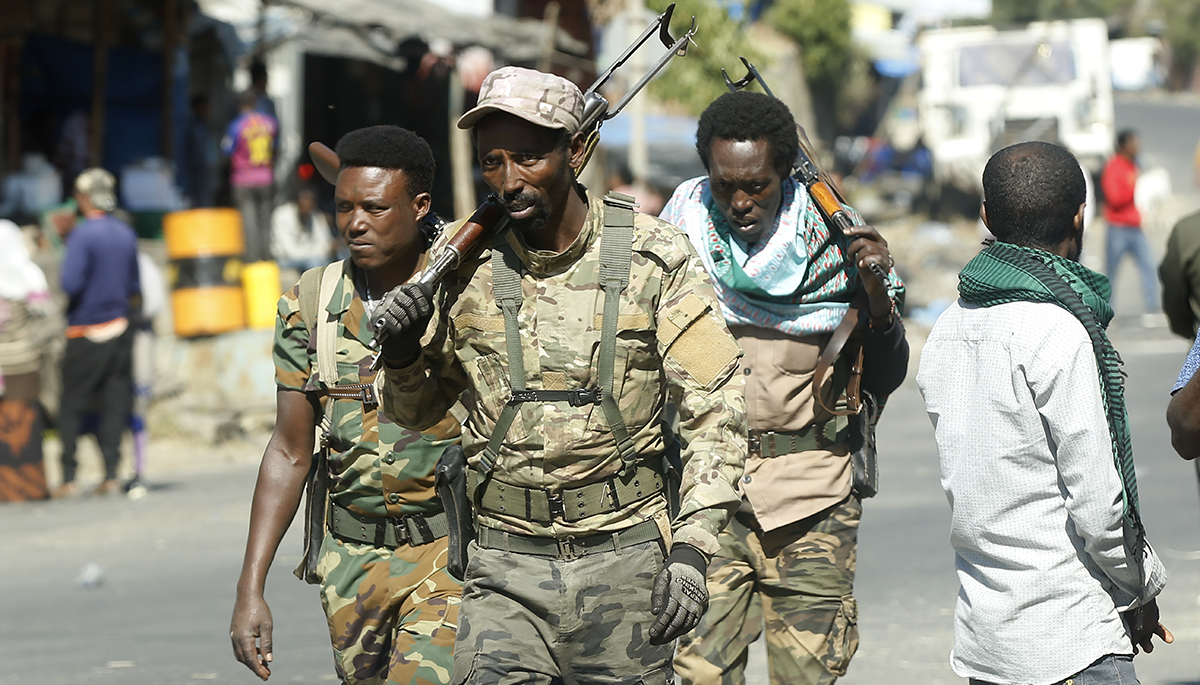
Ethiopia is Iran’s gateway to the Horn of Africa and the broader East Africa region. By helping Ethiopia in its ongoing conflict with the rebel Tigray Defense Forces, which represent the Tigray ethnic minority, Iran is preserving its so-called strategic depth in the region to bolster its influence.
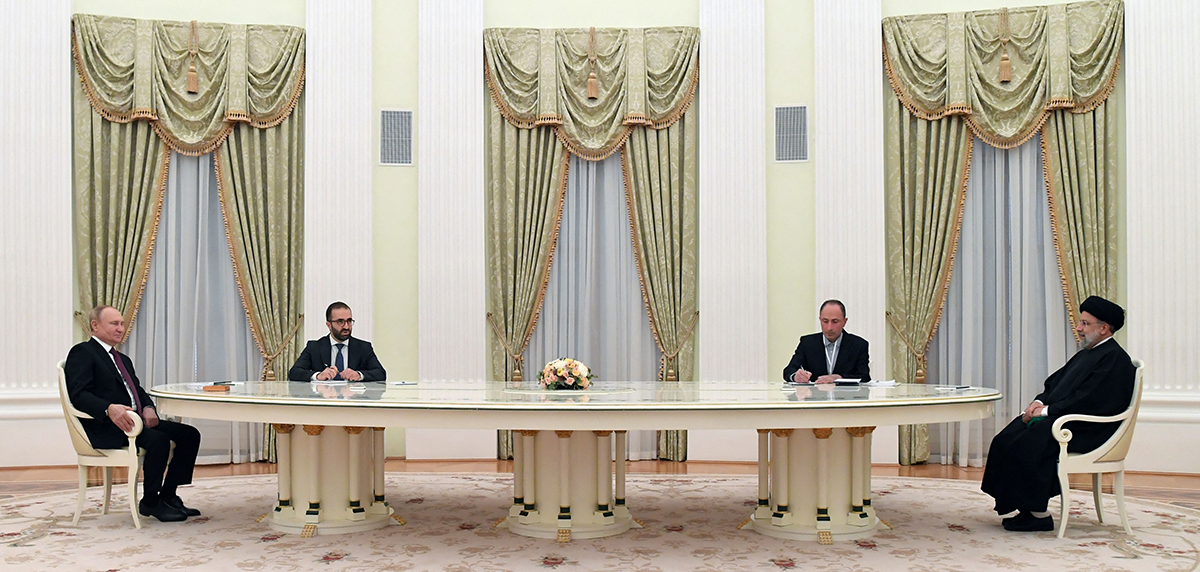
Since the fall of the Soviet Union and the rise of Vladimir Putin in the 1990s, military and economic relations between Iran and Russia have improved, as their tensions with the West have intensified. One aspect of the relationship that has received little attention is their growing economic and trade cooperation involving the production, export, and import of halal meat and other products since 2015.
What these attacks and many others in the region have in common is Iran’s irrefutable involvement. They may have different local contexts and their perpetrators, all loyal to Iran, may have different motivations, but every single one of those attacks was possible only because Iran provided either the weapons or the know-how to assemble and use them.
On Dec. 23, Jordanian Minister of Industry, Trade, and Supply Yousef Shamali and Russia’s Ambassador to Jordan Gleb Desyatnikov attended a ceremony to finalize a bilateral cooperation agreement on science, culture, and education. This agreement highlights Jordan’s delicate foreign policy balancing act. The government, led by King Abdullah II, will continue to work with a diverse group of countries, even those with tense relations with the West, to bolster its security and economic opportunities. Mitigating security threats and increasing business opportunities is key to political stability and the continuation of the king’s rule amid Jordan’s persistent socio-economic problems. However, the king will need to be careful not to undermine his closest allies by working with their adversaries.
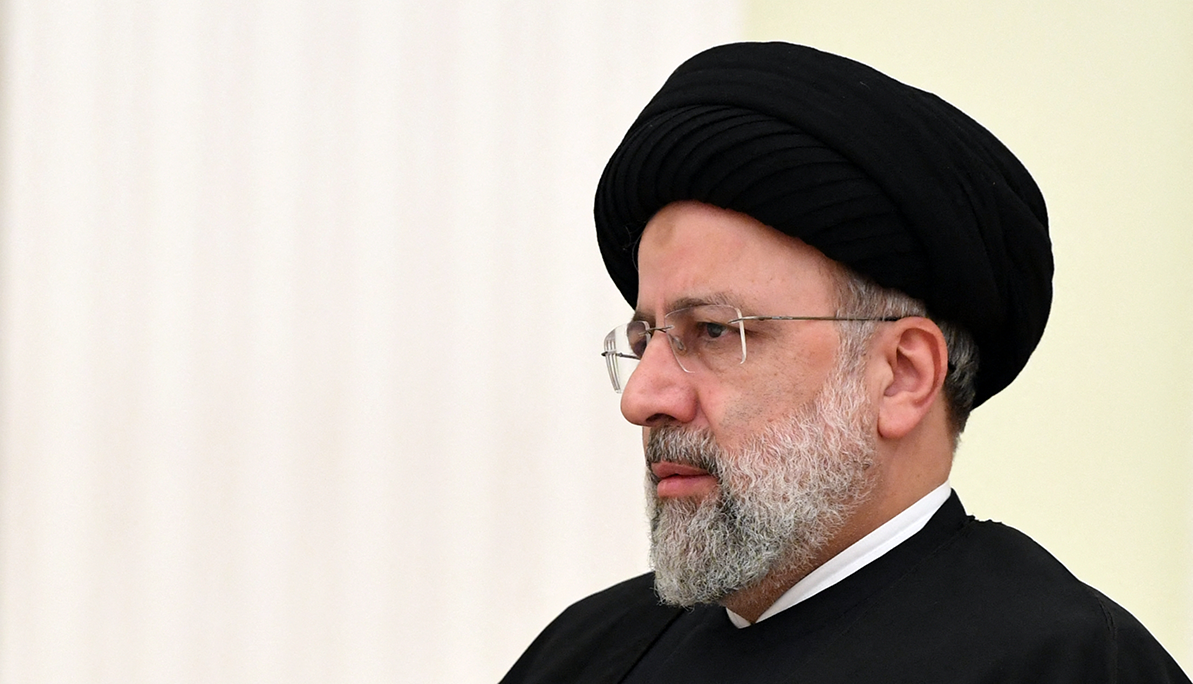
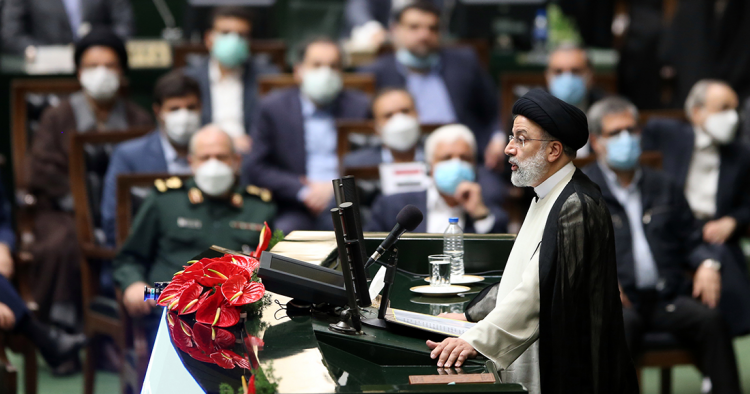
Will Raisi succeed where previous Iranian regimes have failed?
Read MEI’s weekly briefing featuring expert analysis of key regional developments for the week ahead.
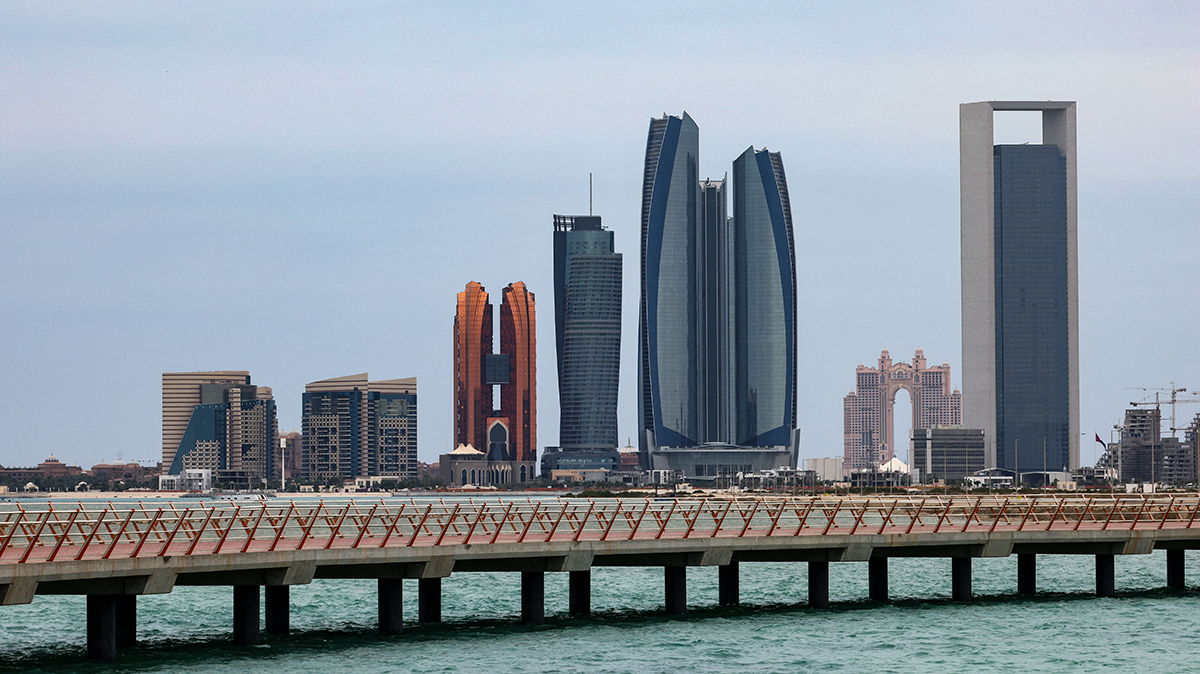
Three days have passed since the Houthi attack on the UAE, yet there’s still a lot we don’t know about what really happened. Here’s what we do know: The Houthis officially stated that they were the ones who struck Abu Dhabi, and unlike in September 2019 when they made the same claim, this time they might not be lying. Yet this is not enough to help us answer what in my opinion is the ultimate question: to what extent were the Iranians involved in this attack?
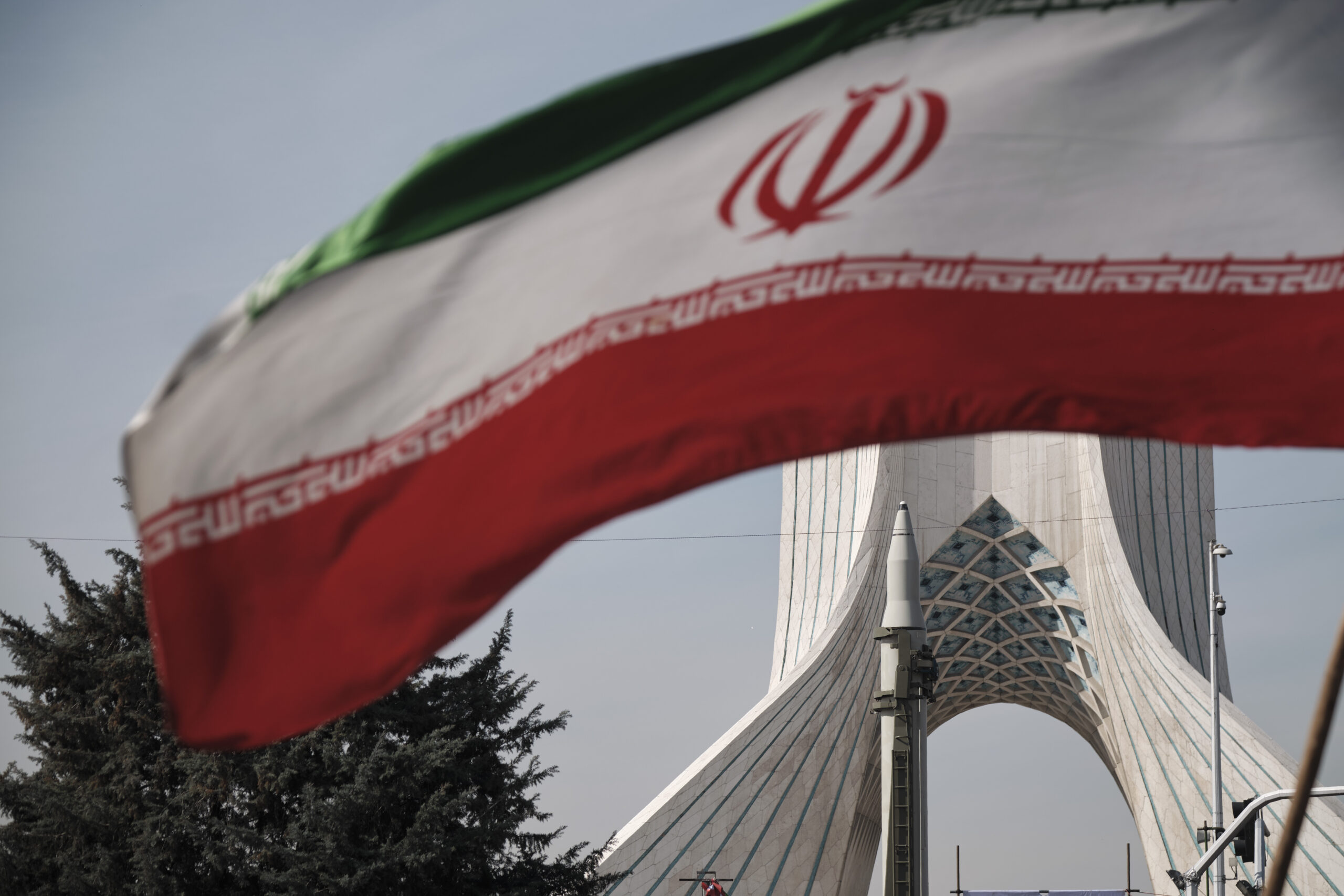
Iran’s new president, Ebrahim Raisi, has presented his first draft budget bill for the upcoming Iranian year (1401), which starts on March 21, 2022. Rather than facilitating a much-needed economic recovery, the proposed budget is designed to strengthen the regime’s power base and impose austerity while keeping society under control.
Look to the people of the region first, then the evolving competition among regional states and global powers, for signs on what to expect.
On Jan. 17, the Houthis perpetrated another attack, targeting an Emirati oil facility in Abu Dhabi, killing three international citizens, and damaging infrastructure. The story here is unfortunately all too familiar and begs a coherent response now. After all, what is becoming routine in the Gulf will likely be copied and repeated in other locations.
Recently, the Iranian regime’s anti-Israel campaign scored an own goal when various hard- line regime news outlets targeted former Iranian national soccer team captain Mehdi Mahdavikia with severe criticism and condemnation. Mahdavikia’s crime? Wearing a jersey at an international exhibition soccer match arranged by FIFA in Qatar that featured the flags of all 211 FIFA members, including Israel.