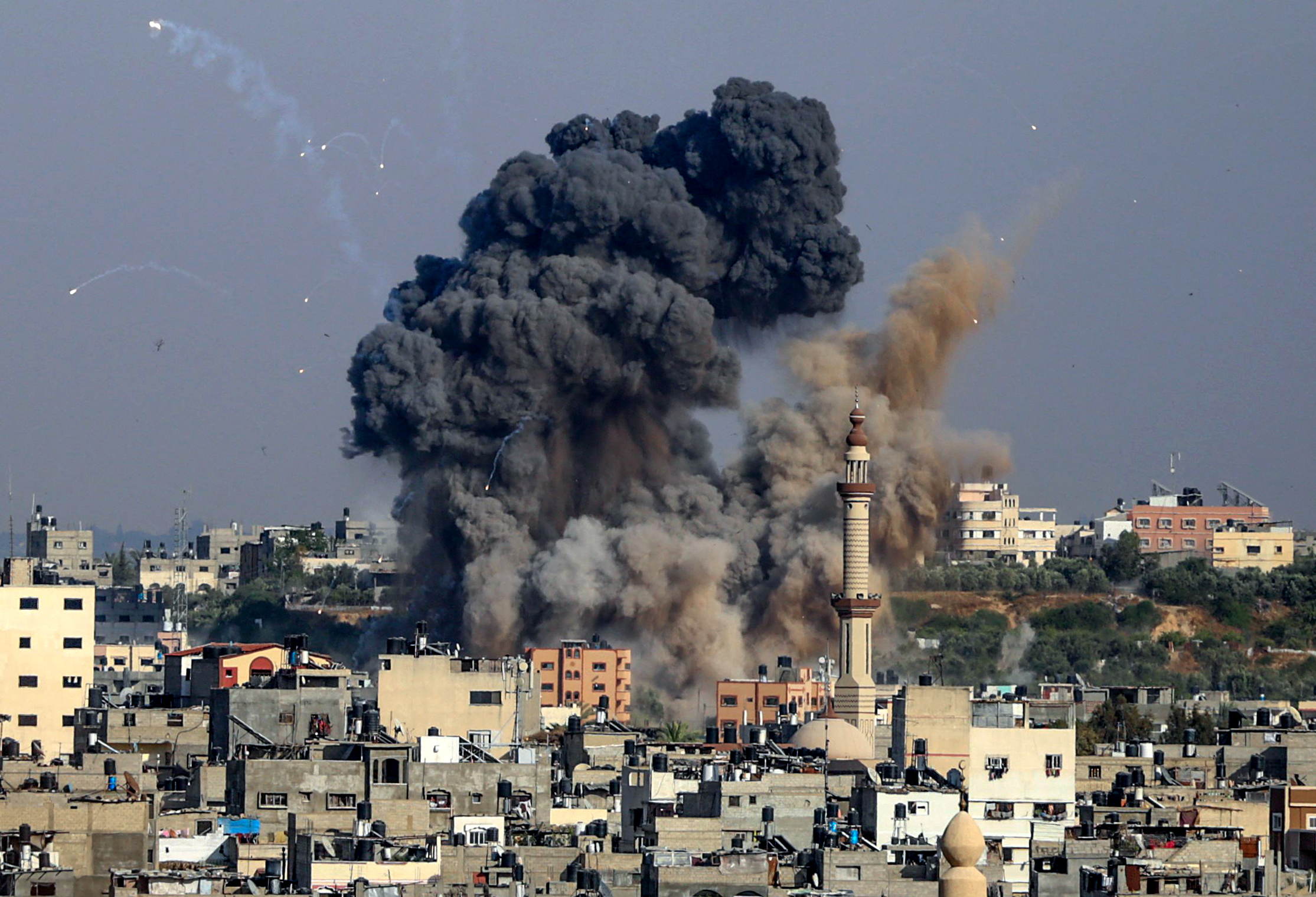
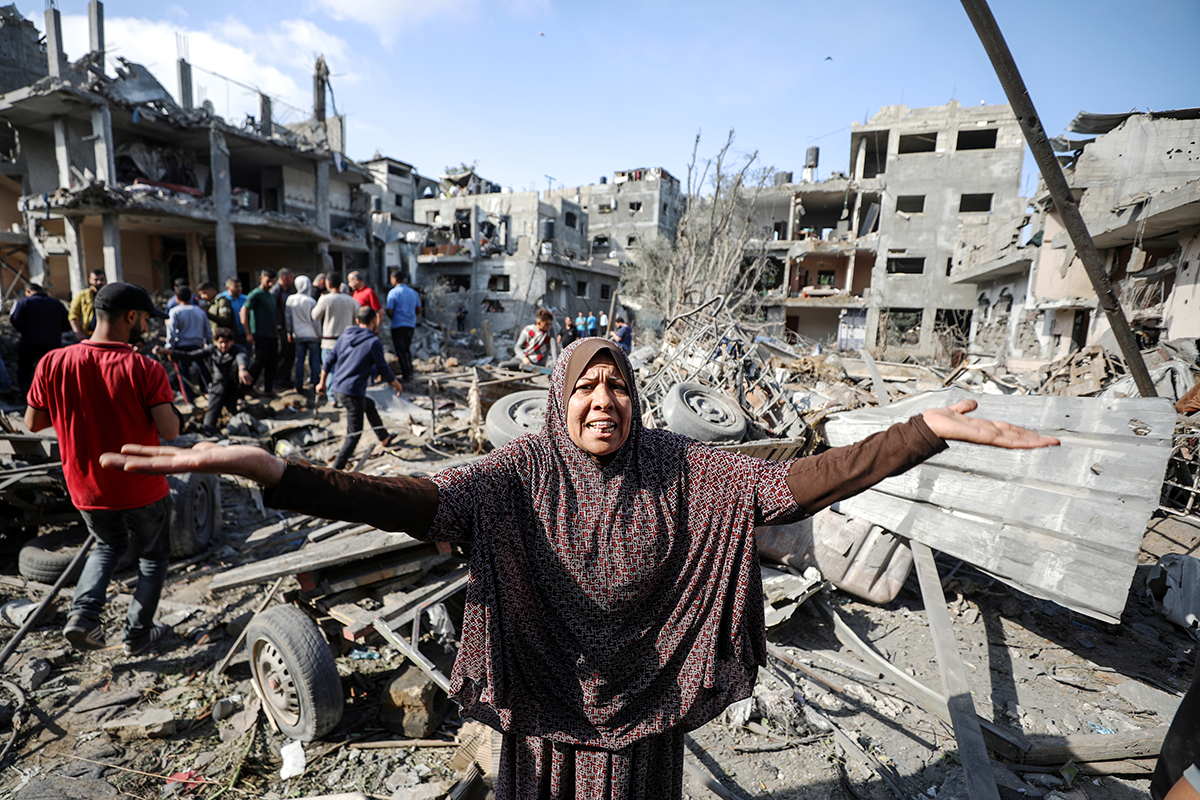
Israeli repression links the violence in Gaza and Jerusalem
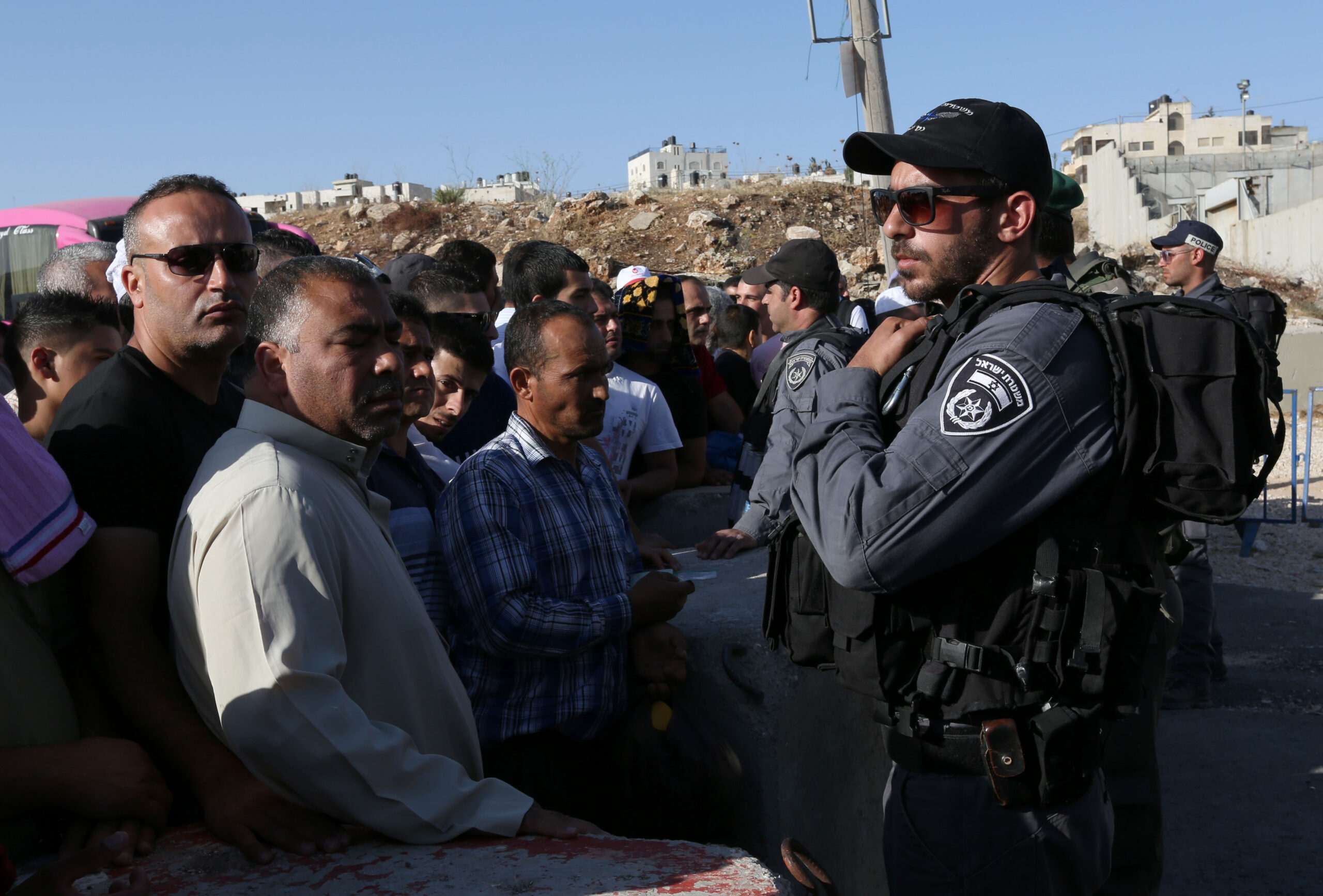
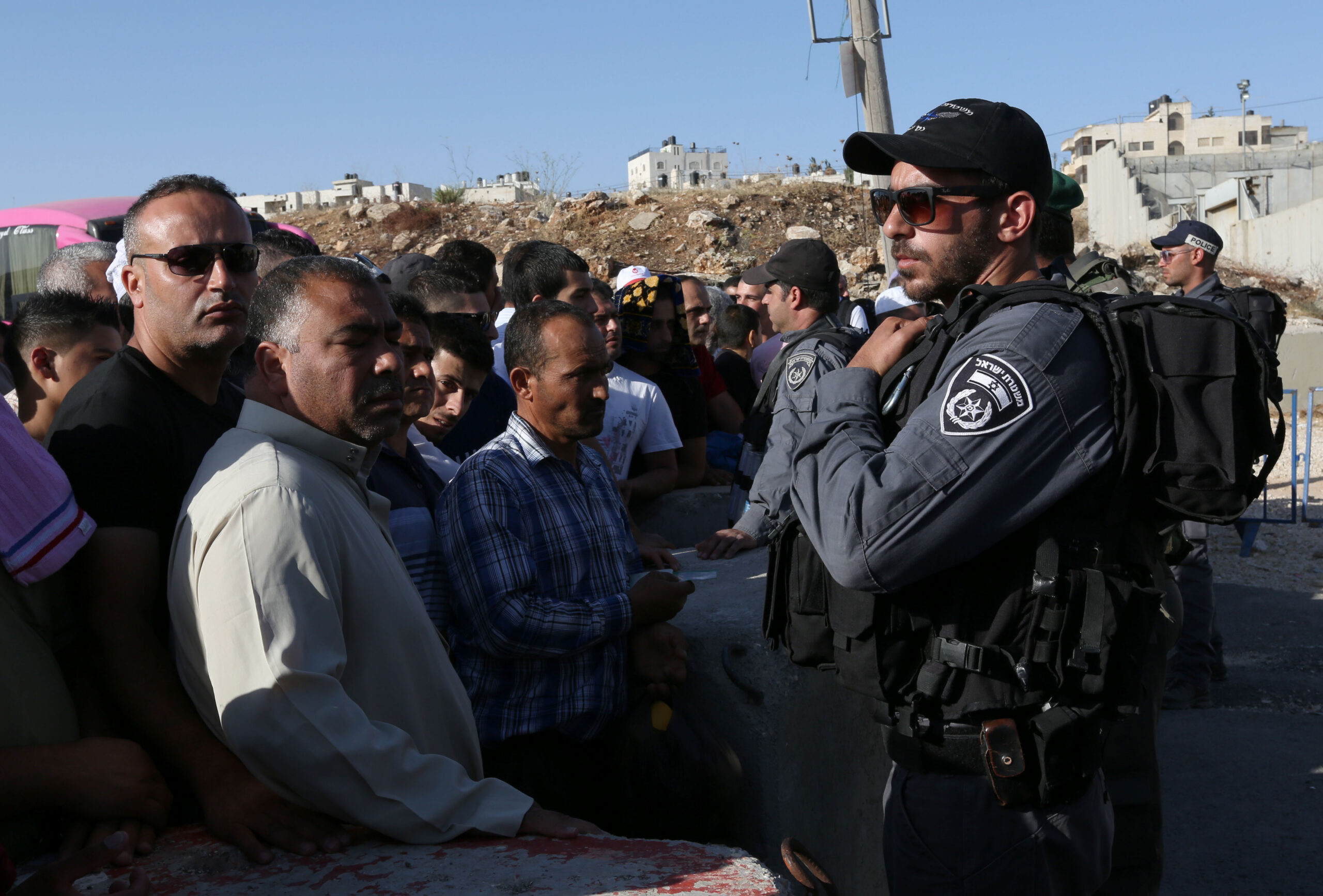
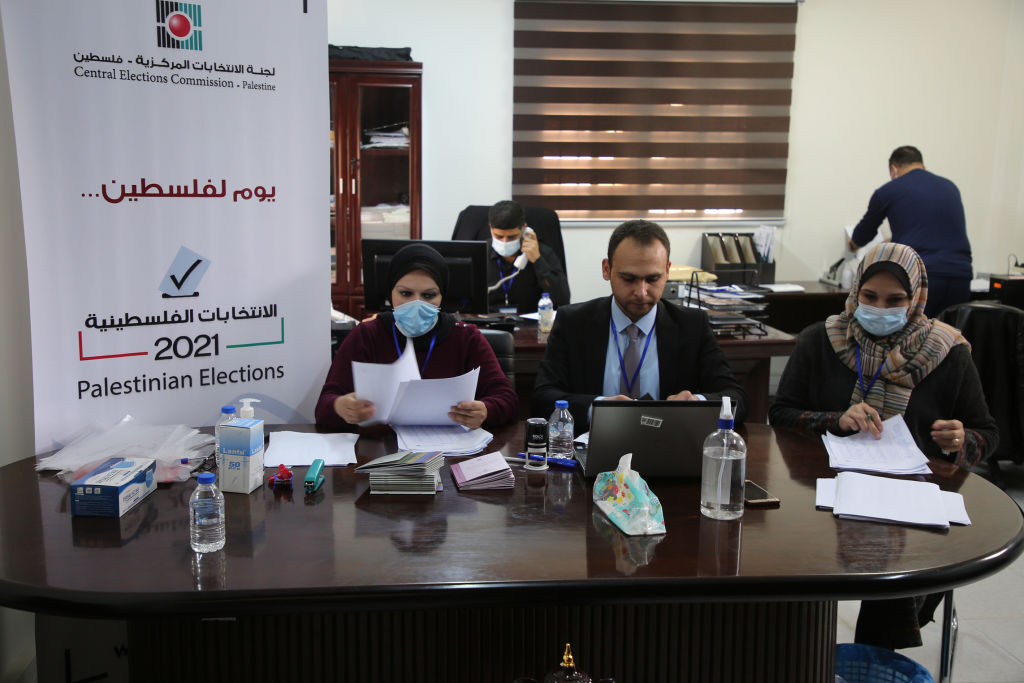
Even as it pays lip service to a two-state solution, the international community—particularly the United States—has largely acquiesced to the Israeli-imposed status quo in Gaza and East Jerusalem by exempting both areas from the political and diplomatic process.
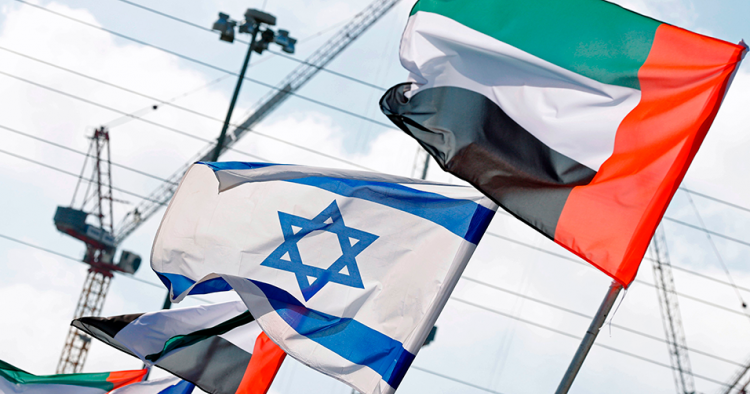
Since the normalization of UAE-Israel relations was first announced, much of the international commentary only focused on the deal’s political and diplomatic significance. However, the deal will create a new digital order in the Middle East, one in which Israel and the UAE will partner more closely than ever in developing emerging technologies and cyber capabilities. This cooperation will be at the forefront of this UAE-Israel tech order.
CAATSA sanctions are hurting Turkey’s military readiness at a time when NATO can’t afford it
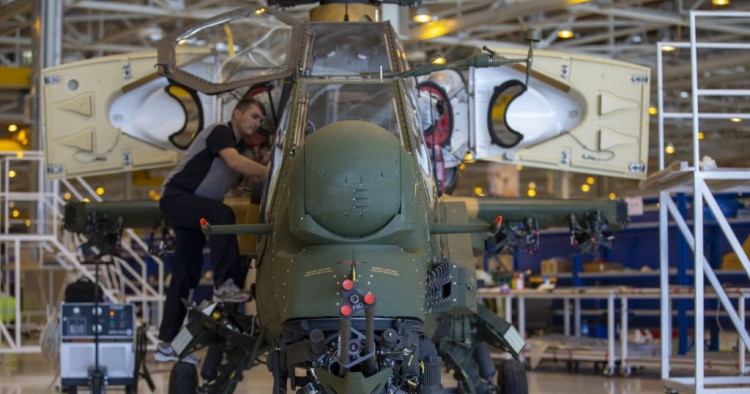
On Dec. 14, 2020, the Trump administration sanctioned Turkey’s Presidency of Defense Industries (SSB), along with key individuals involved in the purchase of the Russian–made S-400 surface-to-air missile system. The sanctions were issued under the 2017 Countering America’s Adversaries Through Sanctions Act (CAATSA), a law intended to punish Russia for a wide range of malign activities.
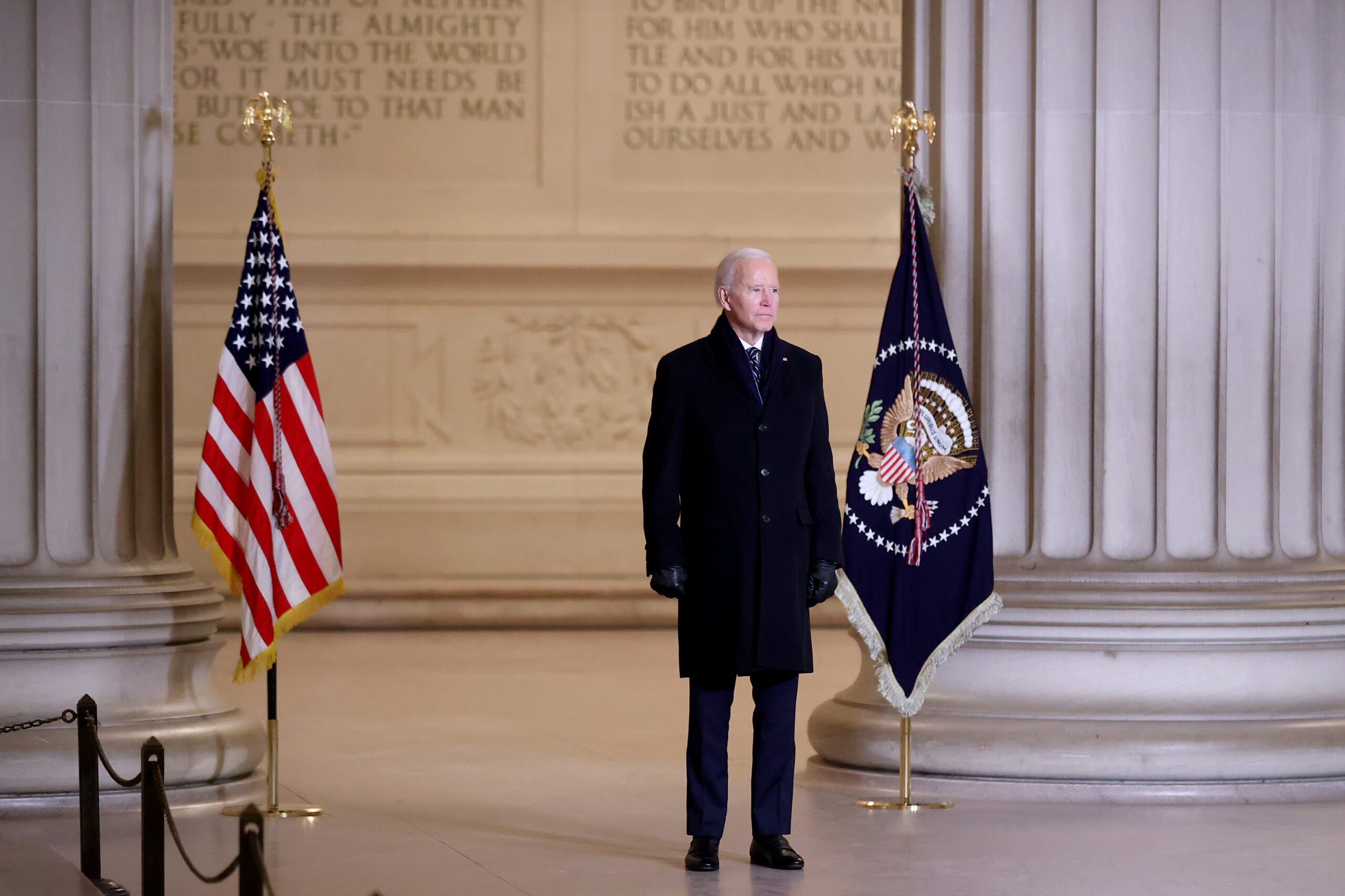
Expert Views: The Biden administration and the Middle East: Reflecting on the first 100 days
At the end of Joe Biden’s first 100 days as president of the United States, where do things stand when it comes to U.S. policy toward the Middle East and North Africa? We asked experts and scholars from across MEI to weigh in with their thoughts on the changes we’ve seen so far, the new challenges that have emerged, and what we know about the administration’s key priorities for the region.
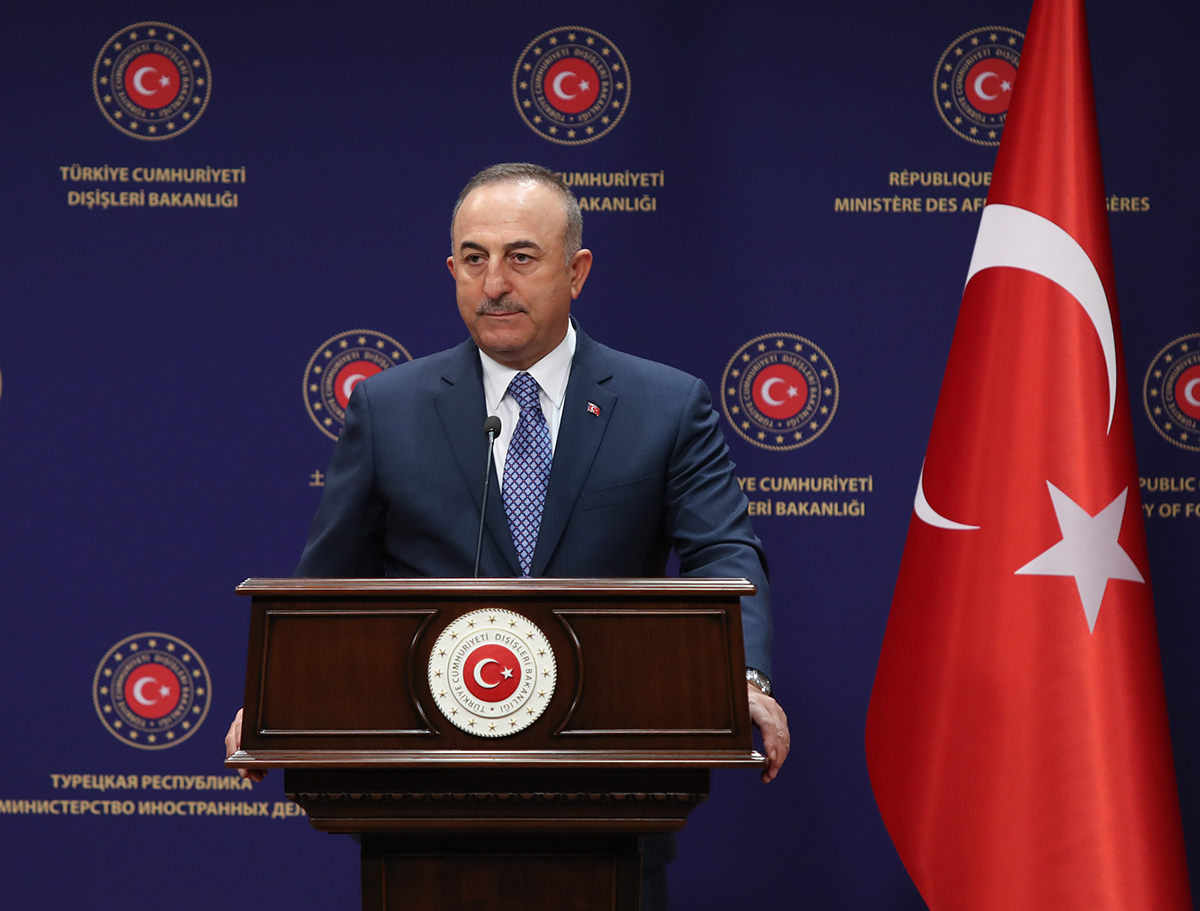
The new wave of normalization in Turkey’s Middle East foreign policy
In the past several weeks, news has been coming out of Ankara regularly about normalization in relations with countries with which Turkey has had problematic relationships for some time.
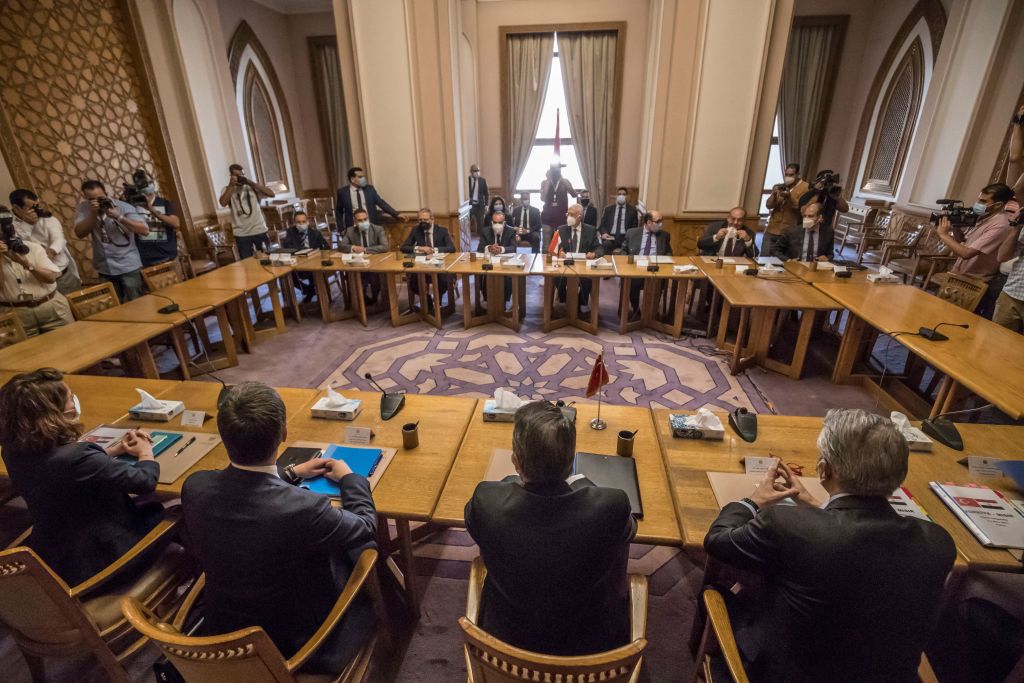
The Roadblocks to a Regional Security Dialogue in the Middle East
It’s easy to see why there’s an enduring attraction for a regional security dialogue in the Middle East. Countries in the region face shared and borderless challenges — including terrorism, insurgency, environmental safety, arms races, cybersecurity, maritime piracy, and the proliferation of weapons of mass destruction — that can be dealt with more effectively through multilateral measures.