Skip to Content

Research & Commentary Results

Filter by
1644 Results
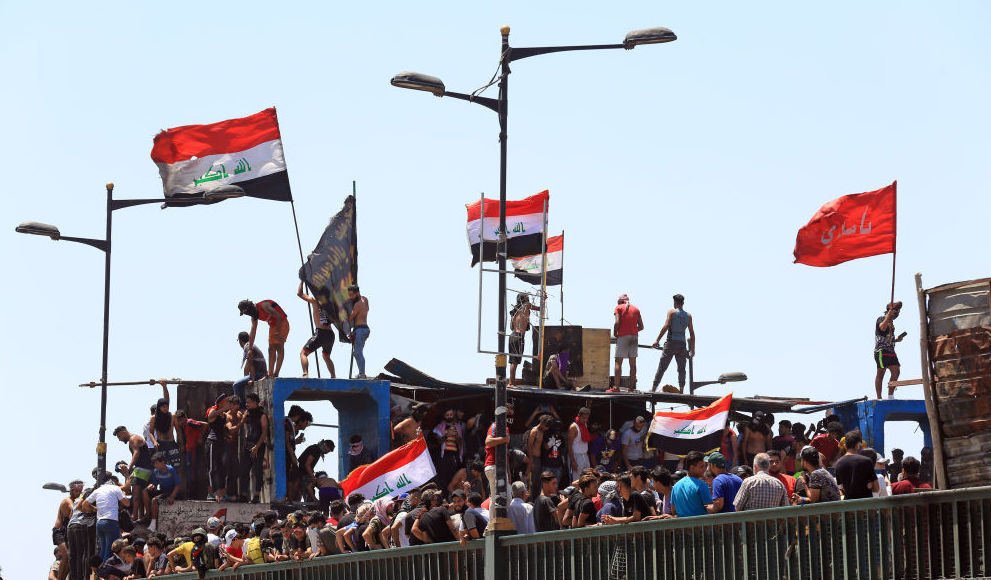
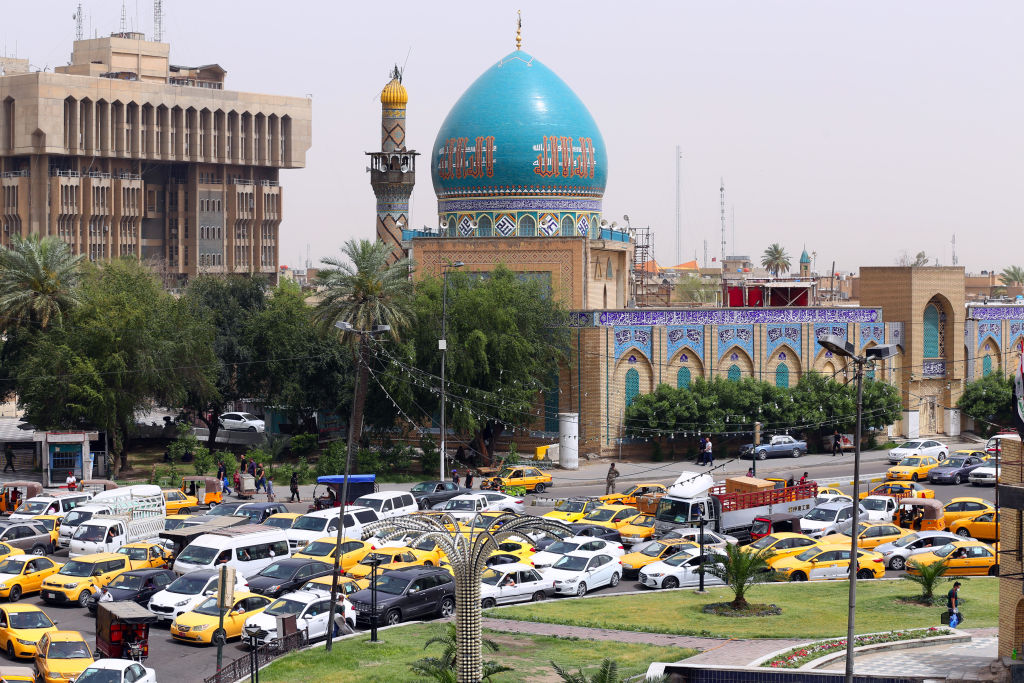
Protest movements in Algeria, Iraq, and Lebanon during COVID-19
Middle East Institute
  • Podcast
  • Protest movements in Algeria, Iraq, and Lebanon during COVID-19

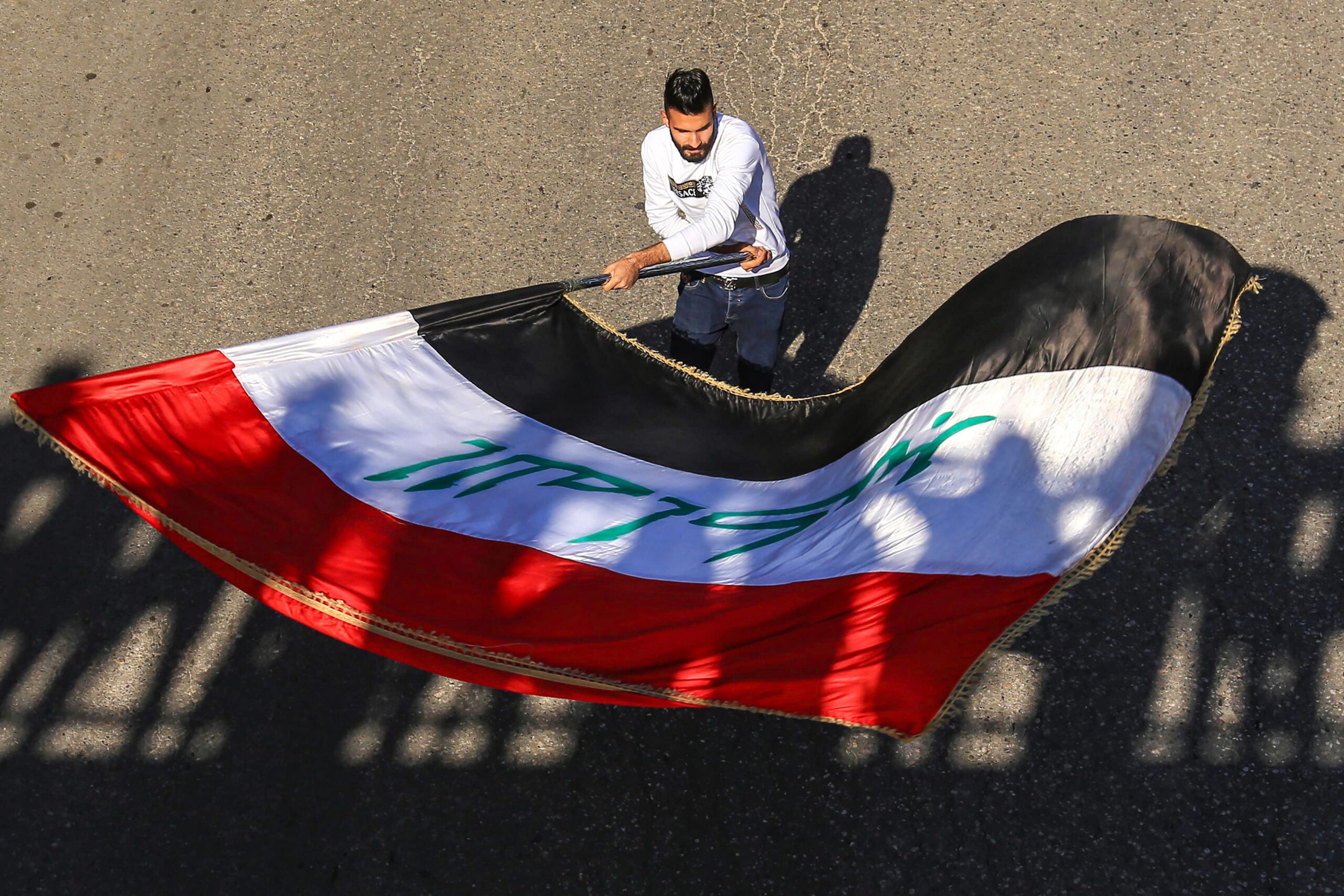
    Vish Sakthivel, Hafsa Halawa, and Nour El-Achi join host Alistair Taylor to discuss the impact of the coronavirus pandemic on protest movements in Algeria, Iraq, and Lebanon. While each case is unique, all three movements are pushing for sweeping reforms of the corrupt political system, a change in the ruling elite, and improved state services.

    April 30, 2020

    “Self-rule” in Aden and the implications for Russia
    Fighters with Yemen's separatist Southern Transitional Council (STC) deploy in the southern city of Aden, on April 26, 2020, after the council declared self-rule in the south. - Yemeni separatists declared self-rule of the country's south as a peace deal with the government crumbled, complicating a long and separate conflict with Huthi rebels who control much of the north. (Photo by Mohamed Abdelhakim / AFP)
  • Analysis
  • “Self-rule” in Aden and the implications for Russia

    Russia acts as a “key if quiet player” in southern Yemen, where its approach has been based on strategic neutrality. The goal has been to position Moscow as a greater stakeholder in mediation between the various Yemeni parties and outside players. Moscow has engaged the Southern Transitional Council, the UN-recognized Yemeni government led by President Abed Rabbo Mansour Hadi, the Houthi rebels, as well as the three main regional powers intervening in Yemen — Saudi Arabia, the UAE, and Iran.

    April 29, 2020

    Yemen's competition for Saudi patronage heats up as the STC declares self-rule
    Photo by SALEH AL-OBEIDI/AFP via Getty Images
  • Analysis
  • Yemen's competition for Saudi patronage heats up as the STC declares self-rule

    On April 25, the Southern Transitional Council declared self-administration and claimed authority over state institutions in the interim capital of Aden. The declaration demonstrates the region’s volatility, the limited reach of Yemen’s government, and the difficulty of imposing a solution to the problem of secessionism. It is also sparking political competition for Saudi patronage, and all of this poses a major diplomatic challenge for the Saudis.

    April 29, 2020

    Supporting refugee communities during the pandemic
    Middle East Institute
  • Podcast
  • Supporting refugee communities during the pandemic

    Basma El Husseiny (Action for Hope) and Samar El Yassir (Anera) join guest host Lyne Sneige to discuss the impact of the COVID-19 pandemic on refugee communities and the NGOs that work with them.

    April 24, 2020

    Gen. Joseph Votel on US military challenges in the Middle East
    Middle East Institute
  • Podcast
  • Gen. Joseph Votel on US military challenges in the Middle East

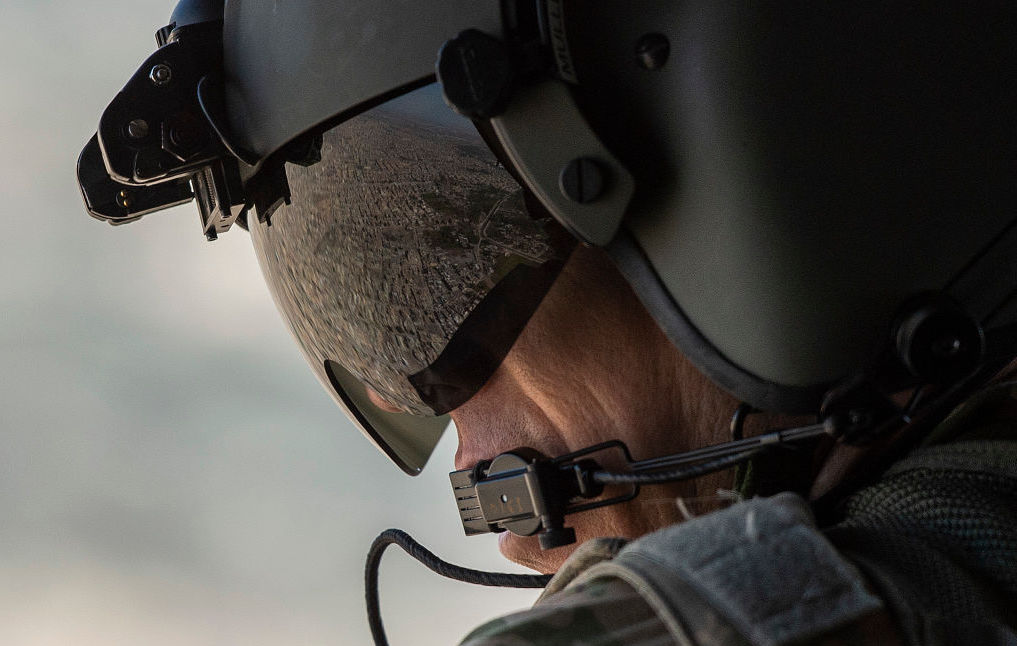
    MEI Distinguished Senior Fellow Joseph Votel, a retired four-star general in the Army and former commander of U.S. Central Command, joins host Alistair Taylor to discuss the challenges facing American forces in the Middle East today, from COVID-19 and ISIS to the turbulent situations in Iraq and Afghanistan.

    April 22, 2020

    US-Iran tensions in Iraq and the effect on civil society
    Photo by HUSSEIN FALEH/AFP via Getty Images
  • Analysis
  • US-Iran tensions in Iraq and the effect on civil society

    As the protests have raged, the Iraqi government has implemented a new policy in its application of rules and regulations monitoring civil society organizations (CSOs). The militias’ violent response to the protests has been well-documented; however, the more covert attack on civil society threatens civic engagement among the population more broadly. 

    April 21, 2020

    Mosul’s Book Forum: Rebuilding minds one book at a time, even under lockdown
    Photo courtesy of UNESCO
  • Analysis
  • Mosul’s Book Forum: Rebuilding minds one book at a time, even under lockdown

    The spiritual cousin to the Shabandar Café — Baghdad’s literary heart that survived being bombed by extremists in 2007 — Mosul’s Book Forum is both an intellectual refuge and a laboratory for discussion and cultural expression.

    April 21, 2020

    Saudi-Russia oil price war — paused, but not over
    Photo by Yegor AleyevTASS via Getty Images
  • Analysis
  • Saudi-Russia oil price war — paused, but not over

    The April 12 OPEC+ deal to cut oil production that ended the disastrous five-week Saudi Arabia-Russia price war is a short-term fix for the global industry, but will not resolve the larger problem of over-production. The price war heightened animosity between Riyadh and Moscow and calls into question whether the OPEC+ partnership will ever be the same again. 

    April 17, 2020

    Saudi Arabia eyes the exit in Yemen, but Saudi-Houthi talks alone won’t resolve the conflict
    Photo by Andrew Renneisen/Getty Images
  • Analysis
  • Saudi Arabia eyes the exit in Yemen, but Saudi-Houthi talks alone won’t resolve the conflict

    During the Munich Security Conference in February 2020, Saudi Arabia’s foreign minister, Prince Faisal bin Farhan, signaled that the Saudi-Houthi backchannel talks were not “ready to move to the highest level.” However, the situation changed following the Houthi ballistic missile attack on Jazan and Riyadh in late March, and on April 8, the coalition’s Joint Forces Command 

    April 15, 2020

    India-Gulf Migration: A Testing Time
    (Photo by KARIM SAHIB / AFP) (Photo by KARIM SAHIB/AFP via Getty Images)
  • Analysis
  • India-Gulf Migration: A Testing Time

    Since the 1970s “oil boom,” Indian migration to the Gulf has served as a valuable source of income for the nation and as the backbone of the economies of high-migration states such as Kerala through the transfer of remittances. However, the outlow of Indian migrants to the region has recently slackened while return migration has increased due to economic slowdowns, fluctuating oil prices, and changes in Gulf labor policies. The future of India-Gulf migration is further clouded by the Coronavirus pandemic, which poses unprecedented health and livelihoods challenges for the millions of Indians working in the Gulf, as well as for the families and communities that depend on them — and presents a daunting test for the Indian government.