How the War on Terror paved the way for online censorship of Palestinians
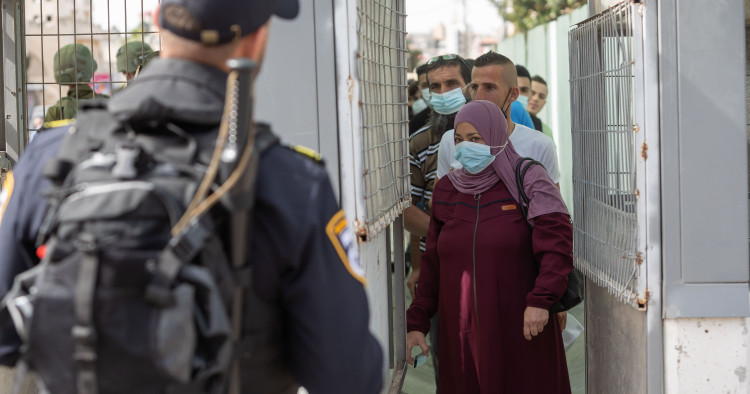
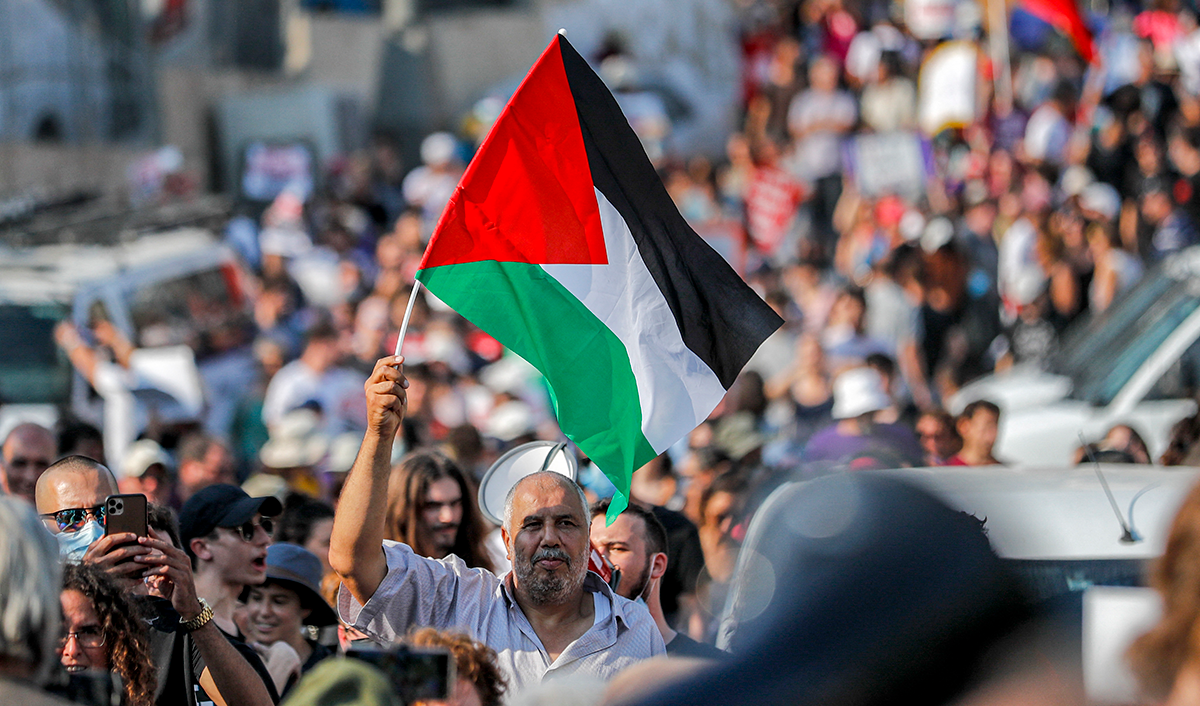
In May 2021, the world watched in horror, as Israeli police evicted the Palestinian residents of Jerusalem’s Sheikh Jarrah neighborhood against their fervid resistance. Meanwhile, another fight was raging: that of narrative power. As journalists, citizen activists, and human rights organizations attempted to document Israel’s brutal crackdown, many found their communications subject to overzealous content moderation. Key social media posts were removed from influential platforms, including Twitter, Facebook, and Instagram, precisely when those posts were most crucial.
Pro-Palestine solidarity in the UAE: A view from Emirati activists
When the normalization agreement between the UAE and Israel was announced in August 2020, the response from the heavily policed and surveilled Emirati population was — understandably — muted. Social media accounts tied to government officials, or those thought to be close to the regime, were quickly vocal and aggressive online in support of the new policy, threatening retribution for anyone who might disagree. Opposition to the policy has come from within the Emirati exile community instead.
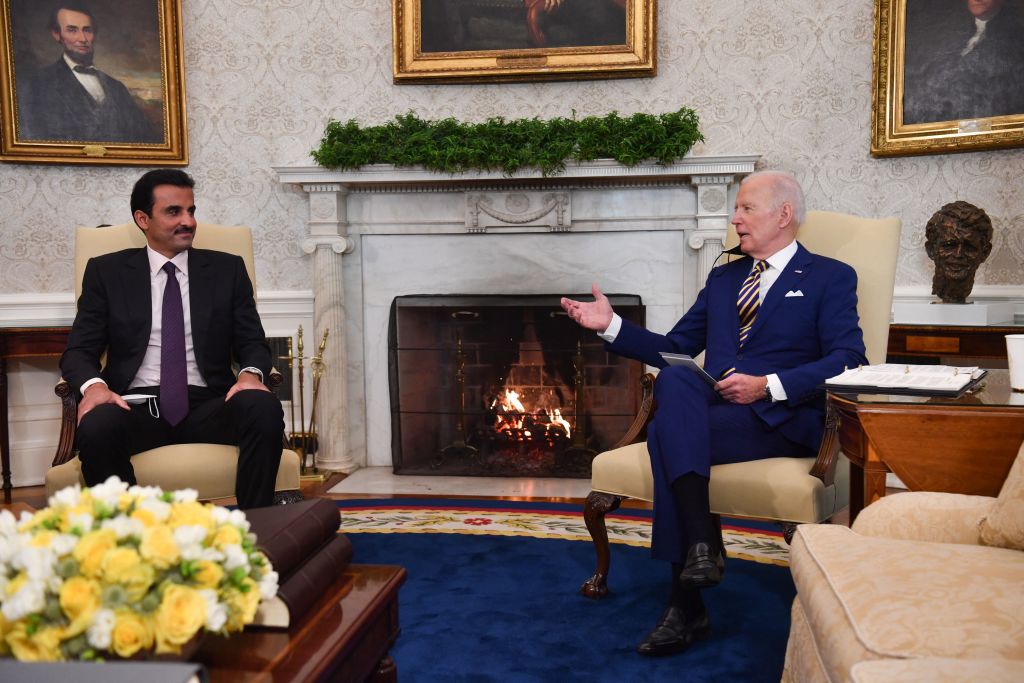
أمير قطر الشيخ تميم يصبح أول زعيم خليجي يزور البيت الأبيض في عهد بايدن
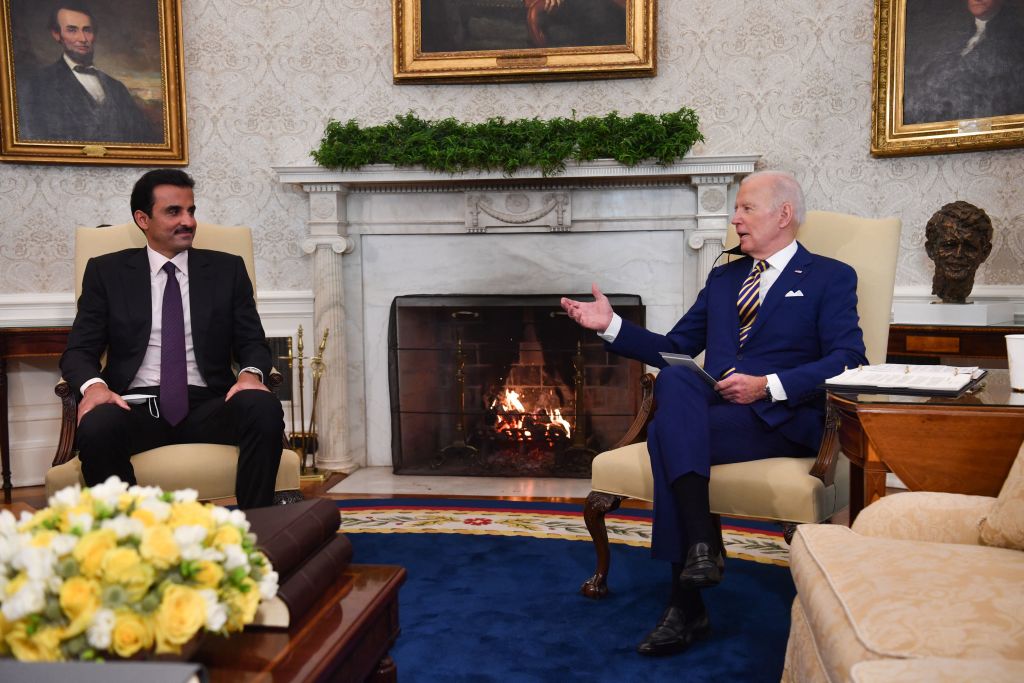
عندما يزور أمير قطر الشيخ تميم بن حمد آل ثاني الرئيس جو بايدن في 31 يناير/كانون الثاني، وعلى عكس العديد من القادة الآخرين الذين تلقوا دعوات إلى المكتب البيضاوي، هناك جدول أعمال جاد وحافل بالقضايا العالمية المُلحِّة للمناقشة بين الزعيمين. فعلى المدى القريب والعاجل، سيُطلب من الشيخ تميم التزام قطر بمساندة الجهود المبذولة لمعالجة احتمال انقطاع إمدادات الطاقة الروسية إلى أوروبا الغربية، وخاصة ألمانيا، في حالة إذا واصل الرئيس الروسي فلاديمير بوتين التهديدات بمهاجمة أوكرانيا.
For Gulf producers, decarbonization does not mean zero oil production
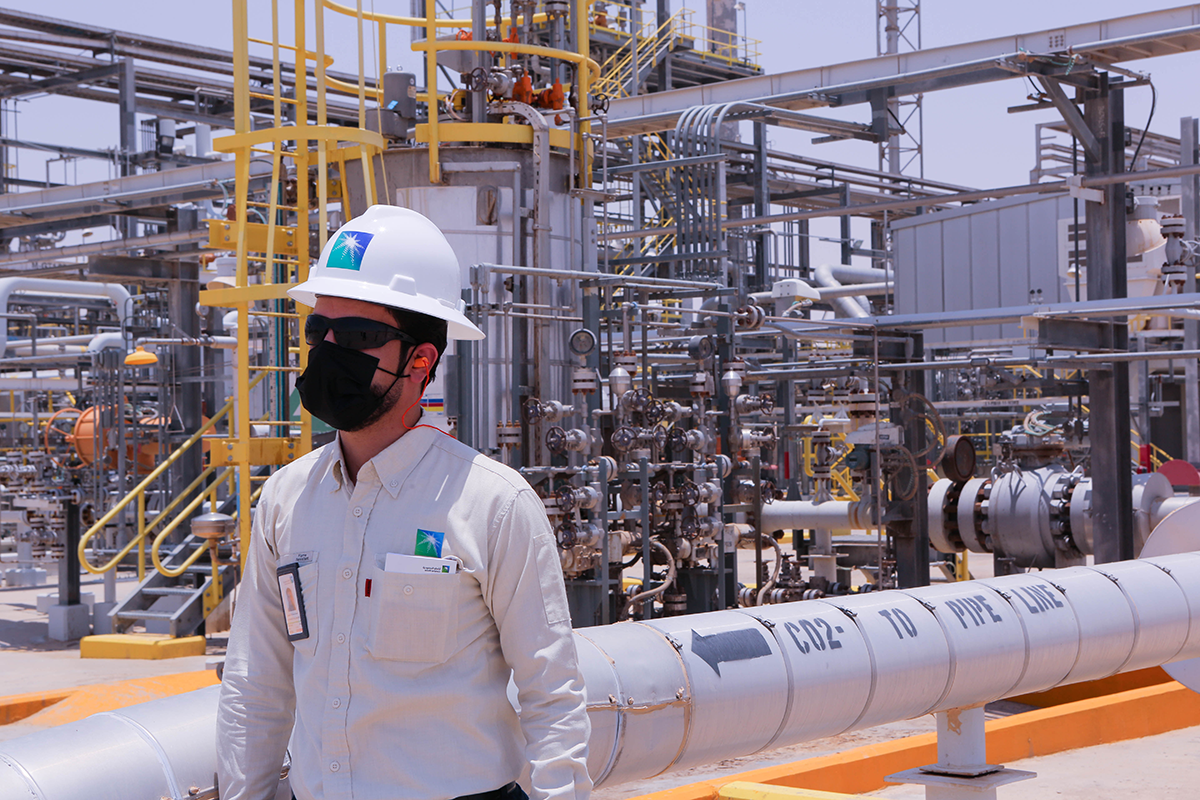
Gulf oil producers do not envisage a post-2050 world devoid of hydrocarbons, even though two of the region’s biggest producers, the UAE and Saudi Arabia, have committed to net-zero carbon emissions by 2050 and 2060, respectively. Reconciling their future environmental commitments with their current reliance on hydrocarbons is going to be an arduous and expensive journey that starts with decarbonizing their oil and gas production to reduce their carbon footprint and increasing their domestic green energy production. With demand for oil and gas forecast to continue post-2050 — albeit at lower levels than now — their net-zero target does not equate to zero oil and gas production. Instead, their transition will differ from that of other countries and will happen at a different pace.
The UAE paves way for Syria’s return to the Arab fold, but plenty of hurdles remain
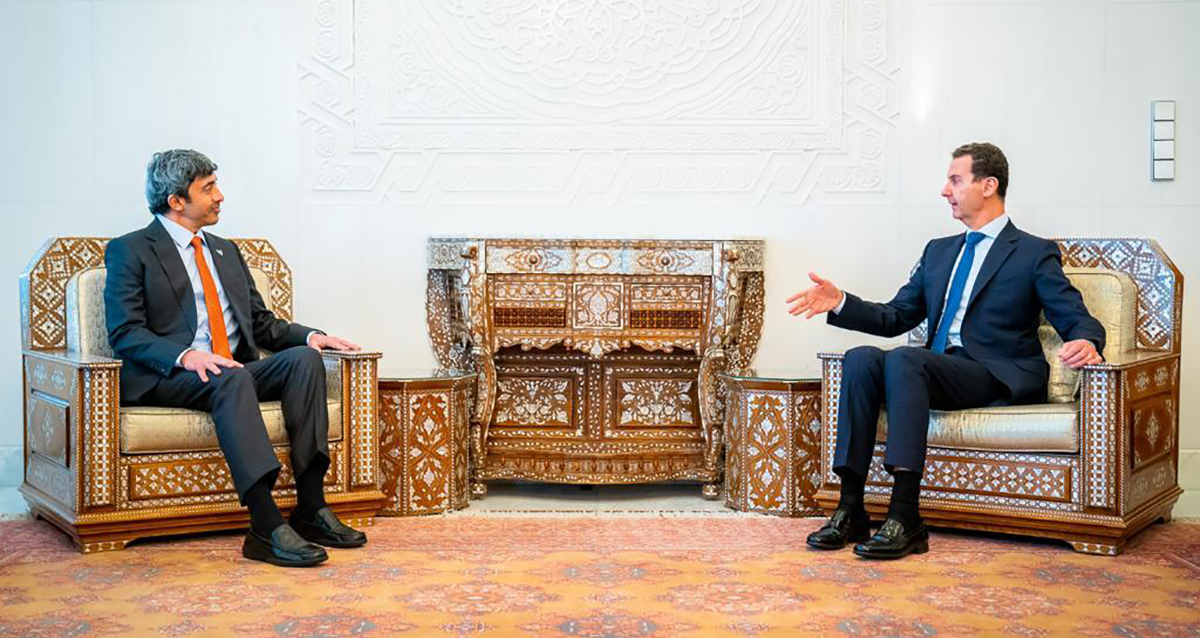
The UAE has made bold strides to normalize relations with embattled Syrian President Bashar al-Assad, opening itself up to criticism as many countries remain reluctant to reconcile with Damascus. Despite this measured reintegration of Assad into the Arab fold, many serious complications and challenges lie ahead. The most important of these is the lack of support from a hesitant Saudi Arabia, which would impede the crucial next step of Syria’s restoration to full membership in the Arab League before its upcoming summit.
What these attacks and many others in the region have in common is Iran’s irrefutable involvement. They may have different local contexts and their perpetrators, all loyal to Iran, may have different motivations, but every single one of those attacks was possible only because Iran provided either the weapons or the know-how to assemble and use them.
Federal court ruling demonstrates limits of anti-Palestinian “lawfare”
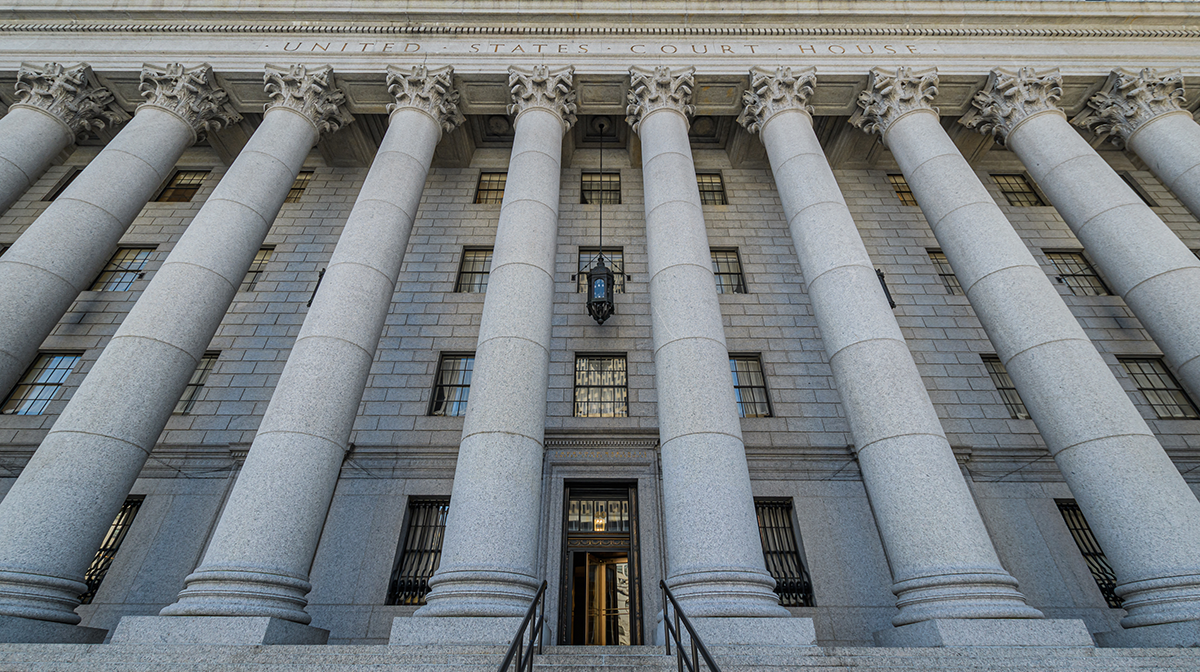
On Jan. 6, 2022, a U.S. district court judge dismissed a lawsuit against the Palestine Liberation Organization (PLO) and the Palestinian Authority (PA) brought by the family of Ari Fuld, a dual U.S.-Israel citizen murdered in 2018 by a Palestinian teenager outside of Bethlehem in the occupied West Bank. The ruling demonstrates the strictly political nature of the lawsuit, whereby powerful interests with deep pockets use litigation and lobbying to target the PA’s finances, including foreign aid, in order to hasten its collapse, as well as the limits of this type of “lawfare” against the PA.
How involved was Iran in the Houthi attack on the UAE?
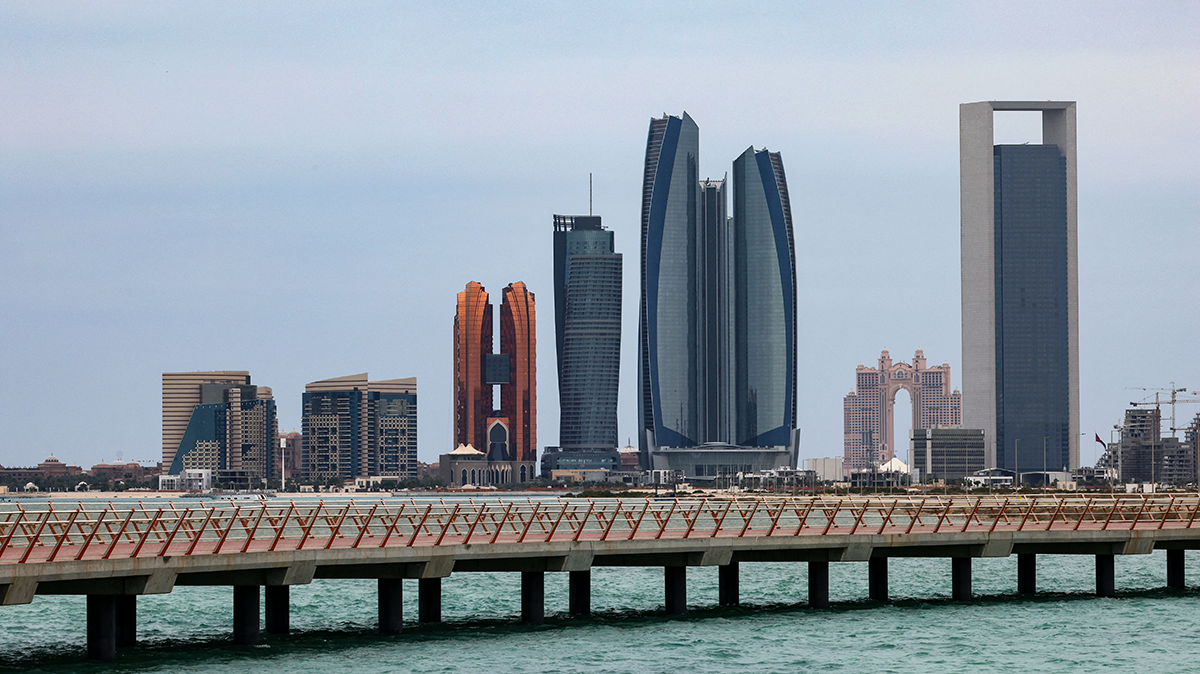
Three days have passed since the Houthi attack on the UAE, yet there’s still a lot we don’t know about what really happened. Here’s what we do know: The Houthis officially stated that they were the ones who struck Abu Dhabi, and unlike in September 2019 when they made the same claim, this time they might not be lying. Yet this is not enough to help us answer what in my opinion is the ultimate question: to what extent were the Iranians involved in this attack?
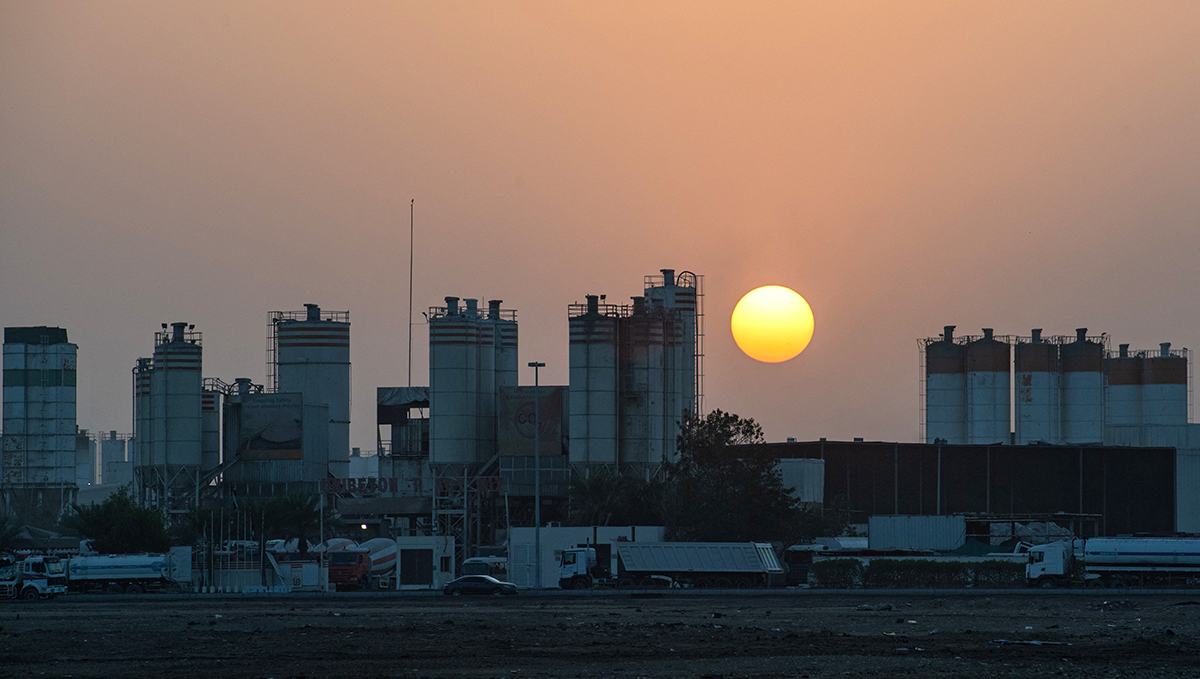
يوم 17 يناير/كانون الثاني، نفذ الحوثيون هجومًا آخر استهدف منشأة نفطية إماراتية في أبوظبي، ما أدى إلى مقتل ثلاثة وافدين، وإلحاق أضرار بالبنية التحتية. ظاهريًا، يبدو أنهم يذكَّرون الإماراتيين بمدى ضعفهم وإمكانية الإضرار بهم إذا استمرت الهجمات ضد مصالح الحوثيين في اليمن. وبحسب ما ورد، كانت وسائل الهجوم عبارة عن طائرات مسيرة، وهي أداة بسيطة غير متماثلة متاحة للكثيرين واستخدمها الحوثيون على نطاق واسع في جميع أنحاء المنطقة. لسوء الحظ فإن القصة هنا قد أصبحت مألوفة للغاية وتتطلب استجابة متسقة الآن. ففي نهاية المطاف، من المرجح أن يتم نسخ وتكرار ما أصبح روتينيًا في الخليج في مواقع أخرى.
As the Houthis expand their regional aggression, will the US double down on a failing strategy?
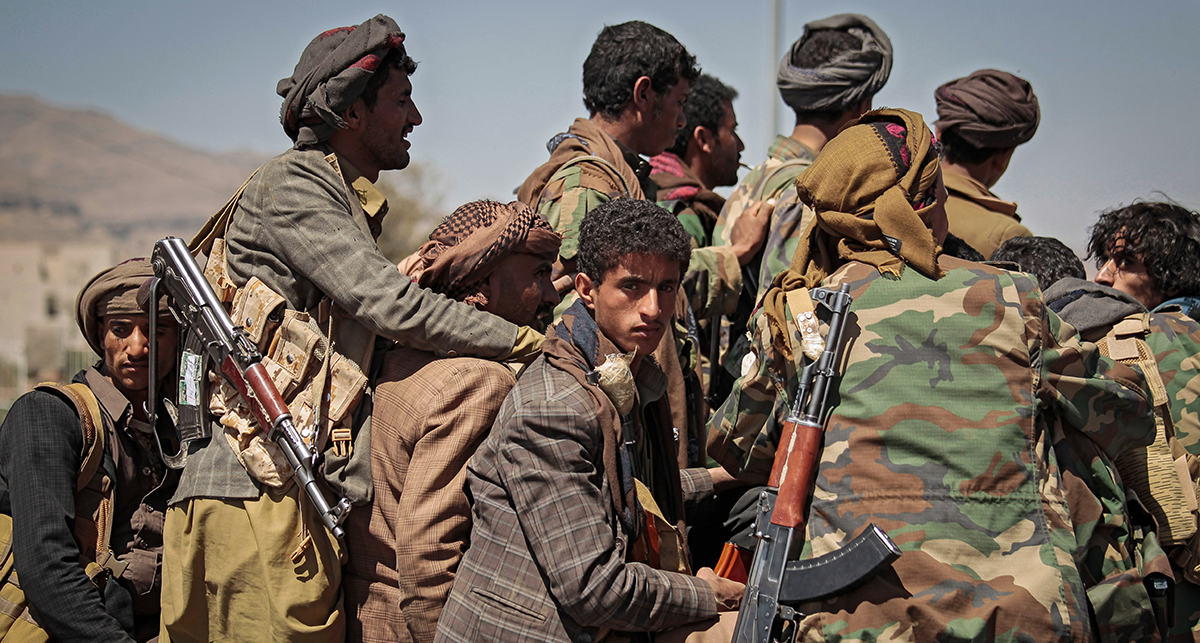
While a negotiated agreement by the parties to deescalate militarily and return to the negotiating table would be the preferred outcome, there’s little or no reason to believe that the Houthis, who have responded to their losses in Shabwa by escalating their attacks, are yet interested in talking. Rather, by issuing pleas for de-escalation, the international community risks sending the Houthis yet another message that their intransigence, which is the root cause of the humanitarian crisis afflicting Yemenis, will be rewarded by new pressure on the Saudi-led coalition to limit its response to Houthi aggression. In this regard, the Biden administration, with its international partners, risks repeating the failed strategy of 2021.
الخليج لديه معضلة الجيل الخامس والـOpen RAN هو المفتاح لسيادته التقنية
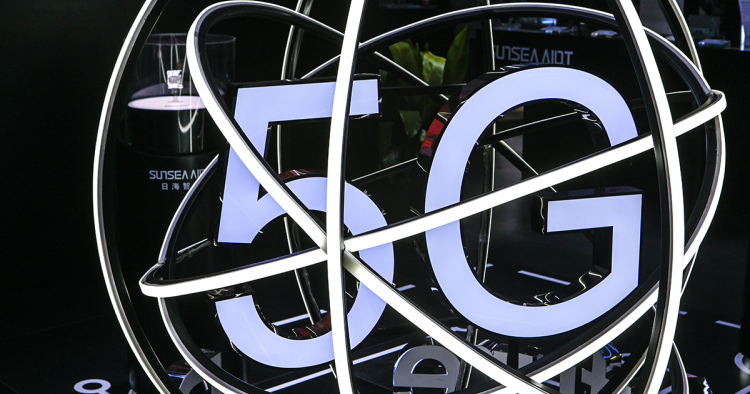
إن التوترات الاقتصادية والسياسية القائمة منذ فترة طويلة بين الولايات المتحدة والصين تستمر في الامتداد إلى قطاع التكنولوجيا، حيث جعلت القوتان العظمتان هذه الصناعة الحيوية أكثر من أي وقت مضى مسرحًا لحرب باردة جديدة. يبدو أن حدة التوتر ستزداد سوءًا في الفترة القادمة، مما قد يؤدي إلى ما وصفه البعض بانشقاق العديد من العُقَد المترابطة فيما يتعلق بتصنيع التكنولوجيا وتطويرها.
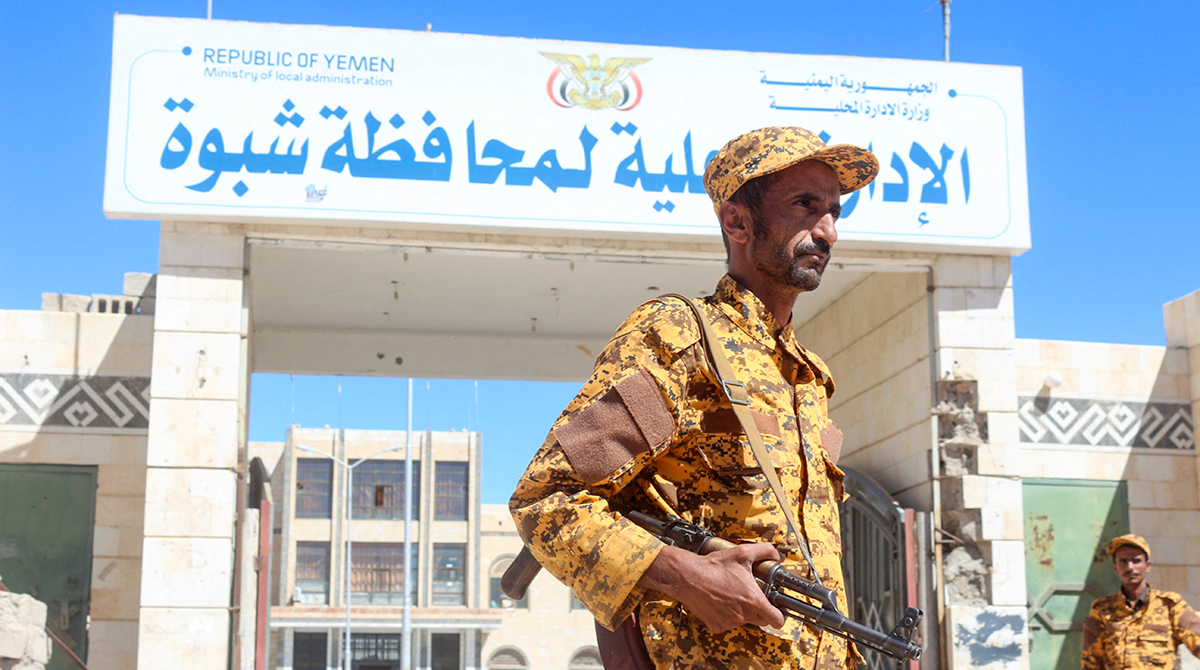
On Jan. 10, the governor of Shabwa announced its liberation from the Iran-backed Houthis. This victory followed a seemingly successful Houthi military campaign over the past couple of years to expand their influence around the city of Marib, weaken the internationally-backed government of Abed Rabbo Mansour Hadi, and solidify their grasp on strategic northern areas. However, while significant, the victory in Shabwa is unlikely to be replicated in the rest of the country, given the very specific political and regional dynamics that helped to bring it about. Moreover, the Houthis’ drone attack on Abu Dhabi on Jan. 17 presents a further challenge to the advance of pro-UAE forces into Marib.