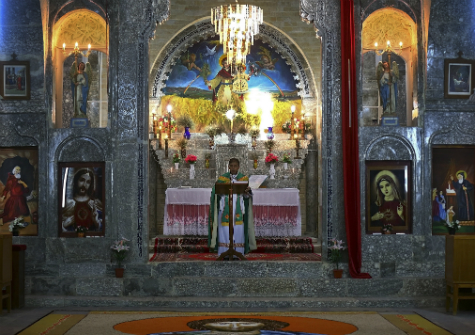
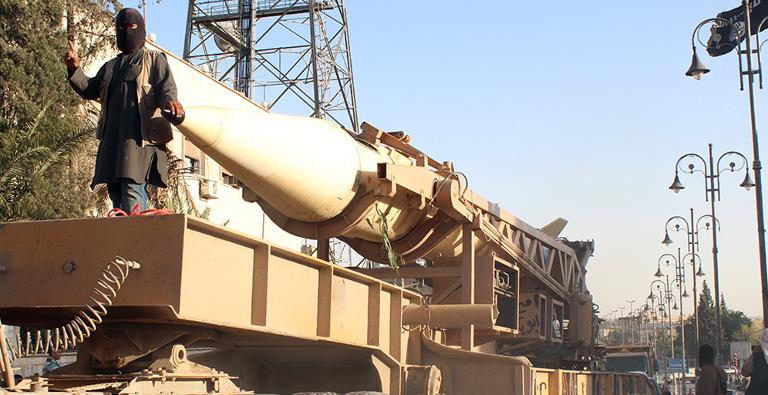
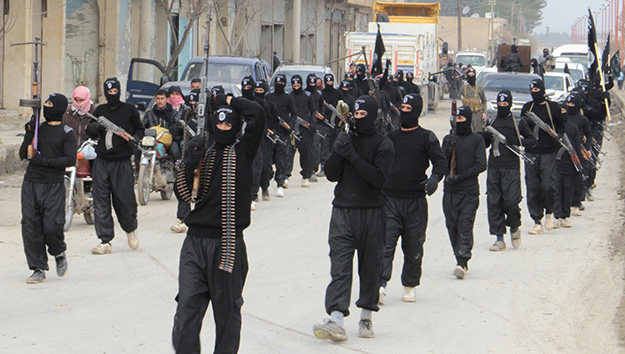
One hundred and sixty-three years before the Islamic State’s band of thugs rolled into the city, terrorizing the city’s minorities, my Protestant missionary ancestor, his wife, and two children settled in Mosul, a long way from the home they left behind in Utica, New York.
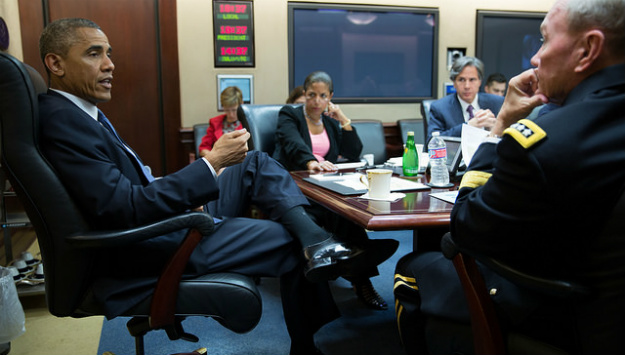
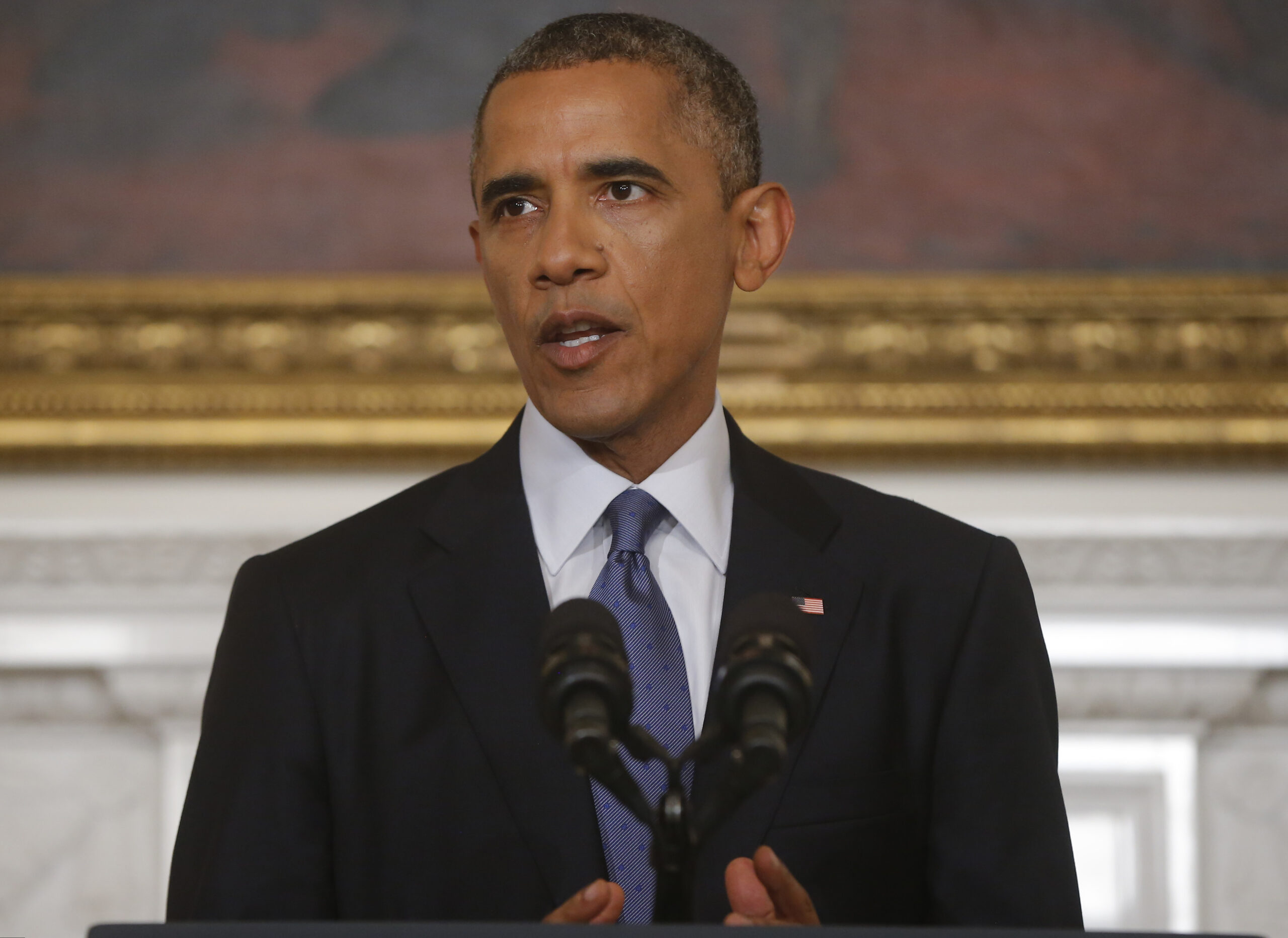
Paul Salem, MEI’s vice president for policy and research, examines President Obama’s decision to step up US intervention against the Islamic State (also known as ISIS) in Iraq, and what it implies for broader US policy in the region, in this Expert Q&A.
How do you read the import and impact of President Obama’s recent announcements of airstrikes and humanitarian intervention in Iraq?
"Marked" for Exclusion: The Problem of Pluralism, State-building, and Communal Identities in Iraq and the Arab World
In this essay, the author argues that the dynamics of contemporary Sunni-Shi‘a relations in Iraq and elsewhere in the Arab world are not fundamentally different from those animating other societal cleavages. The modern Iraqi state’s awkwardness vis-à-vis its Shi‘a population, and indeed other outgroups and minorities, was most directly a product of exclusionary nation-building based on problematic conceptions of “unity” and “pluralism.” Rather than actually fostering unity or respecting and nurturing pluralism (politically or communally), these concepts have often been used to exclude dissenters whose non-conformity was deemed a threat to the body politic.
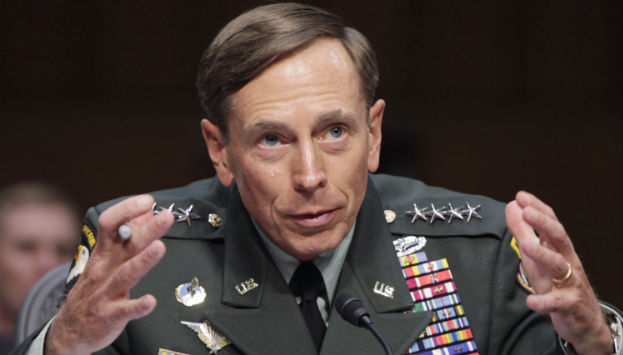
When US commanders in Iraq in 2006 were trying to figure out the best way to approach the burgeoning insurgency, two points of view emerged from the debate.
With the Syrian civil war raging and the ISIS offensive in northern Iraq creating a fresh crisis, Turkey now effectively has two failed states on its southern border and is dealing with new security, political, and economic challenges. Gonul Tol, director of MEI’s Turkish Center, explains how Turkey is responding to this predicament.
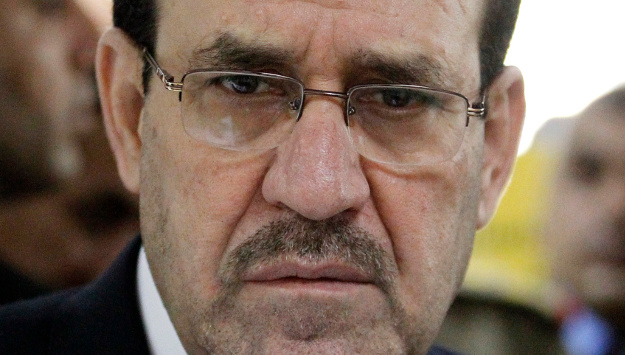
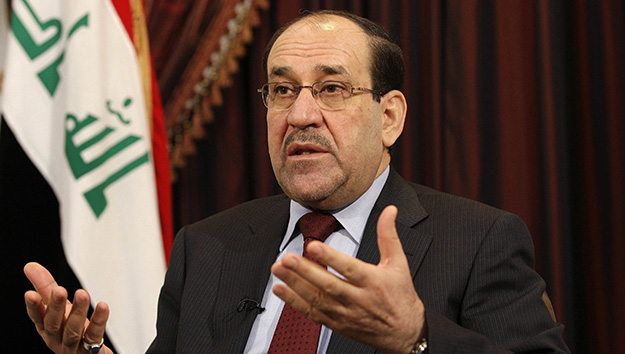
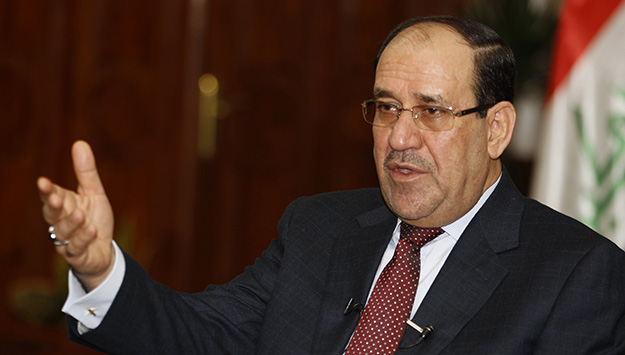
The swift and violent rise of the Islamic State in Iraq and Syria (ISIS) continues to rattle the cages of power in Tehran. Overnight, Iran’s ally in Baghdad, Prime Minister Nuri al-Maliki, is suddenly fighting for his political life and the country of Iraq, which he had largely inherited from the Americans. Maliki has been a solid friend of Iran, but rapidly shifting realities inside Iraq can turn him into an expendable ally, making him more into a liability than an asset.
President Obama’s decision to send 300 troops to Iraq to help Prime Minister Nuri al-Maliki’s government organize and gain the intelligence needed to fight off a Sunni rebellion spearheaded by the Islamic State in Iraq and Syria (ISIS) is getting decidedly mixed reviews.
Reconceptualizing Sectarianism in the Middle East and Asia
Sectarianism as a concept has gained renewed prominence following an offensive by the Islamic State in Iraq and Syria (ISIS) in early June 2014, which resulted in the fall of Mosul and a string of Iraqi towns. These land grabs have resulted in a flurry of commentaries blaming the conflict on sectarian differences between Iraq’s Shi‘a and Sunnis and predicting the fragmentation of Iraq along sectarian lines. This piece seeks to provide an analysis as to whether sectarianism, in and of itself, is the driving factor behind the renewed conflict in Iraq or the three-year civil war raging in Syria.