Election 2020: Challenges and Opportunities for US Policy in the Middle East
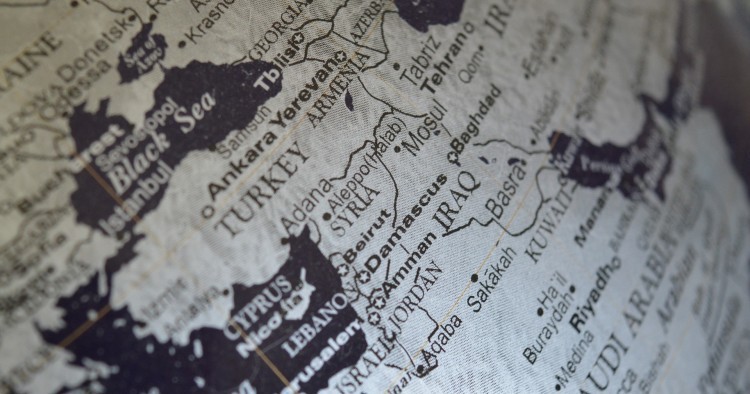
In a new briefing book released ahead of the U.S. elections in November, entitled Election 2020: Challenges and Opportunities for US Policy in the Middle East, MEI scholars lay out key issues across the region, highlight the U.S. interests at stake, and provide policy insights and recommendations for the path forward.
How is the crisis in Lebanon impacting Syria’s economy?
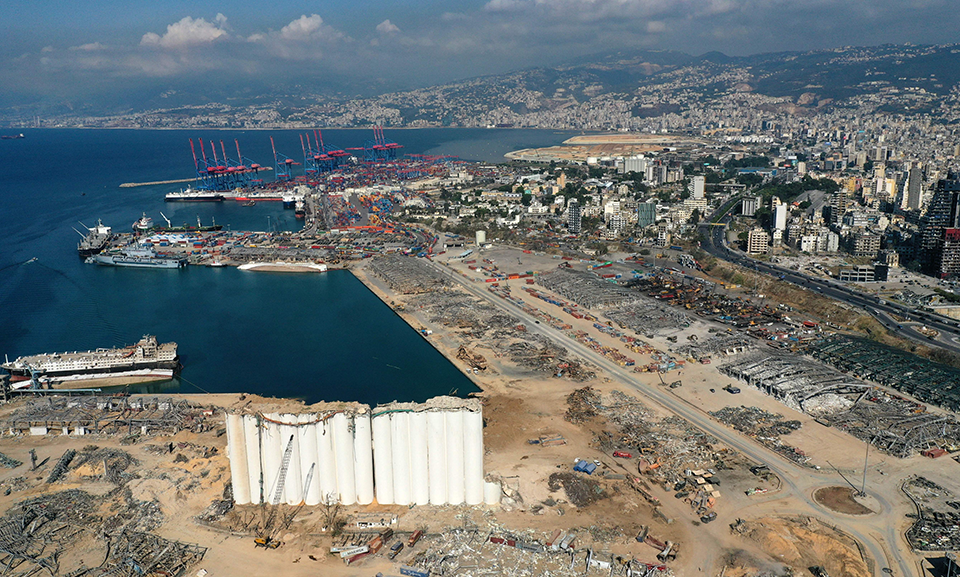
The explosion at the Port of Beirut on Aug. 4 has resulted in a further escalation of the political and economic crisis in Lebanon. Its repercussions can already be deeply felt in neighboring Syria and are expected to take an even greater toll on the country given its complex links to Lebanon. This crisis is feeding into Syria through multiple channels and has severe implications for its ability to import goods and, ultimately, its food security.
On Aug. 25, Syrian President Bashar al-Assad tasked Hussein Arnous with forming a new cabinet. What should we expect from it? Ayman Abdel Nour highlights 12 important considerations that will factor into its makeup.
Strategic pause: What explains Russia’s inertia in eastern Syria?
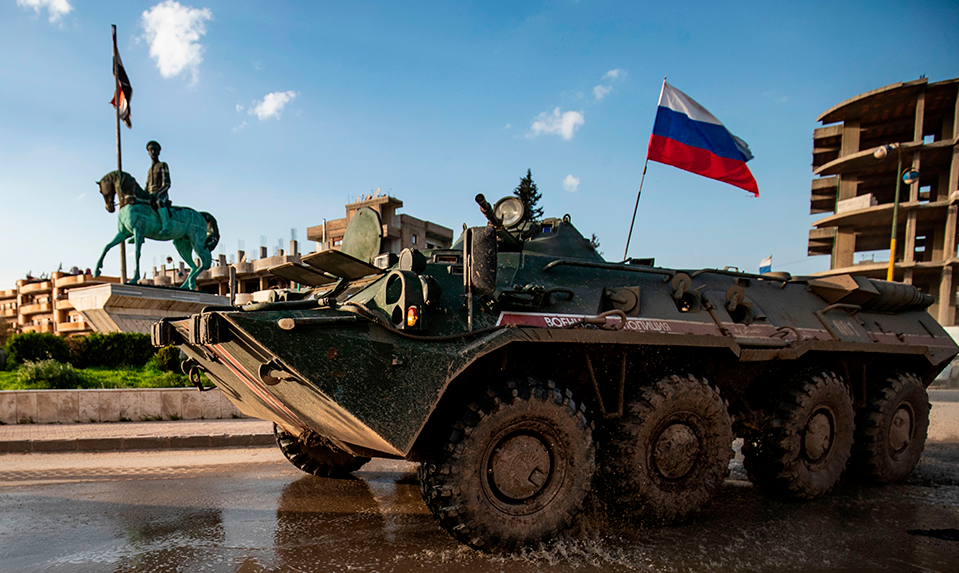
Moscow has been scaling down its activities in eastern Syria and the most likely reason for this inertia lies in Moscow’s reluctance to be associated with actors seeking to erode the quasi-autonomy of the Trans-Euphrates region. Instead, Russia prefers to stand to the side and watch events unfold, while contemplating the right moment to jump in as a mediator and reap the political rewards.
Assad tends to his base by making amends with the Makhloufs
Reports emerged this week that President Bashar al-Assad traveled on Sunday to his ancestral hometown and Alawi stronghold of Qardaha for a meeting with members of the powerful Makhlouf family.
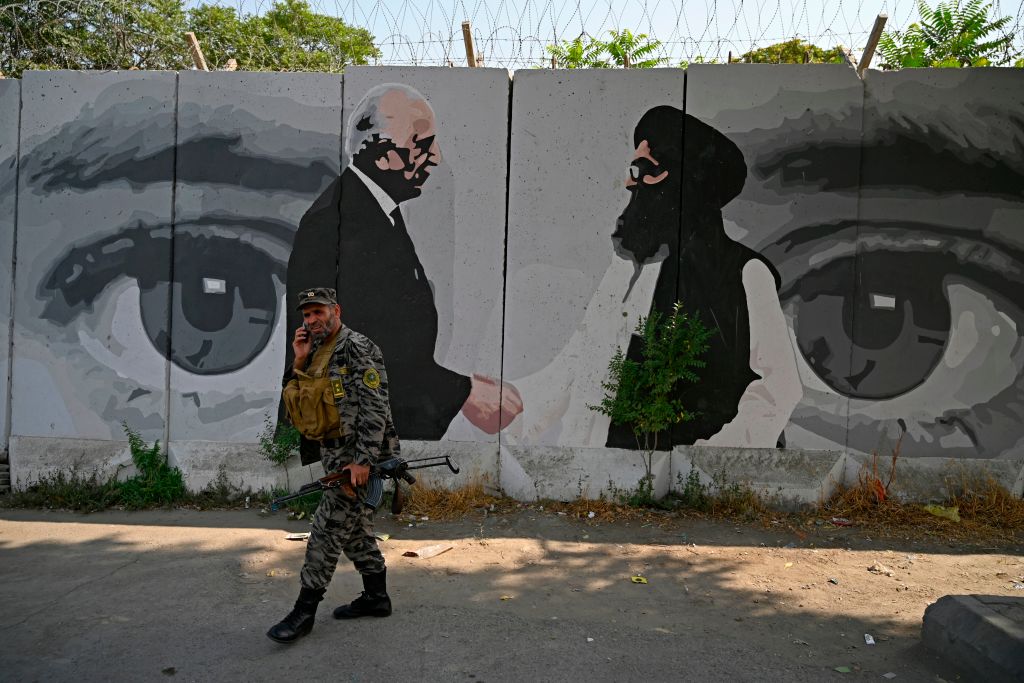
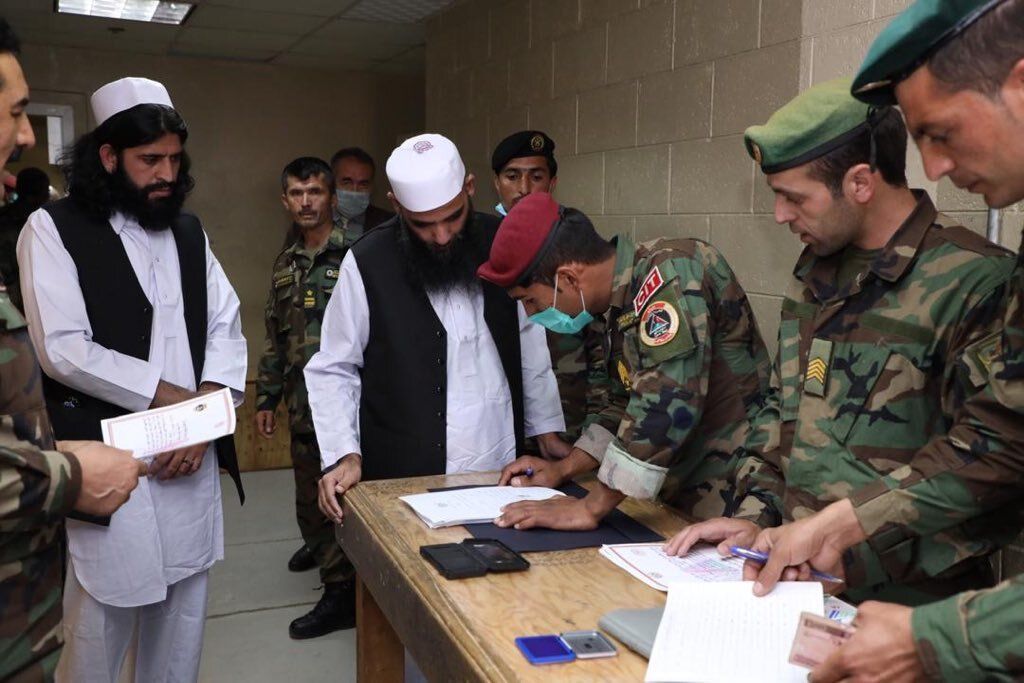
The hurdles encountered in kick-starting the intra-Afghan talks seem to be more daunting than anticipated. This has not only delayed a process that was scheduled to begin immediately after the Doha agreement in February, but has also underlined the bumpy road that lies ahead for various stakeholders to reach a consensus on Afghanistan’s national destiny.
This week’s briefing on recent news and upcoming events in the region featuring Charles Lister, Randa Slim, Jonathan M. Winer, Alex Vatanka, Marvin G. Weinbaum, Robert S. Ford, Mirette F. Mabrouk, and Syed Mohammad Ali.
Looking to repair ties, Pakistan’s Gen. Bajwa heads to Saudi Arabia
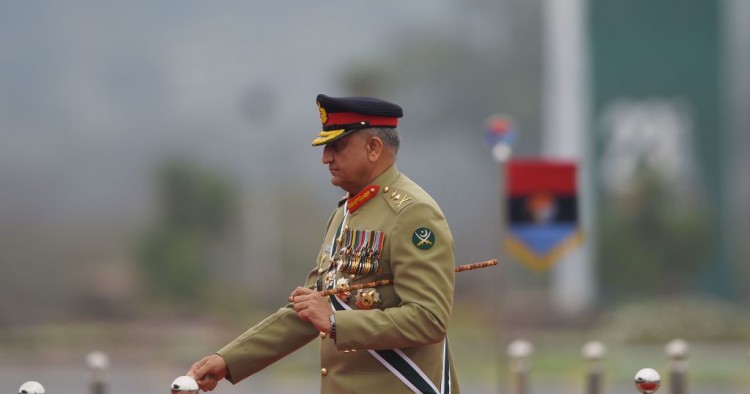
All is not well in Pakistan-Saudi relations, which seem to have gone into a tailspin. In order to repair the fractured ties with one of the country’s strongest allies, Pakistan’s army has swung into action and its chief, Gen. Qamar Javed Bajwa, will travel to Saudi Arabia for talks this weekend.
What does China’s growing engagement in Afghanistan mean for the US?
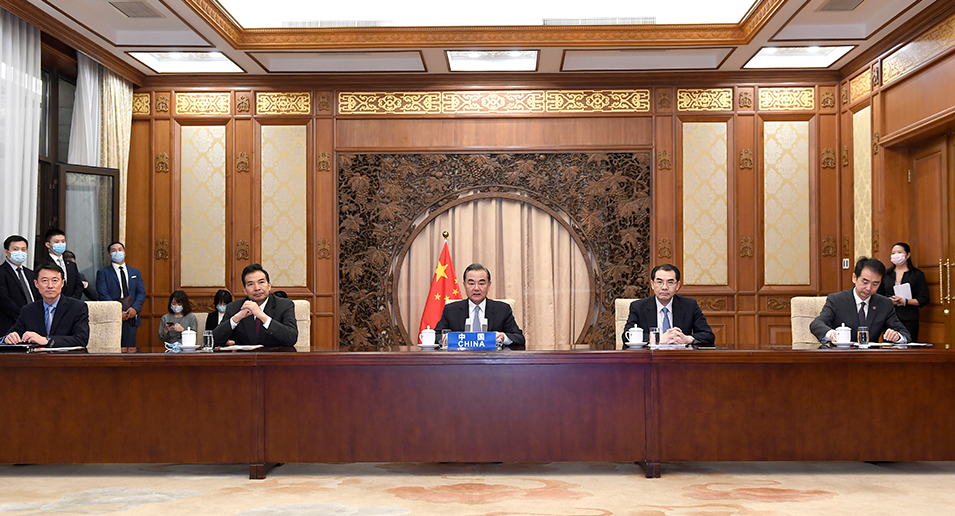
On July 27, Chinese Foreign Minister Wang Yi held a video conference with his counterparts from Afghanistan, Pakistan, and Nepal to suggest expanding their pandemic cooperation and proposed extending the China-Pakistan Economic Corridor into Afghanistan. Although the details about what this quadrilateral framework would entail and how it would work are unclear, any movement toward its institutionalization would be a serious challenge for the United States.
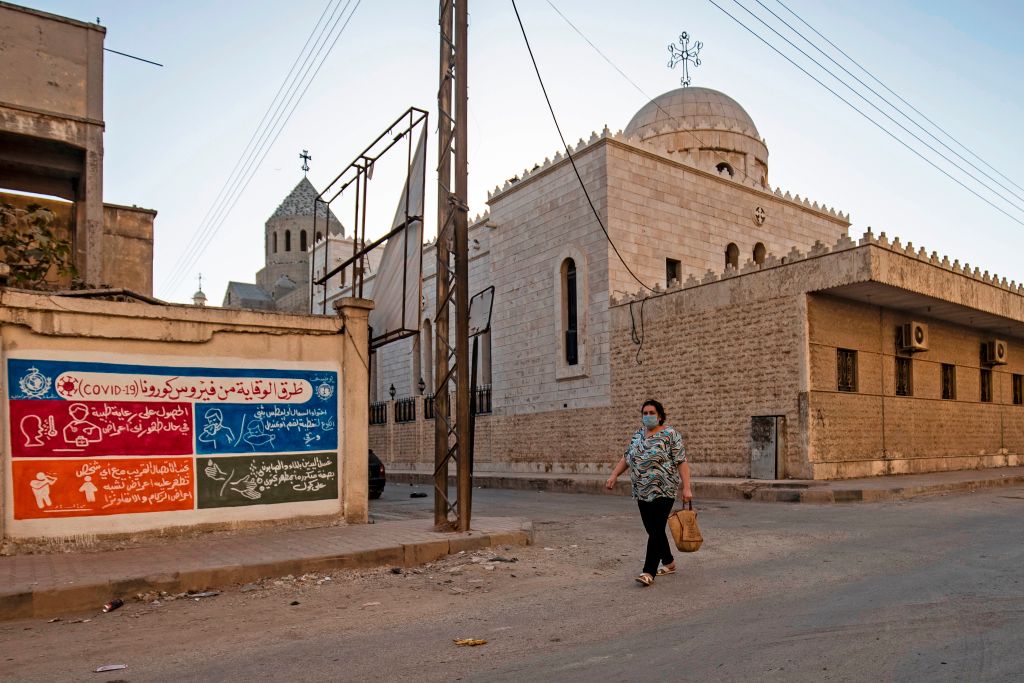
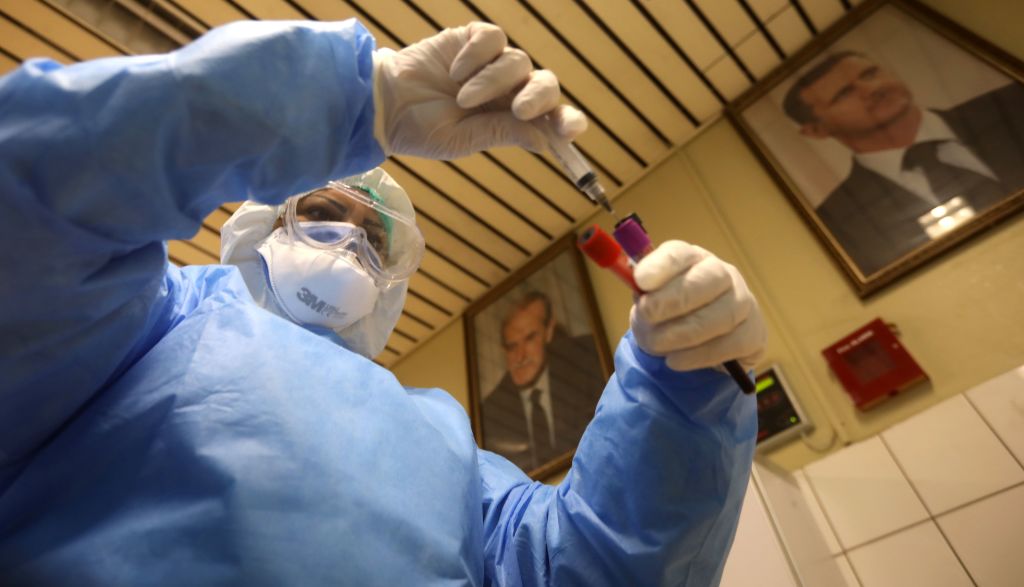
After months of under-reported cases and relaxed lockdown measures, the rapidly spreading COVID-19 pandemic has gripped government-held areas. A worrying rise in daily deaths and infections, especially in Damascus, has left Syria facing what could be its biggest challenge yet.
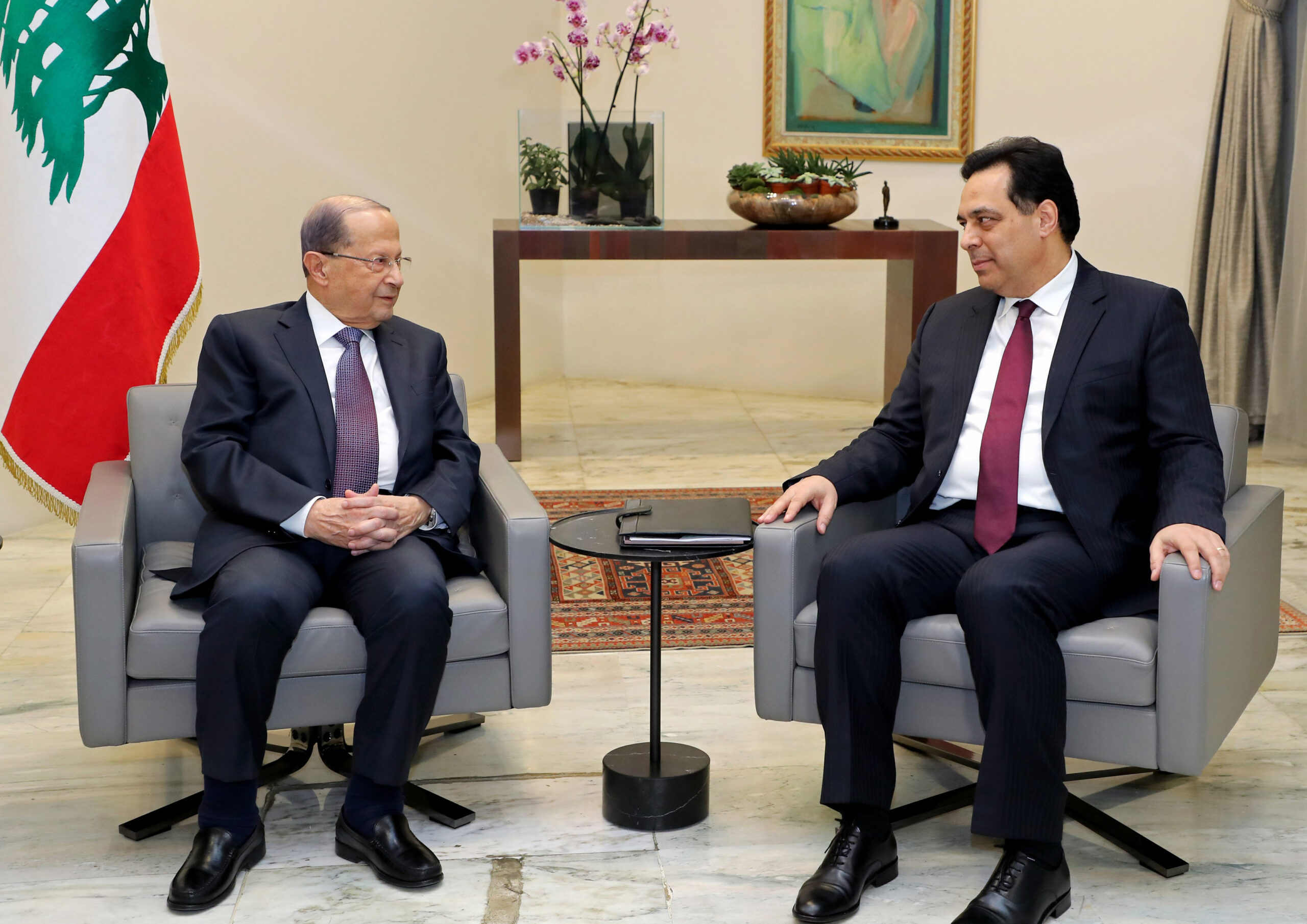
Monday Briefing | Lebanon: The twilight of an impotent government
This week’s briefing on recent news and upcoming events in the region featuring Paul Salem, Hafsa Halawa, Marvin G. Weinbaum, Anne-Linda Amira Augustin, and Gerald Feierstein.
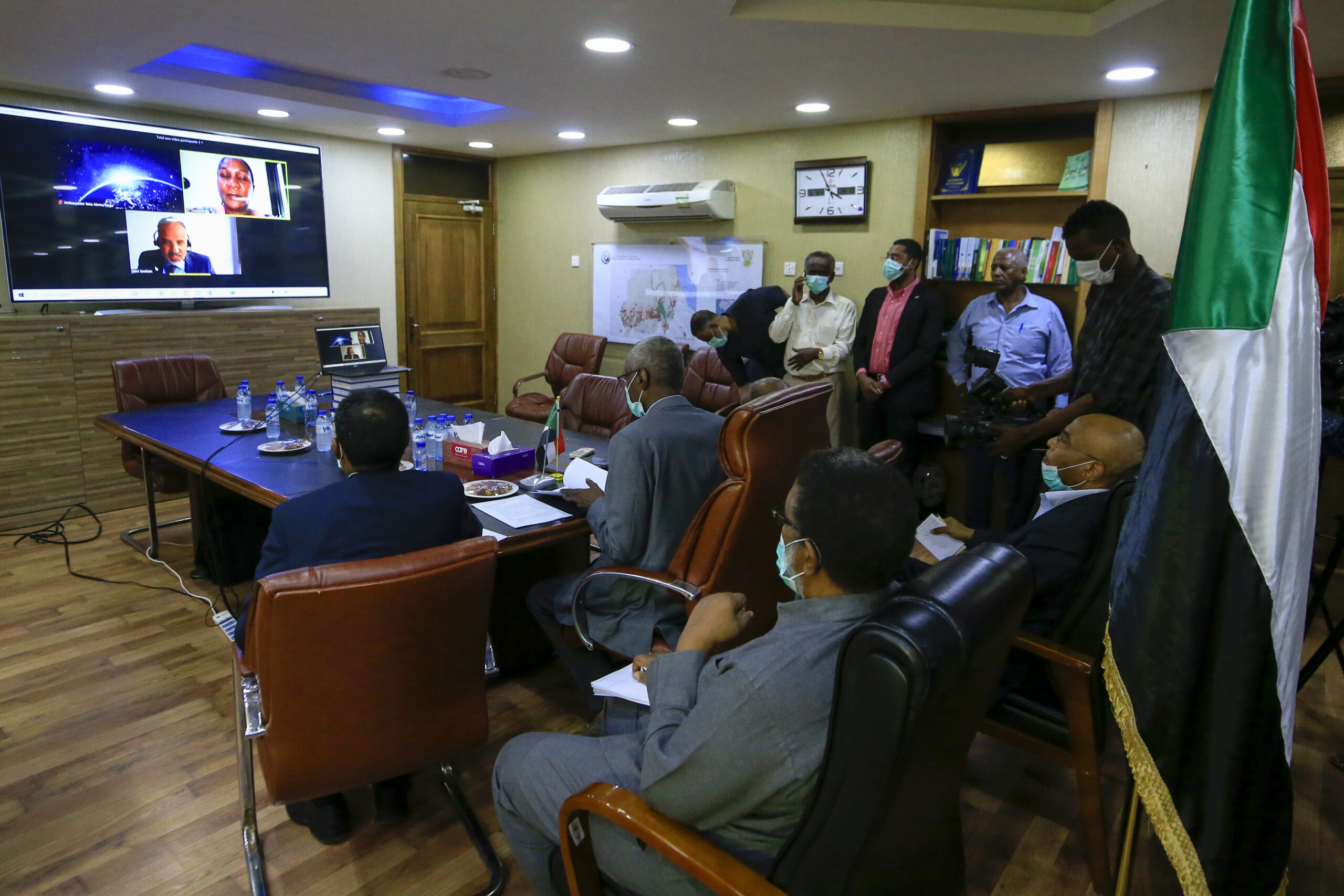
Monday Briefing: GERD talks continue, but political will is still lacking
This week’s briefing on recent news and upcoming events in the region featuring Mirette F. Mabrouk, Marvin G. Weinbaum, Gonul Tol, Alex Vatanka, and Gerald Feierstein.
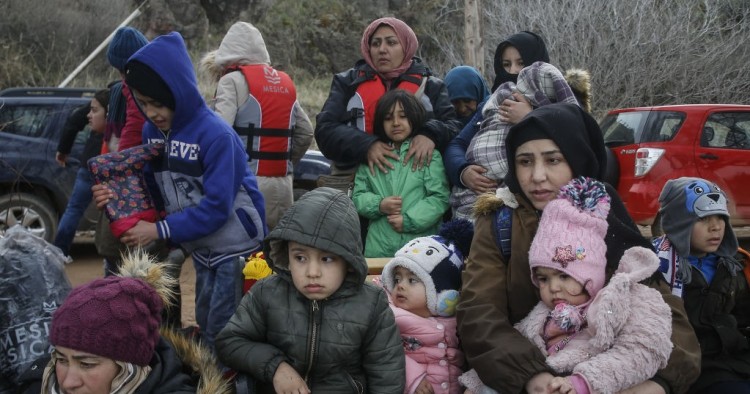
The circumstances seem to be right for a genuine rethink of the Syrian political process, but there are few answers to the question that can be heard often in Geneva, Washington, and Brussels these days: “What now?” The Syrian Association for Citizens’ Dignity has just released a major report, titled “We Are Syria,” that could help to provide the answer to that question: reorient the political process to make the rights of the displaced its foundation, and make the regime and its allies understand that this is the way toward the easing of sanctions and ultimately a sustainable political solution.
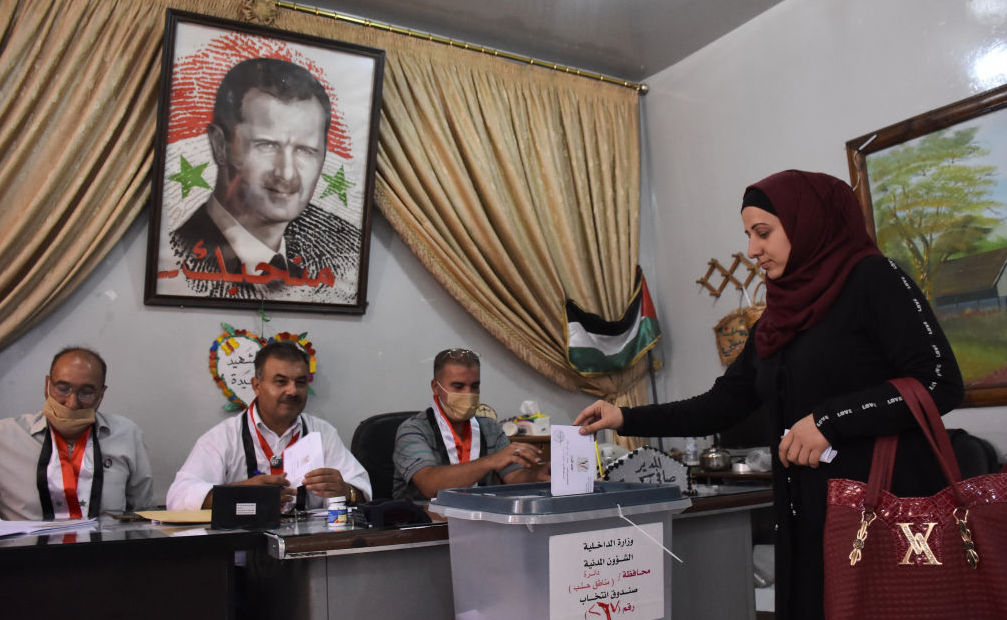
Syria’s 2020 parliamentary elections: The worst joke yet
Syria’s recent parliamentary elections, held on July 19, set a new precedent for the Assad regime, and there were 10 key differences from the previous elections that have been held since they were first introduced by Hafez al-Assad in 1973.