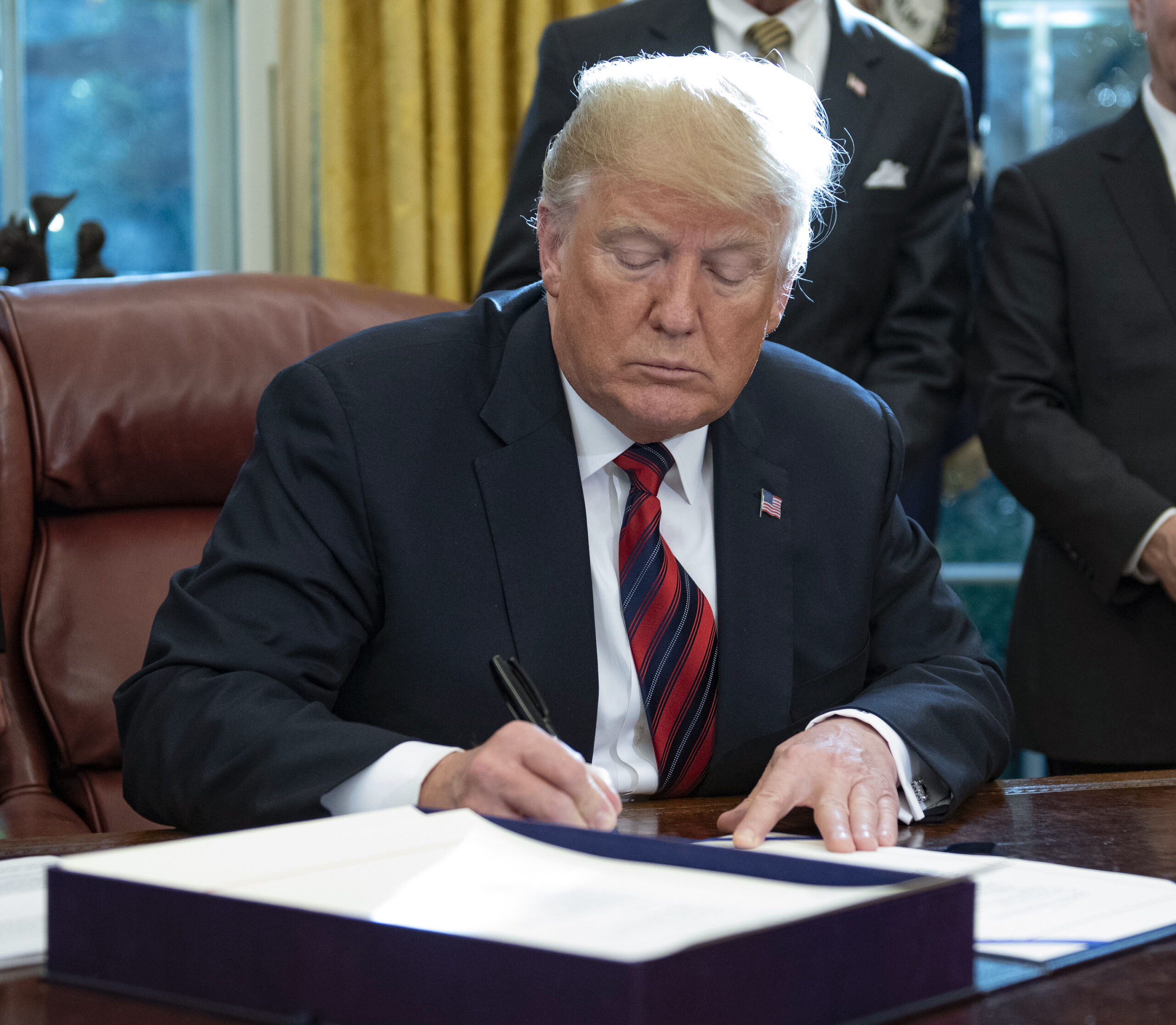
In this week’s Monday Briefing, MEI experts discuss recent and upcoming events including the coming changes in Trump’s administration, Iran’s hesitation in the US-China battle over Huawei , the ongoing Sweden talks on Yemen, results of the latest GCC summit, and questions over the legitimacy of the Afghan elections.
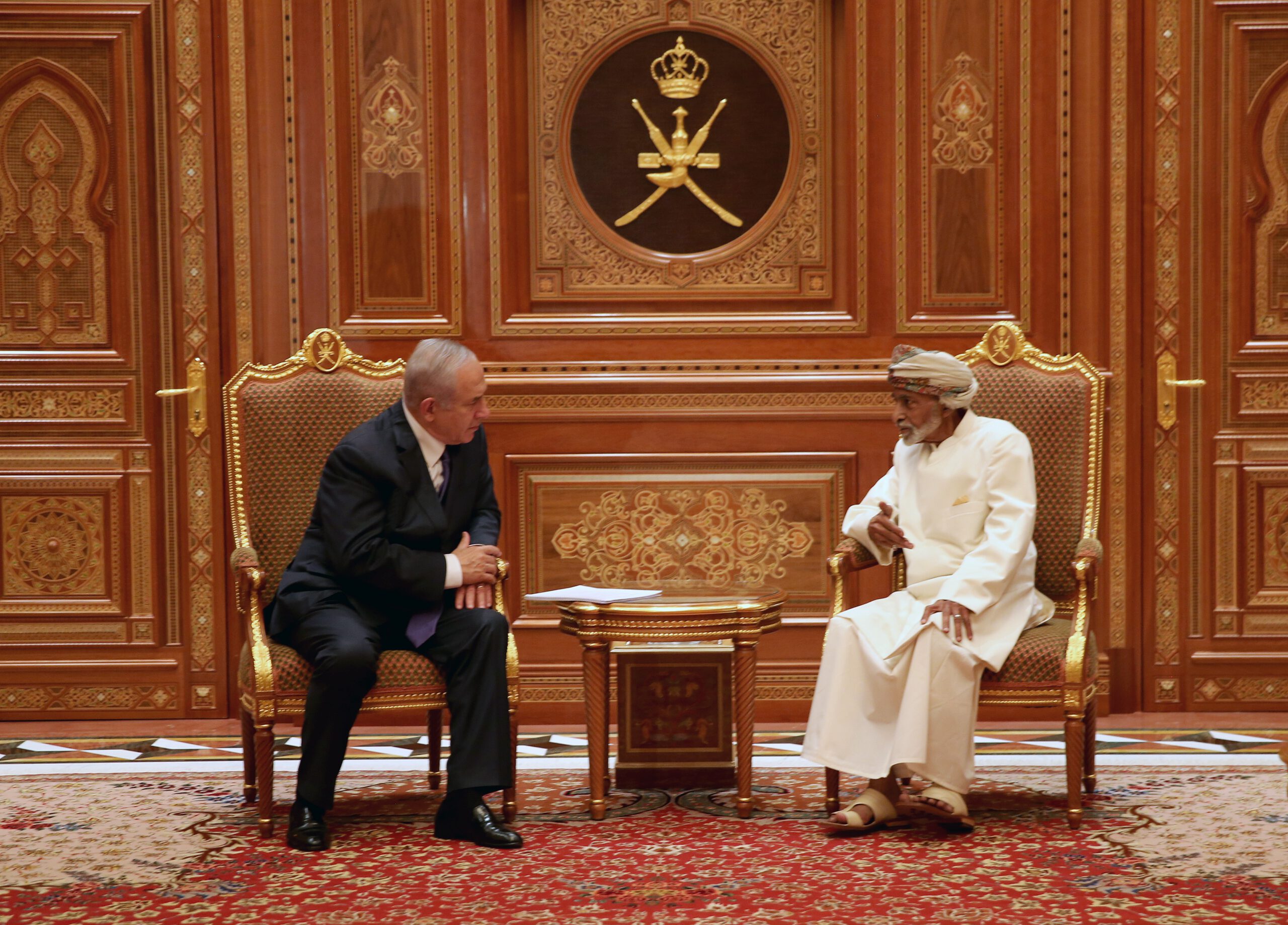
Oman and Israel: The emergence of a new strategic partnership
Although Oman has long been a regional mediator with ties to competing powers, it will need to maintain a delicate balancing act between its new strategic partnership with the Israelis and established relations with the Palestinians.
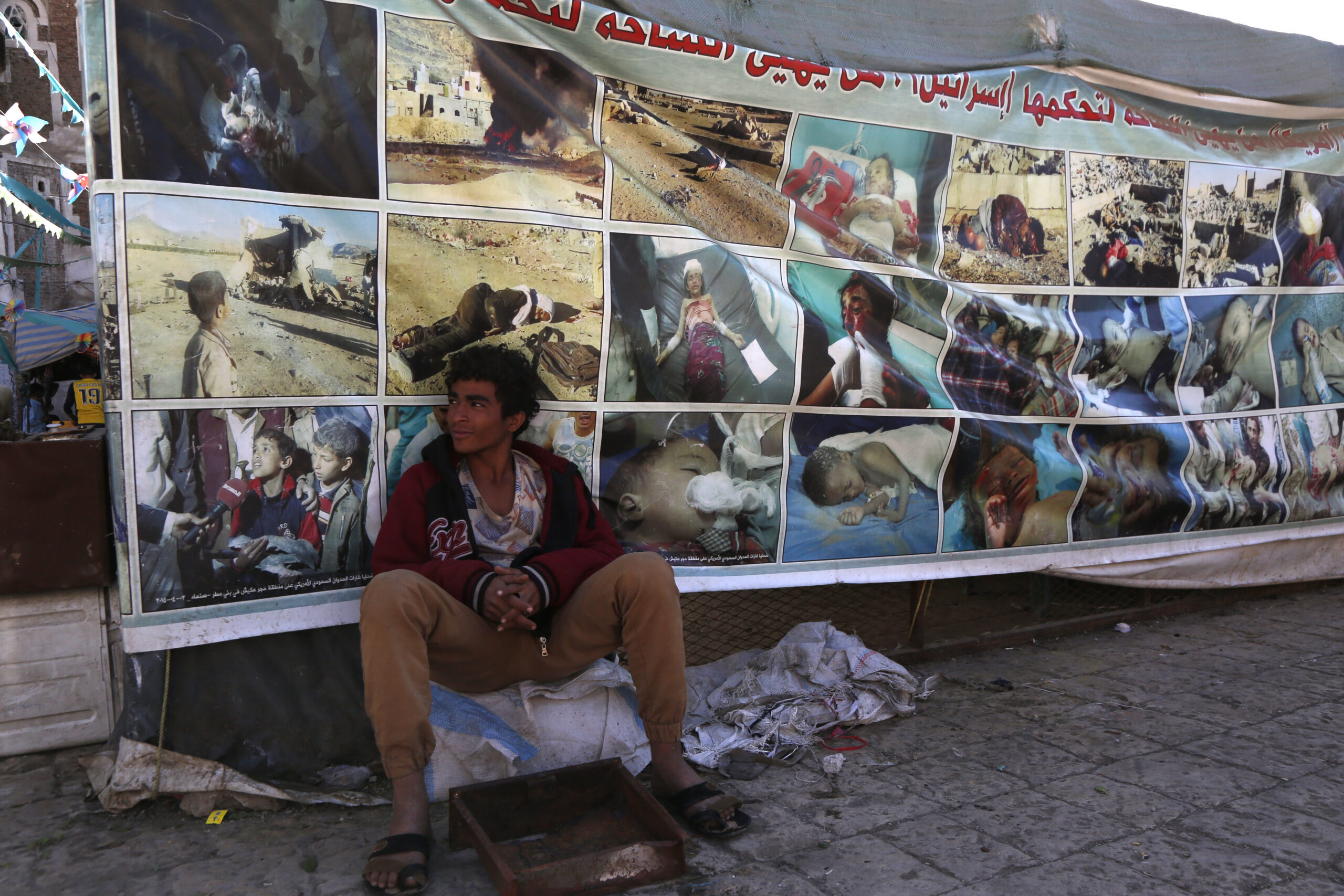
Restoring security and stability in Yemen is going to be a long-term process. Successful peace negotiations — including a ceasefire and confidence-building measures — can only be a first step toward that broader objective.
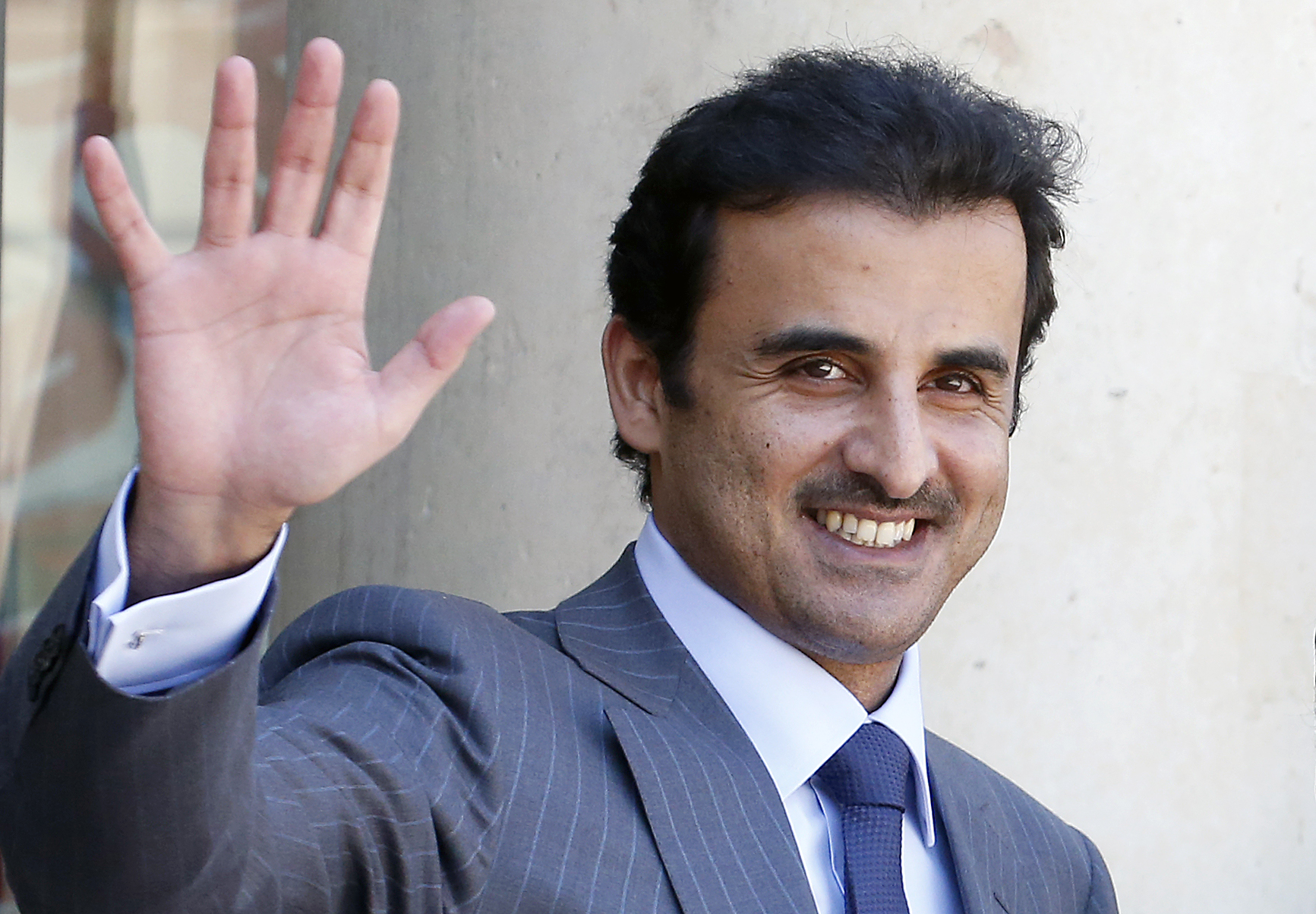
Giorgio Cafiero, CEO and founder of Gulf State Analytics, and F. Gregory Gause, head of the Department of International Affairs at Texas A&M University, join host Jerry Feierstein to discuss the state of GCC relations amid the Qatar dispute and other crises heading into the next GCC Summit.
The GCC Riyadh summit: Beginning of the end of the Qatar crisis?
The upcoming GCC summit in Saudi Arabia offers an opportunity to bring the opposing sides to the table, but it is far from clear what will come out of the meeting
Monday Briefing: Russians launch air strikes after alleged gas attack
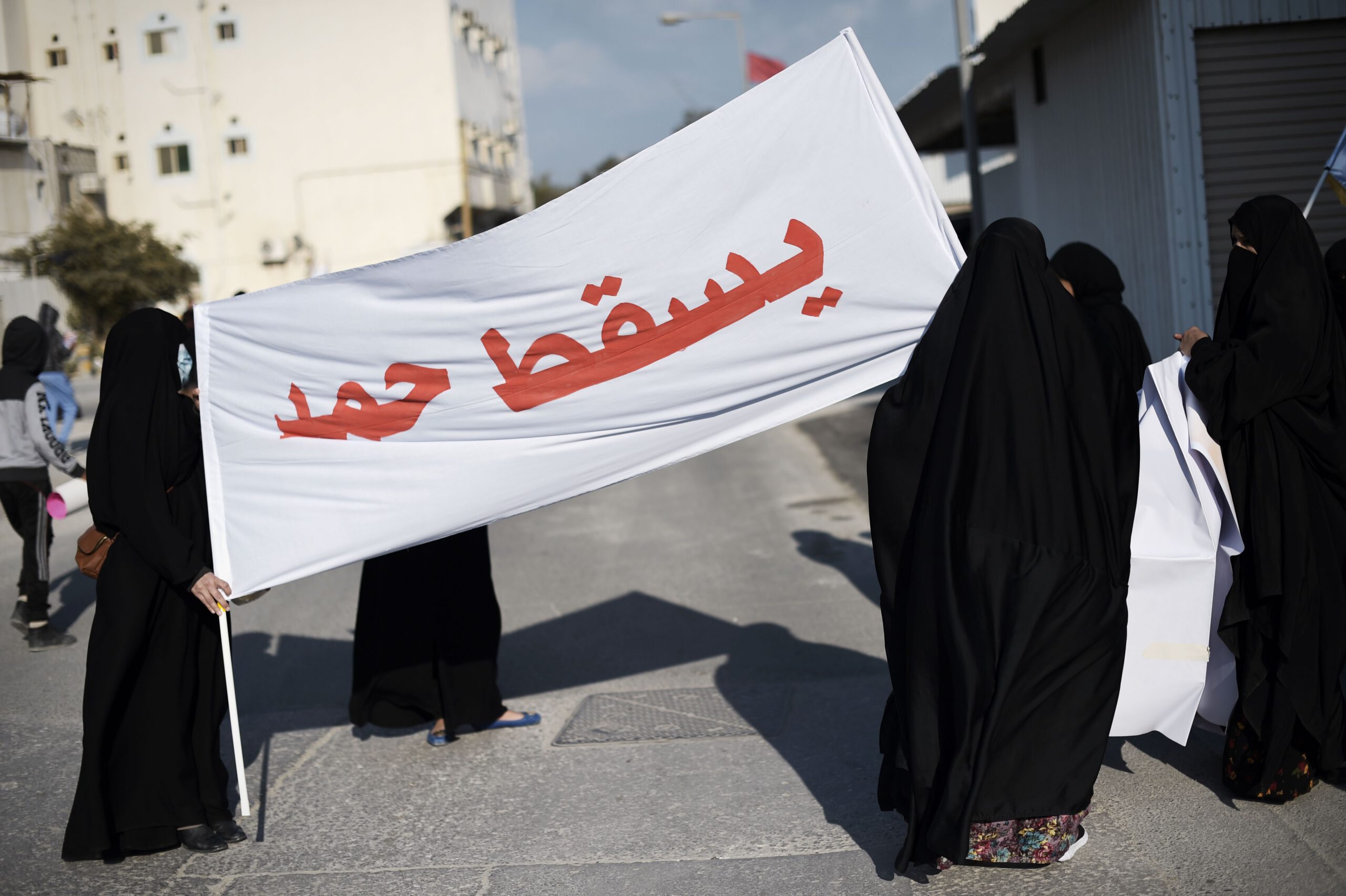
In this week’s Monday Briefing, MEI experts discuss recent and upcoming events including Russian air strikes in Aleppo, the elections in Bahrain, the growing international interest in Egypt’s offshore energy finds, and the appointment of a new Afghan team of negotiators for peace talks.
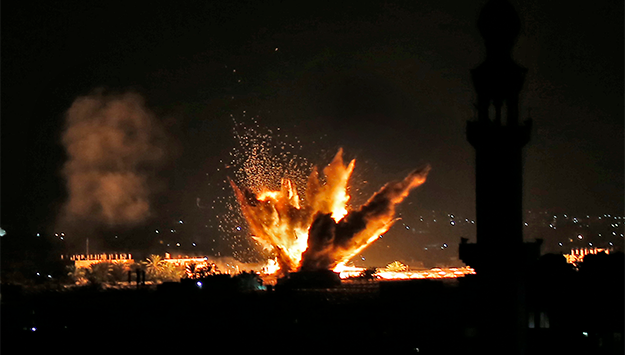
In this week’s Monday Briefing, MEI experts discuss recent and upcoming events including the Gaza flare-up and its threat to Egyptian-led negotiations, Russian-hosted Afghan peace talks, the ground offensive in Hodeidah, and rapid escalation in northwestern Syria.
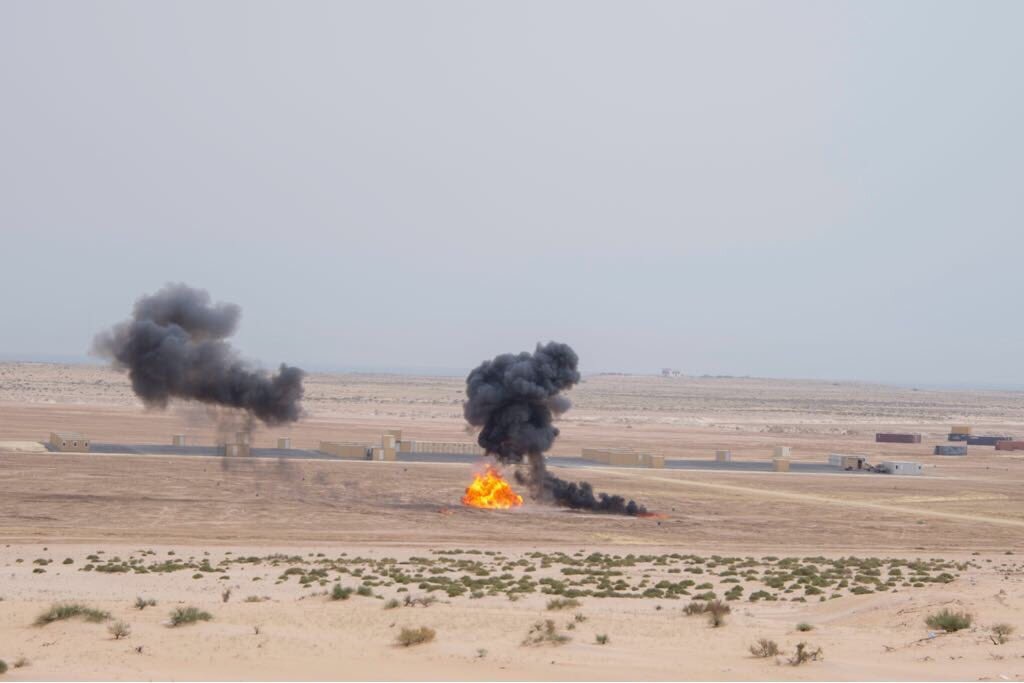
As naval, air, and ground units from Bahrain, Egypt, Jordan, Kuwait, Saudi Arabia, and the UAE conduct war games in western Egypt this month, many speculate that this could represent the birth of the so-called “Arab NATO.”
Yemen, the site of the biggest humanitarian disaster in the world today, has seen several significant developments in recent weeks, including renewed calls for a cease-fire, UN intervention, and brokered peace talks. Fatima Alasrar, senior analyst at the Arabia Foundation, and MEI’s Gerald Feierstein join host Paul Salem to discuss the prospects for these latest moves.
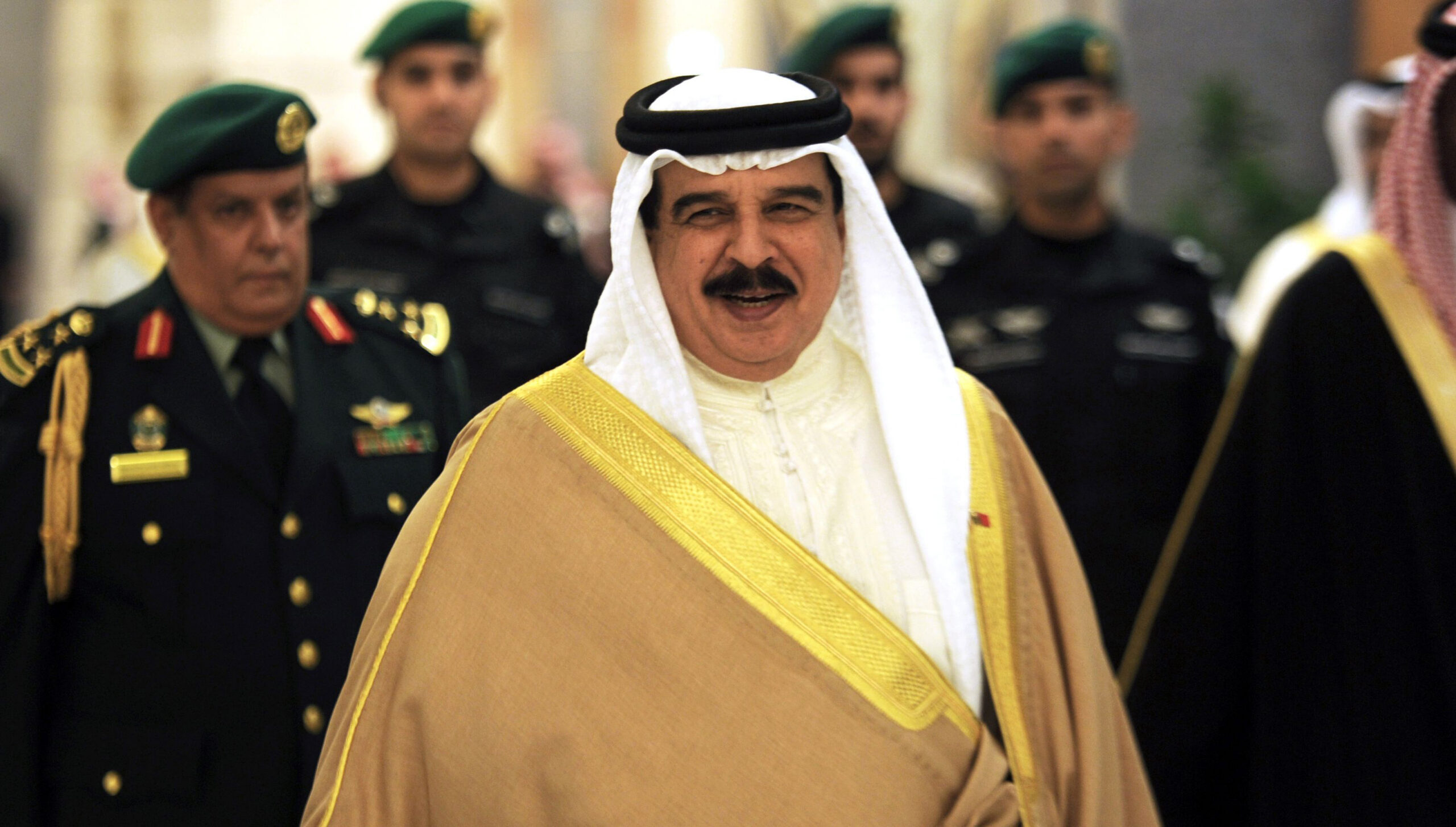
The GCC aid package for Bahrain illustrates how massive capital flows underlie the contentious politics and strategic alliances within the Gulf and broader Middle East.
October 25, 2018 – This week, in a highly anticipated speech on the Khashoggi affair, Turkish President Erdogan promised a lot but said little; the “Davos in the Desert” conference opened in Riyadh with an appearance by the Saudi crown prince; and the United States continued to send mixed signals. Karen Young, resident scholar at the American Enterprise Institute, and Gonul Tol, director of MEI’s Turkey program, join host Paul Salem to discuss the latest developments.
Update on Jamal Khashoggi; Afghan elections preview
In this episode, MEI’s Gerald Feierstein and Gonul Tol continue last week’s discussion on the tragedy and ongoing foreign relations crisis over Jamal Khashoggi, and Ahmad Majidyar gives a preview of this weekend’s parliamentary elections in Afghanistan.
The disappearance of journalist and commentator Jamal Khashoggi from the Saudi consulate in Istanbul has sparked the most serious crisis to face relations between the Trump administration and Riyadh. It has also posed a major diplomatic challenge for Turkey’s President Erdogan. MEI’s Jerry Feierstein and Gonul Tol join host Paul Salem to discuss the fallout of this developing crisis and potential tragedy.
Hopes for progress in Yemen have been stymied by setbacks in recent weeks, perpetuating a military and political stalemate. Marcia Biggs, special correspondent for PBS NewsHour, joins guest host Gerald Feierstein to discuss the humanitarian conditions she witnessed on the ground and what the international community can do to help reach a resolution to the crisis.