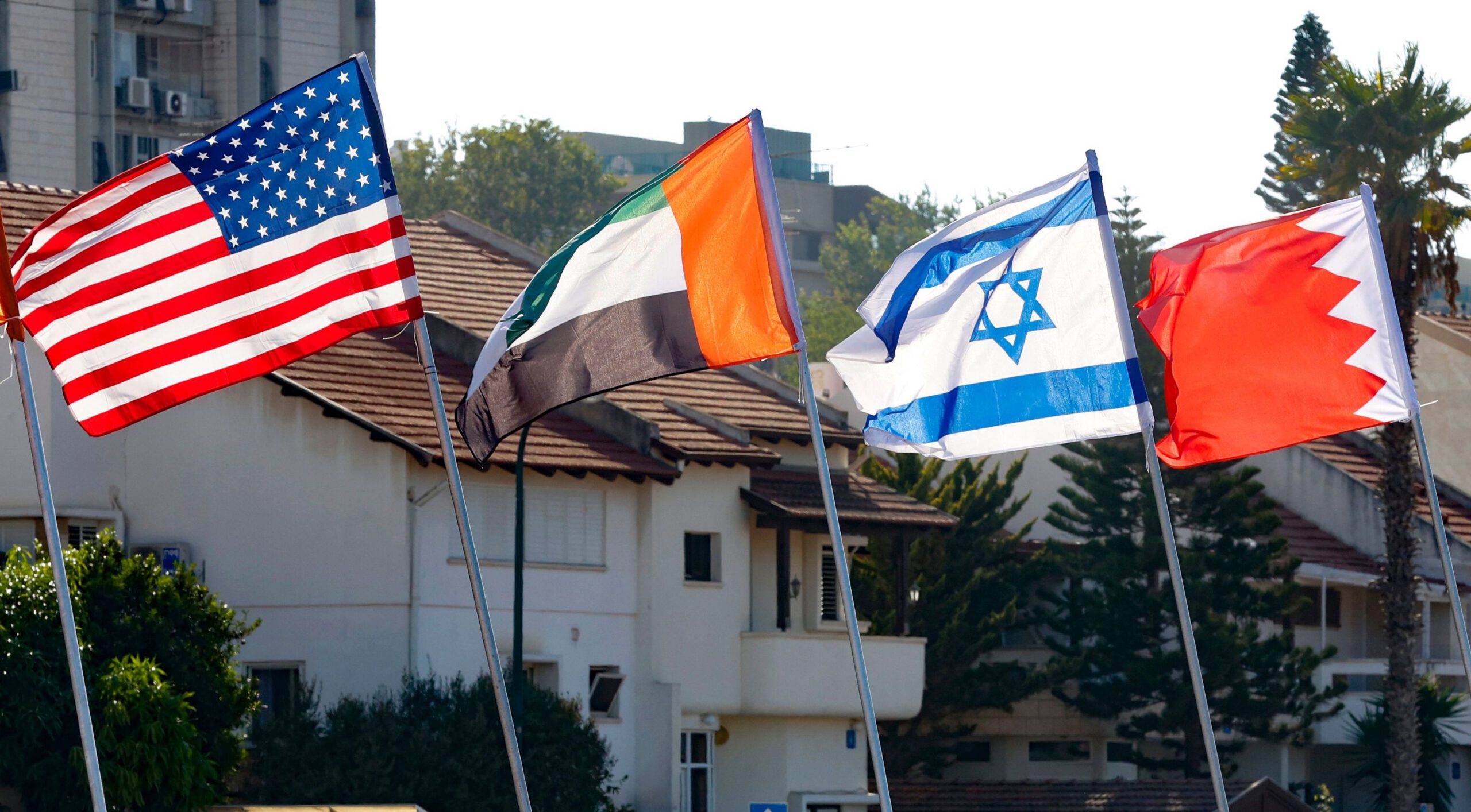
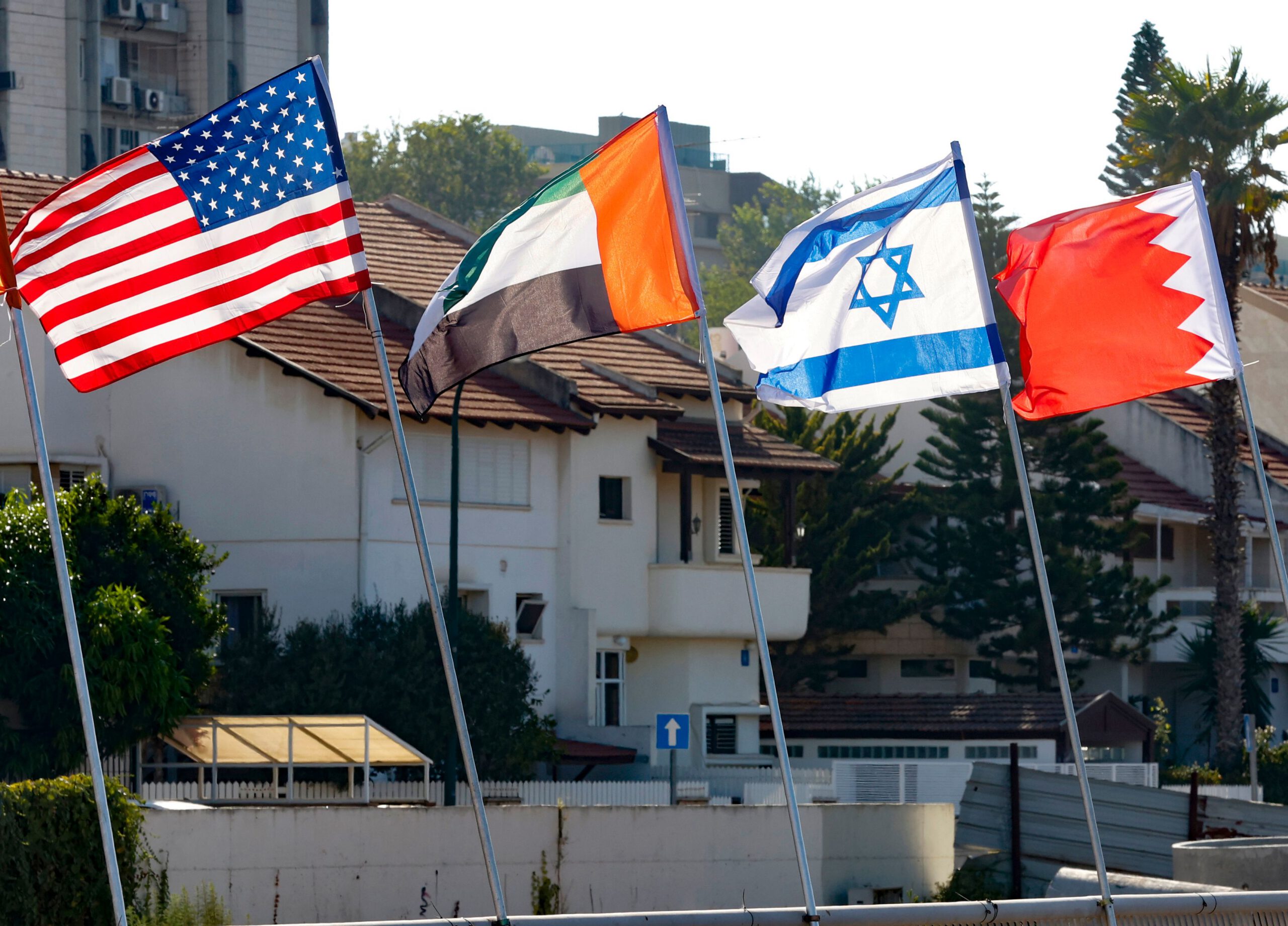
The recent round of fighting between Israel and Hamas, and especially the events that preceded it in Jerusalem, were the first significant test of the Arab-Israeli normalization agreements signed in 2020. Saved by Hamas’ intervention, the four normalizing Arab governments were nevertheless forced to address the consequences of their agreement in the face of popular discontent with the situation at home as well as criticism from other Arab and Muslim states over their relative silence. How they respond to the evolving Israeli-Palestinian tension going forward will be critical not only in regard to their own relations with Israel but also in terms of the future path of Arab-Israeli normalization.
The Growing Alignment Between the Gulf and the Eastern Mediterranean
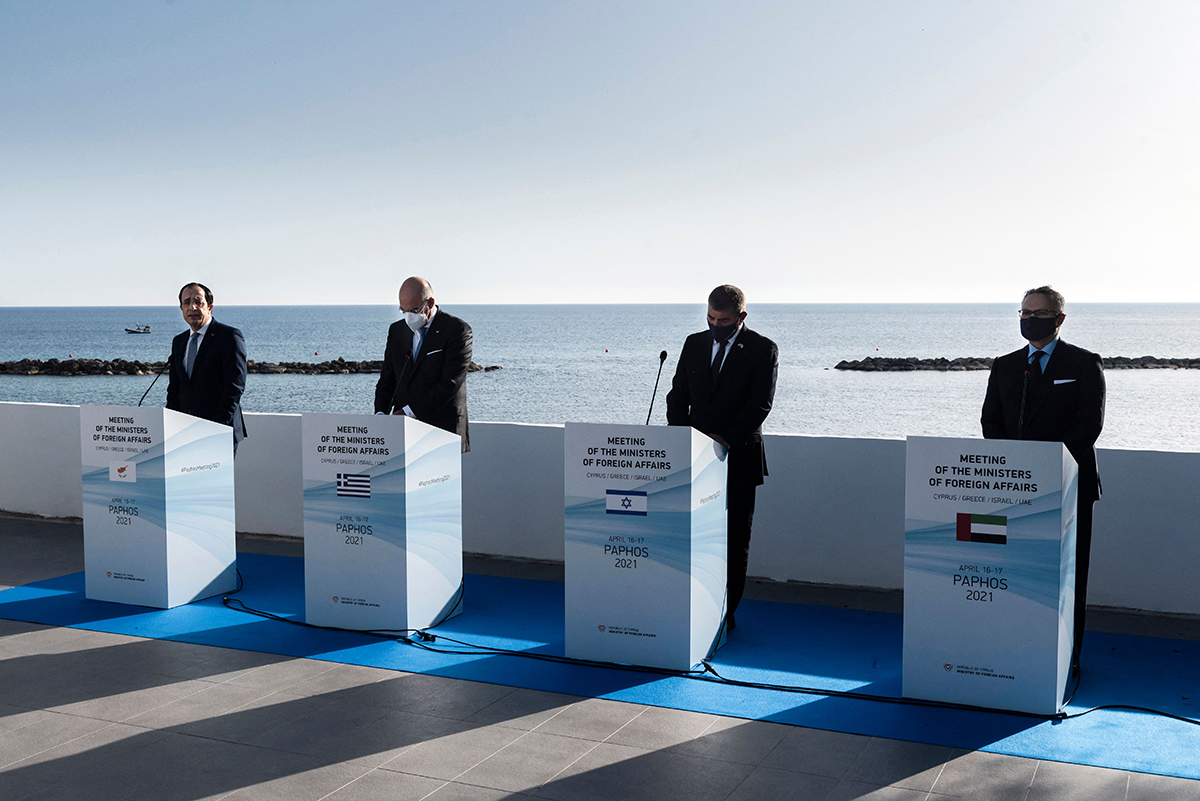
The synergies between the Gulf and the eastern Mediterranean theaters have grown substantially in recent years. Speaking at a meeting in Paphos, Cyprus in mid-April 2021 with his counterparts from Greece and Israel, as well as the former minister of state for foreign affairs of the UAE (now an advisor to the UAE president), the Cypriot foreign minister noted, “The evolving web of regional cooperation is creating a new narrative.” A week later, the UAE and Israeli fighter jets flew together publicly — for the first time — in an international aerial exercise hosted by Greece. How can we explain the signs of growing cooperation between these actors that seemingly operate in close but not completely overlapping arenas?
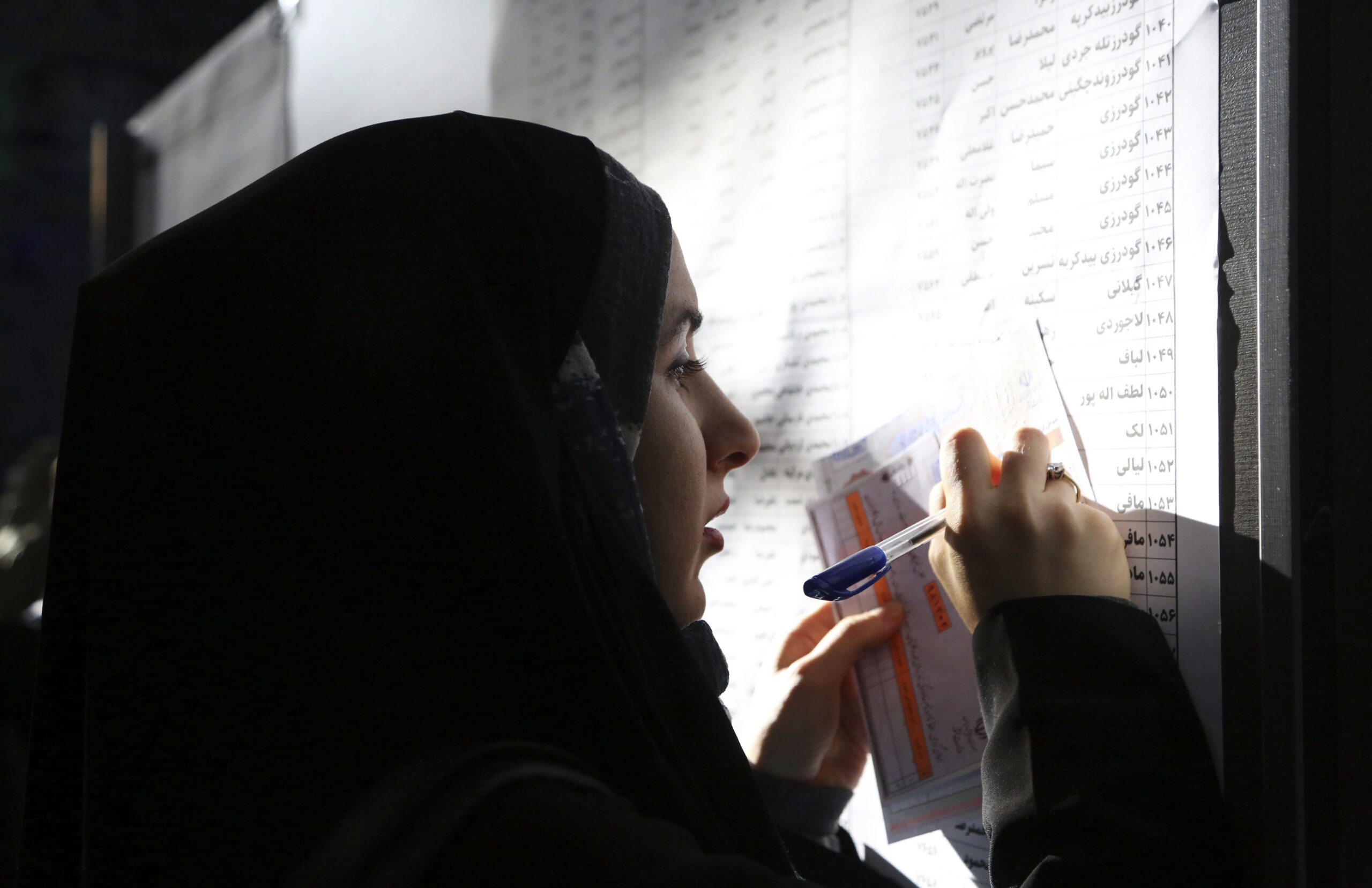
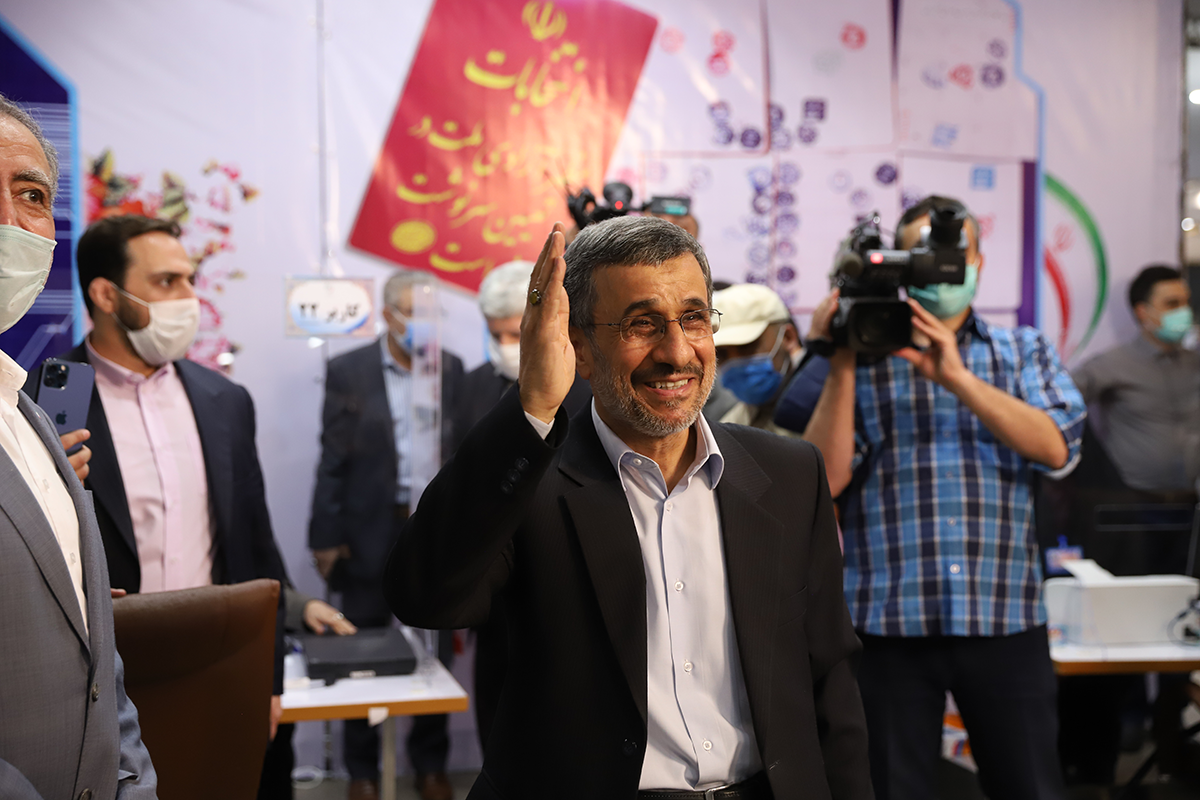
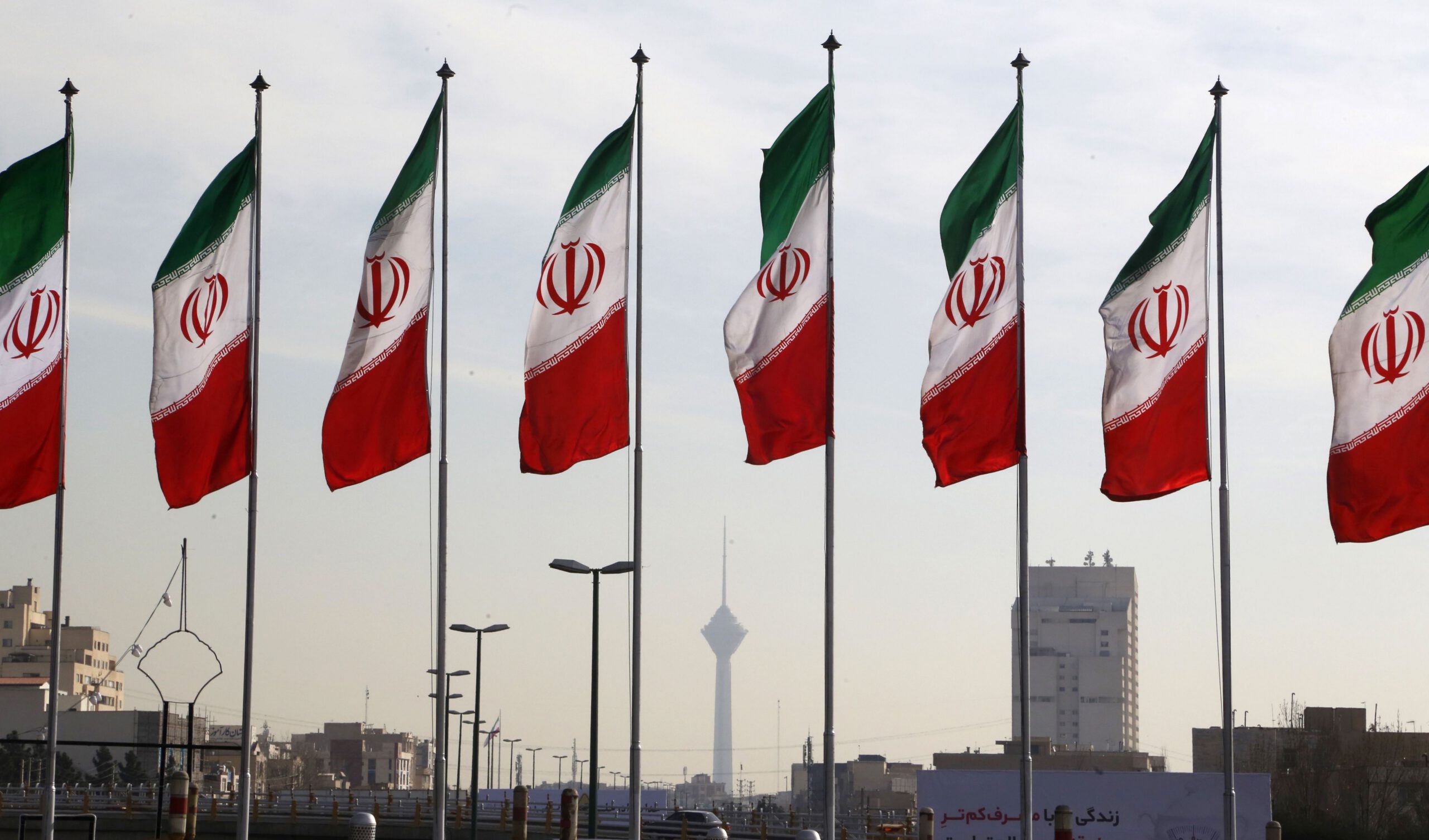
As the Islamic Republic of Iran approaches its 13th presidential election, the candidacy of former President Mahmoud Ahmadinejad (2005-13), once strongly supported by the conservative camp, poses a significant challenge to other conservative candidates by dividing their base. Given Ahmadinejad’s transformation into an opposition voice — one who openly crosses the Islamic Republic’s redlines — the ruling establishment is now facing a predicament on whether to allow the controversial statesman to run, or to bar him from participating in the presidential elections.
Eye on Niamey: Middle East regional powers vie for influence in Niger
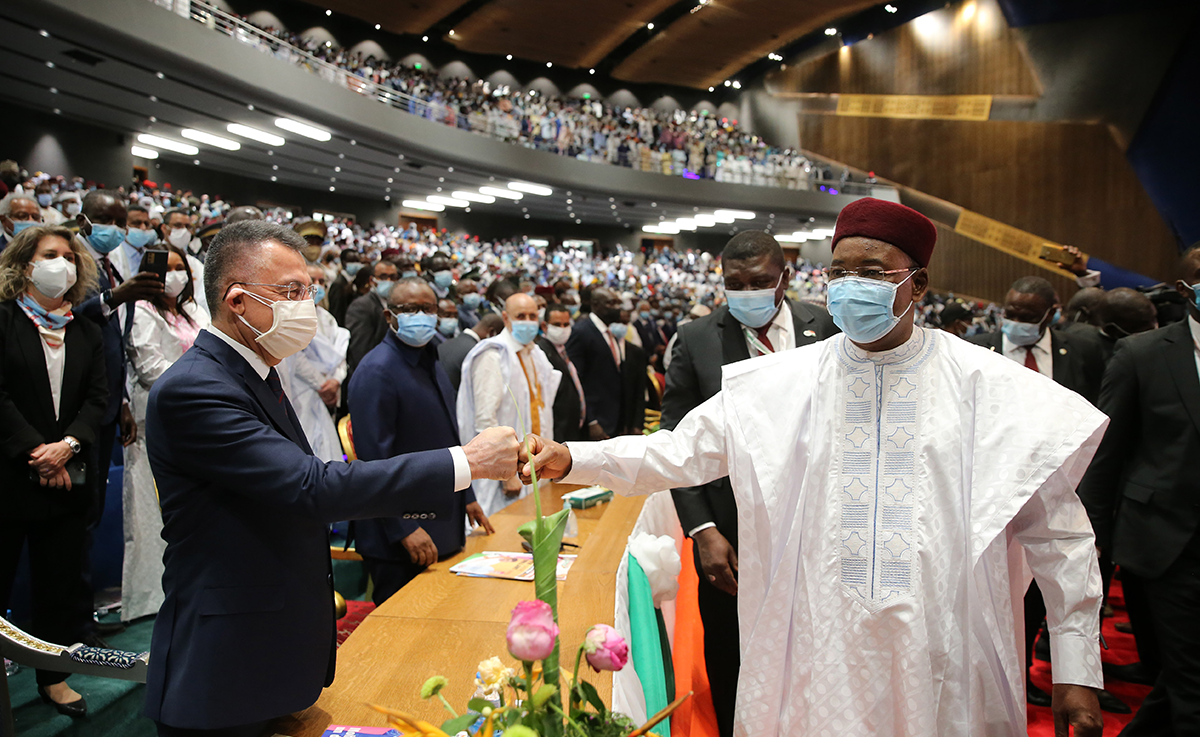
Due to its relatively stable political institutions, geographic proximity to Libya, and UNSC seat, regional powers in the Middle East are competing for influence in Niger. Egypt and the UAE are trying to counter Turkey’s growing economic and security cooperation with Niger, Saudi Arabia and Iran wish to leverage its UNSC voting power, and Israel is testing the waters for a potential normalization of diplomatic relations. These rivalries are poised to intensify, as the Sahel’s geostrategic significance continues to expand.
Hanin Ghaddar and Kasra Aarabi join host Alistair Taylor to discuss the challenges Hezbollah poses to the region and its key role in Iran’s proxy network, which spans from Iraq to Syria and Lebanon to Yemen.
Iran’s presidential elections are all about the post-Khamenei era
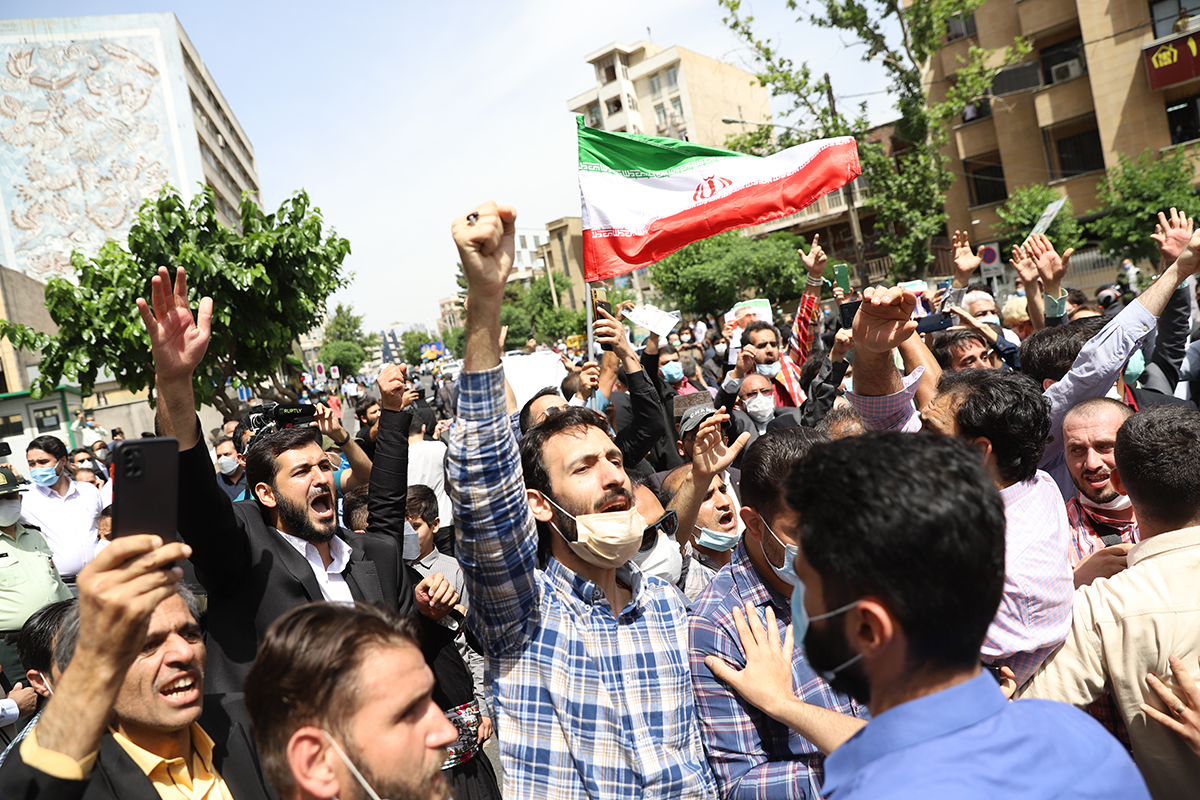
Iran will hold presidential elections on June 18 and despite considerable efforts by the authorities, the battle at the ballot box is set to be a lifeless affair. A solid majority of Iranian voters have by now entirely lost hope that voting makes any difference. Actual turnout could be as low as 20% as compared to the 73% recorded in 2017. Ayatollah Ali Khamenei, the unelected supreme leader who has ruled over Iran since 1989, is not on the ballot. Nor are the Revolutionary Guards, the armed defenders of the Islamic Republic’s theocratic system. These two institutions wield the real power in Tehran, not the Presidential Palace.
Alex Vatanka, Abdolrasool Divsallar, and Michael Eisenstadt join host Alistair Taylor to discuss the high-level talks in Vienna, now in their fifth week, aimed at reviving the 2015 nuclear deal that the Trump administration withdrew the US from in mid-2018.
On the margins of Vienna’s nuclear talks, Riyadh and Tehran have opened their own conversation in Baghdad. Despite predictions of a potential grand bargain, Saudi and Iranian identity security will confine the results to a mere cooling of relations, at best.
Iranian sanctions evasion and the Gulf’s complex oil trade
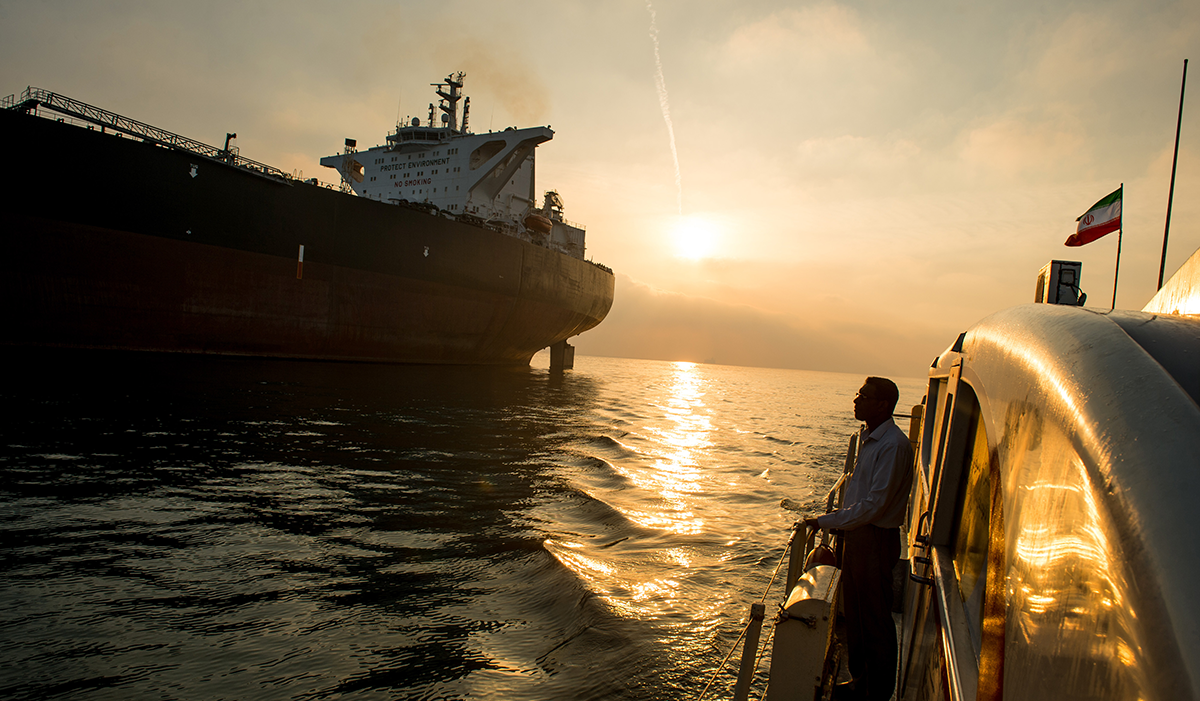
Sanctions have had a devastating impact on Iran’s oil production and exports, preventing much-needed investment in the country’s ageing fields and barring it from legally exporting crude oil to global customers. Using a range of evasion tactics, however, Iran has succeeded in circumventing sanctions and maintaining a steady — albeit much lower — level of crude exports. The Gulf’s complex regional oil market has facilitated these tactics, providing the perfect environment for trade in oil that U.S. sanctions designate as illicit.
In 2020, the 14th edition of Art Dubai went completely online due to the coronavirus outbreak, with programming focused on performance art and healing curated by Marina Fokidis, a live broadcast of the Global Art Forum, and a digital catalogue. “We didn’t have a model to follow,” Pablo del Val, Art Dubai’s Artistic Director explained. “The online viewing rooms came later and the art industry has shifted to make these platforms meaningful. The future was unknown so we worked blindly.”
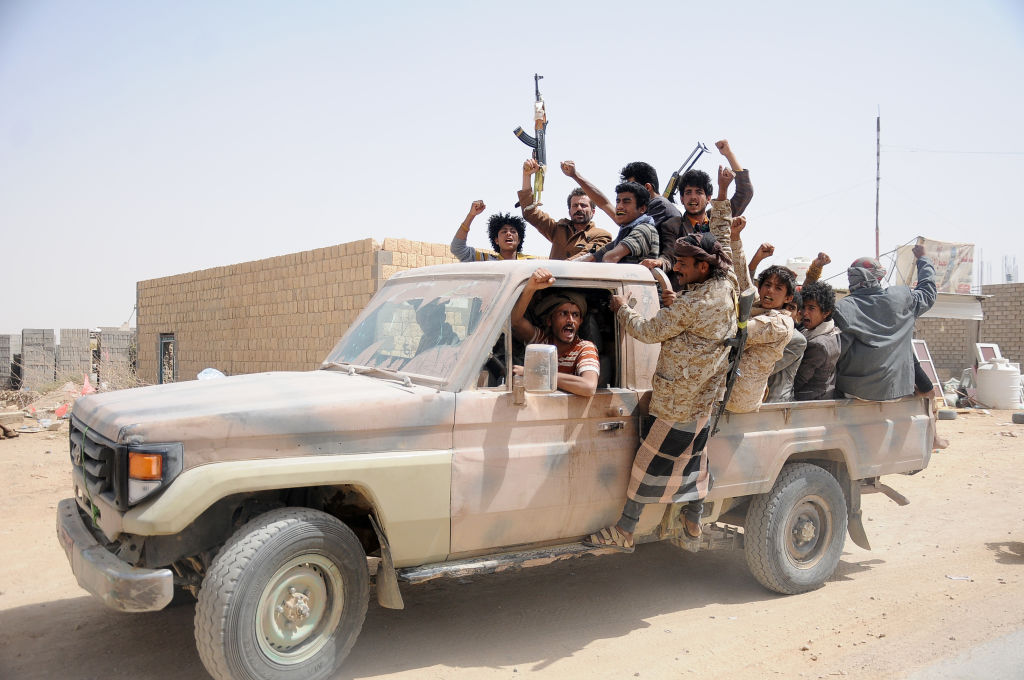
President Joe Biden’s commitment to “stepping up” diplomacy to end the war in Yemen generated hope among peace practitioners and policy shapers. In February, the president appointed Tim Lenderking, a seasoned diplomat with solid experience in the region, as the U.S. special envoy to Yemen.
EU-Iran relations: Toward a diplomatic confrontation?
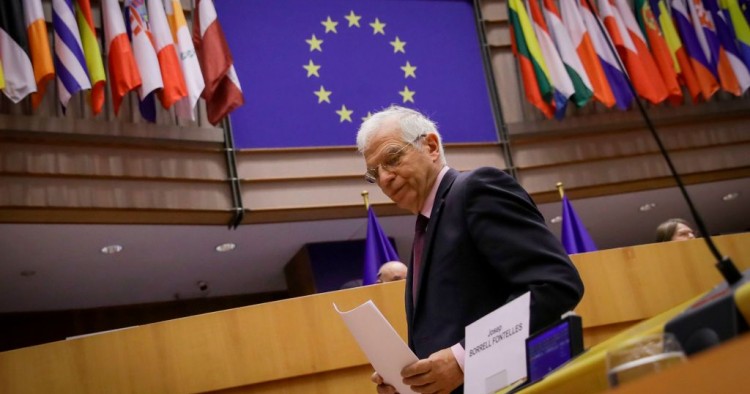
When the EU’s high representative for foreign affairs and security policy, Josep Borrell Fontelles, took office in December 2019, he emphasized the need to preserve the 2015 Joint Comprehensive Plan of Action (JCPOA) and cooperate with Iran. At the same time, he criticized then-U.S. President Donald Trump for maintaining extended sanctions — which in practice prevented leading European firms from concluding large contracts with partners in Iran — and for the U.S.’s withdrawal from the provisions of the treaty.