Neither East nor West: Turkey’s calculations in the Ukraine crisis
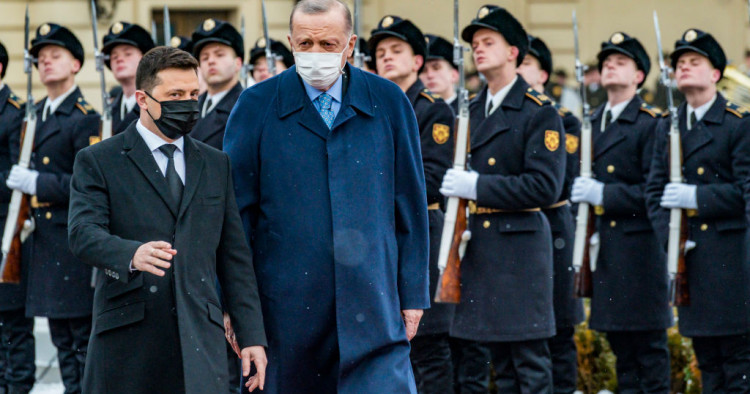
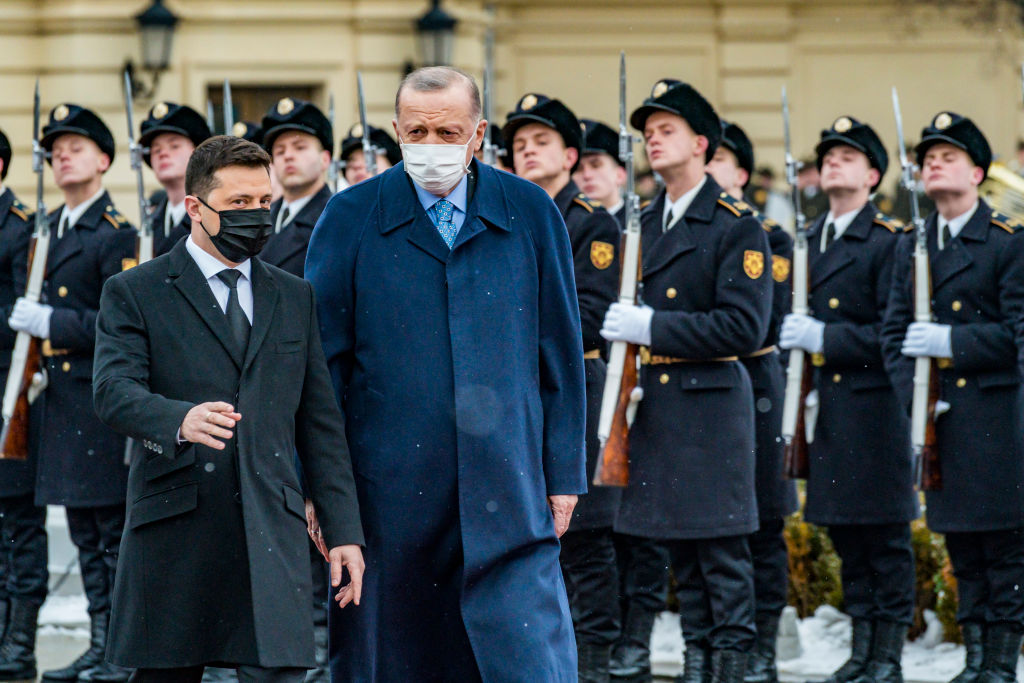
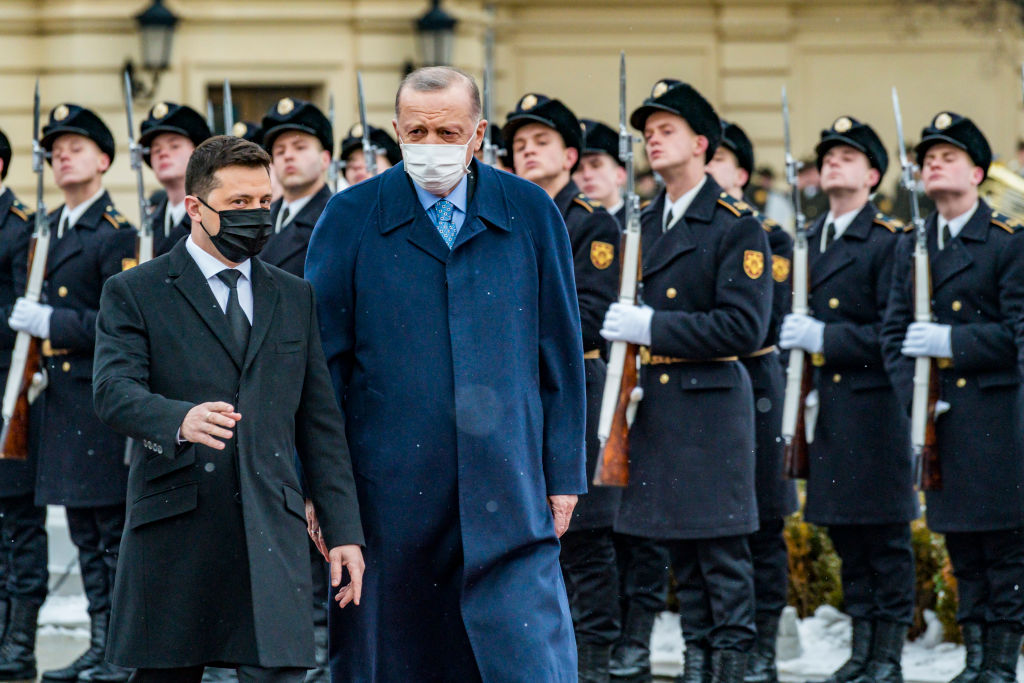
The crisis in Ukraine, from the perspective of Ankara, carries significant risks, but also some opportunity. It is neither a crisis of their own making, nor one that they welcomed; nevertheless, Ankara has clearly developed a basic blueprint for weathering the storm. From the perspective of Washington policymakers, their strategy is likely to hold more frustration than reassurance.
Fragile promise: The prospects for Turkish-Armenian normalization
Now, after decades of animosity, Turkey and Armenia are taking steps to normalize ties, and the prospects for restoring relations and reopening the border have never been brighter.
Revolutionary narratives: The Islamic Republic’s greatest strength
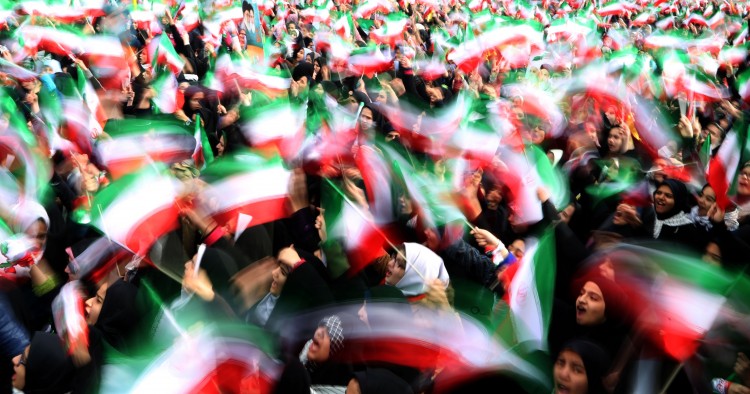
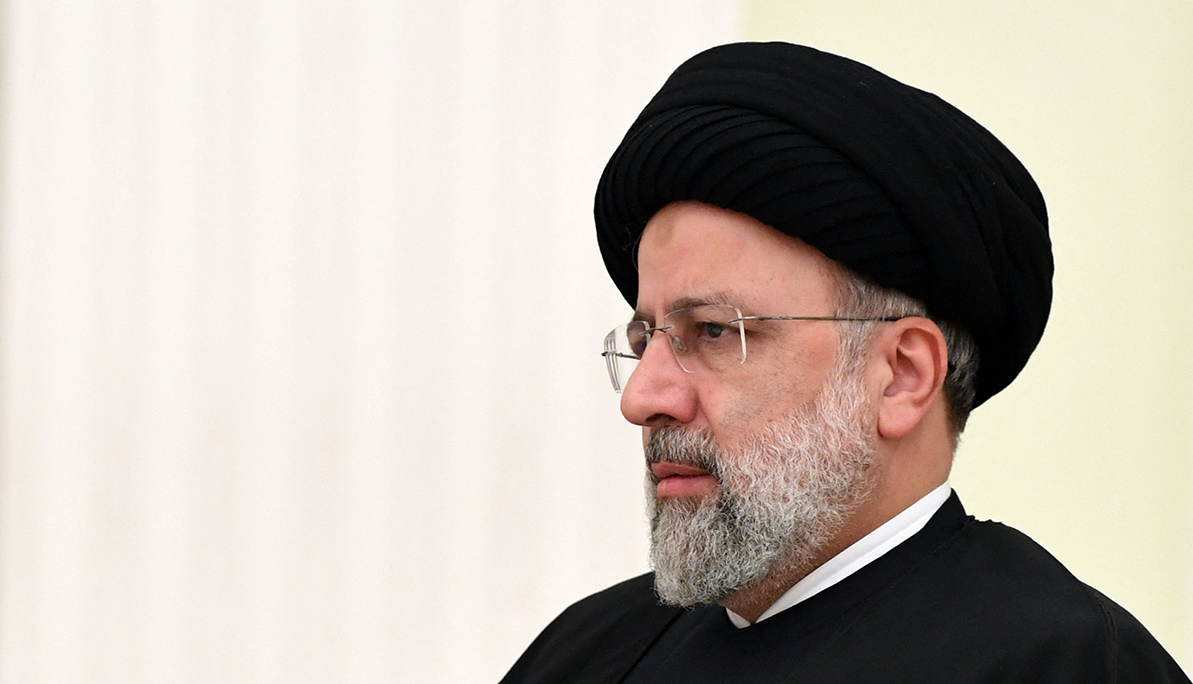
On Feb. 11, Iran celebrated the 43rd anniversary of its 1979 revolution. The current government in Tehran takes good care to refer to this as the “Islamic Revolution,” implying that what happened then was an organized and intentional effort, on the part of the entire country, to pivot toward an Islamic society. But any student of modern Iranian history will tell you that this is a vast oversimplification that puts the cart before the horse.
مخاوف طهران المتزايدة بشأن الاعتماد المفرط على بكين
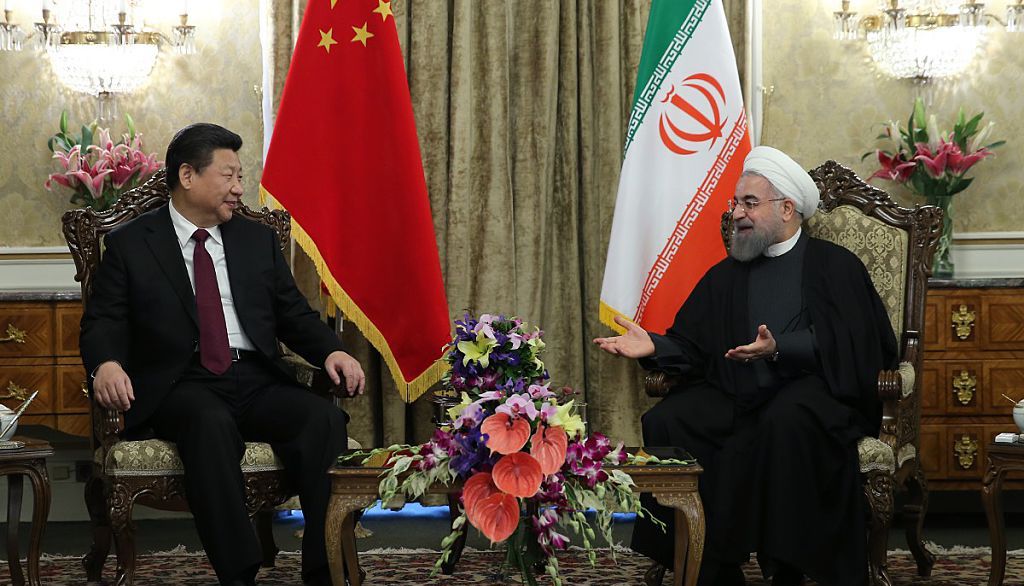
مع استمرار المحادثات النووية في فيينا، ثمة حقيقة واحدة لا يمكن إنكارها وهي أن قدرة إيران الاقتصادية على تحمل العقوبات الأمريكية حتى الآن ترجع في الغالب إلى الصين. ففي نهاية الأمر، حصلت شركات صينية كافية على مباركة السلطات في بكين لمواصلة استيراد النفط الإيراني وتجاهل المطالب الأمريكية منذ أن أعاد دونالد ترامب فرض العقوبات على إيران في عام 2018. البيانات التجارية غامضة، ولكن كميات الخام الإيرانية المصدرة إلى الصين، يقال أنها لم تقل سوى قليلًا عما كانت عليه في سنوات ما قبل العقوبات.
Thanks to Iran, Israel emerges stronger as the US shifts its focus away from the Middle East
The U.S. is disengaging from the Middle East as it shifts its focus elsewhere, a move widely perceived within the region as a sign of a coming American departure. Many in Israel were concerned that this would strengthen Iran and its influence in the region. Instead, it is Israel that has emerged stronger.
وسط مخاوف الغرب من أن روسيا على وشك مهاجمة أوكرانيا، وقعت تركيا وأوكرانيا اتفاقية للتجارة الحرة وأعلنتا عن صفقة لأوكرانيا لتصنيع طائرات مُسيّرة تركية خلال زيارة الرئيس رجب طيب أردوغان الأخيرة إلى كييف في 3 فبراير/شباط. تمثل الزيارة جزءًا من خطة أردوغان لتعميق علاقات تركيا بأوكرانيا، التي لا تعد فقط سوقًا مهمًا لتصدير منتجات الدفاع التركية، ولكنها أيضًا أساسية لجهود أنقرة للتخفيف من التداعيات السلبية للعقوبات الأمريكية على صناعتها الدفاعية. إحدى هذه المجالات التي خلقت فيها العقوبات الأمريكية مأزقًا للصناعات الدفاعية التركية هي تكنولوجيا المحركات.
Iran to remain a key partner for Ethiopia in the Tigray conflict
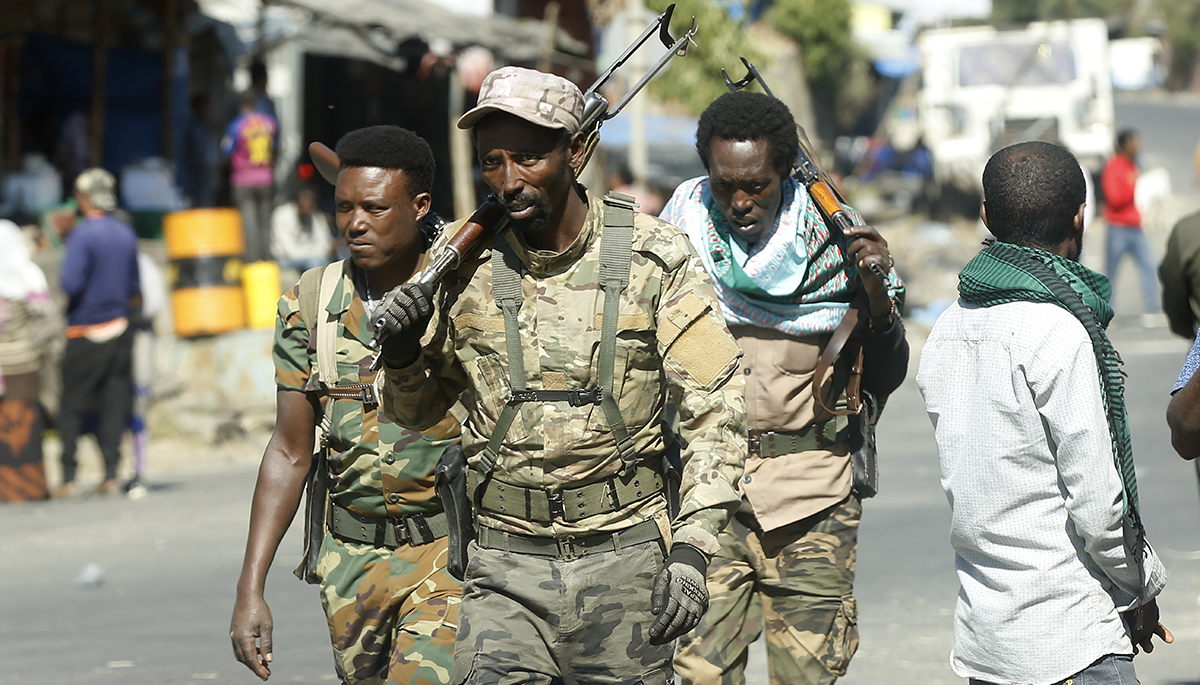
Ethiopia is Iran’s gateway to the Horn of Africa and the broader East Africa region. By helping Ethiopia in its ongoing conflict with the rebel Tigray Defense Forces, which represent the Tigray ethnic minority, Iran is preserving its so-called strategic depth in the region to bolster its influence.
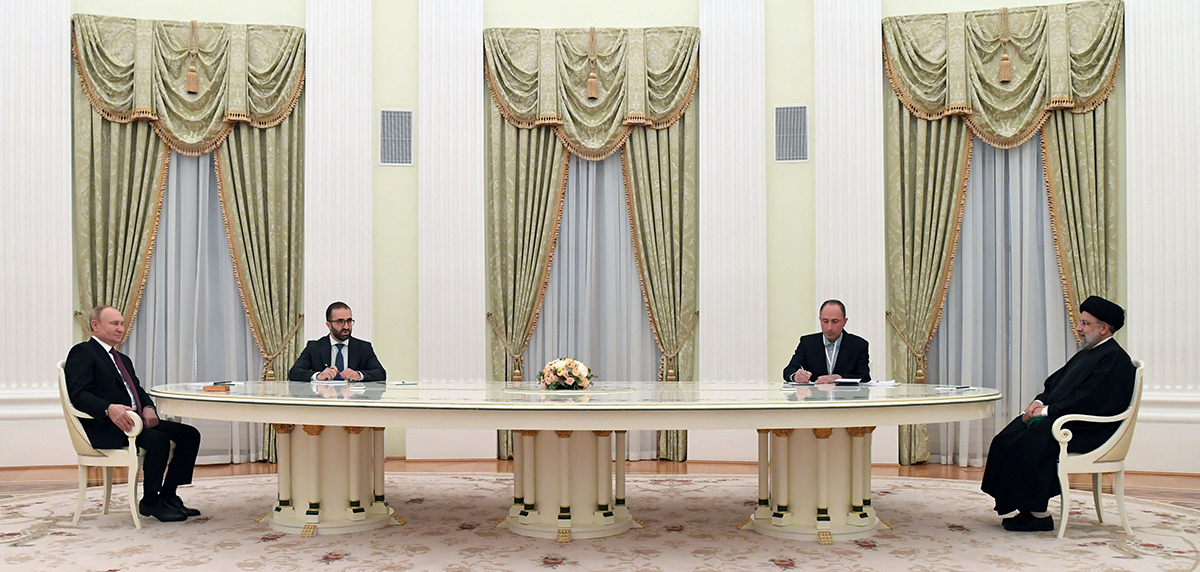
Since the fall of the Soviet Union and the rise of Vladimir Putin in the 1990s, military and economic relations between Iran and Russia have improved, as their tensions with the West have intensified. One aspect of the relationship that has received little attention is their growing economic and trade cooperation involving the production, export, and import of halal meat and other products since 2015.
What these attacks and many others in the region have in common is Iran’s irrefutable involvement. They may have different local contexts and their perpetrators, all loyal to Iran, may have different motivations, but every single one of those attacks was possible only because Iran provided either the weapons or the know-how to assemble and use them.
Confronting climate change, Turkey needs “green” leadership now more than ever
Turkey, like all other countries, is facing the harsh reality of climate change. Last year, it experienced one of the hottest summers on record. Blistering heat waves led to widespread wildfires in the country’s southwest, affecting five times more land than normal during the summer. Though Turkey usually has large water surpluses, some areas experienced shortages due to extreme drought. Others suffered heavy flooding, leaving scores dead.
How involved was Iran in the Houthi attack on the UAE?
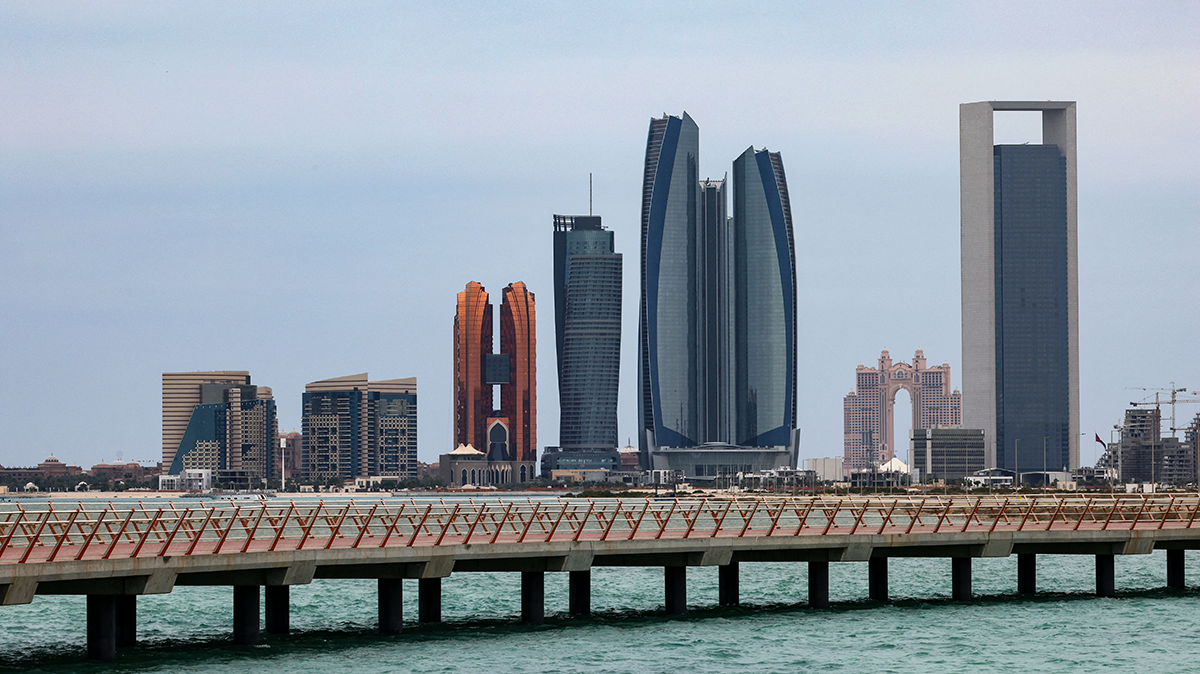
Three days have passed since the Houthi attack on the UAE, yet there’s still a lot we don’t know about what really happened. Here’s what we do know: The Houthis officially stated that they were the ones who struck Abu Dhabi, and unlike in September 2019 when they made the same claim, this time they might not be lying. Yet this is not enough to help us answer what in my opinion is the ultimate question: to what extent were the Iranians involved in this attack?