Skip to Content

Research & Commentary Results

Filter by
1285 Results
Indonesia and Tunisia: Democracy as a Distinctive Link
Middle East Institute
  • Analysis
  • Indonesia and Tunisia: Democracy as a Distinctive Link

    Not until the early 1950s did ties develop between newly independent Indonesia and Tunisia, then still a French protectorate. Importantly, those ties were based mainly in politics, and not in religion. At the time, the Tunisian national movement, led by Habib Bourguiba, seems to have regarded Indonesia as an inspirational model of anti-colonial struggle. Bourguiba was also attracted to the idea of “non-alignment” advanced by Indonesian President Ahmed Sukarno Indonesia, among others. Today, more than six decades after having achieved independence, Tunisia again stands at a watershed in its political development — transitioning from an authoritarian to a democratic system. These circumstances have given the relationship between Indonesia and Tunisia a fresh tailwind.
    January 30, 2018

    Iran-backed Iraqi militias may send reinforcements to Syria
  • Analysis
  • Iran-backed Iraqi militias may send reinforcements to Syria

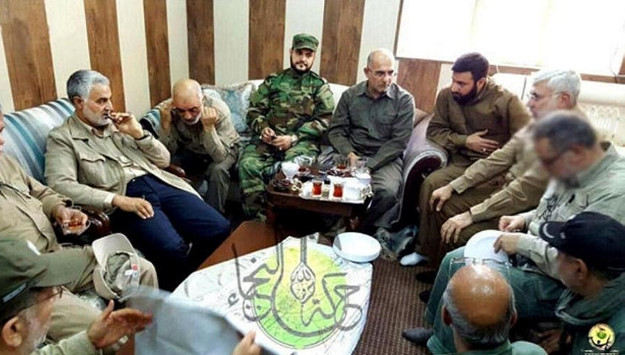
    The chief commander of Iraq’s Popular Mobilization Units has said that the paramilitary forces are ready to go to Syria to fight ISIS and defend Iraq’s borders, Iranian and Lebanese media reported. Abu Mahdi al-Muhandis, the deputy chairman of Hashd al-Shaabi (PMUs), further stressed that his forces will “respond forcefully” to any potential ISIS attack originating from Syria. “We cannot remain passive vis-à-vis the Syrian-Iraqi border and attacks carried out by Daesh [ISIS] in Syria,” he added.

    January 30, 2018

    Tumult in Tunisia
    Middle East Institute
  • Podcast
  • Tumult in Tunisia

    Widespread protests have rocked Tunisia in recent weeks in response to a series of tax increases, exposing a general frustration among the population who have yet to see the fruits of the 2011 revolution. Are these the growing pains of a nascent democracy, or is Tunisia at another breaking point? Dokhi Fassihian (Freedom House), Eric Goldstein (Human Rights Watch), and Tunisian journalist and researcher Asma Ghribi join Paul Salem to discuss.

    January 25, 2018

    What does 2018 have in store for Turkey?
  • Video
  • What does 2018 have in store for Turkey?

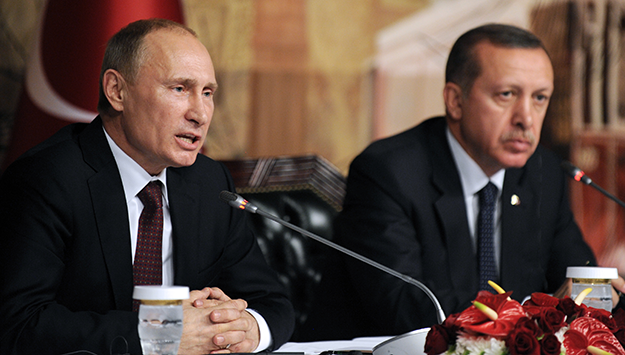
    January 24, 2018 – Turkey began 2018 embroiled in domestic dissent and diplomatic friction. Last April’s constitutional referendum was met with widespread criticism as an attempt by President Erdogan to consolidate power. Activists and journalists face increasing restrictions on their rights, the government continues its crackdown on the opposition, and debates swirl over the future of Turkey’s economy, the Kurdish question, and relations with the United States and European Union.

    January 24, 2018

    Tunisia's protests are a wake-up call for leaders
  • Analysis
  • Tunisia's protests are a wake-up call for leaders

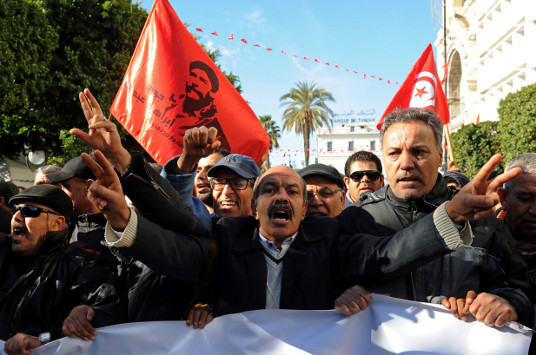
    Since Jan. 3, Tunisia has been experiencing scattered protests all over the country. The protests, which continued through the second week of January, follow the entry into force of the national budget for the 2018 fiscal year.

    January 23, 2018

    Pence’s pointless peregrination in the Mideast | Monday Briefing
  • Analysis
  • Pence’s pointless peregrination in the Mideast | Monday Briefing

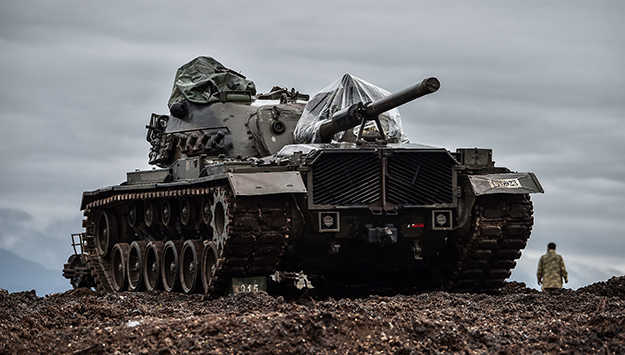
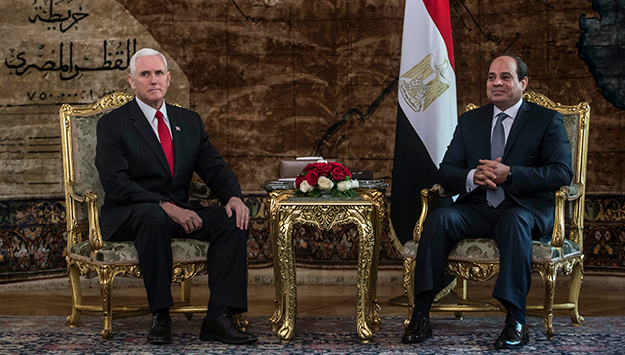
    In this week’s Monday Briefing, MEI experts Paul Salem, Robert S. Ford, Randa Slim, and Jonathan M. Winer provide analysis on recent and upcoming events including Vice President Mike Pence’s trip to the Middle East, Turkey’s assault on Afrin, Iraq’s upcoming elections, and the U.N. humanitarian aid plan for Libya.

    Iran’s soft power: Islamic Azad University opening branches in major Syrian and Iraqi cities
  • Analysis
  • Iran’s soft power: Islamic Azad University opening branches in major Syrian and Iraqi cities

    While Iran’s military involvement in regional conflicts and support for militant groups often make headlines, Tehran’s sophisticated soft power strategies aimed at promoting the Islamic Republic’s ideological and political goals in the region are largely overlooked. The establishment of Islamic Azad Universities in major Syrian and Iraqi cities and the expansion of its main branch in Lebanon is one example of how Tehran uses soft power tools to expand its sphere of influence across the region.

    January 17, 2018

    Trump will no longer waive U.S. nuclear sanctions on Iran | Weekly Briefing
  • Analysis
  • Trump will no longer waive U.S. nuclear sanctions on Iran | Weekly Briefing

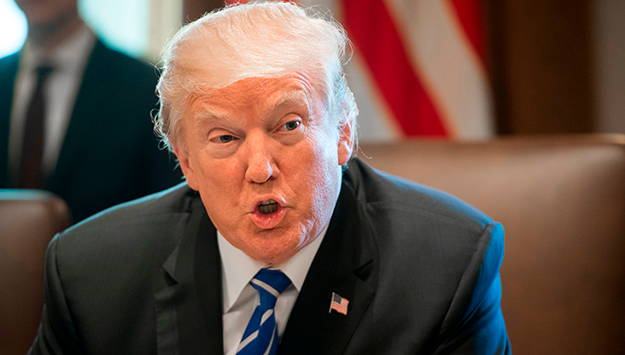
    In this week’s Monday Briefing, MEI experts Alex Vatanka, Charles Lister, Marvin G. Weinbaum, and Eran Etzion provide analysis on recent and upcoming events including President Trump’s statement that he will no longer waive U.S. nuclear sanctions on Iran, new developments in northern Syria, Pakistan’s response to the withdrawal of U.S. security assistance, and Benjamin Netanyahu’s trip to India.

    Iran eyes major role in Syria's reconstruction
  • Analysis
  • Iran eyes major role in Syria's reconstruction

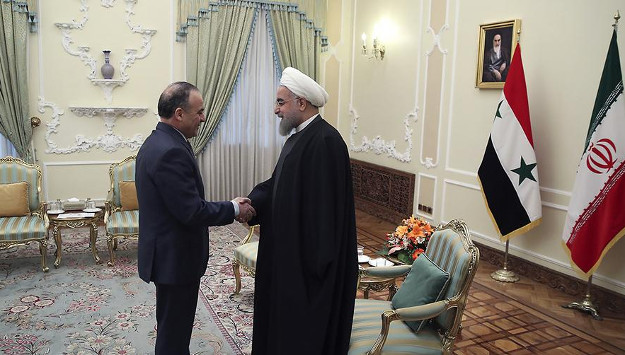
    An Iranian parliamentary delegation visited Syria to seek ways of boosting bilateral ties between the two countries, particularly in the economic and trade sectors.

    January 9, 2018

    More than 10,000 Afghans sent by Iran to Syria reported killed and injured
  • Analysis
  • More than 10,000 Afghans sent by Iran to Syria reported killed and injured

    An official of the Fatemiyoun Division has revealed that at least 2,000 Afghan Shiites have been killed and 8,000 more injured in the Syrian conflict – more than twice the number previously reported. The Fatemiyoun Division is a predominantly Afghan militia unit that has been fighting under the leadership of Iran’s elite Quds Force in Syria to prop up the embattled regime of Bashar al-Assad.

    January 8, 2018

    Iran Plans to Keep Long-Term Military Presence in Syria
    Middle East Institute
  • Analysis
  • Iran Plans to Keep Long-Term Military Presence in Syria

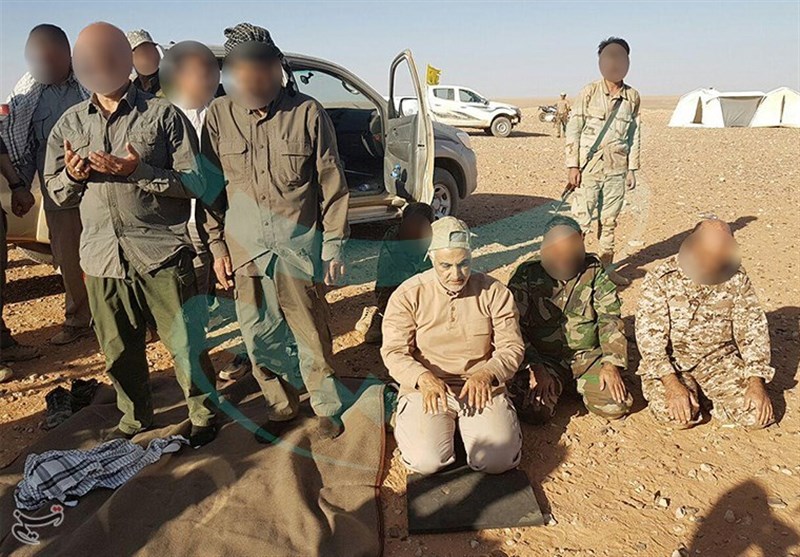
    A senior Iranian officials has said that Tehran will keep its military presence in Syria for the long haul, the Iranian media reported. “Based on the request of the legitimate government of Syria, we will continue our presence and advisory assistance until all terrorist groups in this country are destroyed,” said Ali Shamkhani, the secretary of Iran’s Supreme National Security Council.

    December 19, 2017