Monday Briefing: Tenuous promise in Pakistan and Afghanistan
In this week’s Monday Briefing, MEI experts Marvin G. Weinbaum, Robert S. Ford, Alex Vatanka, and Birol Baskan provide analysis on recent and upcoming events including a potential agreement between Pakistan and Afghanistan, protests in Algeria, Rouhani’s planned trip to Baghdad, and recent Turkish naval exercises.
Madiha Afzal, visiting fellow at Brookings, and MEI’s Marvin Weinbaum join host Alistair Taylor to discuss Pakistan’s latest flare-up with India, the recent visit of Saudi Crown Prince Mohammed bin Salman, the US-Taliban talks, and the political and economic challenges facing the government of Imran Khan.
The EU-Arab League Summit and the African migration crisis
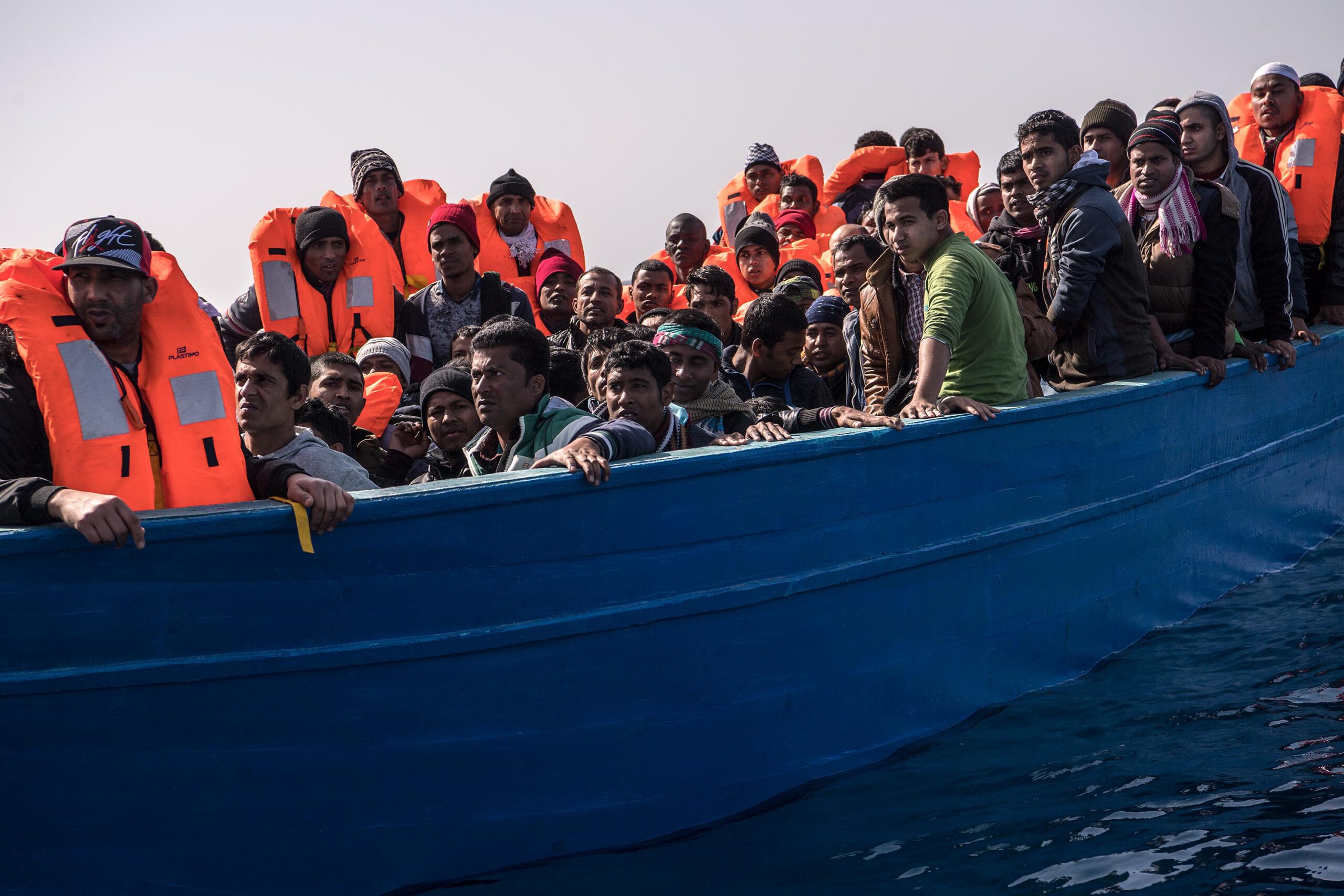
When this month’s EU-Arab League Summit in Egypt was announced last September, the issue of African migration to Europe topped the agenda. Other high-priority issues have since been added — such as solving five regional conflicts and addressing security, trade, and multilateralism — but migration remains the highest priority for a Europe still reeling from the 2015 migrant crisis.
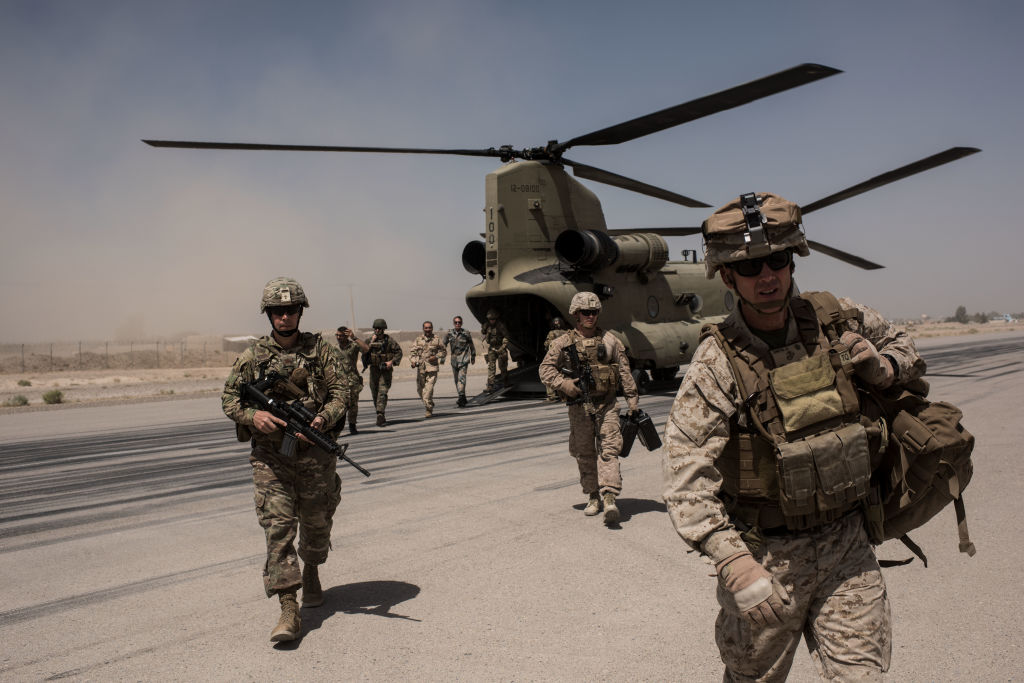
The current conflict in Afghanistan, the latest in a series of perpetual wars and episodes of civil strife over the past 40 years, is strategically stalemated. While the Taliban are willing to negotiate with the U.S. about the withdrawal of foreign troops from the country, they continue to reject direct talks with the Afghan government for a political settlement. Even with inclusive peace talks, there is reason to question whether the Taliban’s vision of a future Afghan state and society can be reconciled with a liberal, democratic constitutional order.
MEI’s Ahmad Majidyar and Marvin Weinbaum join host Alistair Taylor to discuss the US-Taliban negotiations in Doha and what a potential agreement could mean for Afghanistan and the wider region.
October going on December: Voters are still waiting for results in Afghan elections
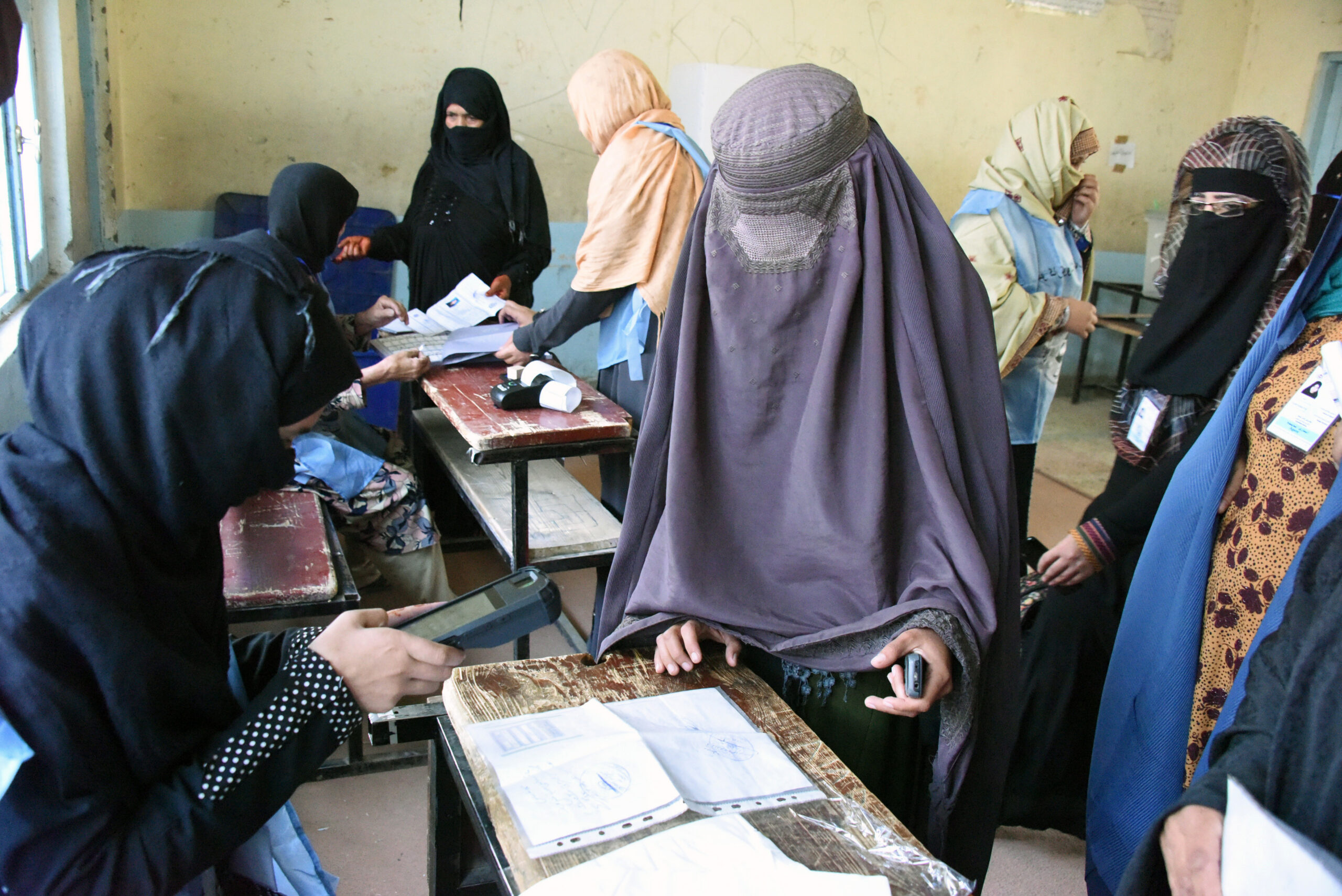
While four million Afghans bravely defied Taliban threats to cast their ballots in parliamentary elections in October, issues with the voting process and the two-month delay in announcing the results are causes for concern, especially with four important elections scheduled for next April.
Geneva conference lays out challenges in Afghanistan
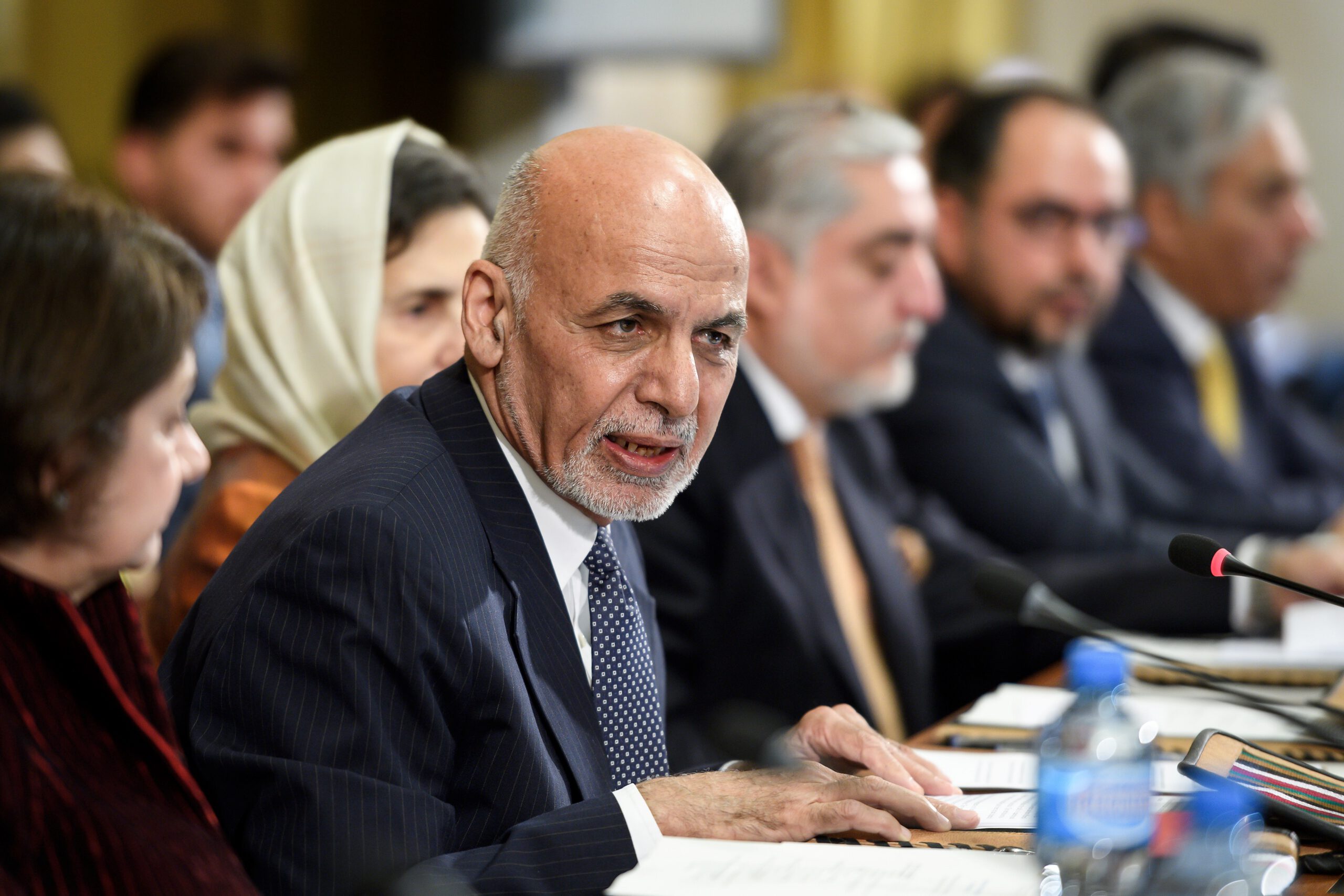
Held on Nov. 27-28, the two-day Geneva conference on Afghanistan voiced both challenges and prospects for Afghanistan’s economic and political stability.
Monday Briefing: Russians launch air strikes after alleged gas attack
In this week’s Monday Briefing, MEI experts discuss recent and upcoming events including Russian air strikes in Aleppo, the elections in Bahrain, the growing international interest in Egypt’s offshore energy finds, and the appointment of a new Afghan team of negotiators for peace talks.
A new approach in Afghanistan: China and India take steps toward cooperation
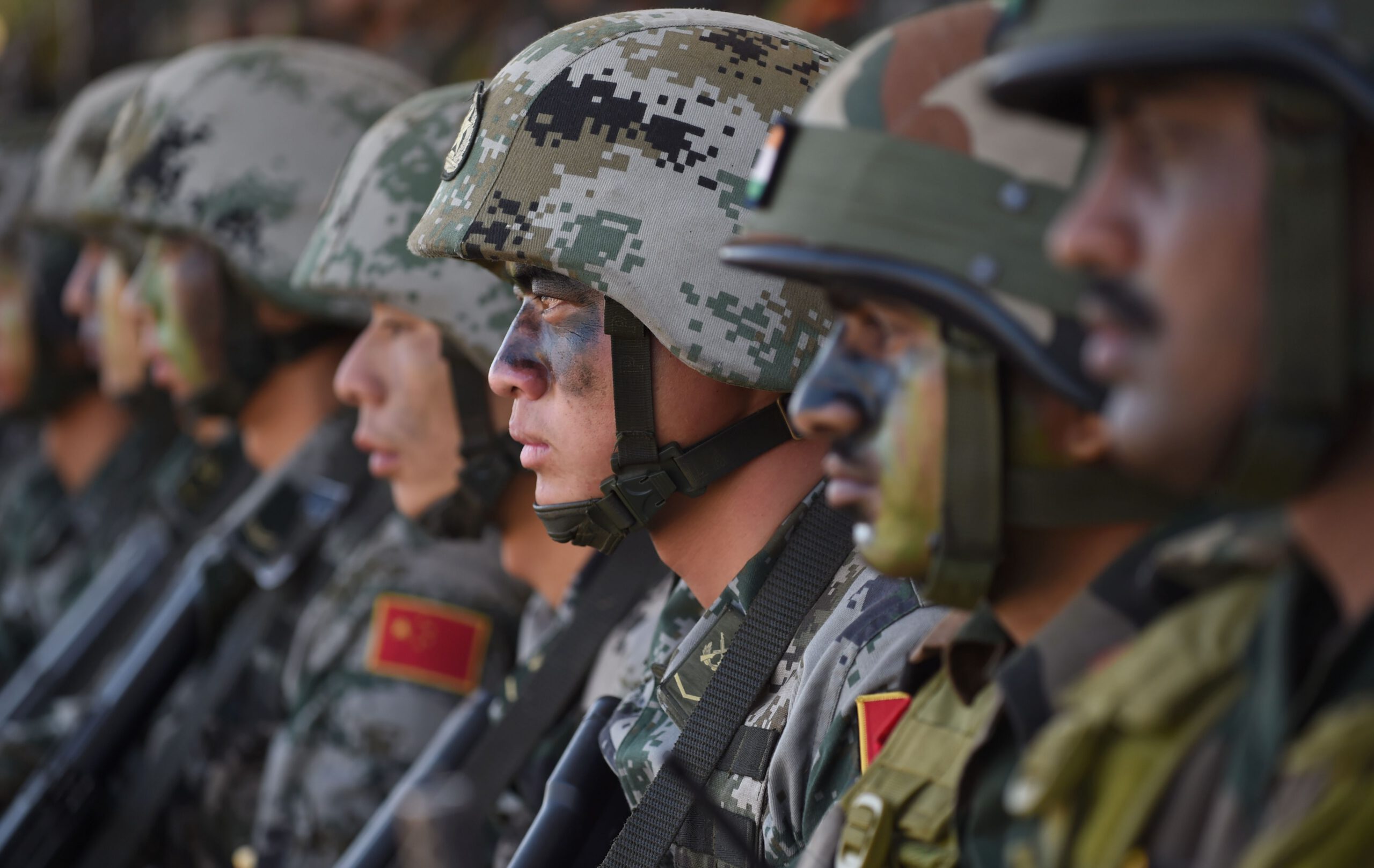
While there have been promising recent signs of Indian-Chinese cooperation in Afghanistan, Beijing’s “all-weather” friendship with Islamabad and Pakistan’s concerns about Indian involvement in the country remain obstacles to closer ties.
Update on Jamal Khashoggi; Afghan elections preview
In this episode, MEI’s Gerald Feierstein and Gonul Tol continue last week’s discussion on the tragedy and ongoing foreign relations crisis over Jamal Khashoggi, and Ahmad Majidyar gives a preview of this weekend’s parliamentary elections in Afghanistan.
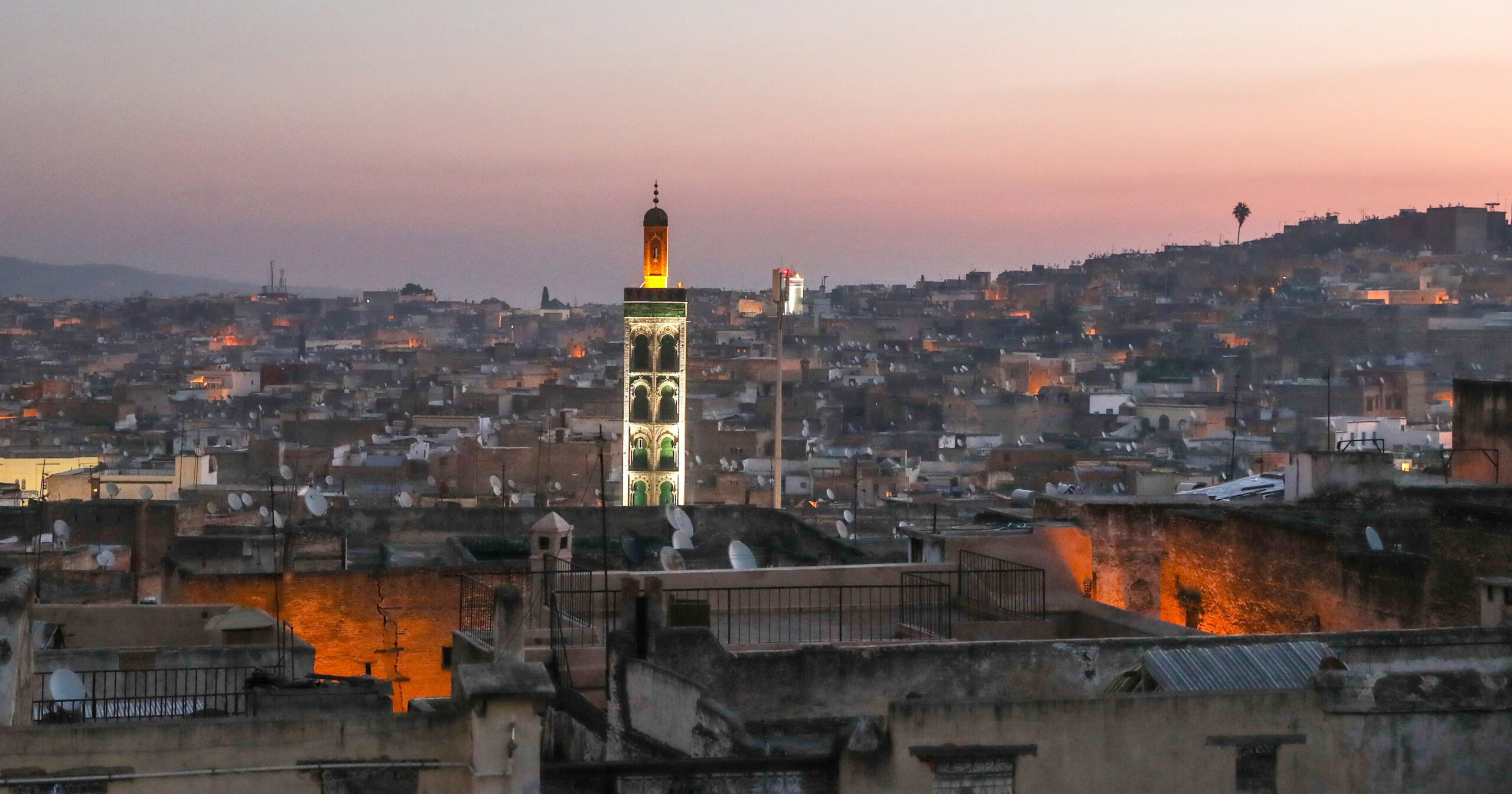
The jihadist threat is not new to the Maghreb. However, the fallout of the 2011 Arab uprisings has fundamentally altered the political and security environment of North African countries. While states such as Egypt, Libya, and Tunisia witnessed an increase in deaths from jihadist attacks, others like Algeria and Morocco experienced a reduced impact.
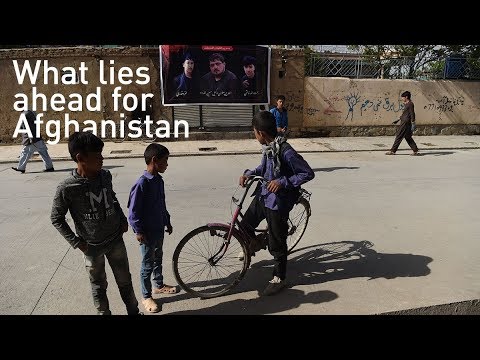
What lies ahead for Afghanistan: the various scenarios
The way forward in Afghanistan seems as unclear as it has ever been. An outright military victory against the Taliban and other insurgent groups appears to be unachievable. The prospect of insurgents overrunning the country soon appears similarly unlikely. At the same time, a negotiated peace seems presently improbable. At least on terms outlined by the Kabul government and international community, the Taliban shows little interest in reconciliation.
The hollow war drums of the Western Sahara conflict
Every year at the end of April, like clockwork, tensions rise between Morocco and the Polisario Front, the group leading the disputed region of Western Sahara’s independence movement. The timing coincides with the U.N. secretary-general’s annual report to the U.N. Security Council on the latest developments in the conflict, which is followed by a vote to renew the peacekeeping mission—known as MINURSO—that has been in place in the territory since 1991.