The UAE and US elevate tech to a cornerstone of their relationship
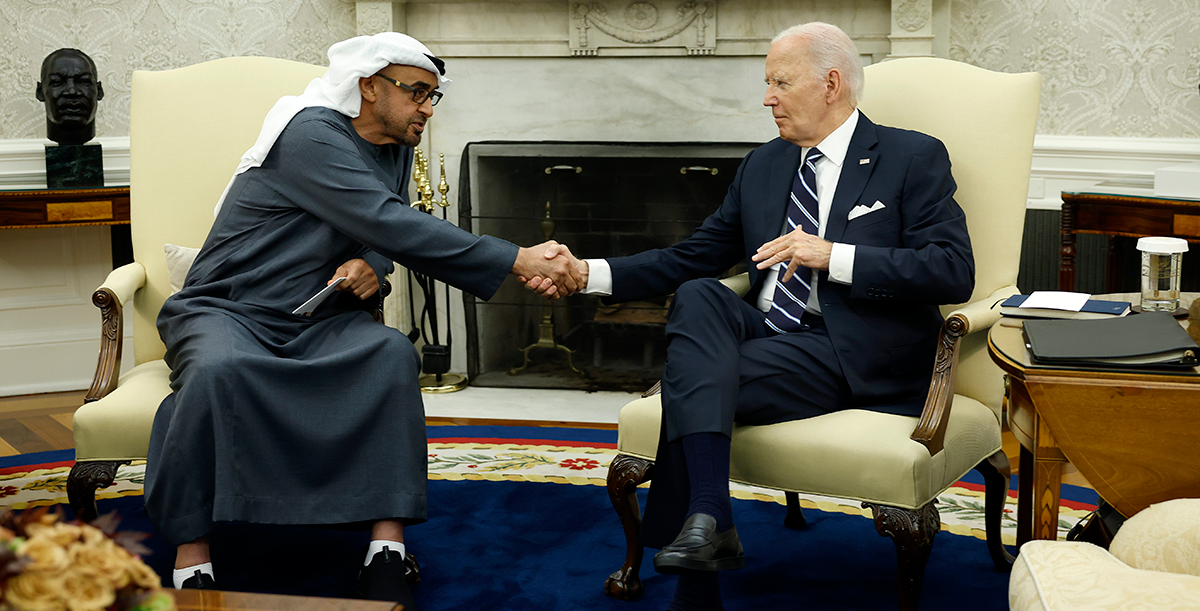
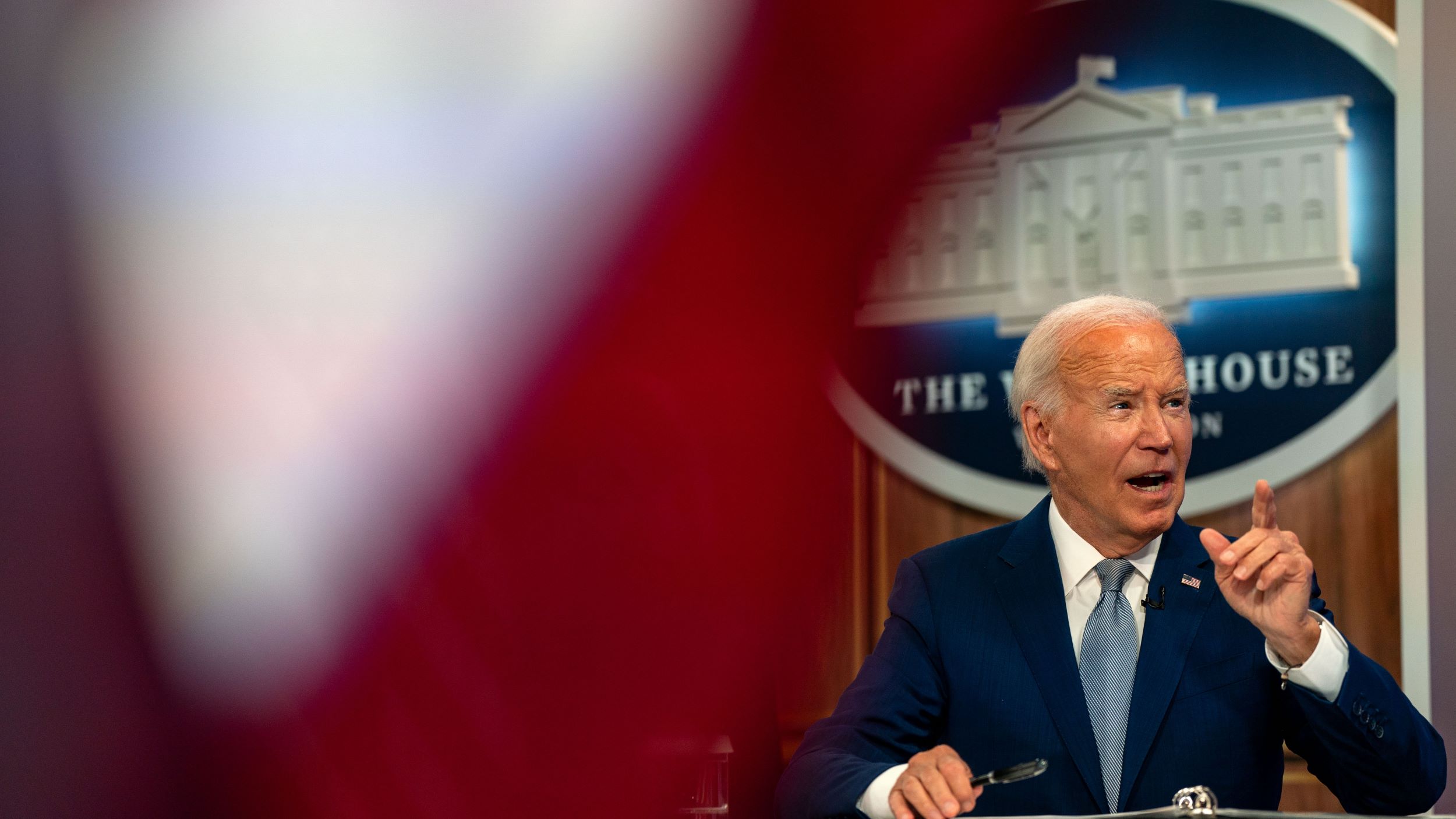
When President Mohamed bin Zayed Al Nahyan (MbZ) of the United Arab Emirates visited the White House on Sept. 23, the joint US-UAE statement was one of the most extensive yet covering pledges to cooperate on nearly every technological sector and signaling a clear goal to shift the bilateral relationship away from hydrocarbons.
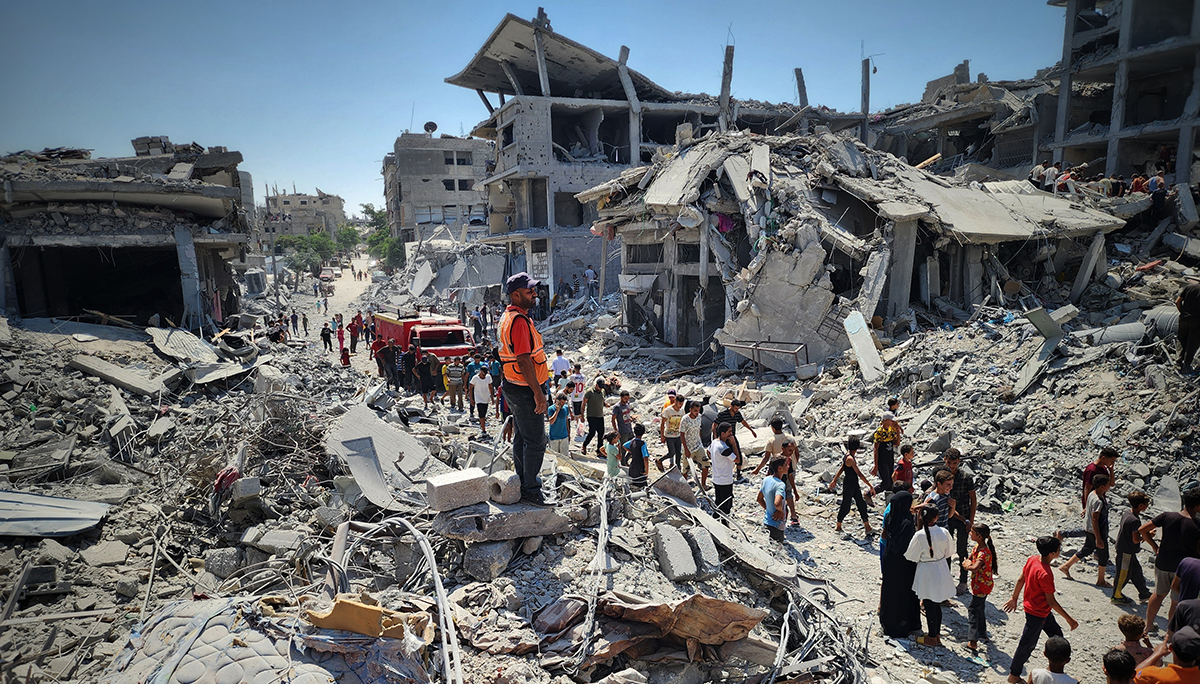
Understanding Gaza: Lessons for the "day after" and beyond
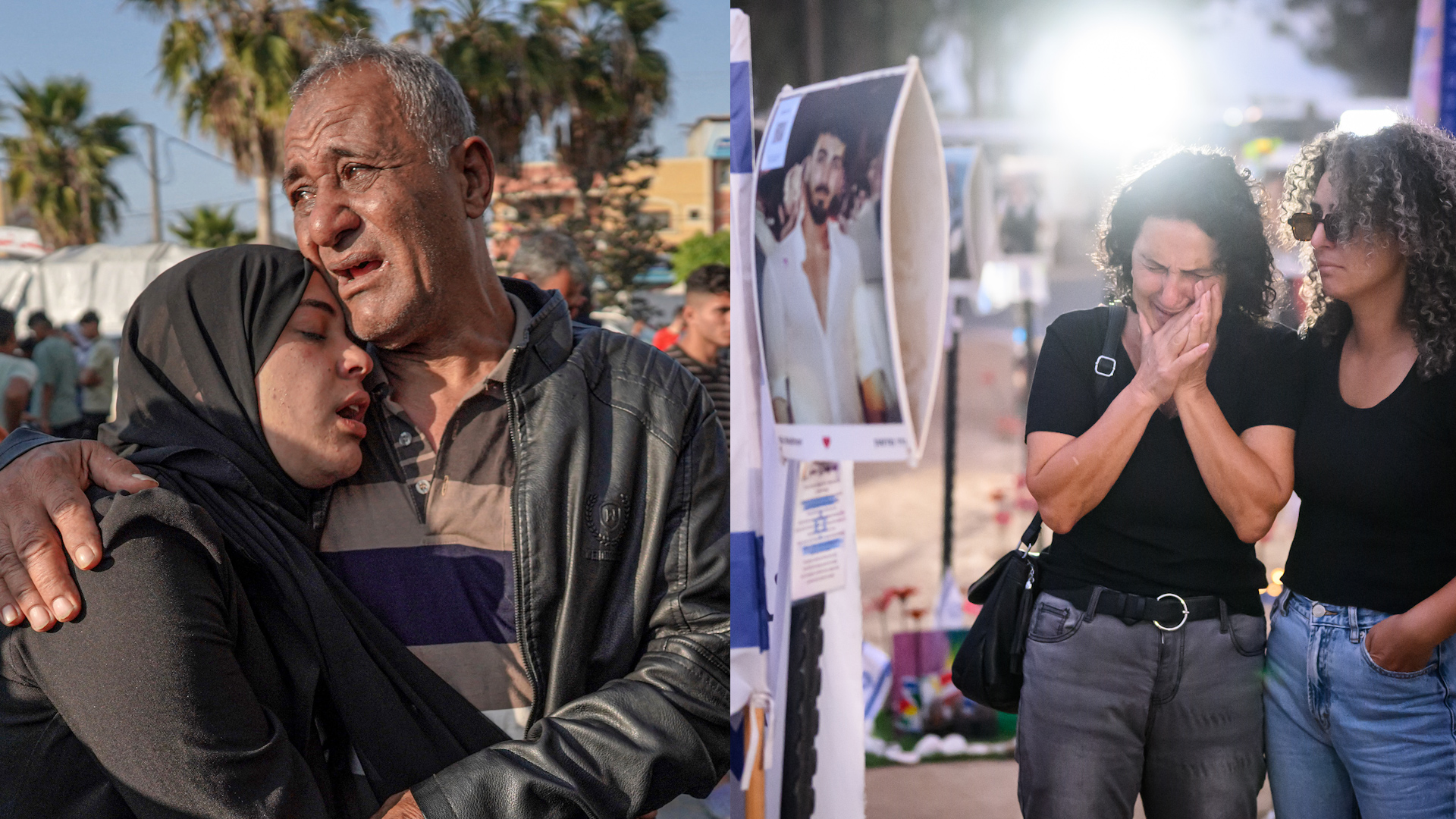
The devastating details of what has happened in Gaza since the war started have been widely covered. Absent from the discussion, however, are questions about what led to the war, what went wrong on the policy front, and, more importantly, whether this man-made tragedy could have been averted. Without understanding Gaza, plans for the “day after” may very well result in the further mismanagement of the already devastated enclave.
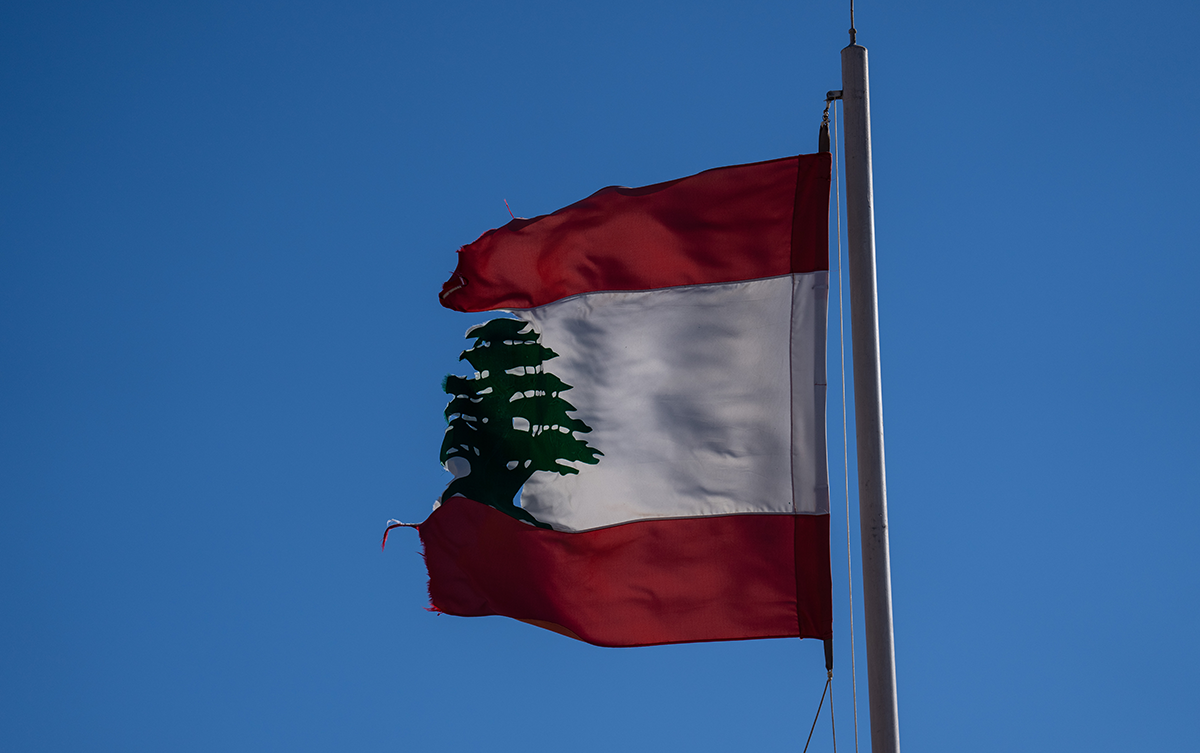
Washington must make sure this is the last war between Israel and Lebanon
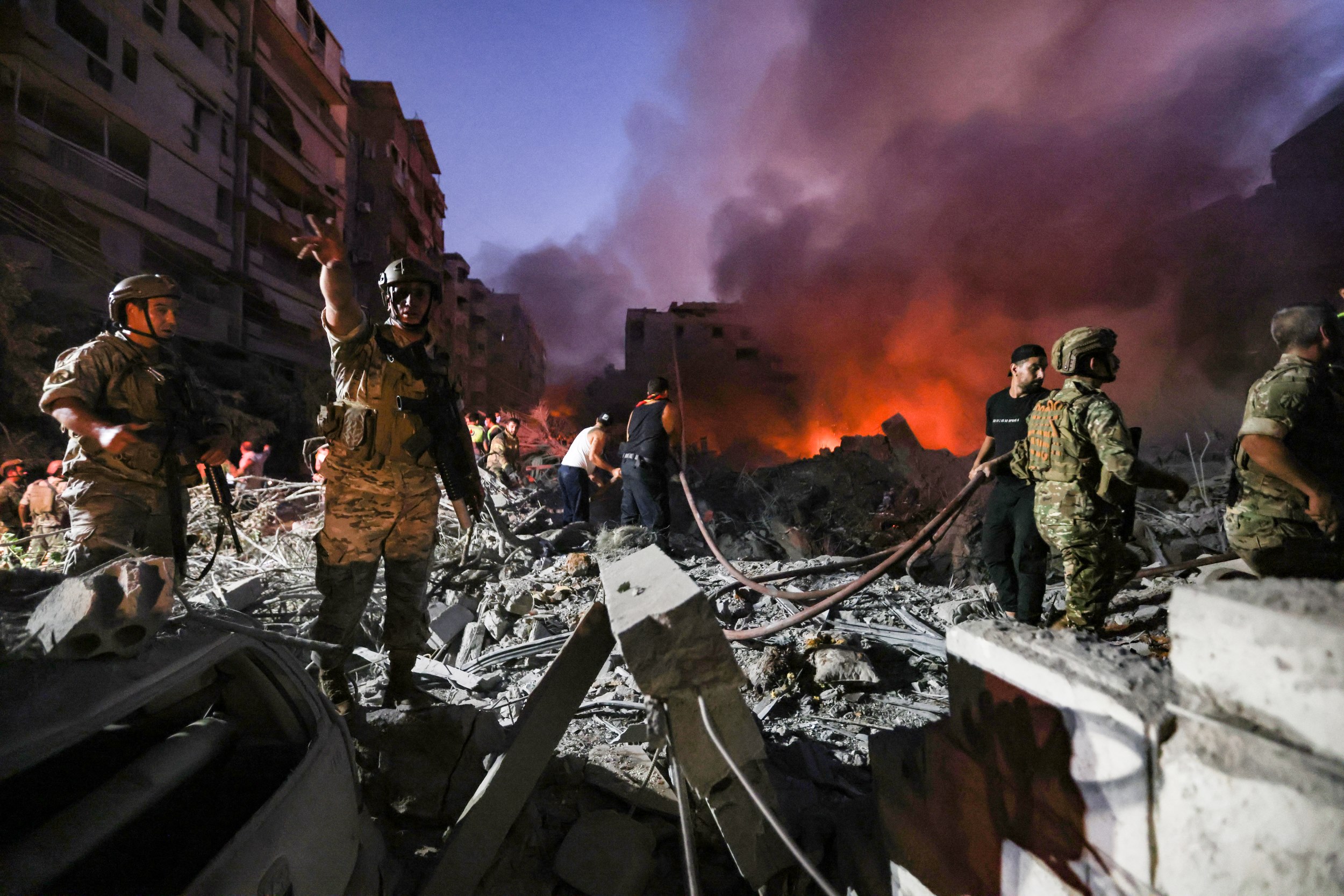
The assassination of Hezbollah’s secretary-general, Hassan Nasrallah, marks an inflection point that will redefine the security landscape of the Middle East. His deputy, Naim Qassem, has pledged “continued resistance,” claiming Hezbollah was steadfast and will not retreat, while Israel has pressed ahead with a ground invasion of southern Lebanon. The United States must act decisively to ensure this is the last war between Israel and Lebanon.
Director of MEI’s Arabian Peninsula Program Gerald Feierstein speaks to scholars Nadwa Al-Dawsari and Fatima Abo Alasrar as they reflect on the tenth anniversary of Yemen’s civil war.
It’s been ten years since the Houthis seized control of the capital of Sanaa, beginning a cycle of fighting that continues on and off to this day. What happened, what is the current state of the conflict, and where might the country be headed?
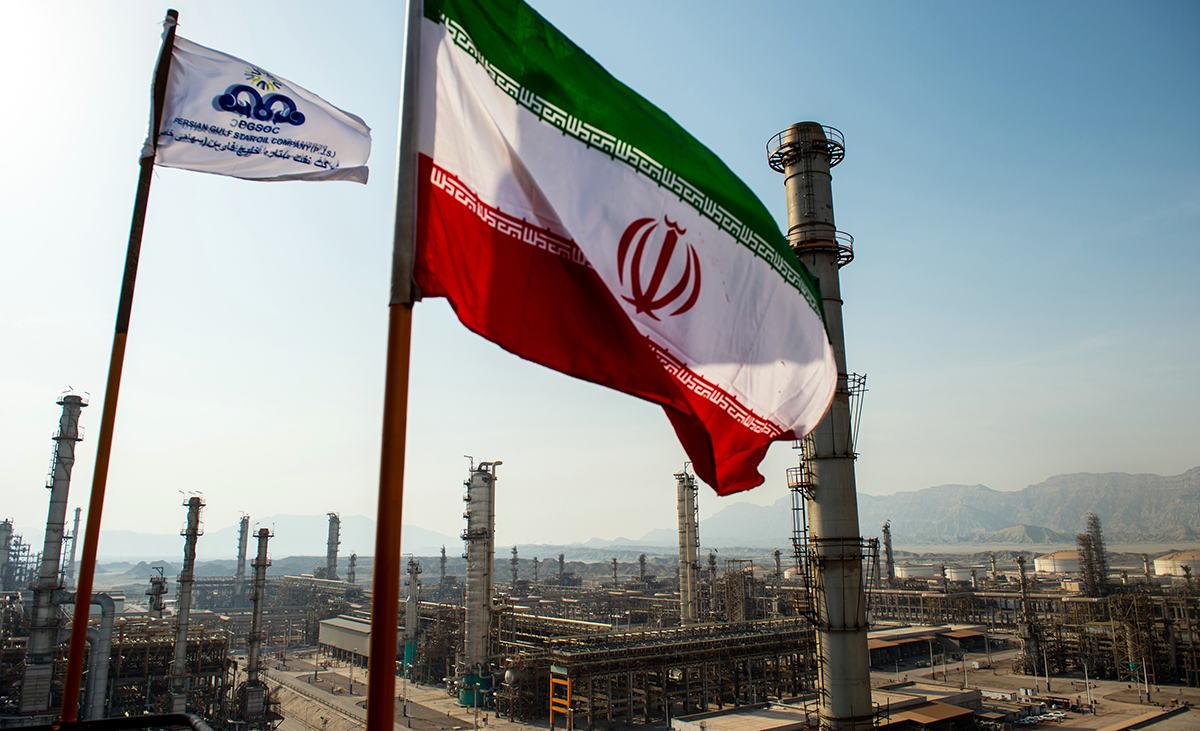
After Iran’s second direct missile attack on Israel in less than six months, all eyes are on Israel’s next move. Reports suggest that Jerusalem plans a massive revenge that might include striking Iran’s oil and nuclear facilities and other strategic sites.
The Middle East Dialogue, a panel of regional and extra-regional experts convened by the Middle East Institute’s Conflict Resolution and Track II Dialogues Program and the Middle East Council for Global Affairs, met in Doha, Qatar, on May 21-22, 2024, to explore regional political and economic dynamics. This moderator’s report provides a summary of the issues and recommendations discussed.
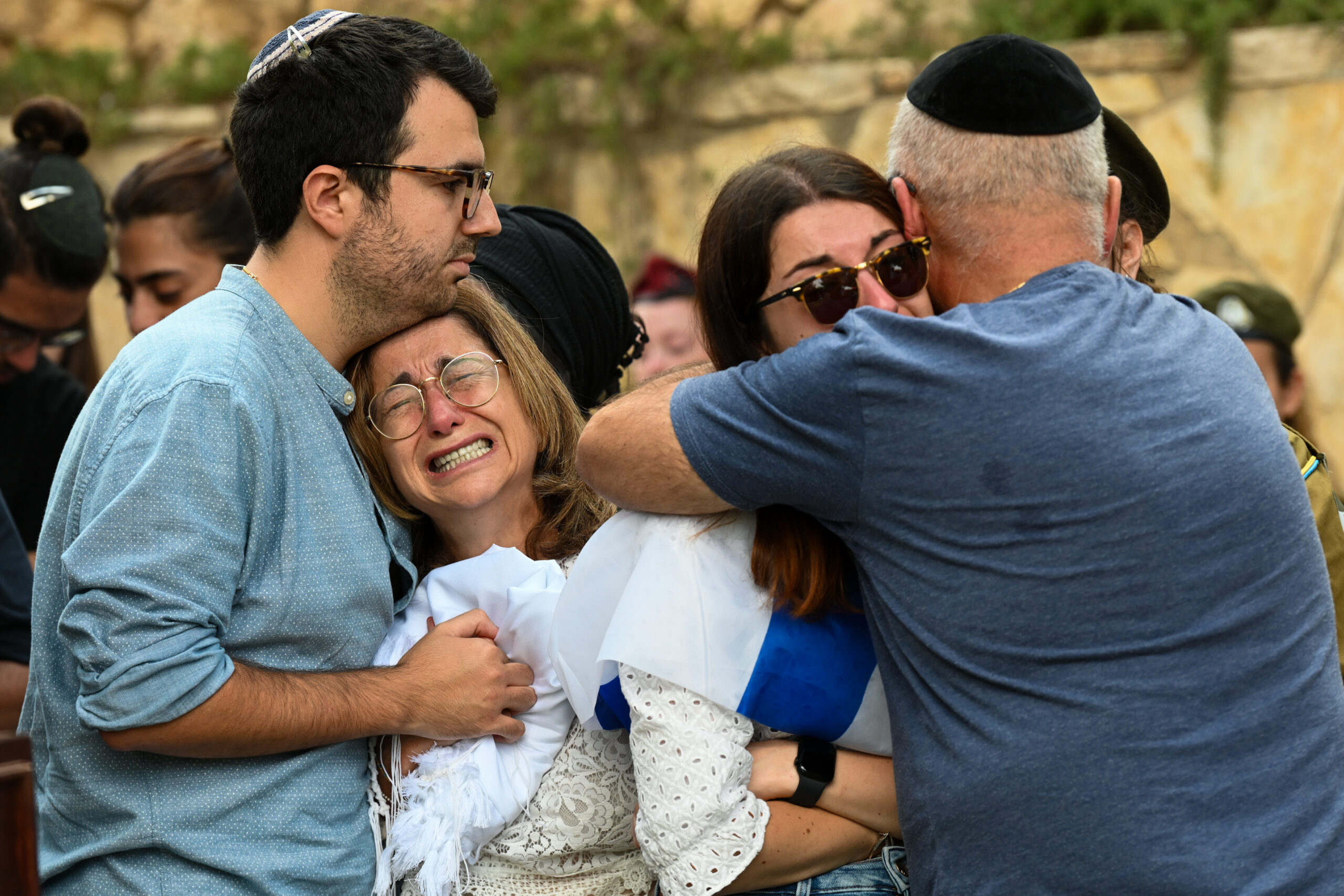
The killing of Hezbollah Secretary-General Hassan Nasrallah along with the rapid degradation of Hezbollah’s power over the past two weeks signals a tectonic shift in the Middle East.
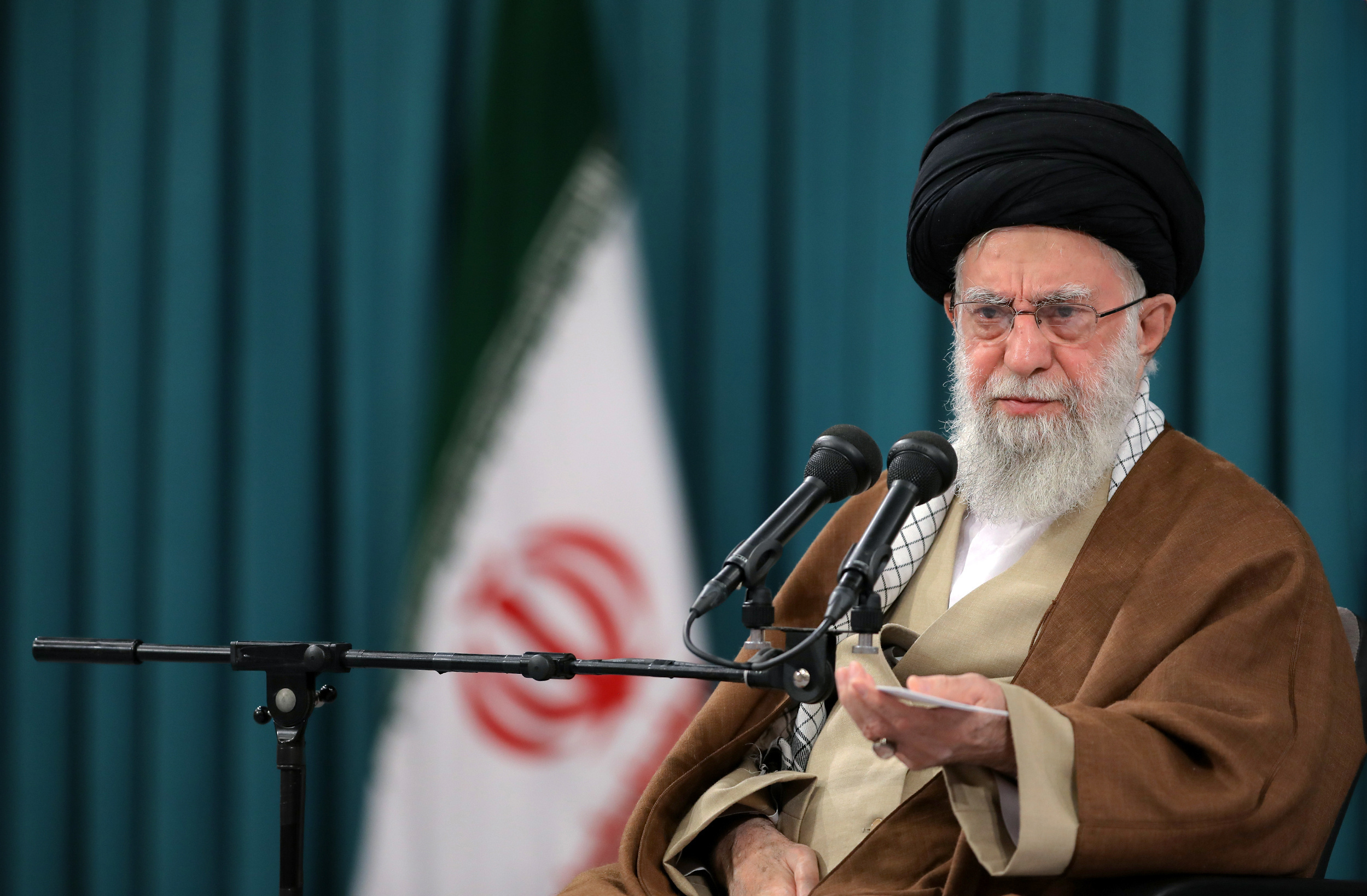
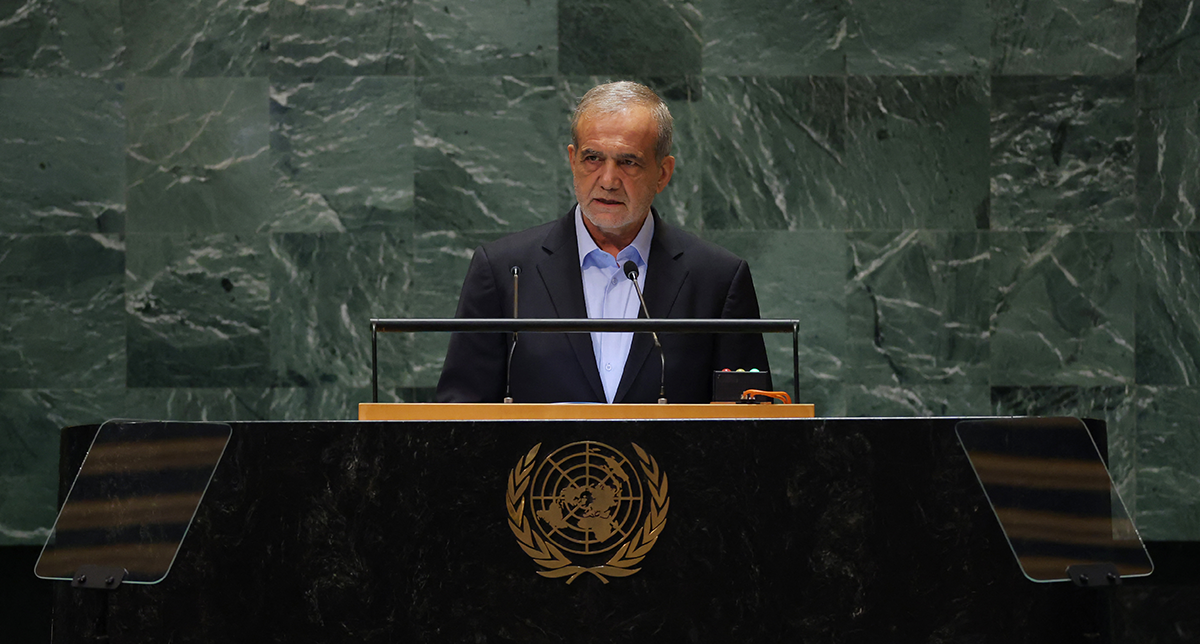
Pezeshkian in New York and Khamenei’s moment of truth
Iran’s new president, Masoud Pezeshkian, arrived in New York this week for the United Nations General Assembly amid both widespread skepticism and a small dose of hopeful anticipation about his message to the world. In the end, he landed somewhere in the middle. The question now is how much leeway Supreme Leader Ali Khamenei and his foot soldiers in the Revolutionary Guards will give Pezeshkian in an attempt to start a new chapter.
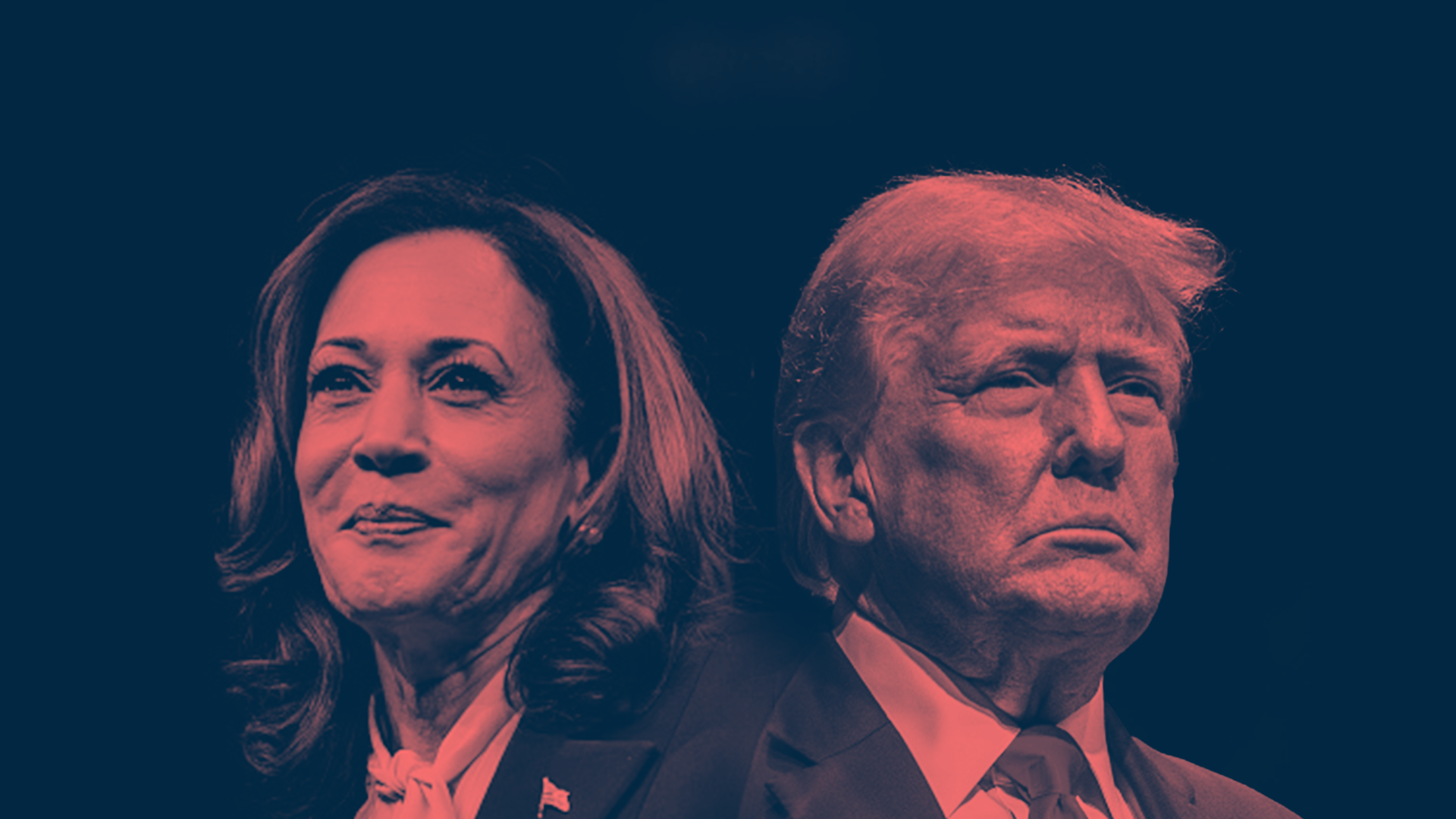
The two leading presidential candidates in America’s 2024 election have made statements and established track records on the Middle East based on their time in office. This document aims to highlight the most important and reliable positions staked out by former President Donald Trump and current Vice President Kamala Harris.
Rethinking Democracy Ep. 4: China's Growing Presence in the Middle East with F. Gregory Gause and Jon Alterman
China has made significant inroads in the Middle East through diplomacy, trade, investment, and infrastructure projects. Beijing advertises the benefits of its authoritarian development model and presents itself as a responsible alternative to the United States. What does this mean for MENA autocracies? Gregory Gause and Jon Alterman join Gonul Tol to discuss China’s growing presence in the Middle East.