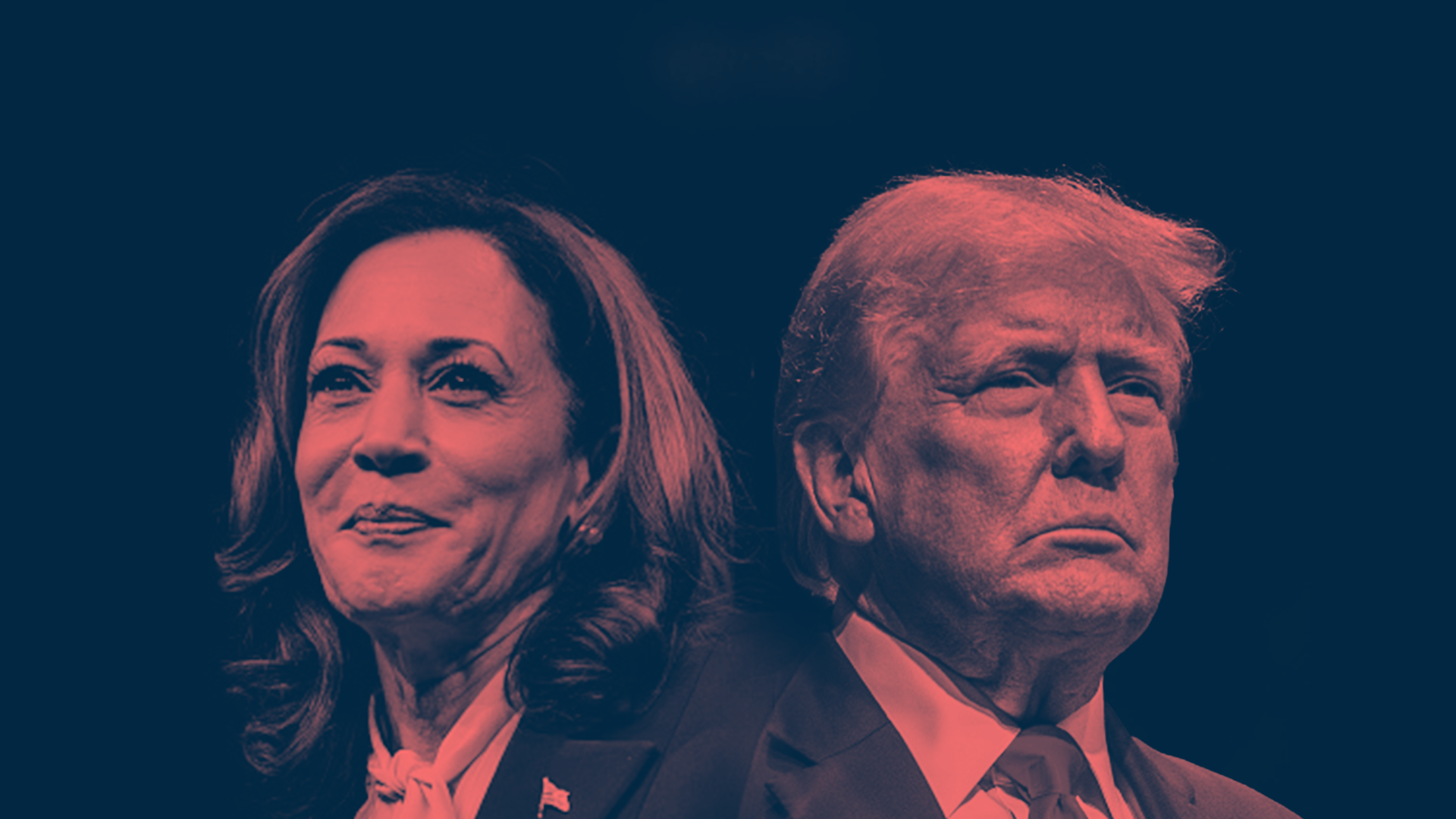
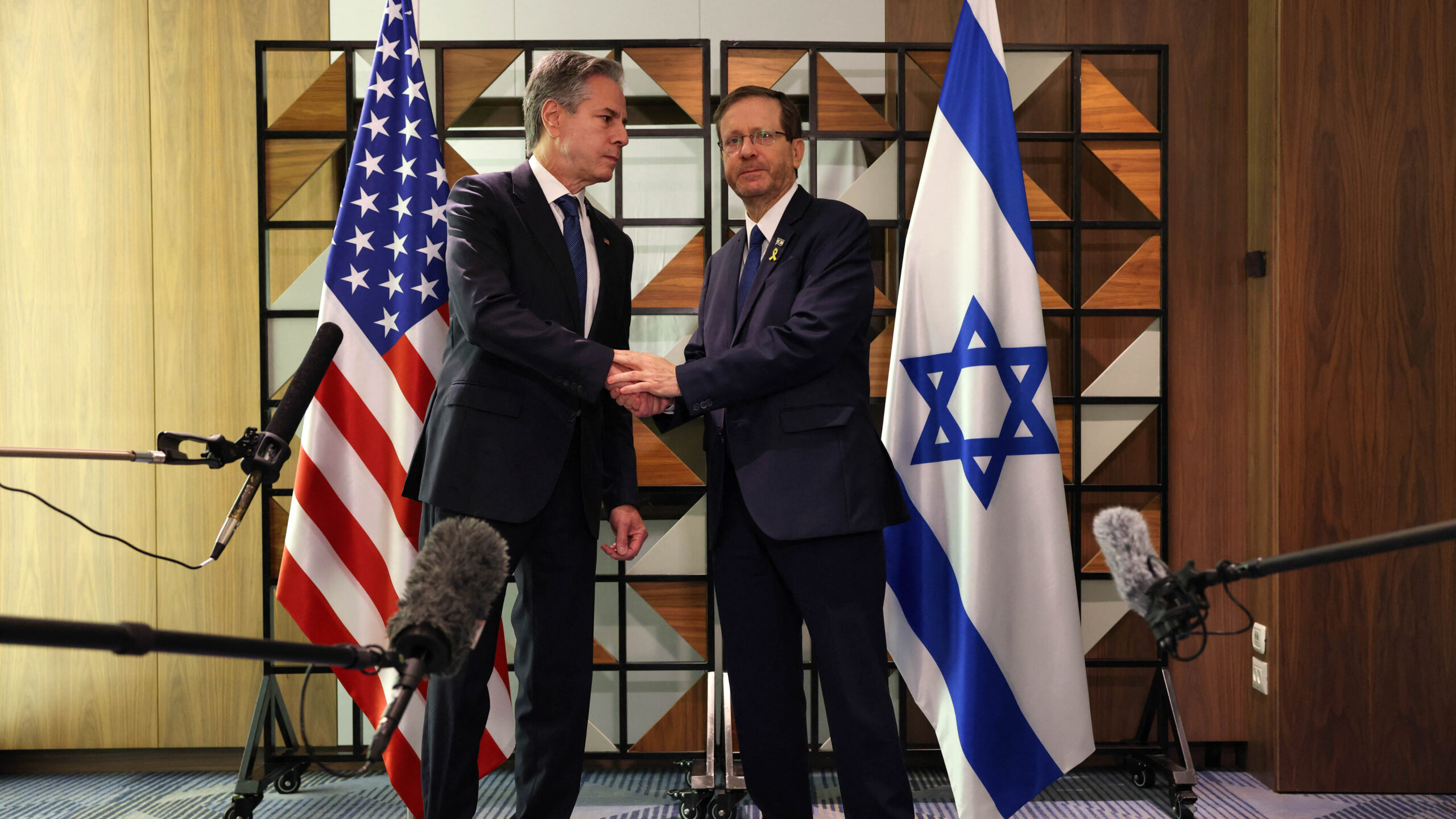
The two leading presidential candidates in America’s 2024 election have made statements and established track records on the Middle East based on their time in office. This document aims to highlight the most important and reliable positions staked out by former President Donald Trump and current Vice President Kamala Harris.
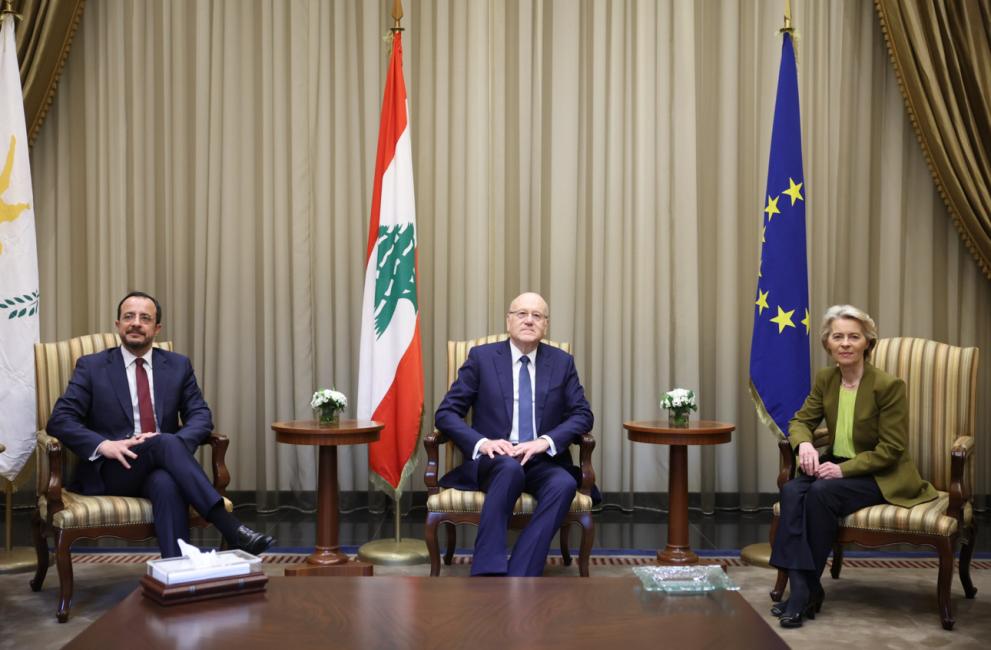
Change and continuity in EU’s foreign policy in the MENA region: What to expect from the new political cycle in Brussels
In the corridors of power in Brussels, it is common to hear that the position of the EU High Representative for Foreign Affairs and Security Policy is an impossible job. It may actually become even more difficult for the outgoing Estonian Prime Minister Kaja Kallas, who is set to succeed the Spanish Josep Borrell as the European Union’s foreign policy chief in the coming weeks.
With the Middle East on the brink, how can the US recalibrate its response?
The Middle East teeters on the precipice of a substantial escalation, threatening to more fully draw in Lebanon, Iran, and perhaps other countries. What happens in the coming days, along with the decisions made by adversaries and allies alike, will determine if that happens.
As the Middle East becomes more autonomous and empowered domestically, the leaders in the region might consider more synergetic relations with each other and prepare national long-term plans that provide a balanced and integrated approach to social, technological, environmental, economic, and political development and progress.
Pakistan and the Middle East’s evolving approach to Afghanistan
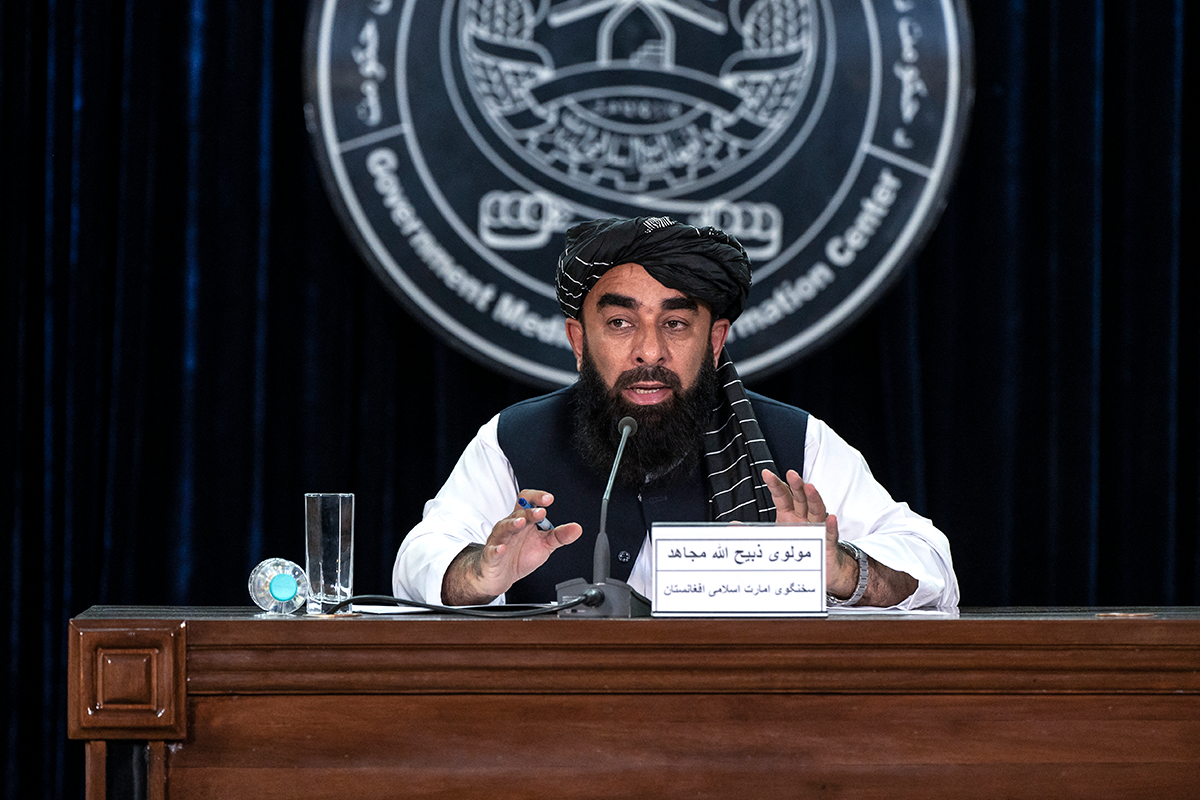
Afghanistan has long been an arena for proxy contestations by regional powers, which have adopted rather divergent Afghan policies over the past several decades of foreign occupation and are doing so again now when the country is in the vicelike grip of a resurgent Taliban.
Djibouti dodges scrutiny despite China, Iran, Houthi ties and links to illicit activities
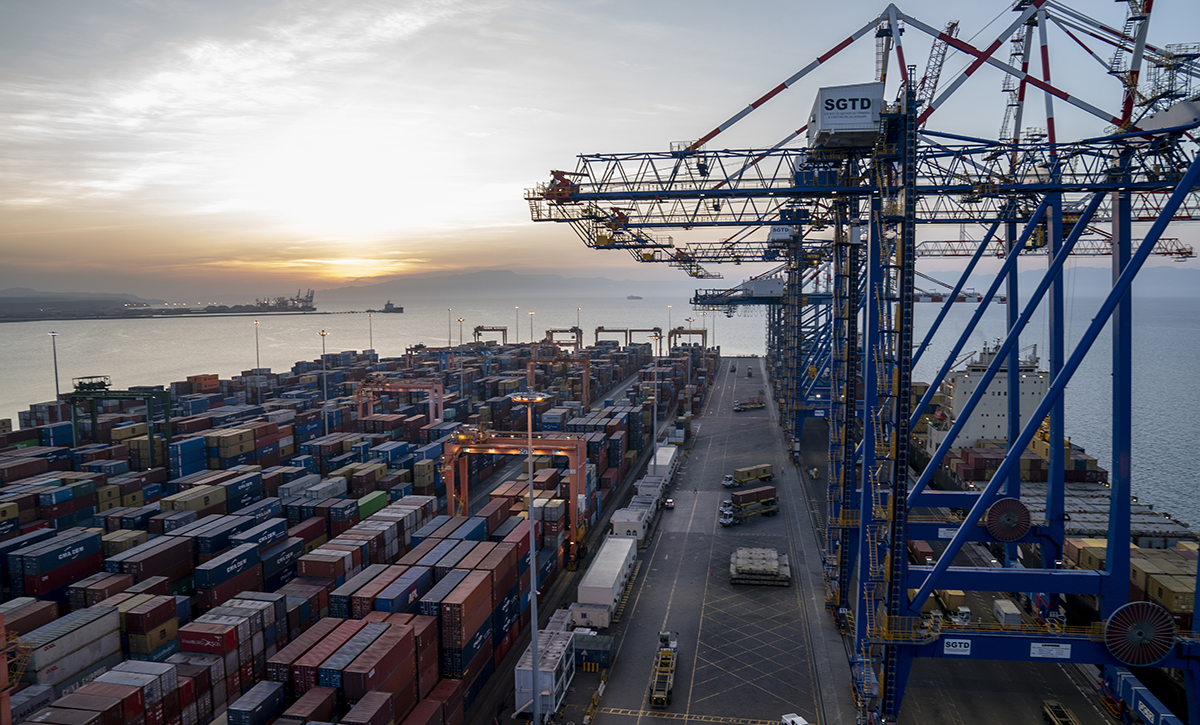
The Bab el-Mandeb Strait, which connects the Indian Ocean and the Red Sea through the Gulf of Aden, is a crucial chokepoint for global maritime commerce. Despite the strait’s importance, the waters around it have long been plied by smugglers of weapons and other illicit goods. Djibouti today is an important player in trade in the Horn of Africa region, but it also serves as a conduit for Chinese influence, has been linked to malign actors like Iran and the Houthis, and has faced allegations of involvement in various grey and black market activities, including money laundering, illicit finance, oil smuggling, and weapons trafficking.
Monday Briefing: The Middle East is the closest it has ever been to an all-out war
After 10 months of Israel’s war on Gaza, the US administration has lost control over its ally and the fear of its opponents. As a result, Washington has only limited, if any, impact on the cost-benefit escalation calculus of the fighting sides. The Middle East is today the closest it has ever been to an all-out multi-front regional war.
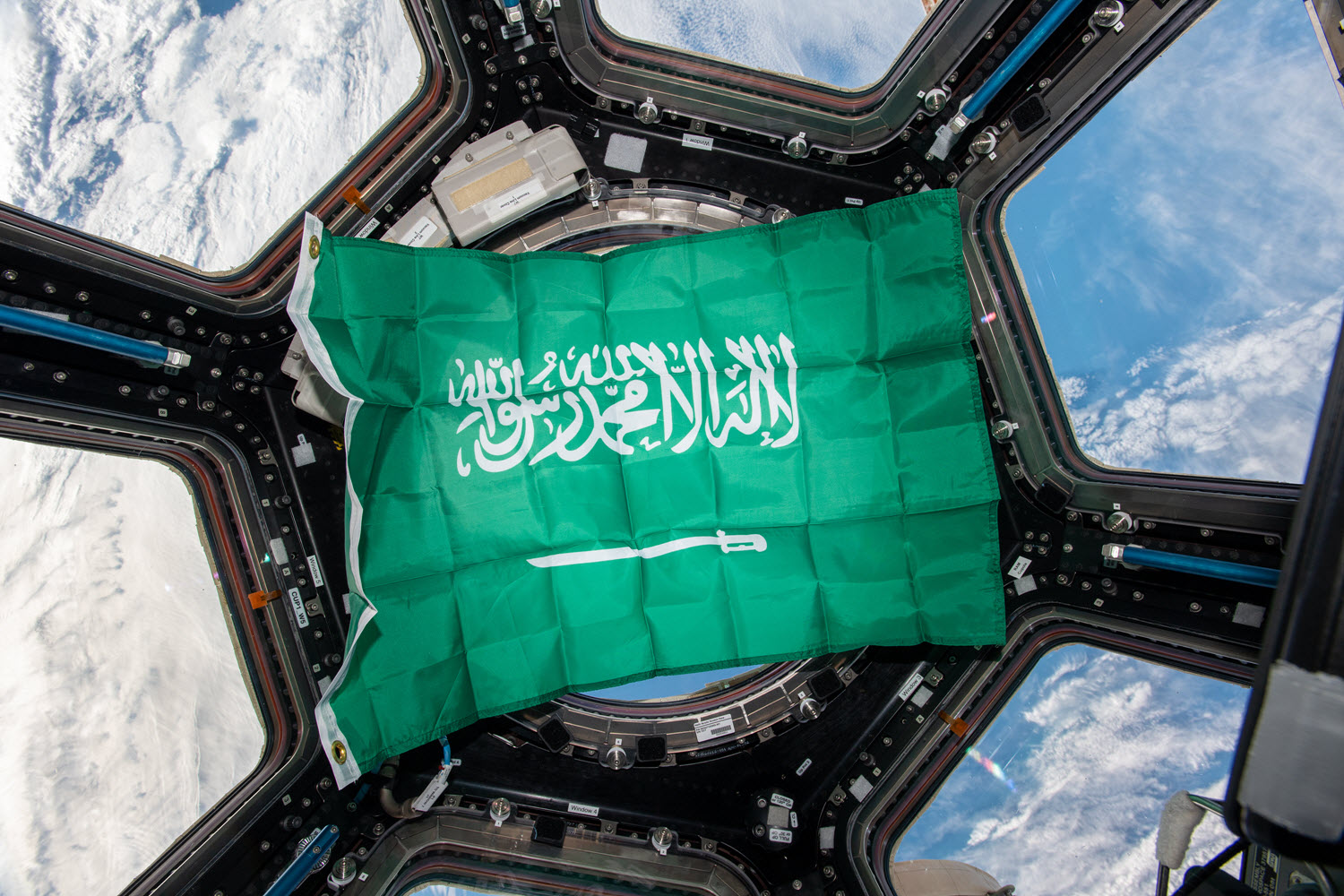
On July 16, the United States and Saudi Arabia announced a new framework for space collaboration and civil aeronautics that shakes up the space race. The agreement marks a turning point for the US-Saudi Arabia bilateral relationship, gearing it more toward scientific cooperation and demonstrating the pivotal role that emerging space powers, particularly in the Middle East, are poised to play in the Second Space Age.
Unpacking the policy dimension of Netanyahu's Washington visit: A US push for a Gaza deal that came up short
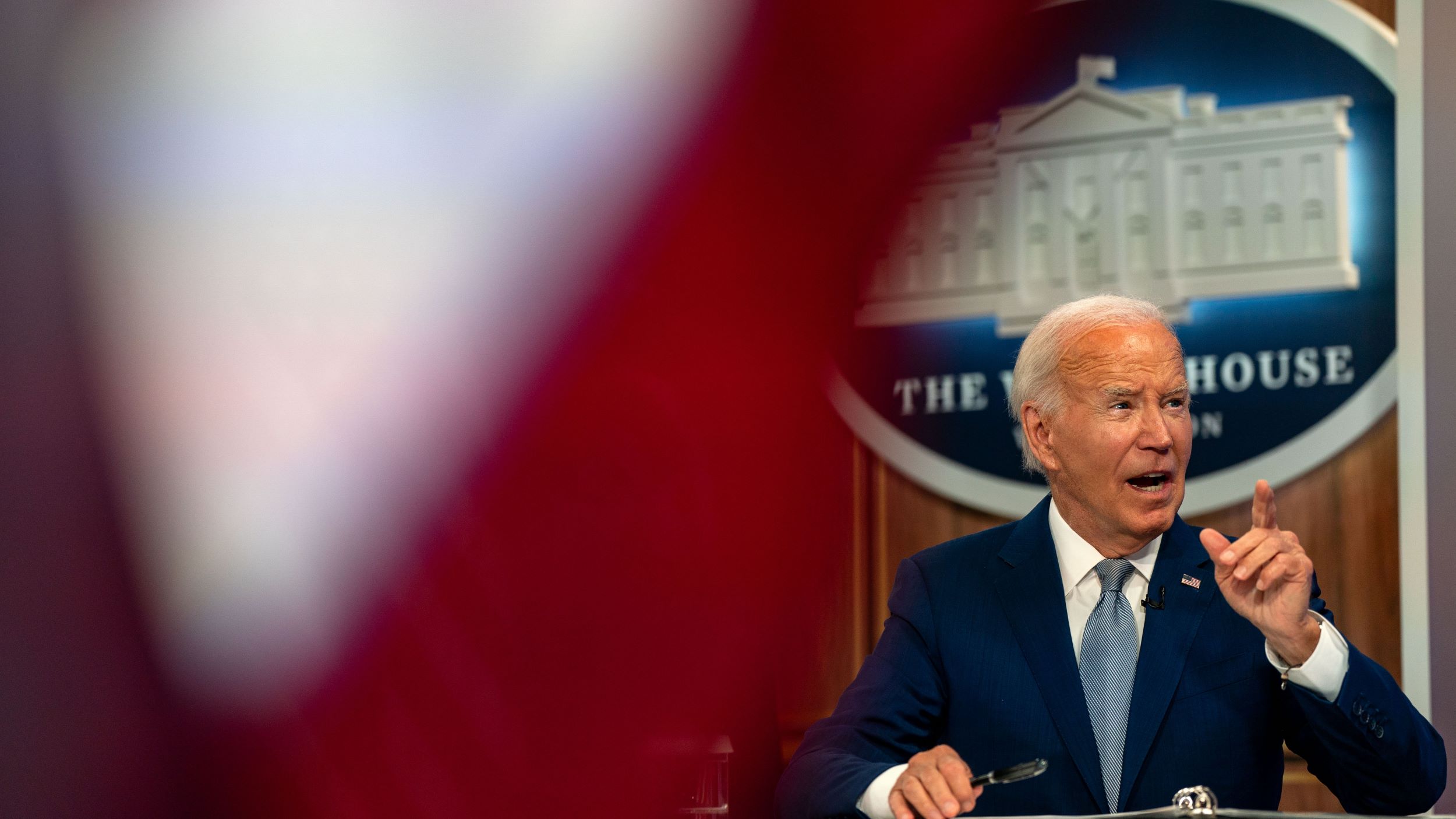
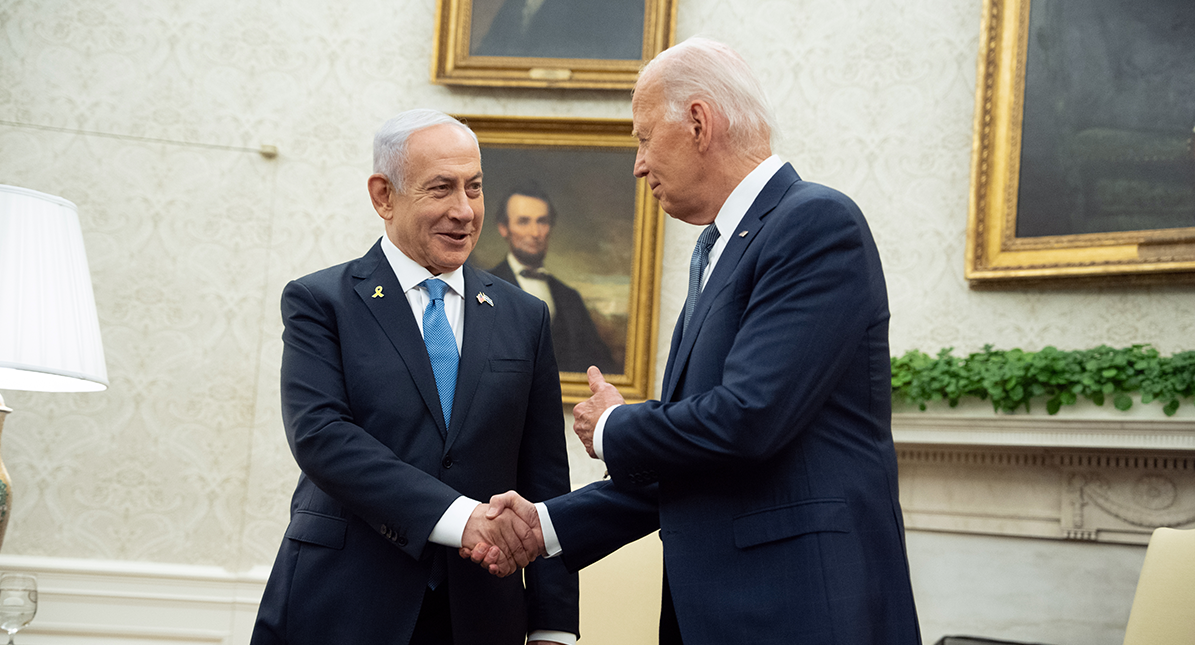
The extensive coverage and analysis of Israeli Prime Minister Benjamin Netanyahu’s recent visit to the United States mostly focused on optics and domestic politics, rather than on policy. Nevertheless, policy issues were very much present throughout the course of the visit, with Biden and his team trying to push for a hostage and cease-fire deal between Israel and Hamas.
The geopolitical implications of Houthi attacks and Israeli retaliation
The Houthis’ strategy of escalation has the potential to upset the fragile balance of power in the Middle East and underlines the ability of smaller actors to influence larger geopolitical outcomes through calculated risks and alliances.