Erdoğan has big plans, but the Kurdish problem keeps getting in the way
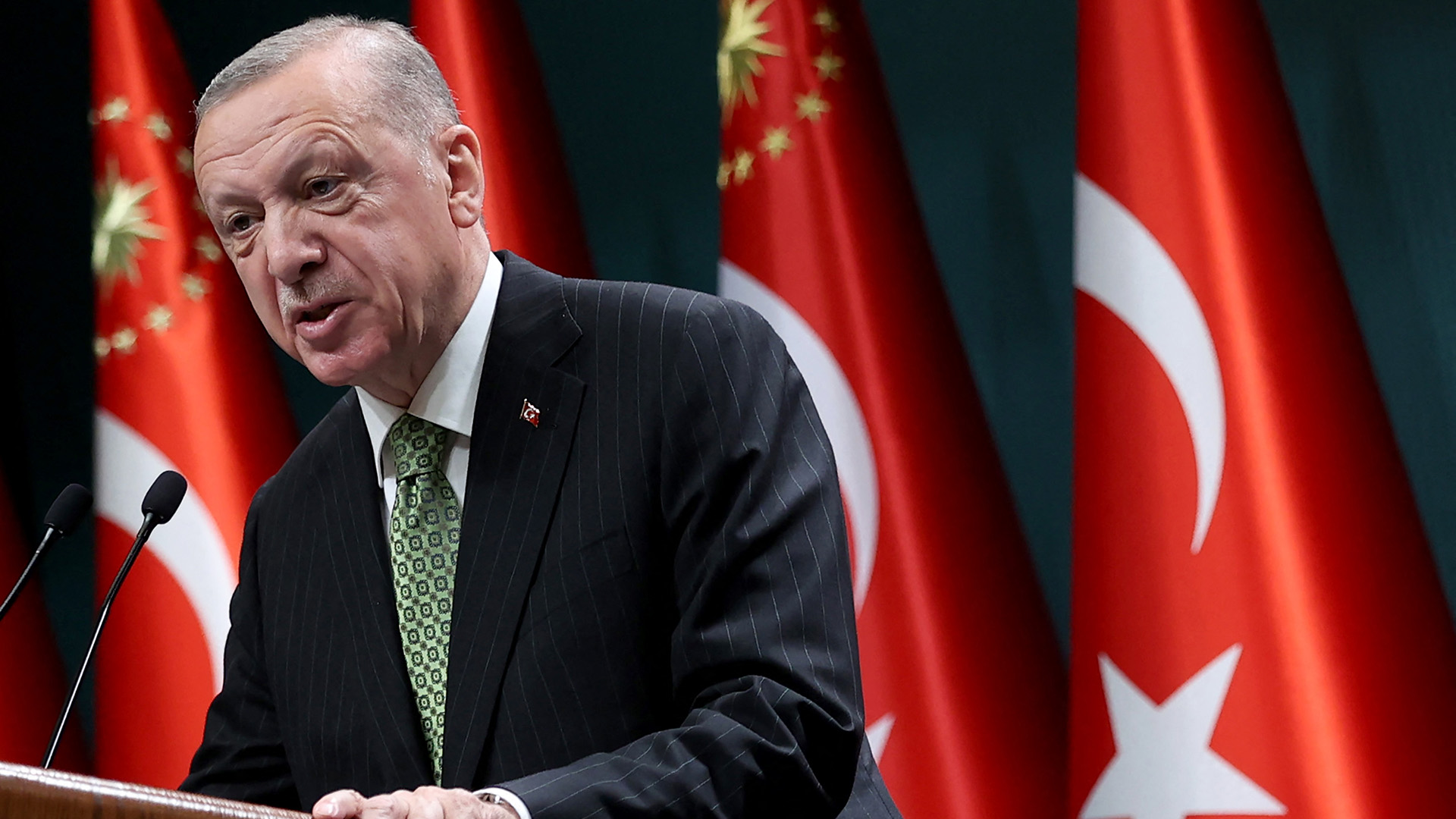
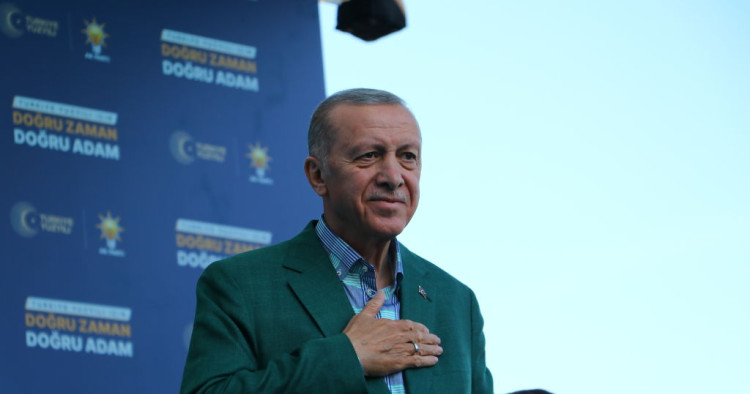
Gunmen armed with explosives and assault rifles assailed the headquarters of Turkey’s state-run aerospace company near Ankara on October 23, in a terrorist attack claimed by the outlawed Kurdistan Workers’ party (PKK). The incident complicates President Recep Tayyip Erdoğan’s efforts to exploit the regional chaos that followed Hamas’s attack on Israel a year ago to advance his domestic and regional goals.
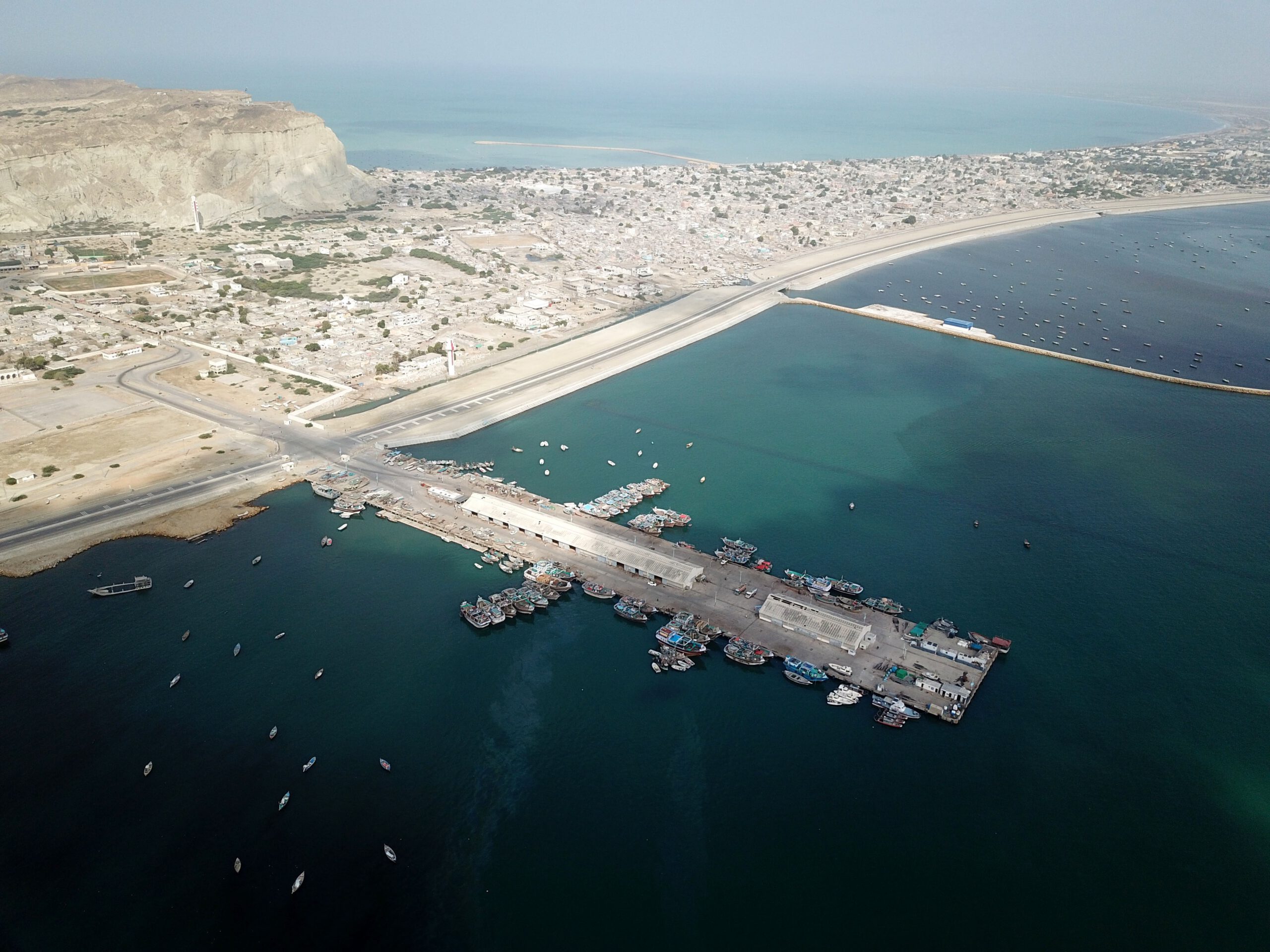
The strategic alliance between Pakistan and China, driven largely by opportunism and geostrategic interests, seems unshakable. However, the extent of its mutual benefit remains under scrutiny, especially for Islamabad, whose reliance on Beijing continues to deepen. Although China claims to base its foreign policy interactions on five key principles — respect for sovereignty, non-aggression, non-interference, equality and mutual benefit, and peaceful coexistence — its dealings with Pakistan indicate an unequal power dynamic that primarily serves its own interests. This imbalance in the Pakistan-China strategic alliance has led to a situation in which Islamabad’s autonomy is increasingly curtailed, and its vulnerability to Beijing’s influence is becoming more apparent.
Navigating the shadows: Afghanistan’s terrorism landscape three years after the US withdrawal and its international implications
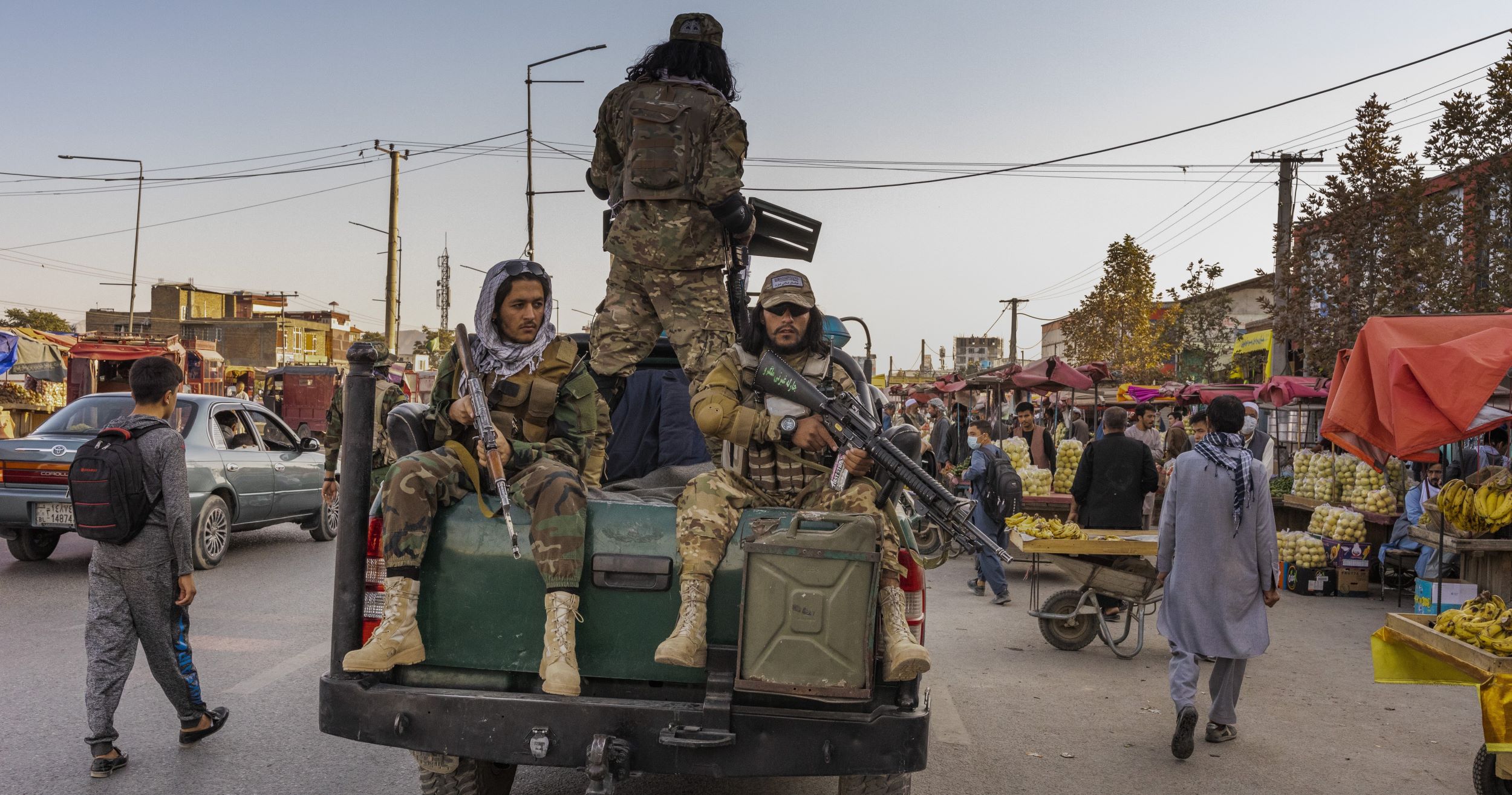
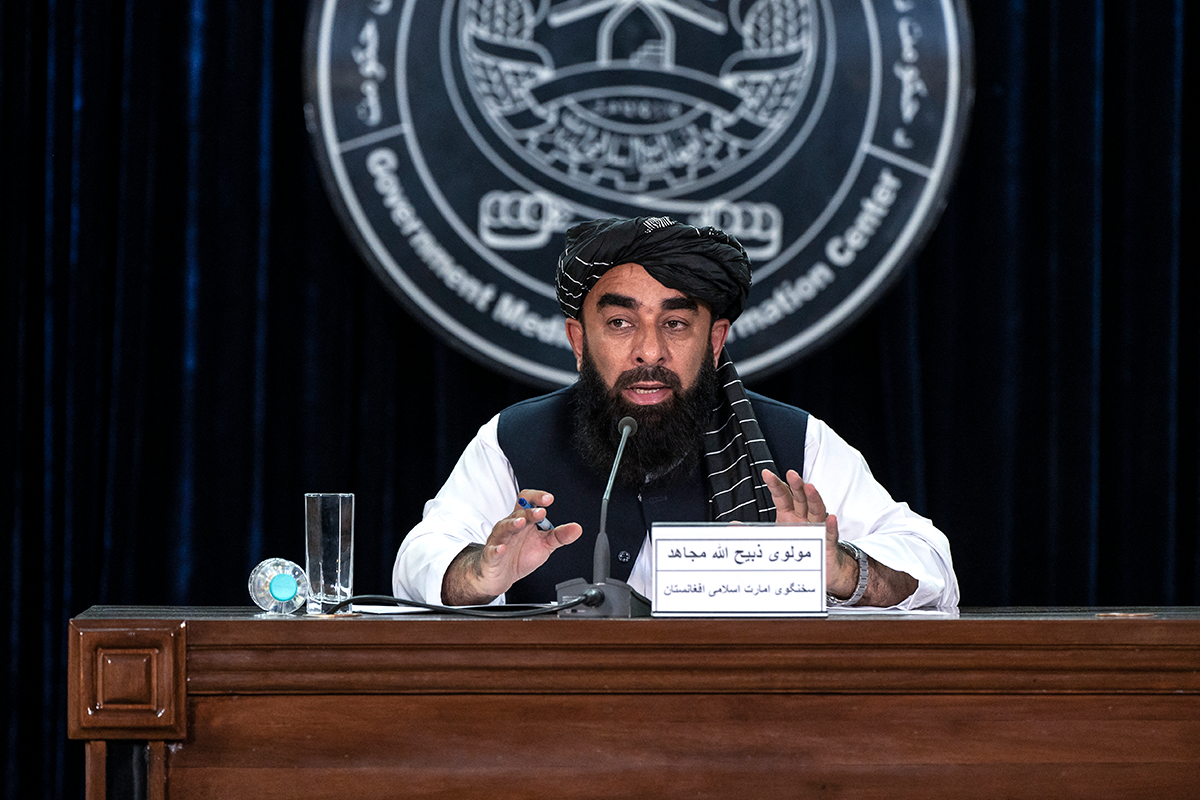
Three years since the US and allied withdrawal from Afghanistan, the facts on the ground challenge some more optimistic depictions of the Taliban’s counterterrorism cooperation with the US, al-Qaeda’s reemergence, or the capacity of ISKP to direct external attacks that could threaten American interests.
Pakistan’s shifting positions on the plight of Palestinians and relations with Israel
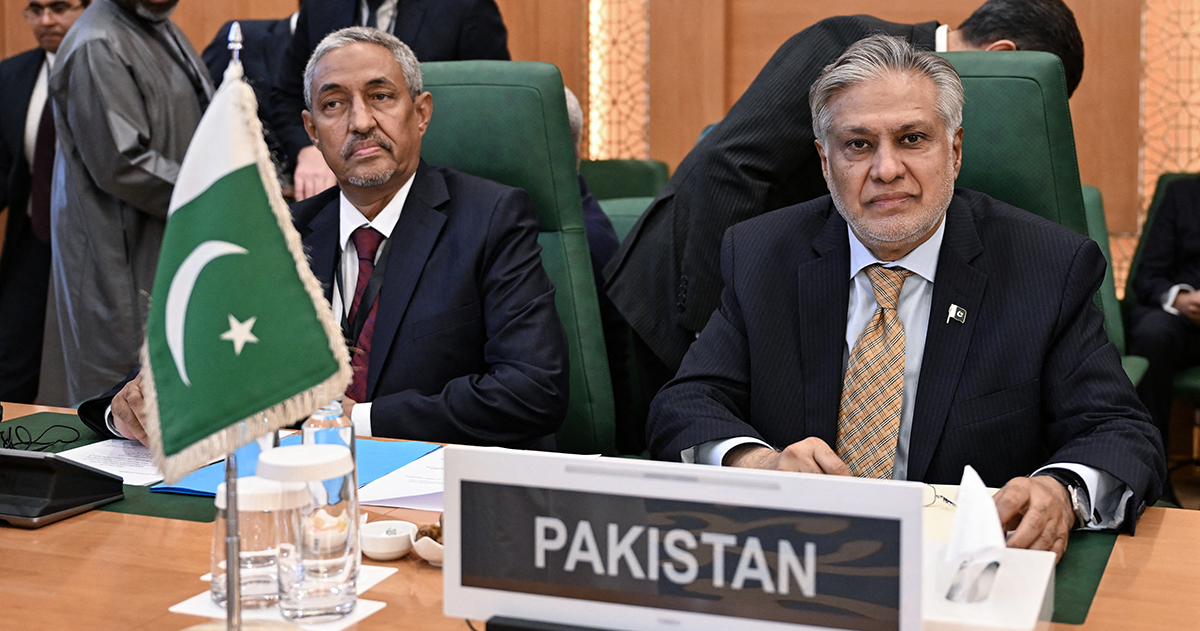
It is ironic that Pakistan and Israel are both countries created in the name of religion, at around the same time, and yet they have no formal relations. While Pakistan’s animosity toward Israel is rooted in the displacement of Palestinians, it has also served as a means of burnishing the country’s credentials within the community of Muslim nations and pushing back against India, which maintains increasingly close ties with Israel.
Nato must wake up to Russia’s nuclear power deal with Turkey
Ask Nato’s secretary-general to name the decision of Turkish President Recep Tayyip Erdoğan that irks him the most and he’d probably say purchasing Russia’s S-400 missile defence system. But Nato has an even bigger problem when it comes to Turkey-Russia ties: the Akkuyu nuclear power plant.
Pakistan's Independence Day highlights deepening ideological divide
On Aug. 14, Pakistan celebrated its 78th Independence Day against the backdrop of a widening ideological and societal divide between proponents of Islamic nationalism and those championing democracy. Seizing the occasion, both the military and political leaders, recognizing Pakistan’s vulnerability to political instability and eroding social cohesion, have sought to shape the national discourse and sway public opinion with their respective narratives.
As the Middle East becomes more autonomous and empowered domestically, the leaders in the region might consider more synergetic relations with each other and prepare national long-term plans that provide a balanced and integrated approach to social, technological, environmental, economic, and political development and progress.
Pakistan and the Middle East’s evolving approach to Afghanistan
Afghanistan has long been an arena for proxy contestations by regional powers, which have adopted rather divergent Afghan policies over the past several decades of foreign occupation and are doing so again now when the country is in the vicelike grip of a resurgent Taliban.
Powering up: Turkey-Iraq transmission line is part of a broader strategic shift
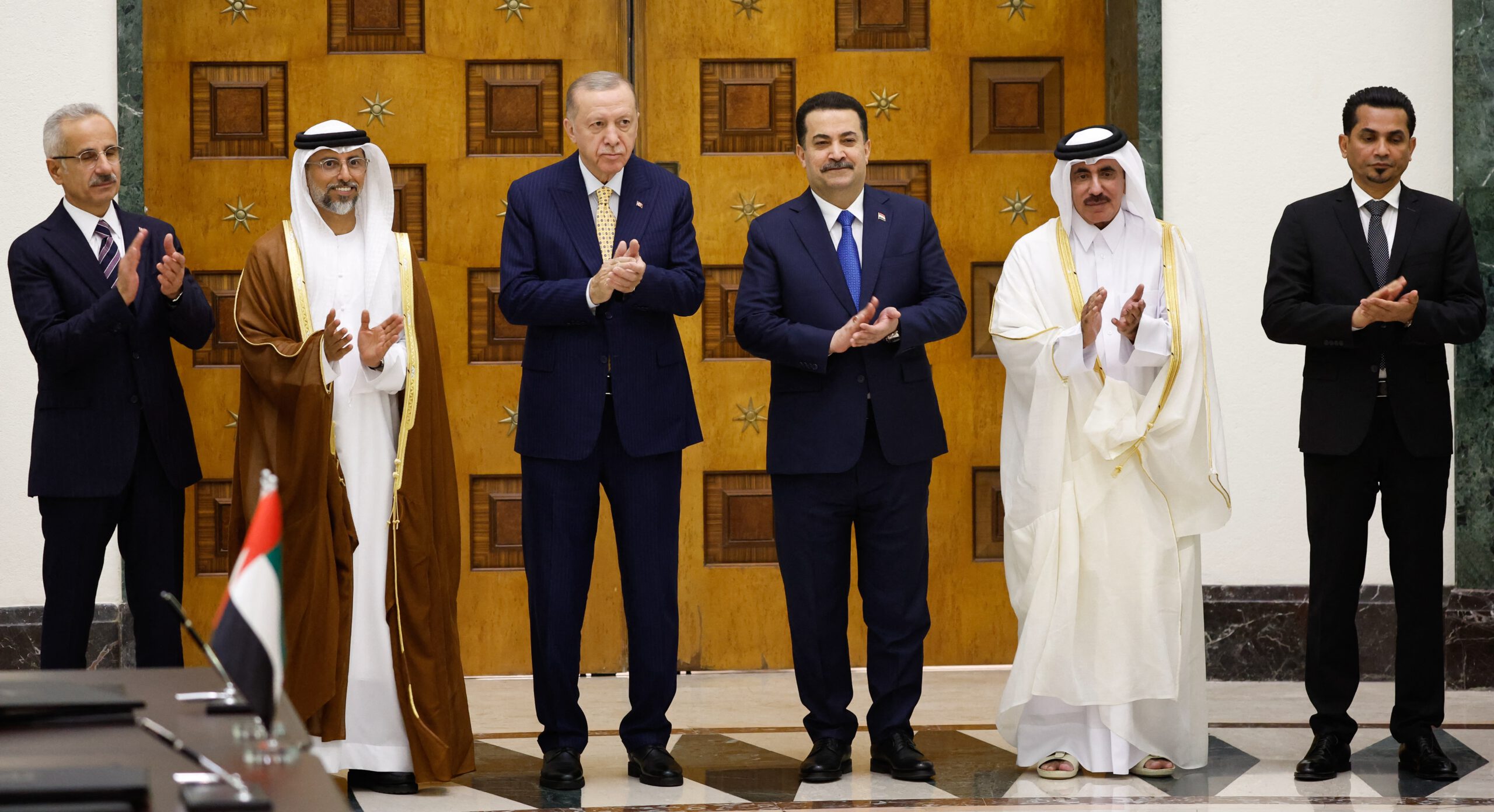
On July 21, 2024, Iraq inaugurated a new power line connecting Turkey and Iraq to handle Turkish electricity imports. Iraq is operationalizing this new power line with the goal of ensuring a more stable energy future, reshaping its geopolitical relationships, and reducing its reliance on Iran.
The IMF, CPEC, and Pakistan: Will the Chinese save Islamabad yet again?
The China-Pakistan Economic Corridor (CPEC), once heralded as a “game-changer,” has almost disappeared from the spotlight in recent years. The project has faced slow implementation, unpaid loans, corruption, and a dire security situation. How is China responding to Pakistan’s poor handling of CPEC, its perpetual financial troubles, and its periodic demands on China to bail it out?