Deradicalization Programs in Saudi Arabia: A Case Study
This paper is part of a series, titled “Understanding Deradicalization: Pathway to Enhance Transatlantic Common Perception and Practices.” Click here to view the full series, or navigate using the table of contents to the right.
Negotiating Yemeni Peace: Deep Divisions and Hard Realities
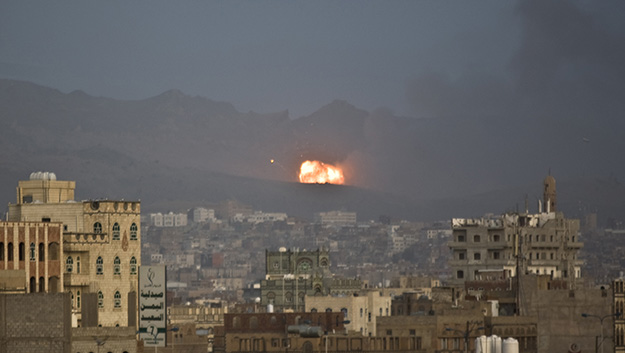
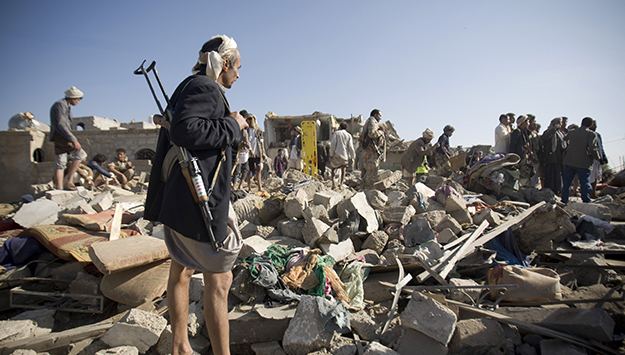
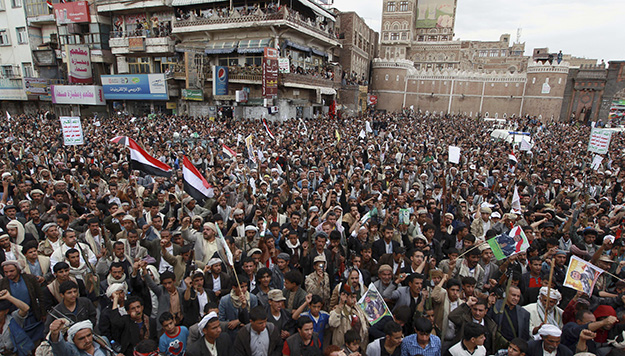
After initially rejecting the UN call for talks, the Saudi-backed Abdu Rabbu Mansour Hadi faction reversed its position and agreed to meetings in Geneva on June 14.
Saudi Arabia’s Succession Shakeup and the Rise of Mohammed bin Salman
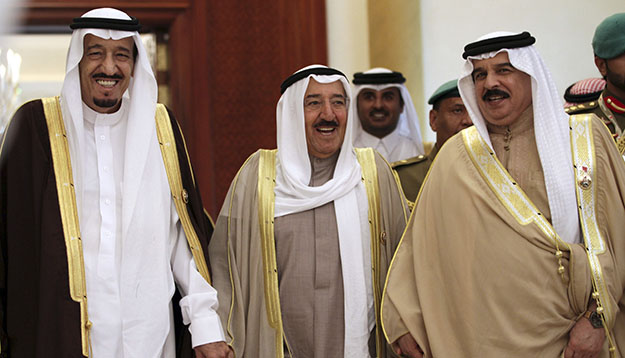
King Salman’s reign of four months has brought dramatic changes to Saudi Arabia’s succession framework. Prince Muqrin was appointed as heir before being relieved of his duties in favor of Prince Mohammed bin Nayef, and Prince Mohammed bin Salman (MBS) was designated as heir to the heir. A son of the monarch, MBS carries a variety of additional portfolios, including that of minister of defense and chairman of the Council of Economic and Development Affairs (CEDA), which makes policy on non-security matters.
The United States, the GCC, and Iran: The Crisis that Wasn’t
Whatever eventually comes of the security agreements and mutual pledges of support made at last week’s summit conference between President Obama and leaders of the Arab Gulf monarchies, one result is clear: Saudi Arabia and the others may not be enthusiastic about the pending nuclear agreement with Iran, but they will not actively oppose it.
Stability in Yemen: A Matter of Gulf Collaboration
Yemen, like many other states in the region, has never conformed to the norms of an integral nation state; it has been in a state of crisis since at least the 1990s due to constant competition between the ruling state authority and various clans, tribal groups, transnational movements, and secessionists. In addition to these layers of conflict, regional players have tried to exploit domestic instability to further their own interests.
Defying Gravity: Working Toward a Regional Strategy for a Stable Middle East
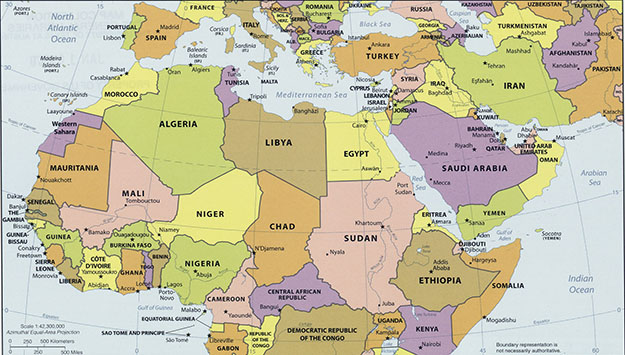
In this MEI Policy Paper, Ross Harrison asserts that a new regional order is emerging out of the conflicts of the Middle East. The relationships among the pillars of this order–Egypt, Saudi Arabia, Turkey, and Iran–are crucial, as they will largely determine “whether the future of the Middle East will be a continuation of the current chaos and destruction or a more positive transition toward stability and prosperity.” Harrison argues that global powers must concentrate on creating conditions conducive to cooperation among the pillars.
Saudi Arabia’s intervention in Yemen is not surprising given Riyadh’s past policies and current perspectives on Gulf security. Yemen has always suffered from varying degrees of chaos and civil strife. Even in the best of times, large areas of the country lacked government control, and few if any in the region saw it as a functioning nation state. Whatever Gulf Arab leaders may have said publicly, most have viewed Yemen as a loose collection of autonomous or even independent regions, held together only by the lines drawn on a map.
Pakistan’s Balancing Act Between Saudi Arabia and Iran
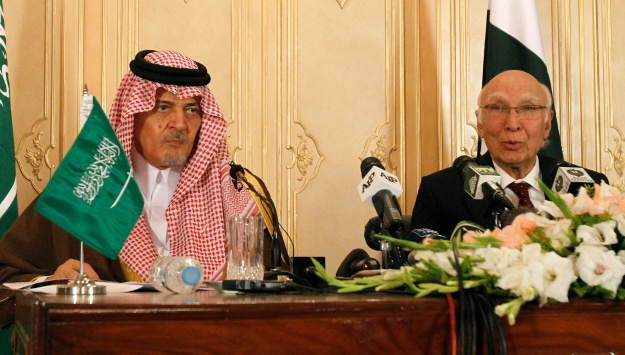
April 23, 2015 – Marvin Weinbaum, director of the Center for Pakistan Studies at The Middle East Institute, explains Pakistan’s decision not to provide military aid for Saudi Arabia’s operation in Yemen, and how Prime Minister Sharif is working to repair relations with Riyadh.
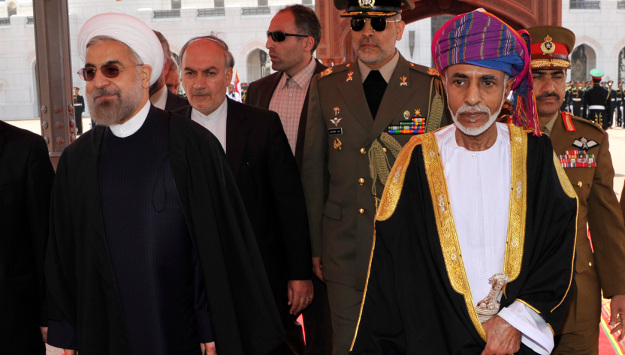
Relations between Iran and Saudi Arabia have always been thorny, but rarely has the state of affairs been as venomous as it is today.
Tehran and Riyadh each point to the other as the main reason for much of the turmoil in the Middle East. In its most recent incarnation, the Iranian-Saudi conflict by proxy has reached Yemen in a spiral that both sides portray as climatic.
Turkey’s Balancing Act between Iran and Saudi Arabia
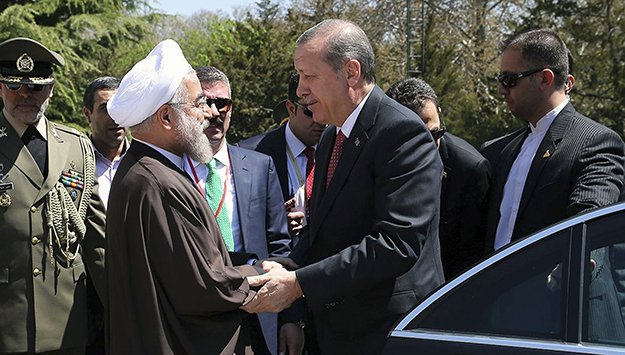
Turkish Foreign Minister Mevlut Cavusoglu, reiterating Turkey’s support for a diplomatic solution over the use of force regarding Iran’s nuclear program, welcomed the interim deal between Tehran and the world powers. Turkey’s slowing economy may be among the first to reap economic benefits from the deal, and Ankara’s longtime quest to become an energy hub could finally be realized. Yet the deal could also pose a challenge to Ankara’s Iraq and Syria policies and its recent rapprochement with the Saudis.
Misadventures in Violence in Yemen: Operation Resolute Storm
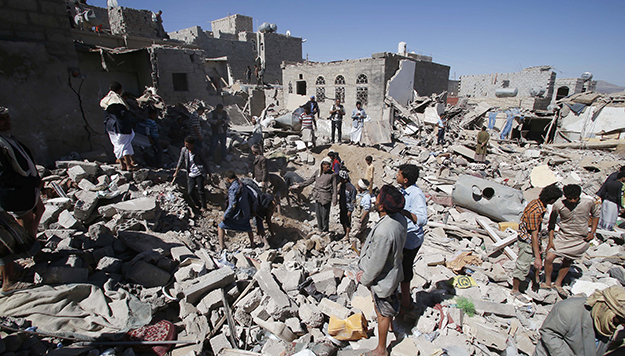
Saudi Arabia’s military intervention in Yemen is a risky move motivated by various Saudi objectives in Yemen and in the region. The immediate objective is to save President Abdu Rabbu Mansour Hadi from Ansar Allah’s advance on Aden and reinstall him as head of state by forcing Ansar Allah to make major political concessions. But the operation also marks the increasing willingness of the Saudis to use their own military rather than rely on the United States.
With its bold and public intervention in Yemen’s civil war, Saudi Arabia has cast off a half-century of caution and restraint in regional security affairs.
March 26, 2015 – Paul Salem discusses the new challenge the unfolding crisis in Yemen poses to the region, and how the Arab League and the United States are responding as the fight against ISIS continues.