Iran Trying to Exploit Cairo-Riyadh Rift for Political Gains
On November 21, Iran’s Foreign Ministry Spokesman Bahran Ghasemi praised Egypt as a leading country in the Arab world and stressed that Tehran sought closer ties with Cairo.
UAE's Siding with Saudi Arabia in Diplomatic Row Unsettles Iran
Diplomatic relations between Iran and the United Arab Emirates are going through another rough patch as the latter recently submitted a letter to the United Nations General Assembly, expressing concern over Iran’s “expansionist” policies in the region.
When Osama bin Laden carefully recruited a number of Saudis to carry out the 9/11 attacks, his intention was to drive a wedge between his two enemies, the United States and the Saudi government. Fifteen years after the attacks, the JASTA legislation appears to be doing just that.
The State Department has welcomed an agreement among all Yemeni parties and the Saudi-led coalition to observe a 72-hour cease-fire beginning on October 19. The warring factions agreed to “implement a full and comprehensive halt to military activities of any kind and help facilitate the delivery of humanitarian assistance to Yemenis across the country.”[i]
Monday Briefing: Huge Humanitarian Challenges in Mosul
In this week’s Monday Briefing, MEI experts Randa Slim, Gonul Tol, Charles Lister, and Paul Salem provide analysis on recent and upcoming events including potential fallout from the battle for Mosul, how the row between Turkey and Iraq will complicate the operations in Mosul, the implications of ISIS’ loss of Dabiq, and recent military cooperation between Egypt and Russia.
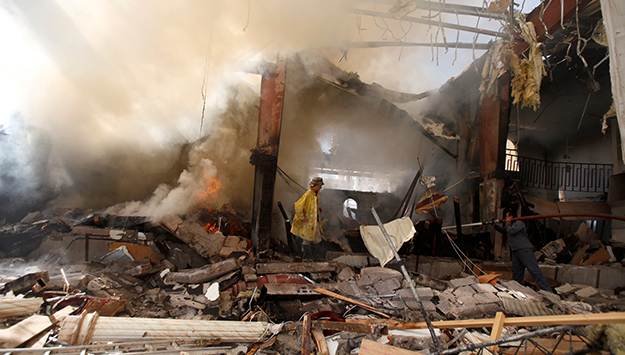
Yemeni Factions, Saudi Arabia Escalate Aimless War
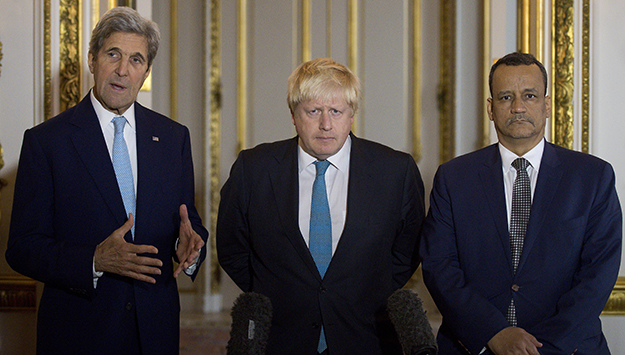
The parties to the intractable Yemen war appear further entrenched in their enmity than ever before, despite U.S. and British efforts to push Yemeni leaders toward new negotiations.
In this week’s Monday Briefing, MEI experts Robert S. Ford, Paul Salem, and Marvin G. Weinbaum provide analysis on recent and upcoming events including Russia’s recent escalation of military force in Syria, deteriorating Saudi-Iranian relations, and an escalation in the Kashmir between India and Pakistan.
I.M.F. Reforms Not Enough to Repair Egypt’s Economy
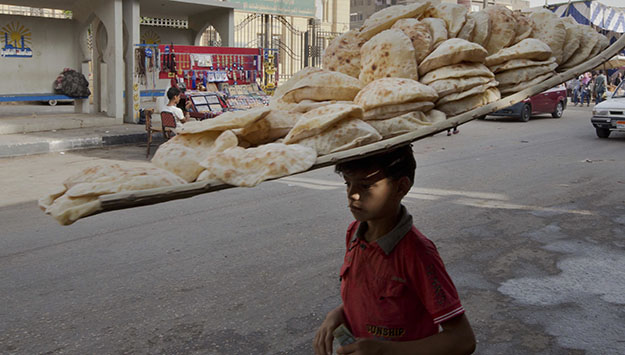
Addressing Egypt’s economic woes remains a matter of urgency for the stability of the government and the country as a whole. Egypt’s economic recovery plan, which was spearheaded by President Abdel Fattah el-Sisi in 2015, promised an improvement in living standards and social justice in the Middle East’s most populous nation. More than two years since the president assumed power, living standards have yet to see much improvement.
“[Food insecurity has] the potential to amplify destabilization, engender violence, and even accelerate state failure processes in an already geopolitically charged region”
– Andy Spiess in Food Security in the GCC Economies (2012)
G.C.C., Iran Look to Sea Trade to Reduce Dependence on Oil
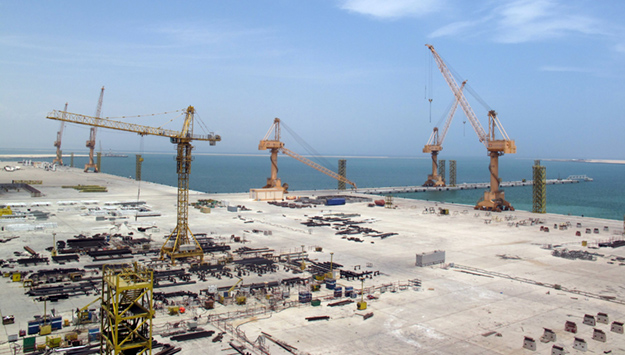
Continuing low oil prices have prompted Persian Gulf states to diversify their heavily petro-dependent economies. This issue is forcing the oil-rich states to invest and expand their potential as international trade hubs as a pathway away from the time bomb of single commodity exports. As many Gulf states have outlined in economic plans, as well as developed on the ground, maritime trade is an increasingly essential link connecting the Middle East to the global economy.
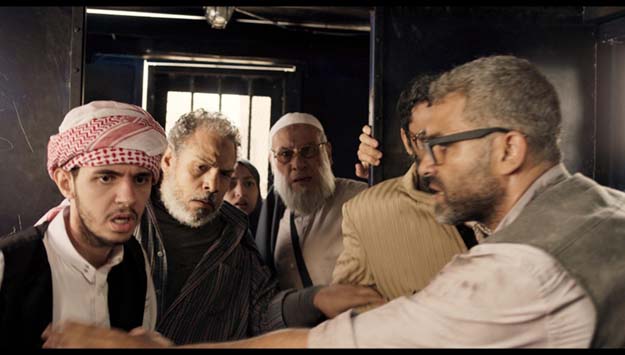
Clash—Hit Movie about Post-2011 Egypt Fails to Provoke
How do you comprehensively depict an impossibly complex event like the Egyptian January 25 Revolution and its aftermath on screen? This is the question Egyptian filmmakers have ventured to tackle since the outbreak of the country’s transformative uprising in 2011. The first batch of movies—omnibus fiction 18 Days, the documentary The Good, the Bad and the Politician, Ahmed Rashawan’s Born on January 25 —were reactionary pieces, imbued with the jubilant sensation of Mubarak’s ouster.
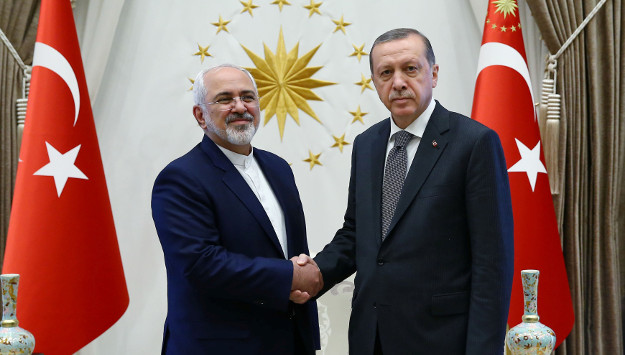
Monday Briefing: Turkey's Iran Outreach and Regional Diplomatic Strategy
In this week’s Monday Briefing, MEI experts Gonul Tol, Alex Vatanka, Charles Schmitz, and Robert S. Ford provide analysis on current issues including Turkey’s regional diplomacy as President Erdogan is set to visit Tehran, the Iranian perspective on Turkey’s role in the region, Secretary Kerry’s visit to Saudi Arabia amid renewed fighting in Yemen, and ongoing attempts to broker a cease-fire deal in Syria.
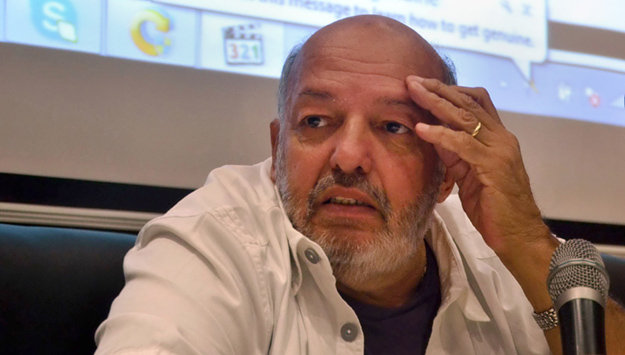
Remembering Mohamed Khan—the Leader of Egypt’s Neo-Realist Cinema
Of the numerous artists claimed by the grim reaper this year, the sudden death of veteran Egyptian filmmaker Mohamed Khan at 73 was among the most impactful. Widely considered as one of Egypt’s greatest directors, the vivacious, imposing Khan had a voracious appetite for life that concealed his real age. He was a man who always seemed to be bigger than death.
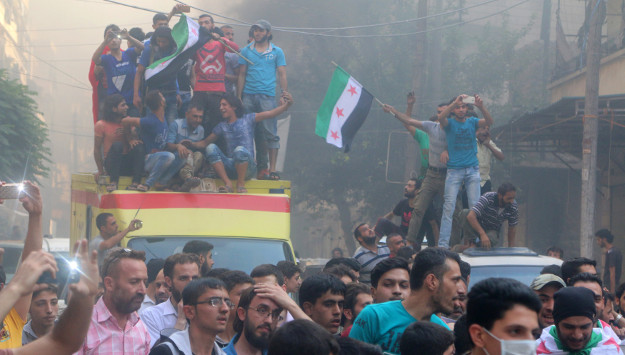
Monday Briefing: The Battle for Aleppo, Turkey's Gulen Extradition Request, and IMF talks in Cairo
In this week’s Monday Briefing, MEI experts Charles Lister, Gonul Tol, and Paul Salem provide analysis on recent and upcoming events including the battle for Aleppo, Turkey’s extradition appeal for Fatullah Gulen, and IMF talks in Cairo this week on Egypt’s request for more than $12 billion in loans.