Iran’s Abuse of its Own People a Humanitarian Catastrophe
This article was first published by iPolitics.ca on October 15, 2012
Assertions and opinions in this publication are solely those of the above-mentioned author(s) and do not necessarily reflect the views of the Middle East Institute, which expressly does not take positions on Middle East policy.
This Opinion was first published on Reuters.com on October 11, 2012
Assertions and opinions in this policy paper are solely those of the above-mentioned author(s) and do not necessarily reflect the views of the Middle East Institute, which expressly does not take positions on Middle East policy.
Introduction to Iraq's Refugees and IDP Crisis: Human Toll and Implications
Originally posted July 2008
In the comparatively short time since the establishment of the Iraqi state in 1920, the country has experienced successive waves of forced migration. Yet the magnitude of the forced displacement of Iraqis from their homes since 2003 is unprecedented. In addition to the still dire humanitarian situation are the potentially far-reaching negative implications of the refugee/IDP crisis for the future of Iraq and the Middle East as a whole.
Iraq’s Internally Displaced Persons (IDPs) Scale, Plight, and Prospects
Originally posted July 2008
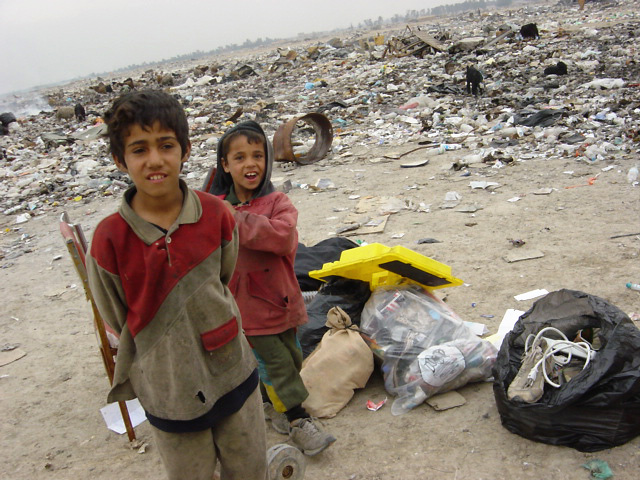
Over the past several decades, and especially in the past two years, Iraq has suffered from one of the worst displacement crises in the world.
While new displacement has slowed to a trickle in 2008, the conditions of those already displaced continue to deteriorate, and prospects for those returning to their homes are grim. The plight of internally displaced Iraqis and those who have crossed international borders in search of refuge remains largely unknown and unaddressed.