The tyranny of low expectations
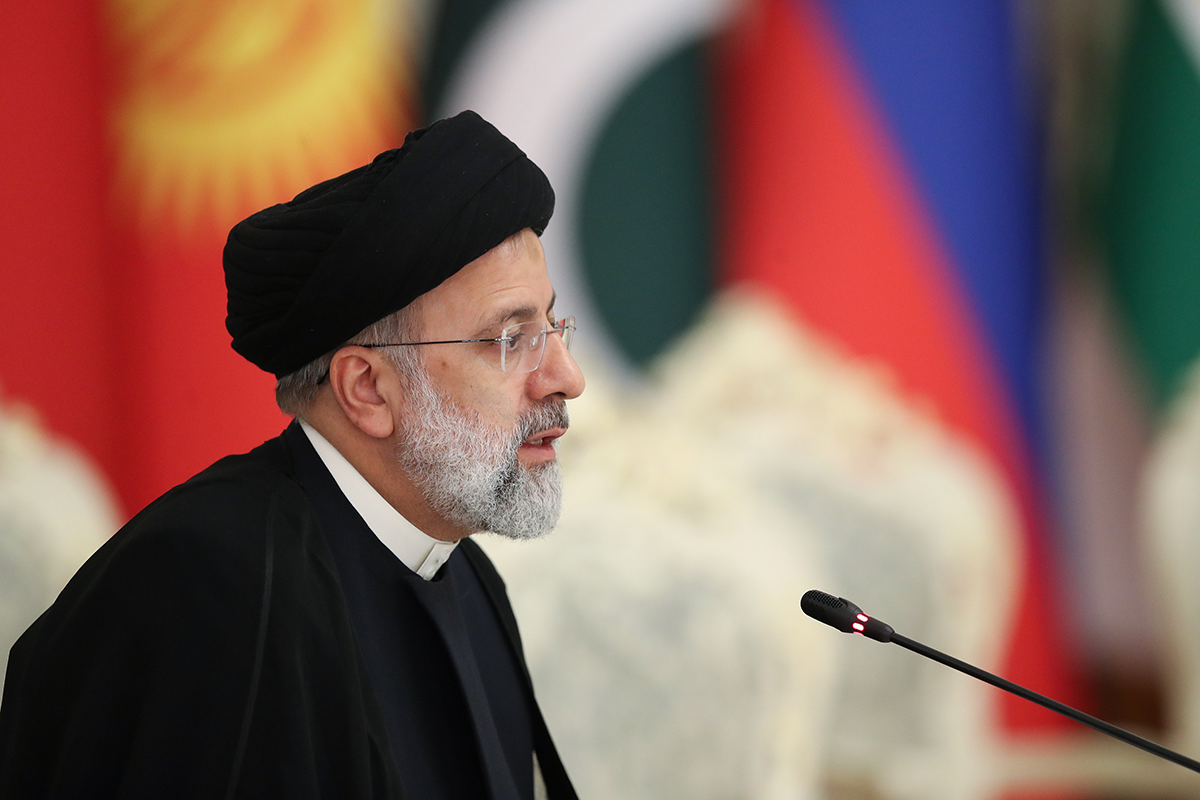
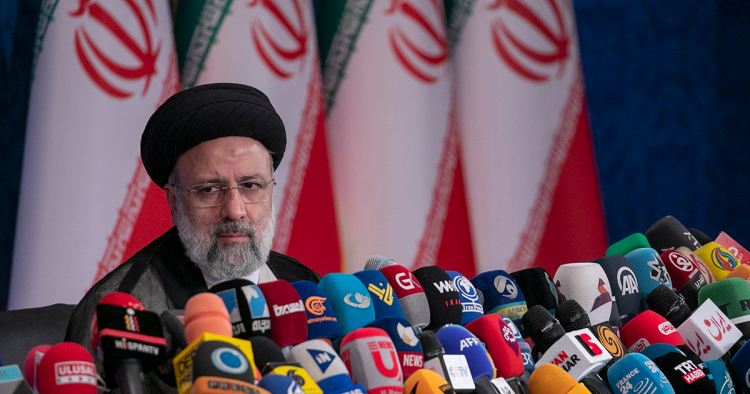
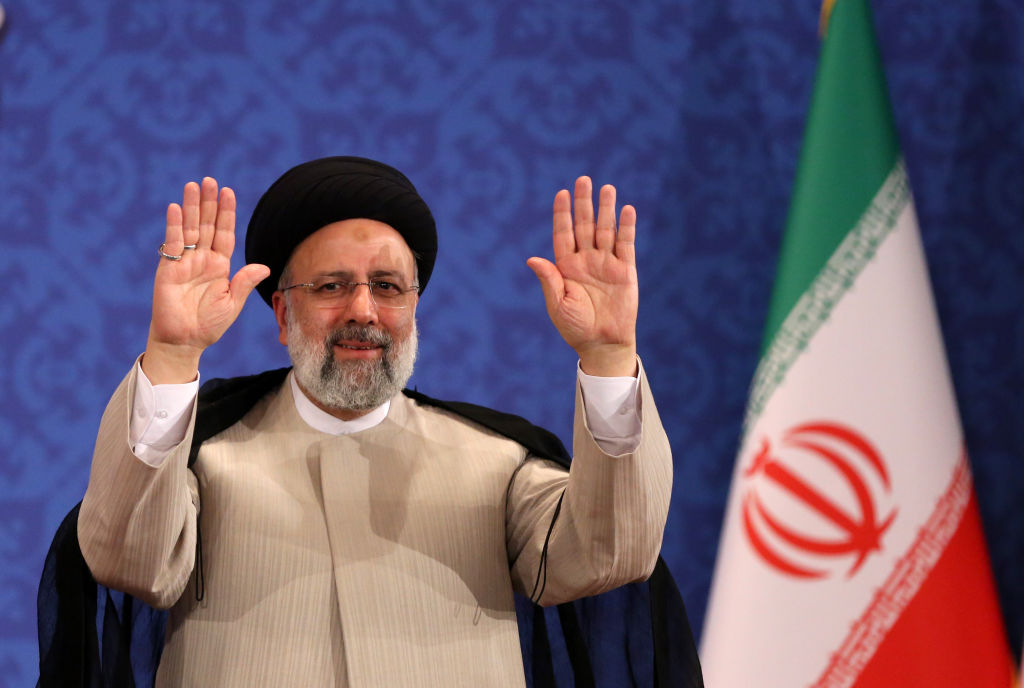
Incoming Iranian President Ebrahim Raisi may break the mold of his predecessor by exceeding expectations in his first 100 days, but make no mistake—less horrific is still horrific; no one should be fooled.
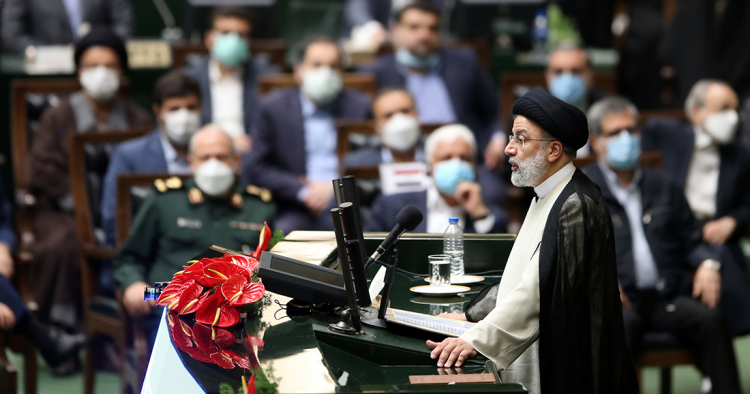
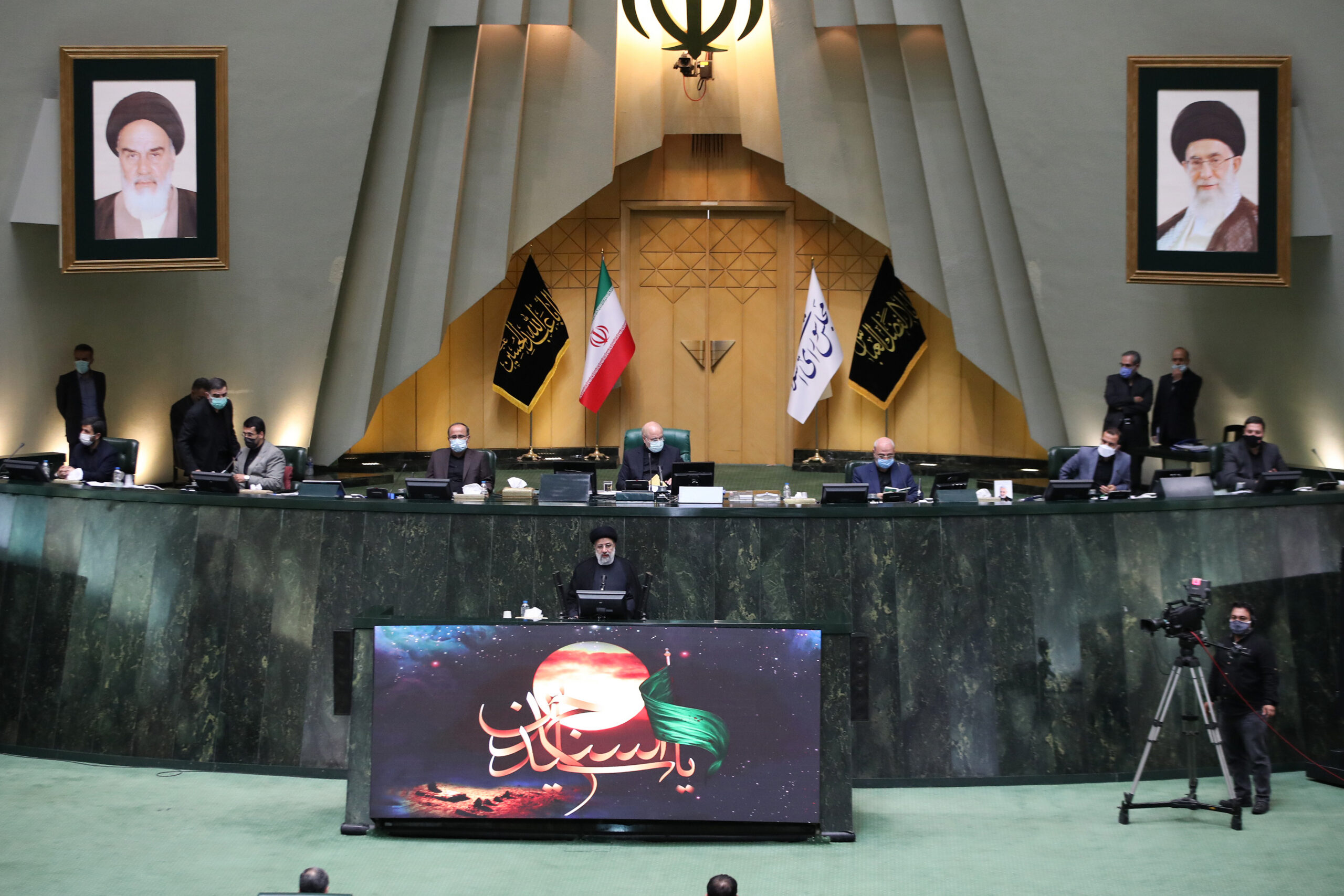
Ebrahim Raisi was sworn in as Iran’s new president on August 5. Ali Alfoneh and Henry Rome join guest host Alex Vatanka, director of MEI’s Iran Program, to discuss the political and economic challenges the new president will contend with, his relationship to Ayatollah Khamenei, and the future of Iran and the country’s leadership.
Iran’s water bankruptcy has been in the news lately, prompting deadly protests in Khuzestan province that also garnered the attention of global media. But this kind of problem is neither new or unique in the country. Drying rivers, vanishing lakes, shrinking wetlands, declining groundwater levels, land subsidence, sinkholes, desertification, soil erosion, dust storms, air, water and waste pollution, biodiversity loss, deforestation and wildfires are among the other familiar signs of Iran’s environmental devastation.
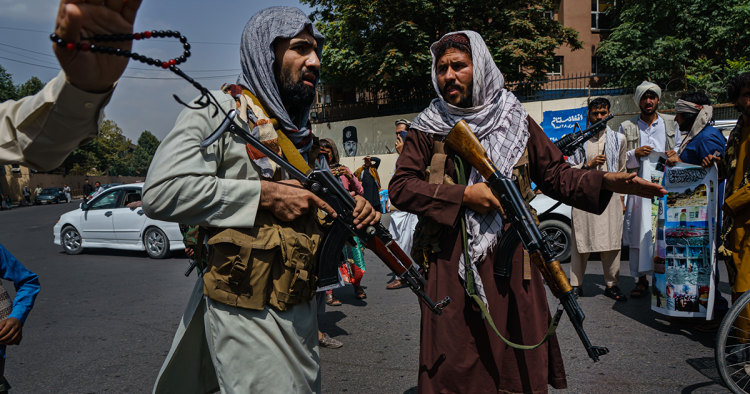
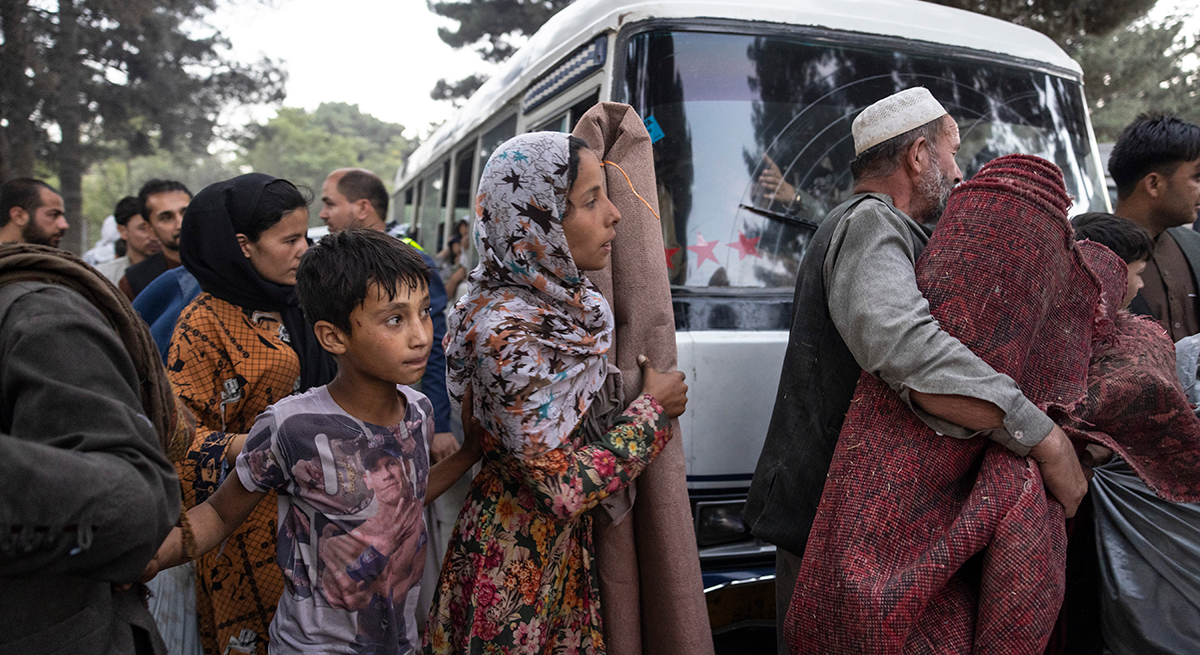
the years leading up to the U.S. invasion of Afghanistan, the Taliban had strained relations with Iran. Tensions between the two sides escalated to the point that the Iranian government and the Quds Force actually assisted American forces during the 2001 U.S.-led invasion.
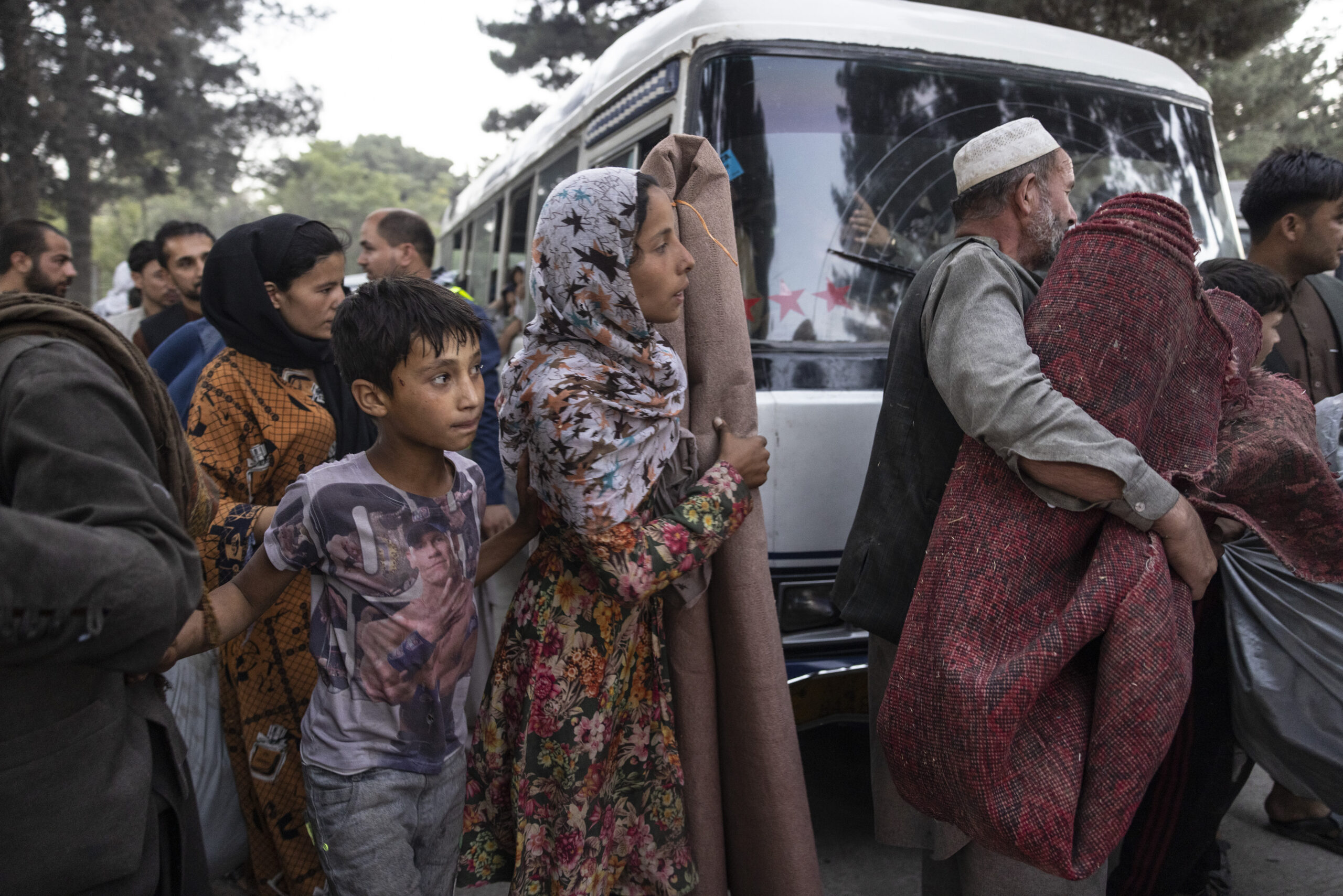
Tehran’s policy toward the Afghan Taliban has created new clashes within Iranian government circles. These clashes recently escalated as influential hard-line media and associates of the Islamic Revolutionary Guard Corps (IRGC) made public efforts to portray the Taliban in a positive light.
Read MEI’s weekly briefing featuring expert analysis of key regional developments for the week ahead.
It would be an understatement to say that the Georg Eckert Institute for International Textbook Research in Germany has written the book on how to analyze textbooks. The Institute has actually published many books — ones that are meticulous, detailed, and dispassionate. Now the Institute has published one more, this time on Palestinian textbooks.
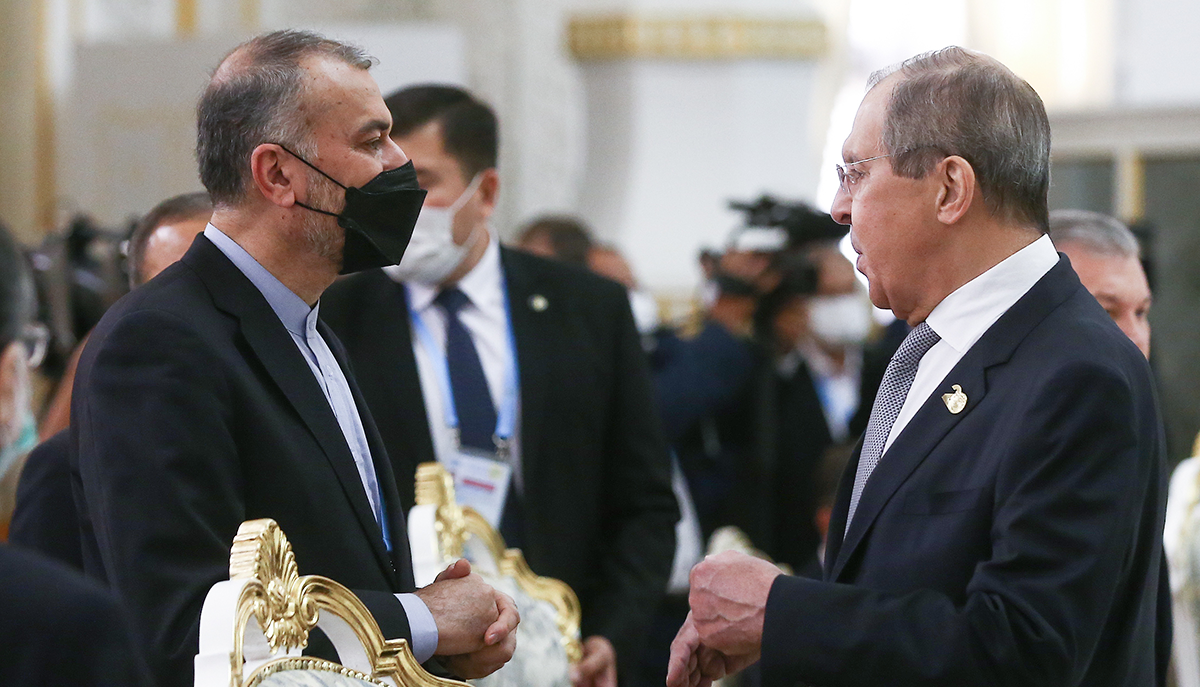
On June 18, Ebrahim Raisi won a landslide victory in Iran’s presidential elections. After Raisi’s triumph, Maxim Suslov, the press attaché of the Russian Embassy in Tehran, transmitted a message from President Vladimir Putin congratulating Raisi on his win and pledging to strengthen Russia-Iran bilateral relations. Iranian Ambassador to Russia Kazem Jalali echoed Putin’s comments about Russia-Iran relations and noted that he was the first world leader to congratulate Raisi on his election as Iran’s next president.
Read MEI’s weekly briefing featuring expert analysis of key regional developments for the week ahead.
According to reporting from The Washington Post, Russia is set to provide Iran with a high-tech satellite called Kanopus-V. Russia will launch the satellite from its territory and then hand over control to an Iranian crew that received essential training in Russia. Iran will control the satellite from a newly built facility in Alborz Province, near Tehran.
In a landscape of suppression and retaliation against Palestinian journalists and activists at the hands of Israel, social media networks have been at once critical organizing platforms and tools for exacerbating censorship.
One of the first foreign policy decisions facing Israel’s new government will be if it wants to maintain or modify the policy spearheaded by Netanyahu to counter the United States’ determined effort to return to the 2015 nuclear deal with Tehran. Moreover, the new government needs to assess how successful the maximalist approach Israel has embraced since the negotiations between Iran and the great powers began about two decades ago has been, and to what extent it has pushed the international community to refrain from making concessions and compromises vis à vis Iran.
“لدى خامنئي الاختيار للاستمرار في المسار الحالي للسياسات المحلية والخارجية أو أن يستخدم رئاسة رئيسي كسبب لتغيير المسار”
Read MEI’s weekly briefing featuring expert analysis of key regional developments for the week ahead.
On Dec. 21, 2020, the United States Congress passed the Nita M. Lowey Middle East Partnership for Peace Act. The new law provides $250 million over five years to expand peace and reconciliation programs between Israelis and Palestinians as well as to support projects bolstering the Palestinian economy. But such programs are unlikely to be effective because the whole approach on which they are based is structurally flawed in two critical ways: first, because it is disconnected from local political, social, cultural, and economic processes and expectations; and second, because it tends to reinforce the inequalities that sustain the conflict between the two sides while undermining the declared goals of this intervention.