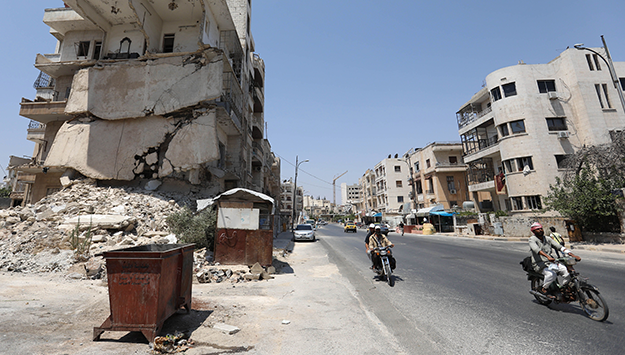
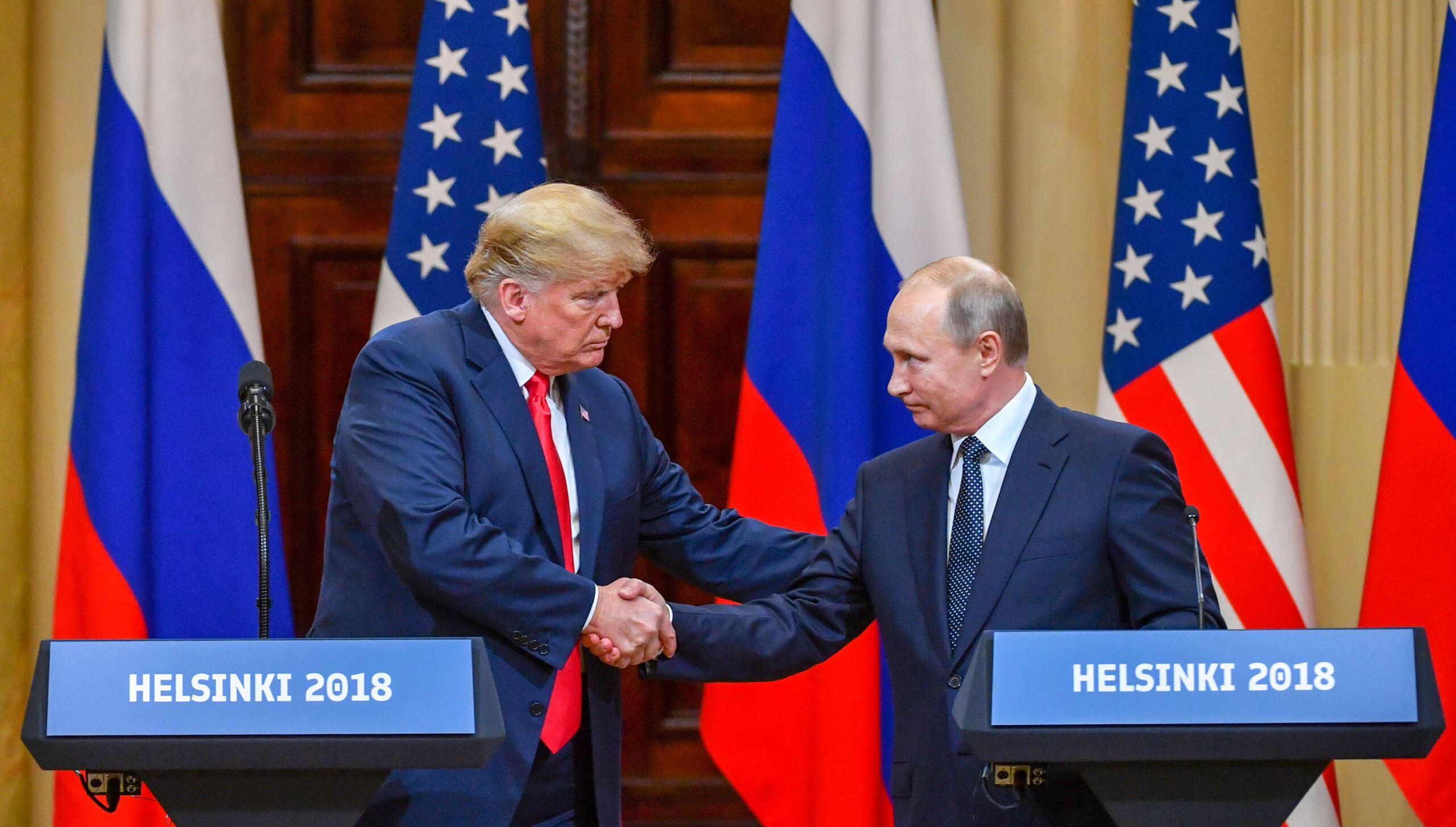
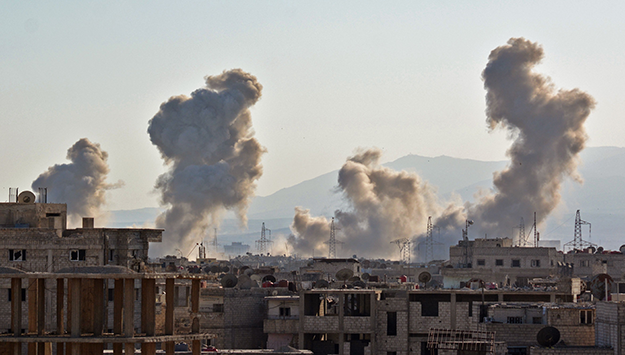
Despite the absence of a public and formal account of what transpired during the meeting between Presidents Trump and Putin in Helsinki on Jul. 16, it seems that there is at least tacit agreement that effectively endorses the Syrian regime’s takeover of southern Syria and limits Iranian presence in Syrian areas near the Jordanian and Israeli borders.
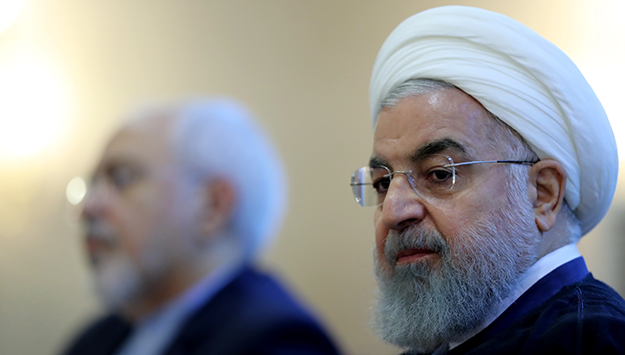
Will US sanctions bring Iran back to the negotiating table?
In this week’s Monday Briefing, MEI experts Ahmad Majidyar, Gerald Feierstein, and Charles Lister provide analysis on the first batch of U.S. sanctions on Iran, leaked emails that may undermine the Trump administration’s Mideast peace plan, and the assassination of a Syrian military scientist.
Will US sanctions bring Iran back to the negotiating table?
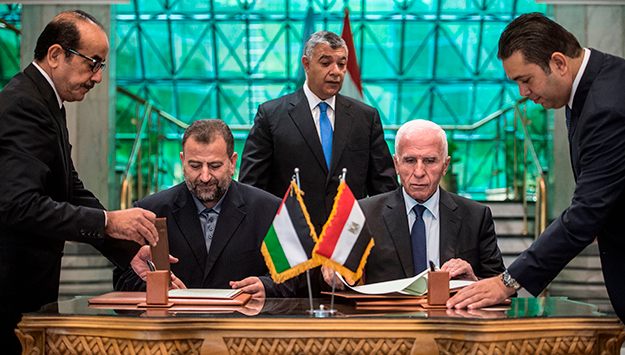
In this week’s Monday Briefing, MEI experts provide analysis on Fatah-Hamas reconciliation talks in Cairo, possible cooperation between the Syrian Democratic Council and the Assad regime, the protests in Iraq, the U.S.’s lifting of restrictions on aid to Egypt, and Imran Khan’s victory in the Pakistani elections.
Houthi attack in strategic shipping lane could undermine oil markets
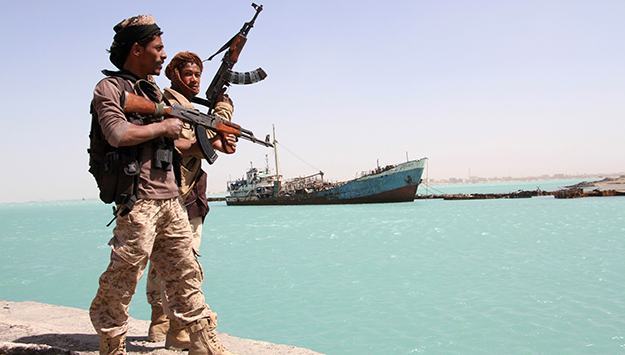
Saudi Arabia temporarily halted all oil shipments through the Bab al-Mandab strait on Wednesday, Jul. 25, after two of its very large crude carriers were attacked by Houthi rebels. According to Saudi and Yemeni officials, the attack was launched from the besieged port city of Hodeida.
Regional conflict and internal chaos have allowed militant jihadi groups to rise and flourish in Yemen. This paper analyzes two of the most prominent such groups, al-Qaeda in the Arabian Peninsula (AQAP) and the Islamic State in Yemen (ISY), by scrutinizing the factors that led to their respective ascents and examining the challenges and pressures that have caused their respective declines.
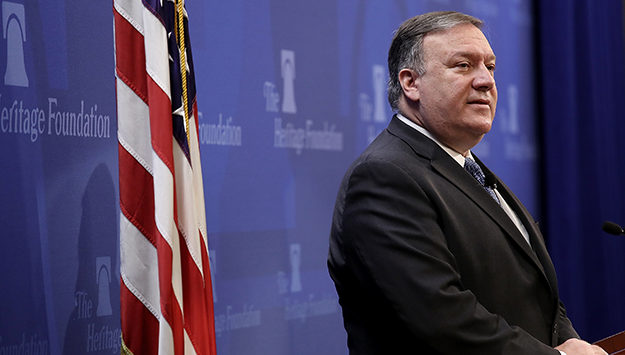
In this week’s Monday Briefing, MEI experts provide analysis on Secretary Pompeo’s speech on Iran, Erdogan’s decision to lift Turkey’s state of emergency, the cease-fire in Gaza, Iran’s continued threat in Syria, Trump’s tweets on Iran, and Vice President Dostum’s return to Afghanistan.
Can the Hodeidah offensive open the door to dialogue?
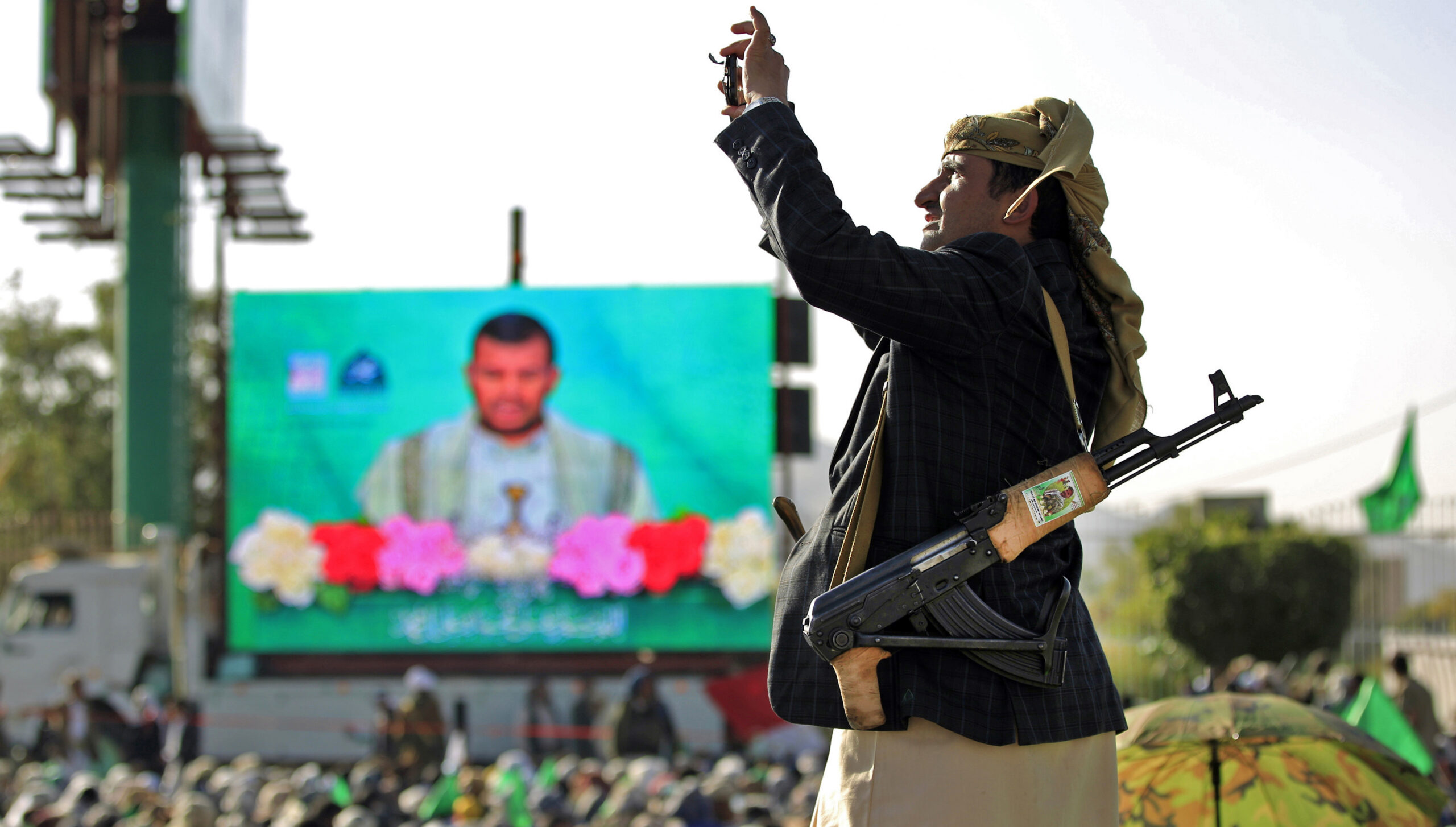
With the Saudi-led coalition’s offensive operations against the strategic port and city of Hodeidah stalled, eyes are now on UN Special Envoy Martin Griffiths as he attempts to negotiate a political resolution. Fatima al-Asrar, senior analyst at the Arabia Foundation, and Sama’a al-Hamdani, director of the Yemen Cultural Institute for Heritage and the Arts, join guest host Gerald Feierstein to assess the state of the four-year-old Yemen conflict and its impact on the Yemeni people.
The Sectarian Dimension of the Syrian Civil War and Lebanese-Syrian Relations
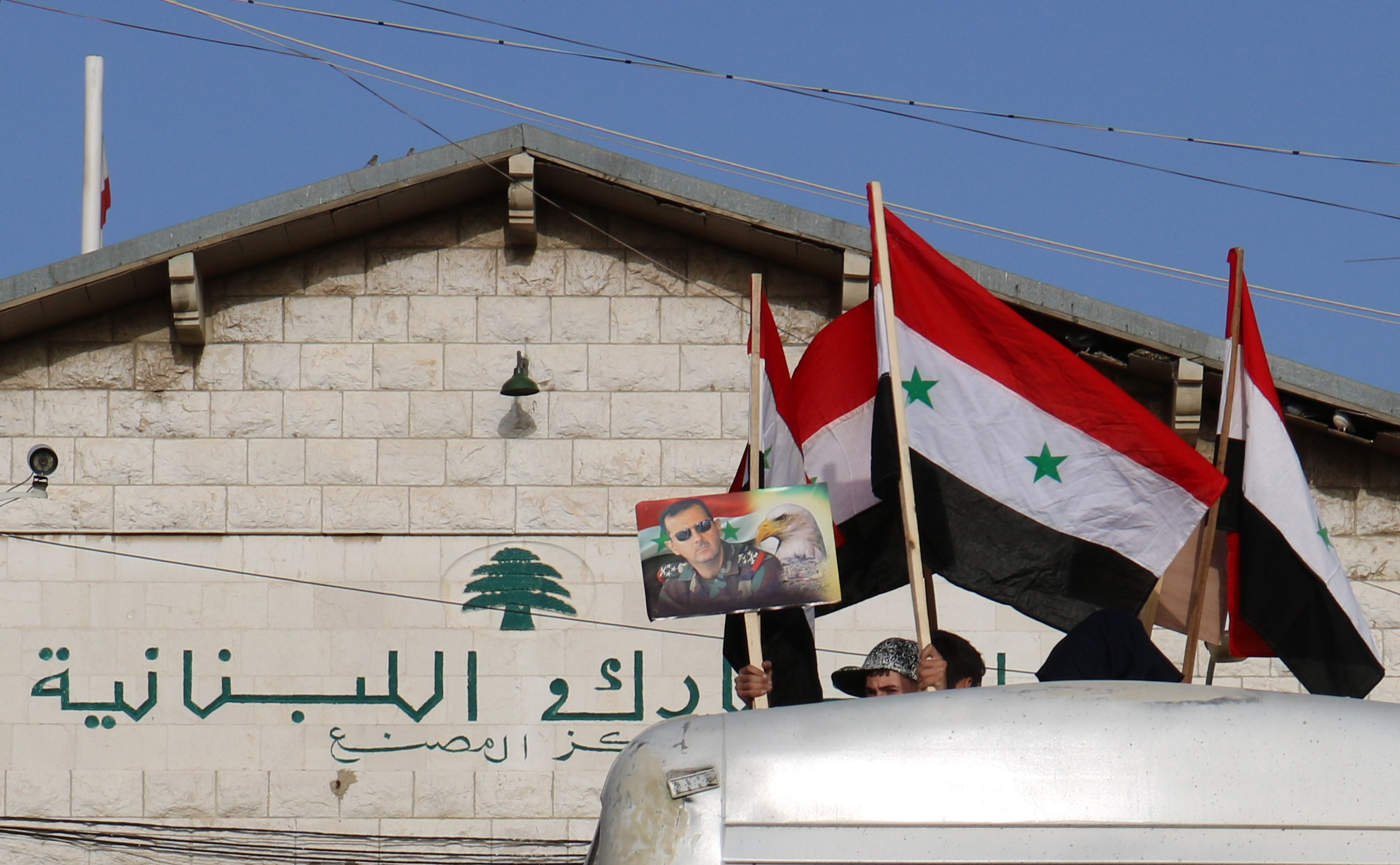
The eruption of conflict between the Syrian regime and the armed opposition exacerbated the political and sectarian divisions within the Lebanese government, causing it to sever relations with Damascus and dissociate itself from the war. Nevertheless, the Lebanese government eventually was forced to coordinate with the Assad regime in order to manage the refugee crisis and other spillover effects of the conflict. Beirut’s dealings with Damascus reflect the overarching aim of mitigating the impact of the war on the relations between the Lebanese Sunni and Shiite communities.
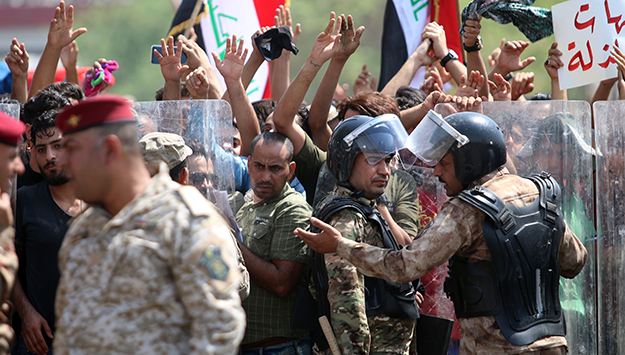
As protests roil Iraq, political elite seeks scapegoat
In this week’s Monday Briefing, MEI experts Randa Slim, Marvin G. Weinbaum, and Charles Lister provide analysis on recent and upcoming events including the ongoing protests in Iraq, the Sharifs’ return to Pakistan and their subsequent imprisonment, and pro-Assad forces’ westward push in Syria.
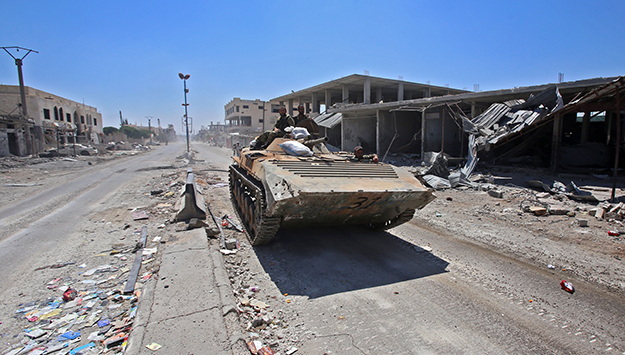
Last week, rebel forces in southwestern Syria agreed to a Russia-brokered deal to surrender Deraa province and lay down their arms, possibly securing strategic victory for the Assad regime in the long-running Syrian conflict. MEI’s Robert Ford and Charles Lister join guest host Gerald Feierstein to discuss the significance of these developments and whether the United States is preparing to withdraw from Syria in a broader agreement with Russia.
In this week’s Monday Briefing, MEI experts Robert S. Ford, Gerald Feierstein, Marvin G. Weinbaum, and Bilal Y. Saab provide analysis on Iran’s efforts to stay in Syria, Pompeo’s upcoming trip to Abu Dhabi, the Pakistan Muslim League’s struggle in the upcoming National Assembly elections, and Qatar’s decision to renege on its Russian S-400 purchase.
In this week’s Monday Briefing, MEI experts Charles Lister, Alex Vatanka, Randa Slim, and Marvin G. Weinbaum provide analysis on the US’s silence amid the Assad regime’s expansion, the Iranian president’s trip to Europe, the uptick in violence after Iraq’s elections, and the upcoming Pakistani parliamentary elections.
There are promising signs that the Saudi-backed coalition in Yemen’s assault on the port of Hodeida is opening a window of opportunity for a return to the political process. After a year of stalling, the Houthis have reportedly expressed a willingness to hand over operation of the port to a neutral third party, most likely the U.N. itself. Meanwhile, U.N.
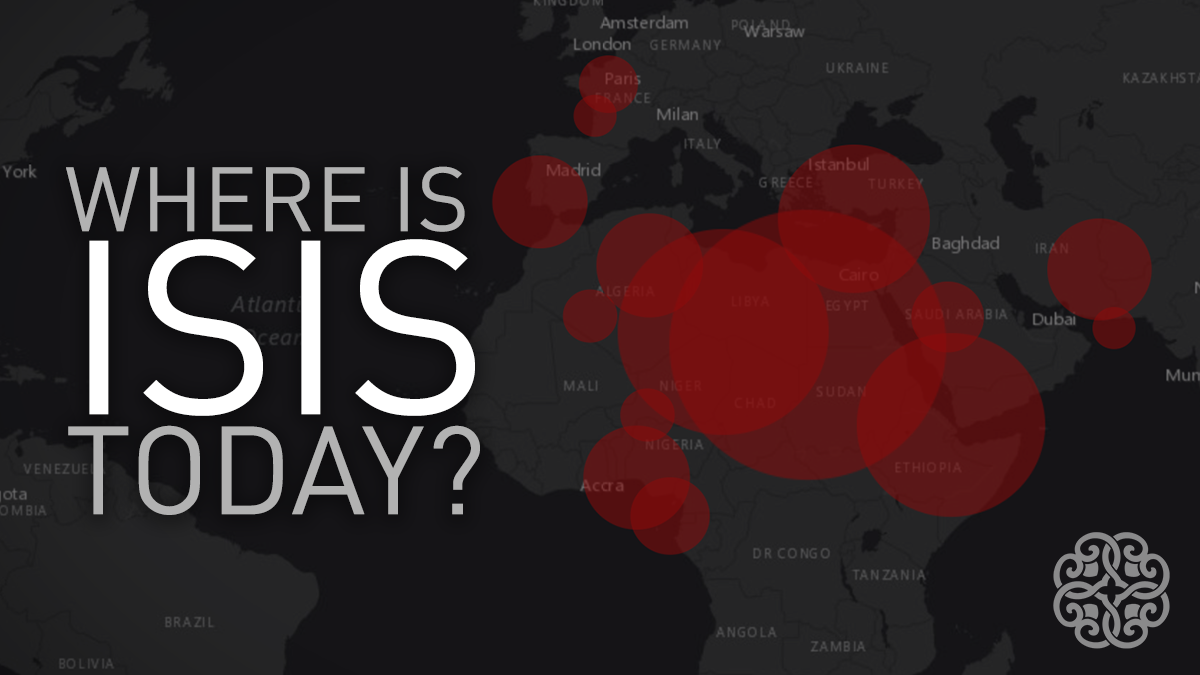
After years of international intervention, ISIS was routed from its Iraqi stronghold in Mosul and from its so-called capital in the Syrian city of Raqqa last year. However, the group remains dangerous both in the region and globally. Charles Lister discusses how ISIS is operating today, and what the international community must do to combat it.