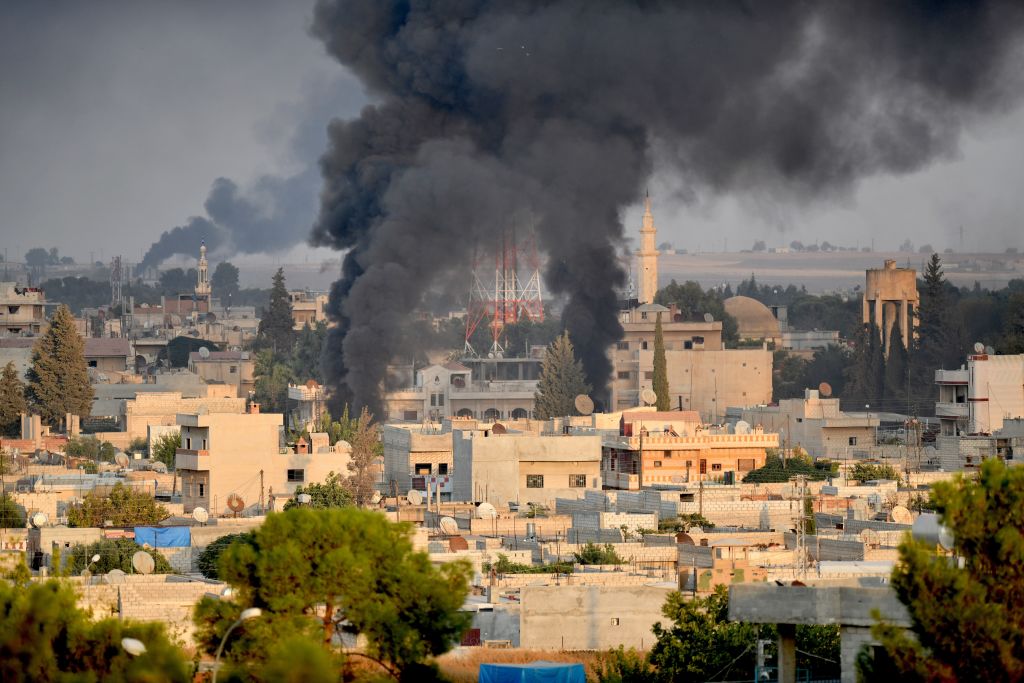
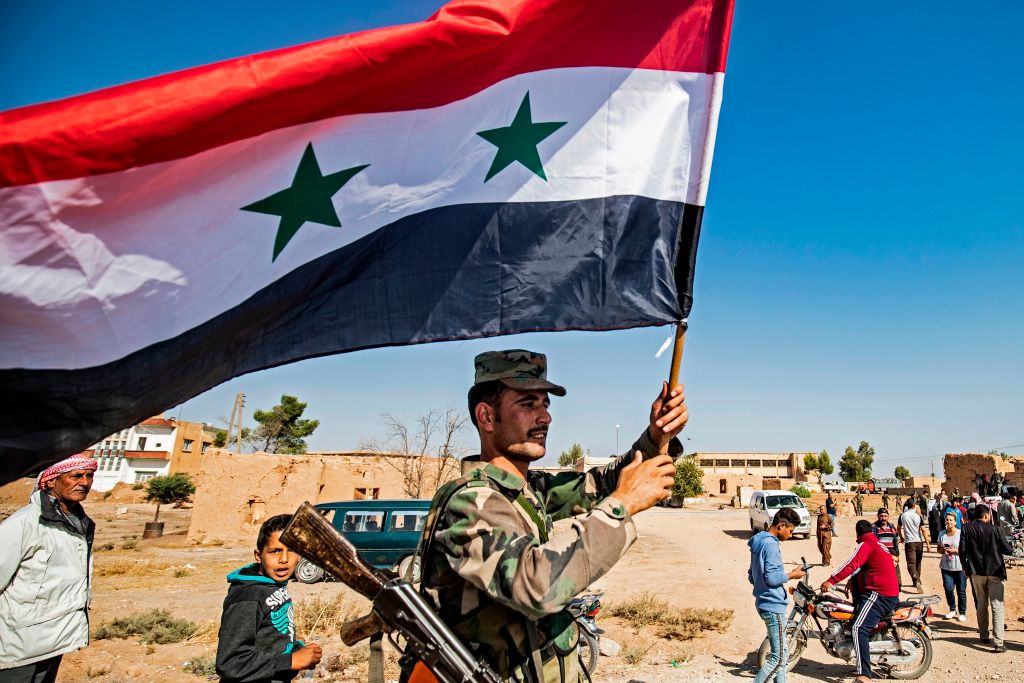
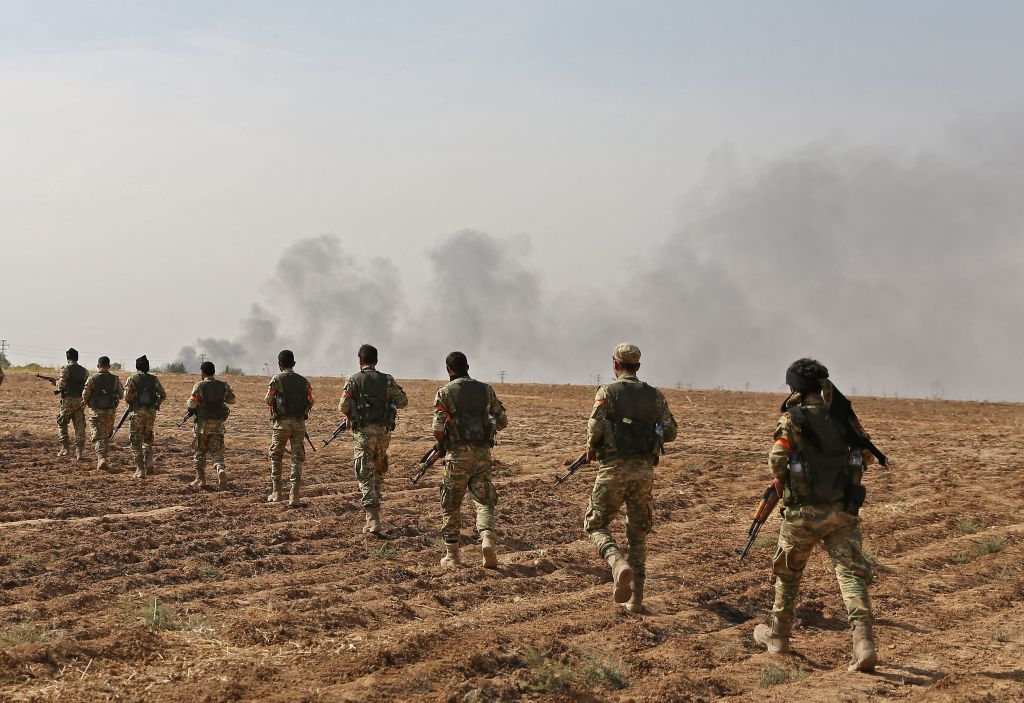
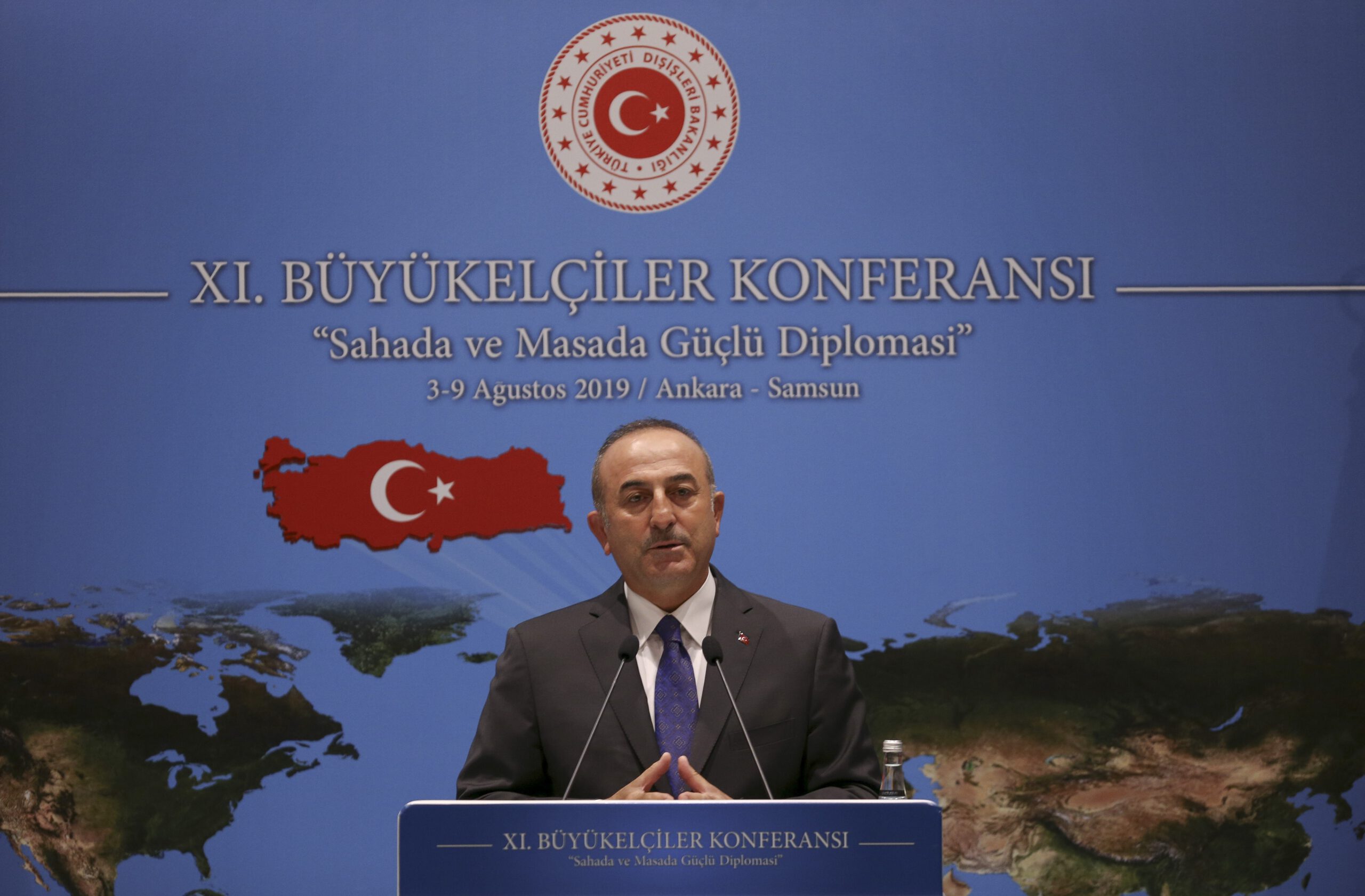
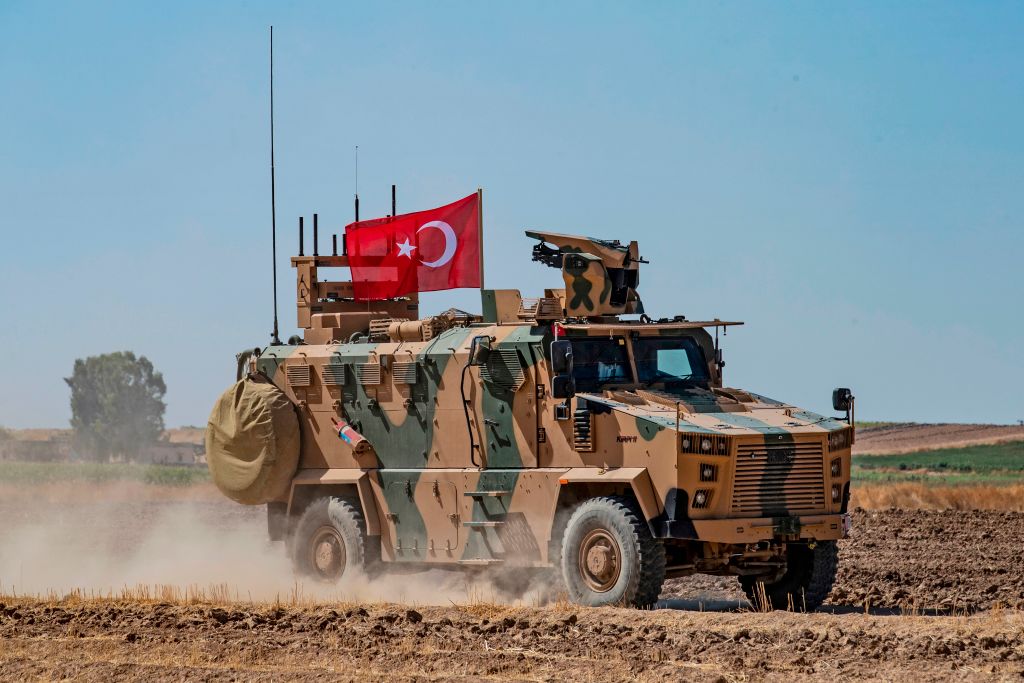
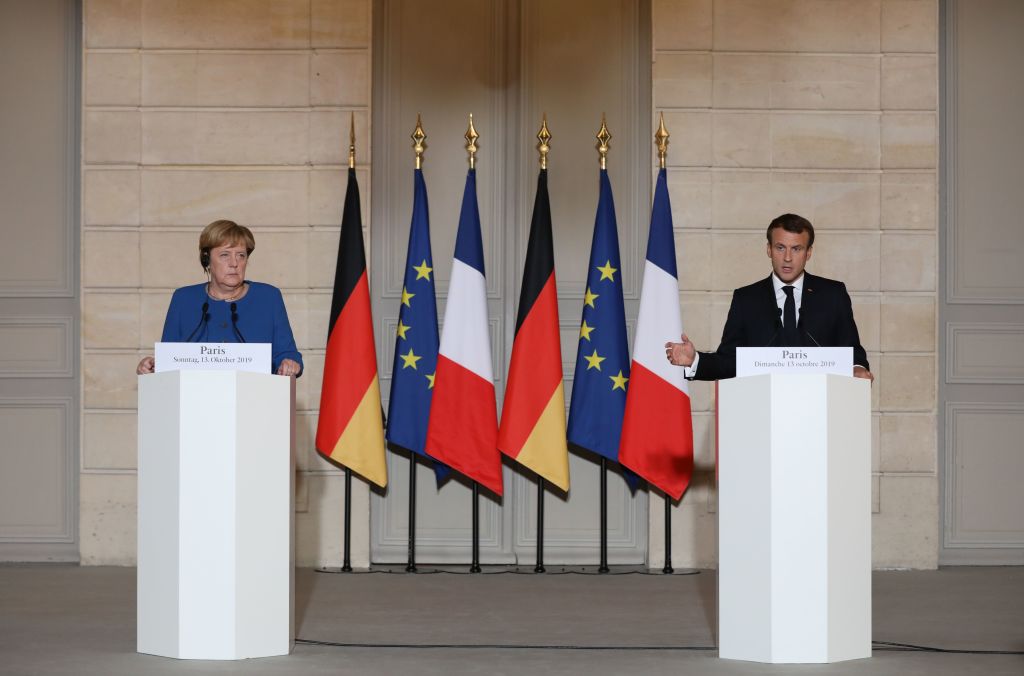
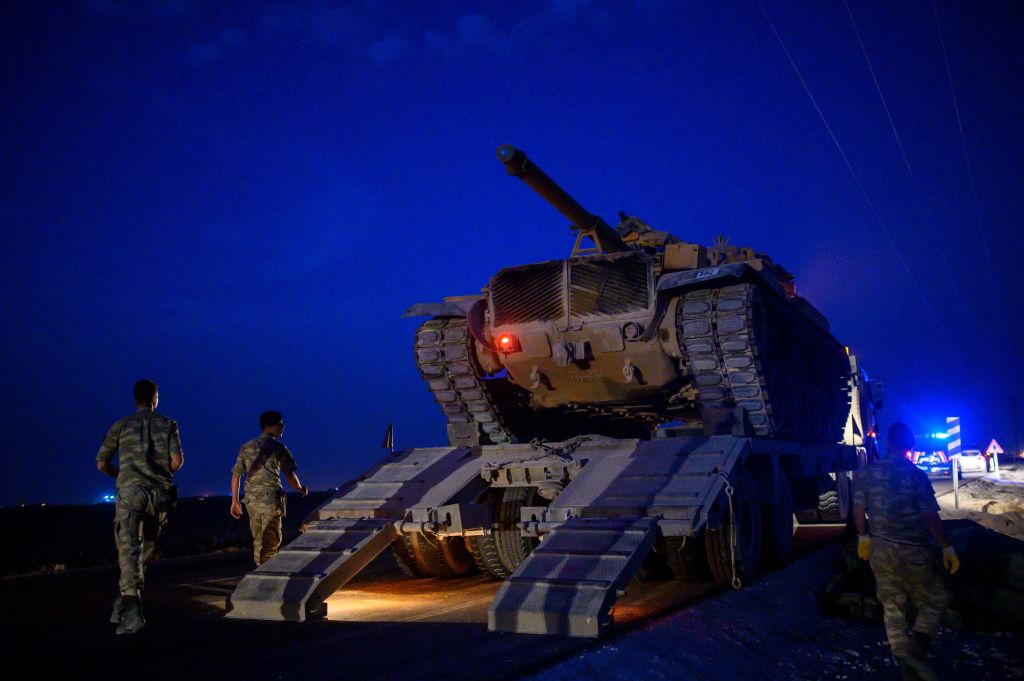
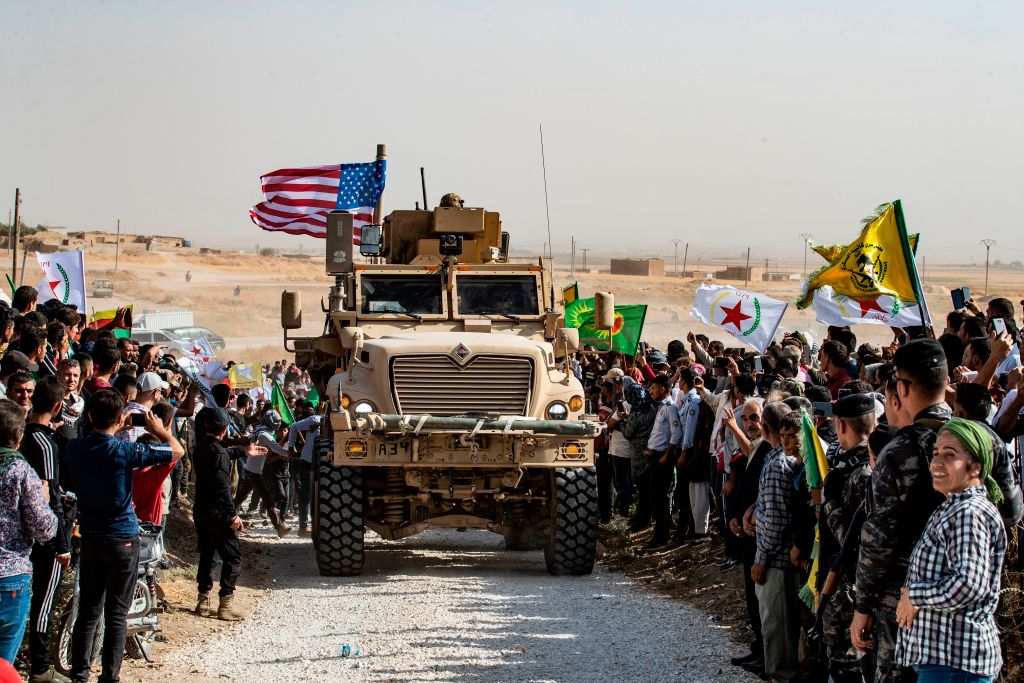
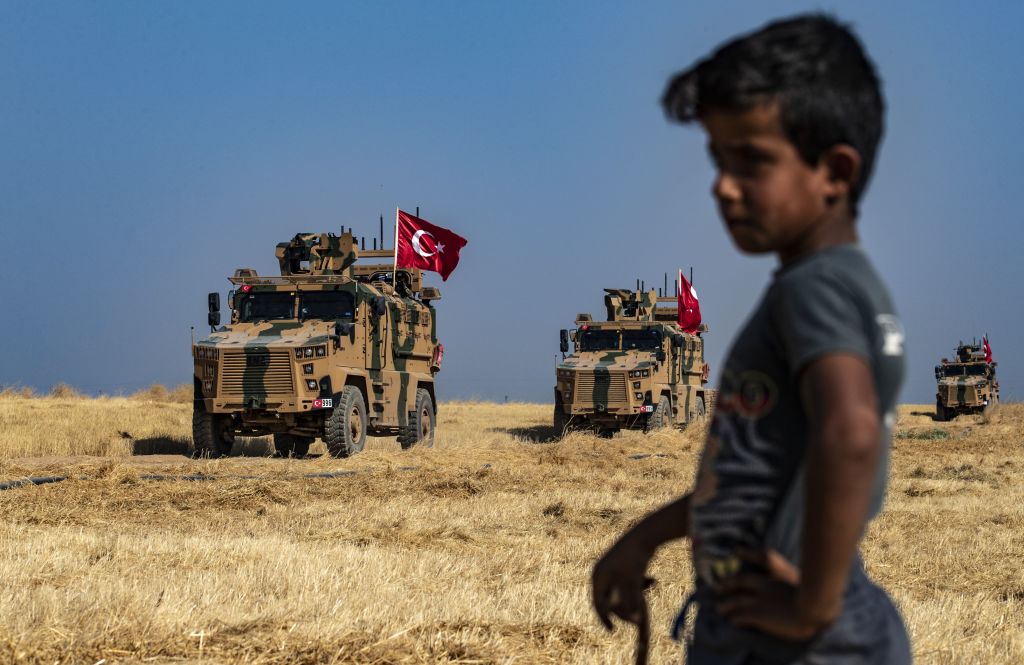
Turkey’s cross-border incursion into northeastern Syria has stirred up a hornet’s nest of instability and threats. If left unchecked, this latest “war within a war” will have deeply destabilizing consequences for many years.
The European Commission’s new president and the MENA region: Status quo or change?
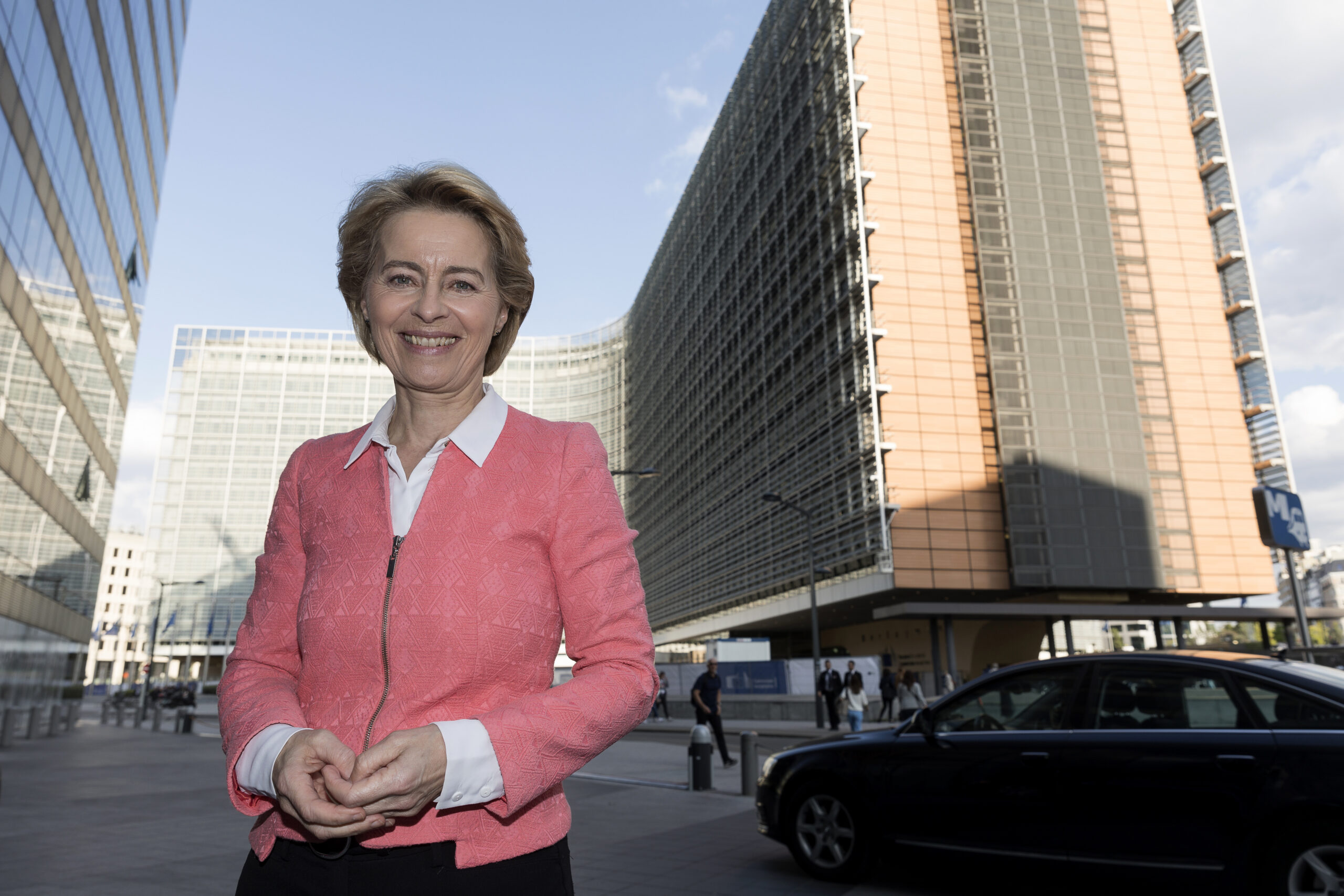
European Council President Charles Michel may have the most prestigious political post in the European Union, but the true power lies with the European Commission, the Union’s executive branch, whose president represents the EU abroad. Will the nomination of Ursula von der Leyen, the first woman to hold this post, affect relations between the EU and the Middle East in the years ahead? For her part, von der Leyen has said she will focus mainly on such matters as an “ambitious climate agenda,” a fair social market economy, and safeguarding democratic values in Europe, but the president-elect will also have to address developments in the Middle East. This will not be new territory for her.
In one fell swoop, the U.S. has found itself evacuating a third of the country; breaking away from a 100,000-strong partner we trained and equipped; and watching it surrender to the regime that we have stood against from day one. In the chaos that has ensued, ISIS prisoners have been let loose, hundreds of thousands of civilians have been displaced, and a once relatively stable northeastern Syria has been thrown into a potentially intractable pit of ethnic, sectarian, and political conflict. The consequences of America’s self-destruction in Syria will be felt for many, many years to come.
The biggest losers from President Trump’s arbitrary decision to allow Turkish forces to enter Syria may end up being pro-revolution Syrians and civilians living in Idlib.
Turkey’s Asia Anew Initiative: Assessment and Shortcomings
On August 5, 2019 Turkey’s Foreign Ministry launched the Asia Anew initiative, whose declared aim is to give greater weight to cooperation with Asian countries in four substantive areas. This article shows that, although few details have emerged regarding how Ankara intends to implement this initiative, there is nonetheless sufficient reason to question whether it is viable or sustainable.
In a stunning announcement on Sunday, the Trump administration gave the nod to a Turkish military incursion into northeastern Syria, an operation that would entail clashes with Washington’s Kurdish allies in the area. The U.S. military, which has around 1,000 troops in Syria, would not “support or be involved in the operation.” But the White House said it would pull back U.S. forces stationed near the Syrian-Turkish border to clear the way for Ankara’s troops.
The Turkish offensive in northern Syria: The view from Europe
The Turkish offensive against Syrian Kurdish forces could result in a military success, but it will also seriously damage Turkey’s image in Europe and elsewhere.
Washington has a hard long-term choice when it comes to Syria. The best chance for an optimal solution through a negotiated political deal was lost years ago. The U.S. now must choose a policy which will yield only a “least-bad” result.
Operation Peace Spring: The Situation in Northeastern Syria
MEI Senior Fellow W. Robert Pearson and Non-resident Scholar Elizabeth Dent join host Alistair Taylor to discuss the Turkish incursion into northeastern Syria following the sudden withdrawal of US troops from the Turkish-Syrian border earlier this week.
Russia’s efforts to expand the Astana process in Syria
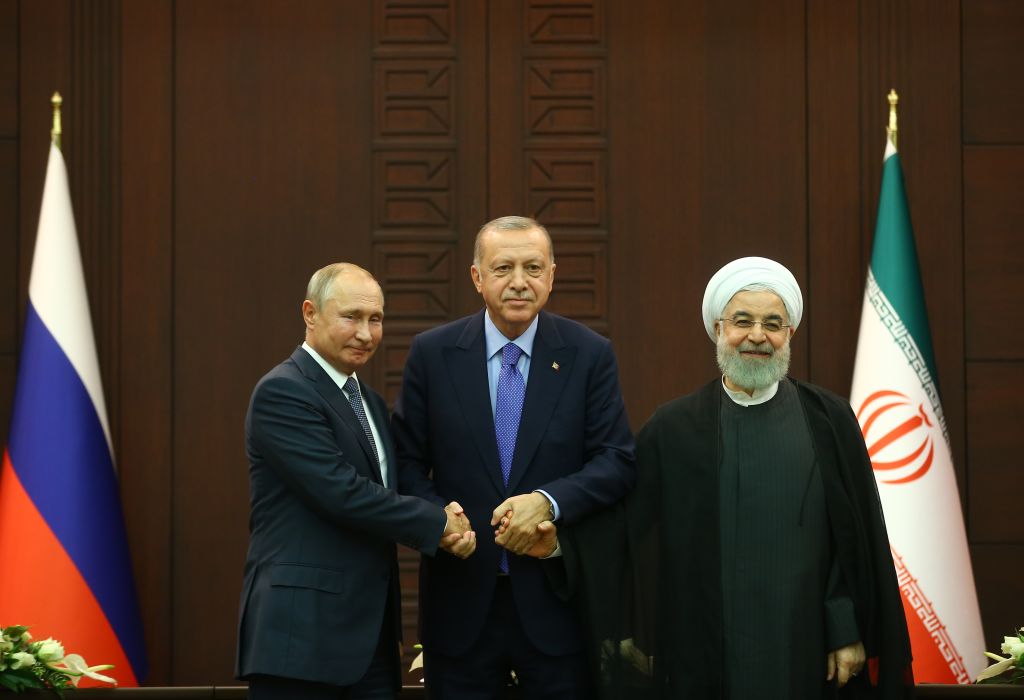
On Sept. 16, the presidents of Russia, Iran, and Turkey met in Ankara to discuss the resolution of the Syrian civil war. In all three countries, the Ankara summit was hailed as a major success, as negotiations on the formation of a Syrian constitutional committee concluded and progress was made toward resolving other outstanding challenges, such as the future of northeastern Syria and the ongoing struggle for Idlib.
Trade, Reform, and Revitalization: Toward a US-Egypt Free Trade Agreement
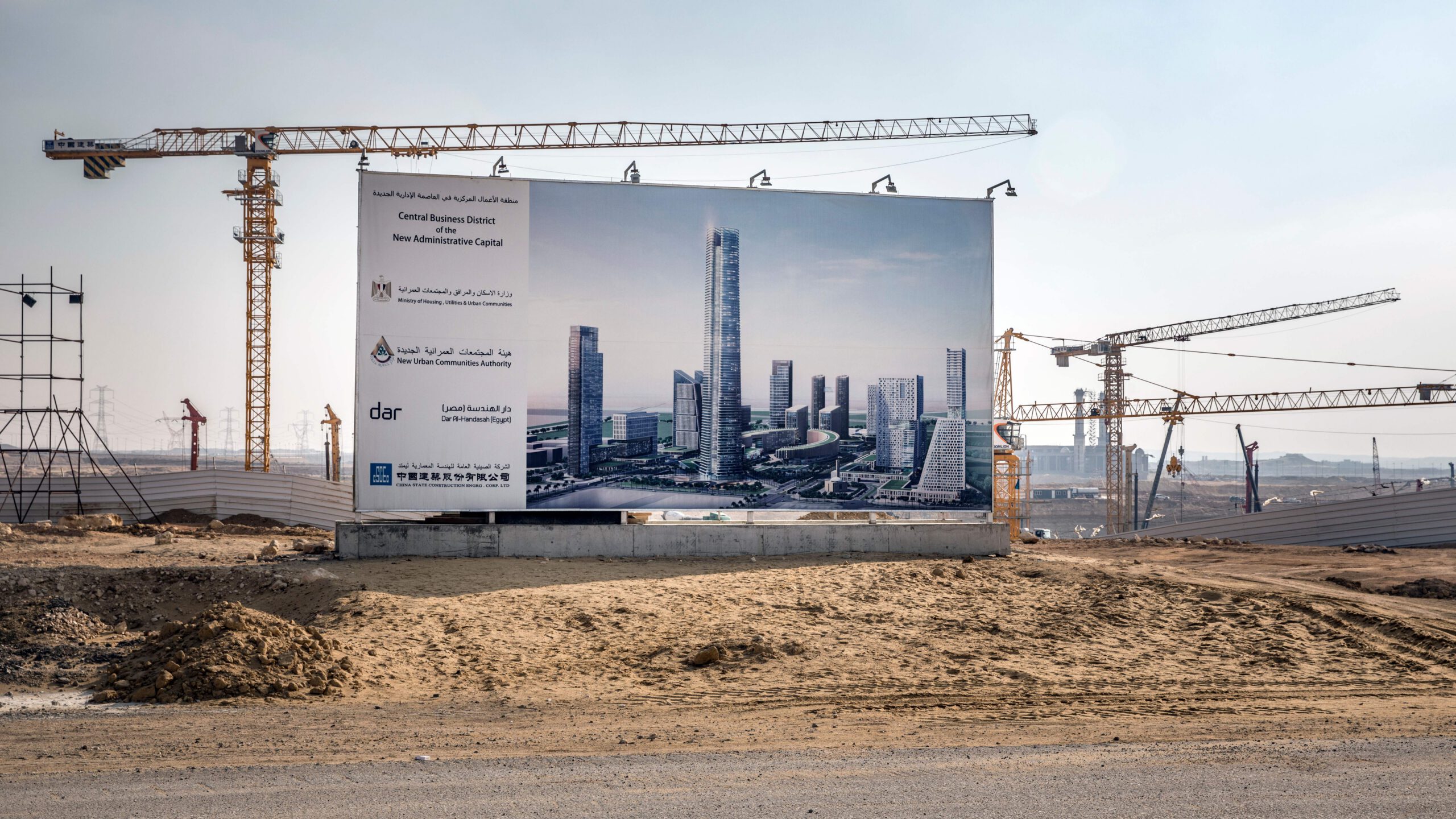
A question as to the value of a U.S.-Egypt Free Trade Agreement (FTA) misses the point. The question should not be whether an FTA would be in the interest of both parties since there is abundant evidence that it would. The question is what kind of FTA would best suit the needs, both short and long term, of the two parties: shallow integration or deep integration? This report argues that notwithstanding several hurdles, it is in the interest of both countries to move swiftly and decisively toward a deep FTA.
Trump paves the way for a US withdrawal from Syria — and all that will follow
While President Trump might think he’s protecting American interests by leaving Syria, he’s actually granting ISIS the gift of rebirth. What looks set to follow from this is a dream scenario for the group.
Trump greenlights Turkish incursion into northeastern Syria
A unilateral Turkish military operation will worsen the already toxic mood vis-à-vis Erdogan on the Hill and might prompt a new round of sanctions at a time when Trump was trying to convince the Congress to hold off on punishing Turkey.
Turkish-backed Syrian armed opposition groups to unite under one banner
After a long-drawn-out series of negotiations, Turkey has successfully convinced more than 40 armed opposition groups in northern Syria to unite under a single umbrella, directly under the command of the Syrian Interim Government’s Ministry of Defense.