This Opinion first appeared on CNN.com on April 20, 2012
The six-point peace plan for Syria proposed by Kofi Annan is doomed to fail for one simple reason: Neither President Bashar al-Assad nor the government opposition is interested in making it work.
The NGO people drive around in big white cars, live in our cities’ best houses and receive high salaries, though most of them would be jobless in their own country. They come here for two, three hours, and we tell them what they need to hear. They express empathy with our difficult situation, and then they get back into their air-conditioned four wheel drives and race off leaving us behind in a cloud of dust. Often they are never seen again. —Farmers in rural Kunduz Province, 2006
Rebuilding Afghanistan: Practical Measures for Improving the Economy
Originally posted December 2009
It is a difficult task to suggest a specific recipe for the improvement of the economy of any failed state. The case of Afghanistan presents even more challenges.
Orientalism's Persistence in Mass Culture and Foreign Policy
Originally posted September 2009
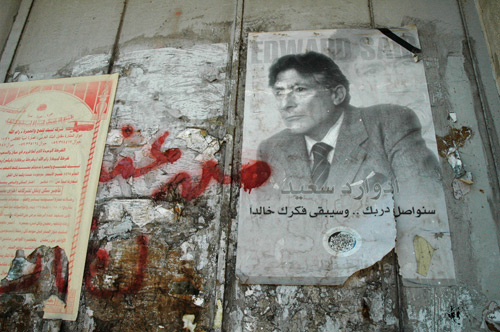
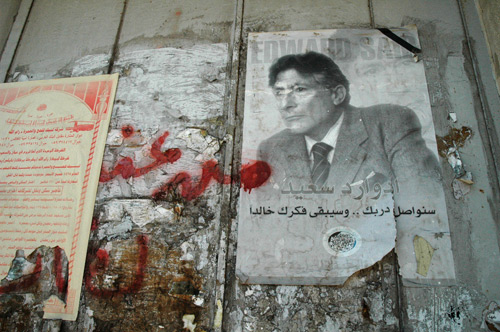
Edward W. Said’s widow, Mariam, tells me that his books are still selling well. The academic community has been transformed, and the field of literary criticism has been revolutionized as a result of his legacy. The Middle East Studies Association (MESA) has in recent years elected a series of presidents reflecting non-orientalist approaches. At the last MESA annual meeting in Washington, DC in November 2008 a plenary session was devoted to Said’s work. The large hall was packed.