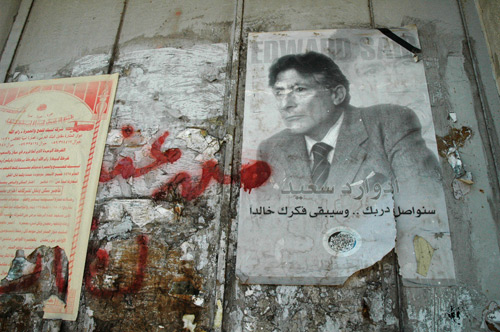
“I think one can say this almost without qualification,” writes Edward Said in Orientalism, as he reiterates some basic facts and moves toward a provisional conclusion (p. 204). Said had just explained that Orientalism is “a positive doctrine.” It is “an influential academic tradition,” as well as “an area of concern” (p. 203). As he implies here, and shows throughout his work, Orientalism is a great number of other things, too. It is the deployment of concepts regarded as always already universal such as race, religion, and fanaticism.
Post-Buffer Afghanistan: A Nation-State Here to Stay?
Originally posted December 2009
Nation-states, like their citizens, have life spans. Some are short. The bumptious Republic of Texas, for instance, lasted only nine years before being absorbed by a larger and even more energetic United States of America. Yugoslavia survived intact for two generations and then fragmented into six parts, seven including Kosovo.
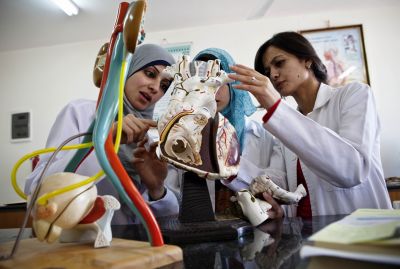
The thirteen students in the class at the American University of Cairo were mid-career professionals working on graduate degrees in education. We had spent two hours discussing my book of case studies in education assistance when one student raised her hand: “Look, we intend to reform Egypt’s education system. Can you please just give us the steps we need to follow?”
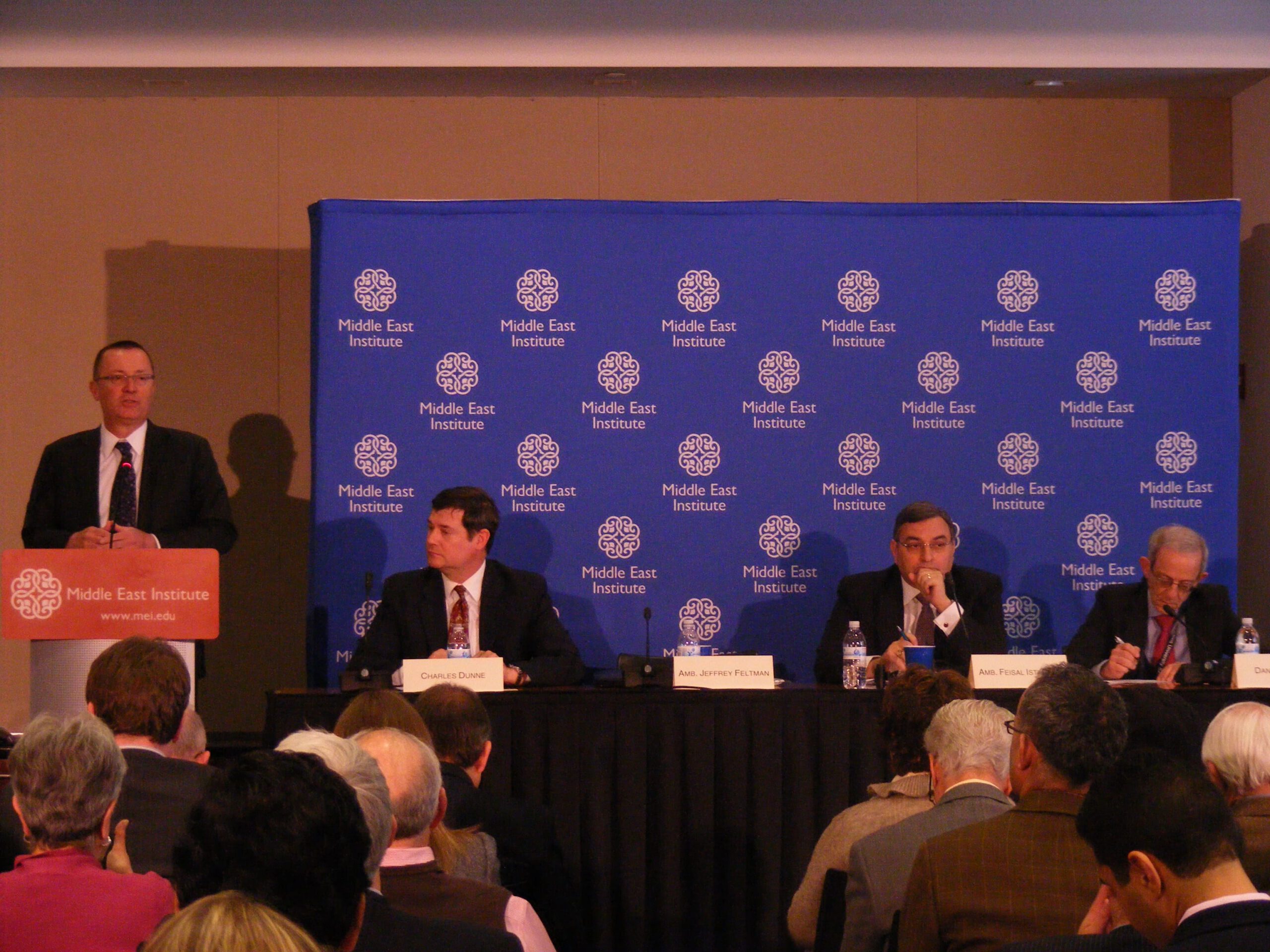
Panelists will explore both the challenges and opportunities presented by the transition of the U.S.-Iraqi partnership from a mainly military to a diplomatic one. What sort of working relationship is emerging between the U.S. and Iraqi governments? What kind of cooperation is taking place in the areas of domestic and regional security, diplomacy, trade, energy, and reform? How has the troop drawdown affected U.S. influence in Iraq and the region in general? Feltman, Istrabadi and Serwer will explore strategies and policies resulting from the new bilateral dynamics.
Women's Prospects in Afghanistan: Oppression or Opportunity?
Recent media reports indicate that fewer Afghan women turned out to vote for a President on August 20, 2009 than went to the polls five years ago, when in some districts female turnout had been even higher than that of males. Apprehension, convention, ennui, and disorganization led to families keeping their women home on election day, even as men dared to vote. The reversal of women’s rights, which they had only recently begun to exercise, is an ominous sign.